Can A California Neighbor Legally Cut Your Tree Roots If They Cross The Property Line?
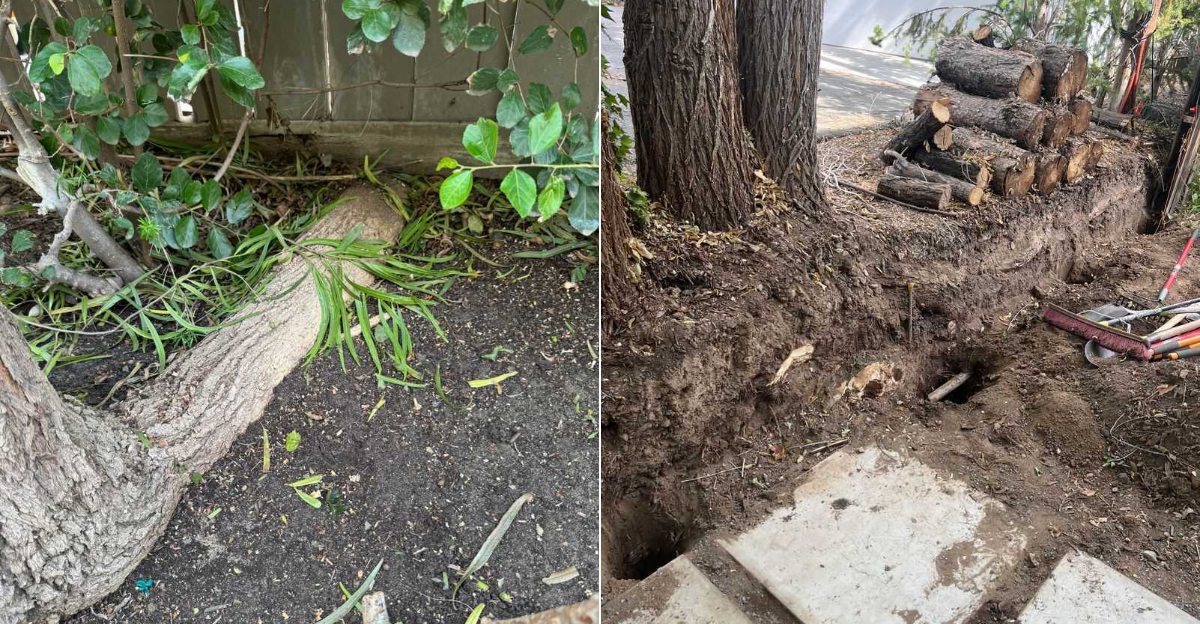
Tree roots do not care where a property line ends, which can create an awkward dispute when they spread beneath a neighbor’s yard.
A homeowner may discover them while digging, repairing pavement, or working on landscaping and decide they want the intrusion gone.
California law does give property owners certain rights when neighboring trees cross onto their land, but those rights are not unlimited.
Courts have recognized that careless cutting can become a problem if it seriously damages or destroys the tree.
That makes underground encroachment more complicated than simply trimming whatever appears on your side of the boundary. The tree’s location, the extent of the roots, and the consequences of removing them can all matter.
Before either neighbor reaches for a saw or hires a contractor, it is worth understanding where self-help ends and potential liability begins.
1. Crossing The Property Line Changes The Rules
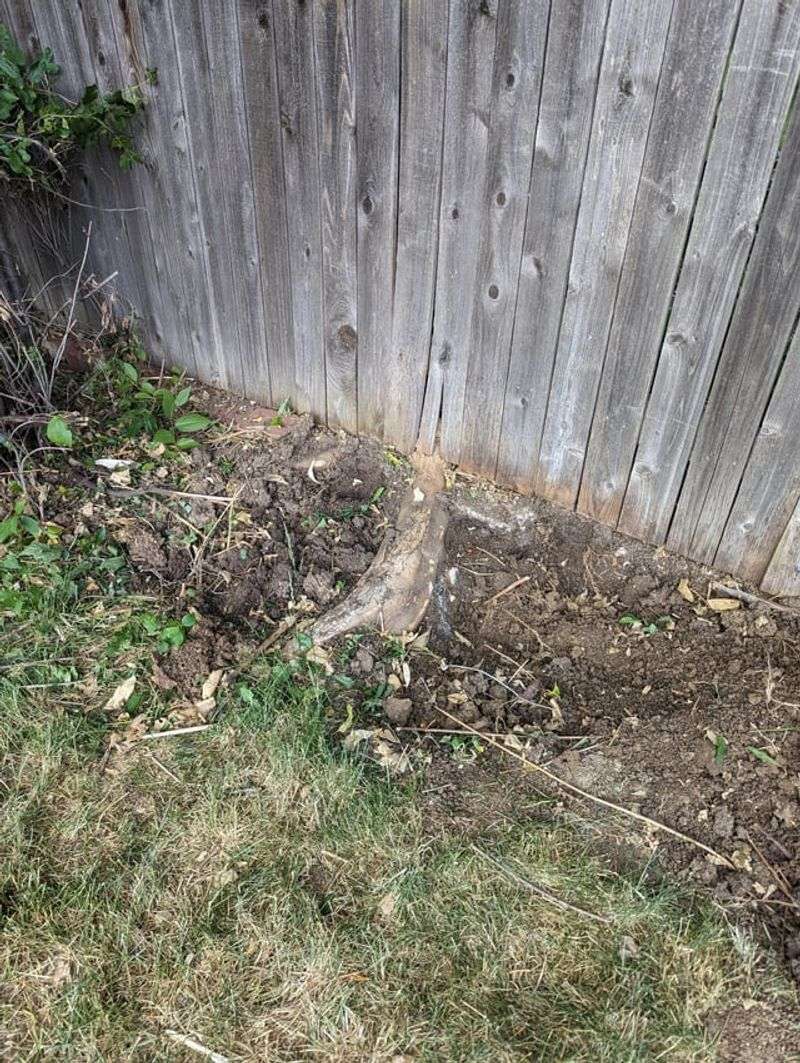
Most people assume that if a tree is planted in your yard, it belongs entirely to you. That part is true.
But roots are a different story once they travel past your property line. The moment roots cross onto someone else’s land, the law starts to look at things differently.
In many states, and especially here in California, the general rule is called the “Massachusetts Rule” or the “Hawaii Rule,” depending on where you live.
Under the older Massachusetts Rule, neighbors had to deal with encroaching roots on their own without any legal recourse.
The Hawaii Rule, which is more modern and widely used today, says a neighbor can take legal action if the roots cause actual harm.
Courts in California tend to follow the Hawaii Rule approach. So if your roots are simply growing nearby but not causing damage, your neighbor may not have a strong legal case.
But if those roots are cracking a driveway, clogging a sewer line, or lifting a patio, the situation becomes much more serious. Knowing which rule applies in your area can completely change how a dispute plays out.
Always check local ordinances too, because city and county rules can add extra layers to what is already a complicated situation.
2. Your Neighbor Can Usually Cut Roots On Their Side
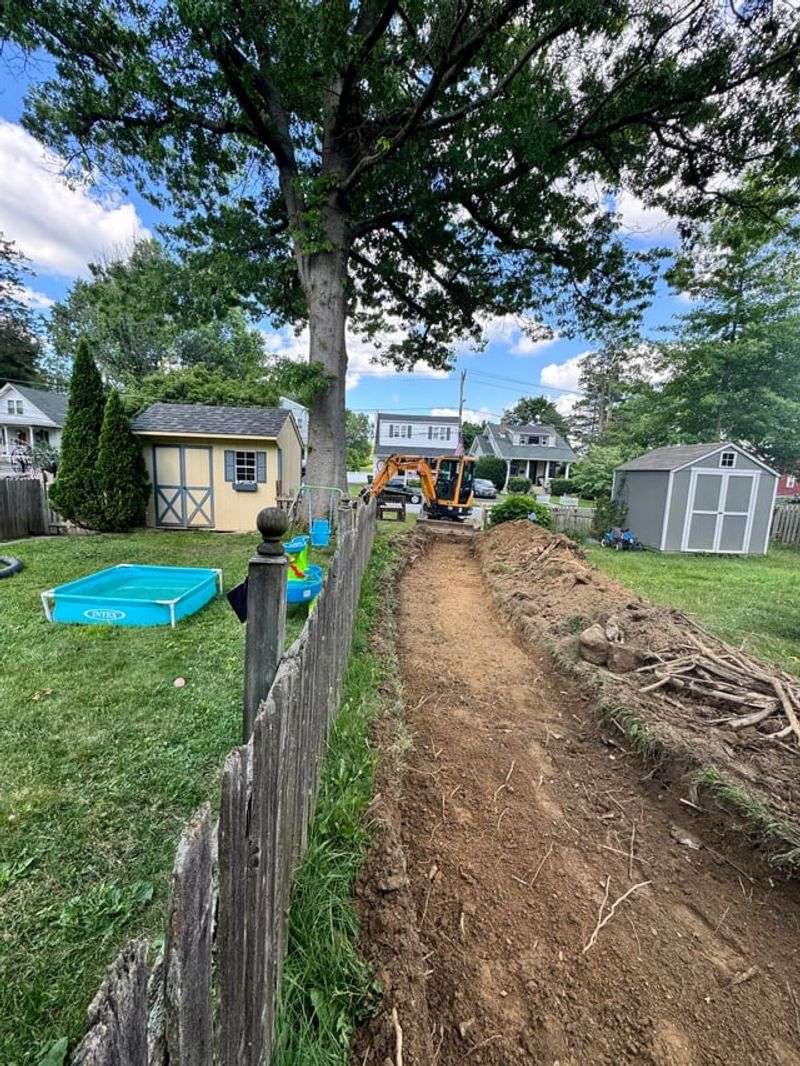
Here is something many tree owners do not realize: your neighbor generally has the legal right to cut any roots that grow onto their property. This is a well-established principle in property law.
You do not need to give permission for them to do this on their own side of the fence.
The key word here is “their side.” Your neighbor cannot come onto your property and start cutting without your approval. But anything that crosses that invisible line into their yard is fair game under most legal interpretations.
They can dig up roots, cut them back, and remove them as long as the work stays on their land.
That said, legal permission does not mean unlimited permission. Your neighbor still has a responsibility to act reasonably.
If their cutting causes the tree to become unstable or seriously weakened, things can get complicated. Some legal experts say that a neighbor who cuts roots recklessly could be held responsible for resulting damage.
Your California Garden Changes Every Week. Your Plan Should Too.
Gardening in California changes quickly throughout the season. Every Friday you’ll receive a simple weekly plan showing exactly what to plant, prune, fertilize, harvest, and protect so you never miss the right timing.
So while they have the right to cut, they also carry some responsibility for how they do it. The safest approach for everyone is to communicate before any cutting begins.
A quick conversation between neighbors can prevent a lot of stress, expense, and hard feelings later on.
3. But Harming The Tree Can Create A Bigger Problem
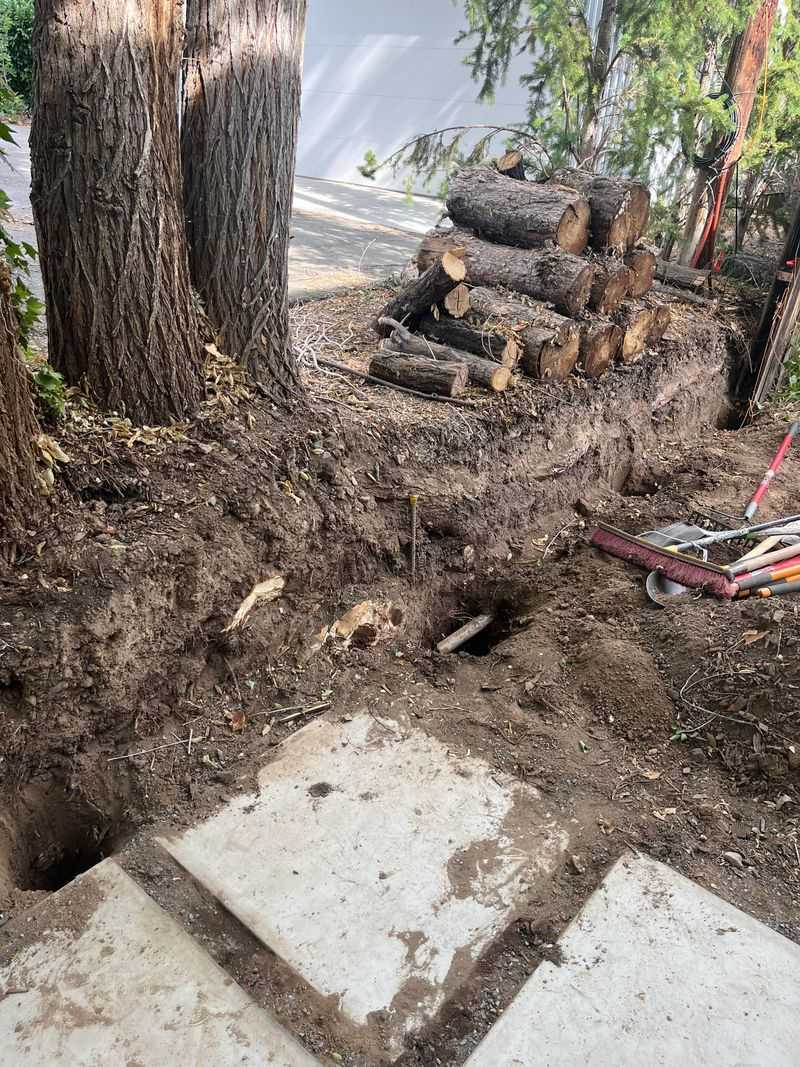
Cutting roots sounds simple, but roots are not just anchors. They carry water and nutrients up into the tree.
They also hold the tree upright during storms and strong winds. Remove too many of them and the whole tree can suffer badly.
When a neighbor cuts roots aggressively without thinking about the tree’s health, the tree can become structurally unstable. A weakened tree is more likely to fall.
If it falls onto your home, your car, or even a person, the legal and financial consequences can be significant. This is where the situation gets very serious for both parties involved.
If a neighbor’s reckless root cutting leads to the tree falling and causing damage, the tree’s owner may have a claim against the neighbor. Courts have ruled in cases like this before, and outcomes vary depending on the specific details.
What matters most is whether the neighbor acted reasonably and whether they were warned about the risk. Tree owners should document the health of their tree regularly.
Take photos, get inspections, and keep records. If something goes wrong after a neighbor cuts roots without warning, having solid documentation puts you in a much stronger position to seek compensation or take the matter to court.
4. One Aggressive Cut Could Damage The Whole Tree
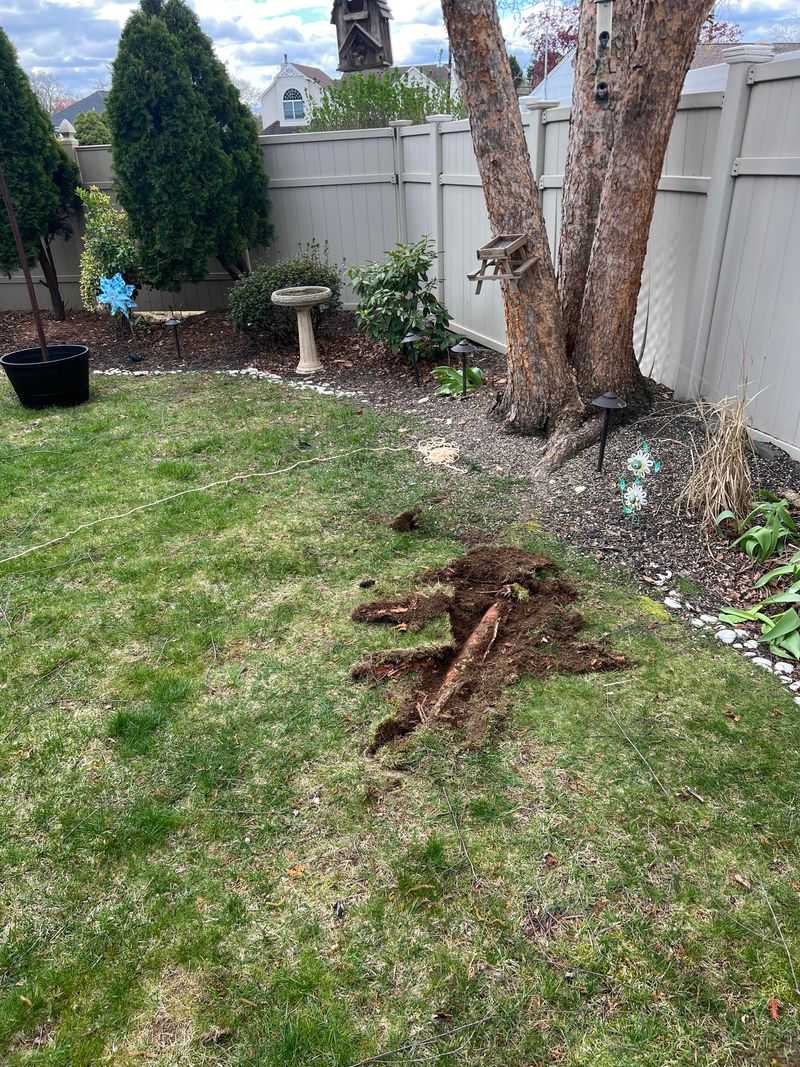
Not all root cutting is equal. Trimming a few small surface roots is very different from sawing through a large structural root that runs deep into the ground.
The size and depth of the root matter a great deal when it comes to the tree’s survival.
A general rule in arboriculture is that you should never cut a root that is more than two inches in diameter if you want to keep the tree healthy. Larger roots are the main support system for the tree.
Cutting them can cause leaning, tipping, or a complete structural failure over time. The tree may not show signs of stress right away, but the damage can appear months or even years later.
Roots closest to the trunk are the most important ones to protect. The closer a cut is to the base of the tree, the more serious the impact.
Even one bad cut in the wrong place can set off a chain of problems that weakens the entire root system. This is why aggressive cutting by an uninformed neighbor is so risky.
Good intentions do not protect against bad outcomes. Before any serious root work is done near a property line, both neighbors should understand what they are dealing with.
A small cut can have a very big impact on a tree that has been growing for decades.
5. Property Lines Matter More Than The Fence
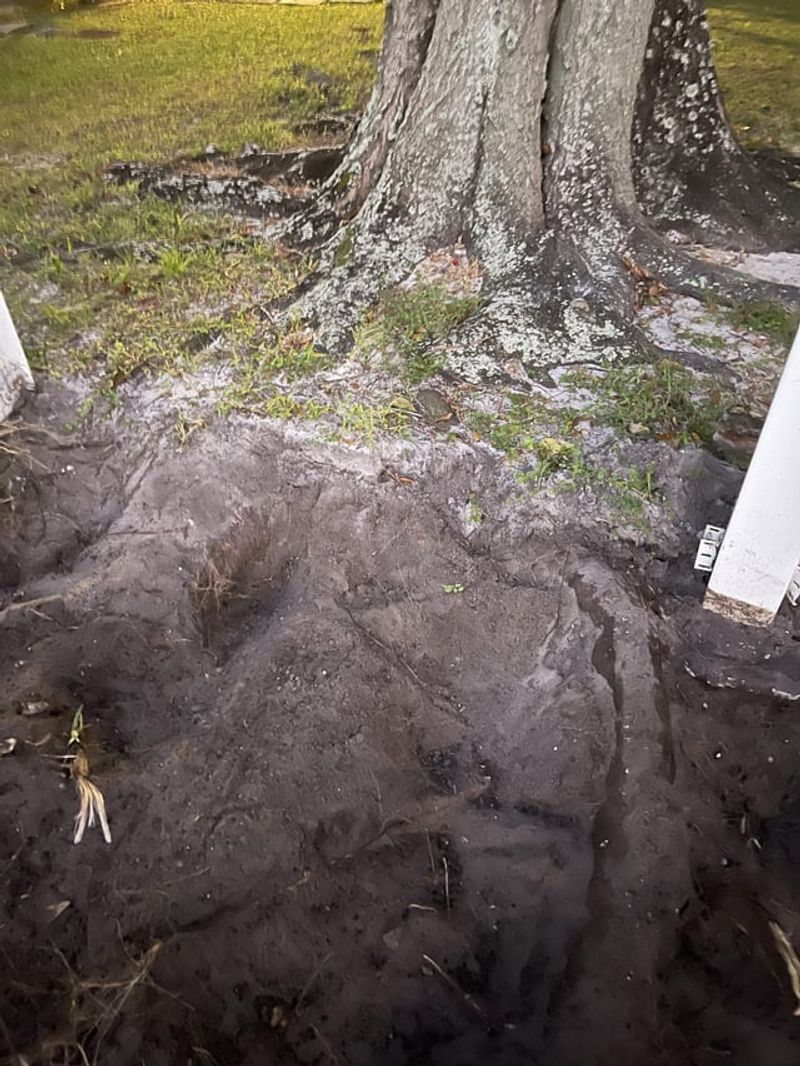
Many people assume the fence is the property line. That assumption causes more disputes than you might expect.
Fences are often built slightly inside the actual legal boundary, and in some cases they are in the wrong place entirely. Before any root cutting happens, both parties should know exactly where the legal line is.
Property lines are established by legal surveys, not by where a fence happens to sit. If you are not sure where your property ends and your neighbor’s begins, a licensed land surveyor can give you a definitive answer.
This step is worth taking before any conflict escalates. Cutting roots based on a wrong assumption about the property line could create serious legal exposure.
Root cutting on your neighbor’s actual property, without their permission, could be considered trespassing or property damage in some cases.
On the flip side, if your neighbor cuts roots they believe are on their side but the line is actually different, you may have a valid complaint.
Getting the survey done early removes all the guesswork. It gives both sides a clear, factual starting point for any conversation or legal action.
In neighborly disputes, facts matter more than feelings. Knowing exactly where the property line sits can quickly resolve what might otherwise turn into a long and expensive argument.
6. Large Roots Are Different From Tiny Surface Roots
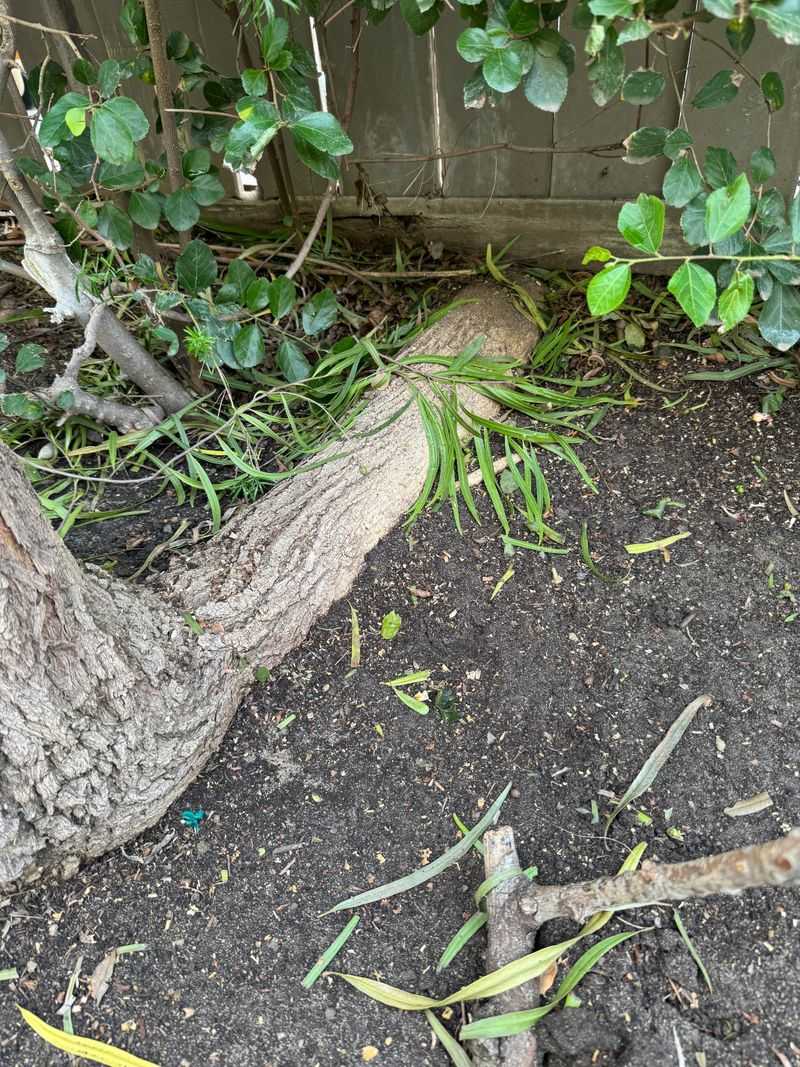
When roots creep onto a neighbor’s property, they do not all create the same level of concern.
A few thin surface roots poking through the soil are very different from a thick root pushing up through a concrete patio.
The type of root involved changes how serious the situation is and what options make sense.
Surface roots are usually easier to manage. They tend to be younger and less critical to the tree’s overall structure.
Cutting them back carefully and at a reasonable distance from the trunk is generally safer. Many homeowners and landscapers handle small surface roots without professional help and without causing lasting harm to the tree.
Large roots are a completely different situation. These are the anchors and the main pipelines that keep the tree stable and nourished.
Cutting a large root improperly can trigger a slow decline in the tree’s health or cause sudden structural failure. The deeper and thicker the root, the more careful the approach needs to be.
If a large root is causing real damage, like breaking a foundation or cracking a sewer line, the solution needs to involve professionals.
A certified arborist and possibly a plumber or structural engineer should all have a say before any major cutting begins.
Rushing that process can turn a fixable problem into a very costly one.
7. An Arborist Can Show What Is Safe To Cut
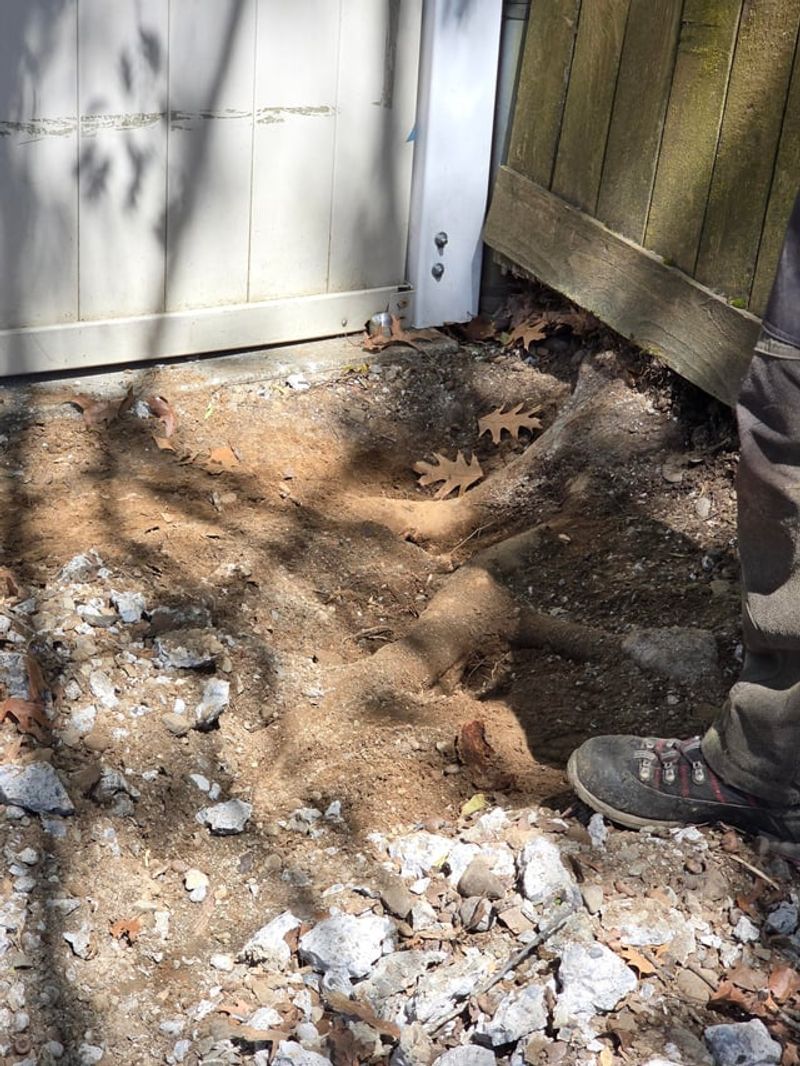
When neighbors disagree about tree roots, calling a certified arborist is often the smartest move either side can make.
An arborist is a trained tree care professional who understands how roots work, which ones are critical, and how much cutting a tree can handle before it becomes unsafe.
Getting an arborist’s opinion before any cutting begins can protect both neighbors. If the arborist says a certain root can be safely removed, both parties have professional guidance to rely on.
If the arborist says cutting would seriously harm the tree, that information can stop a neighbor from making a damaging mistake. Either way, the report creates a paper trail that can be useful if the dispute ever goes to court.
Arborists can also suggest alternatives to cutting. Root barriers, for example, are physical barriers installed in the ground that redirect root growth without harming the tree.
Re-routing irrigation can sometimes reduce root growth in a particular direction. These solutions may cost a little more upfront, but they protect the tree and the relationship between neighbors at the same time.
Many disputes that seem headed for legal action are resolved quickly once a professional gets involved.
An expert opinion carries weight, and it gives both sides something objective to work with instead of just arguing about who is right.
8. Root Damage Can Turn Into A Property Dispute
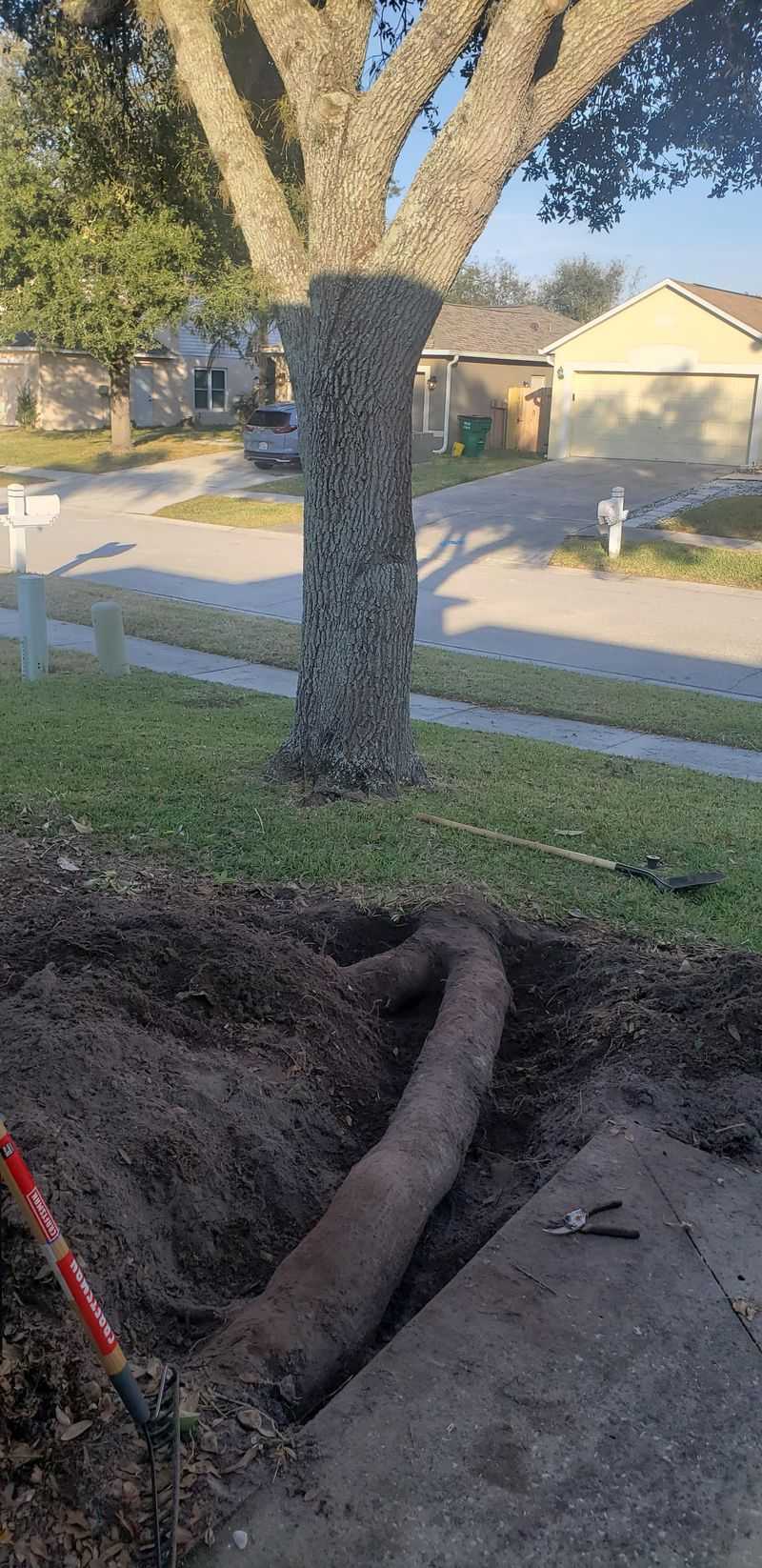
What starts as a simple root problem can turn into a full-blown legal dispute faster than most people expect. When roots crack a driveway, damage a fence, or clog a sewer line, the cost of repairs becomes real and significant.
At that point, both sides want to know who is responsible for paying the bill.
In general, tree owners are not automatically liable for damage caused by roots that spread naturally. But if a tree owner was warned about the problem and did nothing, courts may see it differently.
Ignoring a documented complaint from your neighbor can shift legal responsibility onto you. That is why responding to concerns early and in writing is so important.
On the neighbor’s side, taking action without warning or documentation can also backfire. If you cut roots without notifying the tree owner and the tree later falls or declines, you could face a claim for the value of the tree or the cost of cleanup and repairs.
Tree disputes in California and across the country have resulted in lawsuits costing thousands of dollars.
The best way to avoid all of that is to communicate early, document everything, get professional advice, and try to reach a mutual agreement before things escalate.
A little effort upfront can prevent a very expensive and stressful legal battle later on.