8 Things Massachusetts Lawns Need Before August Ends To Stay Ahead Of Crabgrass
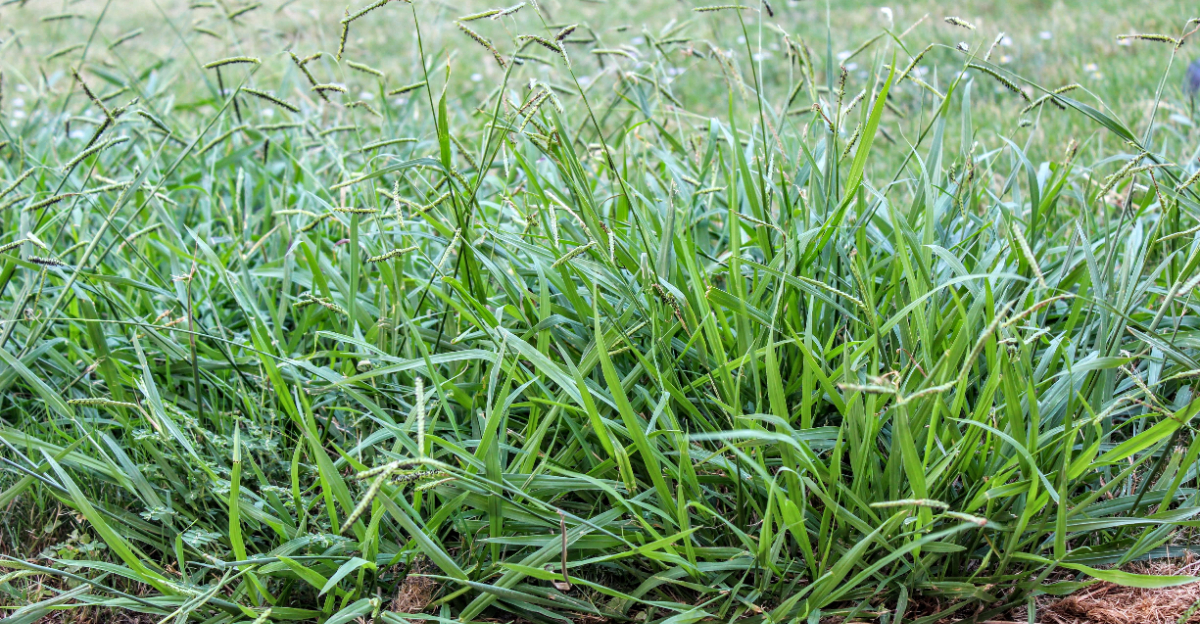
Somewhere in your yard right now, there’s a patch just thin enough to let something else move in. It won’t announce itself. By the time you spot it, it’s already claimed the square footage.
Massachusetts summers give this invader exactly what it wants: baked soil, thirsty grass, and a few weeks of neglect near the mailbox or driveway edge. That’s all the invitation it needs.
Yanking it out by hand only clears today’s problem. The soil underneath is still primed for a repeat performance next week, and probably next spring.
1. Early Fall Nitrogen Strengthens Turf Density
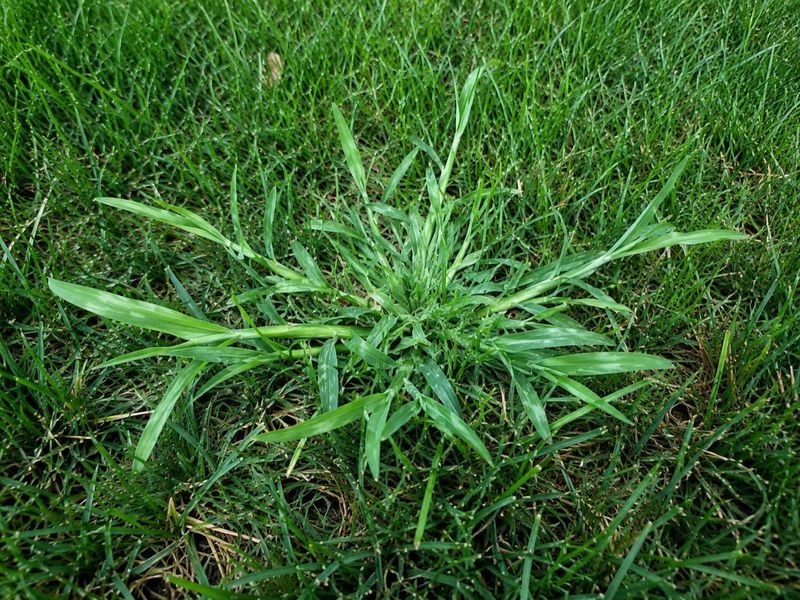
A hungry lawn is a weak lawn. When your grass runs low on nitrogen, it thins out fast and leaves gaps that crabgrass loves to fill.
Late August is the sweet spot for nitrogen applications in New England. The soil is warm, roots are active, and grass plants are ready to absorb nutrients quickly.
Slow-release nitrogen fertilizers work best for this timing. They feed the turf steadily over several weeks instead of dumping everything at once.
Look for a fertilizer with a nitrogen ratio around 32-0-10 or similar. That first number is the one that matters most for building turf density right now.
Apply at the rate listed on the bag. Going heavier does not speed things up; it just burns your grass and wastes money.
Spreader settings matter more than most people realize. An uneven application leaves streaks of thick grass next to thin spots, and thin spots invite weeds back in.
Water lightly after spreading granular fertilizer. This helps the granules break down and reach the root zone without washing off your driveway or sidewalk.
Stronger turf density is your first real weapon against crabgrass. A lawn that grows thick from the ground up leaves almost no room for weed seeds to sprout.
Massachusetts lawns that get a solid nitrogen boost before August ends recover faster from summer stress. That recovery speed is exactly what separates a weed-free lawn from one that struggles all season long.
2. Thick Grass Naturally Crowds Out Crabgrass
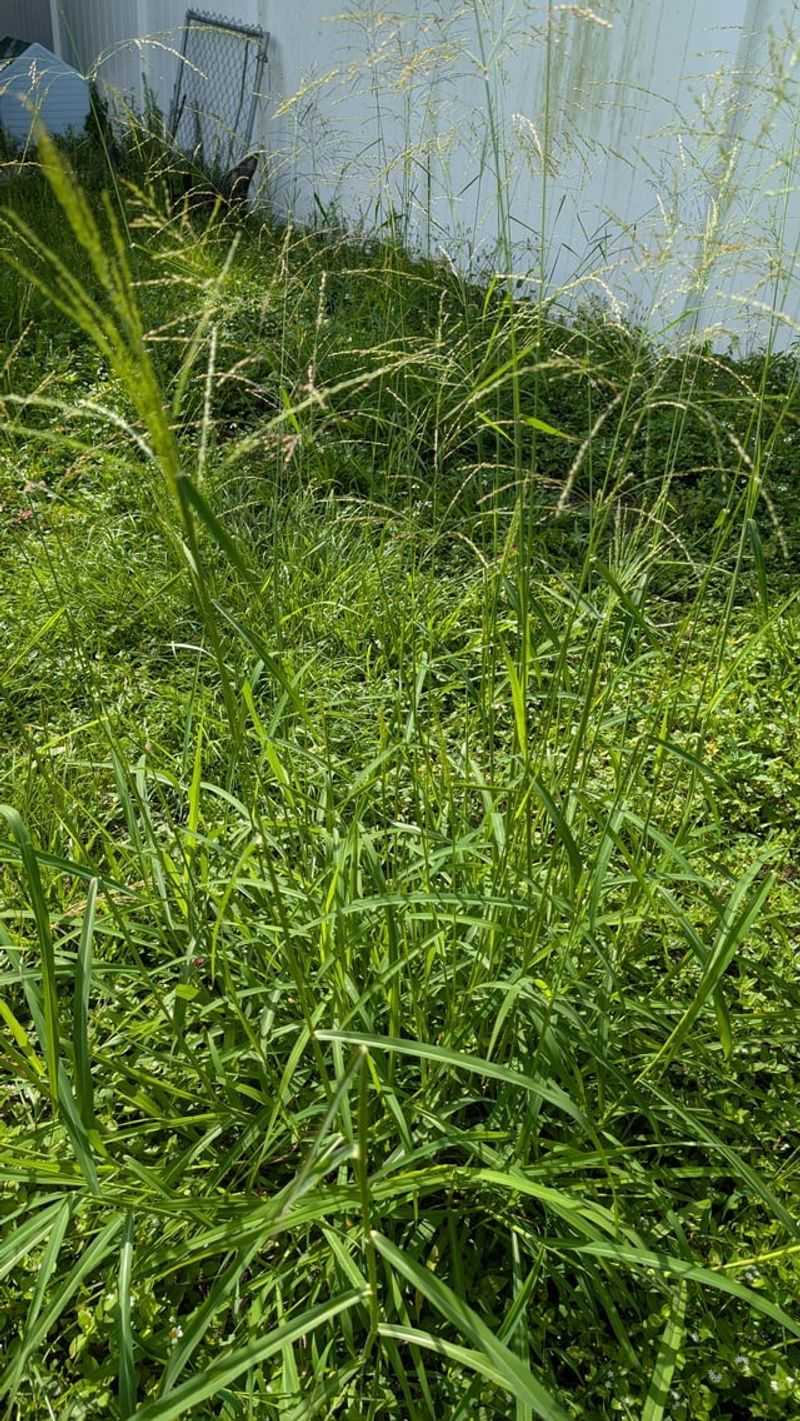
Crabgrass needs sunlight to germinate. A thick, dense lawn blocks that sunlight right at the soil surface where it counts most.
Think of your turf as a living shield. Every square inch of healthy grass is one less opening for a weed seed to find purchase and grow.
Building that thickness starts with understanding your grass type. Most Massachusetts lawns run on cool-season grasses like Kentucky bluegrass, tall fescue, or perennial ryegrass.
Each of those species spreads differently. Bluegrass spreads through underground rhizomes, while fescue grows in clumps that need help filling in bare spots.
Knowing your grass type tells you how to encourage natural spreading. For rhizome-forming grasses, the right fertility program does most of the work automatically.
For clump-forming grasses, you need to add seed to thicken things up. That is where overseeding comes in, which we cover in a later section.
Consistent watering also plays a huge role in turf thickness. Grass that gets deep, infrequent watering develops stronger root systems than grass watered lightly every single day.
Your Massachusetts Garden Changes Every Week. Your Plan Should Too.
Gardening in Massachusetts changes quickly throughout the season. Every Friday you’ll receive a simple weekly plan showing exactly what to plant, prune, fertilize, harvest, and protect so you never miss the right timing.
Aim for about one inch of water per week, including rainfall. Deep roots mean grass that stays green and thick even when late-summer heat tries to stress it out.
A naturally thick lawn is one of the most satisfying sights in the neighborhood. When crabgrass has nowhere left to go, your August effort pays off every morning you step outside.
3. Aeration Improves Root And Nutrient Uptake
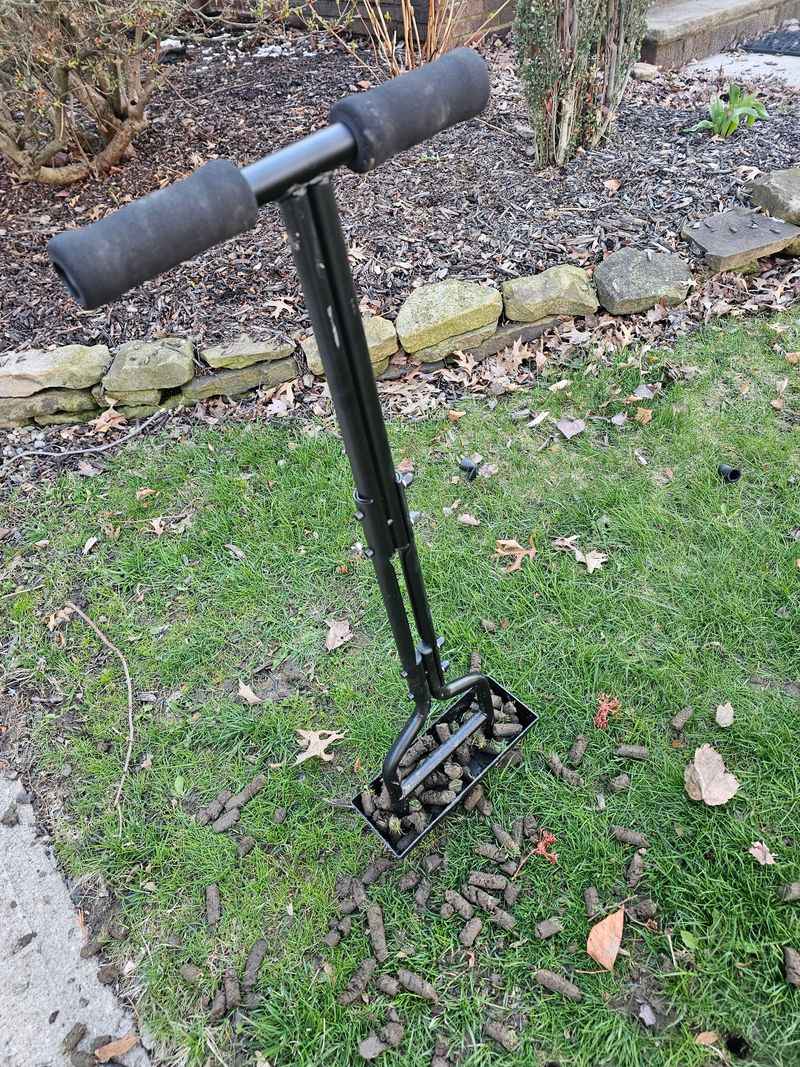
Compacted soil is a hidden stress point in the lawn. When soil gets packed down from foot traffic and mowing, roots cannot push deep enough to find water or nutrients.
Core aeration punches small holes through the thatch layer and into the soil. Those holes open up pathways for air, water, and fertilizer to reach the root zone directly.
Late August is one of the best windows for aerating cool-season lawns. The grass is still actively growing, so it heals quickly and fills in the aeration holes fast.
Rent a core aerator from your local hardware store if you do not want to hire a crew. Make two passes in different directions for the best coverage across the whole yard.
The soil plugs left behind on the surface look messy at first. Leave them there and let them break down naturally; they return organic matter back to the soil.
Aeration before fertilizing makes your nitrogen application far more effective. Nutrients move straight down into the root zone instead of sitting on top of a compacted surface.
It also improves drainage, which matters a lot in areas with heavy clay soil. Compacted clay holds water near the surface, which can stress roots and create conditions where weeds thrive.
Lawns that get aerated annually tend to stay healthier with less effort over time. That kind of soil health is what keeps crabgrass from finding the foothold it needs to spread.
4. Overseeding Fills In Thin, Weak Patches
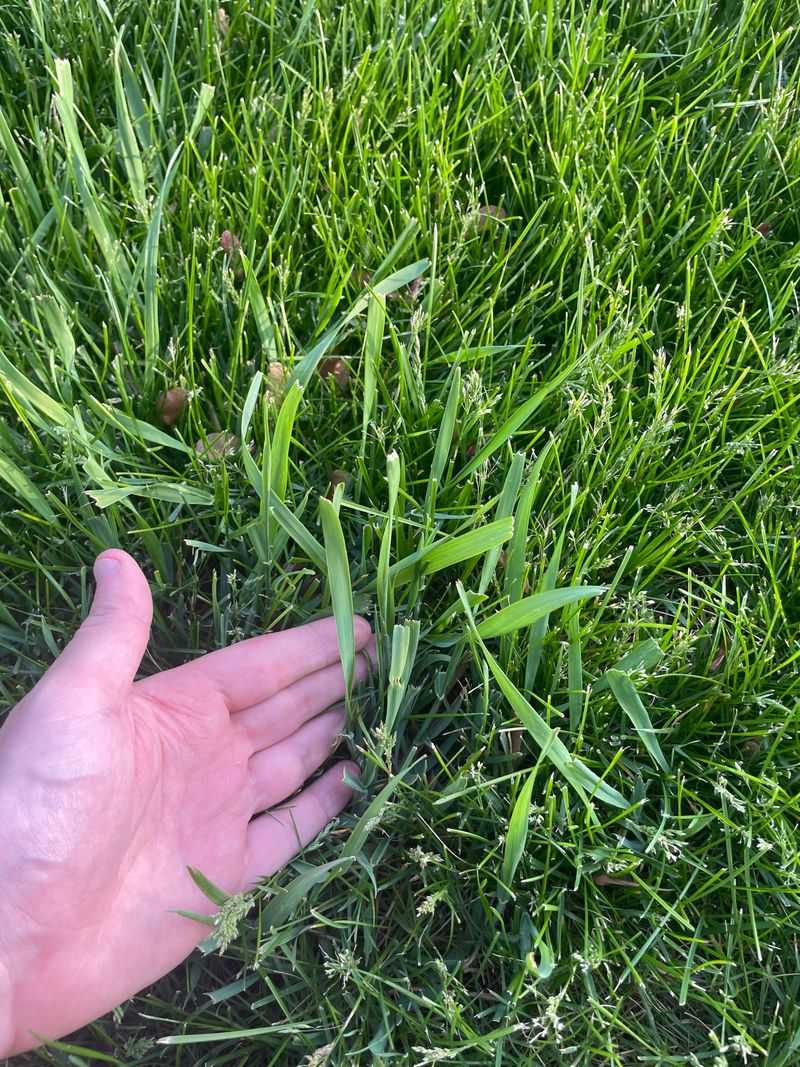
Bare patches are open invitations. Crabgrass and other weeds move into thin spots faster than most homeowners expect, especially heading into fall.
Overseeding is the process of spreading new grass seed over your existing lawn. It fills in weak areas without tearing up what is already growing well.
For Massachusetts lawns, tall fescue and perennial ryegrass are top choices for overseeding in late summer. Both germinate quickly in warm soil and establish before the first frost arrives.
Prepare the thin patches before you seed. Scratch the surface lightly with a rake to create good seed-to-soil contact, which is one of the biggest factors in successful germination.
Spread seed at the rate recommended on the bag. Going too light means patchy results; going too heavy means seedlings compete with each other and struggle to establish.
Water newly seeded areas twice daily for the first two weeks. Keeping the top inch of soil consistently moist gives seeds the moisture they need to sprout and take hold.
Avoid applying any post-emergent weed sprays right after overseeding. Most of those products will damage or destroy young seedlings before they ever get a chance to grow.
Once the new grass reaches about three inches tall, you can start mowing it along with the rest of the lawn. New growth that fills in before October has a real shot at surviving winter and coming back strong.
Overseeding is one of the most powerful tools against crabgrass. A lawn with no bare spots is a lawn with far fewer problems next spring.
5. Proper Mowing Height Limits Weed Spread
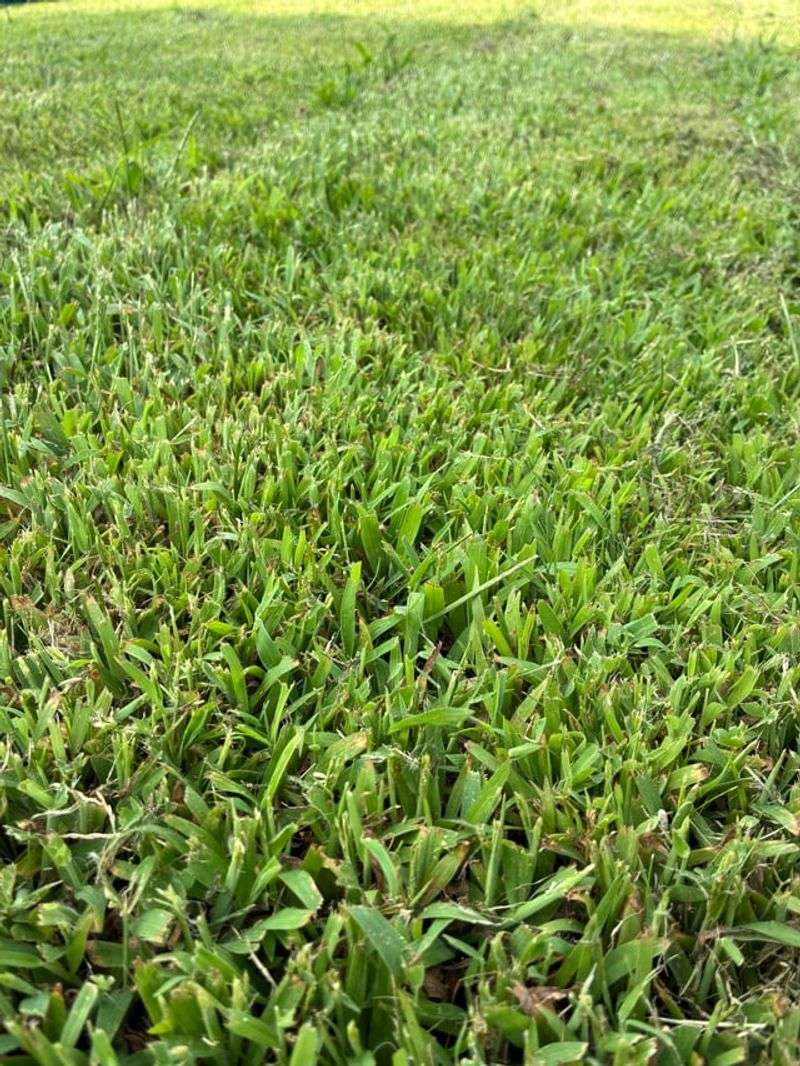
Cutting grass too short is one of the most common lawn mistakes homeowners make. Low mowing weakens turf, stresses roots, and hands crabgrass exactly the opening it needs.
For cool-season grasses common in New England, the ideal mowing height is between three and four inches. That extra height shades the soil and blocks sunlight from reaching weed seeds below.
Avoid removing more than one-third of the blade length in a single mowing session. Taking off too much at once shocks the plant and slows the recovery process significantly.
Mowing frequency matters just as much as height. During active growing periods in late summer, you may need to mow every five to six days to stay within that one-third rule.
Sharp mower blades make a noticeable difference in turf health. Dull blades tear the grass instead of cutting it cleanly, leaving ragged edges that dry out and turn brown.
Sharpen your blade at least once per season, and check it after hitting any rocks or hard debris. A clean cut heals faster and keeps the grass looking thick and green.
Leaving grass clippings on the lawn after mowing is actually a good habit. Clippings break down quickly and return nitrogen to the soil, giving your turf a small but steady nutrient boost.
Mowing at the right height all through August creates a shading effect that crabgrass simply cannot overcome. Proper mowing height is one of the easiest, lowest-cost ways to protect your lawn heading into fall.
6. Timing This Step Prevents Spring Regrowth
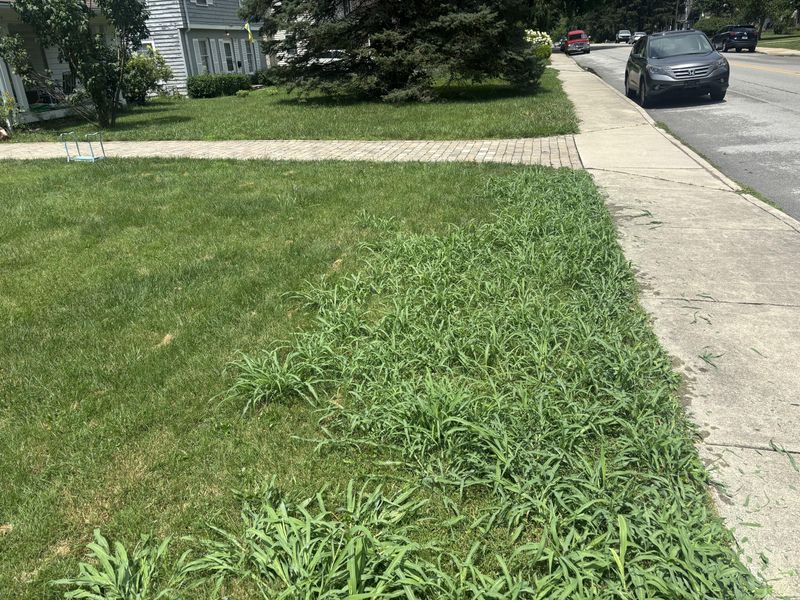
Crabgrass seeds spend the winter waiting for one thing: soil that warms to around 55°F for several days in a row. That moment, not a fixed date, is what actually determines when prevention works.
Missing that narrow window is the most common reason pre-emergent applications fail. Once soil temperatures climb past it, seeds have already started germinating and the barrier arrives too late to matter.
Late August is the right time to prepare for that window, even though the application itself happens months from now. Pick up a soil thermometer or bookmark a regional soil-temperature tracker so you’re not guessing next spring.
For fall applications, products containing prodiamine or dithiopyr are commonly used to target winter annual weeds like chickweed and henbit.
These sit in a different part of the calendar than the crabgrass fight, but keeping the two separate in your plan prevents wasted product and mistimed applications.
Set a reminder for early spring rather than a specific calendar date. Redbud trees blooming or forsythia opening are useful natural markers that track more closely with soil warmth than any fixed day on the calendar.
Getting this planning step right before August closes out means you won’t be scrambling to find the right timing when spring soil conditions arrive.
7. Spot-Treating Existing Crabgrass Stops Seed Production
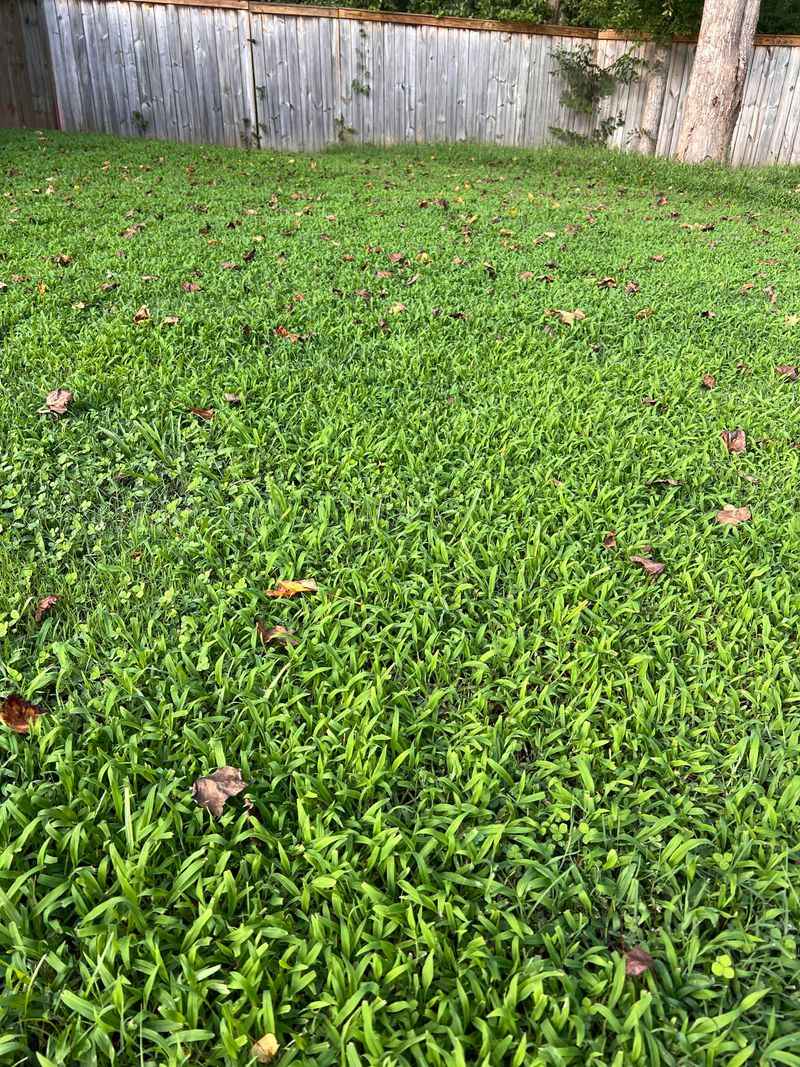
By late August, any crabgrass already growing in your lawn has likely started forming seed heads. Every seed head left untreated means thousands more seeds waiting in the soil for next spring.
Post-emergent herbicides containing quinclorac are the standard choice for controlling crabgrass that has already emerged. They work best on young plants, so treating now is far more effective than waiting until the weed matures further into fall.
Weather conditions on application day matter more than most people think. Choose a calm, dry day with no rain expected for at least 24 hours, since moisture can wash the product off the leaf before it has time to absorb.
Spot-treat rather than spraying the whole lawn. This limits herbicide use to the actual problem areas and protects the healthy turf growing around them.
Read the label closely before mixing anything. Some products require repeat applications spaced several days apart to fully knock back mature plants.
Avoid mowing for a couple of days before and after treatment. This gives the herbicide more leaf surface to absorb and more time to move through the plant.
Stopping seed production now is one of the most direct ways to reduce next year’s crabgrass pressure. Fewer seeds in the soil means an easier season ahead.
8. Edging Garden Beds And Walkways Blocks New Entry Points
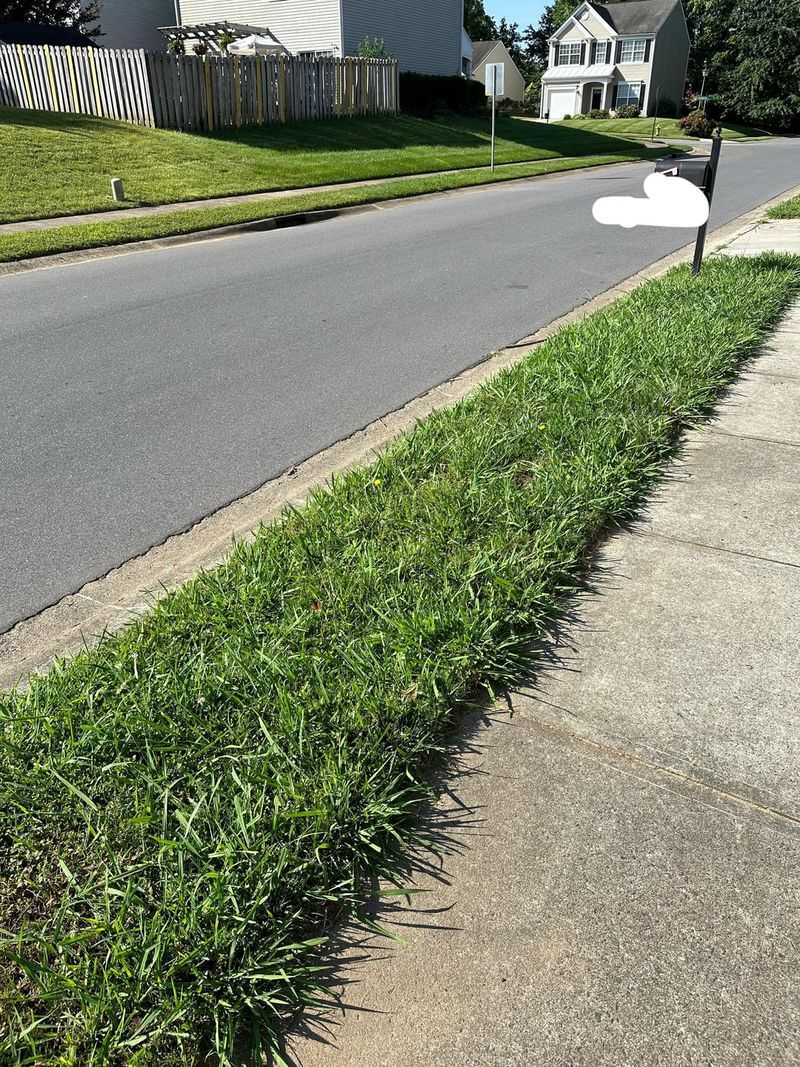
Crabgrass rarely marches straight into the middle of a healthy lawn. It sneaks in from the edges first, along driveways, walkways, and the borders of garden beds where soil sits bare and exposed.
Those transition zones are usually more compacted and drier than the rest of the yard. That combination is exactly what crabgrass seeds need to get established before spreading further in.
A clean, defined edge does more than look tidy. It removes the strip of open soil that would otherwise give seeds a place to settle in undisturbed.
Physical edging materials, like steel or paver borders, create a lasting barrier between beds and turf. Even a simple trench edge cut with a spade helps, though it needs regular upkeep to stay effective.
A layer of mulch inside garden beds adds another layer of protection along that same border. It blocks light from reaching any stray seeds that do land there, making it much harder for them to take hold before they can spread toward the lawn.
Keep grass growing right up to the edge instead of leaving a thin gap. A tight, uninterrupted line of turf gives crabgrass nowhere left to slip through.
This step takes an afternoon but pays off well past August. Fewer entry points along the border means fewer surprises showing up in the lawn itself come next season.