The One Thing North Carolina Perennials Need In August Or They Won’t Bloom Next Year
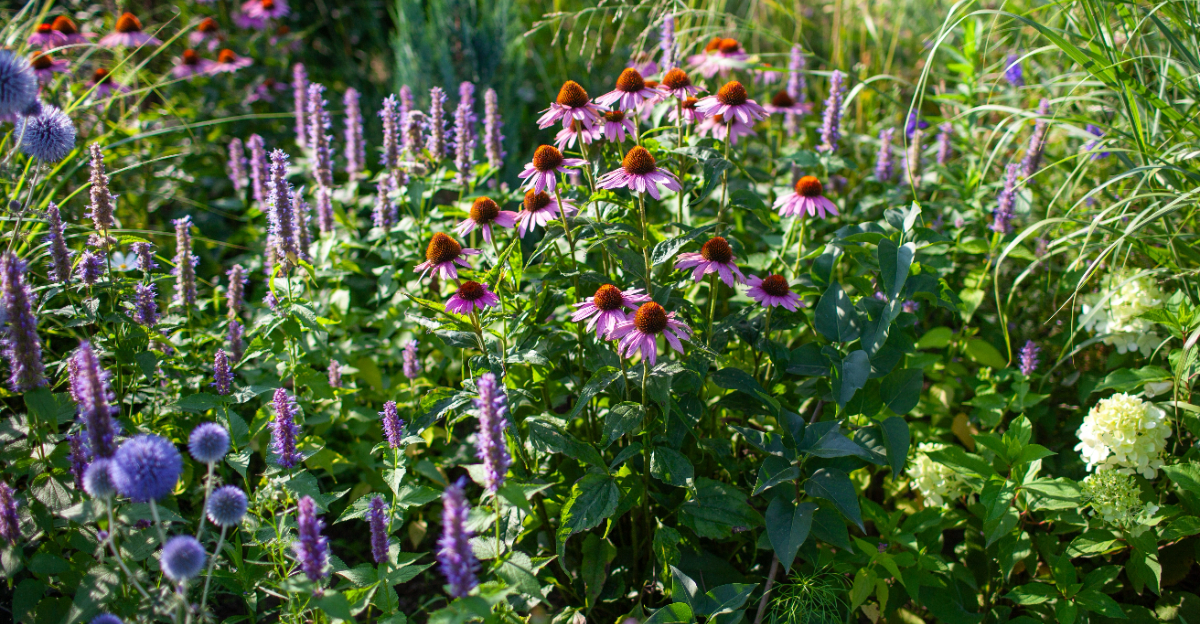
Deadheading and light maintenance remain essential for North Carolina perennials in August if gardeners want strong blooms again next year.
Skipping this step allows plants to redirect energy toward seed production rather than building the root reserves needed for next season’s growth.
Removing spent flowers encourages some perennials to continue blooming later into fall, extending color even as summer winds down.
Cutting back overgrown or leggy stems also improves airflow, reducing fungal issues common during North Carolina’s humid August stretches.
Consistent watering during this period supports root development, even after flowering has mostly finished for the season.
Dividing overcrowded perennials now, while weather remains warm enough for recovery, helps maintain healthy growth patterns going forward.
Skipping these tasks often results in weaker, less reliable blooms the following year. A little consistent attention now protects the payoff you’re expecting next spring and summer.
1. The August Priority Is Keeping Healthy Foliage Working
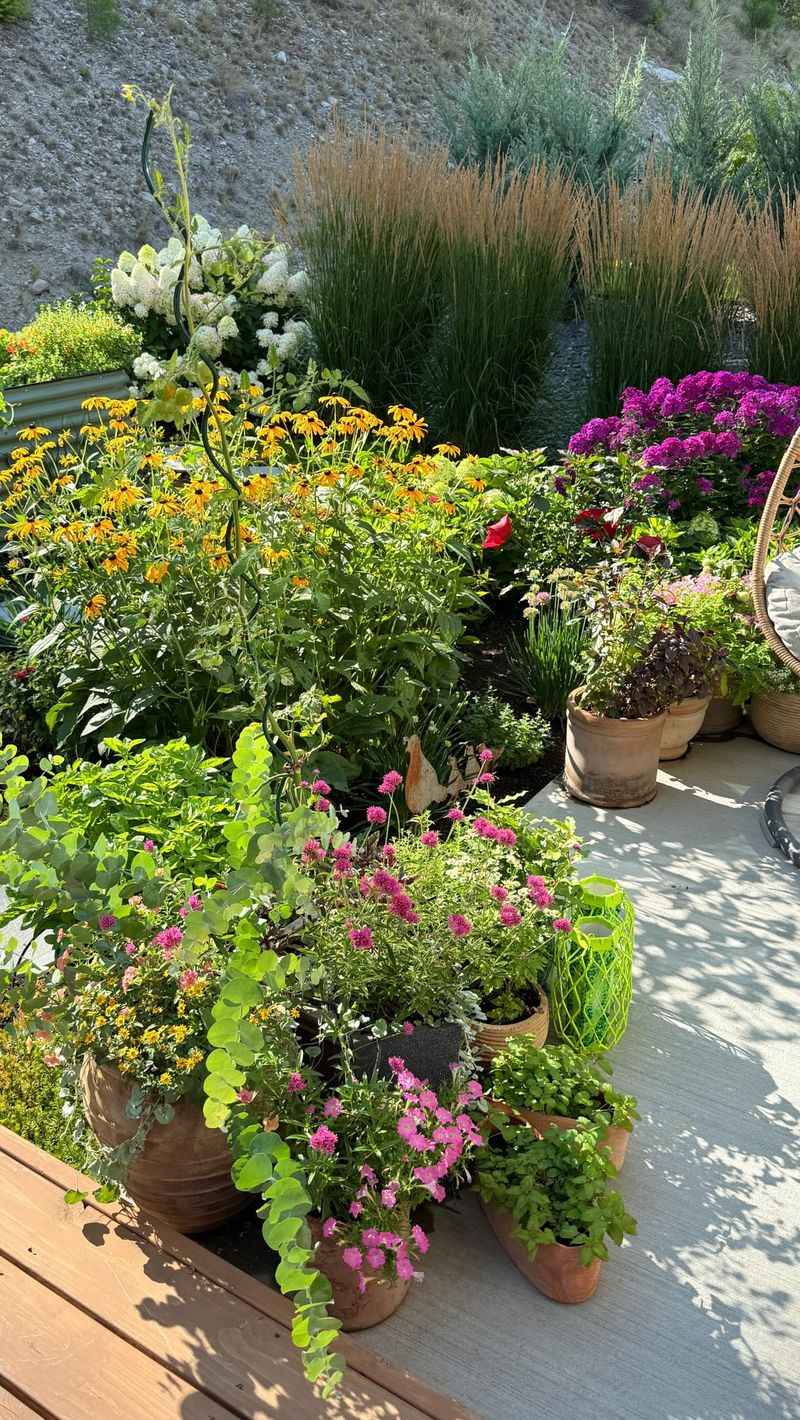
Most gardeners assume the hard work is done once the flowers fade, but for perennials, August is when something quietly important is happening beneath the surface.
The single biggest priority this month is keeping healthy foliage alive and functioning. That green growth is not just decoration. It is the engine that keeps the plant running.
Herbaceous perennials survive from underground structures like crowns, roots, bulbs, and rhizomes. The leaves above ground spend the growing season capturing sunlight and converting it into carbohydrates through photosynthesis.
That stored energy is what supports the plant as it prepares for the next cycle of growth. Cutting healthy foliage down early interrupts that process at a critical time.
Now, this does not mean that leaving foliage alone is a guaranteed path to a spectacular bloom next year. Future flowering depends on many factors including species type, light levels, plant maturity, winter conditions, planting depth, and crowding.
What it does mean is that removing healthy leaves before the plant is ready can weaken its overall vigor and may reduce future performance.
Think of August foliage as the plant’s savings account. Every week those leaves stay active, the plant is making deposits.
Cut them off too soon and you are withdrawing before the account is full. North Carolina gardeners who respect this simple idea give their perennials a much stronger foundation heading into fall and the seasons that follow.
2. Why August Leaves Still Matter After The Flowers Fade
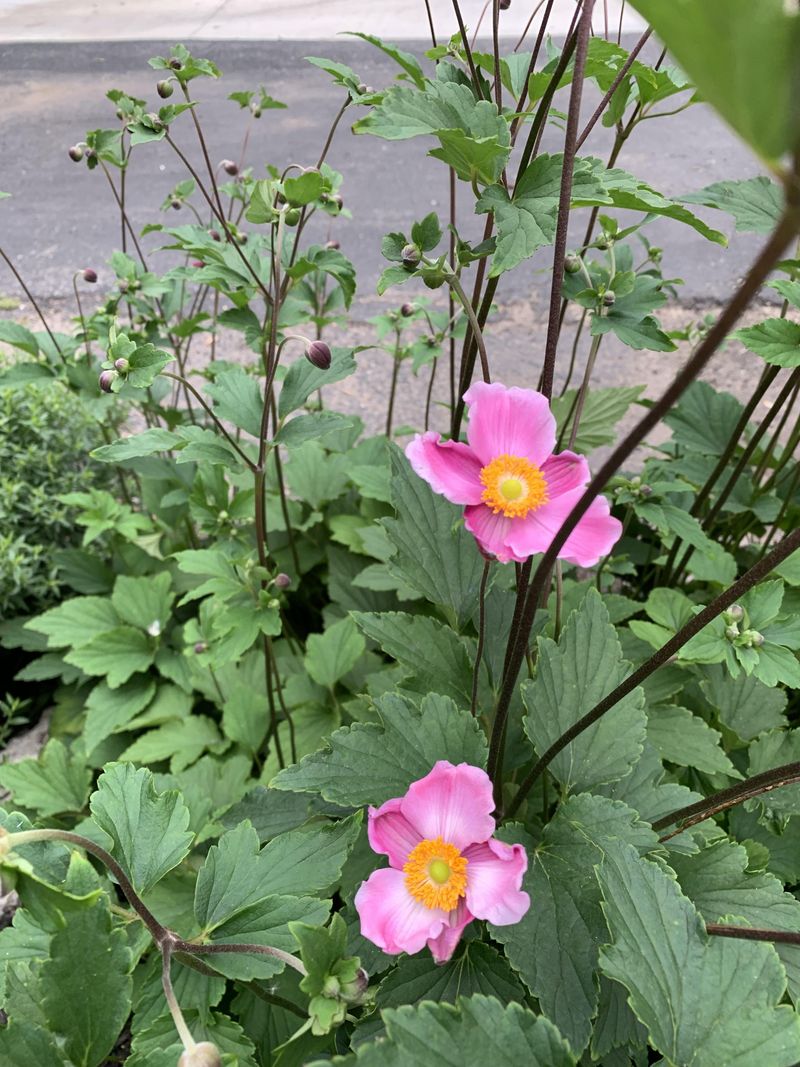
Once the flowers are gone, it is tempting to treat a perennial like it has finished its job for the year. That assumption, while understandable, misses something really important about how these plants work.
Green leaves do not stop being useful the moment the last petal drops. Even after peak bloom, perennial foliage continues capturing light and producing carbohydrates.
Those carbohydrates travel down into the crowns, roots, bulbs, and rhizomes where they are stored for future use.
Spring-flowering bulbs are a great example of this process in action. NC State University specifically advises allowing bulb foliage to dry naturally after bloom, noting that green leaves produce the food needed for growth the following year.
Your North Carolina Garden Changes Every Week. Your Plan Should Too.
Gardening in North Carolina changes quickly throughout the season. Every Friday you’ll receive a simple weekly plan showing exactly what to plant, prune, fertilize, harvest, and protect so you never miss the right timing.
Cutting that foliage off early reduces what the plant can store. Many other herbaceous perennials follow a similar pattern. They remain physiologically active well into late summer even when their ornamental display has already peaked.
The plant is still working, still moving energy downward, still preparing itself for what comes next.
Something worth understanding is that storing energy and forming next year’s flower buds are two separate processes. Not every perennial forms bloom buds in August specifically.
The timing of bud formation varies widely across species. What August foliage does is keep the plant vigorous and well-resourced, which supports overall health.
A plant that enters fall with strong reserves is simply better positioned than one that was cut back too soon and had to spend energy recovering instead of preparing.
3. Keep The Leaves Functional By Managing August Moisture Correctly
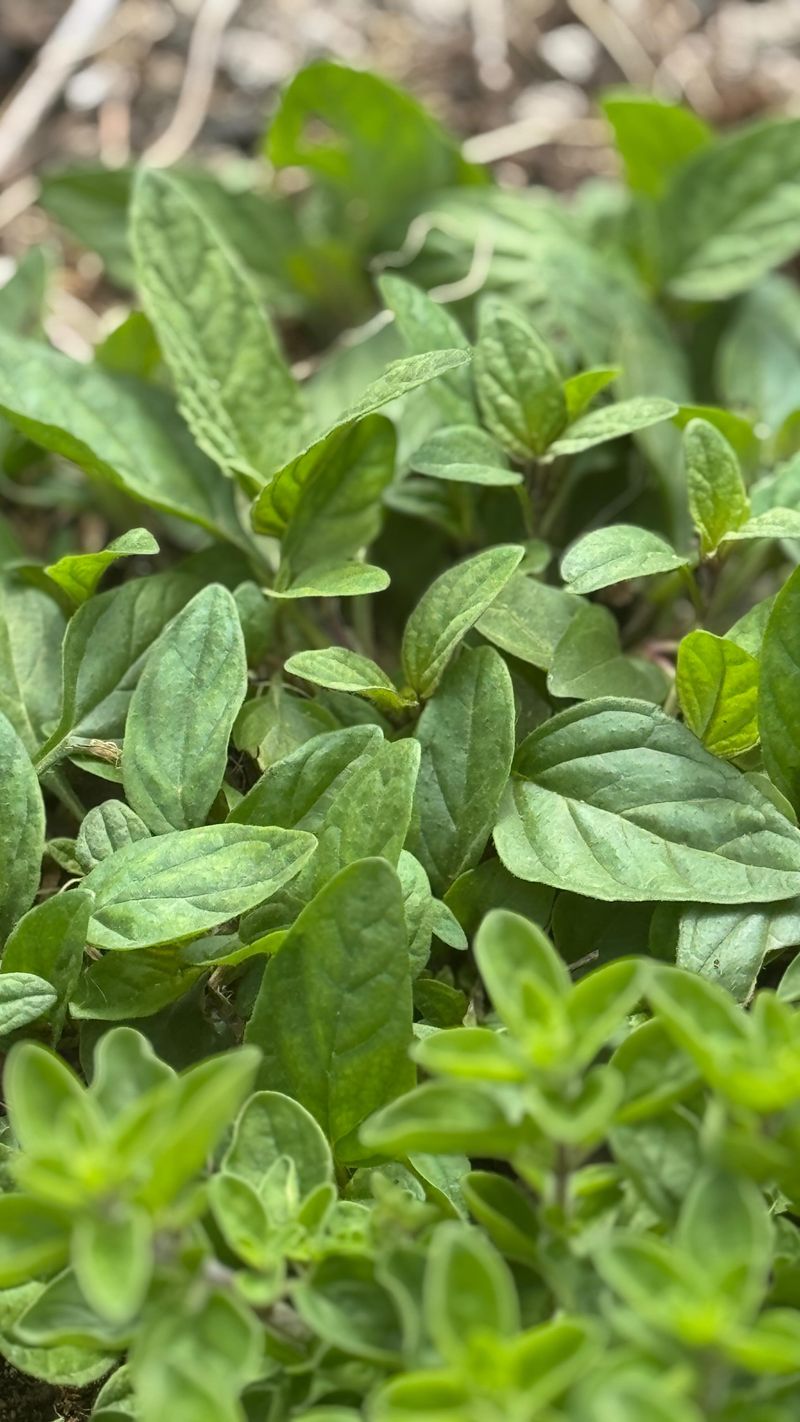
August heat in North Carolina is no joke. Temperatures regularly climb into the 90s across much of the state, and that kind of heat puts real pressure on perennial beds.
Keeping foliage healthy through this stretch comes down largely to one practical skill: watering correctly, not just frequently.
The instinct to water every day when it is hot is understandable, but it can actually cause problems. Roots sitting in constantly wet soil become vulnerable to rot and fungal disease.
Before reaching for the hose, check the actual moisture level in the root zone. Stick a finger a few inches into the soil or use a moisture meter.
Consider how much rain fell recently, what the soil texture is like, and how well the bed drains.
NC State University recommends deep, less frequent irrigation for perennial beds rather than shallow daily watering. When you do water, apply it slowly at soil level so moisture reaches the roots rather than sitting on leaves.
Soaker hoses and drip irrigation work really well for this. Newly established perennials need closer attention than plants that have been in the ground for several seasons, since their root systems are still developing.
Excessive moisture is just as much of a threat as drought stress. The goal is healthy, functioning foliage, and that means keeping the root zone consistently moist but never waterlogged.
Matching your watering to actual conditions in your specific bed will always serve your plants better than following a rigid calendar schedule.
4. Do Not Give Finished Bloomers A Hard August Cutback
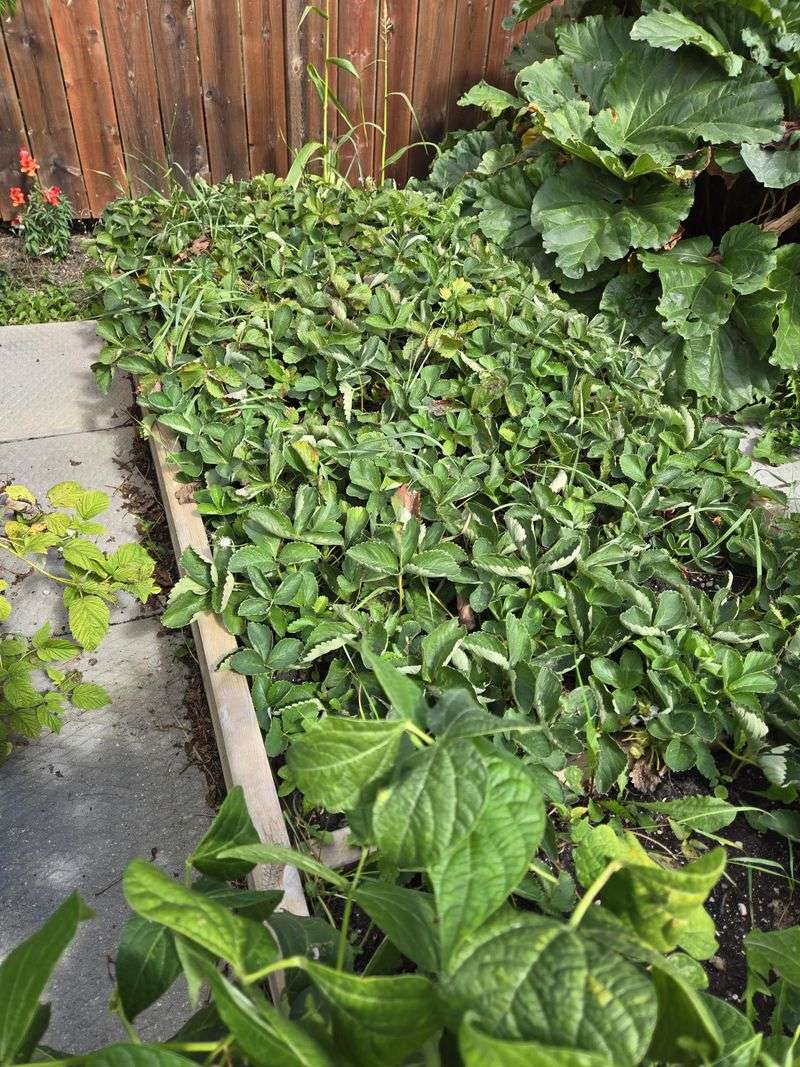
There is a very human urge to tidy things up once the flowers are gone. Faded blooms, tall stems flopping over, a few chewed leaves from insect visitors, and suddenly the whole bed looks like it needs a serious haircut.
Before picking up the pruners and going to town, it really helps to slow down and think about what you are actually cutting.
Removing spent flowers or one damaged stem is completely different from cutting an entire plant down to the ground. A hard cutback strips away the healthy green foliage that is still actively working for the plant.
Most perennials do not need or benefit from aggressive late-summer pruning, and some can respond poorly to it.
NC State University notes that pinching practices for certain perennials should wrap up by early July because later pinching can delay or disrupt flowering. That guidance reinforces a broader principle: timing and purpose matter when you prune.
Cutting without a clear plant-specific reason in August can set the plant back rather than help it.
Different perennial species respond differently to pruning at different times of year, so knowing your specific plant before making big cuts is always worthwhile.
A quick check of reliable gardening resources or your local cooperative extension office can tell you whether a particular plant benefits from late-summer trimming or prefers to be left alone.
When in doubt, leave healthy leaf area in place. The plant will thank you for it with stronger performance when the next growing season arrives.
5. Remove Spent Flowers Without Stripping Away Healthy Leaves
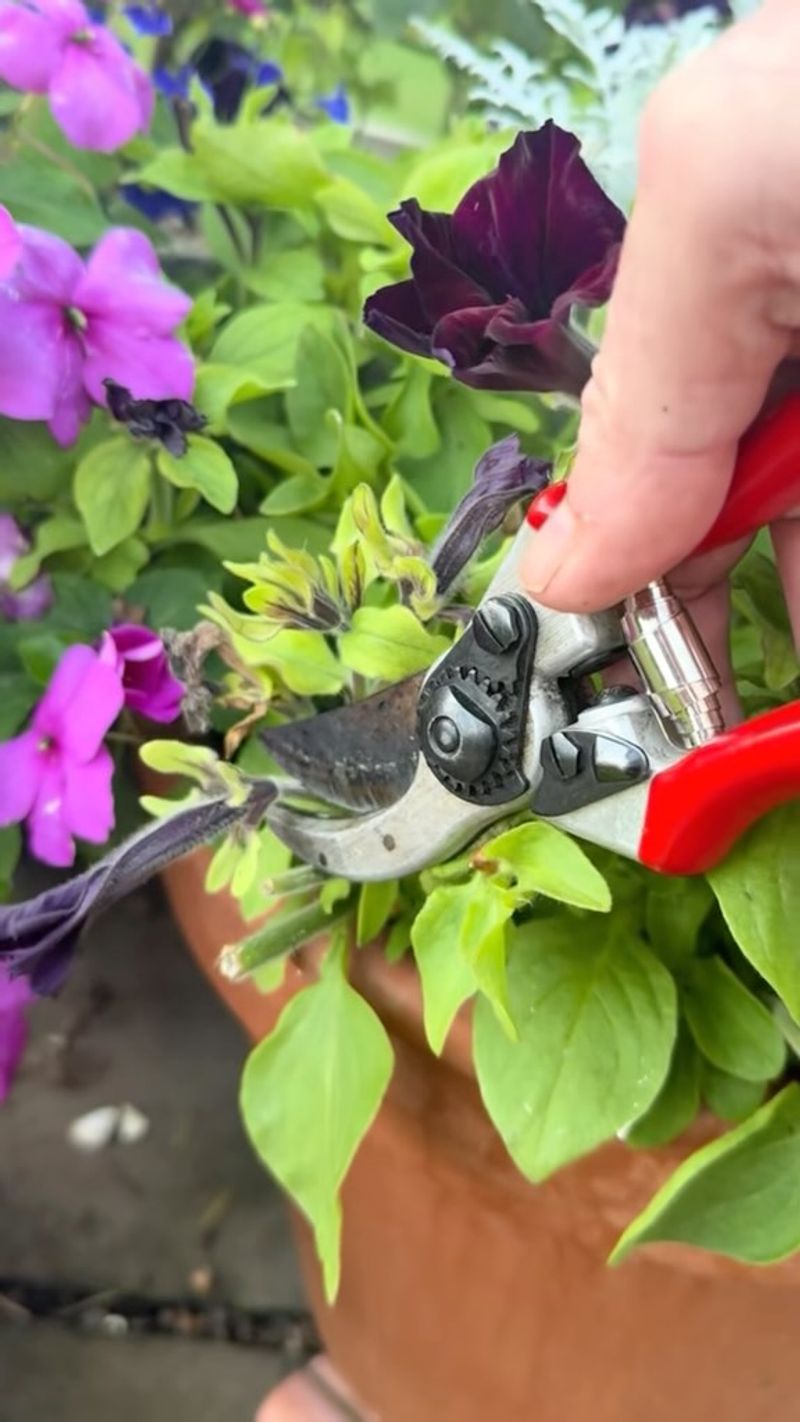
Deadheading gets a lot of attention in gardening circles, and for good reason. Removing faded flowers on certain plants can encourage another round of blooming, keep the garden looking neat, and prevent unwanted self-seeding.
The key word there, though, is certain plants. Not every perennial needs or benefits from having its spent flowers removed.
For species where deadheading does make sense, the technique matters just as much as the timing. You want to remove the finished flower or seed head, not the healthy leafy growth below it.
NC State University notes that seed production after flowering can redirect the plant’s resources, and removing spent flowers benefits some annuals and perennials. But the guidance is not to strip the whole plant.
Think of it like trimming a haircut, not shaving a head. You are tidying the top without touching the structure that supports everything else.
Cutting only the flower stalk back to a healthy leaf node or lateral stem preserves the foliage that is still doing useful work for the plant underground.
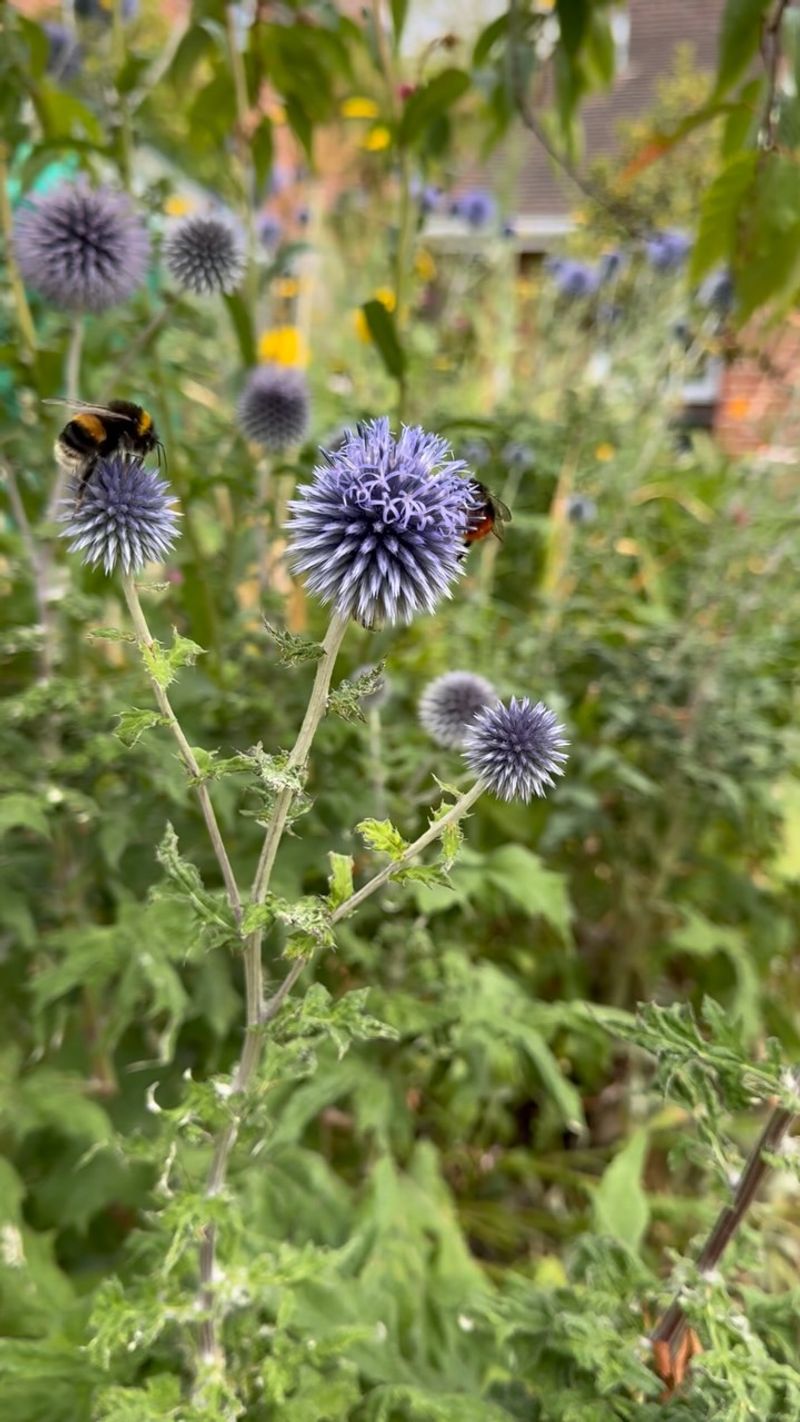
Some gardeners choose to skip deadheading entirely on certain plants and for very good reasons. Seed heads left in place can attract birds and beneficial insects, support natural reseeding in the garden, or be saved for propagation.
Coneflowers, black-eyed Susans, and several other popular North Carolina perennials produce seeds that goldfinches absolutely love through the fall and winter.
Leaving a few heads standing is not laziness. Sometimes it is the smartest move in the garden.
6. Know The Important Exceptions Before Leaving Every Leaf Alone
Protecting healthy foliage in August is smart gardening, but it should not turn into a rigid rule that ignores real problems in the garden.
Sometimes leaves genuinely need to come off, and knowing the difference between a cosmetic issue and an actual threat is what separates a good gardener from a reactive one.
Leaves covered in serious fungal disease, stems that are broken or rotting, and foliage that has naturally completed its seasonal function all fall into a different category than healthy green growth.
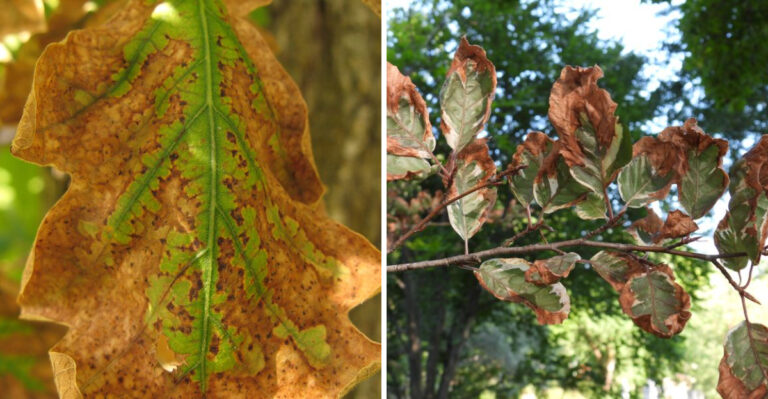
NC State University recommends sanitation when plant material has significant disease concerns, because leaving heavily infected tissue in place can spread problems to neighboring plants.
In those cases, removal is the right call. The tricky part is accurate identification. Midday wilting from summer heat, cosmetic spotting from splashing water or minor insect feeding, and natural seasonal yellowing are not the same as disease.
Pulling off leaves based on appearance alone without understanding the cause can do more harm than good. Taking a sample to your local cooperative extension office or checking NC State’s plant disease resources can save a lot of guesswork.
Naturally declining foliage also does not need to be kept artificially green with heavy fertilizer applications or extra irrigation. Forcing a plant to stay lush beyond its natural cycle does not strengthen it.
The goal is always to protect foliage that is genuinely useful and functioning, not to maintain a picture-perfect appearance at the expense of the plant’s actual health and natural rhythm through the season.
7. Adjust August Care For North Carolina’s Different Regions
North Carolina stretches across a surprisingly wide range of climates, and what works in Asheville in August is not always the right approach in Wilmington or Raleigh.
Gardeners across the state share the same goal of keeping perennial foliage healthy, but the conditions they are working with can be quite different.
The Mountains experience cooler overnight temperatures and generally less intense late-summer heat than lower elevations.
The Piedmont sits in the middle of the spectrum, while the Sandhills and Coastal Plain regularly face some of the most intense summer heat and humidity in the state.
North Carolina’s climate guidance recognizes these differences, using distinct heat thresholds for the Mountains, Foothills, Piedmont, Sandhills, and Coastal Plain regions to reflect just how much the state varies across a relatively short distance.
Rainfall adds another layer of regional difference. Summer precipitation in North Carolina can vary sharply even within the same county, especially during storm-driven events.
Basing your watering decisions on actual soil conditions in your specific bed is far more reliable than following a statewide calendar recommendation.
Soil type plays a role too. Sandy soils common in the eastern part of the state drain quickly and lose moisture faster, meaning perennials there may need more frequent supplemental water during dry stretches.
Clay-heavy soils in the Piedmont hold moisture longer but can become waterlogged if over-irrigated.
Knowing your soil, your region, and your specific microclimate gives you the information you need to make smart August decisions that actually match your garden’s reality.
8. Let The Plant Finish Summer Before Preparing It For Next Year
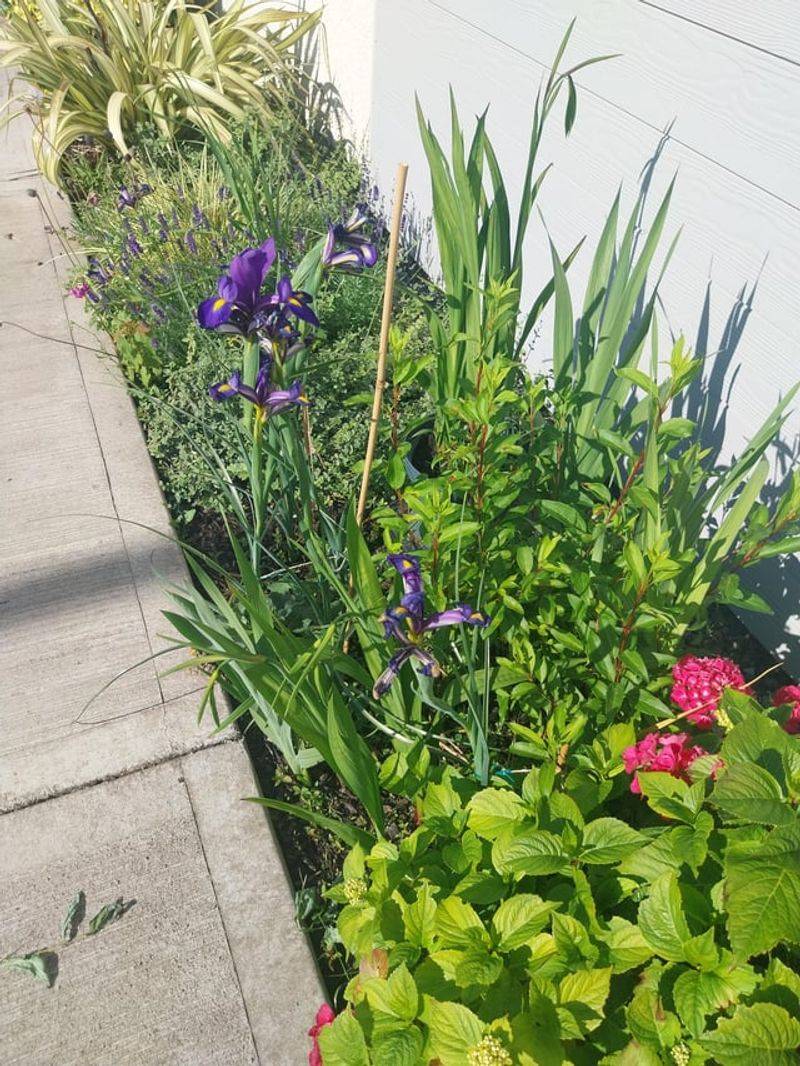
Here is the thing about August gardening that does not always get said clearly enough: the goal is not to rush your perennials toward next year.
Pouring on fertilizer, pruning aggressively, or watering constantly in hopes of jump-starting next season’s blooms is not how perennials work.
The real job this month is simpler and more patient than that. Your plants need to finish their summer work on their own schedule.
That means monitoring soil moisture and watering when the root zone actually needs it, preserving healthy foliage so photosynthesis can continue, and removing only what has a clear and specific reason to be removed.
Letting each perennial move toward dormancy according to its own natural cycle is far more supportive than pushing it in any direction.
Division is one area where timing really matters. Some perennials can be divided after they finish flowering, but many are better divided in spring or fall when conditions are cooler.
NC State University notes that plants divided during active summer growth generally establish more slowly, which makes late summer division a risky choice for most species.
Checking guidance specific to each plant before dividing in August is always a good idea.
Future flowering is never guaranteed by any single August action. It depends on the species, the growing conditions, winter weather, and many other variables beyond any one gardener’s control.
What healthy August foliage does is give each plant the best possible preparation for the season ahead. That is not a small thing. It is exactly the right foundation to build on.