This Elegant Ornamental Grass Keeps Illinois Gardens Beautiful Through Winter
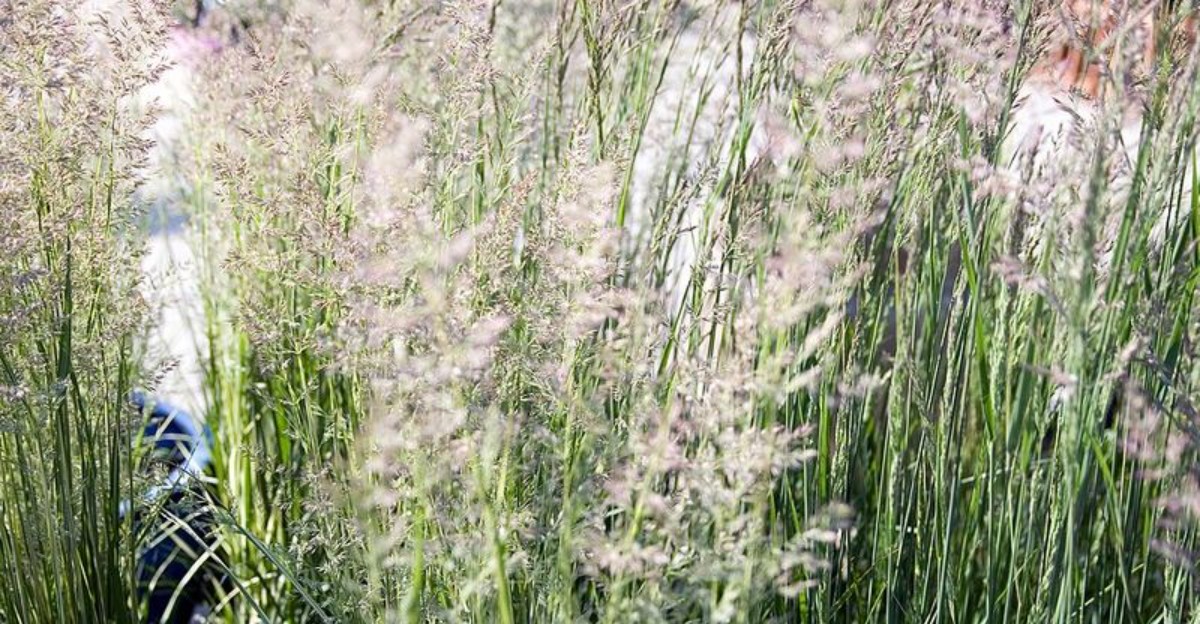
While most gardens look tired by November, one grass is still standing tall. Karl Foerster feather reed grass keeps its upright shape and golden plumes through frost, wind, and snow, which is why it has become a staple in Illinois yards.
It grows well in clay soil, handles the region’s cold winters and humid summers, and needs very little care once established.
Its slim, upright form also suits smaller beds, and it looks good in nearly every season. Hardy in USDA zones 5 to 9, it thrives across the state without fuss, even in heavy ground that challenges other ornamentals.
Picture feathery plumes glowing gold against a gray sky while the rest of the garden sleeps. It is a rewarding find.
If your garden goes bare in winter, this grass may be the fix. Here’s why Illinois gardeners keep planting it, and how to add it to your own yard.
Feather Reed Grass Wins Over Illinois Gardeners
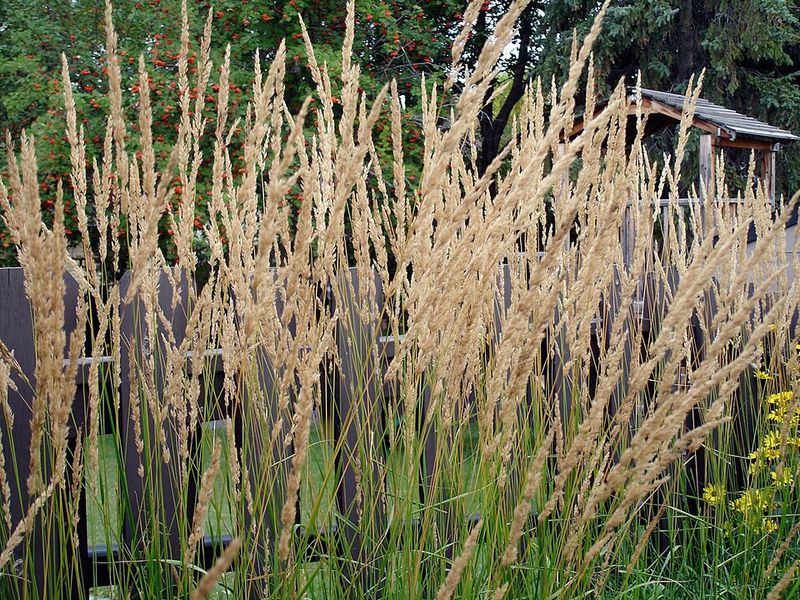
Walk through many well-loved Midwest gardens right now, and you will likely spot it. Karl Foerster Feather Reed Grass stands tall, proud, and impossibly graceful among its neighbors.
Gardeners here have a reputation for being picky about their plants. They want something that survives harsh winters and blazing summers without throwing a fit.
This ornamental grass meets most of those demands with ease. It thrives in the region’s unpredictable climate without skipping a beat.
The plant is named for Karl Foerster, a German nurseryman and garden writer who was a leading figure in twentieth-century perennial breeding and a champion of ornamental grasses. It remains one of the most beloved grasses in American landscapes today.
Its narrow, upright form makes it perfect for smaller yards where space matters. You get big visual impact without sacrificing every inch of your Illinois garden bed.
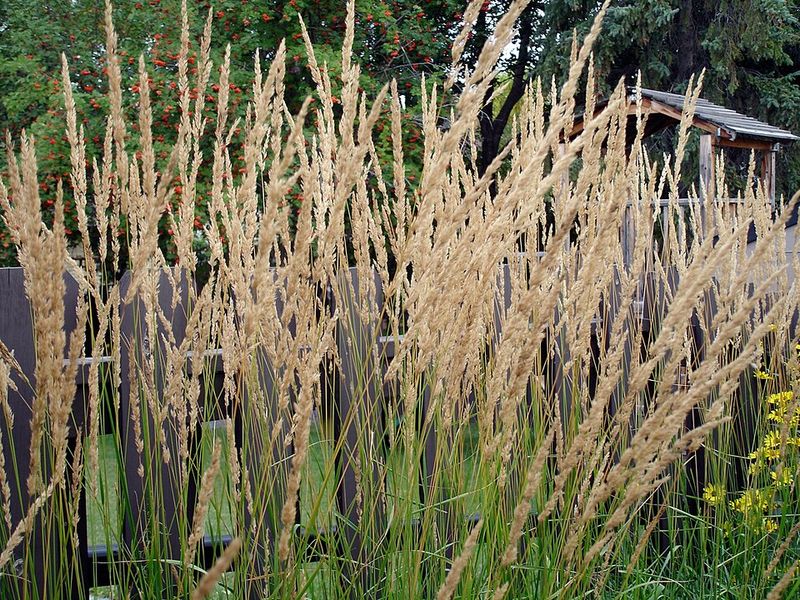
The feathery plumes emerge in early summer and hold their shape well into winter. That kind of staying power is rare, and gardeners notice. Once you plant one, you will likely want three or four more.
Feather Reed Grass pairs beautifully with coneflowers, black-eyed Susans, and ornamental sedums. The combinations feel natural, effortless, and deeply satisfying to create.
Karl Foerster is hardy in USDA zones 5 to 9, which covers all of Illinois, including the colder northern counties.
Feathery Plumes Bring Height And Elegance
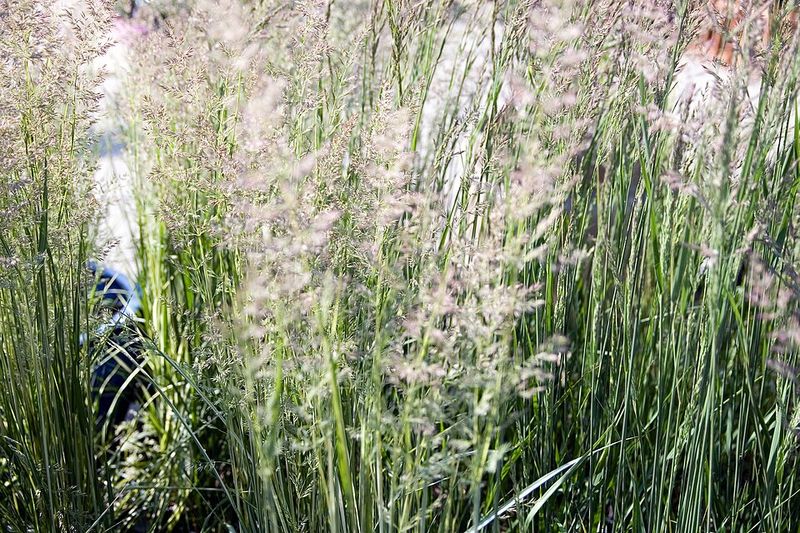
This grass has a striking visual presence in the garden. The foliage forms a tidy clump about two to three feet tall, and the flower stalks rise above it to reach four to six feet in early summer.
Early summer brings pinkish-bronze flower spikes that slowly turn golden as the season rolls on. By fall, the plant turns a deep golden-bronze color.
Many ornamental grasses flop or sprawl as they grow taller. Karl Foerster stays arrow-straight, which makes it incredibly useful for garden design.
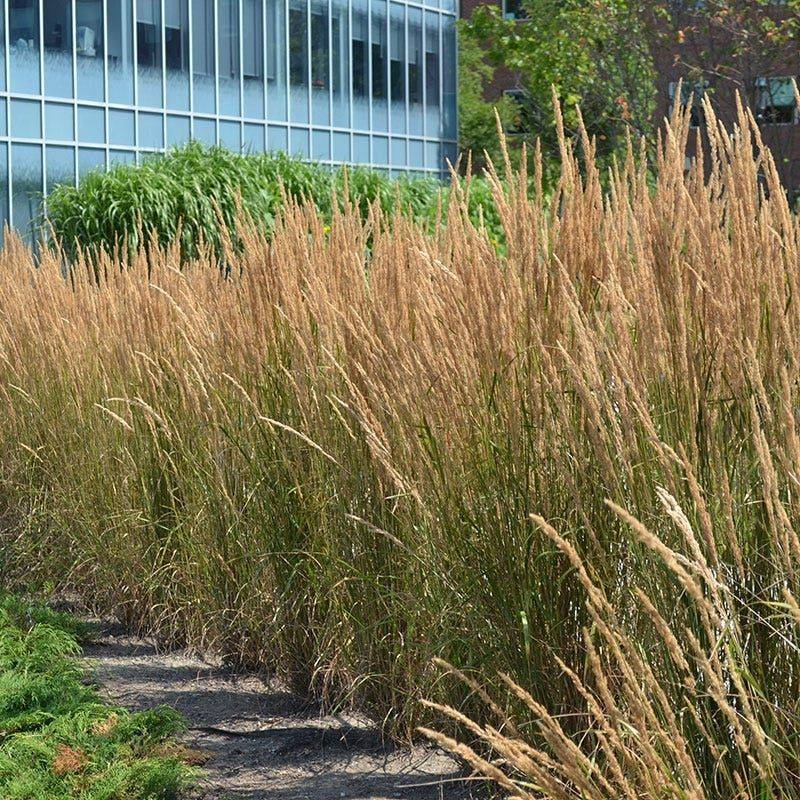
Designers often use it as a living screen along fences and walkways. A row of these grasses creates a soft, swaying wall that feels much more welcoming than wood or brick.
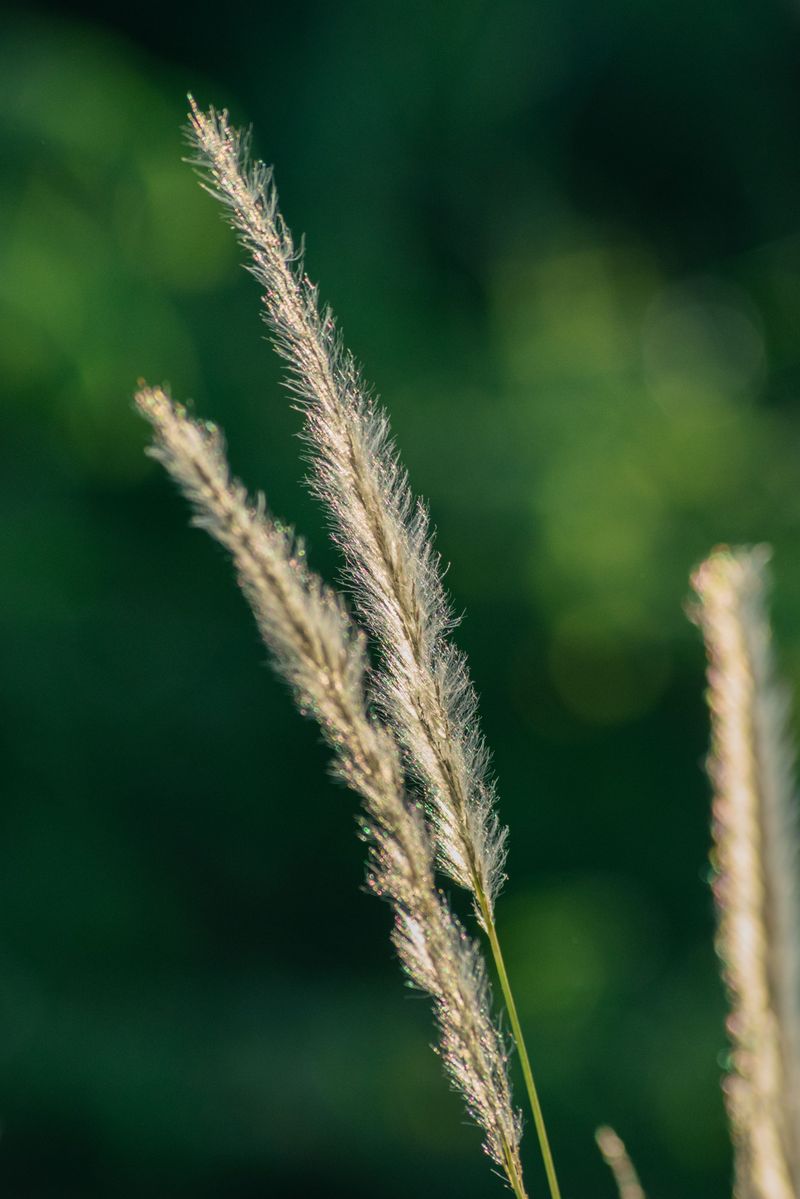
The plumes have a feather-like texture that catches wind beautifully. On breezy days, the movement adds a calming, almost hypnotic quality to any outdoor space.
Winter does not end the show, either. The dried stems and seed heads hold their structure through snow and ice, giving gardens a sculptural look.
Gardeners who once thought winter gardens were hopeless often change their minds after seeing it. A few clumps of this grass transform a bare landscape into something worth admiring.
The height contrast it creates next to low-growing plants is striking. Layering short sedums or creeping thyme beneath it produces a design that looks professionally planned. Karl Foerster earns the label “elegant” every single growing season.
Adapts To Most Soil Types (With Good Drainage)
Clay soil is a common challenge for many Midwest gardeners. It compacts, drains poorly, and makes it hard for many plants to establish.
Karl Foerster tolerates clay soil remarkably well. It grows confidently in heavy, dense ground that would challenge other ornamentals. Sandy soil? Not a problem. Loamy garden beds? Absolutely fine.
This grass adapts to a wide range of soil conditions without needing expensive amendments or constant fertilizing. That flexibility makes it a genuinely practical choice for real gardeners with real yards.
It does best in soil that drains reasonably well. Standing water for weeks, or a soggy winter bed, can cause crown rot, so avoid low spots.
A simple trick is to plant it on a slight slope or raised bed if your Illinois yard floods seasonally. That small adjustment keeps the roots happy and the plant thriving.
Soil pH is rarely a concern with this grass. It tolerates mildly acidic to mildly alkaline ground without showing stress.
New gardeners often overthink soil prep and end up paralyzed. With Karl Foerster, you can plant with confidence and spend less time worrying.
A modest layer of compost at planting time gives it a solid head start. After that first season, it largely fends for itself with minimal input.
Watching it flourish in spots where other plants failed is genuinely satisfying. It rewards trust and repays low effort with stunning, consistent growth every year.
Full Sun Or Partial Shade, This Grass Adapts
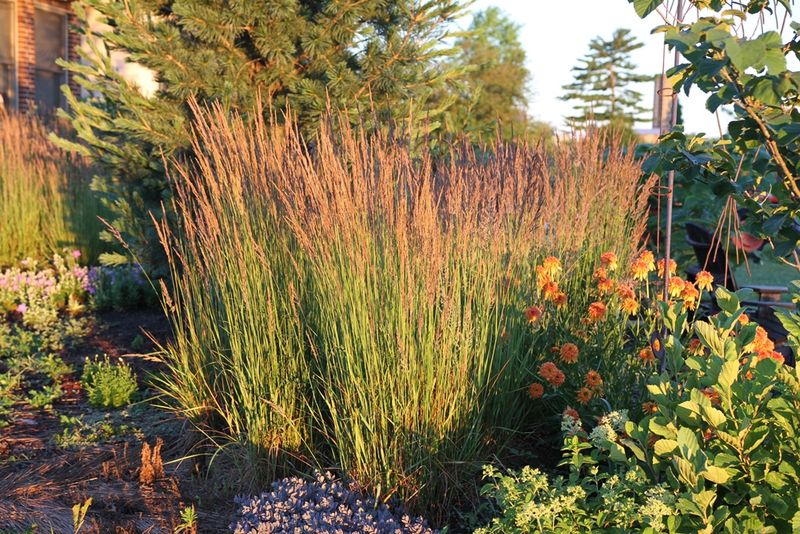
Full sun is where this grass truly shines, but that is not the whole story. Karl Foerster tolerates partial shade better than many ornamental grasses, though it blooms best in full sun.
Many ornamental grasses struggle in low light. Karl Foerster copes better than most, though stems can lean a little and plumes may thin out in shadier spots.
Spots under the canopy of large trees can be tricky to plant. Feather Reed Grass can work in light, dappled shade at the edge of a canopy, but it struggles in dense, dry shade under large trees.
Beds that receive morning sun and afternoon shade are another scenario where it can perform acceptably, though plumes will be fewer. Gardeners with partly shaded urban lots can try it, though full sun gives the best display.
For peak plume production and the richest color, aim for at least six hours of direct sun daily. The more light it receives, the more dramatic the seasonal display becomes.
Partial shade can reduce plume density. The trade-off may be worth it in a spot where full sun isn’t available.
Mixing it with shade-tolerant perennials like hostas creates a layered, lush look. The contrast between bold hosta leaves and the grass’s fine texture is genuinely stunning.
Adaptability is one of the most underrated qualities in any garden plant. A grass that works in both sun and partial shade gives you far more design freedom.
If you have a spot that gets part sun, this grass is worth a try. Just expect fewer plumes than you’d get in full sun.
Minimal Care Needed Once Roots Take Hold
Low-maintenance is a phrase that gets thrown around constantly in gardening content. With Karl Foerster, it actually means something.
Once established after its first growing season, this grass asks for almost nothing in return for a spectacular show. No deadheading, no staking, no constant watering schedule to obsess over.
Watering during the first summer helps the root system get anchored properly. After that, rainfall alone handles most of its moisture needs in a typical Midwest season.
Fertilizing is rarely necessary and can actually cause problems. Too much nitrogen pushes lush leafy growth at the expense of those gorgeous upright plumes.
The one annual task that matters is cutting it back in late winter or early spring. Trim the clumps down to about four to six inches above the ground before new growth emerges.
That simple haircut takes maybe ten minutes per plant. The reward is fresh, vigorous growth that looks even better than the year before.
Pests rarely bother this grass, and deer usually leave it alone, though no plant is completely deer-proof. That makes it a good pick for yards near wooded land.
Disease problems are rare when plants have good air circulation. Spacing clumps about two to three feet apart prevents moisture buildup and keeps things healthy.
Gardening doesn’t need to be time-consuming. Karl Foerster Feather Reed Grass respects your time and still delivers results worth bragging about.
If you already have one in your yard, leave the stems standing now and cut them back in late winter.
Planning Ahead For Spring
November is a good time to plan, even though it isn’t planting time. The best window for planting is April through early June, which gives roots a full season to settle in before winter arrives.
Between now and then, use the cold months to scout your yard. Look for a spot that will get at least six hours of sun once trees leaf out, and soil that doesn’t stay soggy after rain.
Notice how light falls across your beds now, keeping in mind that leafy trees will cast more shade in summer, and note where a tall, upright grass would add height and structure.
When spring arrives, loosen the soil about eight inches deep, mix in a little compost, and plant so the crown sits level with the soil surface.
Space clumps two to three feet apart, water well, and keep the soil moist for the first four to six weeks. A two-inch layer of shredded bark helps hold moisture and suppress weeds.
Container plants from a local nursery are the easiest start, and divisions from a friend’s established clump work too. Expect solid growth by midsummer, with full plumes arriving in the second year.
Be patient with the first season. Water deeply once a week during dry spells, and skip the fertilizer, since too much nitrogen means more leaves and fewer plumes.
Once the grass is established, the only yearly chore is a late-winter cutback to four to six inches. That effort pays off for years.