8 Trees and Shrubs to Prune in November in North Carolina and 4 to Leave Alone
Many spring shrubs set their flower buds by late summer, so next year’s show already hides on the branches. That means one careless afternoon with sharp shears in November can quietly erase a whole season of color.
Meanwhile, plenty of trees across North Carolina actually prefer a trim once their leaves drop and the sap slows down. Bare limbs reveal crossing branches and weak spots that summer leaves were hiding from your eyes all along.
I love a crisp November morning in the yard with cold fingers and a pair of freshly sharpened pruners. Still, I’ve learned the hard way that a little patience with certain plants pays off when spring arrives.
The answers might surprise you, because a few beloved favorites belong on the wait list for good reason.
1. Oak Trees
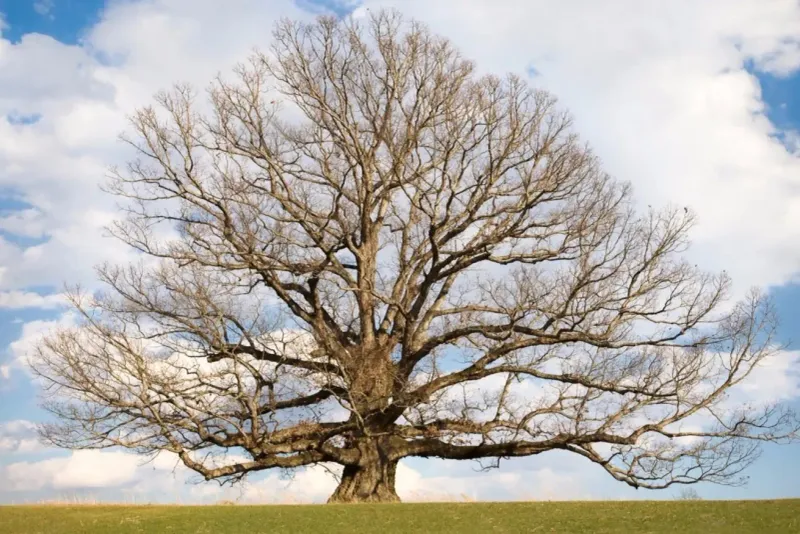
Few sounds beat the crunch of oak leaves underfoot, and that crunch signals the perfect moment to grab your saw. Once those leaves hit the ground, your oak has settled into its long winter rest until spring returns.
Oak wilt is a serious fungal disease, and small sap beetles can carry its spores to fresh pruning wounds. Those beetles are most active from spring into early summer, so cold weather pruning greatly lowers the risk.
Red oaks are especially vulnerable to oak wilt, while white oaks tend to resist the disease much better. Either way, I treat every oak the same and save my cuts for the cold, dormant months.
Start by removing broken or diseased limbs, since those weak spots invite trouble during winter storms. Next, look for branches growing toward your roof or driveway and plan to shorten them back to a side branch.
Make each cut just outside the branch collar, that slightly swollen ring where the limb joins the trunk. Leaving that collar intact helps the tree seal the wound naturally, so wound paint is rarely needed at all.
Large limbs high in the canopy are a job for a certified arborist with proper gear and insurance. I happily handle the low branches myself, but anything requiring a ladder and a chainsaw goes to the pros.
One last tip from my own yard is to avoid removing more than a quarter of the canopy. Mature oaks respond better to modest, thoughtful cuts spread over several winters than one dramatic makeover.
2. Maple Trees
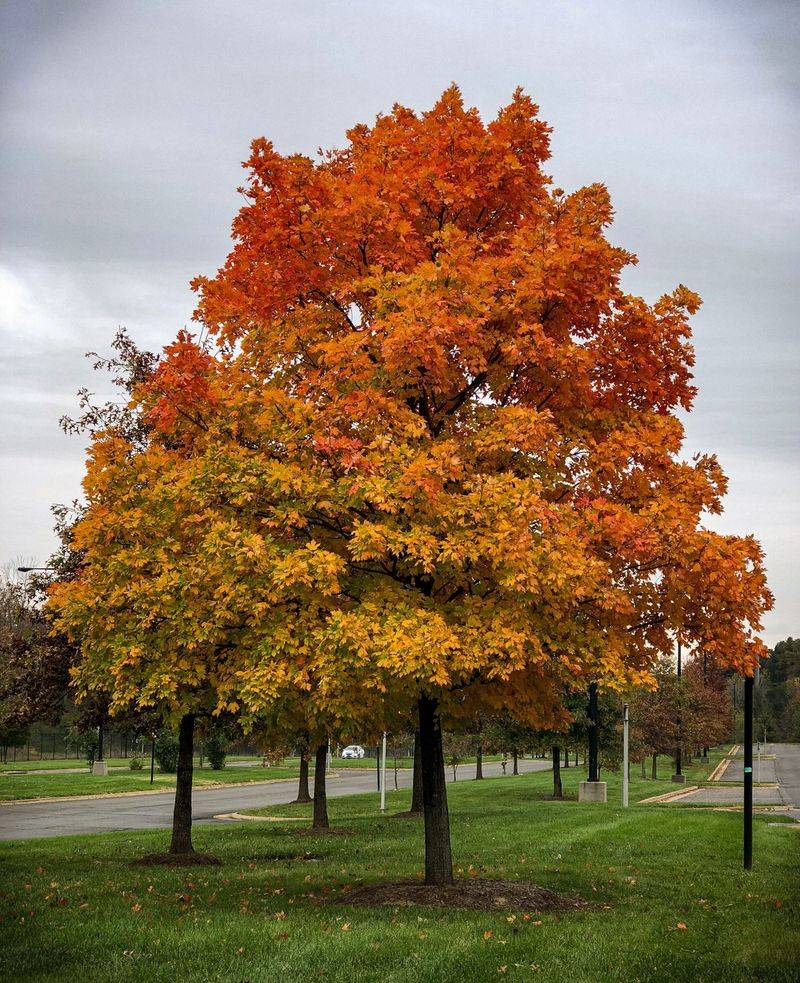
Maples have a funny habit of weeping clear sap from fresh cuts, and new gardeners often panic at the sight. Relax, because that sap flow looks alarming but rarely harms a healthy tree in any lasting way.
November pruning works well for maples because the leaves have fallen and you can finally see the full branch structure. I like to stand back on the lawn and slowly circle the tree before making a single cut.
Sap usually flows heaviest in late winter as temperatures swing between freezing nights and mild afternoons. Trimming earlier in the dormant season, like right now, often means a little less dripping down the bark.
Focus on young maples first, since early structural pruning prevents weak, narrow forks from splitting years later. Choose one strong central leader and remove any competing stems that grow straight up right beside it.
Red maple, Acer rubrum, is a common native across the region and responds nicely to this kind of shaping. Silver maples grow fast but have brittle wood, so thinning their crowded limbs reduces storm breakage later on.
Clean, sharp tools matter here, because ragged cuts heal slowly and give decay organisms an easy entry point. I wipe my blades with a household disinfectant between trees to avoid spreading problems around the yard.
Skip heavy topping, which ruins the natural shape and triggers a flush of weak, upright sprouts next spring. A light, thoughtful trim keeps your maple handsome and sturdy for decades of shade and fall color.
3. Elm Trees
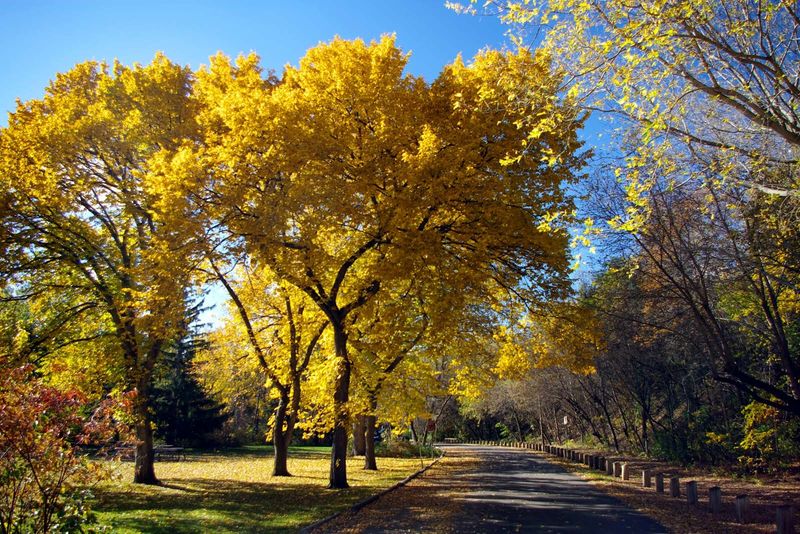
American elms once lined so many Main Streets that their arching canopies looked like living cathedral ceilings. Dutch elm disease later claimed huge numbers of them, which makes every surviving elm worth protecting.
Elm bark beetles spread that disease, and they are drawn to fresh wounds during the warmer growing months. Pruning in the dormant season, from late fall through winter, keeps those beetles far less likely to visit.
Winged elm, a tough native with corky ridges on its twigs, also benefits from a tidy winter trim. I love spotting those odd little wings on bare branches, since they are much easier to see now.
Begin with any branches showing wilted or yellowed growth from last summer, as those may signal disease. Cut well below the affected area, and bag those clippings instead of stacking them as firewood near the tree.
Elms naturally form a vase shape, so try to keep that graceful outline rather than working against it. Remove branches that cross through the center or rub together, since bark wounds invite decay over time.
Most large shade trees follow similar timing, so dormant months are ideal for structural work on them too. Bare winter limbs make it simple to judge balance and spot weak attachments that could fail in ice storms.
Ice storms are a real concern in the Piedmont, where heavy coatings can snap overloaded branches. A careful trim now gives your elm a much better chance of handling that heavy winter weight gracefully.
4. Apple Trees
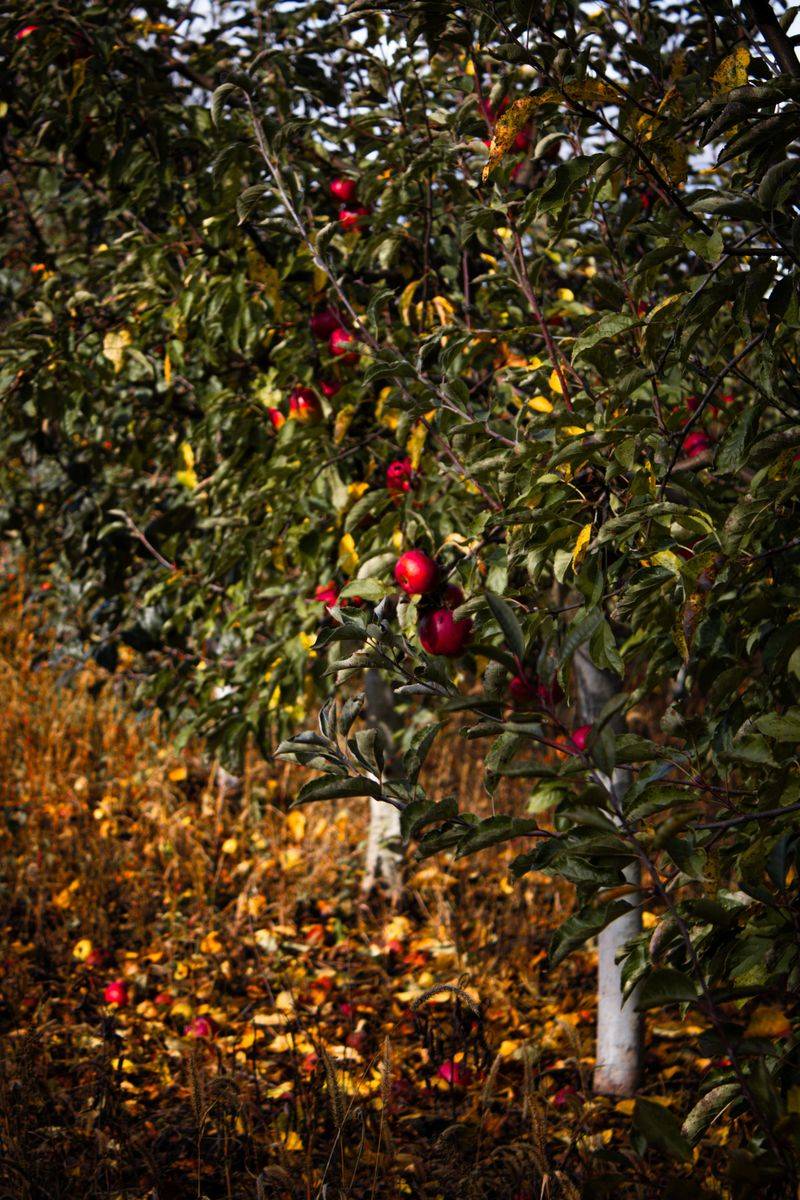
Nothing beats biting into a crisp homegrown apple, and great harvests start with smart cuts on bare branches. Once the leaves drop, you can finally see which limbs are crowding each other or reaching in odd directions.
November is a fine time to clear out broken and diseased wood before winter winds make things worse. That said, NC State Extension generally favors late winter for heavier pruning, since early cuts can raise cold injury risk.
My approach is a two-step plan, with light cleanup now and bigger shaping closer to February or March. Splitting the work that way keeps me busy outside without asking too much of the tree too early.
Look for mummified fruit still clinging to branches, because those shriveled apples can harbor disease spores. Pull them off and toss them in the trash, along with any fallen fruit gathered beneath the canopy.
Water sprouts, those skinny shoots pointing straight up, rarely produce fruit and mostly steal energy from productive wood. Snip them at their base, and remove root suckers popping up near the trunk while you are down there.
Most backyard apples are trained to a central leader or an open center, depending on the variety and rootstock. Keep that shape in mind, aiming for good sunlight and airflow reaching every part of the tree.
Better airflow helps leaves dry faster after rain, which reduces common problems like apple scab and cedar apple rust. A tidy tree also makes picking much easier, and my back appreciates that every single September.
5. Pear Trees
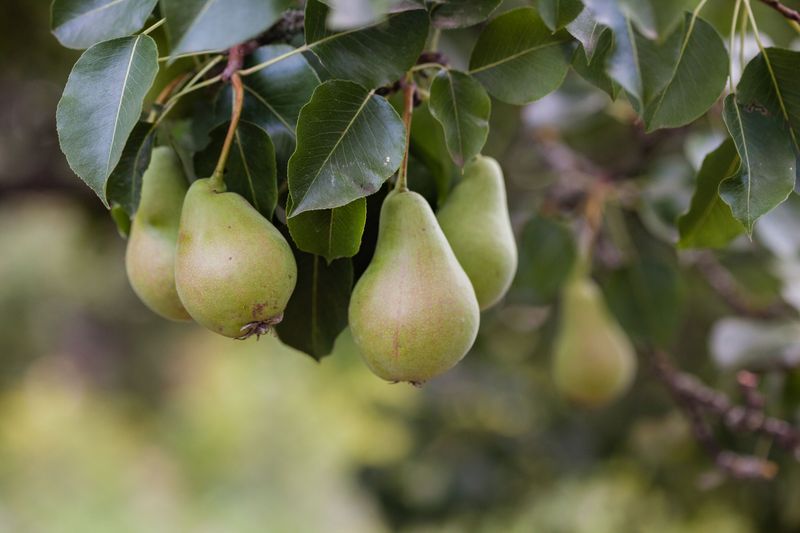
Pear trees grow with a stubborn upright attitude, sending branches skyward like they are reaching for the clouds. Left alone, those narrow angles can split under the weight of a heavy crop or winter ice.
Bare November branches make it easy to spot those tight crotches and choose which limbs deserve to stay. I look for branches growing at wider angles, since they hold fruit better and attach more securely to the trunk.
Fire blight is the big concern with pears, a bacterial disease that leaves twigs looking scorched and blackened. Dormant season is the best time to remove those infected branches, while the bacteria are mostly inactive.
Cut at least eight to twelve inches below any visible canker, and disinfect your pruners between every single cut. That extra care keeps you from accidentally spreading the problem to healthy wood elsewhere on the tree.
Go easy on heavy pruning, because pears respond with a burst of tender shoots that fire blight loves. Light, steady trimming each year works far better than one big cutback that sends the tree into overdrive.
Remove water sprouts and any branches heading straight into the center, which keeps sunlight flowing through the canopy. Spreading young limbs with small wooden spacers also encourages wider angles and earlier fruiting on many varieties.
Please skip Callery pear, including Bradford, because it spreads aggressively and is considered invasive across North Carolina. Stick with fruiting European or Asian pears, and choose varieties labeled as resistant to fire blight when possible.
6. Smooth Hydrangeas
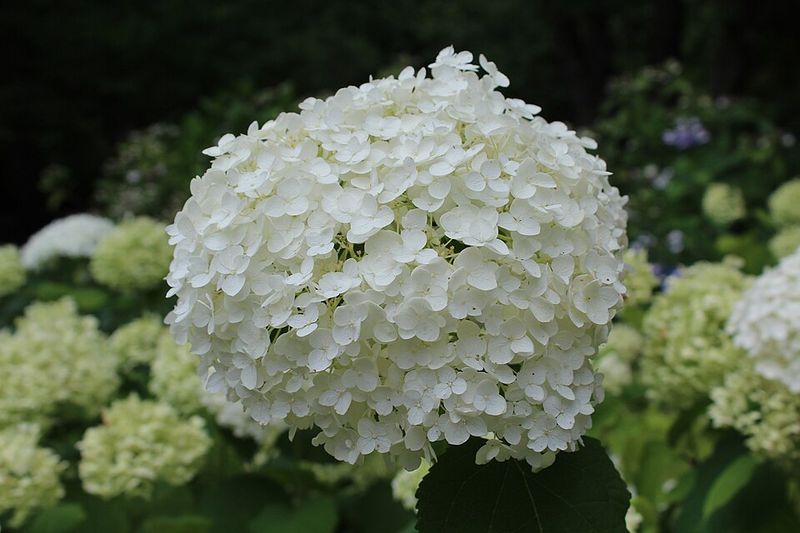
Annabelle hydrangeas produce snowball blooms so big that their stems often flop over after a summer rainstorm. Luckily, this native shrub forgives hard cuts better than almost anything else in my garden beds.
Smooth hydrangea, Hydrangea arborescens, blooms on new wood, meaning its flowers form on stems grown during the current season. Cutting it back now will not cost you a single flower next summer, which makes it wonderfully low stress.
After a fall frost, you can trim stems down to about twelve inches above the ground. Some gardeners go even shorter, but I find a foot of old stem gives new shoots a little extra support.
Leaving a taller framework, around eighteen to twenty-four inches, can produce sturdier stems that flop less in summer. Experiment a bit, because every garden and every plant seems to respond slightly differently to the height you choose.
This species grows wild in the mountains and Piedmont, often tucked along shady stream banks and rocky slopes. Those natural roots explain why it handles our clay soils and humid summers with such easy confidence.
Be careful not to confuse it with bigleaf hydrangea, the mophead or lacecap type with blue or pink flowers. Bigleaf types mostly bloom on old wood, so a hard cut would leave you staring at leafy, flowerless shrubs.
If you love winter interest, you can leave the dried flower heads standing until late winter instead. Either timing works fine, so pick whichever fits your schedule and your taste for tidy beds.
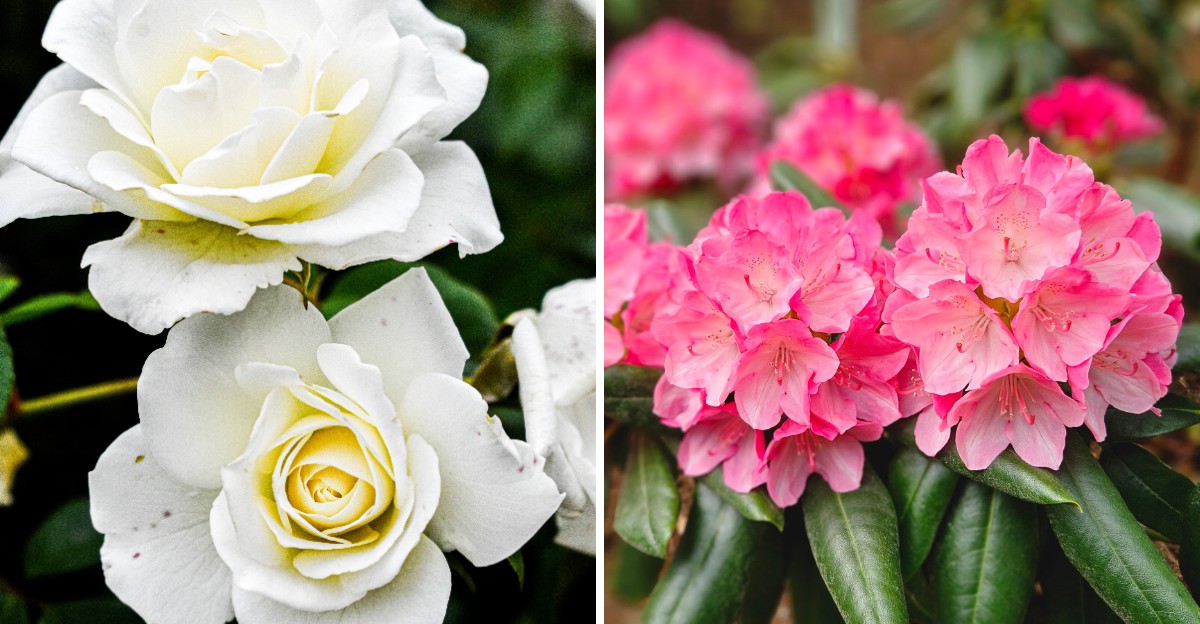
7. Roses
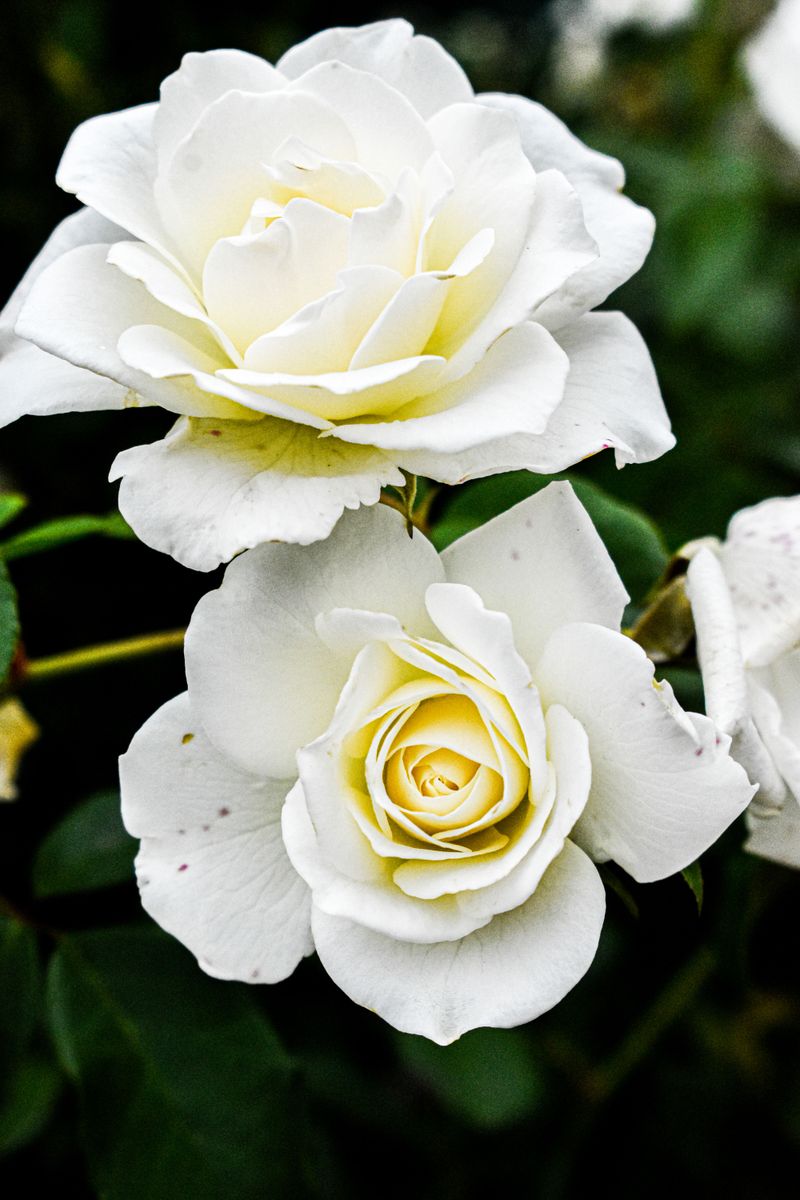
Tall rose canes whipping around in a winter gale can loosen roots and snap at the base. A quick November trim prevents that drama, and it takes only a few minutes per bush.
Main pruning for most roses belongs in late winter, usually around February or early March in our area. For now, the goal is simply to shorten extra-long canes by about one third and leave the rest.
Pruning harder this early can encourage tender new growth, which often gets damaged when the first hard freeze arrives. I keep my shears light and my expectations modest, saving the real sculpting for those first warm days.
Remove any canes that are clearly broken or diseased, cutting back into healthy green wood with white pith. Disease cleanup matters a lot, since black spot spores can linger on infected canes and fallen leaves.
Rake up and discard old rose leaves beneath each plant, rather than adding them to your compost pile. That simple chore reduces the disease pressure your roses face once warm, humid weather returns next spring.
Climbing roses and once-blooming old garden types are a different story, so check your variety before cutting anything. Many once bloomers flower on old wood, and their main pruning happens right after their spring show ends.
A fresh layer of mulch around the base after trimming helps protect roots through the colder months ahead. In my garden, that combination of light trimming and mulch keeps the roses looking neat all winter.
8. Boxwood
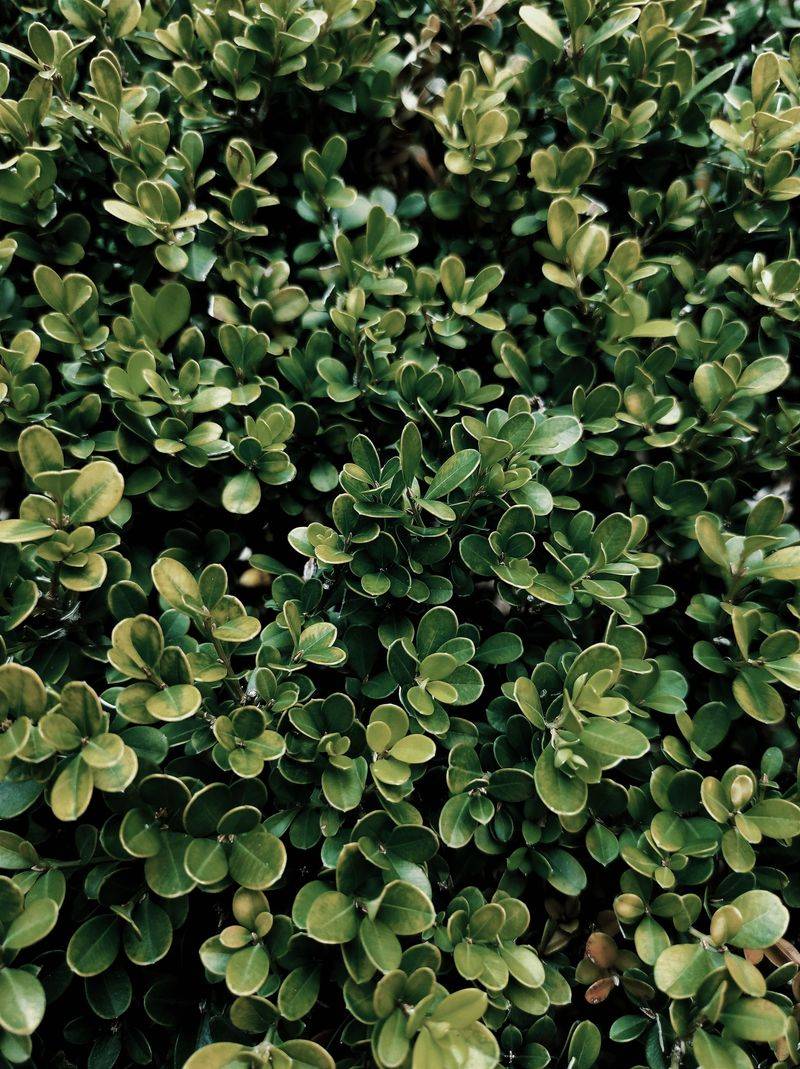
Boxwood has a scent some people adore and others compare to a musty attic, and opinions run strong. Love it or not, this classic evergreen shapes countless foundation plantings and formal gardens around the South.
Light tidying in November is acceptable, as long as you keep cuts small and avoid heavy shearing. Bigger shaping jobs work best in late winter, just before new growth begins pushing out in spring.
Instead of shearing the outer shell, try reaching inside and snipping small branches to open little windows. Those openings let sunlight and air reach the interior, which keeps the shrub fuller and healthier over time.
Better airflow matters with boxwood, because boxwood blight thrives in warm, wet conditions and dense foliage. Look for dark leaf spots and black streaks on stems, and contact your local Extension office if you see them.
Clean your tools between plants, since blight spores can easily hitch a ride on pruners and gloves. I also avoid working boxwoods when the foliage is wet, which lowers the chance of spreading any trouble.
Remove broken branches and any brown, lifeless sections down to healthy wood with green tissue under the bark. A gentle shake afterward clears out fallen leaves trapped inside, which reduces hiding spots for pests and fungi.
Skip fertilizing now, because a late feeding can push soft growth that winter cold easily damages. Save that for spring, and enjoy your neatly trimmed evergreens as they hold steady green color all season.
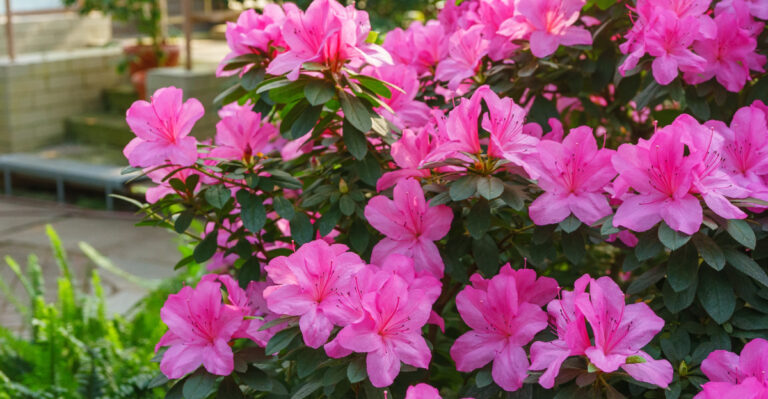
9. Azaleas
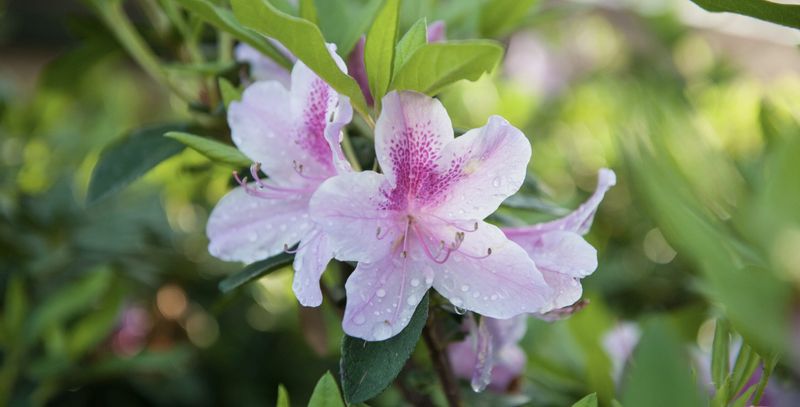
Those fat, pointy buds at the tips of azalea branches are next spring’s flowers, already packed and waiting. Snip them off now, and April will bring green leaves where a blaze of color should have appeared.
Azaleas form flower buds on old wood during late summer and early fall, well before winter arrives. Any pruning between now and bloom time removes those buds, so the shears should stay in the shed.
The best time to prune most azaleas is right after flowering ends in spring, ideally before early July. That window gives the shrub plenty of time to grow new stems and set buds for the following year.
Reblooming types like Encore azaleas follow a slightly different schedule, but light spring trimming still works best. I check plant tags before doing anything, because names can be tricky to remember years after planting.
Azaleas are spectacular across North Carolina, from mountain natives like flame azalea to classic Southern Indica hybrids. Those native deciduous azaleas offer stunning orange and pink blooms, plus they feed early spring pollinators beautifully.
If a branch breaks in a storm this winter, you can clean up that damage without guilt. Just cut back to a healthy side shoot and leave the remaining buds alone until the blooms fade.
Your November energy is better spent on mulching, since azaleas have shallow roots that appreciate a cozy blanket. Pine straw works wonderfully here, and it gives beds that classic tidy look many Southern gardeners love.
10. Rhododendrons
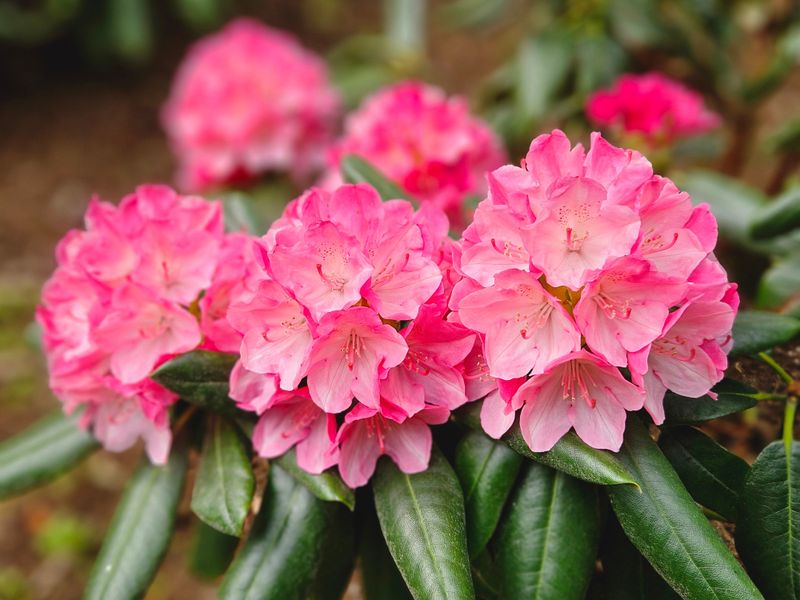
Rhododendrons pull a neat trick in cold weather, curling their leaves into tight tubes when temperatures plunge. Mountain folks sometimes use those curled leaves as a rough thermometer, and it really does track the cold.
Like their azalea cousins, rhododendrons set flower buds during summer, and those buds sit plump at branch tips now. Any cutting this month removes next spring’s blooms, which feels like a high price for a tidier shrub.
You can tell flower buds from leaf buds fairly easily, because flower buds are larger and rounder. Leaf buds look slender and pointed, so take a quick peek before you even think about reaching for pruners.
Wait until the flowers fade in spring, then prune shortly afterward to give plenty of time for regrowth. Snapping off spent flower clusters after bloom can also redirect energy toward new growth and fresh buds.
Native species like Catawba rhododendron and rosebay rhododendron brighten the southern Appalachians every late spring and early summer. Seeing those wild thickets in bloom along the Blue Ridge Parkway makes me even more protective of mine.
Rhododendrons struggle in heavy, soggy clay, so poor drainage causes more trouble than skipping a pruning ever could. Root rot is a common problem, especially in the Piedmont, where clay soils hold water for long periods.
Instead of pruning, check that mulch is not piled against stems and that water drains away from roots. A little attention to those basics now pays off with healthier plants and a gorgeous spring flower show.
11. Crape Myrtles
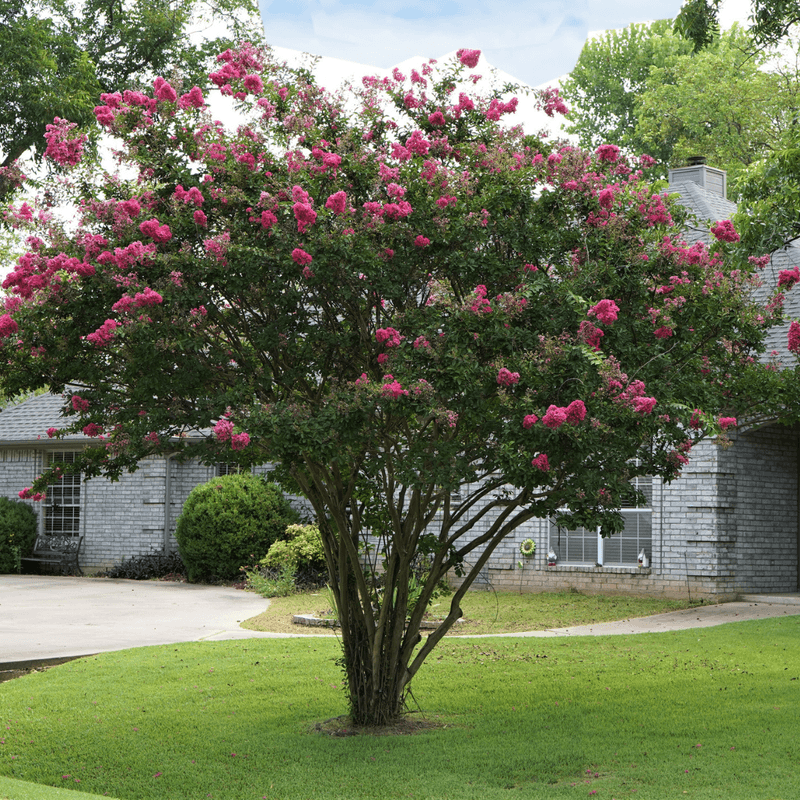
Severe pruning is a common sight among Southern gardeners, leaving crape myrtles with brutal, knuckled stumps. I cringe every time I drive past a row of topped trees in the neighborhood.
Crape myrtle, Lagerstroemia indica, blooms on new wood, so timing is less about flowers and more about cold. Pruning in November can encourage tender growth that lacks time to harden before freezing weather settles in.
Late winter, roughly late January through early March, is the preferred window for any needed shaping. Waiting also lets you enjoy the gorgeous peeling bark, which looks especially striking on bare winter trunks.
Many crape myrtles also put on colorful fall foliage, ranging from fiery red to bright orange and gold. Leaving branches intact through November lets you soak up that last burst of seasonal color before leaf drop.
When late winter arrives, focus on removing suckers at the base and any limbs growing inward toward the center. Thin out skinny twiggy growth, but resist the urge to whack every trunk down to the same height.
Choosing the right size variety solves most pruning headaches before they start, because heights range from dwarf to towering. Dwarf types stay a few feet tall, while larger selections can reach twenty or thirty feet with ease.
A naturally shaped crape myrtle with smooth, sculptural trunks looks far more elegant than a heavily chopped one. Give yours patience now, and it will reward you with sturdy branches and abundant summer blooms.
12. Flowering Dogwood
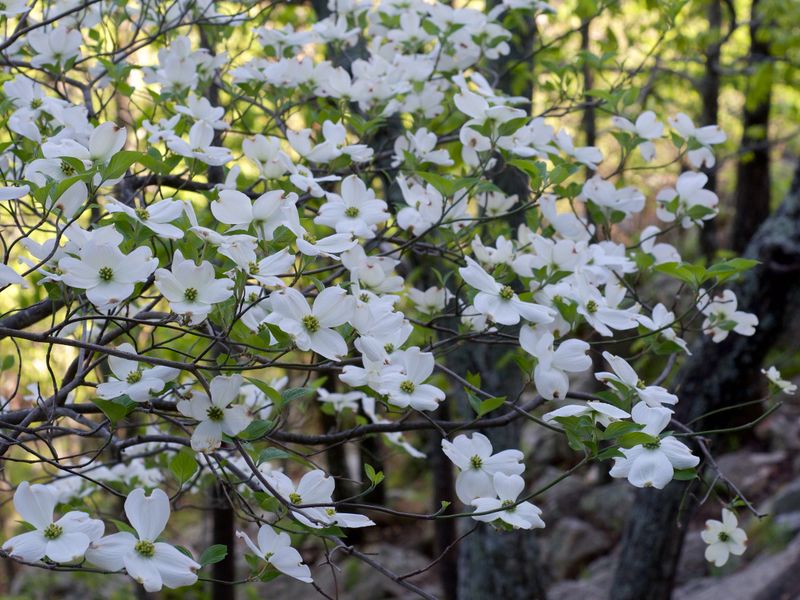
Those showy white petals on flowering dogwood are not petals at all, but modified leaves called bracts. The true flowers are tiny yellowish clusters in the center, and their buds are already formed on branch tips.
Look closely at a dogwood right now, and you will see little onion-shaped buds perched at twig ends. Those round buds hold next spring’s blooms, so cutting branches this month removes the show before it begins.
Flowering dogwood, Cornus florida, became the official state flower of North Carolina in 1941, a fun bit of history. That connection makes a full spring bloom feel extra special to many longtime residents and gardeners.
If pruning is needed, the safest time is right after flowering finishes in spring, when buds are not at risk. Dogwoods naturally grow in a graceful layered form, so most trees need very little pruning anyway.
Avoid wounding the thin bark with mowers or string trimmers, because injuries open the door to borers. A wide ring of mulch around the trunk keeps equipment away and helps roots stay cool and moist.
Dogwoods prefer partial shade and well-drained soil, much like the forest edges where they grow wild. Stress from hot, dry sites makes them more vulnerable to problems like powdery mildew and dogwood anthracnose.
Broken branches from storms are the one exception, and you can tidy those up any time without worry. Otherwise, let your dogwood rest quietly, and enjoy the bright red berries that birds snap up through fall.