The Late Summer Sign Your Georgia Azaleas Are Already Preparing For Next Spring
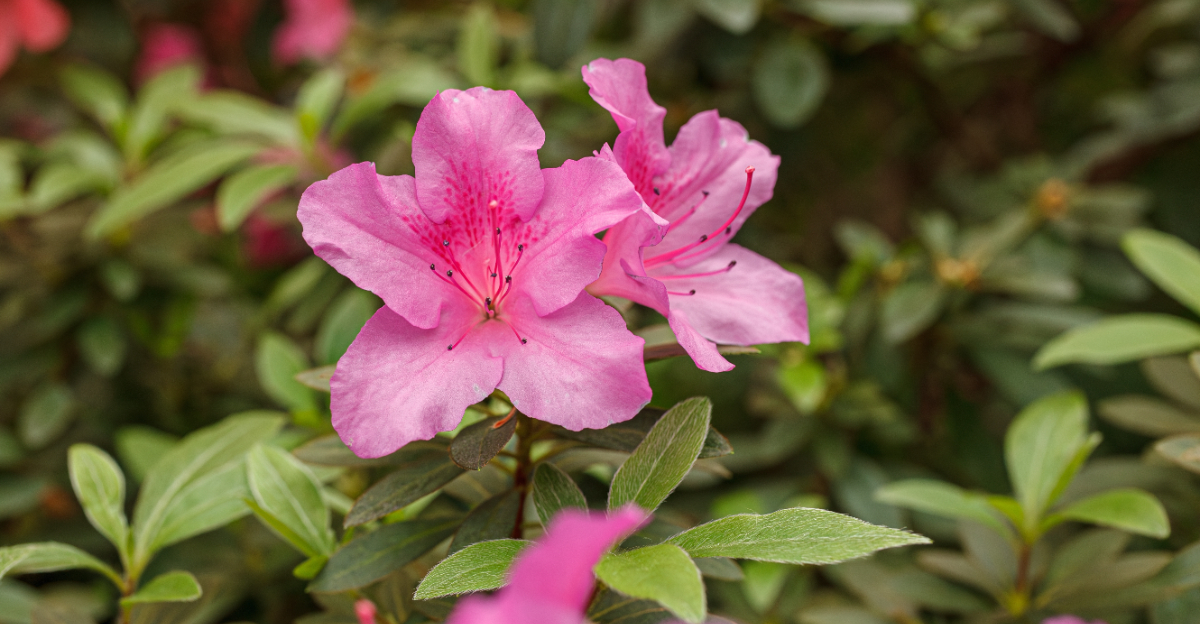
Spring may feel far away, but your azaleas are not waiting for it to arrive. Look closely at the branch tips now, and you may spot the first evidence of next year’s flower display.
Many familiar azaleas in Georgia begin forming flower buds during summer. These developing buds can be easy to miss because they appear months before the colorful blooms finally open.
That makes this a surprisingly important stage in the shrub’s yearly cycle. What appears to be a quiet green plant is already investing energy in another season of flowers.
You may also notice that some buds look fuller and more rounded as they develop. Their appearance can gradually become easier to recognize with a careful look.
Those small buds deserve attention because careless late pruning could remove flowers before you ever get the chance to enjoy them next spring.
1. New Buds Signal Next Spring’s Flowers
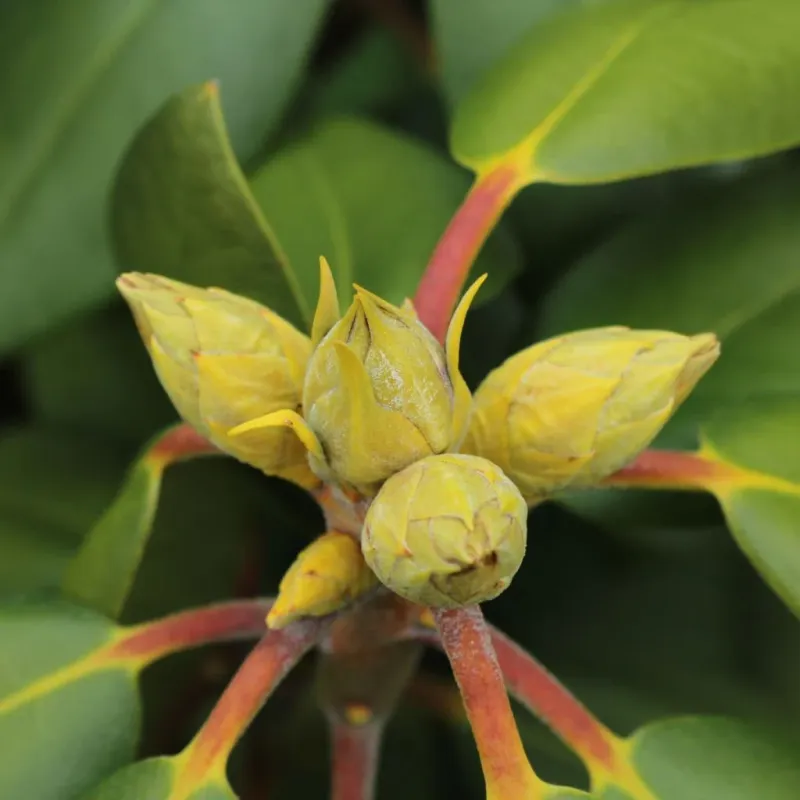
Right now, while summer is still blazing, your azaleas are quietly forming flower buds for next spring. Spot them early and you will understand exactly what your plant is working toward.
Azaleas set their flower buds in late summer, usually from late July through early September, depending on the variety and local conditions. Tiny, rounded buds appear near branch tips and look slightly different from the flatter, more pointed leaf buds.
Once you know what to look for, it becomes easy to spot.
Bud formation depends on several factors. Adequate sunlight, consistent soil moisture, and moderate temperatures all play a role.
Plants growing in heavy shade may form fewer buds. Those stressed by drought or extreme heat may also produce a lighter set.
Healthy bud set in late summer is a strong indicator that your azalea is in good shape. It does not guarantee a perfect bloom in spring, since late freezes or other conditions can still affect results.
But seeing buds form is a genuinely encouraging sign worth paying attention to.
Watch your plants closely from mid-July onward. Early bud identification helps you make smarter decisions about watering, pruning, and fall care.
Once you see those buds forming, your priorities shift toward protecting them through the coming months.
2. Look For Swelling Near Branch Tips
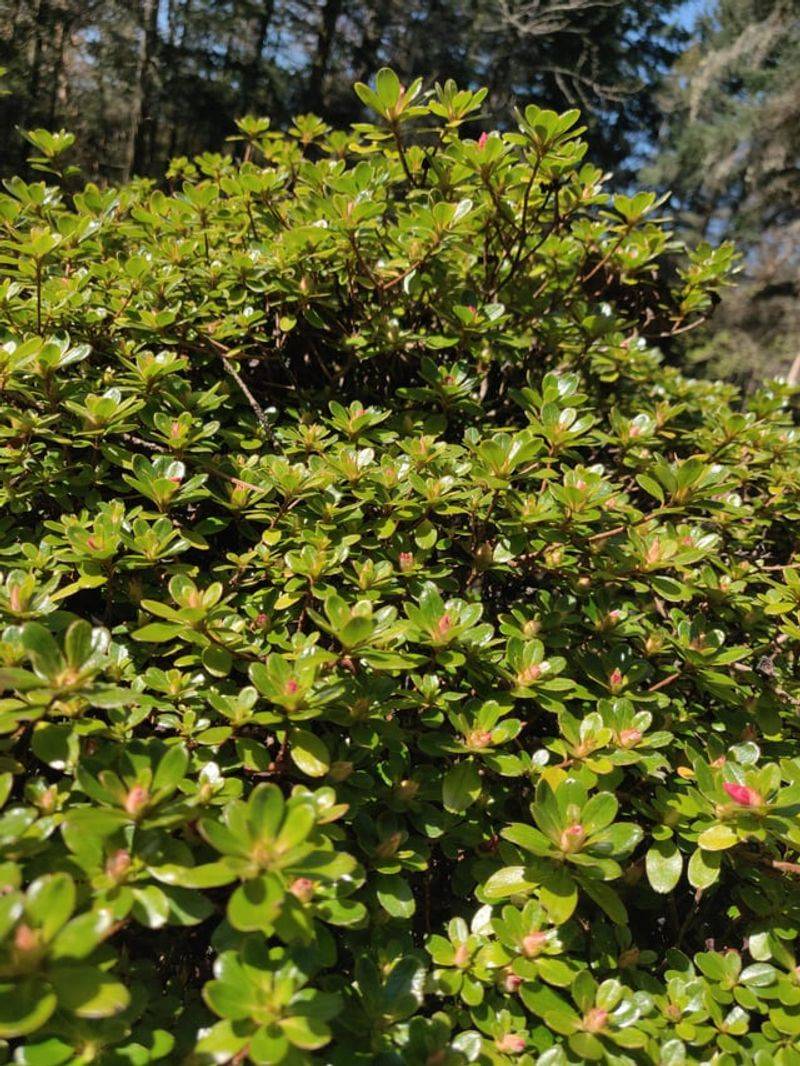
Swollen tips on azalea branches are easy to overlook if you are not specifically looking for them. Most gardeners walk past their plants without noticing this small but meaningful change.
Flower buds on azaleas tend to be rounder and slightly plumper than leaf buds. Leaf buds are narrower and more elongated.
Both appear near branch tips, so getting close and comparing them side by side helps you tell them apart. Good lighting and a slow walk through the garden make a real difference.
Swelling typically begins in late summer as day length shortens and temperatures start to ease, even slightly. In Georgia’s humid climate, this process can begin as early as August.
Cooler nights, even modest ones, seem to encourage bud development along with shorter days.
Not every branch will show the same level of swelling at the same time. Outer branches that receive more sun often develop buds earlier than those tucked deeper inside the shrub.
Your Georgia Garden Changes Every Week. Your Plan Should Too.
Gardening in Georgia changes quickly throughout the season. Every Friday you’ll receive a simple weekly plan showing exactly what to plant, prune, fertilize, harvest, and protect so you never miss the right timing.
Checking multiple branches gives you a better picture of overall bud set.
Once swelling is visible, handle branches gently. Rough pruning or accidental breakage at this stage can remove buds that took weeks to form.
Staying observant and careful now protects months of quiet plant effort from being lost before spring even arrives.
3. Healthy Leaves Support Flower Development
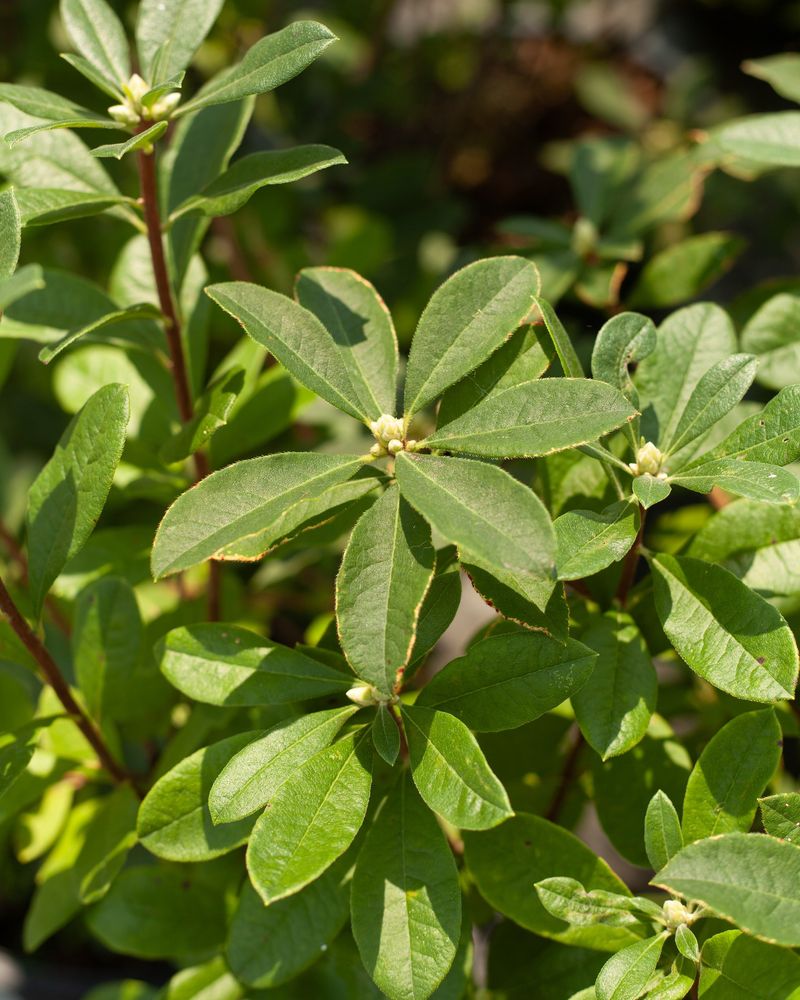
Strong, green leaves in late summer are doing more work than they appear to be. Azalea foliage is the engine behind bud formation, and keeping leaves healthy now directly supports spring blooms.
Leaves convert sunlight into energy through photosynthesis. That energy feeds the plant’s bud-setting process.
When leaves are stressed, yellowing, or heavily damaged by pests, the plant has less fuel available for flower development. Protecting foliage from late summer through fall matters more than many gardeners realize.
Lace bugs are a common pest in the South that can cause stippled, pale leaves by late summer. Affected leaves lose efficiency quickly.
Catching an infestation early and treating it appropriately can help preserve leaf function during this critical period.
Nutrient deficiencies can also cause leaf yellowing. Azaleas prefer acidic soil, and pH levels that drift too high can lock out iron and manganese, causing interveinal yellowing.
A simple soil test can confirm whether pH adjustment is needed before fall arrives.
Avoid heavy fertilizing with nitrogen in late summer. Pushing new leafy growth at this stage can redirect the plant’s energy away from bud development.
Light feeding with a balanced, slow-release fertilizer earlier in the season is generally a better approach than a late-season nitrogen boost.
4. Late Pruning Can Remove Next Spring’s Blooms
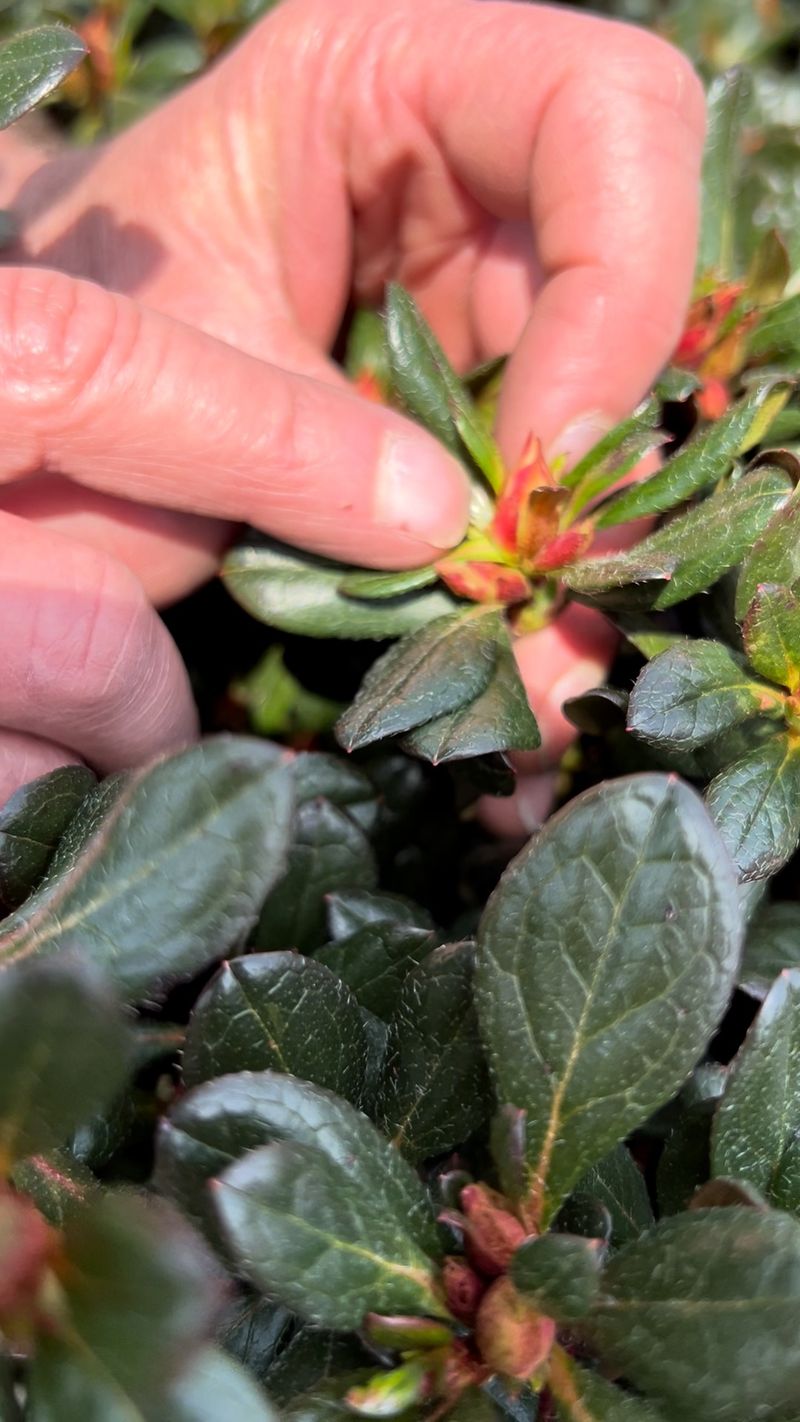
Pruning azaleas at the wrong time is one of the most common mistakes home gardeners make. Cut too late in summer and you may be removing the exact buds your plant spent weeks building.
Most azalea varieties set their flower buds between late July and mid-September. Any pruning done after buds have formed removes those buds along with the branch.
Spring bloom is then reduced or missing entirely from the pruned sections. Timing matters more than technique when it comes to azalea pruning.
The safest window for pruning is right after spring bloom ends. Cutting within about four to six weeks after flowering gives the plant enough time to push new growth and then set buds before late summer arrives.
Pruning done outside that window carries increasing risk as summer progresses.
If your azalea is overgrown and badly needs shaping, consider a light touch rather than heavy cutting in late summer. Removing just a few problem branches causes less bud loss than a full shaping session.
Major reshaping is usually better saved for late winter or right after bloom.
When in doubt, wait. Holding off on pruning until you can observe bud locations helps you make smarter cuts.
Protecting those small buds now protects the spring display that makes azaleas worth growing in the first place.
5. Steady Moisture Helps During Hot Weather
August heat in the South is no joke, and azaleas feel it. Consistent moisture during the hottest weeks of late summer supports both leaf health and bud formation when the plant needs it most.
Azaleas have relatively shallow root systems. They dry out faster than deeper-rooted shrubs during stretches of hot, dry weather.
Wilting leaves are a visible signal, but water stress can affect bud development even before wilting becomes obvious. Keeping soil moisture steady is better than waiting for stress signs to appear.
Watering deeply and less frequently encourages roots to reach down rather than staying near the surface. Light, frequent watering can actually work against this by keeping moisture only in the top inch or two of soil.
A slow, thorough soak a couple of times per week is generally more effective during dry spells, though actual needs vary by soil type and sun exposure.
Early morning watering gives foliage time to dry before evening, which may help reduce fungal issues.
Overhead watering late in the day can leave leaves wet overnight, creating conditions where certain fungal problems are more likely to develop.
Check soil moisture by pressing a finger two to three inches into the ground near the root zone. If it feels dry at that depth, water thoroughly.
If it still feels damp, hold off and check again the following day.
6. Mulch Protects Shallow Azalea Roots
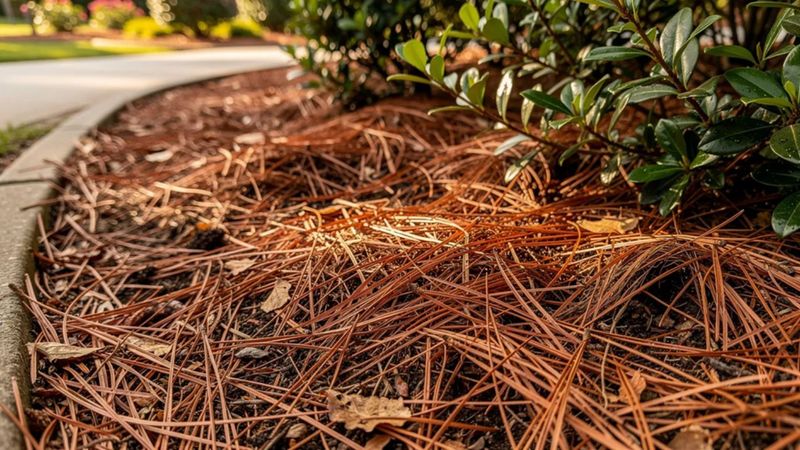
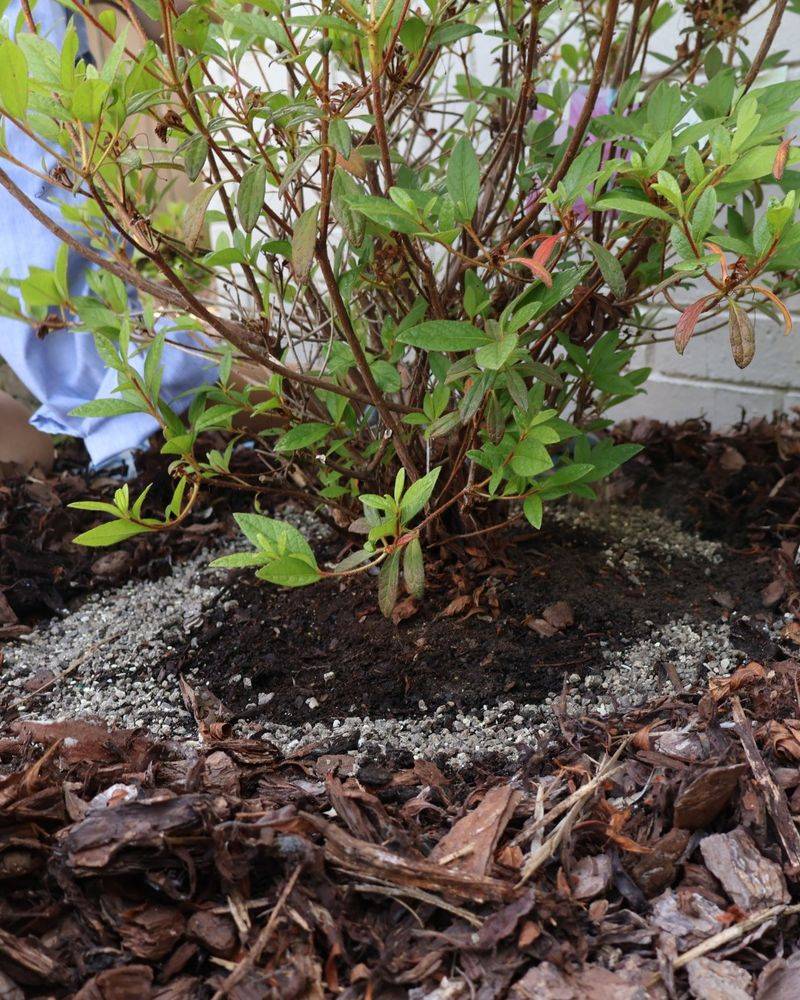
Bare soil around azaleas in late summer is a missed opportunity. Mulch does several important jobs at once, and azaleas respond well when their root zone is properly covered.
A layer of organic mulch, around two to three inches deep, helps retain soil moisture between watering sessions. It also moderates soil temperature, keeping roots cooler during heat waves.
In Georgia’s climate, where summer soil temperatures can climb significantly, that cooling effect supports root function and overall plant health.
Pine straw is a popular mulch choice for azaleas in the South. It breaks down slowly, allows water to pass through easily, and tends to support slightly acidic soil conditions as it decomposes.
Pine bark and shredded leaves also work well. Avoid piling mulch directly against the main stems, since that can trap moisture and create conditions favorable to rot.
Mulch also reduces weed competition. Weeds pulling water and nutrients from the root zone add stress to a plant that is already working hard to set buds.
Keeping the area clean and covered removes that competition.
Check your mulch layer in late summer. If it has thinned out over the season, add fresh material before fall.
Maintaining consistent coverage through the cooler months ahead helps protect roots from temperature swings and supports the bud development already underway.
7. Leave New Growth Undisturbed Through Fall
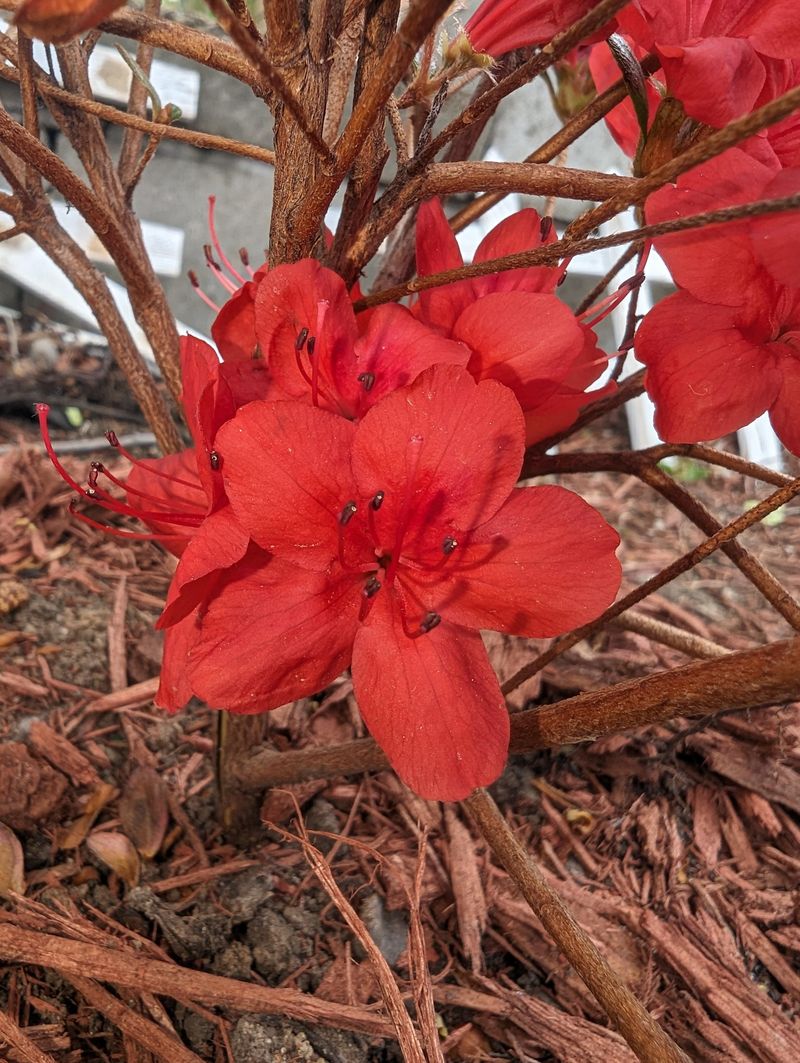
Soft new growth showing up on azaleas in late summer can catch gardeners off guard. Resist the urge to cut it back.
That tender growth plays a role in the plant’s preparation for the season ahead.
Late summer flushes of new growth are not unusual in the South, especially after a period of rain following dry conditions. This growth is often softer and lighter green than older foliage.
While it can look a little out of place, removing it now can stimulate more new growth or disrupt the plant’s natural transition into fall dormancy.
New growth that appears very late in the season may be more vulnerable to early frost damage than established foliage. In most parts of Georgia, hard freezes before November are not common, but late cold snaps can occasionally occur.
Keeping plants well-watered and avoiding late nitrogen fertilizing can help harden off new growth before temperatures drop.
Letting the plant settle naturally through fall without interference is usually the better approach. Avoid pruning, heavy fertilizing, or any significant disturbance to the root zone once buds are visible and new growth is present.
Fall is a time to observe more and intervene less. Azaleas that are left alone to complete their natural seasonal cycle often reward you with a stronger bloom come spring, assuming other care needs have been met through the growing season.