10 Fall Vegetables To Start Seeding In August For A Strong North Carolina Harvest
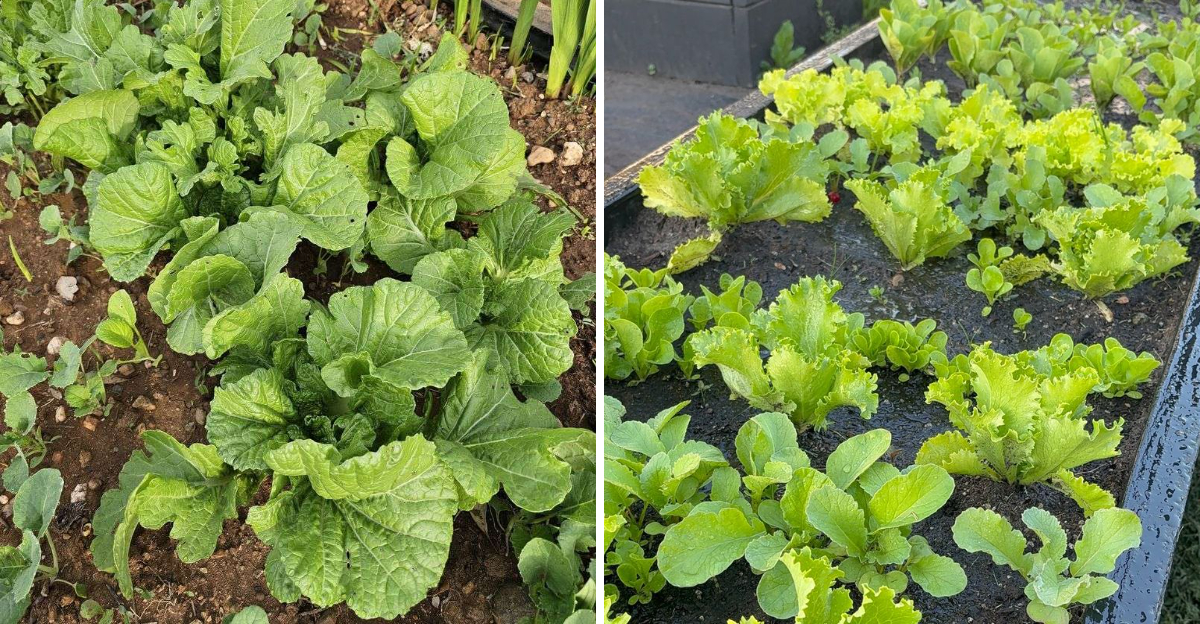
August marks an important planting window for several fall vegetables that thrive in North Carolina’s gradually cooling temperatures. Turnips grow quickly, often ready to harvest within six to eight weeks after seeding this month.
Beets benefit from the remaining summer warmth, developing sweeter flavor as temperatures continue to drop. Kale and collard greens both need this earlier start to establish strong growth before the sharpest fall temperature changes arrive.
Carrots require extra time to develop full, flavorful roots, making August an ideal starting point. Mustard greens grow fast and handle the transition into cooler weather with ease.
Kohlrabi matures quickly, offering a unique addition to the fall garden within just a couple months. Bush beans can still be seeded now for one more harvest before the season winds down.
Radishes round out the list, providing quick results in as little as three to four weeks. Getting these seeds in the ground now sets up a strong, varied fall harvest.
1. Carrots
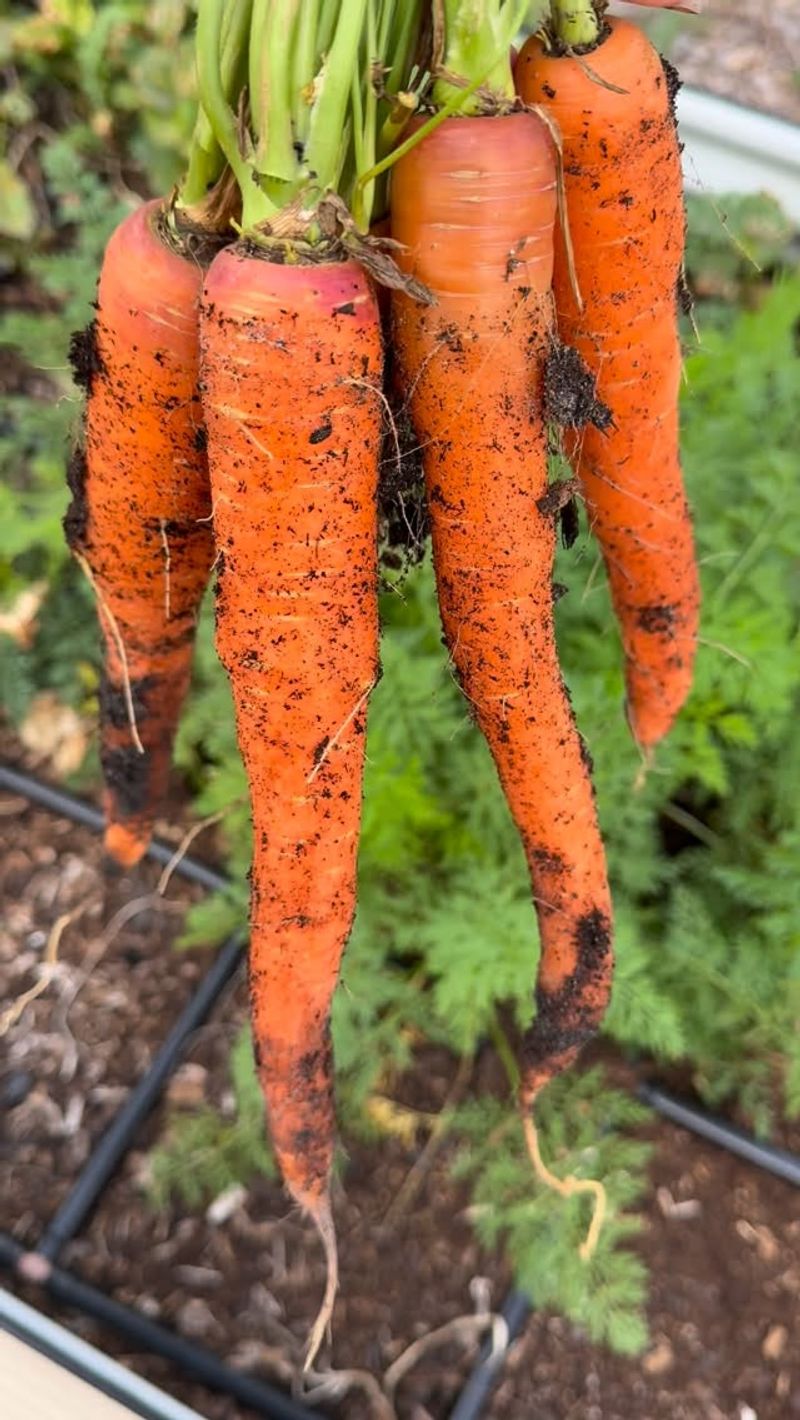
Carrots have a way of rewarding patient gardeners. Seeding them in August gives the roots plenty of time to develop slowly as the soil cools down through September and October.
Cooler soil actually makes carrots sweeter, because the plant converts starches into sugars when temperatures drop. That means your fall-harvested carrots will taste noticeably better than ones pulled in the heat of summer.
North Carolina gardeners should aim to seed carrots in early to mid-August so the plants have around 70 to 80 days to mature before hard frost arrives. Loose, well-draining soil is key since compacted ground causes carrots to fork or grow short and stubby.
Work your garden bed at least 12 inches deep and mix in compost to give those roots room to grow straight and long.
Carrot seeds are tiny and take a bit of patience to sow evenly. Sprinkling them thinly across a shallow row and covering with just a thin layer of fine soil works well.
Keep the soil consistently moist until germination, which usually takes 10 to 14 days. Once seedlings appear, thin them to about 2 to 3 inches apart so each carrot has space to size up properly.
Mulching around young carrot plants helps hold moisture and keeps the soil temperature steady as August heat lingers.
By the time November rolls around in most parts of North Carolina, you can expect a crisp, colorful carrot harvest that made the wait completely worthwhile.
2. Beets
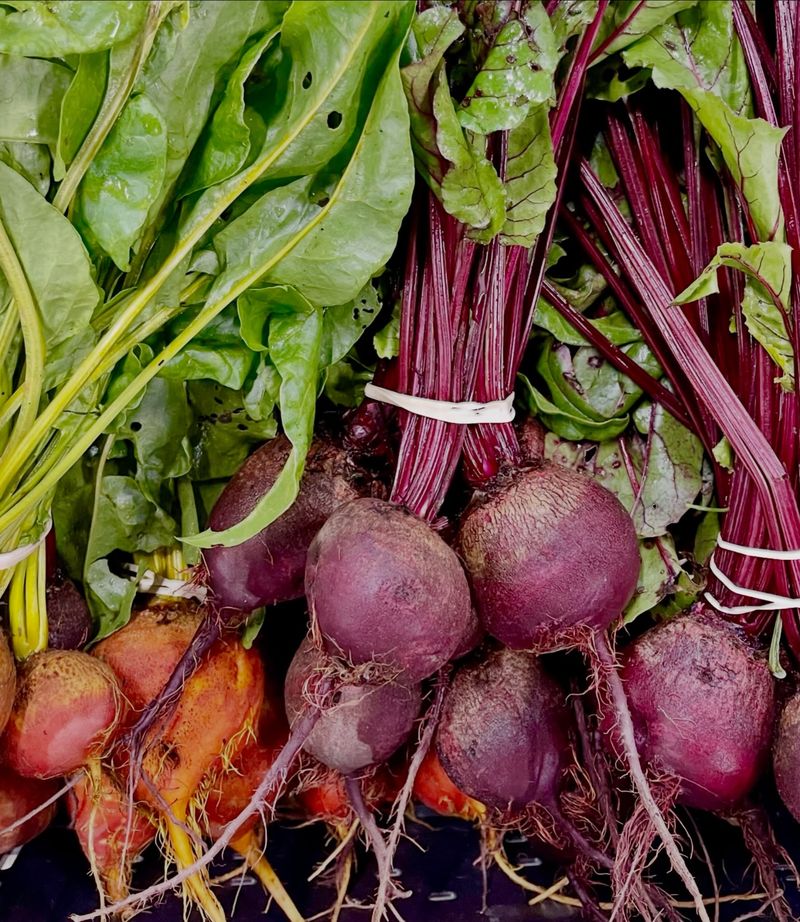
Beets are one of those vegetables that give you two harvests in one. You get the sweet, earthy root and the tender leafy greens on top, both of which are packed with nutrition.
Seeding beets in August sets them up perfectly for North Carolina’s fall season, when cooler temperatures bring out their natural sweetness and deep color.
Beet seeds are actually clusters of multiple seeds stuck together, so each spot you plant may sprout two or three seedlings. Plan to thin them early so the strongest plant has room to grow a full-sized root.
Space your final plants about 3 to 4 inches apart for standard-sized beets, or a little closer if you prefer smaller, baby beet varieties.
Your North Carolina Garden Changes Every Week. Your Plan Should Too.
Gardening in North Carolina changes quickly throughout the season. Every Friday you’ll receive a simple weekly plan showing exactly what to plant, prune, fertilize, harvest, and protect so you never miss the right timing.
Beets prefer a soil pH between 6.0 and 7.0, which is easy to achieve in most garden beds with a little lime if needed. They grow best in loose, well-amended soil with good drainage.
Sandy loam soils common in the Piedmont and coastal plain regions of North Carolina work especially well for growing round, smooth roots.
Water beets consistently and avoid letting the soil dry out completely, because uneven moisture leads to tough or cracked roots. Most beet varieties are ready to harvest in 50 to 70 days, making an August seeding ideal for a late October or November table.
Pull them when roots reach about 2 to 3 inches across for the best flavor and texture. Fresh-roasted fall beets are something truly special.
3. Broccoli
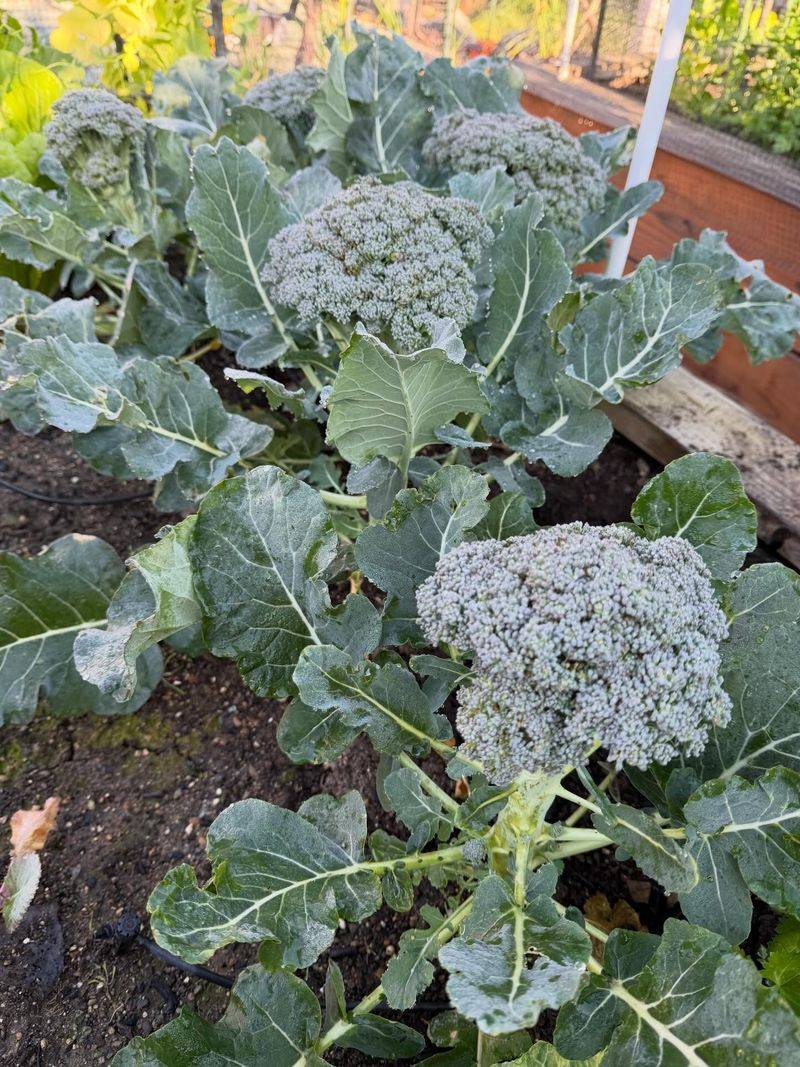
Broccoli is one of the most popular cool-season crops for a reason. It produces big, satisfying heads full of nutrients, and it actually tastes better when it matures in cool fall air rather than summer heat.
Starting broccoli seeds in August gives gardeners a real shot at a strong fall harvest before the first frost of the season arrives.
Young broccoli seedlings need consistent moisture to get established, especially during the hot days of August. Dry spells right after germination can stress seedlings badly, slowing growth or causing them to bolt before they form proper heads.
Watering in the early morning and mulching the soil around seedlings helps retain moisture throughout the day when temperatures are still climbing into the upper 80s.
Start broccoli seeds indoors or in a shaded seedling area about 6 to 8 weeks before your planned transplant date.
In most parts of North Carolina, that means getting seeds started in early to mid-August so transplants are ready to go in the ground by mid-September.
Broccoli heads develop best when daytime temperatures settle into the 60s and 70s, which is exactly what fall in North Carolina delivers.
Feed transplants with a nitrogen-rich fertilizer a few weeks after planting to encourage strong leafy growth before head formation begins. Broccoli heads should be harvested while the buds are still tight and dark green.
Waiting too long causes the buds to open into yellow flowers, so check your plants every couple of days once heads start sizing up.
4. Collards
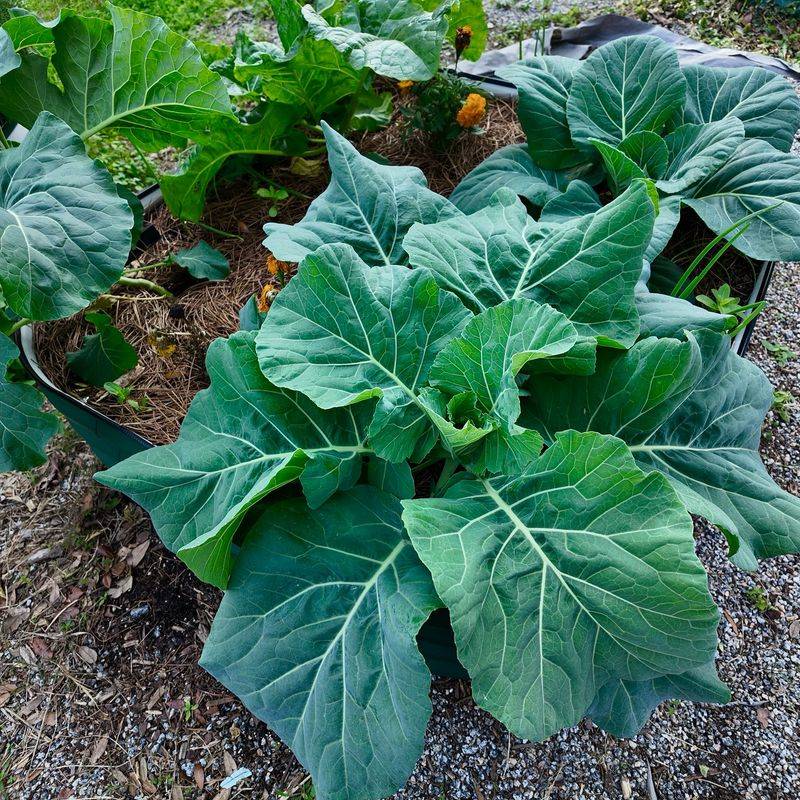
Collards are practically a symbol of Southern cooking, and North Carolina gardeners have been growing them for generations. These hearty greens thrive in cool weather and can handle light frosts without any problem.
In fact, a touch of frost actually improves their flavor, mellowing the slightly bitter edge and bringing out a natural sweetness that makes them perfect for the pot.
August is the right month to get collard seeds in the ground if you want a productive fall garden. Seeding too late pushes the plants into cold weather before they have built up enough size to produce a good harvest.
Starting in early to mid-August gives the plants 8 to 10 weeks to establish strong root systems and wide leaves before temperatures drop significantly.
Collards are not picky about soil, but they do appreciate a bed with good drainage and plenty of organic matter. Adding compost before planting boosts nutrients and helps the soil hold moisture during the drier stretches of late summer.
Direct seeding works well for collards, placing seeds about half an inch deep and thinning seedlings to 18 inches apart once they are a few inches tall.
Keep an eye out for cabbage worms and aphids, which love collard plants as much as people do. Row covers can protect young plants without slowing their growth.
Once your collards are established and temperatures cool in October and November, you will have steady harvests of beautiful leaves that are tender, flavorful, and deeply satisfying to grow from seed.
5. Kale
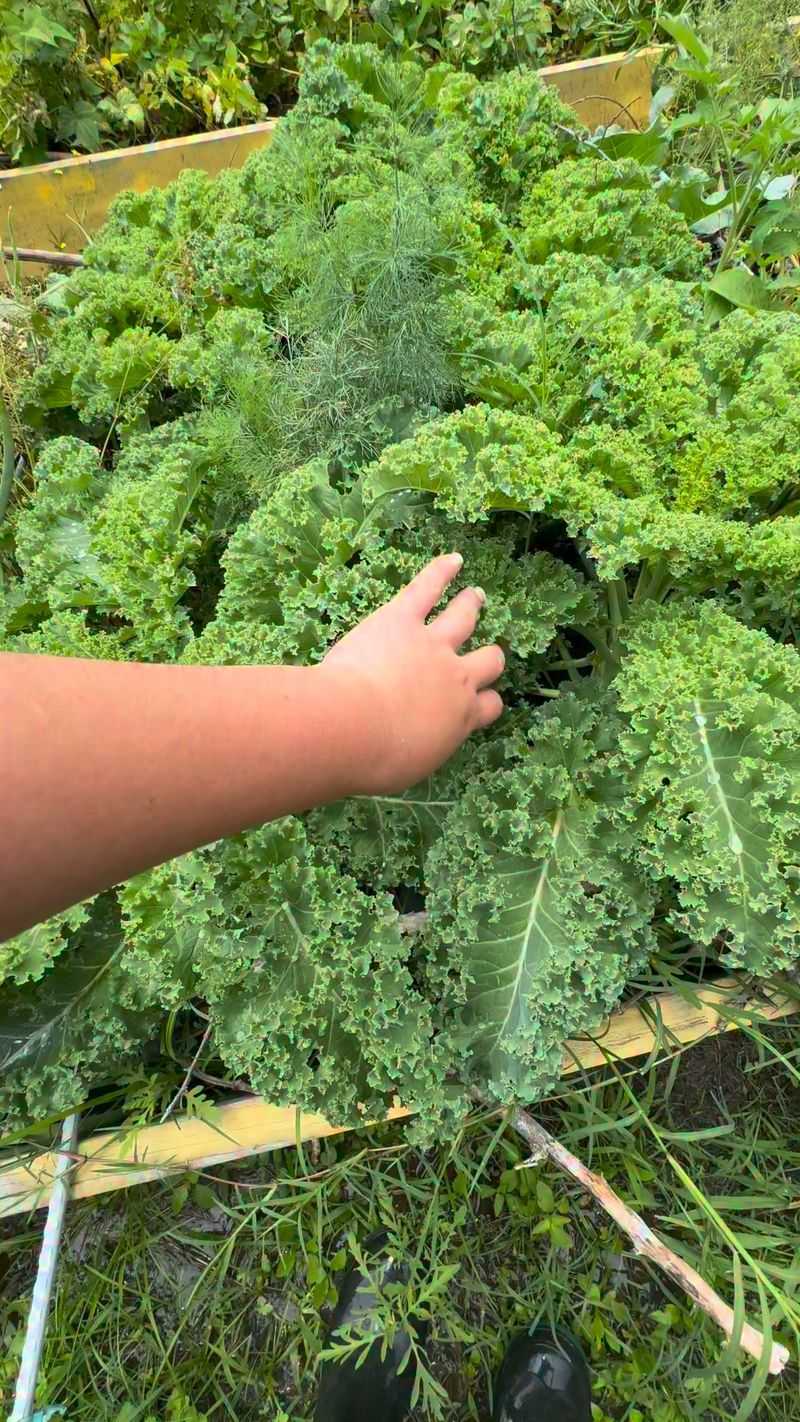
Kale has earned its reputation as one of the toughest and most nutritious greens you can grow. Starting kale seeds in August means your plants will be well-established by the time cooler fall weather sweeps across North Carolina.
That head start matters more than many gardeners realize, because kale that goes into cold temperatures already strong and leafy will produce much better than plants that are still small and struggling.
There are several great kale varieties to choose from, including Lacinato, Red Russian, and curly Scotch kale. Each has a slightly different texture and flavor, but all of them perform well in North Carolina’s fall climate.
Lacinato, sometimes called dinosaur kale, is especially popular because of its tender, slightly wrinkled leaves that hold up well in soups and stir-fries.
Kale seeds germinate quickly, often within 5 to 7 days in warm August soil. Direct seed them about half an inch deep and thin plants to 12 to 18 inches apart once they sprout.
Kale grows best in full sun but can handle a bit of afternoon shade during the hottest weeks of August, which actually protects young seedlings from heat stress.
One of the best things about fall kale is that the flavor keeps improving as temperatures drop. Cold nights trigger the plant to produce more sugars, making the leaves sweeter and more tender over time.
Harvest outer leaves regularly to encourage the center of the plant to keep pushing out new growth, and you can enjoy fresh kale well into December across much of North Carolina.
6. Kohlrabi
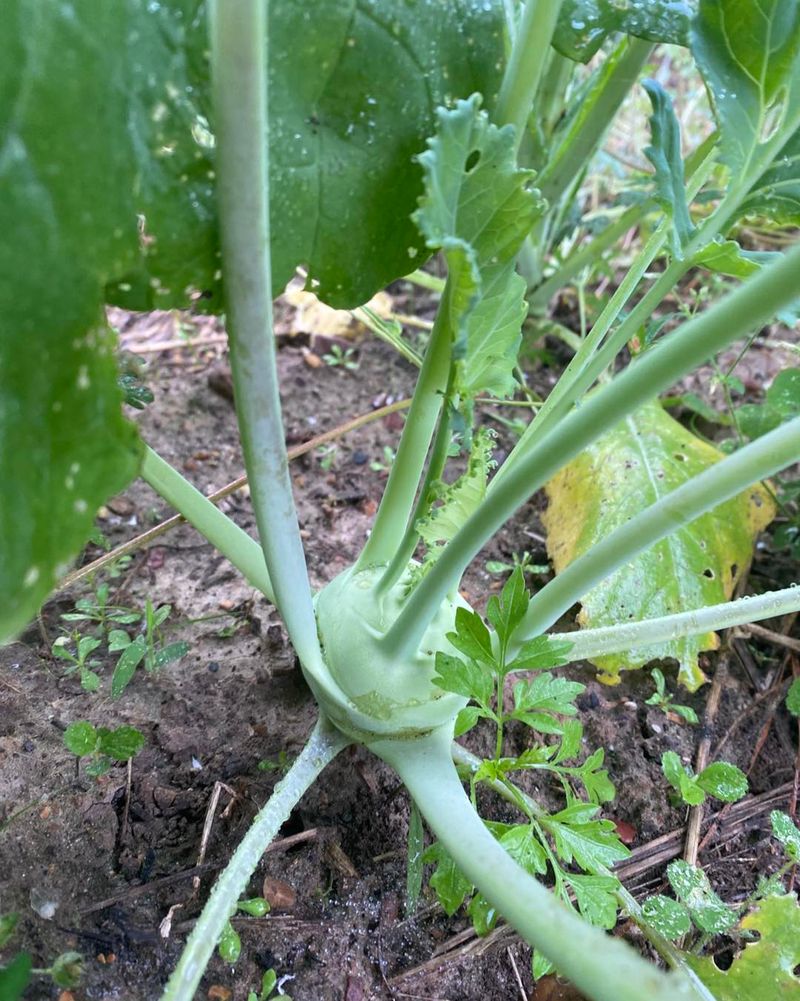
Kohlrabi looks like something from a science fiction movie, with its round swollen stem and leaves shooting out in all directions. But do not let the unusual appearance fool you.
This cool-season vegetable has a crisp, mild flavor similar to broccoli stems, and it is surprisingly easy to grow. Seeding kohlrabi in August gives it just enough time to mature during the pleasant temperatures of North Carolina’s fall season.
Kohlrabi matures in about 45 to 60 days, which makes timing important. An August planting sets up the crop to reach harvest size right around October and early November, when daytime temperatures are ideal for developing the best texture and flavor.
Planting too late pushes maturity into colder weather, and kohlrabi that gets hit by hard frost before it sizes up properly will not develop as well.
Direct seeding works great for kohlrabi. Sow seeds about a quarter inch deep and thin seedlings to 6 inches apart once they reach a few inches tall.
Kohlrabi prefers loose, fertile soil with good drainage and consistent watering. Dry spells during development cause the stems to become tough and woody, so keeping soil moisture steady is one of the most important things you can do for a quality harvest.
Harvest kohlrabi when the round stem is about 2 to 3 inches across for the best eating quality. Larger kohlrabi tends to get fibrous and less tender.
Slice it raw into salads, roast it with olive oil and spices, or add it to soups for a mild, satisfying crunch that makes it a genuinely fun fall vegetable to grow and eat.
7. Mustard Greens
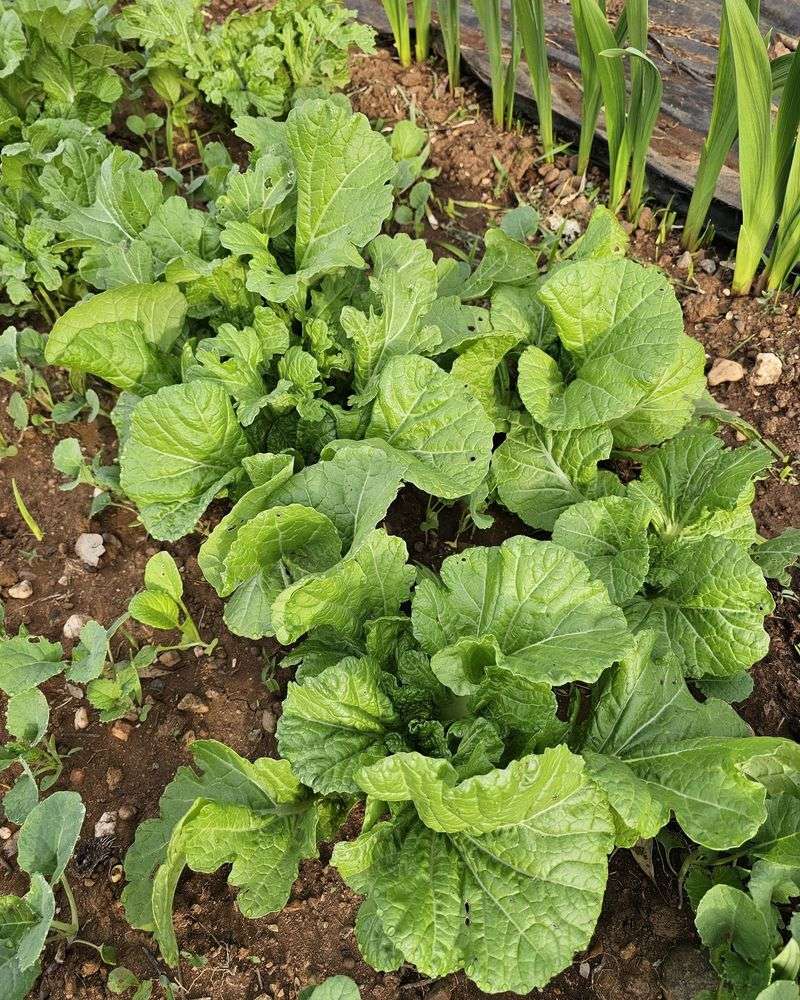
If you want a fast and rewarding crop for your fall garden, mustard greens might be your best pick. Seeds can go in the ground in late August or even into early September, and you can be harvesting fresh, spicy leaves in as little as 30 to 45 days.
That quick turnaround makes mustard greens one of the most satisfying vegetables to grow when you are eager to see results.
Mustard greens come in a wide range of varieties, from the mildly flavored Florida Broadleaf to the bold and peppery Red Giant.
The flavor gets sharper as the plants mature, but cooler fall temperatures help mellow that heat into a pleasant, tangy bite that works beautifully in cooked dishes and salads alike.
North Carolina’s fall climate is nearly perfect for bringing out the best in these greens.
Sow mustard seeds directly in the garden about half an inch deep and thin plants to 6 to 9 inches apart once they are established. Mustard is not fussy about soil, but it does grow faster and more vigorously in a bed with added compost.
Water regularly to keep growth moving quickly, because plants that dry out tend to bolt sooner and produce tougher, more bitter leaves.
Harvest mustard greens by picking outer leaves as needed, which encourages the plant to keep producing through the season. Young leaves are the most tender and flavorful.
A light frost will actually improve the taste slightly, adding a subtle sweetness that balances the natural spice. Mustard greens cooked with a little garlic and olive oil make a simple, delicious side dish that is hard to beat on a cool fall evening.
8. Turnips
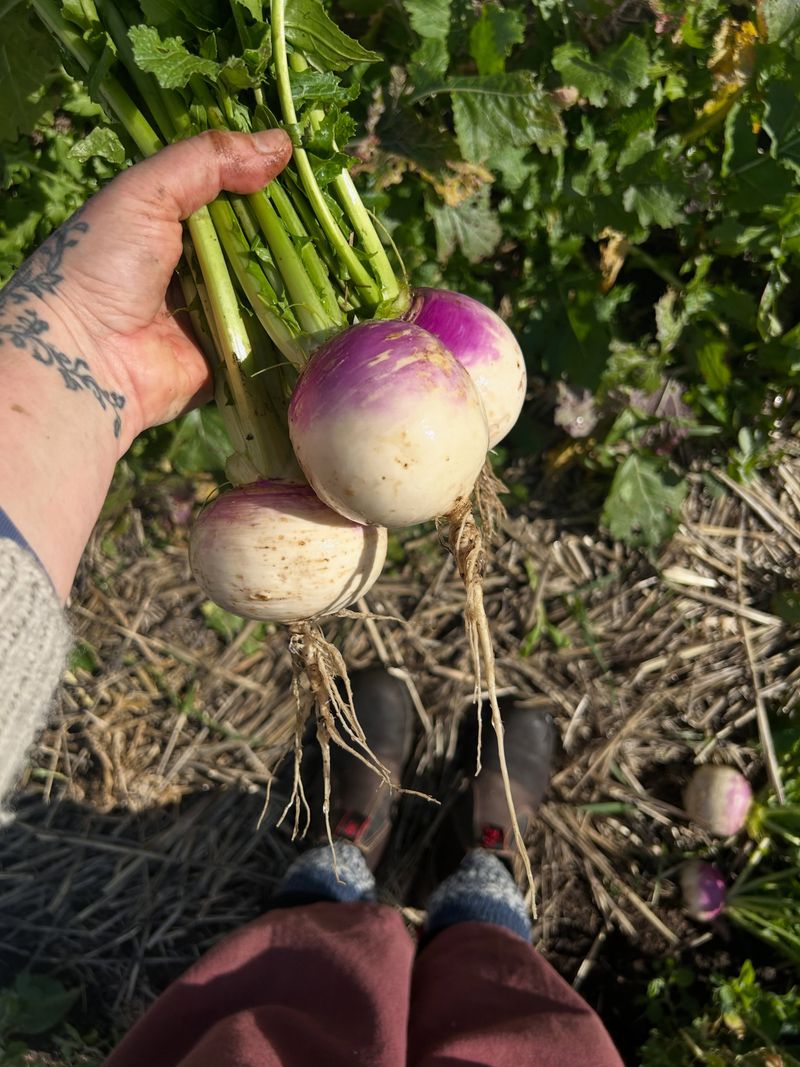
Turnips grow so fast that they give you a little more flexibility in the August planting window compared to slower crops like broccoli or collards.
While those crops really need an early August start, turnips can be seeded in mid to late August and still produce a solid fall harvest in North Carolina.
Their quick growth rate, usually 45 to 60 days to maturity, is one of the things that makes them such a reliable fall garden staple.
Both the roots and the leafy greens are edible, which means you get double the harvest from a single planting. Turnip greens can be picked while still young and tender, starting just a few weeks after germination.
The roots develop more slowly and are ready to pull when they reach about 2 to 3 inches across, making them sweet and mild rather than overly pungent.
Turnips do best in loose, fertile soil with a slightly acidic pH around 6.0 to 6.5. Direct seeding is the standard approach since they do not transplant well.
Scatter seeds thinly in rows about 12 inches apart, then thin seedlings to 4 to 6 inches apart once they are a couple of inches tall. Crowded turnips produce small or misshapen roots, so thinning is worth the effort.
Cool fall weather is genuinely where turnips shine. Warm soil speeds up germination, while cooling temperatures through September and October push the roots to develop their best flavor.
Purple Top White Globe is a classic variety that performs consistently well across North Carolina, and it makes a beautiful addition to any fall garden bed.
9. Radishes
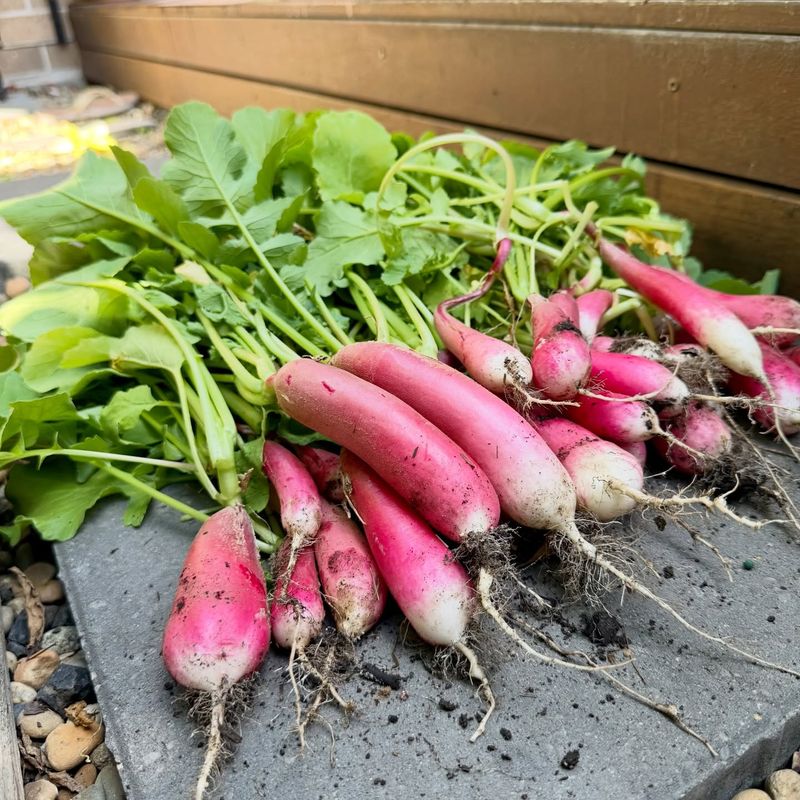
Radishes might just be the most satisfying vegetable to grow for impatient gardeners.
Some varieties go from seed to harvest in as little as 25 days, which means you can be pulling crisp, colorful radishes out of the ground before most other fall crops have even gotten established.
As August begins giving way to cooler weather, radishes are one of the easiest and most rewarding crops to start.
The key to good fall radishes is timing them so they mature in cooler soil. Radishes that develop in heat tend to get pithy, hollow, and overly spicy.
Seeding in August, especially the second half of the month as temperatures begin to moderate, gives roots the chance to size up in soil that is cooling down. The result is crisp, mild radishes with a satisfying snap and just the right amount of heat.
Direct sow radish seeds about half an inch deep and 1 inch apart in rows. Thin seedlings to 2 inches apart once they emerge so roots have room to round out properly.
Radishes are unfussy about soil but appreciate good drainage and consistent watering. Letting the soil dry out between waterings causes roots to crack or develop a harsh, overpowering flavor.
Cherry Belle and French Breakfast are two great varieties for fall planting in North Carolina.
Because radishes mature so quickly, you can make successive plantings every week or two through September to keep a steady supply of fresh radishes coming through the fall season.
Toss them in salads, slice them onto sandwiches, or just eat them straight from the garden with a little salt.
10. Leaf Lettuce
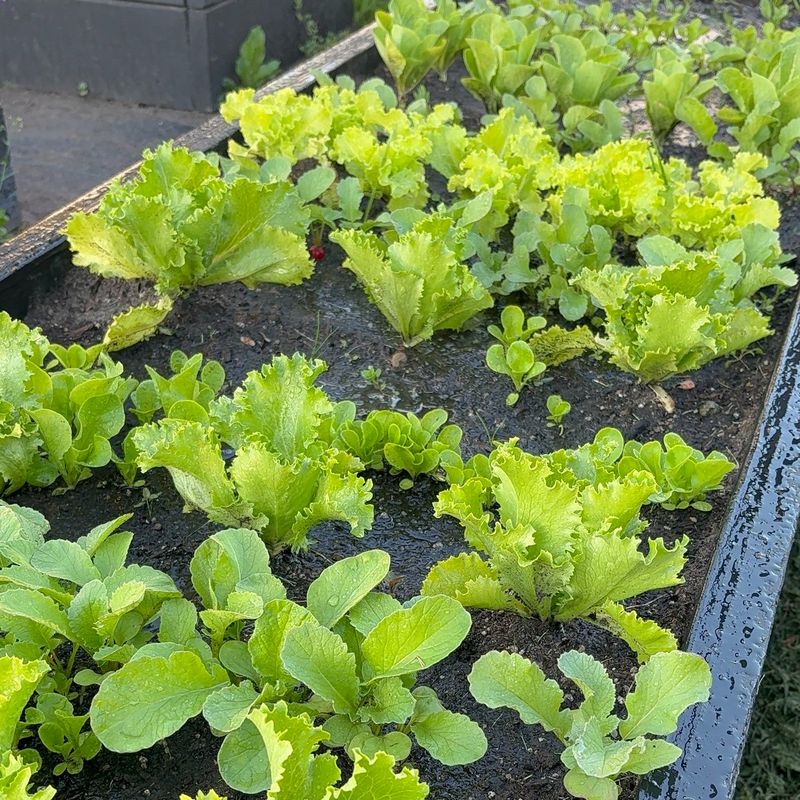
Leaf lettuce is one of those crops that feels like a gift in the fall garden. After a long, hot North Carolina summer, the idea of growing crisp, fresh salad greens right in your backyard is genuinely exciting.
As summer heat begins to ease in late August, gardeners across the state can start seeding leaf lettuce and expect beautiful, flavorful harvests through October and even into November depending on their region.
Timing does vary a bit across North Carolina. Gardeners in the mountains may want to start a little earlier in August since cooler temperatures arrive sooner at higher elevations.
In the Piedmont and coastal plain, seeding in mid to late August works well since warm days linger a bit longer. Paying attention to your local first frost date helps you count backward and figure out the best seeding window for your specific area.
Leaf lettuce germinates best when soil temperatures are between 60 and 70 degrees Fahrenheit. If the soil is still very warm in early August, starting seeds in small containers kept in a shaded, cooler spot can help.
Once seedlings are an inch or two tall, transplant them into the garden where they will receive morning sun and some afternoon shade to ease the transition.
Varieties like Black Seeded Simpson, Red Sails, and Salad Bowl are excellent choices for North Carolina fall gardens. Harvest outer leaves regularly to keep plants producing, and you will have a steady supply of fresh greens for weeks.
A light frost sweetens the flavor of leaf lettuce, making those cool October mornings in the garden something to look forward to all summer long.