These 10 Garden Weeds North Carolina Gardeners Should Never Pull Out Of Their Yard
Most gardeners have a pull first ask questions later relationship with anything in the yard that was not intentionally planted.
That instinct keeps beds looking tidy, but it also means a lot of genuinely useful plants get yanked out before anyone stops to consider what they actually are.
North Carolina yards are full of plants that show up uninvited and get treated like problems, when in reality some of them are feeding pollinators, improving soil, providing food, or supporting the local ecosystem in ways that take years to rebuild once they are gone.
The ten plants on this list all have a reputation that does not match their actual value, and North Carolina’s specific climate and ecology makes each one more worth keeping than most gardeners realize.
Before you reach for the next weed that catches your eye, it is worth knowing what you might actually be pulling out and what your yard quietly loses every time you do.
1. Common Blue Violet (Viola sororia)
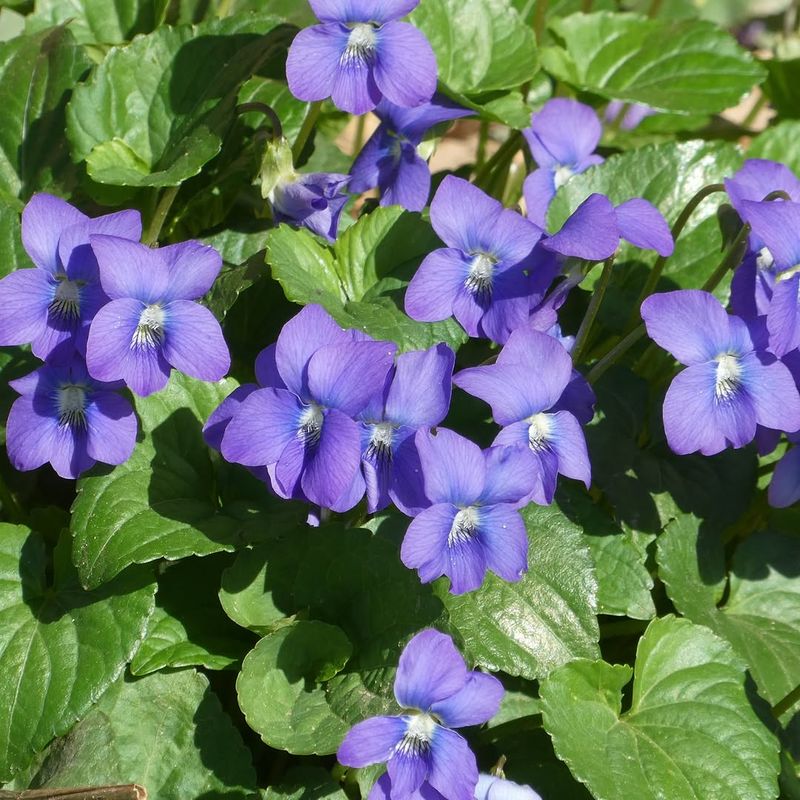
Tiny but mighty, the Common Blue Violet is one of the most underrated plants you will find growing along shady edges in North Carolina yards. Those small purple-blue flowers are not just pretty to look at.
They are actually one of the only food sources for the caterpillars of several native fritillary butterfly species, which means pulling them out removes a critical piece of the local food chain.
Beyond butterflies, this plant works as a natural low groundcover in part-shade spots where grass struggles to grow. It spreads slowly and fills in bare patches without needing any help from you.
That means less soil erosion, less watering, and less time on your knees trying to fix problem areas in your yard.
If you stop removing it, you will likely start seeing more pollinators visiting your garden within a single season. The thick leaf cover also shades the soil, helping it hold moisture longer during hot North Carolina summers.
That alone can trim a noticeable amount off your water bill. Pull it only where it starts crowding smaller plants, and let it do its quiet, helpful work everywhere else.
2. White Clover (Trifolium repens)
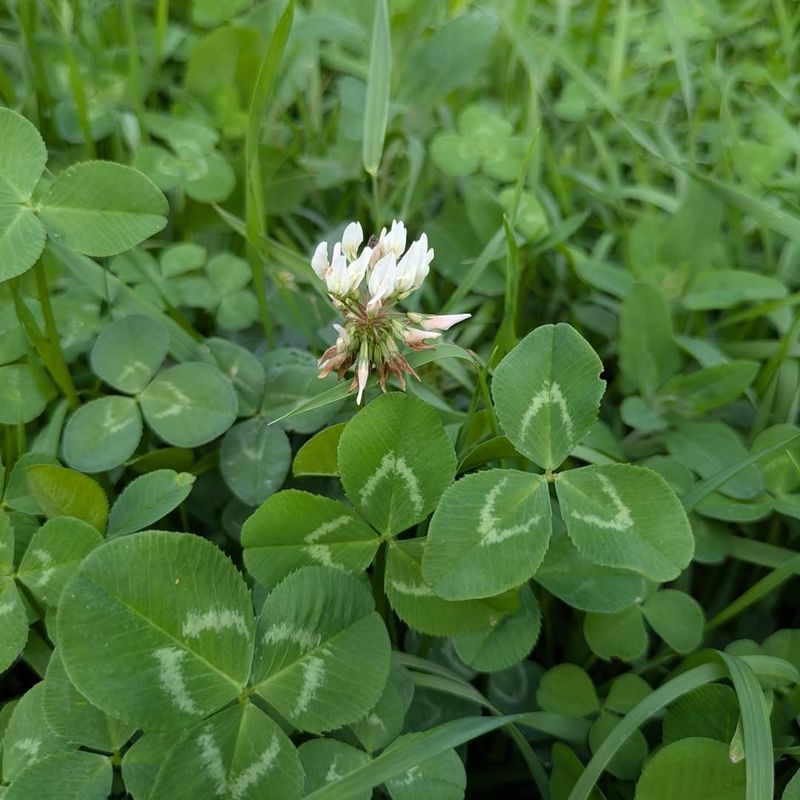
Walk barefoot across a lawn full of white clover and you will quickly notice the bees buzzing happily around those tiny white pom-pom flowers.
White clover is one of the best things you can have in a low-maintenance North Carolina lawn, and most homeowners have been pulling it out for years without realizing the mistake they were making.
Here is the part that really stands out. White clover fixes nitrogen directly from the air and releases it into the soil through its roots.
That means your lawn is essentially feeding itself for free. You can cut back on fertilizer use significantly just by letting clover grow alongside your grass, which saves money and keeps chemicals out of the soil.
It stays low, handles mowing well, and stays green even in dry spells when regular grass turns brown. For North Carolina gardeners dealing with summer heat and sandy or clay-heavy soils, that kind of resilience is genuinely useful.
Your North Carolina Garden Changes Every Week. Your Plan Should Too.
Gardening in North Carolina changes quickly throughout the season. Every Friday you’ll receive a simple weekly plan showing exactly what to plant, prune, fertilize, harvest, and protect so you never miss the right timing.
The flowers also bring in honeybees, bumblebees, and other pollinators that help your vegetable garden and flowering plants thrive.
Keep it out of formal flower beds where it might compete with young plants, but everywhere else, white clover is working hard so you do not have to.
3. Dandelion (Taraxacum officinale)
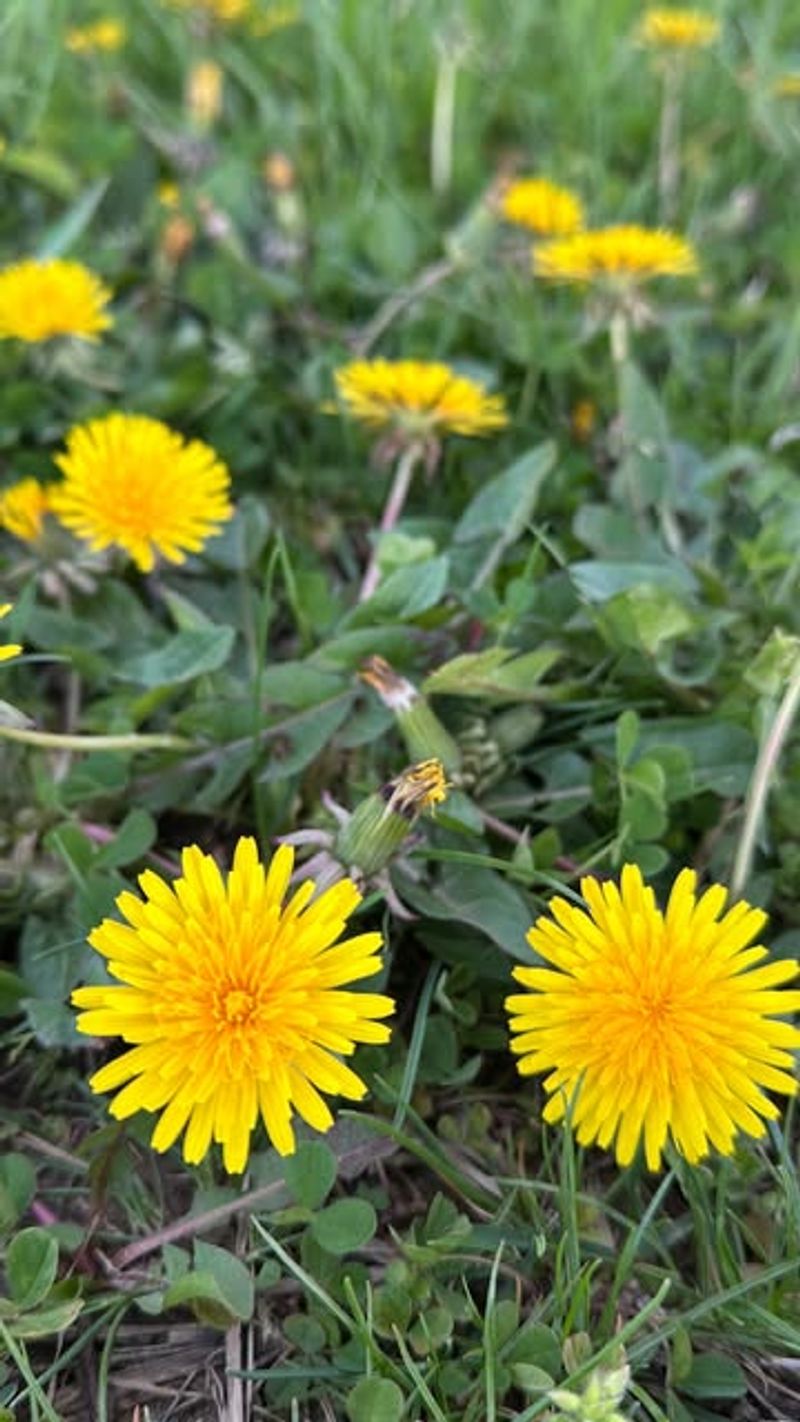
Dandelions might be the most recognizable plant on this entire list, and they are also one of the most misunderstood.
Before dandelion seeds are floating across your yard in spring, those cheerful yellow flowers are among the very first food sources available to bees and other pollinators waking up from winter in North Carolina.
That early bloom window matters more than most people realize.
The roots of a dandelion go surprisingly deep, sometimes pushing down six inches or more into compacted soil. As they grow, those roots break up hard ground and pull up nutrients from deep layers that shallow-rooted grass simply cannot reach.
When the plant eventually fades, those nutrients stay near the surface where other plants can use them. It is a natural soil improvement cycle that costs nothing.
Dandelion greens are also completely edible and packed with vitamins, so some North Carolina gardeners actually grow them on purpose in kitchen gardens. If you are worried about spreading, the simple fix is to cut the flower heads before they turn into seed puffs.
That keeps the plant in place while stopping it from multiplying. You get all the benefits, including happier pollinators and better soil, without the plant taking over your entire yard.
4. Common Chickweed (Stellaria media)
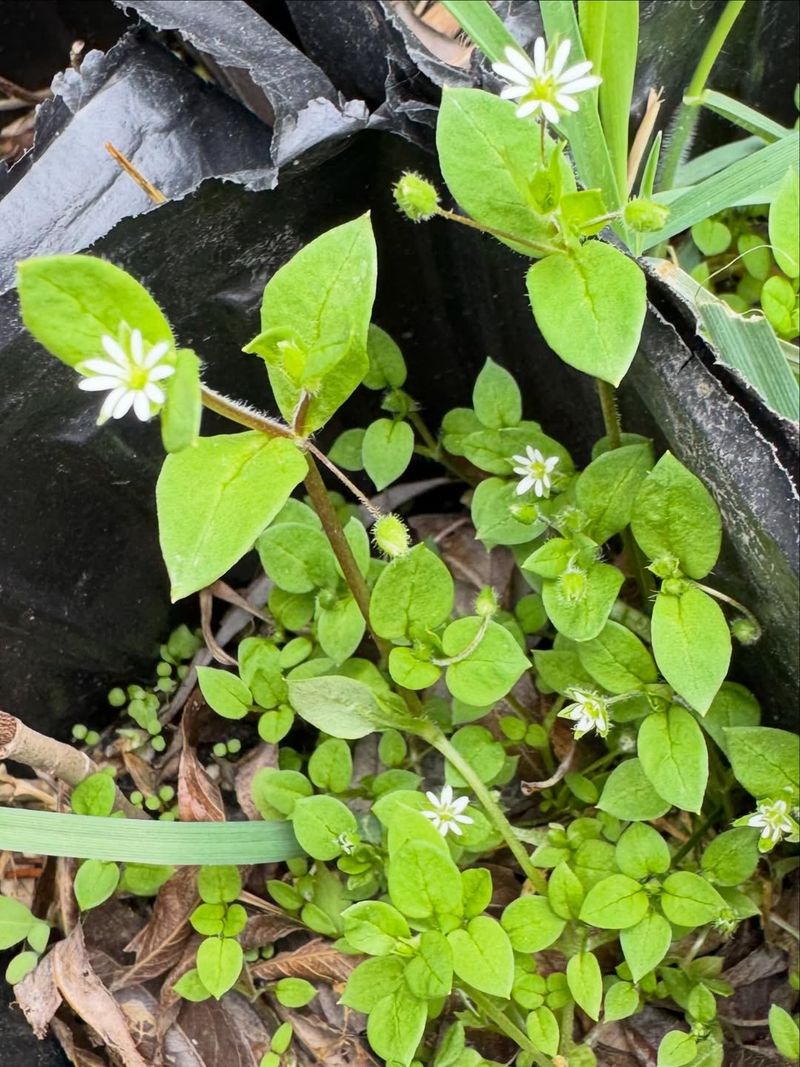
Common chickweed sneaks into North Carolina gardens during the cool months of late winter and early spring, and most gardeners yank it out without a second thought. That is actually worth reconsidering.
Chickweed forms a soft, low mat over bare soil that protects it from erosion, holds in moisture, and keeps weed seeds from getting the sunlight they need to sprout. It is doing real work while the rest of your garden is still asleep.
The tiny white star-shaped flowers on chickweed are small but they attract early pollinators, including small native bees that are out foraging before most other flowers have opened.
Leaving chickweed in low-traffic areas of your yard gives those pollinators a reliable food source during a time of year when options are slim.
That early support helps build a stronger pollinator population heading into the main growing season.
Chickweed is also edible and has been used in salads and cooked greens for centuries. It has a mild, fresh flavor that works well raw.
In North Carolina, it typically fades on its own once summer heat arrives, so you often do not need to remove it at all. Just keep an eye on it near seedling beds, since it can get competitive in tight spaces.
Pull it before it sets seed if you want to keep it from returning the following winter.
5. Henbit (Lamium amplexicaule)
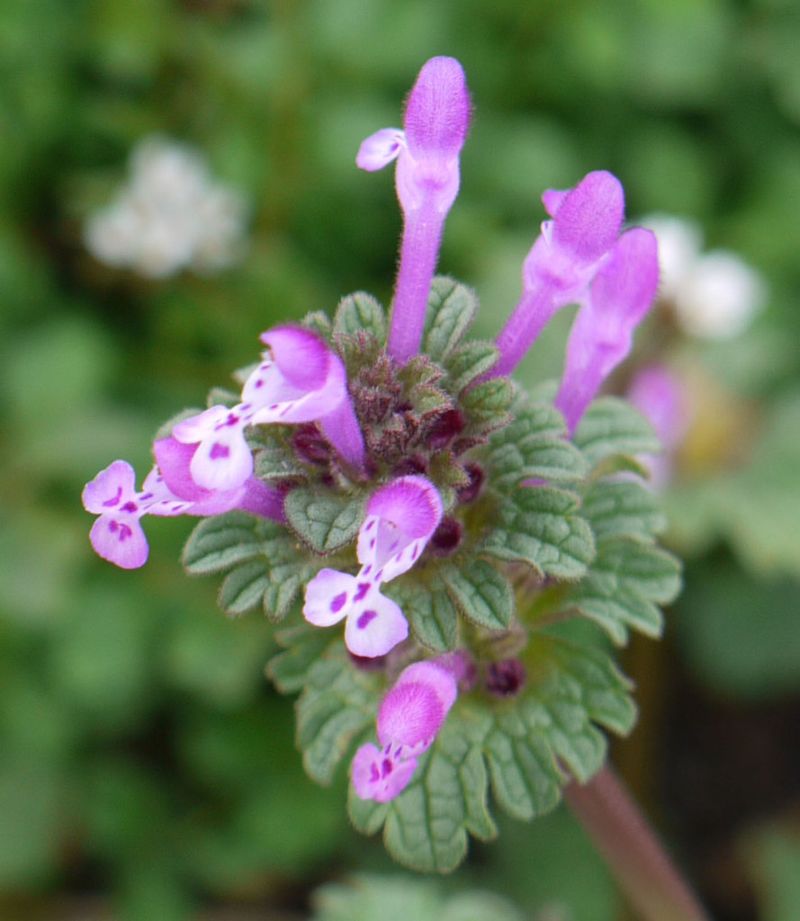
Every February and March, patches of soft purple appear in lawns and garden edges across North Carolina, and that is henbit doing its quiet seasonal job.
Most people treat it like a nuisance, but henbit is actually one of the earliest flowering plants to bloom in the state, and that timing makes it incredibly valuable to bees that are just starting to become active after winter.
Henbit belongs to the mint family, which means it has those distinctive square stems and lipped flowers that bees absolutely love. Bumblebees in particular are drawn to henbit early in the season when almost nothing else is blooming.
Letting it grow in low-risk areas of your yard gives those early-season bees a reliable energy source right when they need it most, which helps the entire local pollinator population get off to a strong start.
The great news for North Carolina gardeners who are hesitant is that henbit is a winter annual, meaning it naturally fades and disappears as temperatures climb in late spring. You often do not have to remove it at all because the heat does that job for you.
Just watch it near vegetable beds in spring and pull it before it sets seed if it starts creeping where you do not want it. Otherwise, let those purple blooms do their thing and enjoy the buzz of activity they bring.
6. Purple Deadnettle (Lamium purpureum)
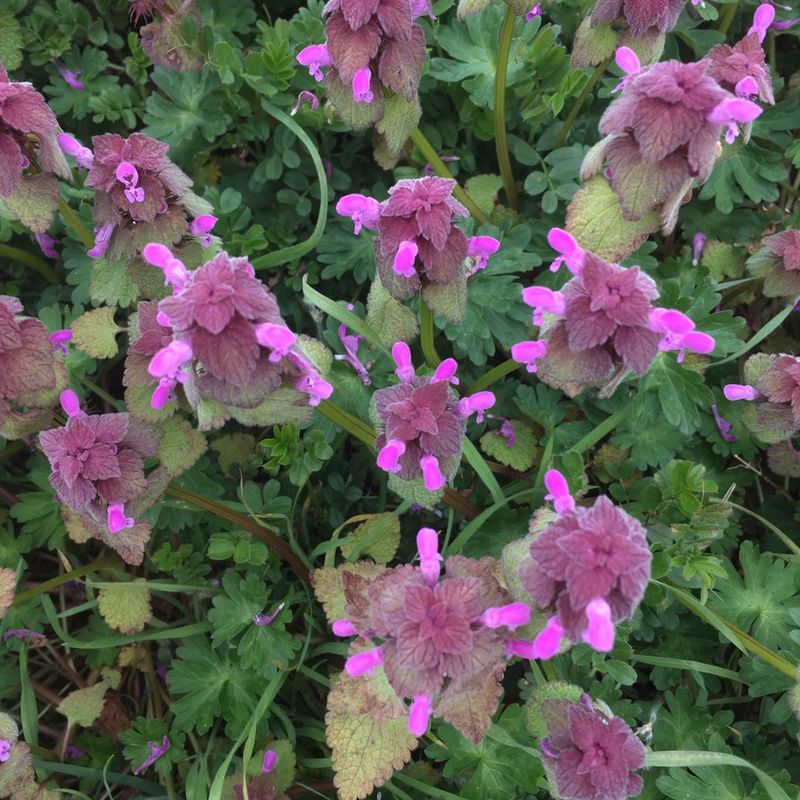
Purple deadnettle looks a lot like henbit at first glance, and many North Carolina gardeners confuse the two.
Both bloom in early spring, both belong to the mint family, and both offer something genuinely useful to your garden before most other plants have even started growing.
The top leaves of purple deadnettle turn a distinctive reddish-purple color, which makes it easy to spot once you know what to look for.
What makes purple deadnettle worth keeping around is its timing. It blooms during a narrow window in late winter and early spring when pollinator-friendly flowers are almost impossible to find.
Honeybees, mason bees, and bumblebees all visit purple deadnettle for both nectar and pollen.
In North Carolina, where warm winters sometimes bring bees out earlier than expected, having this plant in your yard means those bees have something to feed on instead of struggling through a flowerless stretch.
Like henbit, purple deadnettle is a cool-season annual that fades naturally once summer arrives. It handles itself without any attention from you and rarely causes problems unless it spreads into a vegetable bed where you need clean space for spring crops.
A quick pull before seed set keeps it exactly where you want it. The soil shading it provides also helps reduce moisture loss during dry spring days, which is a bonus that adds up over the course of a season.
7. Plantain (Plantago major and Plantago lanceolata)
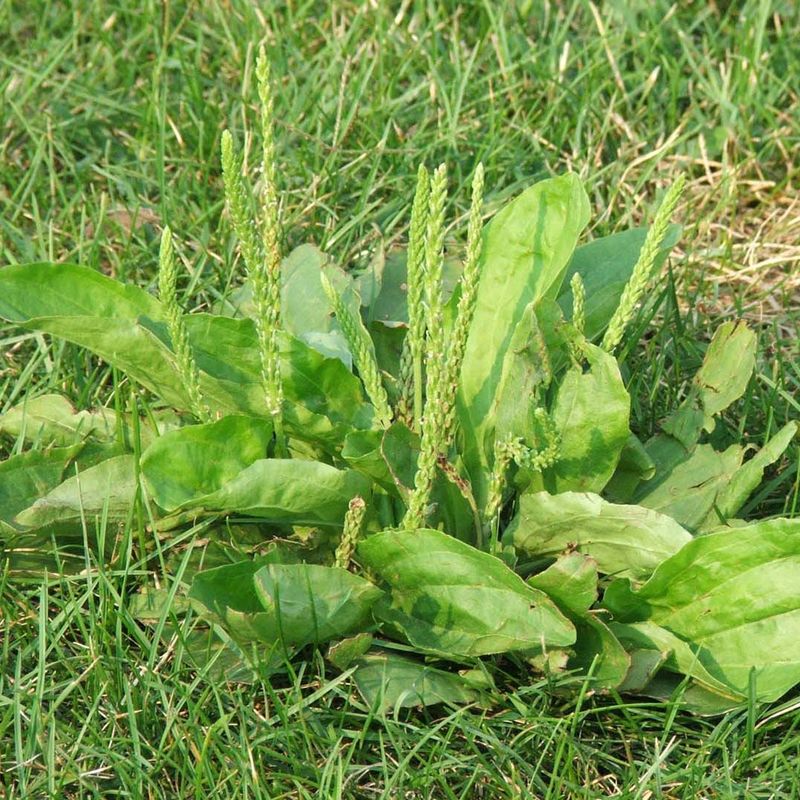
Plantain is not the banana-like fruit you might be thinking of. The plantain growing in North Carolina lawns and along garden paths is a low-growing plant with wide, ribbed leaves that hug the ground.
It thrives in exactly the spots where your soil is most compacted, like high-traffic paths, driveways edges, and areas where nothing else seems to want to grow. That tells you something important about what it is doing there.
Think of plantain as your yard’s built-in soil report. When it shows up in thick patches, your soil is likely compacted and struggling to absorb water properly.
Instead of pulling the plant and ignoring the problem, use its presence as a signal to aerate that area and add some organic matter.
Plantain actually helps the process along by pushing its roots into compacted layers and slowly breaking them up over time, improving drainage naturally.
Plantain leaves have been used in traditional herbal remedies for generations, and North Carolina has a long history of folk plant use that includes this humble plant.
Beyond that, it tolerates foot traffic better than most plants and provides low, flat cover that keeps soil from washing away during heavy rain.
If it is not crowding ornamentals or vegetable starts, there is a solid case for leaving it exactly where it is and just working on improving the soil underneath it.
8. Wood Sorrel (Oxalis stricta)
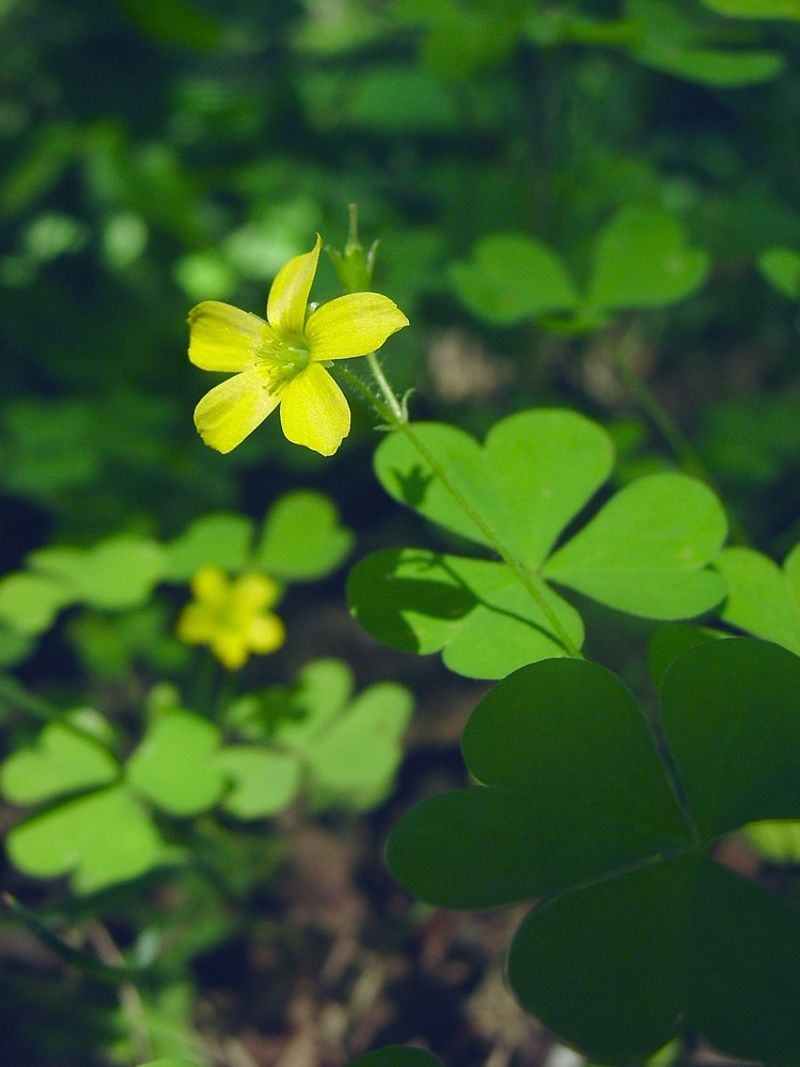
Wood sorrel is one of those plants that looks almost too cute to be called a weed. The heart-shaped, clover-like leaves come in groups of three, and the cheerful yellow flowers appear throughout the growing season across North Carolina gardens.
Kids often chew on the leaves because they have a pleasant, lemony sourness that comes from oxalic acid, the same compound found in spinach and rhubarb.
Small native bees and other beneficial insects visit wood sorrel flowers regularly, which makes it a surprisingly useful plant in an informal garden setting.
It fills gaps between other plants, covers bare patches of soil, and helps reduce the moisture loss that comes from exposed ground during North Carolina’s hot and humid summers.
That soil-shading effect is more valuable than it sounds, especially in raised beds where water can evaporate quickly.
The challenge with wood sorrel is that it spreads readily by seed, and the seed pods actually pop open and fling seeds when they are disturbed or dry out. That means it can show up all over a bed before you have had a chance to notice.
Pull it young if you need clean planting space, and try to avoid disturbing the pods when they are ripe. In less formal parts of your yard, though, wood sorrel works perfectly well as a cheerful, low-effort filler that earns its keep without any help from you.
9. Common Purslane (Portulaca oleracea)
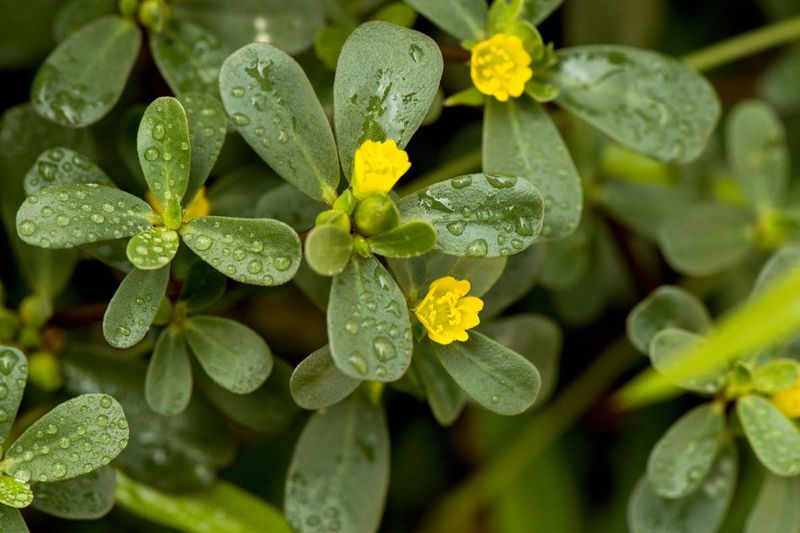
Purslane is one of the most nutritious plants you can find growing in a North Carolina garden, and most people pull it out and toss it without a second thought.
The thick, succulent leaves store water like a tiny reservoir, which is exactly how this plant survives the blazing heat of a Carolina summer without any help.
It thrives in poor, dry soil where other plants would completely give up.
What makes purslane genuinely impressive is its nutritional profile. It contains more omega-3 fatty acids than almost any other leafy plant, along with vitamins A, C, and E.
Many gardeners in North Carolina who grow it intentionally use it in salads, stir-fries, and pickles. The flavor is mild and slightly tangy, and the texture holds up well in both raw and cooked dishes.
Growing it on purpose saves money at the grocery store while giving pollinators something to visit.
The one thing to watch with purslane is that broken stem pieces can reroot if you leave them on moist soil after pulling. That means a careless weeding session can actually spread it further instead of removing it.
If you decide to keep it in a controlled area of your yard, just let it grow and harvest regularly. It shades the soil beautifully, reduces the need for mulch, and keeps your garden looking full and green all summer long in North Carolina’s intense heat.
10. Carolina Ponysfoot (Dichondra carolinensis)
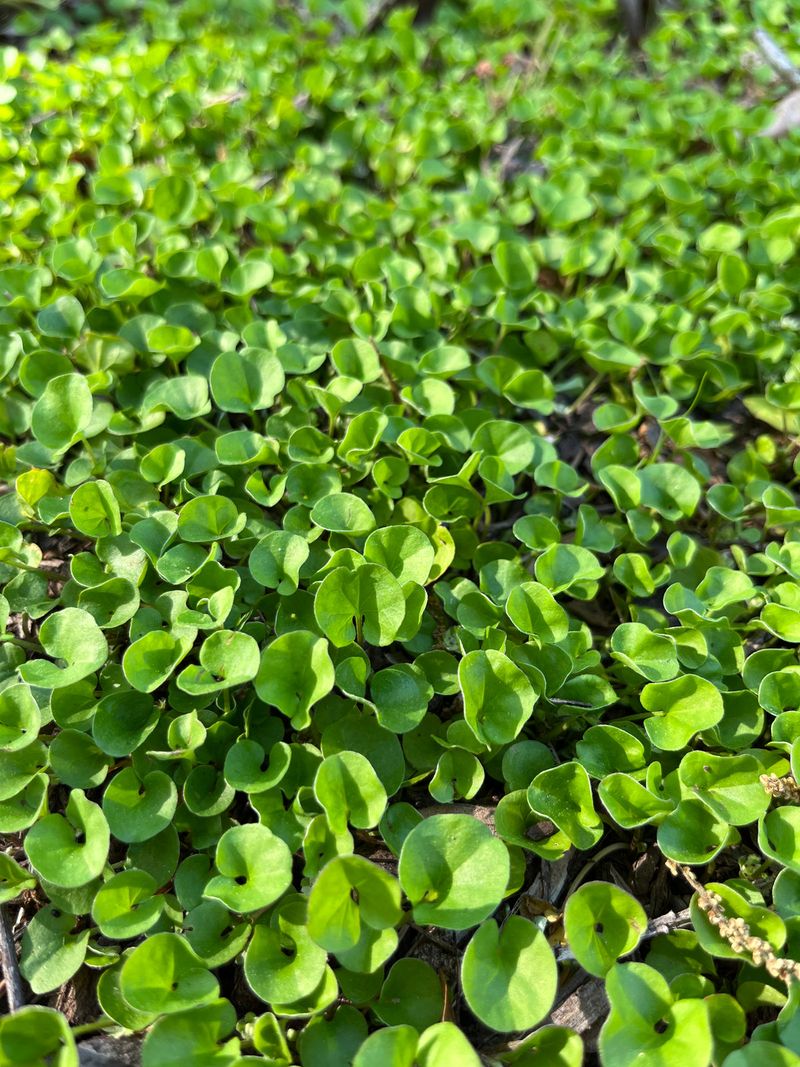
Carolina ponysfoot has a name that sounds like it belongs in a fairy tale, but this native plant is one of the most practical ground covers you will find growing naturally in North Carolina.
It forms a dense, soft mat of small kidney-shaped leaves that hug the ground close, spreading quietly across warm, sunny lawns without ever getting tall enough to look untidy.
Many homeowners pull it out thinking it is just another random weed, which is a real shame.
Because it is native to North Carolina, ponysfoot is perfectly adapted to the state’s warm summers, humidity, and variable rainfall.
It does not need fertilizer, rarely needs watering once established, and handles the kind of heat that leaves other ground covers looking tired and patchy.
That resilience alone makes it worth keeping in areas where you want green coverage without the upkeep that traditional grass or ornamental ground covers require.
Letting ponysfoot spread across low-traffic areas of your yard means less bare soil, less erosion during heavy rain, and a noticeably cooler soil surface that holds moisture longer between waterings.
That can make a real difference to your water bill over a full North Carolina summer. It also creates a welcoming surface for small insects and ground-level wildlife.
If you have a shady or semi-shaded patch where grass refuses to cooperate, ponysfoot might be the effortless, native solution your yard has been quietly growing all along.