This Native Michigan Plant Creeps Through Shade And Works Like Living Mulch
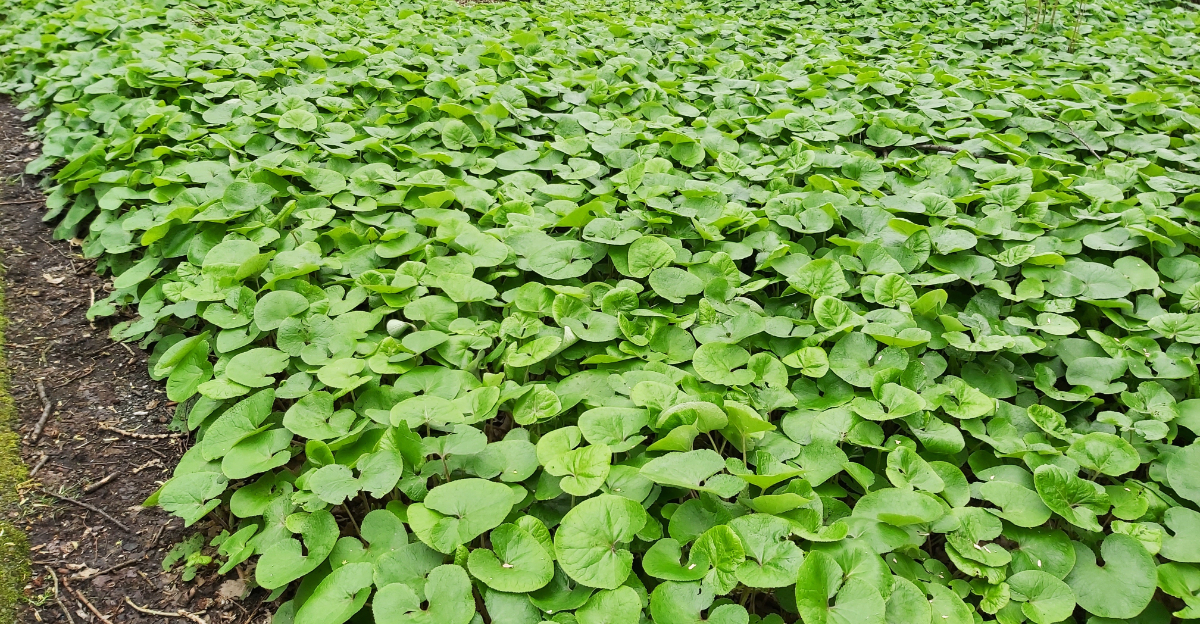
Wild ginger spreads steadily through shaded areas, creating a natural, living mulch that many Michigan gardeners overlook when planning shade gardens.
This low growing native plant forms a dense mat over time, suppressing weeds while keeping soil cool and moist beneath its heart shaped leaves.
Unlike traditional mulch that breaks down and needs regular replacing, wild ginger continues spreading and filling gaps on its own each season.
Its root system also helps prevent soil erosion in shaded slopes or areas prone to washing out during heavy rain.
This plant thrives in the same conditions many gardeners struggle with, including dense shade beneath mature trees.
Once established, wild ginger requires very little maintenance, needing only occasional watering during particularly dry stretches.
Its slow, steady growth eventually creates a full, lush carpet that looks intentional rather than neglected.
Choosing wild ginger solves a common shade garden challenge while adding genuine ecological value at the same time.
1. Wild Ginger Is Your No. 1 Native Shade Cover
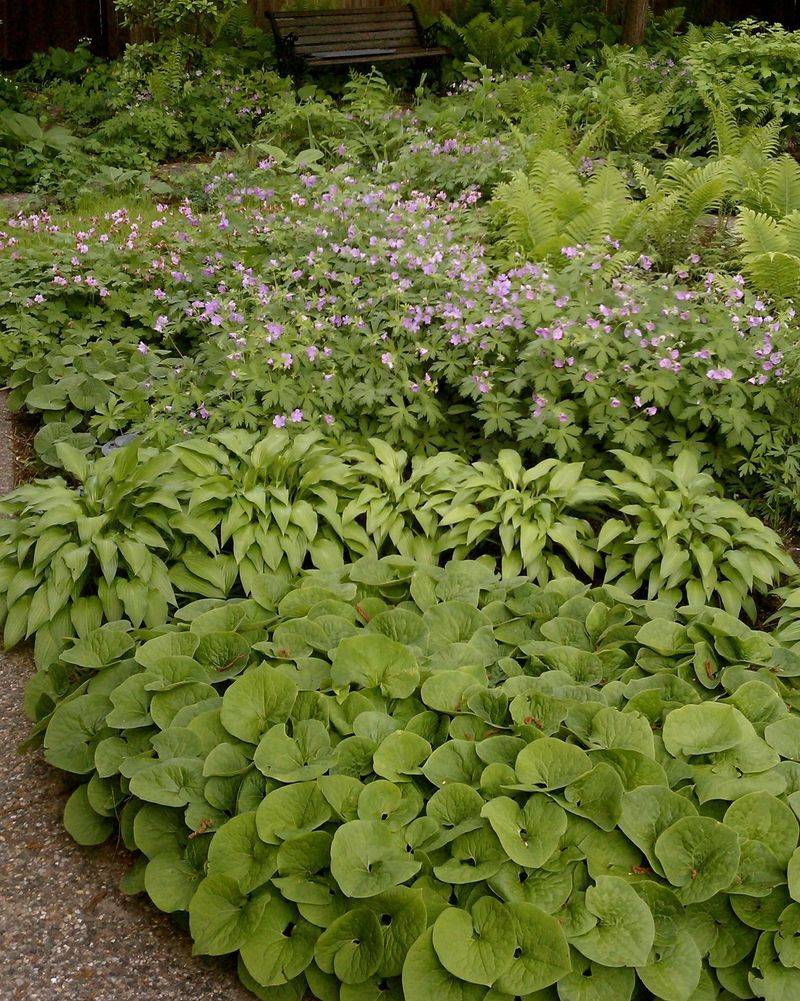
Some plants just belong in a place. Wild ginger, known scientifically as Asarum canadense, is one of those plants that feels completely at home on the shaded forest floors of Michigan.
It is a low-growing perennial that forms a thick, leafy carpet right at ground level, rarely reaching more than six inches tall.
Gardeners who struggle with bare, shadowy patches beneath large trees often find wild ginger to be the answer they never knew they needed.
Native to eastern North America, this plant has been growing in Michigan woodlands long before anyone thought about planting it on purpose.
It grows naturally alongside trilliums, ferns, and mayapples in rich forest understories. That natural habitat tells you a lot about what it needs and where it truly shines.
Shaded, moist, and undisturbed spots are where wild ginger feels most comfortable and grows most confidently.
What makes wild ginger special as a ground cover is its ability to stay green and lush through the entire growing season.
The broad, heart-shaped leaves hold their shape beautifully from spring through fall, giving shaded garden beds a polished, finished look.
Unlike many plants that fade or look tired by midsummer, wild ginger stays consistently attractive.
For Michigan gardeners looking for a reliable, native, low-maintenance option that genuinely belongs in the region, wild ginger earns its place in any shaded garden with very little effort required on your part.
2. Rhizomes Help It Slowly Fill Bare Ground
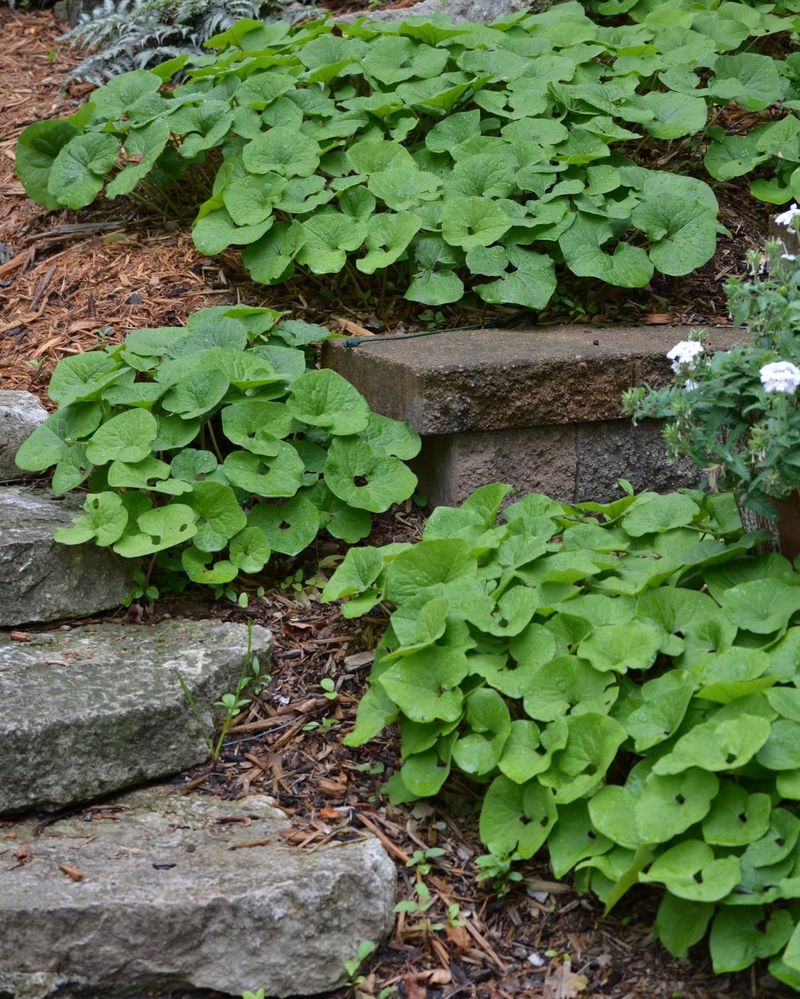
Underground, wild ginger is quietly doing something pretty remarkable. It spreads through a network of shallow rhizomes, which are horizontal underground stems that creep outward just beneath the soil surface.
Each season, new shoots emerge from these rhizomes, slowly extending the colony a little further in every direction.
The process is gradual, patient, and completely reliable over time. One thing gardeners appreciate about wild ginger is that it spreads without becoming a bully.
Unlike some aggressive ground covers that take over everything nearby, wild ginger moves at a calm, manageable pace. You can expect it to expand a few inches to maybe a foot per year depending on conditions.
Your Michigan Garden Changes Every Week. Your Plan Should Too.
Gardening in Michigan changes quickly throughout the season. Every Friday you’ll receive a simple weekly plan showing exactly what to plant, prune, fertilize, harvest, and protect so you never miss the right timing.
That slow growth means you stay in control of where it goes, and you never wake up to find it has swallowed your entire garden bed overnight. This steady spreading habit is actually one of its greatest strengths as a landscape plant.
Once established, a colony fills in bare ground gradually and completely, creating a seamless carpet of coverage over several growing seasons.
Bare soil under trees, which is often difficult to keep covered and weed-free, becomes a rich green mat of wild ginger leaves with very little intervention from you. Planting a few starts close together speeds up the process nicely.
Give it three to five years, and a small initial planting can become a genuinely impressive colony that covers a surprisingly large shaded area with natural, effortless beauty and almost no maintenance required.
3. Its Leaves Cover The Soil Like Mulch
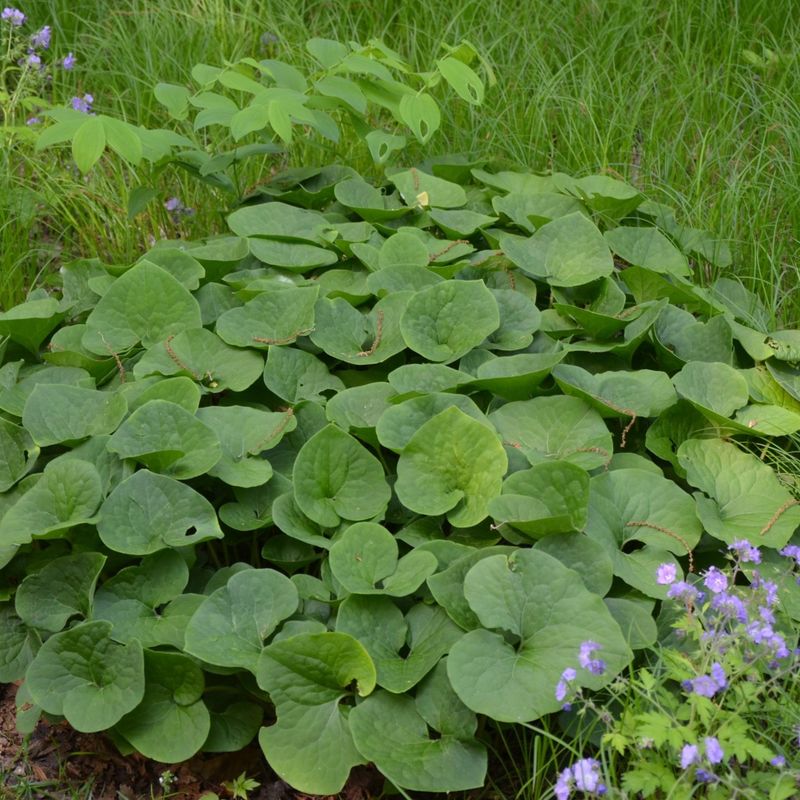
Mulch does a lot of important work in a garden. It keeps moisture in the soil, regulates temperature, and stops weeds from getting the sunlight they need to sprout.
Wild ginger does all of those same things, but it does them while being alive, green, and genuinely beautiful.
The broad, velvety, heart-shaped leaves overlap each other to form a dense canopy just above the soil surface, blocking light and locking in moisture with impressive efficiency.
Gardeners who use wild ginger as a living mulch often find they spend far less time weeding those areas.
Weed seeds need light to germinate, and under a thick mat of wild ginger leaves, that light simply does not reach the ground.
The result is a cleaner, more manageable garden bed that practically takes care of itself once the colony fills in properly.
That is a real, practical win for anyone who would rather spend time enjoying their garden than maintaining it.
Beyond weed suppression, wild ginger leaves help protect the soil from erosion during heavy rain.
Bare soil under trees can wash away surprisingly fast during Michigan’s spring storms, but a thick layer of wild ginger leaves absorbs the impact of raindrops and holds the soil in place.
The leaves also break down slowly over time, adding a little organic matter back into the soil beneath them.
Compared to wood chip mulch that needs replacing every year or two, wild ginger keeps working season after season without any restocking or extra effort from you.
4. Shade Is Where Wild Ginger Performs Best
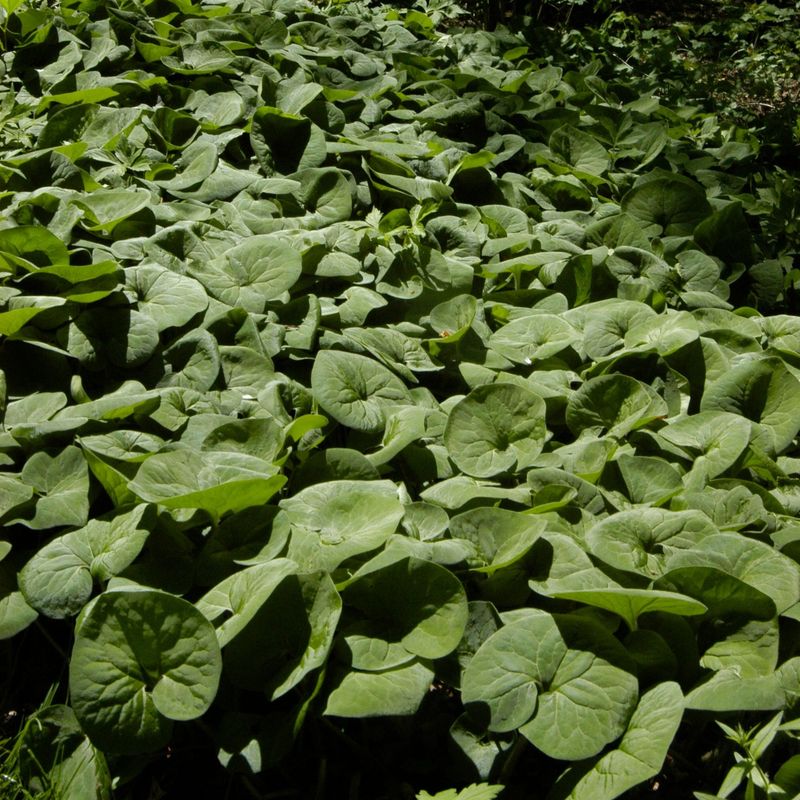
Most homeowners have at least one spot in their yard where grass refuses to grow. Maybe it is under a big maple tree, along a north-facing fence, or in a corner that gets almost no direct sunlight.
Those spots can feel impossible to deal with, but wild ginger actually looks forward to exactly those conditions.
Part shade to full shade is where this plant performs at its absolute best, making it one of the most practical native plants for Michigan landscapes. Full shade does not intimidate wild ginger at all.
While many flowering perennials stretch and strain toward whatever small patch of sunlight they can find, wild ginger settles comfortably into deeply shaded spots and spreads steadily without complaint.
Its large leaves are adapted to capture low levels of diffused light, which is why it evolved so successfully on the forest floor where direct sun rarely reaches.
That natural adaptation translates directly into garden success. Part shade works well too, especially during Michigan’s warmer summer months.
A spot that gets morning sun and afternoon shade tends to suit wild ginger nicely, producing slightly larger and more vigorous growth than deeper shade conditions.
However, too much direct afternoon sun can scorch the leaves and stress the plant, so keep that in mind when choosing a planting location.
If you have a shaded problem area that has defeated every other plant you have tried, wild ginger is genuinely worth planting.
It is built for low-light living, and it thrives where other plants simply cannot compete.
5. Moist Woodland Soil Gives The Best Growth
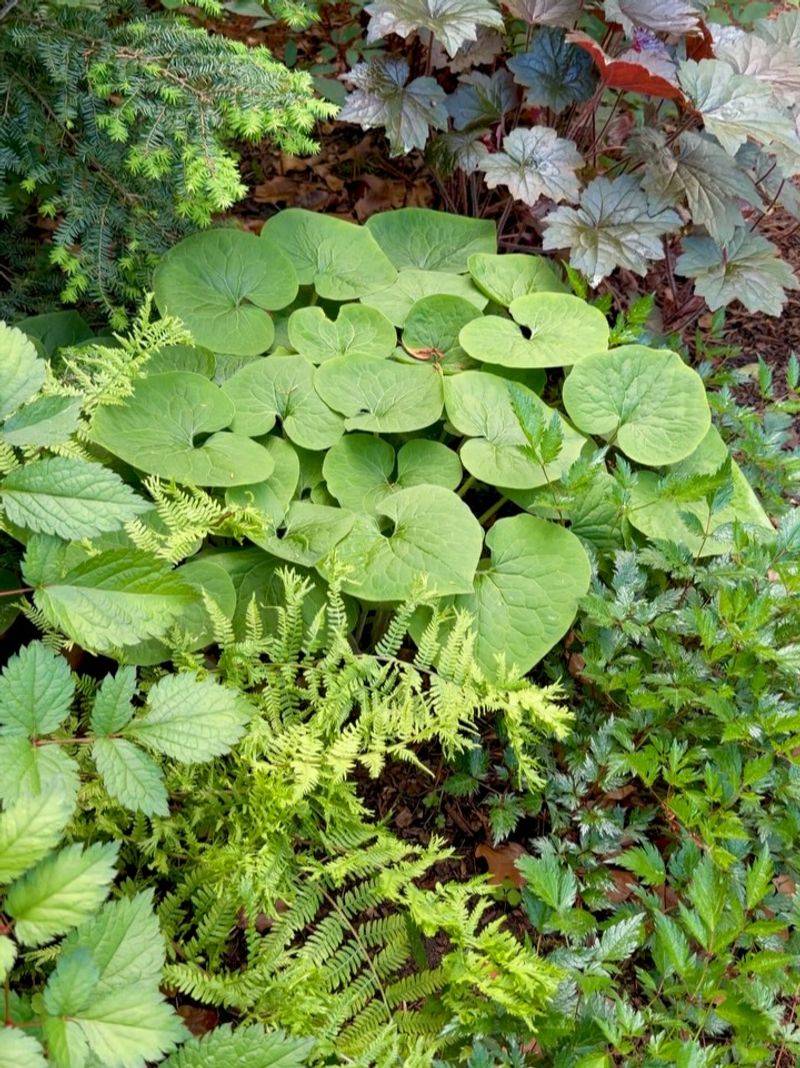
Soil matters more than most people realize when it comes to wild ginger. In its natural habitat, this plant grows in rich, loose, moist forest soil packed with decomposed leaves and organic matter.
That woodland soil drains well enough that roots never sit in standing water, but it holds enough moisture that the ground never fully dries out.
Recreating those conditions in your garden gives wild ginger the best possible start and the fastest, healthiest spread.
If your shaded garden bed has heavy clay soil or very sandy, dry soil, wild ginger will still grow, but it will move slowly and look less impressive. Improving the soil before planting makes a noticeable difference.
Work in a generous layer of compost, leaf mold, or aged wood chips to loosen the texture and boost organic content.
That kind of soil amendment mimics the forest floor conditions wild ginger naturally prefers, and the plant responds noticeably to the upgrade.
Watering during dry spells in the first year or two helps wild ginger establish its rhizome network more quickly.
Once a colony is well settled in, it becomes fairly drought-tolerant, relying on the moisture held in shaded soil and the natural rainfall Michigan receives through the growing season.
Avoid planting in spots where water pools after rain, because consistently waterlogged soil can cause problems for the roots.
Think of wild ginger as a plant that wants consistently moist but never soggy feet, and you will set it up for long-term, reliable success in your garden.
6. Hidden Spring Flowers Add A Surprise
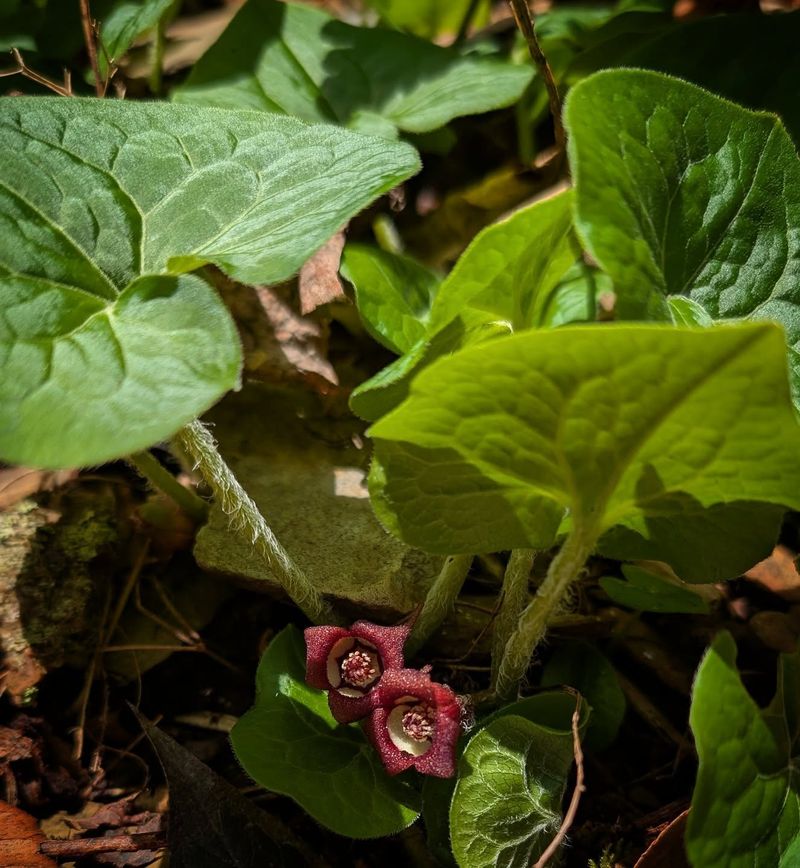
Most people grow wild ginger for its leaves, but the flowers are one of its best-kept secrets.
Every spring, usually in April or May in Michigan, wild ginger produces small, cup-shaped flowers right at the base of the plant, tucked beneath the leaves where they are easy to miss entirely.
They are not showy in the traditional sense, but up close they are genuinely fascinating. The blooms are a deep reddish-brown or purple color, with three pointed lobes that give them an almost alien-looking appearance.
The flowers grow so close to the ground that they are essentially hidden under the leaf canopy.
Many gardeners do not even realize their wild ginger is blooming unless they take a moment to crouch down and peek beneath the foliage.
That quirky, secretive flowering habit is part of what makes wild ginger so interesting to observe.
Once you know to look, checking for those hidden blooms each spring becomes a small but satisfying ritual in the garden. The reason wild ginger flowers so close to the ground is connected to its pollination strategy.
The blooms attract early-season ground-level insects, including certain beetles and flies that travel along the forest floor in early spring.
After pollination, the plant produces small seed capsules that ants find attractive, and the ants carry those seeds short distances as they travel.
This process, called myrmecochory, is a clever and entirely natural way for wild ginger to spread its seeds slowly across a woodland garden over many growing seasons without any help from you.
7. It Is Not The Ginger Used In Cooking
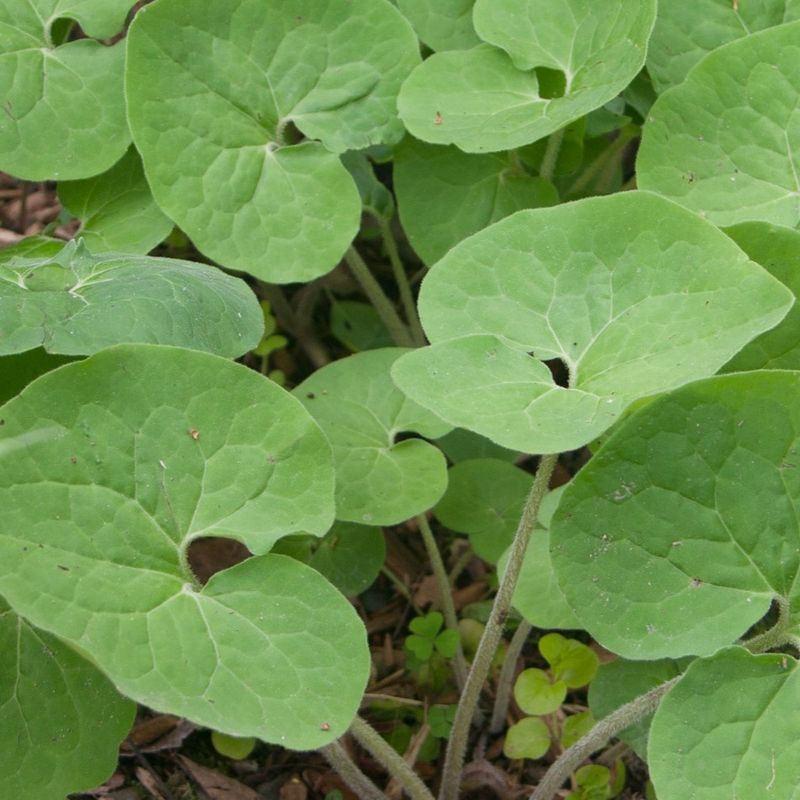
The name wild ginger creates a lot of confusion, and it is worth clearing up right away.
Asarum canadense, the wild ginger native to Michigan, is not related to the culinary ginger you find in grocery stores and kitchens around the world.
Culinary ginger is Zingiber officinale, a tropical plant from Southeast Asia with absolutely no botanical connection to wild ginger.
The two plants share a name partly because wild ginger roots have a faintly ginger-like scent when crushed, but that is where the similarity ends.
Wild ginger contains compounds called aristolochic acids, which are known to be harmful to the kidneys when consumed.
Some older sources describe historical uses of wild ginger as a flavoring or herbal remedy by Indigenous peoples, but modern understanding of those compounds means treating wild ginger as an edible plant is not recommended.
Gardeners should enjoy it purely as a landscape plant and not experiment with eating any part of it.
This is especially important information to share with children who might be curious about the plant in the garden.
Knowing what wild ginger is not helps you appreciate what it actually is: a beautiful, useful, and ecologically valuable native plant that belongs in Michigan’s shaded gardens for its ground-covering ability, not its flavor.
It supports native insects, works as a living mulch, and fills problem areas with lush green coverage season after season.
Keeping it in the garden and out of the kitchen is the right call, and once you see it thriving in a shaded bed, you will be glad you planted it for all the right reasons.
8. Use It Beneath Trees And In Woodland Beds
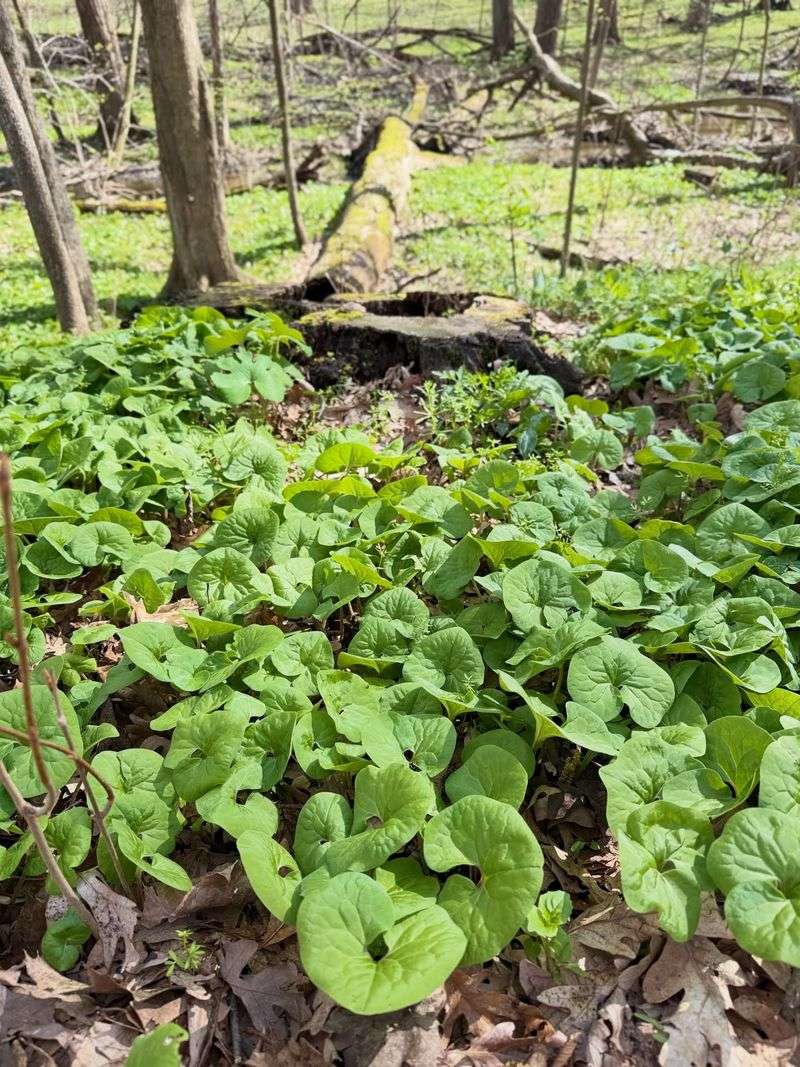
Planning where to put wild ginger in your garden is actually one of the most enjoyable parts of working with this plant.
Beneath large trees is the most obvious and effective choice, especially under maples, oaks, beeches, and other Michigan natives that cast deep shade and create challenging root competition for other plants.
Wild ginger handles that competition well and fills those difficult areas with a consistent, attractive green carpet that looks intentional and polished. Woodland garden beds are another fantastic setting for wild ginger.
Pair it with other Michigan native shade plants like trilliums, Jack-in-the-pulpit, Solomon’s seal, and native ferns for a layered, naturalistic planting that looks like a piece of the forest floor transplanted into your backyard.
Wild ginger works as the low ground layer in those combinations, filling the spaces between taller plants and tying the whole planting together visually.
The result feels both designed and completely natural at the same time. Patience is the most important thing to bring when planting wild ginger.
Start with several plants spaced about six to twelve inches apart to speed up coverage, and give the colony two to four years to really fill in and make a statement.
Avoid disturbing the area once plants are established, since wild ginger prefers calm, undisturbed conditions to spread steadily.
Top-dressing the bed with a thin layer of leaf compost each fall gives the rhizomes a little extra nutrition and mimics the natural leaf litter that falls in a real woodland, keeping your wild ginger colony happy and growing strong for many seasons ahead.