This Small Native Tree Is A Beautiful Ornamental Pear Alternative For Michigan Yards
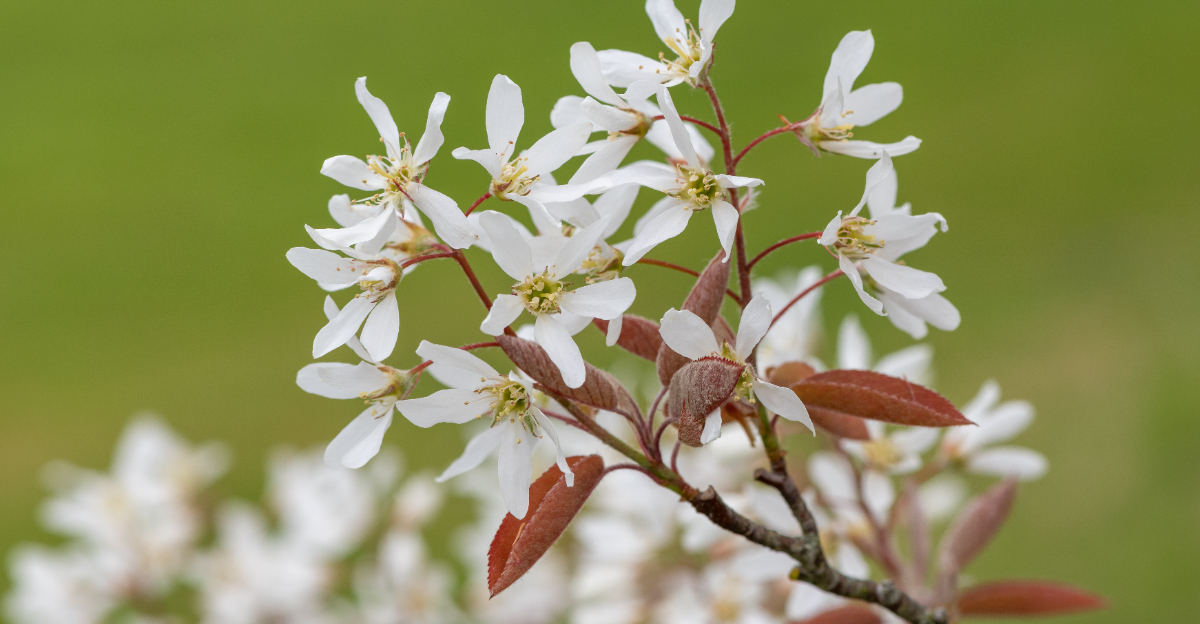
Allegheny serviceberry offers Michigan homeowners a native alternative to ornamental pear without the brittle branches and invasive spread that pear trees are known for.
This small tree produces delicate white blooms each spring, often appearing before leaves fully emerge for a striking early season display.
Its berries ripen in early summer, providing a valuable food source for birds while also being edible for people who enjoy foraging.
Fall brings another highlight, as leaves shift into shades of orange and red that rival any ornamental variety.
Unlike callery pear, this native tree integrates naturally into Michigan ecosystems, supporting pollinators and local wildlife throughout the year.
Its manageable size makes it a great fit for smaller yards or tight planting spaces near homes.
Allegheny serviceberry also tolerates a range of soil conditions, making it forgiving for less experienced gardeners.
Choosing this native option brings beauty and function without the drawbacks common ornamental trees often carry.
1. Allegheny Serviceberry Offers Beautiful White Spring Flowers
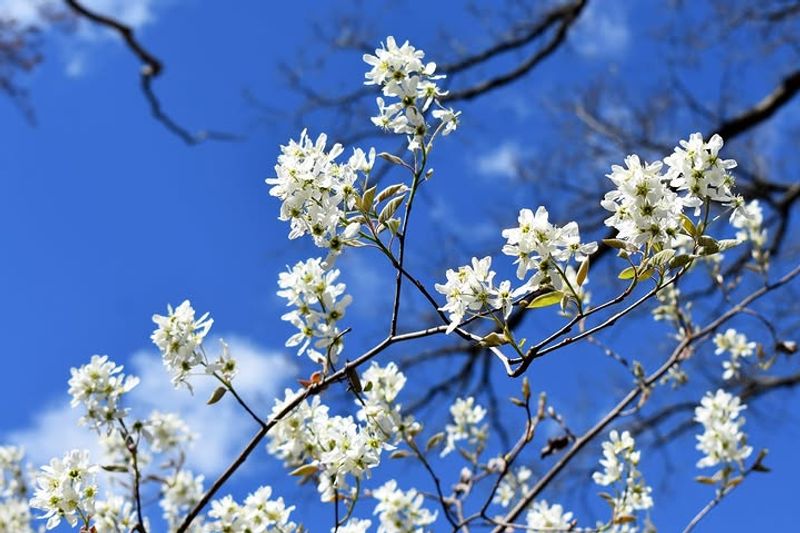
Few things signal the arrival of spring quite like a tree suddenly covered in soft white blooms.
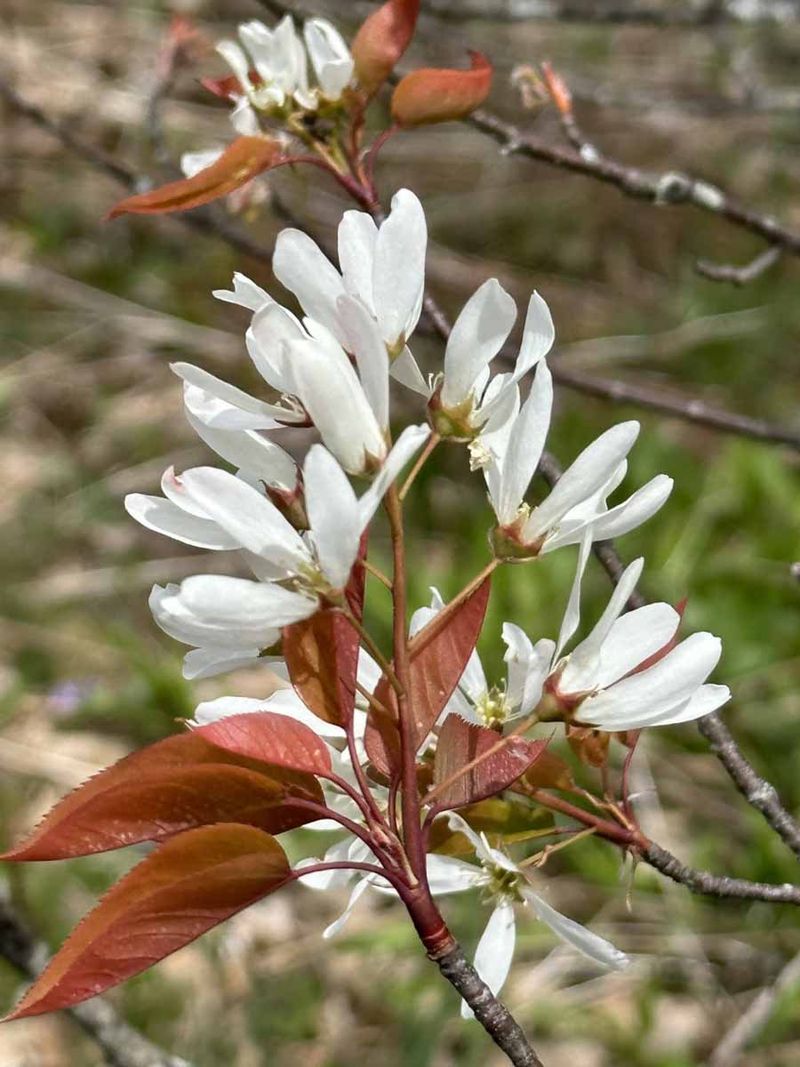
Allegheny Serviceberry, Amelanchier laevis, does exactly that, producing loose clusters of slender-petaled white flowers early in the season, often just as the first leaves begin to unfurl.
The timing is genuinely exciting because it happens so early that most other flowering trees have not yet woken up for the season.
Homeowners who love the white spring flowers of ornamental pear trees will find serviceberry to be a compelling swap.
The flower display carries a softer, more natural woodland character rather than the dense, almost artificial-looking bloom of Callery Pear.
That relaxed quality actually works beautifully in both naturalistic plantings and more traditional front yard settings, giving the landscape a refreshed, organic feel.
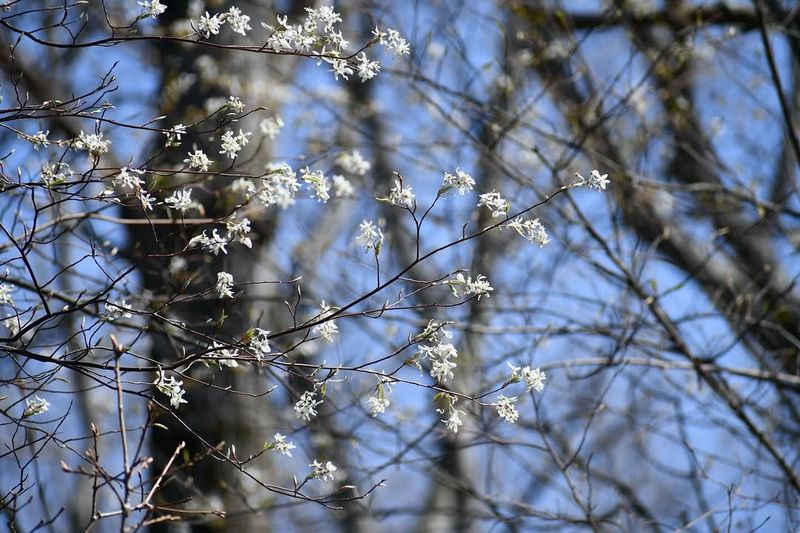
The flowers appear on bare or barely leafed branches, which makes them stand out even more against the still-waking spring landscape.
Pollinators, including native bees that emerge early in the season, are quick to visit the blooms. Watching a serviceberry hum with activity on a warm April morning is one of those simple garden rewards that never gets old.
Planting a tree that blooms this early also extends the visual interest of the yard well before summer perennials take center stage.
For Michigan gardeners who want that classic white flowering tree look without the downsides of invasive species, Allegheny Serviceberry delivers a seasonal show that feels genuinely special and entirely at home in the landscape.
2. Serviceberry Is Native To Michigan
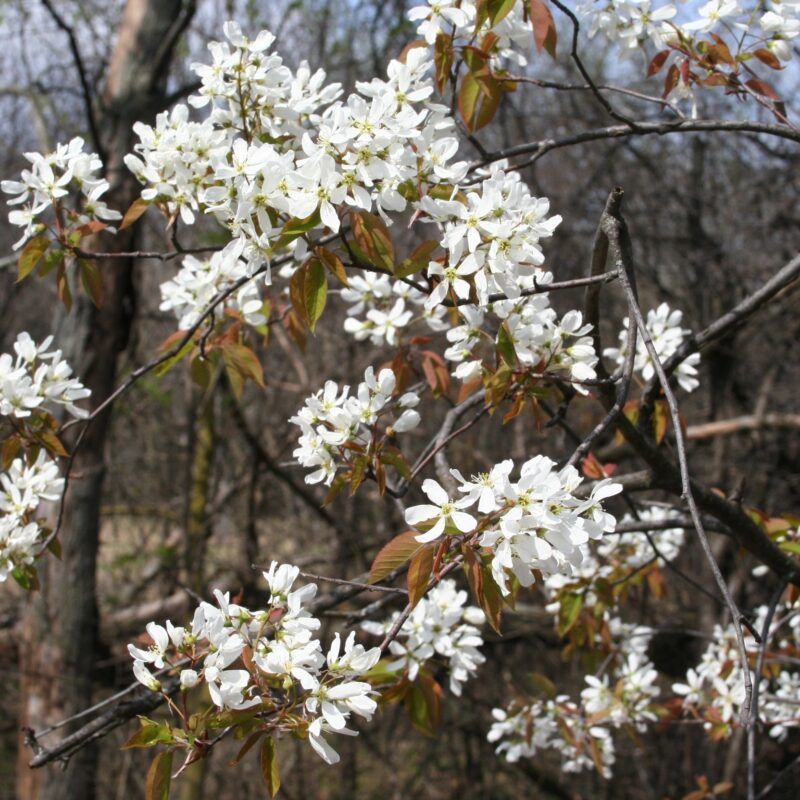
There is something quietly powerful about planting a tree that actually belongs where you live. Allegheny Serviceberry is native to Michigan, meaning it evolved alongside the soils, rainfall patterns, insects, and wildlife that call this state home.
That connection runs deep, and it shows in how naturally the tree fits into residential landscapes that border woodlands, meadows, or natural areas.
Choosing a native flowering tree creates a living bridge between a yard and the surrounding Michigan habitat.
Native trees tend to establish more reliably over time because they are already adapted to local conditions.
Your Michigan Garden Changes Every Week. Your Plan Should Too.
Gardening in Michigan changes quickly throughout the season. Every Friday you’ll receive a simple weekly plan showing exactly what to plant, prune, fertilize, harvest, and protect so you never miss the right timing.
That does not mean they require zero care, but it does mean you are working with nature rather than against it from the very beginning.
One important thing to keep in mind when shopping is that the name serviceberry gets used broadly at nurseries.
Several species, hybrids, and cultivars share similar common names, including Juneberry, shadbush, and smooth serviceberry.
Always confirm the botanical name Amelanchier laevis when purchasing to make sure you are getting the specific species you want rather than a closely related but different plant.
Reputable native plant nurseries and Michigan-focused garden centers are your best starting points for finding authentic stock.
Staff at these locations can often tell you where the plants were propagated and whether the material is regionally appropriate.
Taking that extra step at the nursery pays off for years once the tree is established and thriving in your yard right where it belongs.
3. Its Smaller Size Fits Residential Yards
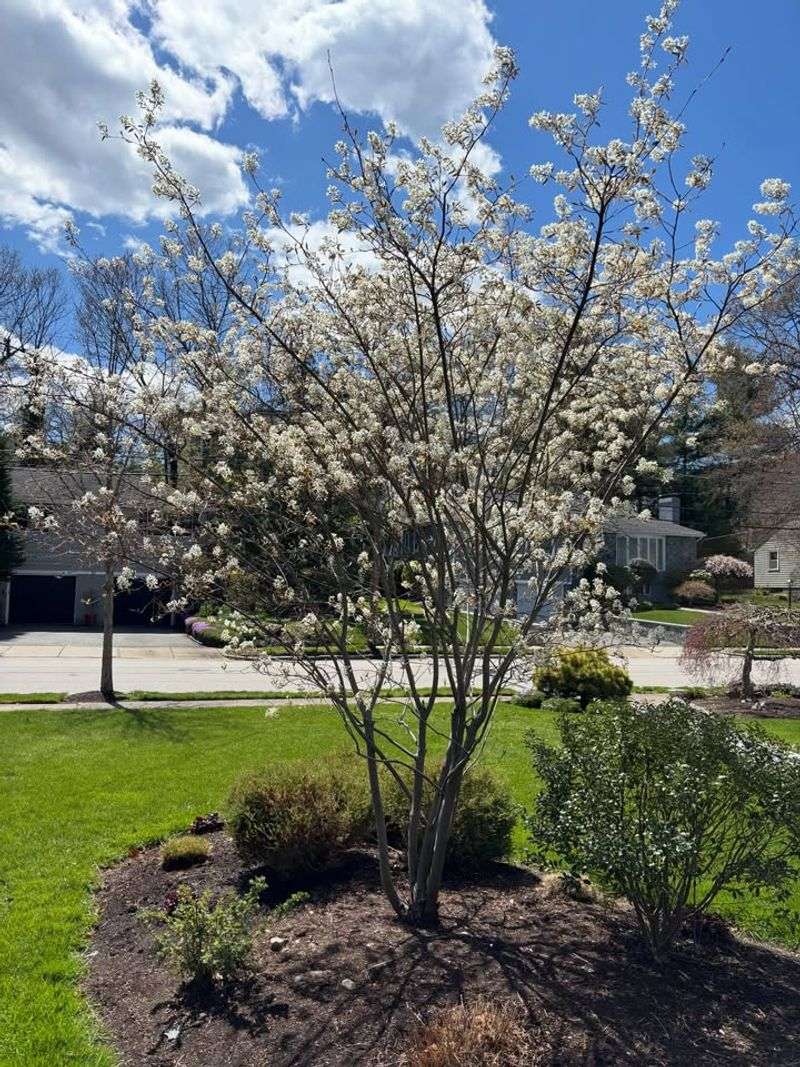
Not every yard has room for a towering shade tree, and that is exactly where Allegheny Serviceberry earns its place.
Generally reaching around twenty feet tall at maturity, this tree lands in the sweet spot between a large shrub and a small shade tree.
That manageable scale opens up planting options that simply do not work with bigger species. Front yards, woodland garden edges, foundation beds, and corners near patios are all excellent candidates for a serviceberry.
Its upright, multi-stemmed or single-trunk form adds vertical interest without eventually overwhelming the space.
Imagine sitting on a patio beneath light, filtered shade from a serviceberry in full fruit rather than fighting the deep shadow of a towering oak planted too close to the house.
Size still matters even with a smaller tree, so planning ahead before planting is genuinely worthwhile.
Allow enough horizontal space for the mature canopy to spread without crowding neighboring plants, structures, or pathways.
Keeping the tree an appropriate distance from buildings and overhead utility lines will save significant headaches down the road and keep the tree looking its best without heavy corrective pruning.
Compared to Callery Pear, which can push thirty to fifty feet and develops notoriously brittle branch structure, serviceberry stays compact and structurally sound.
That size difference alone makes it far easier to manage in a typical Michigan residential yard. When space is limited but you still want seasonal beauty, this tree fits the situation almost perfectly without demanding more room than you have available.
4. Summer Fruit Provides Another Season Of Interest
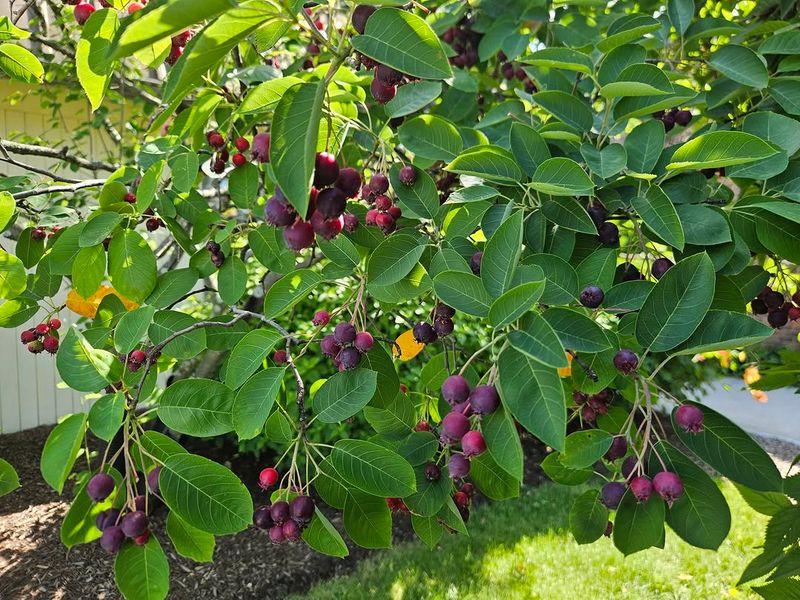
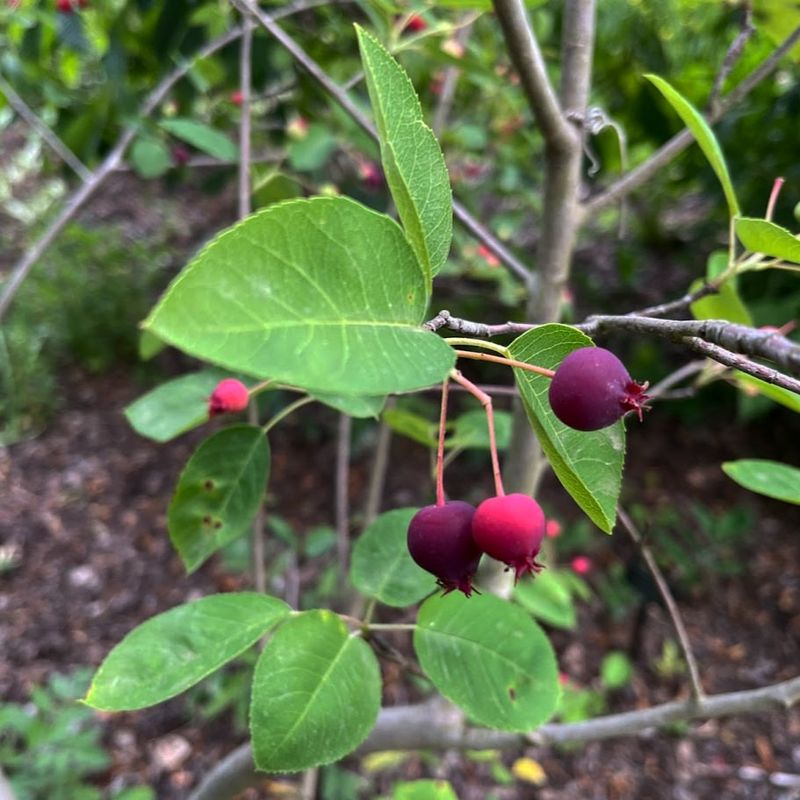
Spring flowers are just the opening act. After the blooms fade, Allegheny Serviceberry shifts into its next performance by producing small, round fruits that ripen to a dark reddish-purple color during early summer.
The timing earns the plant one of its most popular nicknames, Juneberry, because the fruit often matures right around that month in Michigan.
The berries are edible when properly identified and have a mild, sweet flavor that works well fresh off the branch, in pies, or stirred into jams and baked goods.
Many gardeners who plant serviceberry for ornamental reasons are pleasantly surprised to discover they are also harvesting something genuinely tasty.
That dual-purpose quality adds real value to a small yard where every plant needs to earn its space.
Birds absolutely love serviceberries, and a fruiting tree can attract robins, cedar waxwings, catbirds, and other species that make summer mornings in the garden feel lively and wild.
Even if you plan to harvest some fruit yourself, leaving a generous portion on the tree for wildlife is a smart move that supports local bird populations during a critical feeding season.
Compare that to Callery Pear, whose small hard fruits birds also eat but then spread widely into natural areas, helping that invasive species colonize roadsides, fields, and forest edges across Michigan.
Serviceberry fruit, by contrast, supports wildlife without creating an ecological problem. Planting it means you get the fruit, the birds get the fruit, and the surrounding landscape stays healthier for it.
5. Fall Foliage Extends The Ornamental Display
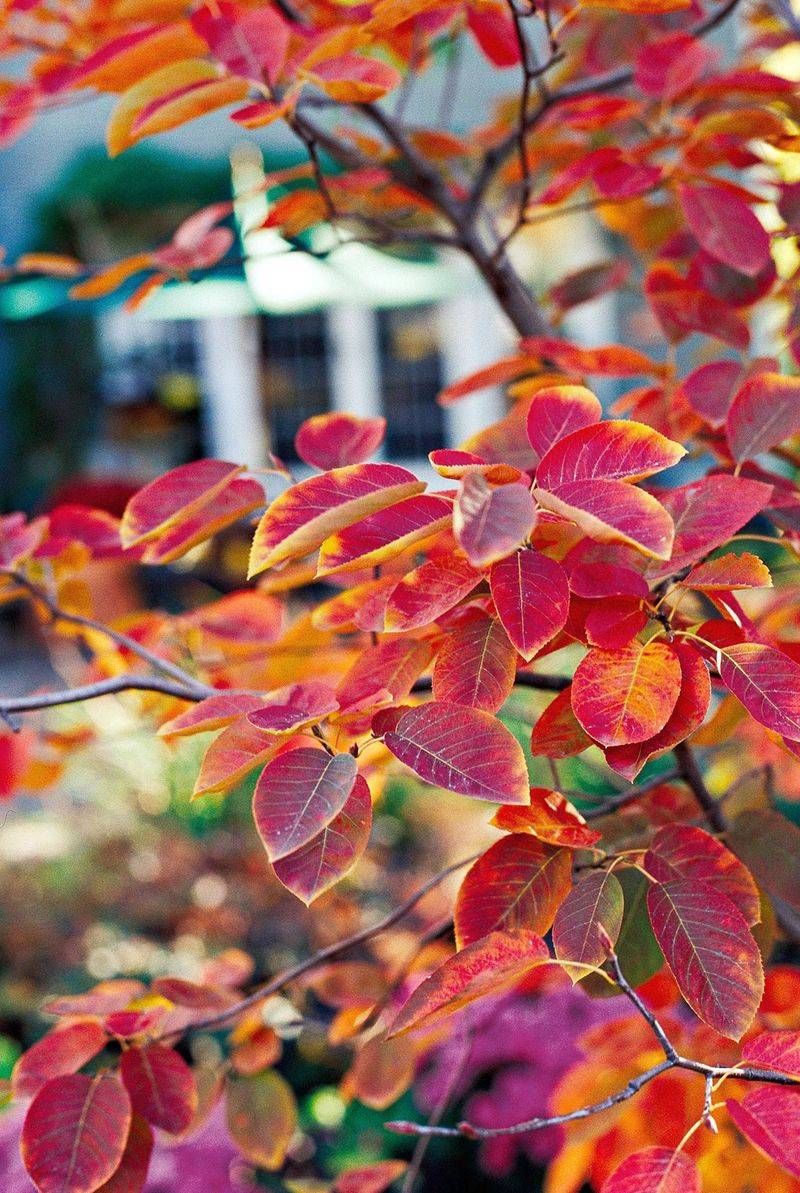
By the time summer winds down, most flowering trees have already delivered their best show and quietly faded into the background.
Allegheny Serviceberry keeps contributing right into autumn by developing warm foliage tones that can range from golden yellow to burnt orange and even hints of red.
That extra burst of seasonal color stretches the tree’s ornamental value well beyond its spring flowering period. Think about what that means for a yard over the course of a full year.
Spring brings white flowers, early summer delivers colorful fruit and bird activity, and then fall rounds out the season with foliage color before the tree settles into its clean, attractive branching structure for winter.
Very few small trees pack that much seasonal interest into a single plant, which is part of what makes serviceberry such a smart landscape choice.
Fall color intensity is not guaranteed to be dramatic every single year, and that is worth being upfront about.
Weather conditions, available sunlight, overall plant health, and the specific cultivar all influence how vivid the autumn display becomes.
Trees growing in full sun with good drainage and adequate moisture tend to develop stronger color than those growing in dense shade or stressful conditions.
Selecting a named cultivar known for reliable fall color, such as Cumulus or Snowcloud, can improve your chances of a consistent autumn show.
Asking your nursery for specific recommendations based on your yard conditions is always a worthwhile conversation.
A little planning at planting time means more years of satisfying seasonal color from a tree that genuinely earns its place in the landscape.
6. Serviceberry Supports Michigan Wildlife
A yard full of beautiful plants is one thing, but a yard that actually feeds and shelters wildlife is something else entirely.
Allegheny Serviceberry connects a Michigan garden to the local food web in ways that ornamental trees planted purely for visual effect simply cannot replicate. That ecological contribution starts in spring and continues right through summer.
When serviceberry blooms early in the season, its flowers provide nectar and pollen for native bees, butterflies, and other early-emerging insects that are searching for food resources after a long winter.
Native pollinators have evolved alongside native plants, so that relationship runs deeper and more reliably than what you get from a non-native flowering tree.
Supporting those insects early in the season has ripple effects all the way up the food chain. The fruit that follows attracts a remarkable variety of birds.
Cedar waxwings, American robins, catbirds, thrushes, and orioles are among the species regularly drawn to fruiting serviceberries in Michigan.
Watching that kind of bird diversity move through a single backyard tree is a rewarding experience that keeps paying off year after year without any extra effort on your part.
Michigan officials have raised concerns about Callery Pear because it spreads aggressively, forms dense invasive thickets, and contributes very little to native food webs despite its visual appeal.
Replacing it with serviceberry means you are actively improving your yard’s ecological value rather than contributing to a larger landscape problem.
One tree choice really can make a meaningful difference for the wildlife community around your home.
7. Full Sun Or Partial Shade Can Support Healthy Growth
Flexibility is one of the most practical qualities a landscape tree can offer, and serviceberry brings plenty of it.
Allegheny Serviceberry grows well in both full sun and partial shade, which makes it useful across a wide range of Michigan yard situations.
Whether your planting spot gets six or more hours of direct sun or sits under the filtered light of a larger canopy tree, serviceberry can adapt and perform.
Moist, well-drained soil gives this tree the best foundation for healthy, vigorous growth. Rich loamy soils with good organic matter content are ideal, though serviceberry tolerates a reasonable range of soil types.
What it does not tolerate well is standing water around the roots for extended periods, so checking drainage before planting is a step worth taking seriously.
Adequate air movement around the branches helps reduce the risk of fungal issues like leaf spot or rust, which serviceberry can occasionally experience in humid conditions.
Spacing the tree with enough room to breathe and avoiding crowding with dense shrubs right up against the canopy supports long-term plant health without requiring heavy intervention from you.
Sunlight availability directly influences how well the tree flowers, fruits, and colors in fall. Trees growing in sunnier spots typically produce heavier flower and fruit crops and develop more reliable autumn foliage color than those in deeper shade.
Partial shade still works well, especially in woodland garden designs, but if you want the full seasonal display this tree is capable of delivering, a spot with good morning sun is a strong choice.
8. Correct Plant Selection Prevents Future Landscape Problems
Choosing the right tree from the very beginning saves years of frustration, expense, and landscape regret.
Callery Pear has been widely planted in Michigan yards for decades because of its showy spring flowers and tidy shape, but the problems it creates have become increasingly hard to ignore.
It spreads through seeds and root sprouts, forms thorny invasive thickets in natural areas, and develops branch structure that becomes dangerously brittle as the tree ages.
That combination of ecological harm and structural weakness makes it a poor long-term investment for any yard.
Allegheny Serviceberry offers a genuinely better path forward for Michigan homeowners who want white spring flowers without those consequences.
Spring blooms, edible summer fruit, reliable fall color, and real wildlife value all come packaged in a tree that stays at a manageable size and behaves well in the landscape.
It checks nearly every box that draws people to ornamental pear in the first place, and it adds benefits that Callery Pear cannot come close to matching.
When you head to the nursery, confirm the botanical name Amelanchier laevis on the plant tag before purchasing.
Common names like Juneberry and shadbush get applied to several related species and cultivars, so the botanical name is your most reliable guarantee that you are taking home the right plant.
Look for a healthy specimen with good branch structure, no visible disease, and a root system that fills the container without being severely pot-bound.
Buying from a reputable native plant nursery or a Michigan garden center with knowledgeable staff gives you the best shot at a healthy, well-sourced tree.
Ask about soil and spacing needs for your specific site. Starting right means the tree grows confidently and rewards you with decades of seasonal beauty.