9 Cucumber Care Tips For When Flowers Appear In Virginia Gardens
Yellow blooms don’t guarantee your harvest. Cucumber vines can flower for weeks without producing the fruit you expect. Virginia summers demand quick attention from gardeners.
Pollination isn’t automatic, and your timing matters more than luck. Heat spikes can damage your flowers before fruit forms. Watering mistakes now cost you weeks of growth later.
Bees disappear fast once your garden turns difficult. Nutrient timing decides whether your blossoms become cucumbers or fall. Summer heat across Virginia hits harder than you expect.
Every choice you make this week shapes your harvest. Neglect a single detail and your pollination struggles quietly. Success depends on your precision, not luck. Plants signal what you need to know early.
Timing separates your thriving harvest from empty vines. Small adjustments now save you weeks of frustration later.
Skip a step and your whole season falters. This window closes faster than you think. Act now, because your harvest depends on it.
1. Water On A Steady Schedule As Fruit Sets
Cucumbers need more water once flowers appear, and their water needs increase significantly. Skipping watering days during this stage can cause blossoms to drop before they even get a chance to set fruit.
Aim for about one inch of water per week, delivered slowly and deeply at the base of each plant. Shallow watering encourages roots to stay near the surface, which makes plants more vulnerable during Virginia heat waves.
Morning is the best time to water your cucumber vines. Watering early lets foliage dry out before evening, which reduces the chance of fungal problems taking hold.
A soaker hose or drip system works beautifully here. These tools deliver moisture right to the root zone without splashing water on leaves or flowers.
Inconsistent watering is one of several factors that can cause cucumbers to develop a bitter taste. Keeping a steady rhythm teaches your plants to trust the process and channel energy into producing fruit instead of surviving stress.
Set a phone reminder if you need to. Your cucumber plants will absolutely reward the consistency you bring to this one simple habit.
2. Feed Plants With A Phosphorus-Rich Fertilizer
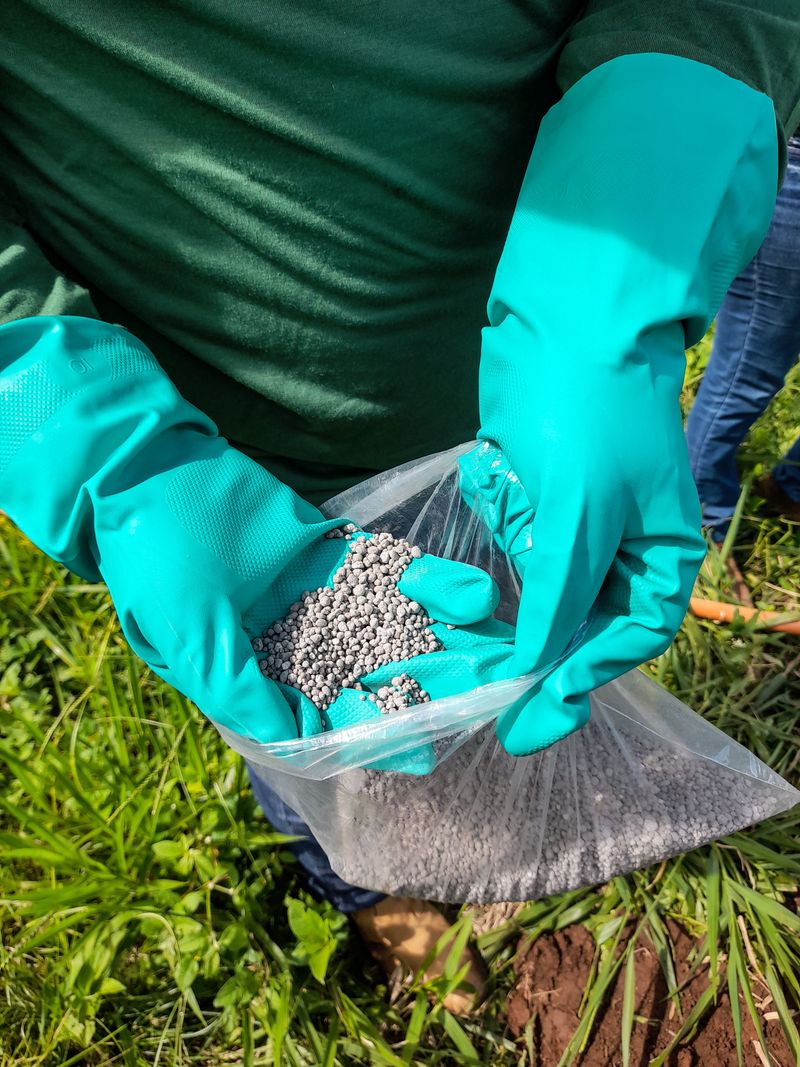
Once those first flowers open up, your cucumbers are sending a message: they need more fuel. A phosphorus-rich fertilizer is exactly what helps flowers develop into healthy, firm fruit.
Phosphorus supports root strength and helps plants move energy toward bloom production. Without enough of it, flowers can appear weak, fall off early, or simply fail to attract pollinators.
Look for fertilizers labeled with a higher middle number on the N-P-K ratio, like 5-10-5 or 10-20-10. That middle number is your phosphorus count, and right now, it matters most.
Avoid going heavy on nitrogen during the flowering phase. Too much nitrogen pushes leafy green growth instead of encouraging the plant to put energy into fruit development.
Apply fertilizer according to the package directions, usually every two to three weeks. Always water the soil after feeding to help nutrients absorb evenly and prevent root burn.
Your Virginia Garden Changes Every Week. Your Plan Should Too.
Gardening in Virginia changes quickly throughout the season. Every Friday you’ll receive a simple weekly plan showing exactly what to plant, prune, fertilize, harvest, and protect so you never miss the right timing.
Many Virginia gardeners deal with hot, fast-draining soil in certain regions, which can deplete nutrients quickly. Staying on a consistent feeding schedule during flowering keeps your cucumber plants strong from blossom all the way to harvest.
3. Spread Mulch Around The Base For Moisture
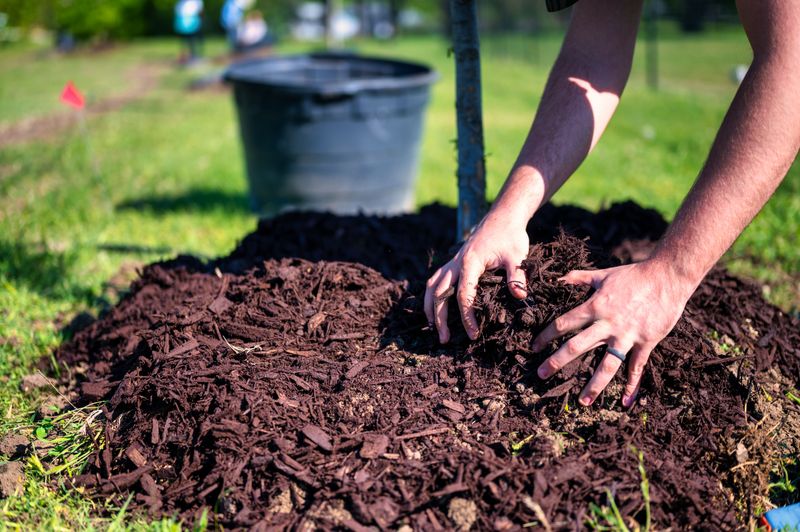
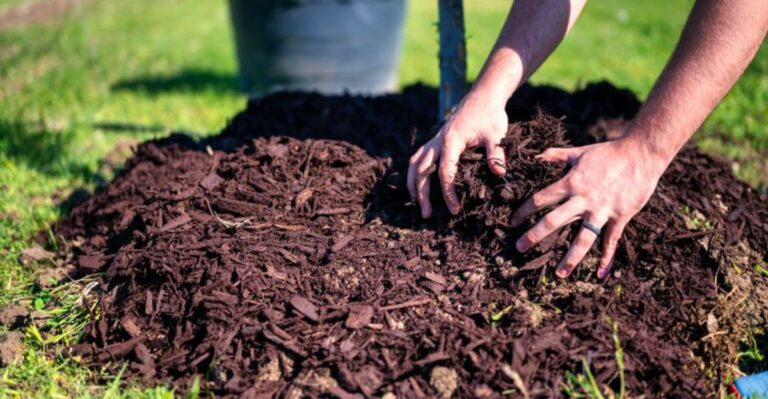
Mulch is one of those garden tools that quietly does a lot of heavy lifting. A two-to-three inch layer around your cucumber plants can significantly reduce soil moisture loss on a hot Virginia afternoon.
Straw, shredded leaves, or wood chips all work well for this job. Spread the mulch a few inches away from the main stem to avoid trapping moisture directly against it, which can invite rot.
Beyond moisture retention, mulch also keeps soil temperatures more stable throughout the day. Cucumber roots prefer consistent conditions, and dramatic soil temperature swings can stress plants right when they need to focus on flowering.
Mulch also acts as a natural weed barrier. Fewer weeds mean less competition for the water and nutrients your blooming vines desperately need during this critical growth window.
Check the mulch layer every week or two and fluff it up if it has compacted. Compacted mulch can block water from reaching the soil rather than helping it stay there.
Spreading mulch takes about ten minutes and pays off for weeks. Few steps in cucumber care deliver this much return for such a small effort during the flowering stage.
4. Watch Daily For Bees Visiting The Blooms
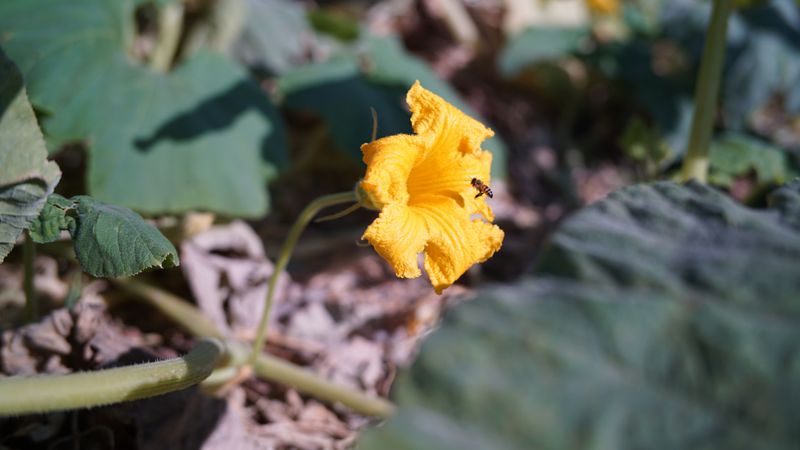
Bees are the secret workforce behind every cucumber you have ever eaten. Without them visiting those yellow flowers, pollination stalls and fruit simply does not form, no matter how healthy your plants look.
Make a habit of checking your vines in the morning, between 8 a.m. and noon. That window is when cucumber flowers are fully open and bee activity tends to peak in most Virginia gardens.
If bees are visiting regularly, that is a great sign. You should see them moving from male flowers to female flowers, which are the ones with a tiny swollen base that looks like a miniature cucumber.
Low bee traffic is a warning flag worth taking seriously. It could mean nearby pesticide use, a lack of flowering plants to support pollinators, or simply a stretch of cool, cloudy weather keeping bees grounded.
Planting bee-friendly flowers nearby, like basil or borage, can attract more pollinators to your garden space. Avoid spraying any pesticides during morning hours when bees are most active on your vines.
Watching for bees takes only a few minutes each day. This small habit gives you early information that can save your entire cucumber harvest before problems get out of hand.
5. Add A Trellis Or Stakes For Support
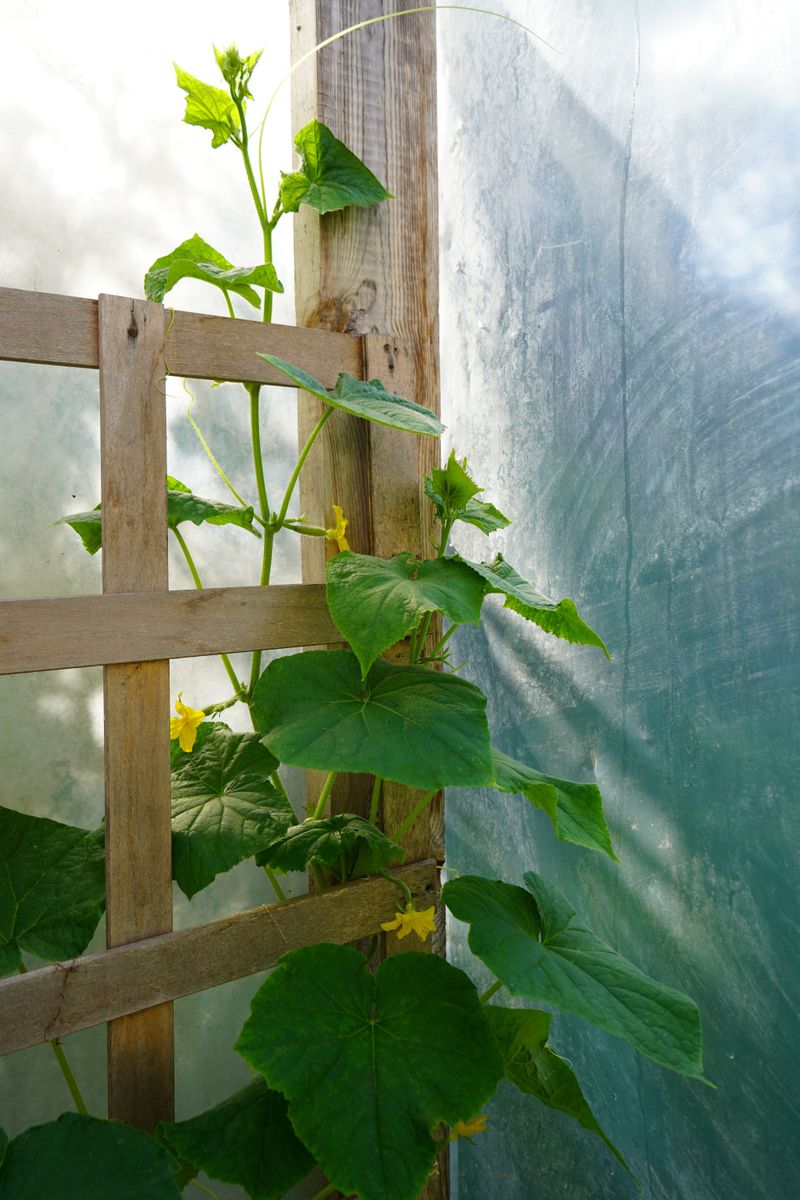
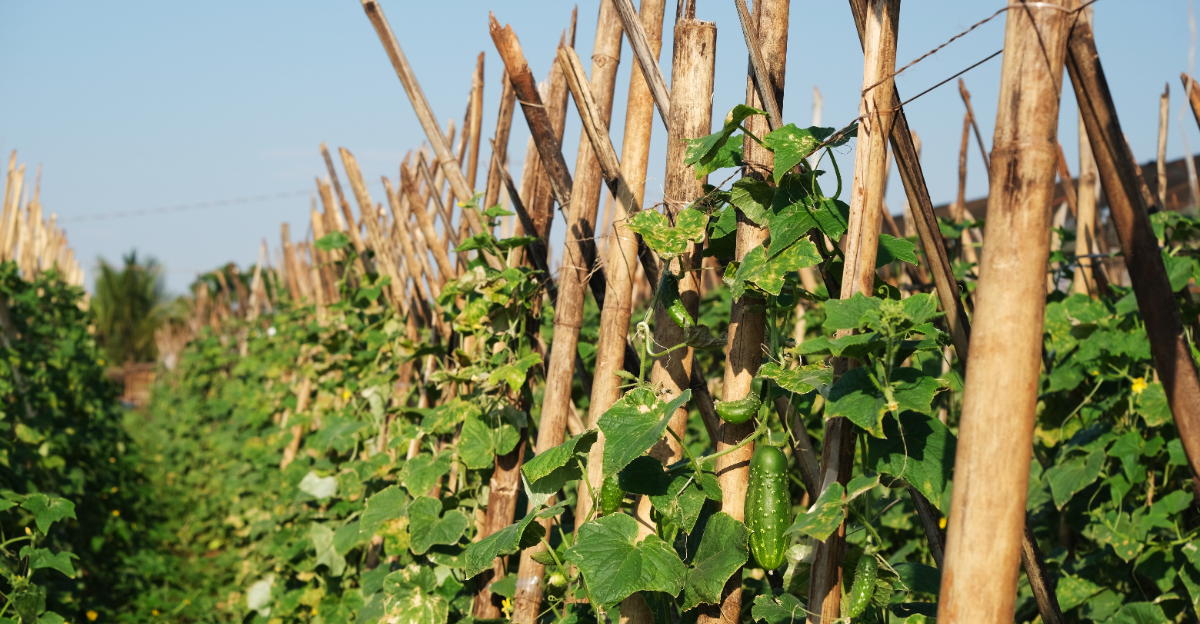
Cucumber vines look delicate, but they grow surprisingly heavy once flowers and young fruit appear. Without proper support, stems can break, vines trail on the ground, and fruit develops rot from sitting in damp soil.
A trellis gives your plants a clear direction to grow upward, which improves airflow around the leaves and flowers. Better airflow means less humidity trapped around foliage, which cuts down on powdery mildew and other fungal issues common in Virginia summers.
Wooden stakes, wire cages, or simple netting all get the job done well. Install your support system before the vines get too long, because trying to train an overgrown plant without snapping stems is a frustrating experience.
Tie vines loosely to the trellis using soft garden twine or cloth strips. Tight ties can cut into stems as the plant grows, restricting water and nutrient flow exactly when the plant needs it most.
Growing vertically also makes it easier to spot pest damage, check on flower development, and harvest cucumbers before they get oversized and bitter. Tall vines are simply easier to manage from every angle.
A good trellis setup is one of the smartest moves in cucumber care. Your plants, your back, and your harvest will all thank you for it.
6. Trim Away Yellowing Lower Leaves
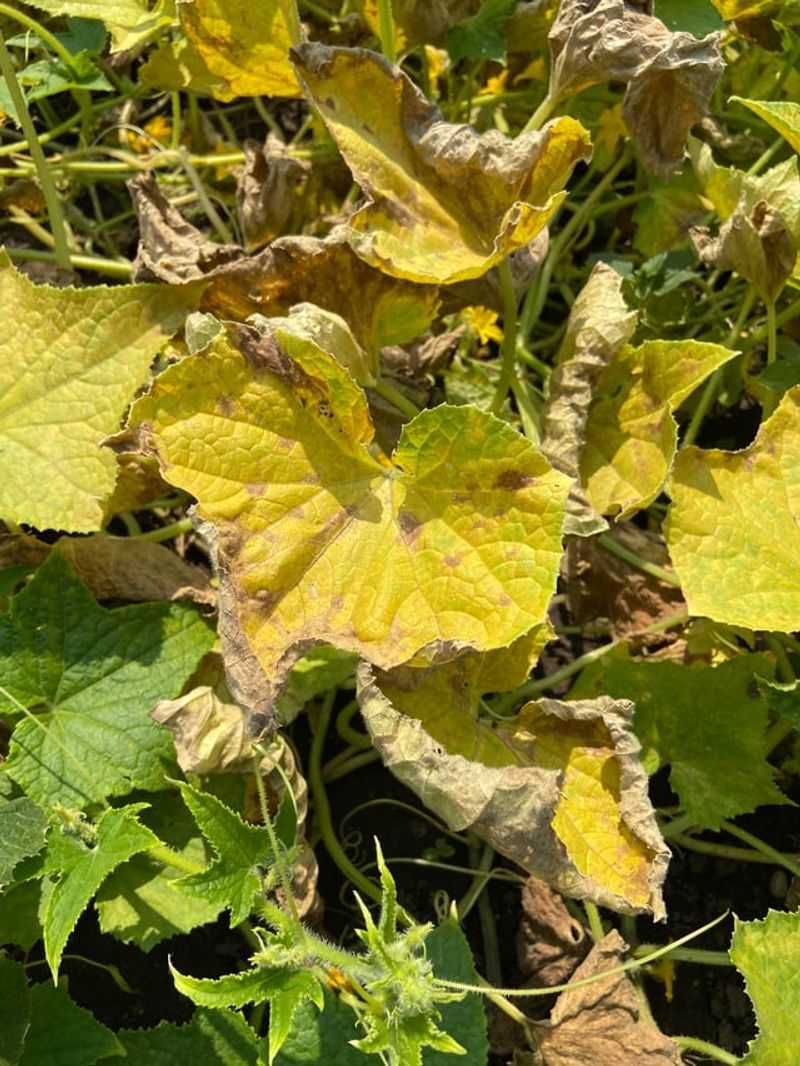
Yellow leaves near the bottom of your cucumber plant are not just an eyesore. They are often a sign of poor airflow, fungal pressure, or the plant redirecting energy away from older growth toward new blooms and fruit.
Removing those leaves is a simple act of maintenance that pays real dividends. Snipping them off opens up space for air to circulate through the lower canopy, reducing moisture buildup that invites disease.
Use clean, sharp scissors or pruning shears for this task. Dull or dirty tools can crush stems or introduce bacteria right into the cut, which creates more problems than the yellow leaf ever caused.
Cut close to the main stem without nicking or damaging it. After pruning, give the remaining plant a good look to make sure you have not missed any leaves showing brown spots, black edges, or fuzzy mold growth.
Do not remove more than one-third of the plant’s foliage at once. Taking off too many leaves too quickly puts the plant under stress, which is the last thing you want when flowers are actively forming.
Think of trimming lower leaves as giving your cucumber plant room to breathe. Healthy airflow during the flowering stage can genuinely be the difference between a strong harvest and a struggling vine.
7. Scout For Cucumber Beetles And Aphids
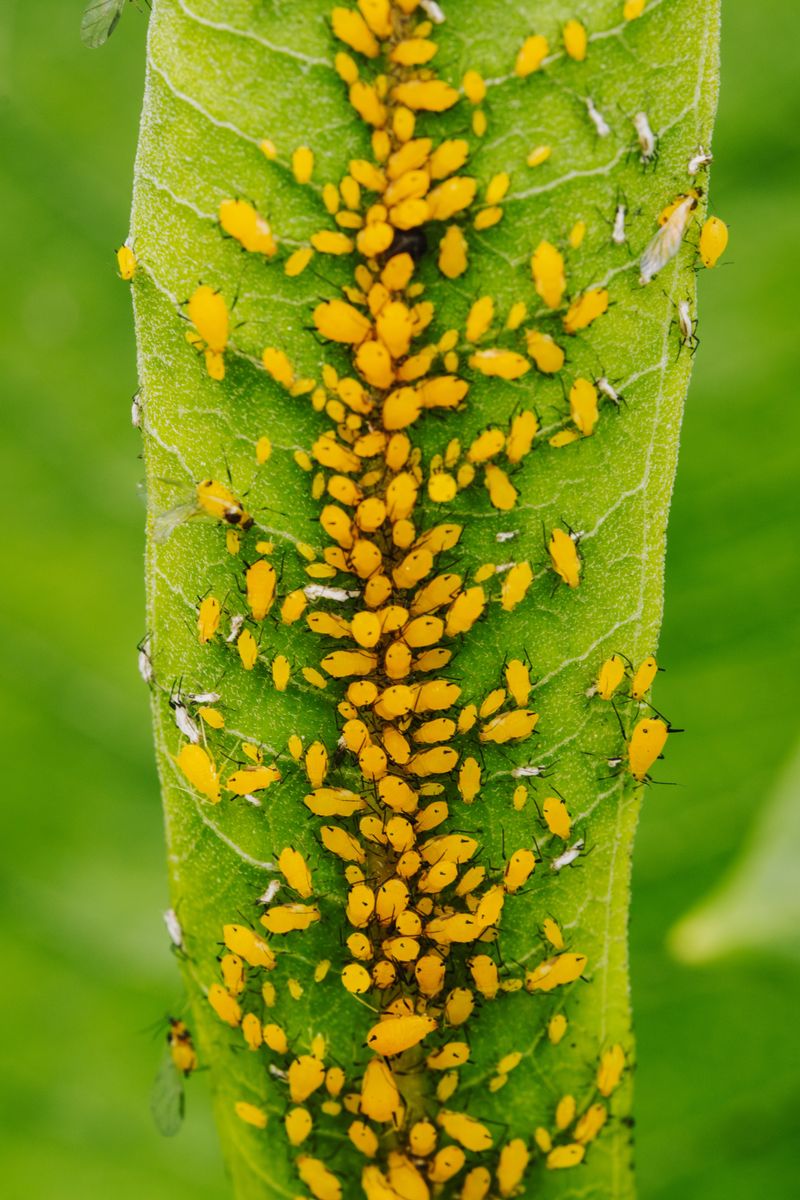
Cucumber beetles are small, but they can cause significant damage. These yellow-and-black striped or spotted insects chew on leaves, flowers, and stems, and they can spread bacterial wilt that takes out entire plants fast.
Check the undersides of leaves and around flower clusters every single day once blooming starts. Catching an infestation early is the difference between a minor setback and losing your whole crop to a pest outbreak.
Aphids are another concern to keep on your radar. These tiny, soft-bodied insects cluster on new growth and flower stems, sucking sap and leaving behind a sticky residue that can attract mold.
A strong spray of water from a garden hose can knock aphids off plants effectively. For cucumber beetles, row covers before flowering or sticky traps near the vines can reduce populations without harsh chemical sprays.
Kaolin clay is a natural option some gardeners use to help deter beetles. Applied as a fine powder coating on leaves and stems, it makes the plant surface less appealing to feeding insects.
Scouting takes discipline, but it is your best defense during the flowering stage. Staying alert protects not just today’s blooms but the entire season of cucumber care you have invested so far.
8. Hand-Pollinate Flowers If Bee Activity Is Low
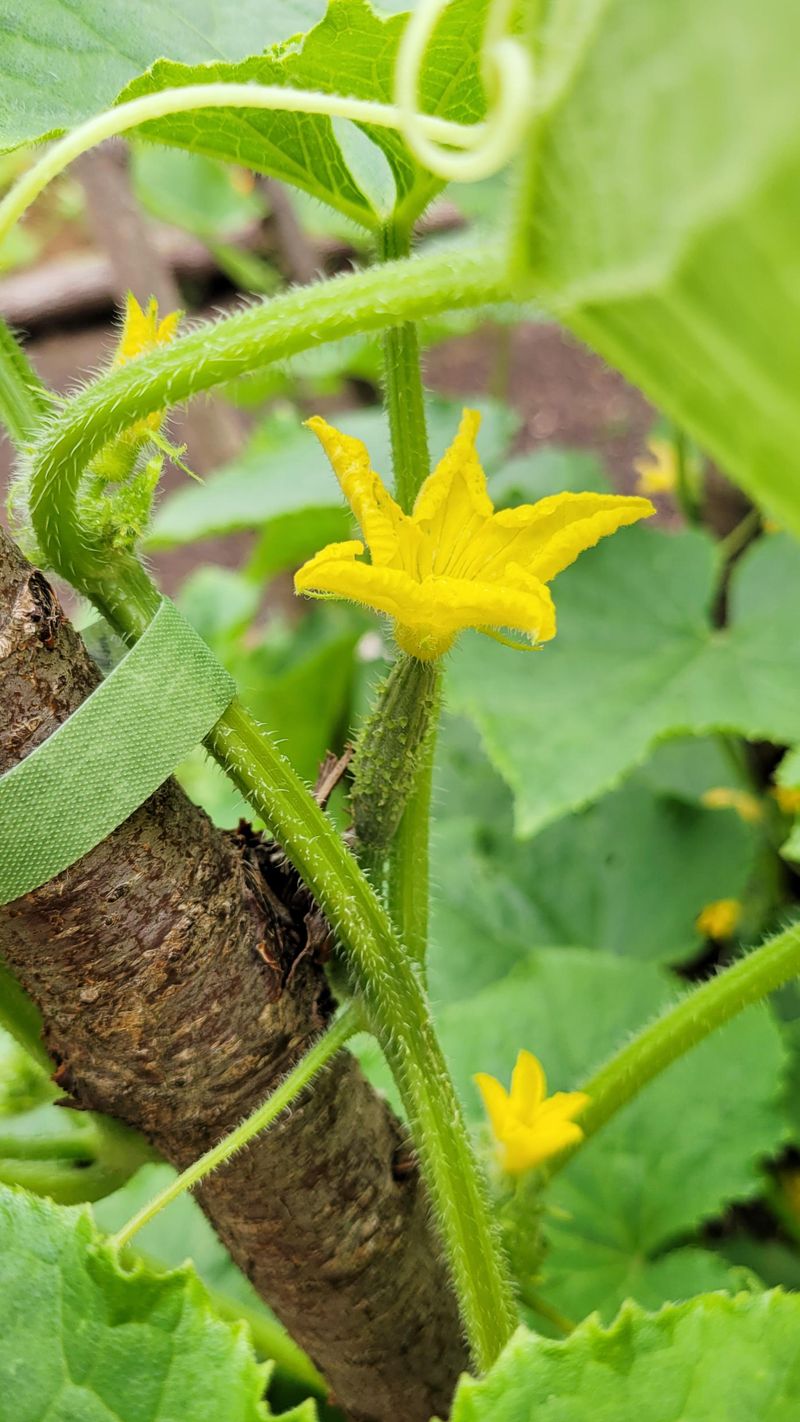
Sometimes nature needs a little help, and hand-pollination is one of the most satisfying ways to give it. When bee traffic is low, you can step in and do their job with just a small paintbrush or a cotton swab.
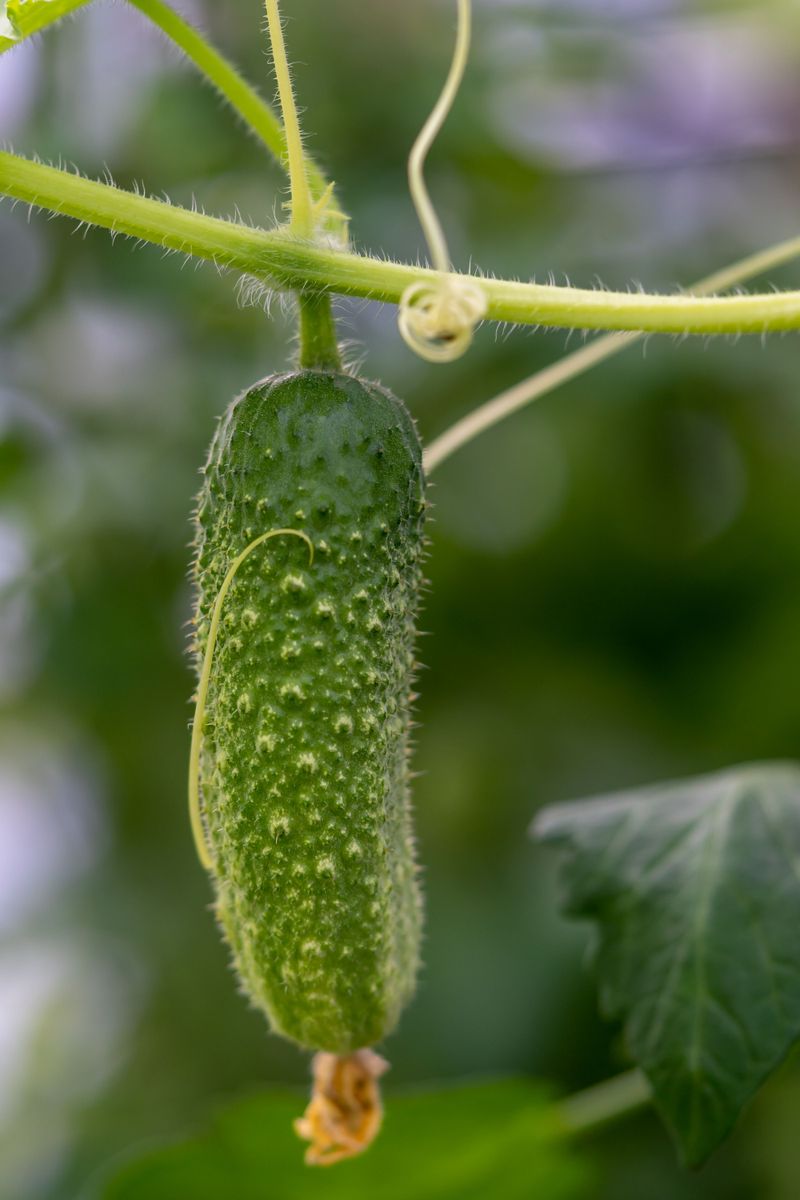
First, learn to tell the difference between male and female flowers. Male blooms appear first and sit on a thin stem, while female flowers have that small swollen base at their bottom that will eventually become a cucumber.
To hand-pollinate, gently swirl the paintbrush inside a male flower to collect the yellow pollen. Then carefully dab that pollen into the center of a female flower, repeating the process across several blooms for the best results.
You can also skip the brush entirely by picking a male flower and rubbing it directly against the center of a female flower. It feels a little silly the first time, but it genuinely works and can save your harvest.
Do this in the morning when flowers are freshly open and receptive to pollen transfer. Afternoons tend to get hot during summer, and flowers may already be starting to close by then.
Hand-pollination is a satisfying skill that connects you directly to your garden. Once you see those first tiny cucumbers swell after your effort, you will feel more confident as a hands-on gardener.
9. Keep Soil Evenly Moist Throughout The Week
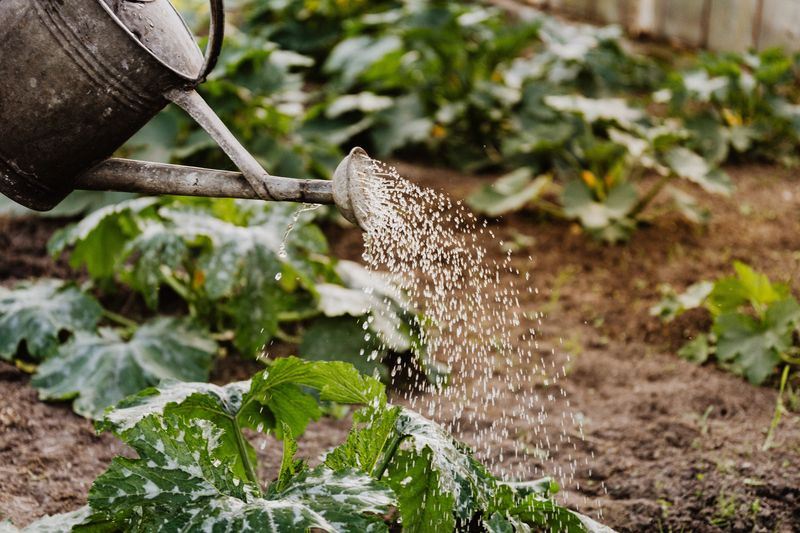
Uneven soil moisture is one of the less obvious causes of cucumber problems during the flowering stage. When soil swings between bone dry and waterlogged, plants respond with blossom drop, bitter fruit, and stunted growth.
The goal is consistency, not perfection. Soil should feel like a wrung-out sponge: damp enough to hold its shape when squeezed but not dripping or muddy when you press your finger into it.
Check soil moisture daily by pressing your finger about an inch into the ground near the plant’s base. If it feels dry at that depth, it is time to water, no matter what day of the week it happens to be.
Drip irrigation systems take the guesswork out of this entirely. They deliver slow, steady moisture directly to the root zone, which is exactly what cucumber plants need during the critical window of flowering and early fruit set.
Some Virginia summers can bring sudden dry spells followed by heavy rain, which can make soil management tricky. Mulch, as mentioned earlier, acts as a buffer against both extremes and helps soil stay in that sweet-spot moisture range.
Consistent soil moisture is the foundation of strong cucumber care from first bloom to final harvest. Get this one right, and almost everything else about growing cucumbers becomes noticeably easier.