Your Fall Mulch Could Be Too Deep, Here Are The Rules To Follow In Virginia
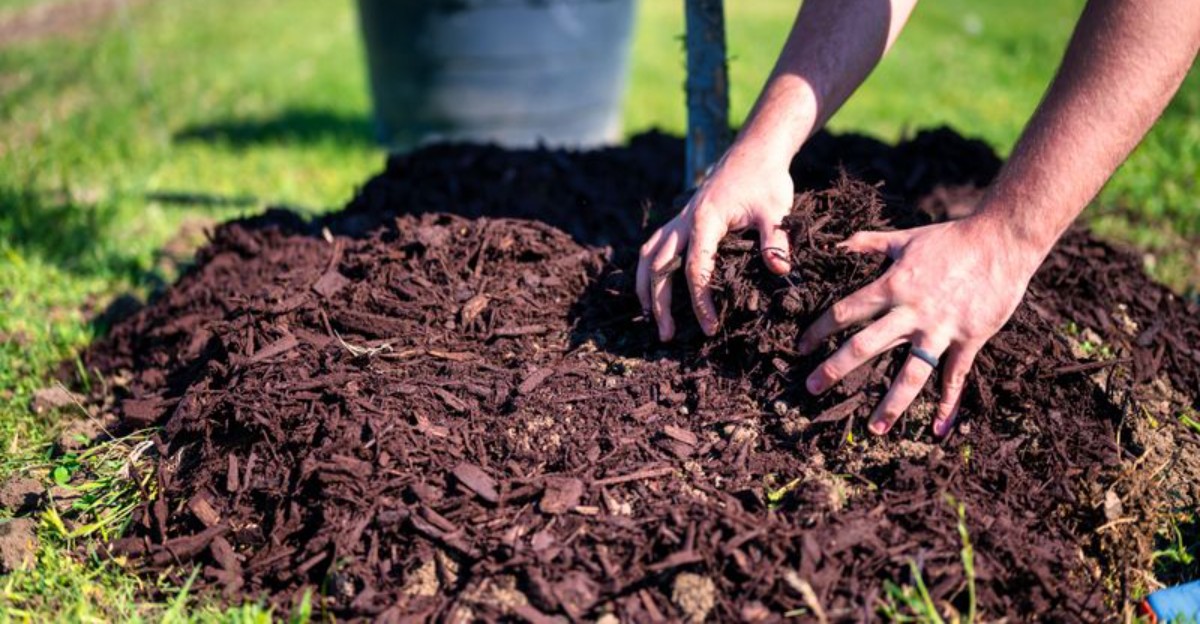
Somewhere in Virginia right now, a flower bed is gasping under a mountain of fresh mulch. It smells earthy and looks tidy, but the roots below are struggling for air.
Fall mulching feels like tucking your garden in for a long winter nap. Scooping, spreading, and patting down that dark, woodsy layer is oddly satisfying.
The twist is that more mulch rarely means more protection. Pile it on too thick, and trees, shrubs, and perennials can suffer instead of settling in.
Luckily, a few simple rules fix nearly all of it. Grab a ruler and a rake, because your beds might need a closer look.
Keep The Total Mulch Layer At No More Than About 4 Inches
Picture one cozy quilt on a chilly night, then imagine sleeping under ten of them. Plant roots feel a similar squeeze when mulch gets piled too high.
Across Virginia, most gardening experts suggest a mulch layer between 2 and 3 inches deep. The top limit for trees and shrubs sits at about 4 inches.
Going past that mark causes real trouble below the surface. Thick layers slow the flow of water and oxygen that roots need to breathe and drink.
On the flip side, a layer thinner than 2 inches lets weeds poke through with ease. Aim for that sweet middle zone so your beds get real protection.
Texture matters too, which surprises plenty of homeowners. Fine shredded hardwood packs down tightly, so 1 to 2 inches often does the job.
Chunkier materials like pine bark nuggets leave more air pockets between pieces. You can safely spread those a bit deeper, up to around 4 inches.
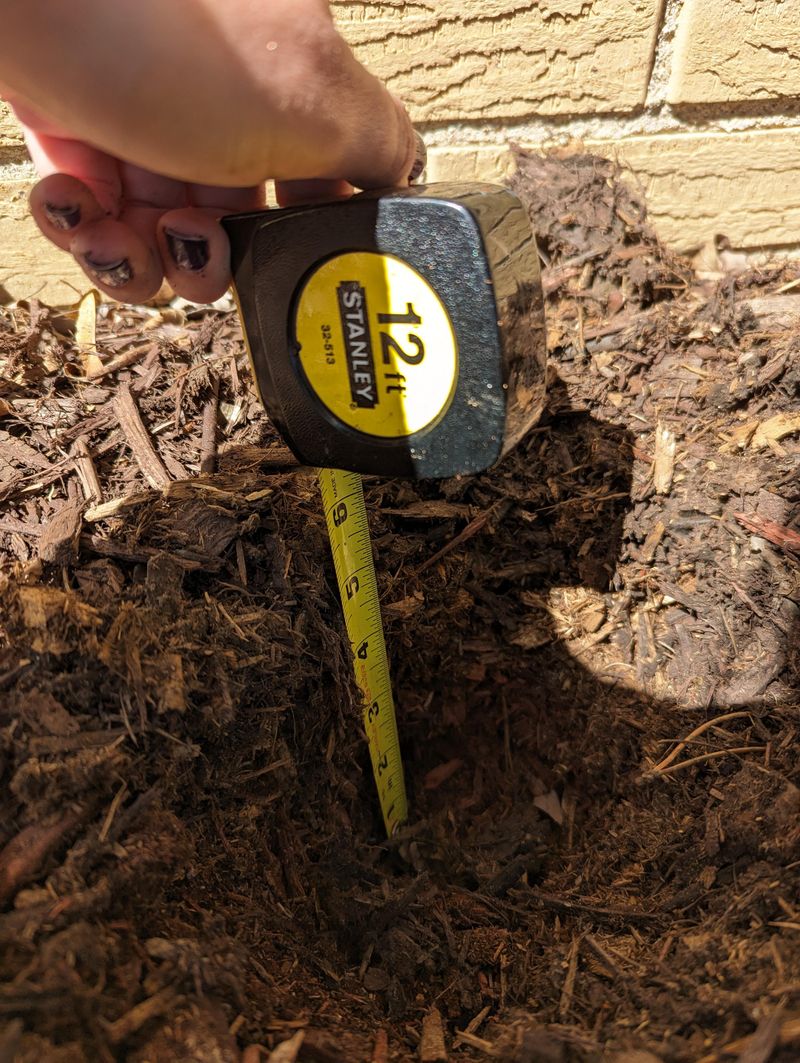
Here is a handy trick for checking depth without special tools. Push a ruler or paint stirrer straight down until it touches bare soil.
Read the number where the mulch line meets the stick. If it tops 4 inches, skip the new bags this fall and save some money.
Many yards carry heavy clay soil that already holds water for a long time. Extra mulch on top of clay can turn a damp bed into a soggy mess.
Think of 4 inches as a ceiling, not a goal. Staying closer to 3 keeps roots comfortable all year long.
Measure Existing Mulch Before Adding Another Layer
My neighbor once bragged about fresh mulch every spring and fall for six straight years. When we finally dug in, his flower bed held nearly a foot of old wood chips.
Stories like his are more common than you might think. Mulch breaks down slowly, so leftover layers stack up quietly beneath each new bag.
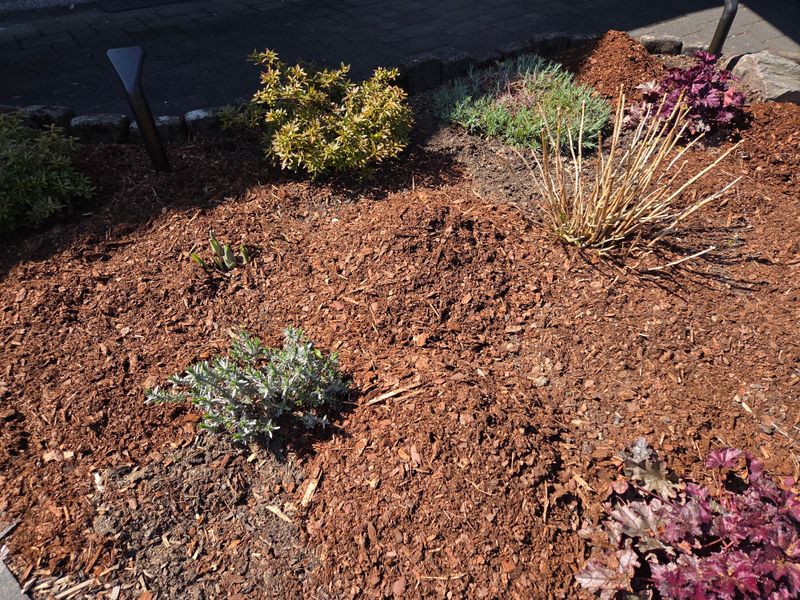
Before you haul anything home from the garden center, grab a trowel. Dig a small hole in three or four spots around each bed.
Measure from the top of the mulch down to the actual soil. Write the numbers down, because depth often varies more than it looks.
Spots near downspouts may wash thin, while corners by the fence pile up deep. Knowing the difference lets you add mulch only where it truly matters.
Found 2 or 3 inches already in place? A light sprinkle of fresh material on top is plenty to brighten the color.
Your Virginia Garden Changes Every Week. Your Plan Should Too.
Gardening in Virginia changes quickly throughout the season. Every Friday you’ll receive a simple weekly plan showing exactly what to plant, prune, fertilize, harvest, and protect so you never miss the right timing.
Sometimes the best move is adding nothing at all. Fluffing the old mulch with a rake can make faded beds look fresh again.
Gardeners who check depth every year tend to spend less on supplies. Their shrubs also stay healthier, since roots get the air they crave.
A simple notebook or phone note can track your numbers from season to season. Over time, you will spot patterns in how fast each bed breaks down.
Sunny beds usually lose mulch faster than shady ones. Measuring first means your wallet and your plants both come out ahead.
Pull Excess Mulch Away Instead Of Building It Higher
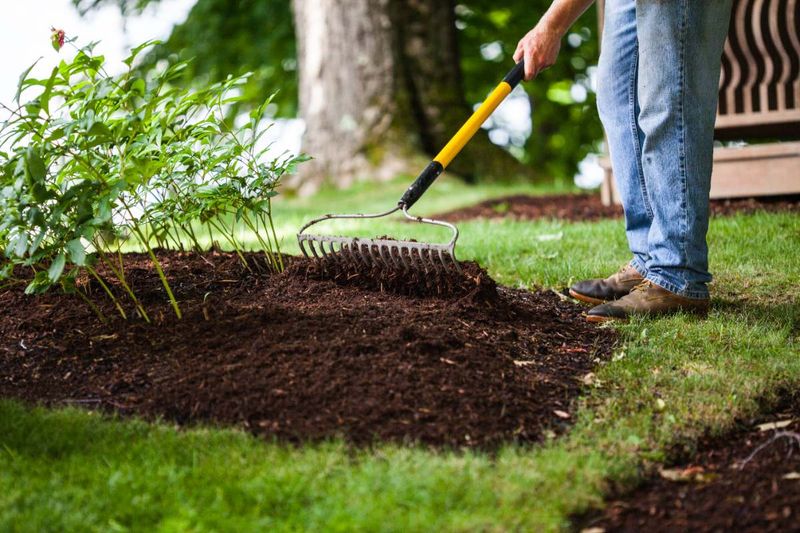
Grab a rake, not a shovel full of new bark. When beds are already too deep, the fix involves taking material out, not adding more.
Old mulch that sits for years tends to mat together into a stiff crust. Rain can bead up and roll right off instead of soaking down to the roots.
Some folks call it a water-repellent layer, and it acts a lot like a tarp. Your plants end up thirsty even after a solid storm.
Start by raking the top layer toward the edge of the bed. Keep going until your ruler reads about 2 to 3 inches over the soil.
Break up any matted clumps with the tines as you work. Loosened pieces let air and water slip through much more easily.
So what happens to the extra pile you just removed? Well-rotted mulch makes a fine addition to the compost bin or vegetable garden.
You can also spread it thinly over bare spots in other beds. Paths between raised beds are another smart place to reuse it.
Watch for white, threadlike strands as you dig through older layers. Fungi cause them, and they often signal mulch that has stayed too thick.
A little fungus is harmless, but heavy mats can block moisture. Thinning the layer lets the bed dry out and breathe again.
Plan on about an hour for a medium-sized bed, depending on how deep things got. Your back may grumble, but your shrubs will thank you by spring.
Leave Space Around Tree Trunks And Shrub Stems
Drive through almost any Virginia neighborhood in fall and you will spot them. Tall cones of mulch hug tree trunks like brown volcanoes.
Landscapers even have a nickname for the look, calling it a mulch volcano. Sadly, the neat piles cause far more harm than good.
Tree bark is built to stay dry and breezy, not buried. Wet mulch pressed against it softens the bark and invites rot, disease, and insects.
Voles and mice love the hidden shelter, too. Tucked under the pile, they can chew bark all winter without anyone noticing.
Another sneaky problem involves roots growing up into the damp mulch. Over time, such roots can circle the trunk and slowly choke the tree.
Arborists call these girdling roots, and they are tough to fix once established. Prevention is much easier than repair.
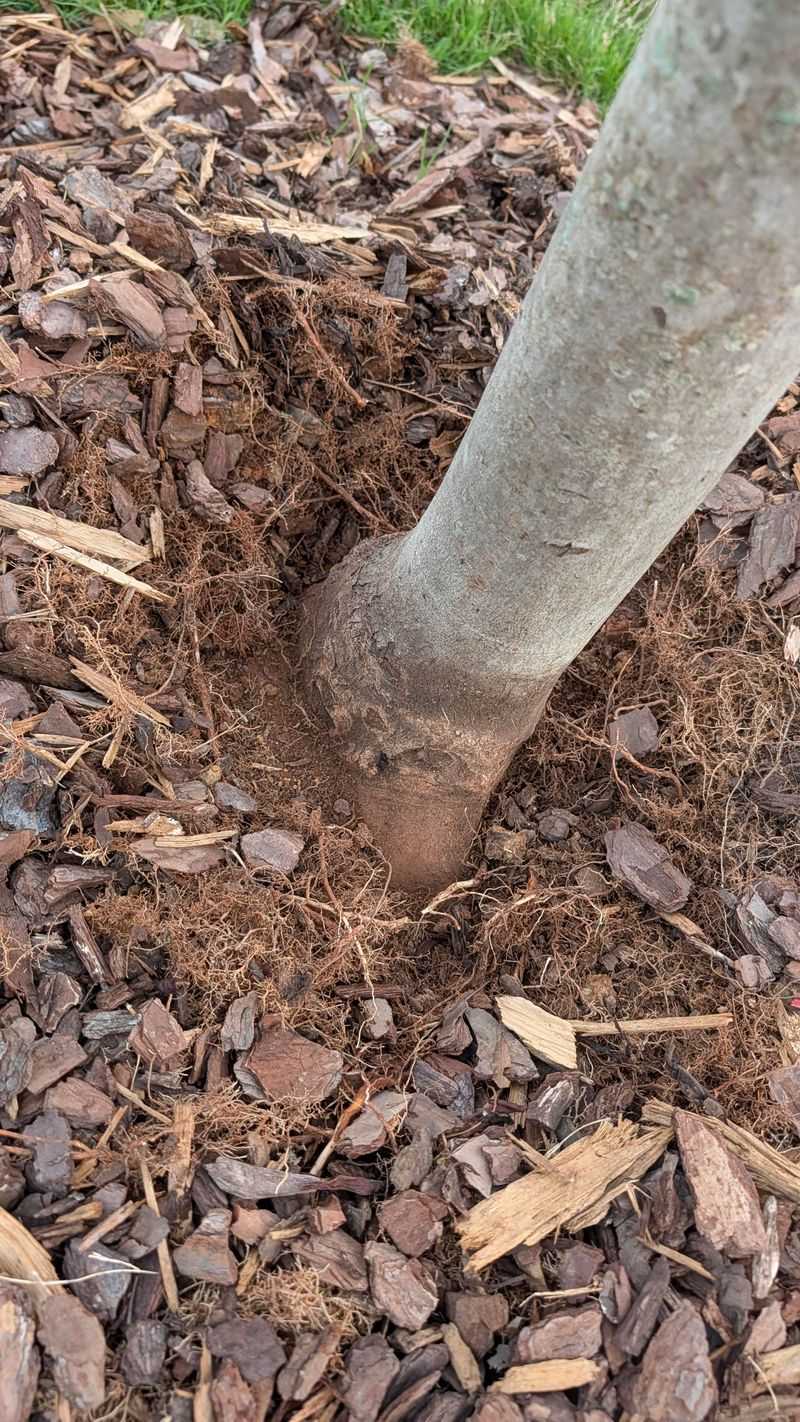
The fix itself is refreshingly simple. Keep mulch pulled back 2 to 6 inches from every trunk and shrub stem.
Look for the root flare, where the trunk widens as it meets the ground. If that flare looks buried, gently brush the mulch away by hand.
Shape a donut instead of a volcano around each tree. The hole in the middle keeps the trunk dry, while the ring protects the roots.
Stretch the ring out as wide as you like, ideally toward the drip line. Wider and flatter beats taller and narrower for tree health.
Shrubs like azaleas and boxwoods appreciate the same breathing room. A small gap around each stem keeps their lower branches healthy.
A Proper Mulch Layer Protects Soil Without Smothering Plant Roots
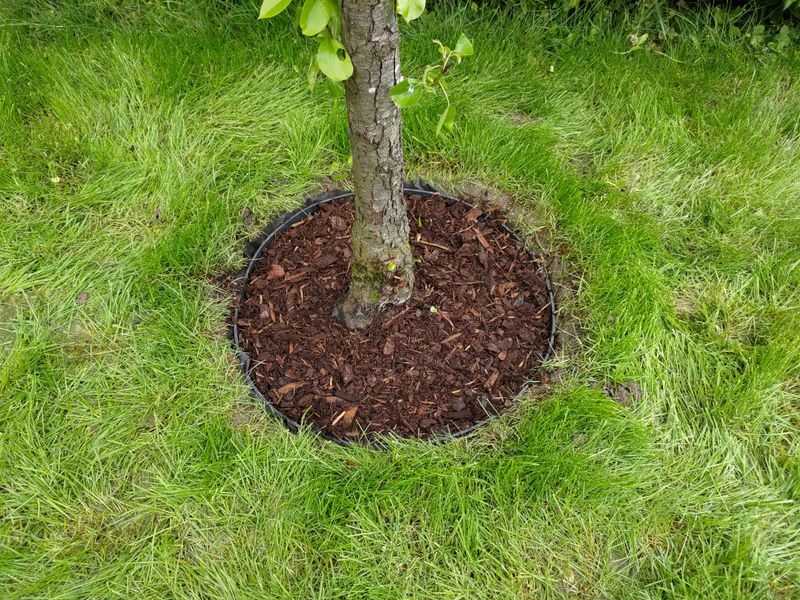
Roots breathe, even though you cannot see them doing it. Fun fact: plant roots take in oxygen from tiny air spaces in the soil.
Without enough air, roots struggle to soak up water and nutrients. Plants can start to wilt or yellow even when the ground feels moist.
A well-sized mulch layer strikes a helpful balance. It shields the soil while still letting air and rain move through freely.
On hot August afternoons, mulch keeps the ground cooler than bare dirt. During cold snaps, it slows the swings between freezing and thawing.
Moisture stays put longer, so you water less often. Weeds also have a harder time sprouting when sunlight cannot reach the seeds.
Pile it on too thick, though, and every one of those perks starts to flip. Rain gets trapped near the surface, and oxygen struggles to sink down.
Roots may even grow upward into the mulch looking for air. Shallow roots like that dry out fast during summer heat waves.
Virginia Cooperative Extension recommends 2 to 3 inches around trees and shrubs for healthier soil and roots. Flower beds with annuals and perennials do better with just 1 to 2 inches.
Want a quick way to test your beds? After a good rain, poke a finger through the mulch and feel the soil underneath.
Damp and crumbly soil means your layer is working well. Dry dirt under soggy mulch suggests the blanket has grown too heavy.
Sour, vinegar-like smells are another red flag. Thin the layer and let fresh air work its magic.
Fall Is A Useful Time To Replenish Mulch As Older Material Breaks Down
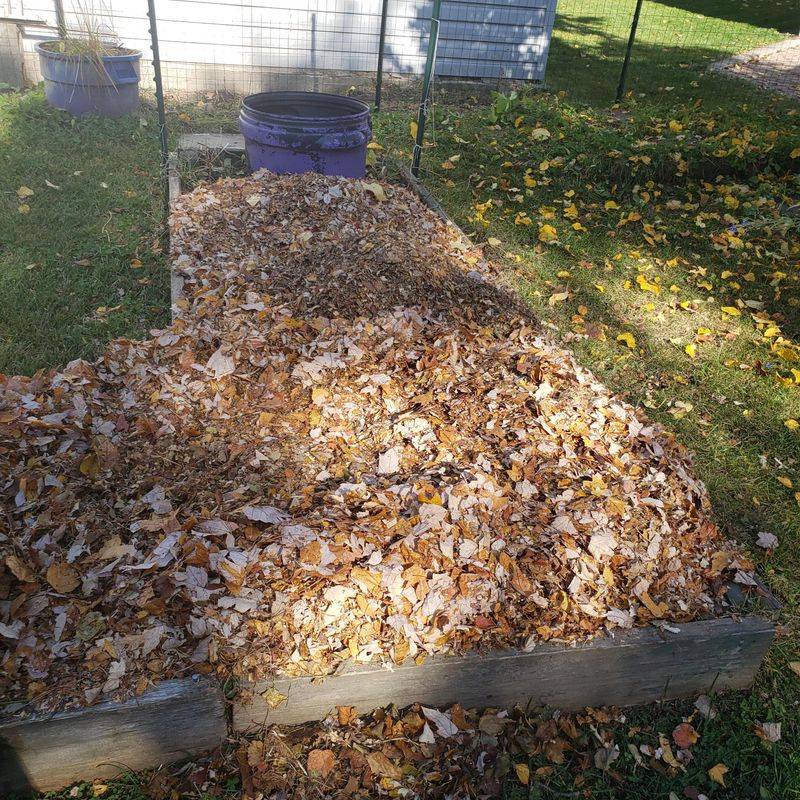
Crisp air, crunchy leaves, and pumpkin displays signal a great window for bed care. Fall gives gardeners a calm moment to top off mulch before winter.
Summer heat and rain chew through organic mulch faster than most people expect. By October, many beds have thinned below the helpful 2-inch mark.
Adding a fresh layer now brings several perks. It insulates roots from sudden freezes and softens the up-and-down temperature swings of winter.
Mulch also holds onto moisture during dry autumn stretches. Heavy winter rains are less likely to wash away bare topsoil, too.
In Virginia, a light application in October works nicely for most home landscapes. Soil is still warm then, so roots keep growing a little longer.
Notice the word light in that advice. Fall is for refreshing thin spots, not dumping a brand new pile over everything.
Measure first, then add just enough to bring each area back to 2 or 3 inches. An inch of new material is often all a bed needs.
Wait until after the first few leaf drops if possible. Otherwise, fresh mulch gets buried under a thick carpet of maple and oak leaves.
Speaking of leaves, they make wonderful free mulch once shredded. Run them over with a mower and spread the bits in a thin layer.
Whole leaves tend to mat down into a slick sheet that blocks air. Shredding them first keeps things light, fluffy, and root-friendly.
A mug of cider nearby makes the chore feel like a seasonal treat. Your beds will head into winter snug and ready.
Organic Mulch Can Gradually Improve Soil As It Decomposes
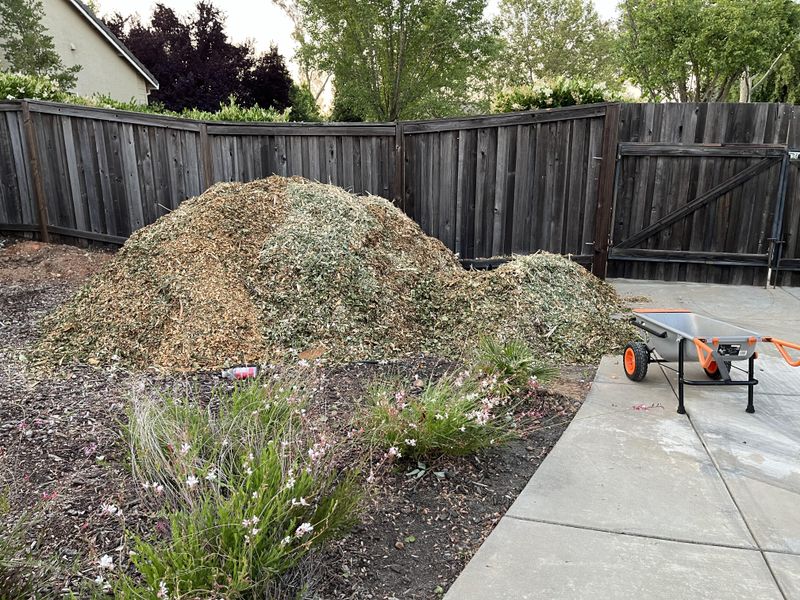
Ever wonder where your mulch goes each year? Worms, fungi, and tiny microbes slowly munch through it and turn it into rich soil.
Organic mulches include wood chips, shredded hardwood, pine bark, pine needles, and leaves. Each one came from a living plant, so each can break down naturally.
As the pieces decay, they add humus, a dark, spongy material gardeners love. Humus helps sandy soil hold water and helps clay soil drain better.
Soil structure improves too, with more tiny pockets for air. Roots can spread out easily when the ground is loose and crumbly.
Beneficial fungi also move in and team up with plant roots. They act like extra root hairs, helping plants reach water and nutrients farther away.
Rocks and rubber mulch simply cannot offer any of those benefits. They sit on top year after year without feeding the soil below.
One catch ties everything back to depth. Decay happens best in a thin, airy layer where microbes get plenty of oxygen.
Deep, soggy piles break down slowly and can turn sour. Keeping things at 2 to 3 inches lets nature do its recycling job properly.
Plenty of gardeners worry that wood mulch steals nitrogen from plants. Any borrowing mostly happens right at the surface, so established shrubs rarely notice.
Just avoid mixing fresh wood chips deep into your soil. Leave them on top, where they can slowly do their good work.
After a few seasons, pull back the mulch and peek at the soil. Darker, richer earth is proof your patience paid off.
A Thick Mulch Pile Can Hold Excessive Moisture Around Plant Crowns
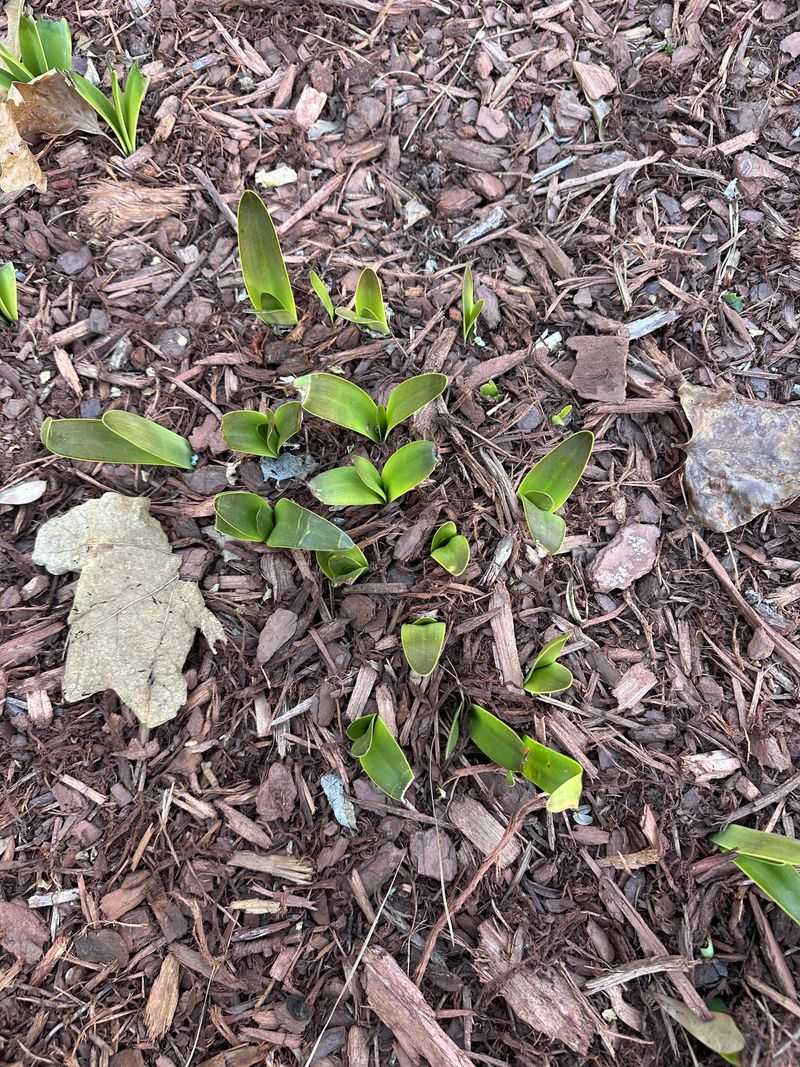
Too much of a good thing turns into trouble fast, and moisture proves it. A plant crown is the spot where stems meet roots, right at soil level.
Crowns need to dry out between rains to stay sturdy. Bury them under a heavy mulch pile, and they sit damp for days on end.
Constant wetness softens tissue and creates easy entry points for disease. Fungal problems and crown rot love exactly that kind of setup.
Humid regions like Hampton Roads face an even greater risk. Muggy coastal air already keeps plants damp, so extra mulch adds fuel to the fire.
Perennials like hostas, coneflowers, and daylilies are especially sensitive around their crowns. So are hydrangeas, roses, and many ornamental grasses.
Warning signs include mushy stems, a musty smell, or leaves that yellow from the base up. Some plants suddenly flop over even though the soil seems wet.
Slugs and snails adore dark, moist hideouts, too. A thick mulch pile gives them a cozy home right next to tender new shoots.
To protect crowns, leave a small ring of bare soil around each perennial. An inch or two of open space lets the base breathe and dry.
In low spots where water collects, go even thinner with your mulch. Coarse materials like pine bark nuggets drain faster than fine, shredded products.
Pine needles are another smart pick for soggy areas because they stay loose and airy. Checking crowns after big storms takes seconds and can save a favorite plant.
Even Coverage Matters More Than Creating A Deep Winter Blanket
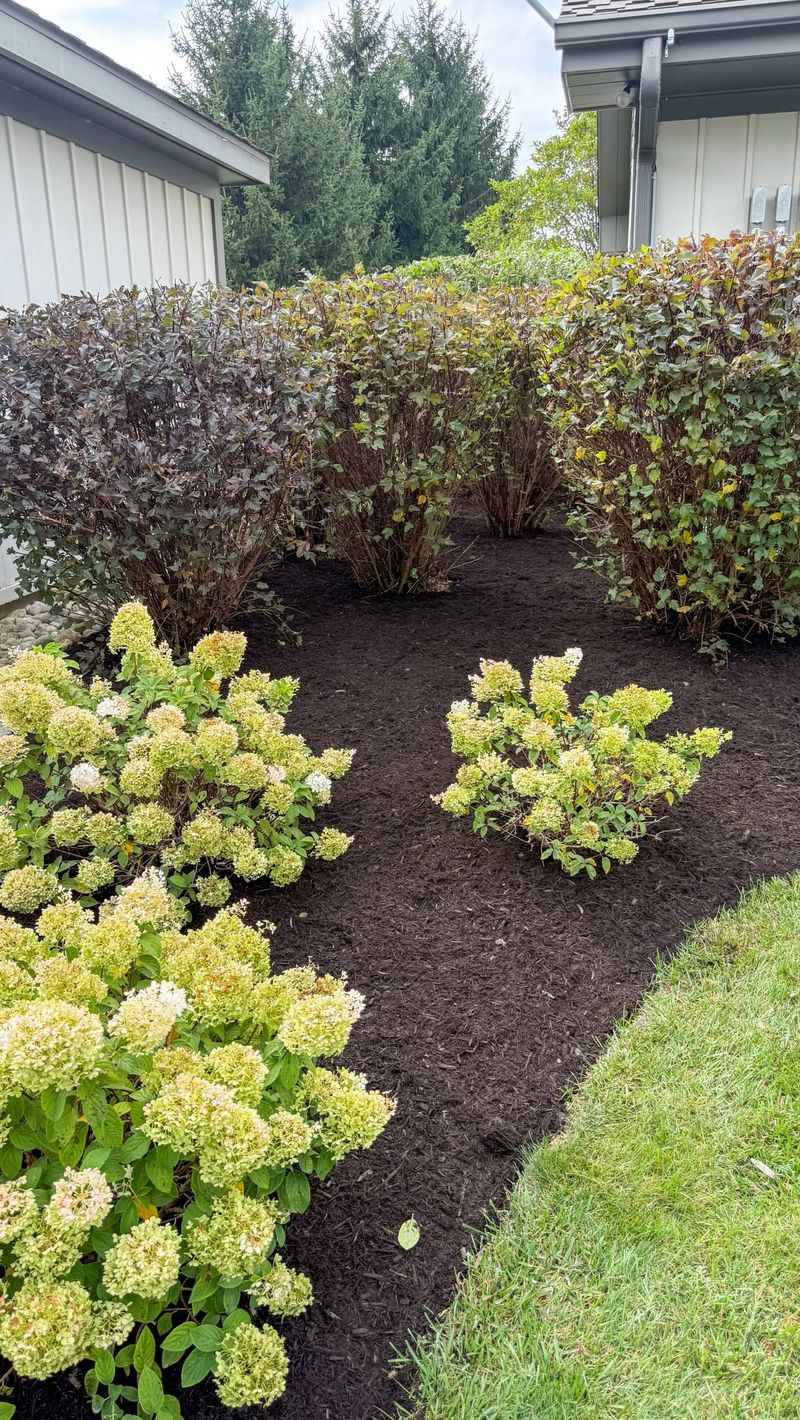
Lumpy mashed potatoes are a letdown, and lumpy mulch beds are no better. Smooth, even coverage does far more for plants than a mountain in one spot.
Many gardeners believe a thick winter blanket keeps roots extra toasty. In reality, a steady 2 to 3 inches insulates plenty for most local plants.
Super deep layers can backfire when spring arrives. Cold soil under all that material warms up slowly, which can slow new growth.
Uneven beds create their own set of headaches. Thin patches let weeds sneak through, while thick mounds trap water and starve roots of air.
Dump bags in small piles spaced around the bed rather than one giant heap. Spread each pile outward with a rake or gloved hands.
Flip the rake over and use the flat back to smooth the surface. Step back every few minutes to spot any high or low areas.
Edges deserve extra attention, since mulch loves to drift toward sidewalks and lawns. A shallow trench along the border helps hold everything in place.
Slopes need mulch that grips the ground instead of sliding. Shredded hardwood knits together nicely and resists washing downhill in heavy rain.
Winters in Virginia swing from mild spells to sharp freezes, sometimes in the same week. A uniform layer buffers those swings evenly across every root in the bed.
Treat your mulch like a smooth, snug sweater rather than a puffy parka. Your plants will greet spring rested, healthy, and ready to grow.