13 Lawn Feeding Tricks For Early Fall That Thicken It Before Winter
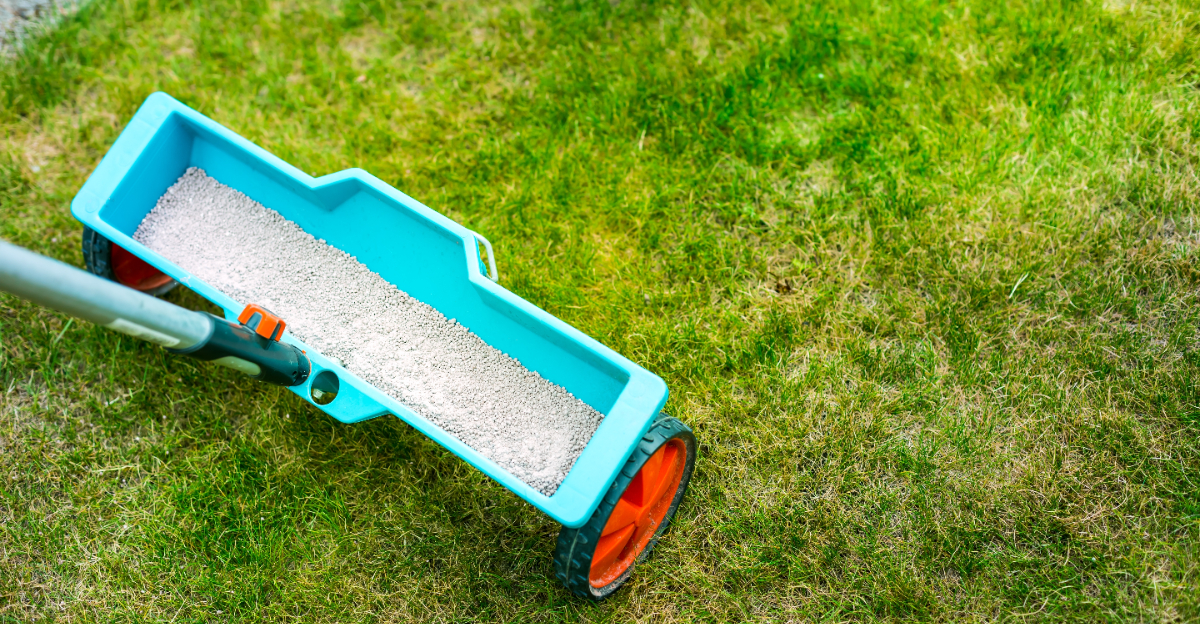
While you’re busy bagging leaves and packing away pumpkins, your grass is running its own quiet operation below the surface. Something is happening down there that most yards never get the benefit of.
Cooler days trick roots into growing deeper and storing up reserves for what’s coming. This underground work matters far more than anything happening on top of the soil.
There’s a narrow window right now, and it closes faster than most homeowners realize. Miss it, and your lawn spends winter running on empty instead of building strength.
Get this one move right, and spring hands you a yard that looks nothing like your neighbors’.
1. Nitrogen Timing Makes The Biggest Difference

Timing nitrogen applications in early fall is the single most powerful lawn feeding trick you can use. Grass plants shift into root-building mode as temperatures cool.
Feeding them nitrogen at exactly this moment supercharges that process. Apply your nitrogen fertilizer when daytime temps consistently sit between 50 and 65 degrees Fahrenheit.
That sweet spot pushes leaf growth just enough without overworking the plant. Roots get the energy boost they crave most.
Early fall nitrogen feeds the lawn without triggering the rapid top growth that summer feeding causes. Slower, steadier growth means thicker turf going into winter.
Lawn feeding tricks like this one separate average yards from showstopper lawns. Most experts recommend applying one pound of actual nitrogen per 1,000 square feet during this window.
Read your fertilizer bag label to calculate the right amount. Getting the math right matters more than most homeowners realize.
Miss this window and your grass heads into winter underfed and weak. Hit it right and your lawn practically feeds itself through spring. Nitrogen timing is the trick that changes everything.
2. Testing Soil Before Choosing A Fertilizer
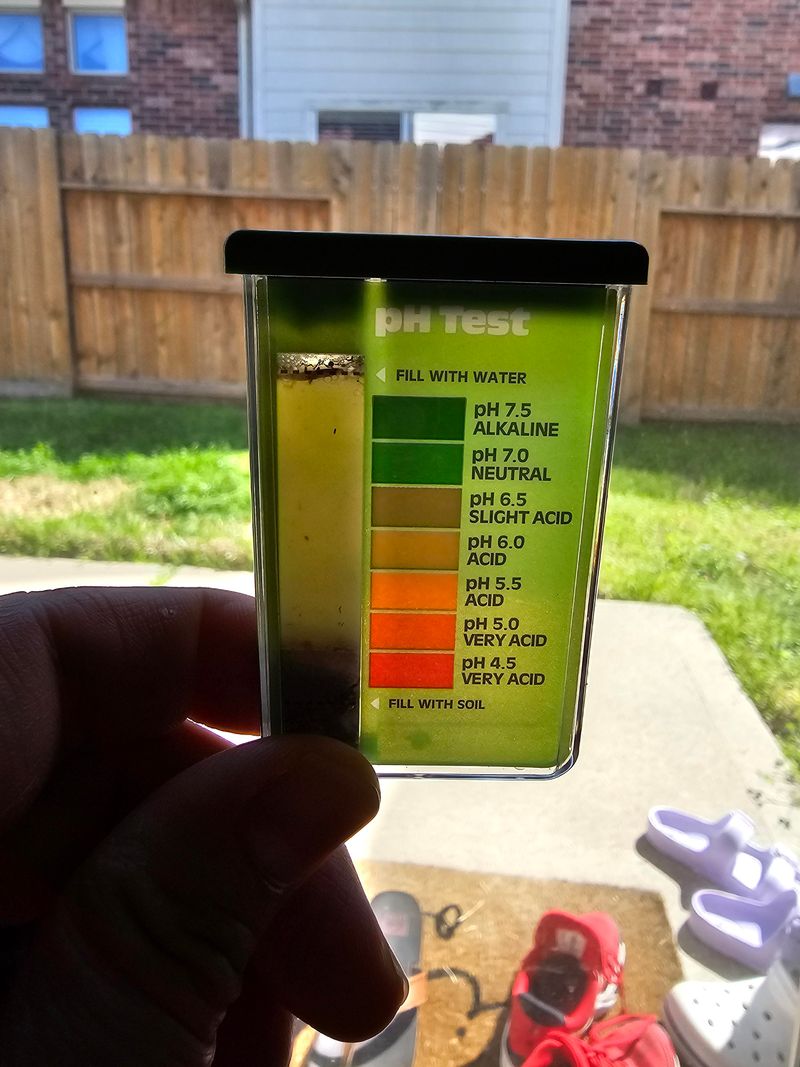
Guessing which fertilizer to buy is like ordering food without looking at the menu. Soil testing removes all the guesswork and saves you serious money.
You learn exactly what your lawn needs before spending a dime. A basic soil test measures pH, nitrogen, phosphorus, and potassium levels.
Most county extension offices offer testing kits for under fifteen dollars. Results usually arrive within two weeks, and the report tells you precisely what to add.
Grass absorbs nutrients best when soil pH sits between 6.0 and 7.0. If your pH is off, fertilizer you apply may not reach the roots as effectively. Correcting pH first makes every feeding more effective.
Acidic lawns often need lime added before fall fertilization begins. Alkaline soils may benefit from sulfur to bring pH down naturally. Neither fix is complicated, but both make a dramatic difference in lawn thickness.
Skipping this step is one of the most common lawn feeding mistakes homeowners make every year. Spending fifteen minutes on a soil test could double the impact of your entire fall feeding program. Know your soil before you feed it.
3. Aerating The Lawn Before The First Feeding
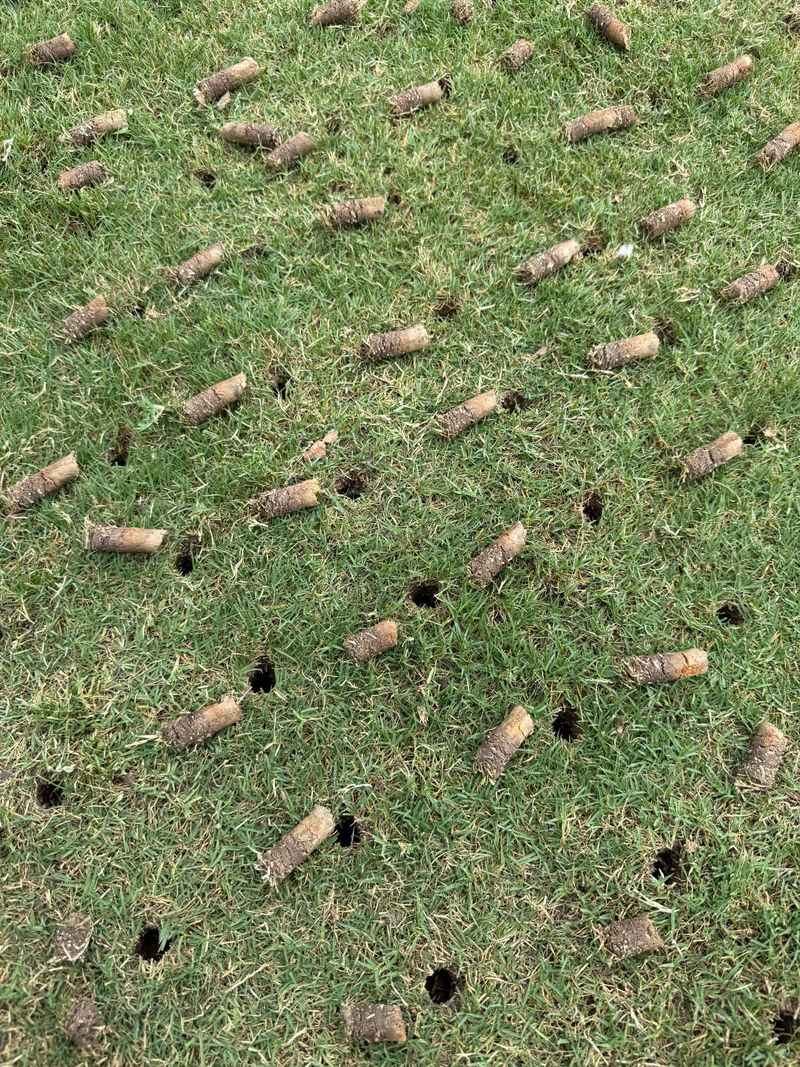
Compacted soil is basically a brick wall between your fertilizer and your grass roots. Aeration breaks through that wall before your first fall feeding. The difference in nutrient absorption is night and day.
Core aeration pulls small plugs of soil from the ground, creating channels for water, air, and nutrients to penetrate deeply. Those channels reach the root zone directly.
Fertilizer applied after aeration works far more efficiently than on untreated turf. Rent a core aerator from your local hardware store for around fifty to seventy-five dollars per day.
Push or ride it across your lawn in overlapping passes. Focus extra attention on high-traffic areas that compact fastest.
Leave the soil plugs on the lawn after aerating. They break down naturally within two to three weeks and return organic matter to the soil. No cleanup required, which is a bonus most homeowners appreciate.
Aerate when the soil is slightly moist but not soaking wet. Dry soil makes the process much harder on both the machine and the turf. Time your aeration within a few days of a light rain for best results.
4. Pairing Feeding With Overseeding For Density
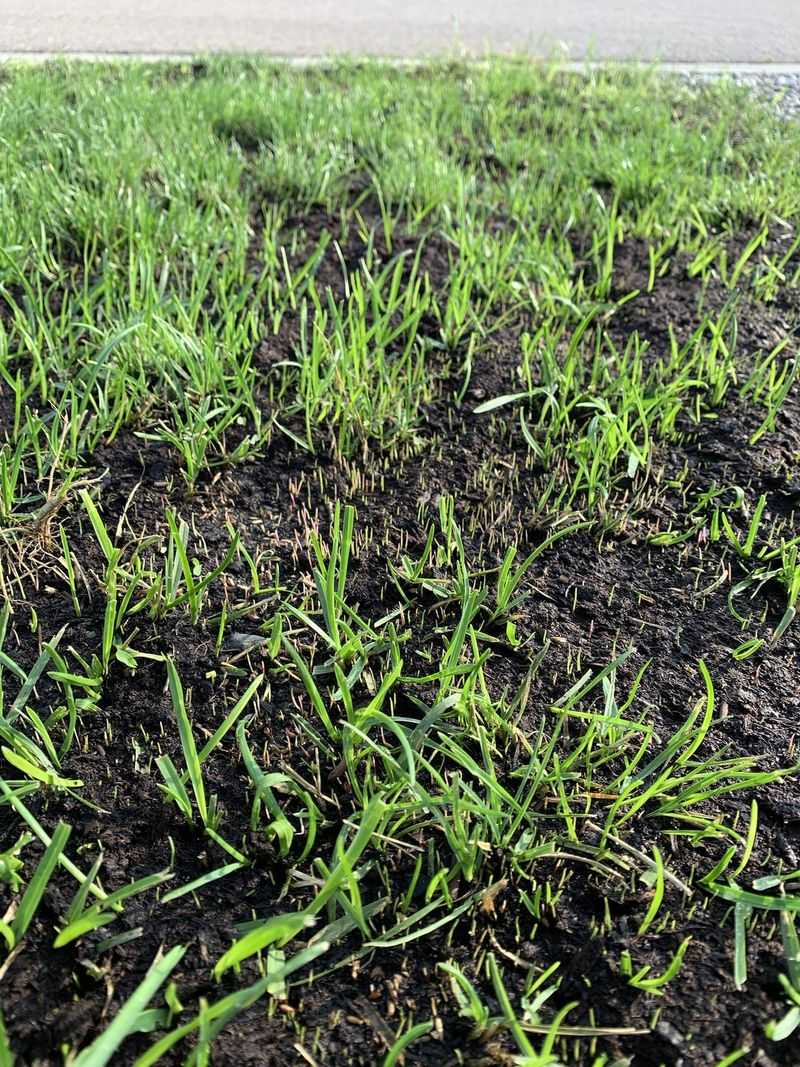
Overseeding and fertilizing together in early fall is one of the smartest combinations in lawn care. Fresh seed needs nutrients to germinate and establish quickly.
Combining both steps at the right moment creates noticeably denser turf before the first frost hits. Choose a starter fertilizer when overseeding rather than a standard lawn feed.
Starter formulas contain higher phosphorus levels that support root development in new seedlings. New grass plants need that extra root fuel more than anything else.
Spread seed first, then apply your starter fertilizer right on top. The fertilizer settles into the same soil channels as the seed. Both reach the root zone together, which accelerates establishment significantly.
Water lightly but consistently after overseeding until germination occurs. Most cool-season grasses sprout within seven to fourteen days under the right conditions.
Keeping the seedbed moist is the most critical job during this window. Thin or patchy spots fill in fast when overseeding pairs with proper feeding.
You will notice new grass blades emerging in areas that looked bare for years. A thicker lawn going into winter means fewer bare patches surviving until spring.
5. Choosing Slow Release Over Quick Release Formulas
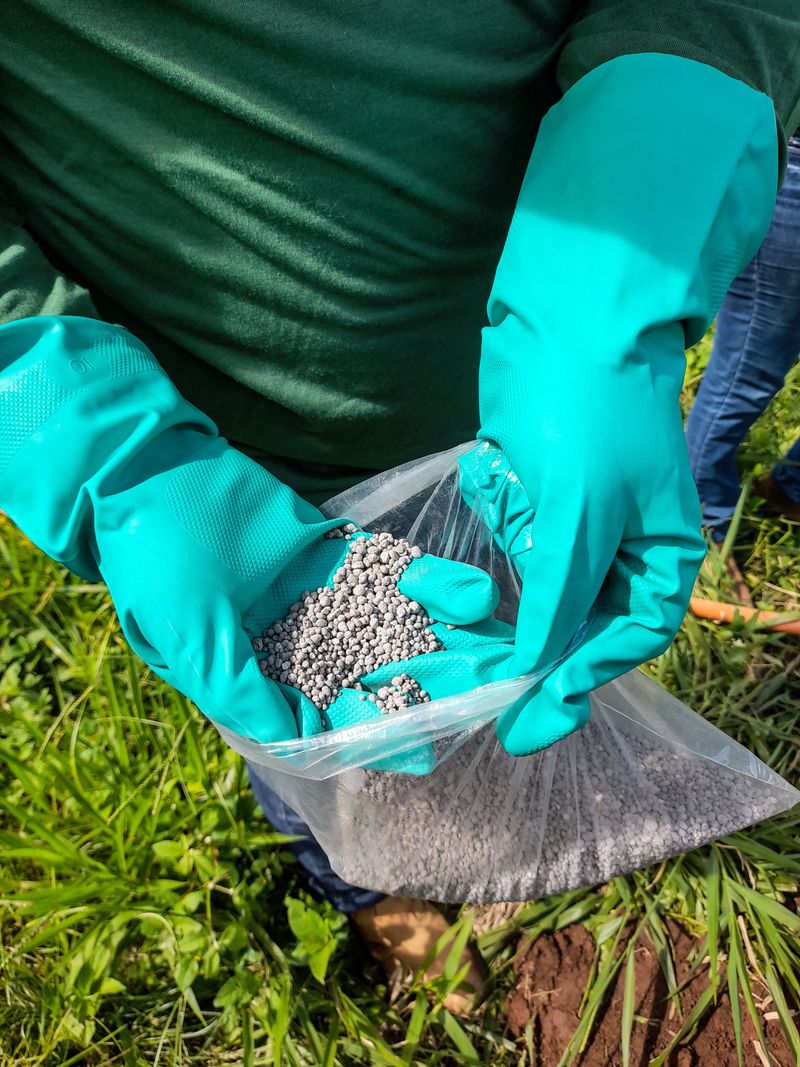
Quick-release fertilizers are the fast food of lawn care. They deliver a burst of nutrients fast but fade just as quickly. Slow-release formulas feed your lawn steadily over weeks, which is exactly what fall turf needs.
Slow-release nitrogen breaks down gradually through soil microbial activity or water exposure. Grass absorbs nutrients at a pace it can actually use.
No feast-and-famine cycle means more consistent growth and better root development. Look for fertilizers with polymer-coated or sulfur-coated urea on the label.
These coatings control how fast nitrogen releases into the soil. They cost a little more upfront but stretch your feeding dollars much further.
Quick-release products applied in fall can trigger a flush of soft, weak top growth. That tender new growth is vulnerable to frost damage before it hardens off.
Slow-release avoids that problem entirely by keeping growth measured and steady. Many lawn care professionals consider slow-release formulas the backbone of any serious fall feeding program.
Paired with proper timing and soil preparation, they build the kind of turf thickness that survives winter with ease. Choosing the right formula is a decision your lawn will thank you for come spring.
6. Adding Potassium For Root And Cold Strength
Potassium is the unsung hero of fall lawn feeding. Most homeowners focus entirely on nitrogen and forget this critical mineral.
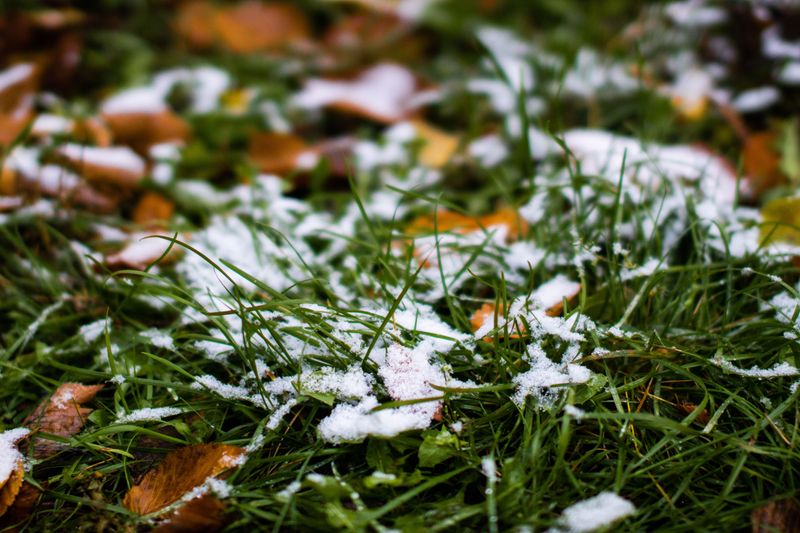
Potassium builds tougher cell walls in grass plants, helping them withstand cold stress far better. Strong cell walls mean grass blades resist freezing temperatures without breaking down as fast.
Roots also harden properly when potassium levels are adequate. A well-fed lawn with good potassium enters winter with a clear survival advantage.
Look for fertilizers with a higher third number on the bag, such as 24-0-12. That last number represents potassium content.
Boosting it in fall is one of the most effective lawn feeding tricks for cold-climate homeowners. Potassium also improves drought resistance and disease tolerance in turf grass.
Lawns with adequate potassium recover from foot traffic and stress faster than those without. It is a nutrient that works quietly in the background but delivers big results.
Apply potassium as part of a balanced fall fertilizer blend rather than as a standalone product. Pairing it with nitrogen gives you growth support and structural strength at the same time.
Think of potassium as the winter coat your lawn puts on before the temperature drops.
7. Skipping Iron Only Products This Time Of Year
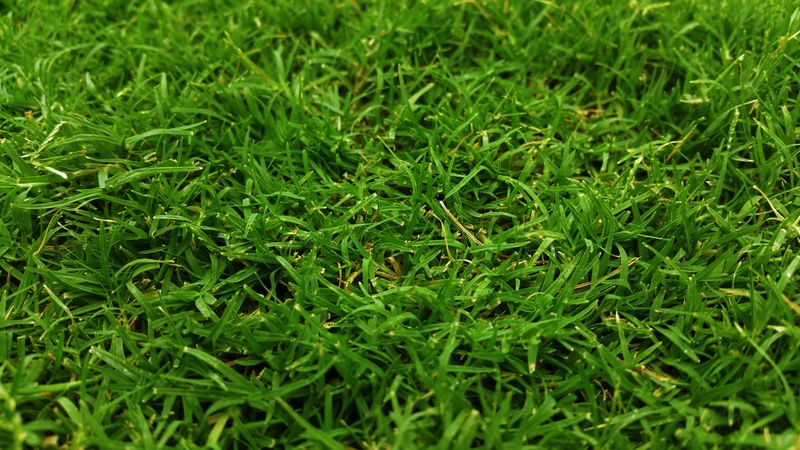
Iron makes grass look deep green fast, and that flash of color is tempting in early fall. However, iron-only products do almost nothing to build turf density or root strength.
They are a cosmetic fix when your lawn needs real nutrition. Iron supplements work best in spring or summer when grass is actively pushing new blades.
In fall, the lawn is shifting its energy underground toward roots. Feeding iron at this stage sends nutrients where the plant cannot use them efficiently.
A lush green color from iron can also mask real nutritional deficiencies hiding beneath the surface. Your lawn looks great on the outside but remains underfed where it counts most.
That is not a trade worth making heading into winter. Save iron applications for situations where soil pH is already corrected and nitrogen is adequate.
Using iron as a supplement in those conditions makes sense. Using it as a primary fall feeding product does not.
Spend your fall fertilizer budget on products that deliver nitrogen, potassium, and phosphorus in balanced amounts. Those nutrients build real density and winter resilience.
Iron is a great supporting player but a poor star of your fall lawn feeding strategy.
8. Adjusting Mowing Height Alongside Feeding
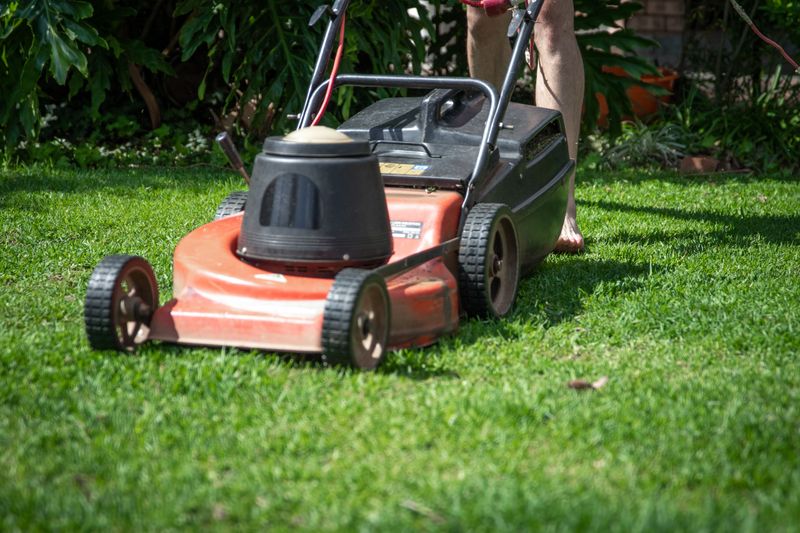
Mowing height and fertilization work as a team in early fall. Most homeowners feed their lawn but forget to raise the mower deck at the same time.
That single adjustment can dramatically improve how well your grass responds to nutrients. Raise your mowing height by about half an inch compared to your summer setting.
Taller grass blades capture more sunlight for photosynthesis. More photosynthesis means more energy produced and sent down to the roots where fall growth happens.
Avoid removing more than one-third of the blade length in a single mowing session. Cutting too much at once stresses the plant and slows the root-building response you are trying to encourage.
Keep mowing consistent and gentle throughout fall. Taller grass also shades the soil, which helps retain moisture after fertilizer applications.
Moist soil activates slow-release granules faster and keeps nutrients available longer. The mowing and feeding connection is tighter than most people ever realize.
As temperatures drop in late fall, gradually lower your mowing height back down for the final cut of the season. That final trim helps prevent snow mold from developing over winter.
Adjusting your mower alongside your feeding schedule is a simple habit that pays off big.
9. Watering Thoroughly After Every Application
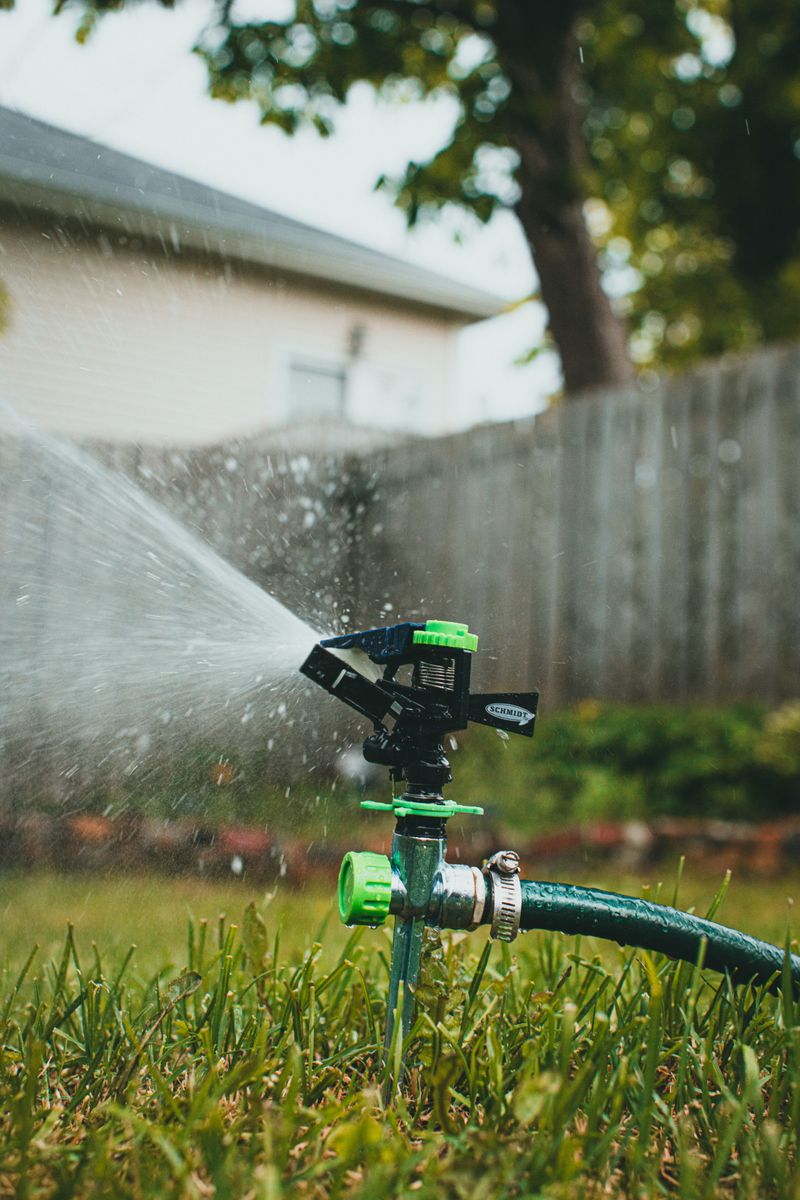
Fertilizer sitting on dry grass is like a gift left unopened. Water activates granular fertilizer and carries nutrients down into the root zone. Skipping this step wastes both your time and your money.
Water your lawn within 24 to 48 hours after every fertilizer application. Apply enough water to push the granules off the blades and into the soil.
About a quarter to half an inch of water is usually sufficient for most granular products. Avoid watering so heavily that you create runoff across your driveway or into storm drains.
Nutrient runoff is wasteful and can harm nearby waterways. Water slowly and evenly to maximize absorption and minimize waste.
Early morning watering is the best option after a fall feeding. Cooler morning temperatures reduce evaporation, so more water reaches the root zone.
Evening watering can leave moisture sitting on blades overnight, which increases disease risk. Rainfall can substitute for manual watering if at least a quarter inch is expected within 48 hours of application.
Check your forecast before you spread fertilizer to time applications smartly. Watering correctly after every lawn feeding trick you apply is the step that ties everything together.
10. Spacing Applications Four To Six Weeks Apart

Piling on fertilizer all at once is one of the fastest ways to burn your lawn. Spacing applications four to six weeks apart gives grass time to absorb and use each feeding fully.
Patience here pays off in serious turf thickness. Most cool-season lawns benefit from two to three fall feedings spaced evenly across the season.
The first application in early fall jumpstarts root growth. The second and third applications sustain that momentum as temperatures continue to drop.
Mark your application dates on a calendar before you even buy your fertilizer. Having a schedule prevents the common mistake of either feeding too often or forgetting entirely.
Consistency is the quiet engine behind every great fall lawn. Feeding too frequently can push excess nitrogen into the grass faster than it can process.
That surplus leads to weak, floppy growth that is more vulnerable to frost. Spacing lets the lawn breathe and respond at its own natural pace.
Follow the label directions on your specific fertilizer product for spacing guidance. Some slow-release formulas last eight weeks or more, reducing how often you need to apply.
A well-spaced fall lawn feeding schedule is one of the most underrated tricks for building winter-ready turf.
11. Matching Fertilizer Ratios To Grass Type
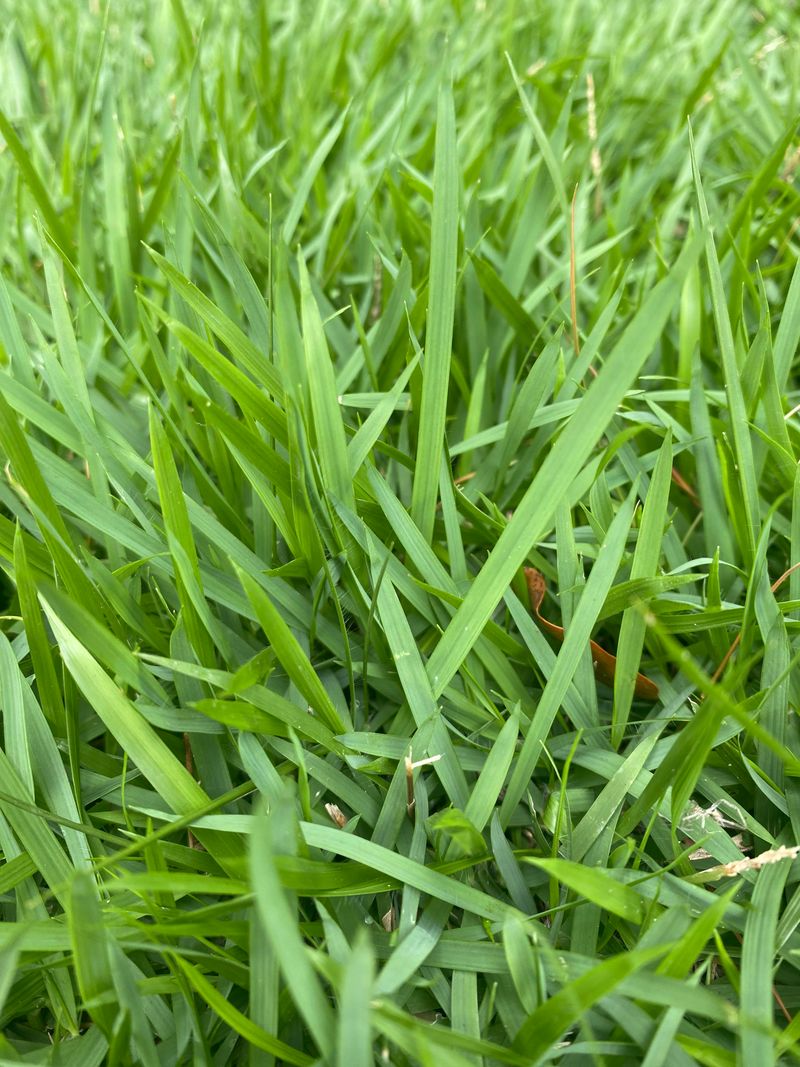
Matching your fertilizer ratio to your specific grass type changes everything. Cool-season grasses like fescue, bluegrass, and ryegrass have very different nutritional needs than warm-season types like bermuda or zoysia.
A product like 32-0-10 works well for these varieties during September and October. Feeding them now is like catching a wave at exactly the right moment.
Warm-season grasses, on the other hand, are beginning to slow down as fall arrives. Heavy nitrogen at this stage can actually harm them by pushing growth right before dormancy.
A lighter formula with more potassium suits warm-season turf far better in early fall. Check your grass type if you are unsure by contacting your local cooperative extension office.
They can identify your turf and recommend the best fall fertilizer ratios for your specific region. Getting this detail right separates good lawn care from great lawn care.
Lawn feeding tricks only work when the right nutrients meet the right grass at the right time. Mismatching your fertilizer to your turf type is like wearing a winter coat in summer. Know your grass, then feed it accordingly.
12. Avoiding Heavy Nitrogen Too Close To Frost
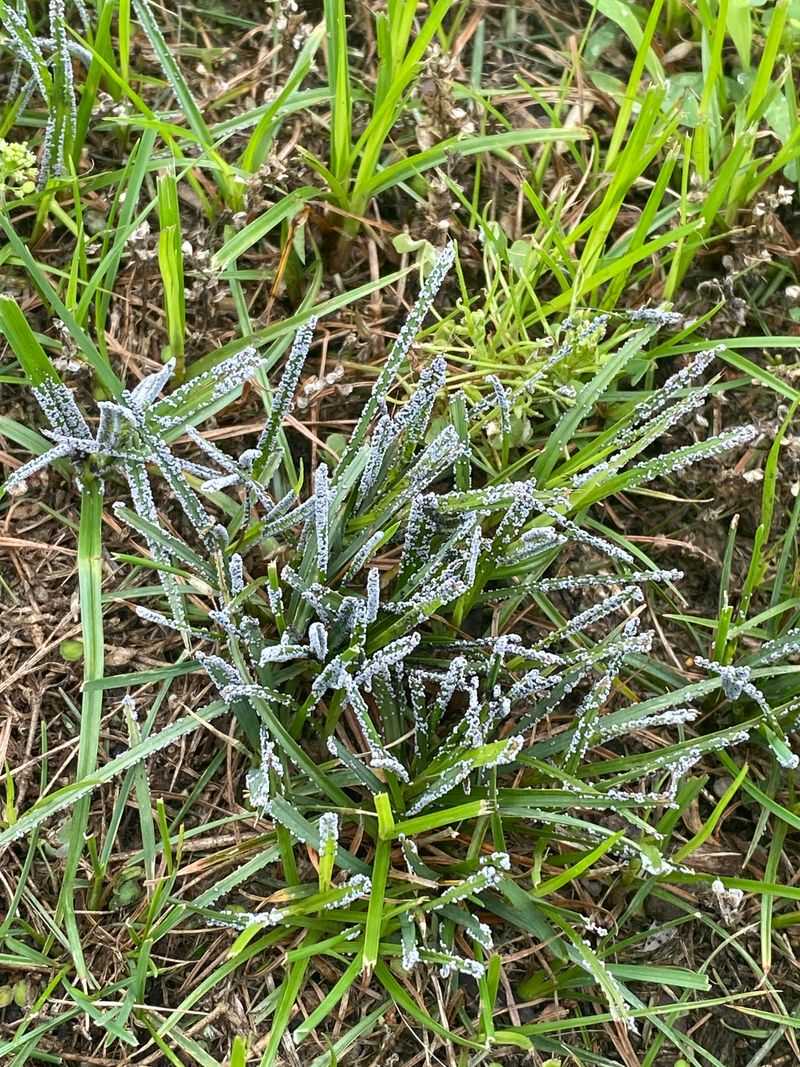
Heavy nitrogen applications close to your first frost date are a recipe for trouble. Grass pushed into rapid top growth right before freezing temperatures hits faces serious cold stress.
That tender new growth has no time to harden before winter arrives. Check your average first frost date for your area before planning late-season feedings.
The Old Farmer’s Almanac and local extension offices both provide this information for free. Plan your last nitrogen-heavy application at least six weeks before that date.
Soft, lush growth produced by late nitrogen is the most frost-vulnerable part of your lawn. Blades that grow fast and stay tender cannot handle the cellular stress of freezing.
They turn brown and mushy far faster than properly hardened turf. Shifting to a low-nitrogen, high-potassium formula in late fall is a much smarter strategy.
Products labeled as winterizer formulas are specifically designed for this transition period. They feed the lawn without triggering the growth surge that becomes a liability near frost.
Think of your lawn like an athlete tapering before a big event. Pulling back on nitrogen at the right moment lets the grass channel its remaining energy into root storage.
Avoiding heavy nitrogen close to frost is one of the most protective lawn feeding tricks in the entire fall playbook.
13. Applying A Final Winterizer Feeding In Late Fall
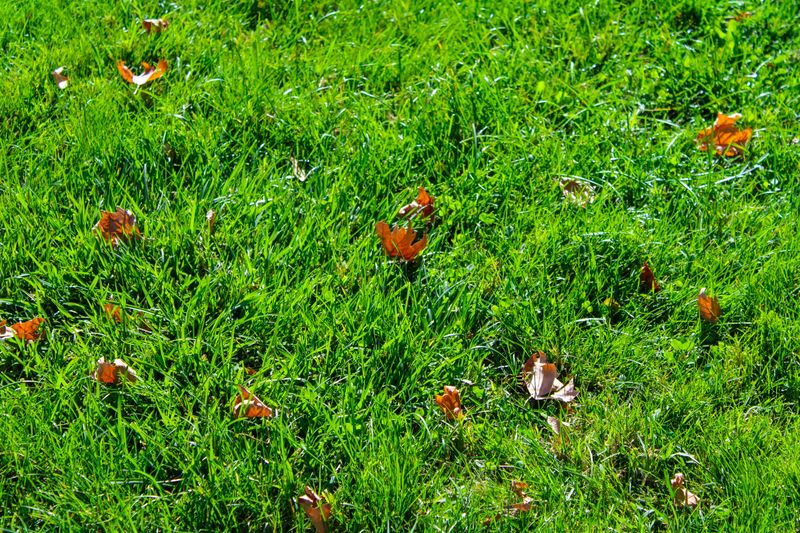
The final feeding of the season is the one most homeowners skip, and it is the one that matters most for spring results. A late fall winterizer application feeds the roots even after the grass blades stop growing visibly.
The lawn stores those nutrients underground all winter long. Apply winterizer fertilizer when the grass has stopped growing but the ground has not yet frozen solid.
In most regions, that window falls somewhere between late October and mid-November. Timing this correctly is the final piece of your fall lawn feeding strategy.
Winterizer products typically carry a low nitrogen number and a high potassium number on the label. That ratio supports root energy storage without triggering any new top growth.
The lawn quietly banks nutrition for a powerful spring green-up. Homeowners who apply a proper winterizer consistently report earlier, thicker spring growth than those who skip this step.
The grass wakes up from dormancy with fuel already in the tank. Spring green-up happens faster and more evenly across the entire lawn.
These lawn feeding tricks, from nitrogen timing to this final winterizer application, build a lawn that winters well and springs back stronger.
Stick to the schedule, match your products to your grass type, and your yard will reward you. That lush spring lawn starts with what you do right now.