Can California Cities Fine You For Letting Your Lawn Go Brown In A Drought?
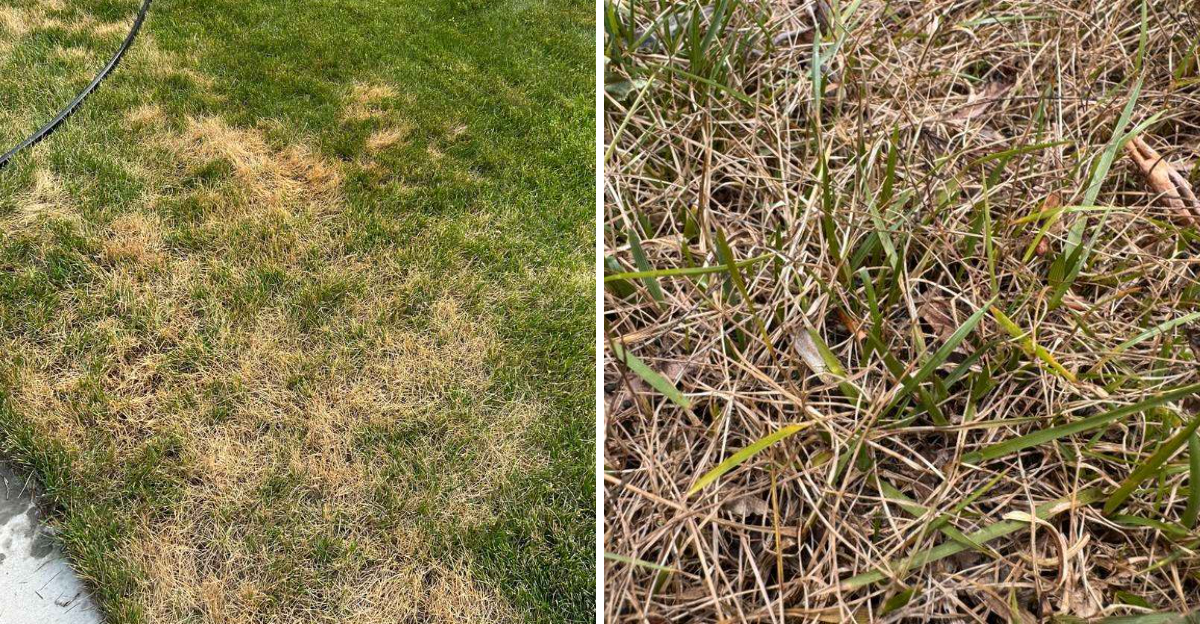
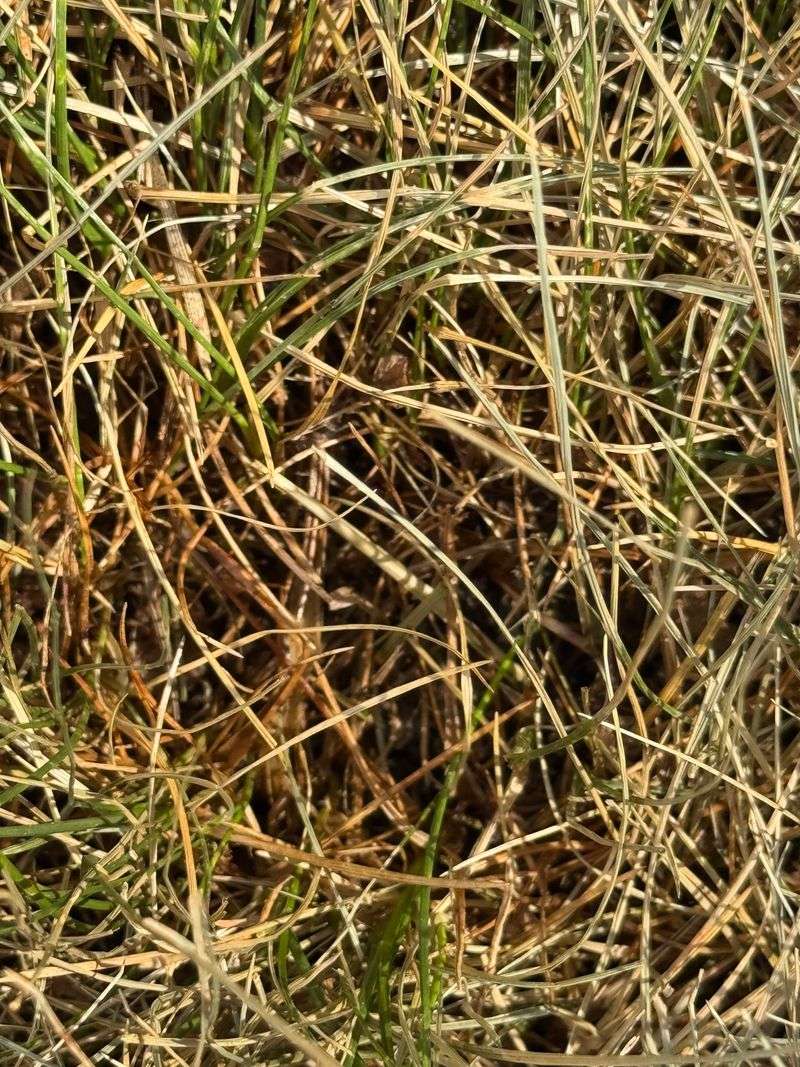
A brown California lawn can look like a code violation even when the homeowner stopped watering to conserve water.
The legal answer depends on something more specific than dry weather.
California Government Code Section 8627.7 bars a city, county, or city and county from imposing a fine under an ordinance for failing to water a lawn or for having a brown lawn during a Governor-declared state of emergency based on drought conditions.
That protection does not automatically apply every time reservoirs drop or a local forecast turns dry.
So can a city fine you right now?
The answer depends on the emergency status and the ordinance cited. California’s remaining drought emergency counties were removed from drought emergency status on March 24, 2026.
Separate local rules covering weeds, fire hazards, debris, water waste, and other property conditions can still matter.
A brown lawn alone and a neglected property are not the same legal issue.
Read the notice, identify the cited rule, and verify the current emergency status before paying anything.
1. Start With What California Law Actually Protects
California law gives brown lawns a specific protection, but only during the type of emergency named in Government Code Section 8627.7.
The statute says that during a period when the Governor has proclaimed a state of emergency based on drought conditions, a city, county, or city and county may not impose a fine under an ordinance for failure to water a lawn or for having a brown lawn.
That wording matters.
The protection does not depend on how dry the yard looks, how serious the drought feels, or how much conservation a homeowner personally believes is necessary. The trigger is the Governor’s drought emergency proclamation.
The law also focuses on the reason for the fine.
Section 8627.7 says its bar applies to a fine under any ordinance when the fine is for failure to water a lawn or for having a brown lawn during the covered emergency period. Other conditions on the property can still create separate legal issues.
Tall weeds, accumulated rubbish, blocked access, or fire hazards may be governed by other applicable local or state rules.
Read the citation carefully and find the ordinance number.
The headline on the notice may sound broad, but the cited code section tells you what the agency says is wrong.
That distinction determines which California protection matters and which local rule needs a closer look.
2. Check Whether A Drought Emergency Is Active
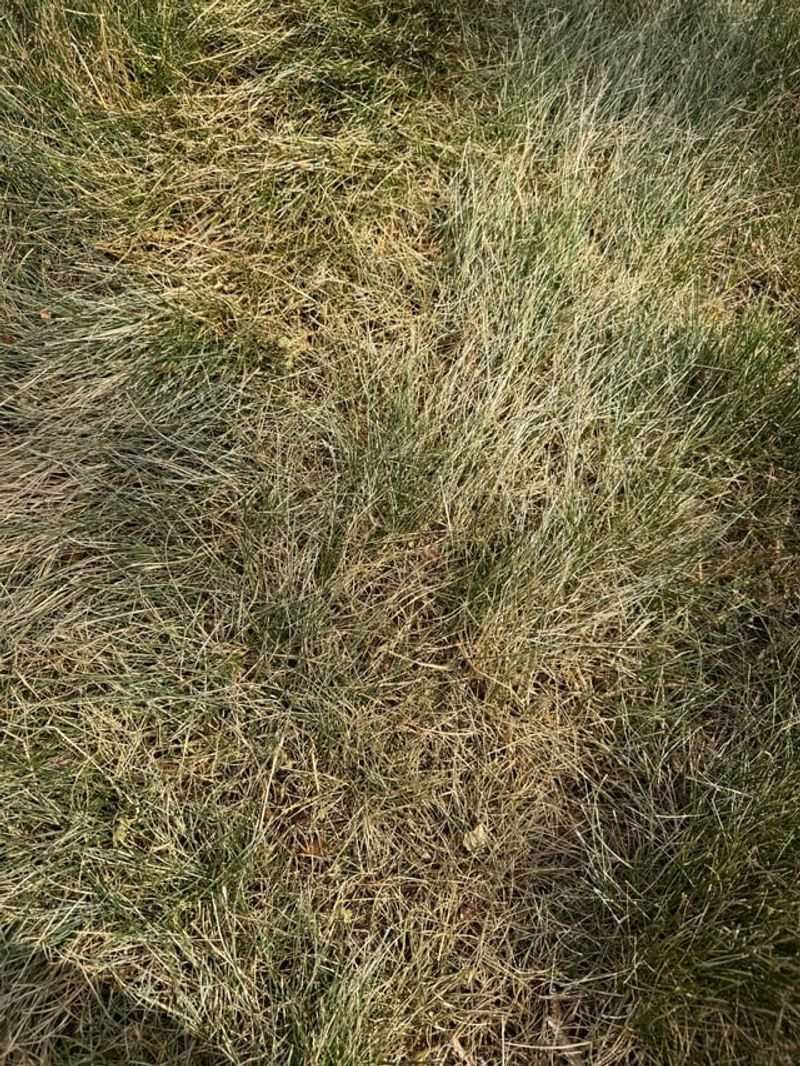
California’s drought-emergency status changed significantly in 2026, so older articles can give readers the wrong answer.
On March 24, 2026, Governor Gavin Newsom terminated the remaining county drought states of emergency.
The Governor’s announcement says the counties still covered by the prior drought emergency were removed because those emergency proclamations were no longer needed for response and recovery.
That matters directly for Government Code Section 8627.7.
Once the qualifying Governor-declared drought emergency ends, that statute’s special ban on local brown-lawn fines is no longer triggered by that former emergency.
A later drought proclamation could activate the statutory protection again for an area covered by the new proclamation.
Your California Garden Changes Every Week. Your Plan Should Too.
Gardening in California changes quickly throughout the season. Every Friday you’ll receive a simple weekly plan showing exactly what to plant, prune, fertilize, harvest, and protect so you never miss the right timing.
The latest Cal OES open-emergency list retrieved for this review, dated June 20, 2026, listed several fire, storm, and hazardous-material emergencies but no drought state of emergency.
Emergency status can change after an article is published.
Before relying on Section 8627.7, check the Governor’s current emergency proclamations or the Cal OES emergency-proclamation page.
A drought map, low-reservoir report, dry weather advisory, or voluntary conservation request is not itself the Governor-declared drought state of emergency that Section 8627.7 specifies.
The calendar is not the legal trigger.
The proclamation is.
That distinction decides when California’s statewide brown-lawn fine protection is actually in force.
3. Separate Brown Grass From Water Waste
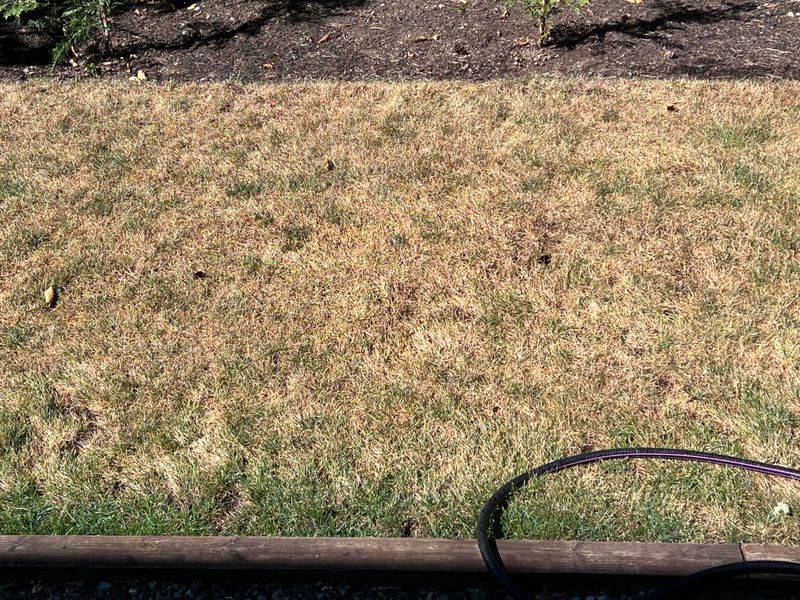
A brown lawn and a water-use violation can sit on opposite sides of the same front yard.
Government Code Section 8627.7 addresses fines for failing to water a lawn or for having brown turf during a qualifying drought emergency. It does not create permission to violate separate rules governing water use.
Local water suppliers and local governments may have conservation requirements that apply within their service areas.
The State Water Board specifically advises Californians to check local agencies because local water suppliers may impose restrictions beyond statewide requirements.
California’s conservation regulations have also changed over time, making current official guidance much more useful than a watering schedule remembered from an earlier drought.
That creates an important contrast.
A homeowner who stops irrigation and lets turf go dormant may have no water-use violation based merely on the brown color.
Another homeowner can maintain green turf while violating a current local restriction through the way irrigation is operated.
The lawn color does not answer the water-use question.
Check the water supplier listed on the utility bill and read its current restrictions directly. Then compare those rules with the ordinance or regulation named in any notice.
Do not rely on a drought schedule saved from several summers ago.
California’s water-conservation framework and local restrictions can change.
Brown grass may be the visible part of the yard, but the actual citation could concern how water was used rather than how the lawn looks.
4. Know When Local Maintenance Rules Still Apply
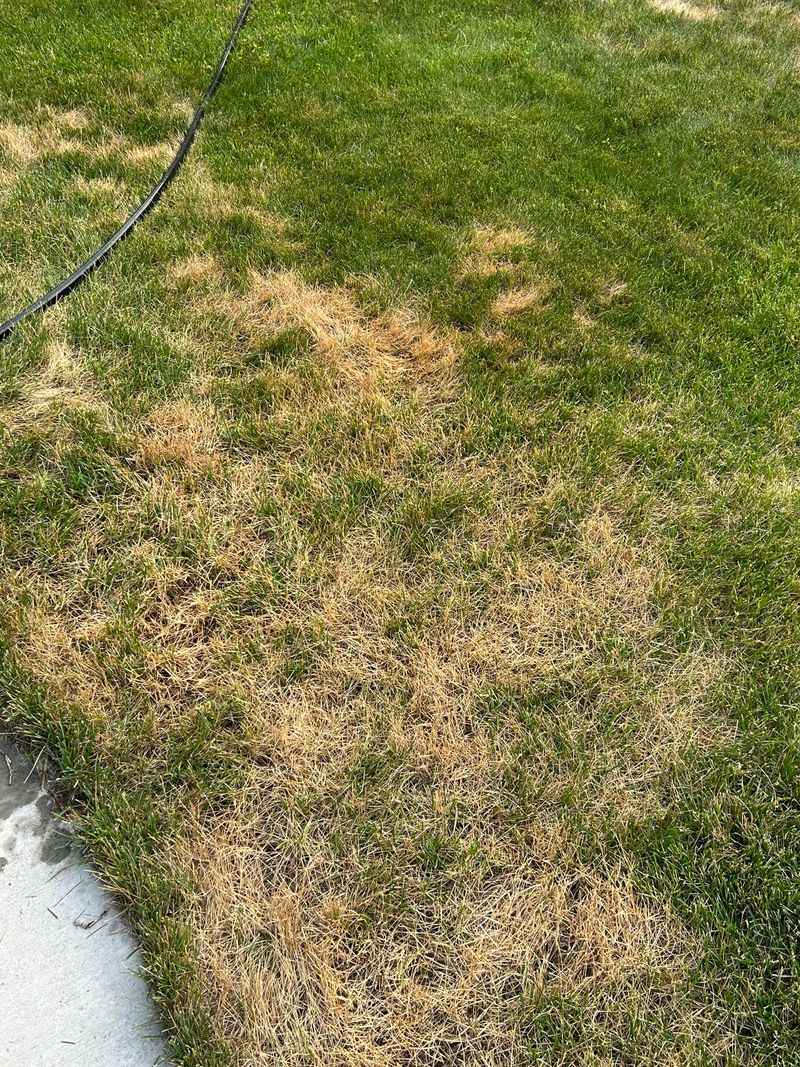
Section 8627.7 does not erase the rest of a city or county’s property rules.
A local agency may still enforce an otherwise valid ordinance aimed at a condition different from the lawn’s brown color or the homeowner’s decision not to irrigate. The exact authority depends on the ordinance and facts involved.
That is why the citation language matters so much.
A notice based on excessive weeds, accumulated debris, an obstruction, unsafe vegetation, or another regulated condition raises a different legal question from a notice imposing a fine because grass turned brown.
During a qualifying Governor-declared drought emergency, Section 8627.7 says a city, county, or city and county cannot impose a fine under an ordinance for failure to water a lawn or for having a brown lawn.
It does not say every exterior-maintenance ordinance becomes unenforceable.
Outside that emergency period, the protection from the ended drought proclamation is no longer the starting point.
Ask the issuing agency for the exact ordinance section and the particular condition it wants corrected.
Get that explanation in writing where practical.
A notice labeled broadly as “landscape maintenance” may involve a more specific requirement, and guessing at the issue can lead to unnecessary irrigation or an unnecessary payment.
The safest response starts with the text of the cited ordinance.
A dormant lawn can still be short, tidy, and maintained.
Its brown color should not automatically be confused with every other condition that a local property code may regulate.
5. Treat Weeds And Fire Hazards As A Different Issue
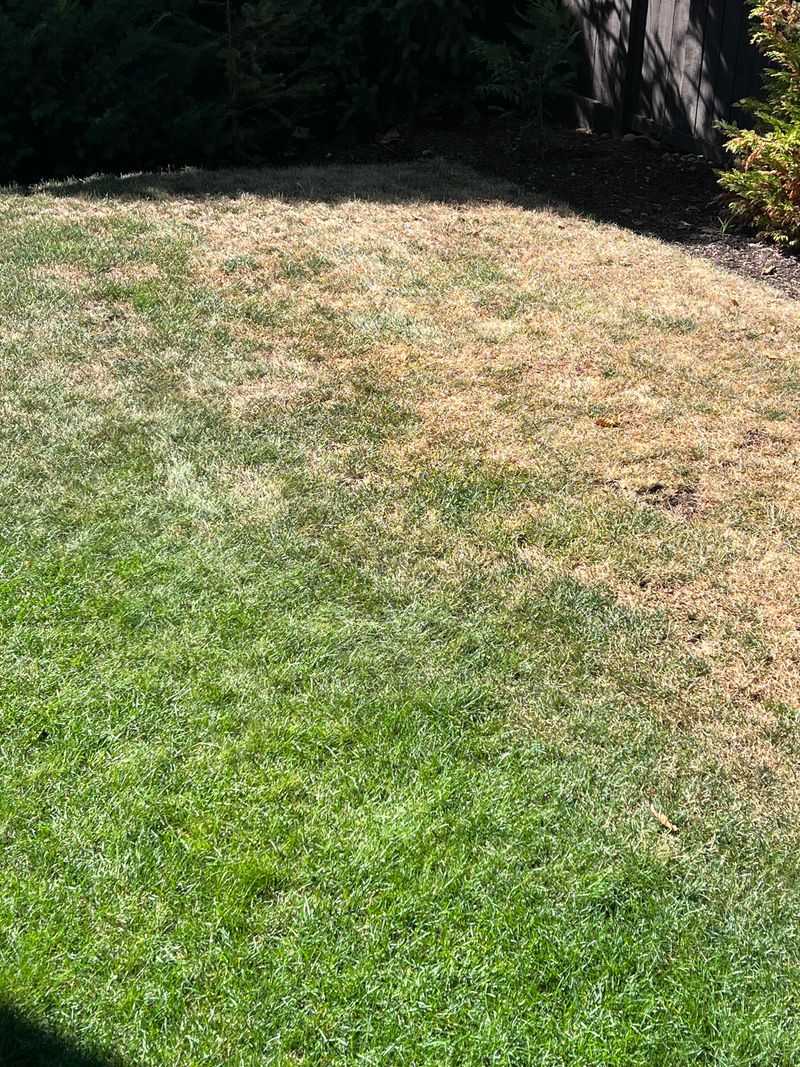
Dry grass and a wildfire hazard are not automatically the same thing.
California’s statewide defensible-space statutes apply to specified wildfire-risk properties rather than every residential lawn throughout the state.
Public Resources Code Section 4291 applies to a person who owns, leases, controls, operates, or maintains a building or structure in the State Responsibility Area.
Government Code Section 51182 contains related requirements for occupied dwellings or structures within locally designated very high fire hazard severity zones.
Both laws address defensible space and fuel management around structures.
That makes the location and designation of the property important.
A short dormant lawn presents a different condition from tall dry weeds, brush, dead vegetation, or other combustible fuels.
Local fire authorities may also have applicable vegetation-management rules, and state law allows certain local defensible-space requirements.
Do not assume a brown-lawn protection defeats a fire-safety notice.
An order based on defensible-space or combustible-fuel requirements is not the same thing as a fine imposed for having brown turf.
Check the fire-hazard designation for the property and read the authority named in the notice.
California’s wildfire statutes contain much more detail than lawn color alone.
Water conservation and fire safety can coexist.
Maintaining required defensible space and controlling hazardous vegetation can address wildfire concerns without irrigating a lawn solely to make the turf green again.
6. Do Not Confuse City Rules With HOA Rules
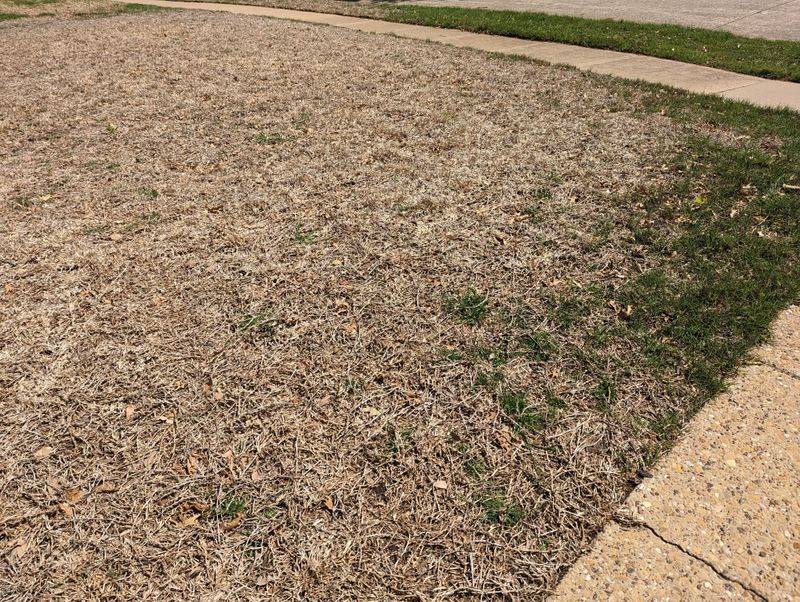
An HOA notice operates under a different legal framework from a city code-enforcement citation.
California Civil Code Section 4735 contains two important protections that should not be mixed together.
First, certain HOA governing provisions are void and unenforceable when they prohibit low-water plants as a group or as replacements for existing turf, prohibit artificial turf, or interfere with specified water-efficient landscape ordinances and water-use restrictions.
Second, subdivision (c) specifically addresses watering during drought emergencies.
An HOA generally may not impose a fine or assessment on an owner for reducing or eliminating the watering of vegetation or lawns during a Governor-declared drought state of emergency or a local-government drought emergency.
The statute contains an exception concerning owners who already receive recycled water for landscape irrigation and fail to use it.
That local-emergency language differs from Government Code Section 8627.7.
Section 8627.7’s city-and-county protection is tied to a Governor-declared drought emergency.
Civil Code Section 4735 expressly recognizes both a Governor-declared drought emergency and a qualifying local-government drought emergency for its HOA watering protection.
HOAs may still apply landscaping rules that conform to Section 4735.
A homeowner should therefore read the governing documents alongside the current statute rather than assuming every HOA landscaping rule disappeared.
The sender of the notice matters.
City hall and the HOA may be looking at the same lawn under different California laws.
7. Document The Notice Before You Respond
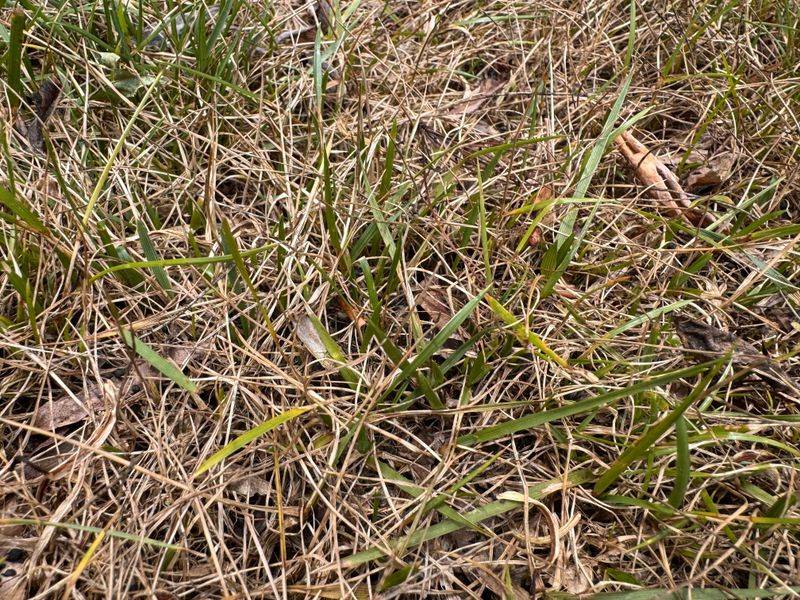
A good record can turn a confusing brown-lawn notice into a much simpler problem.
Photograph the lawn and the surrounding property before changing anything. Capture grass height, weeds, sidewalks, driveway edges, irrigation equipment, and every area specifically identified in the notice.
Save the original notice and record when it arrived.
Then locate the exact ordinance, HOA provision, regulation, or other authority cited.
Follow every stated response, hearing, or appeal deadline. A missed procedural deadline can limit the ways a citation is challenged under the rules governing that particular notice.
Keep useful water records too.
Smart-controller history, utility records, photographs showing irrigation turned off, or written conservation instructions from the water supplier can help establish the timeline.
Those records do not automatically make a citation invalid.
They show what actually happened.
Respond in writing and stay specific.
Ask the issuing agency or HOA to identify the precise condition that violates the cited rule and what action it says would bring the property into compliance.
Do not turn the first response into a broad drought argument before confirming what the citation actually concerns.
A weeds notice needs a different response from a brown-turf notice.
A water-use violation presents another issue.
Documentation keeps those questions separate.
The paper trail is not about preparing for courtroom drama. It is about making sure the homeowner and the issuing agency are talking about the same condition and the same legal rule.
8. Check The Current Local Code Before Paying
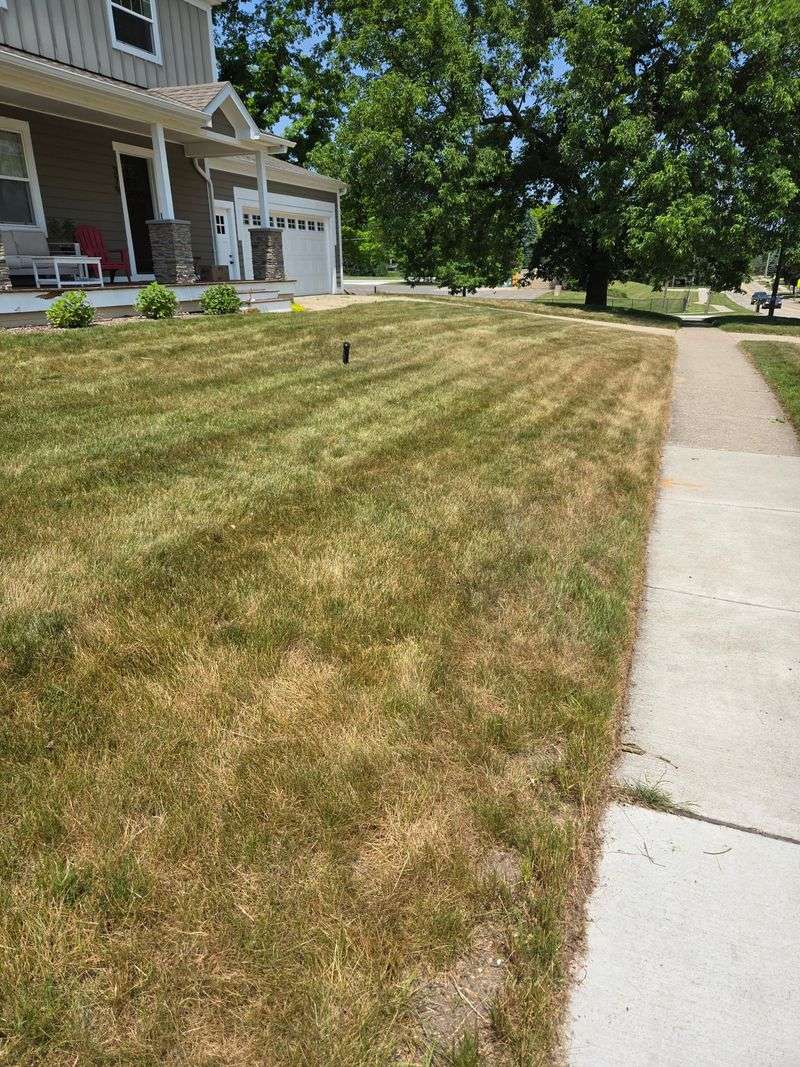
Paying immediately may close the matter, but checking the legal basis first can prevent an avoidable mistake.
Start with the exact citation number on the notice.
For a city or county penalty, read the current ordinance from the government’s official source. For an HOA notice, compare the governing provision with Civil Code Section 4735.
For a brown-lawn argument under state law, read Government Code Section 8627.7 and verify that a qualifying Governor-declared drought state of emergency is actually in effect.
Then identify the property condition described.
Brown grass, dry weeds, a fire-safety problem, irrigation practices, and accumulated debris can raise separate legal questions.
Current status matters too.
California’s remaining drought emergency proclamations were terminated on March 24, 2026. That former emergency does not keep Section 8627.7 activated indefinitely. A future drought emergency proclamation could change the analysis again.
Do not ignore an appeal or payment deadline during the research.
Large fines, accumulating penalties, a threatened lien, or a complicated disagreement may justify advice from a California attorney familiar with the type of notice involved.
No statewide article can determine the validity of a specific citation without its facts and governing ordinance.
The smart move is not automatically paying or automatically refusing.
It is identifying the rule, checking current law and emergency status, and responding while every available option remains open.