This Native Michigan Perennial Keeps Late Summer Borders Looking Great With Almost No Effort
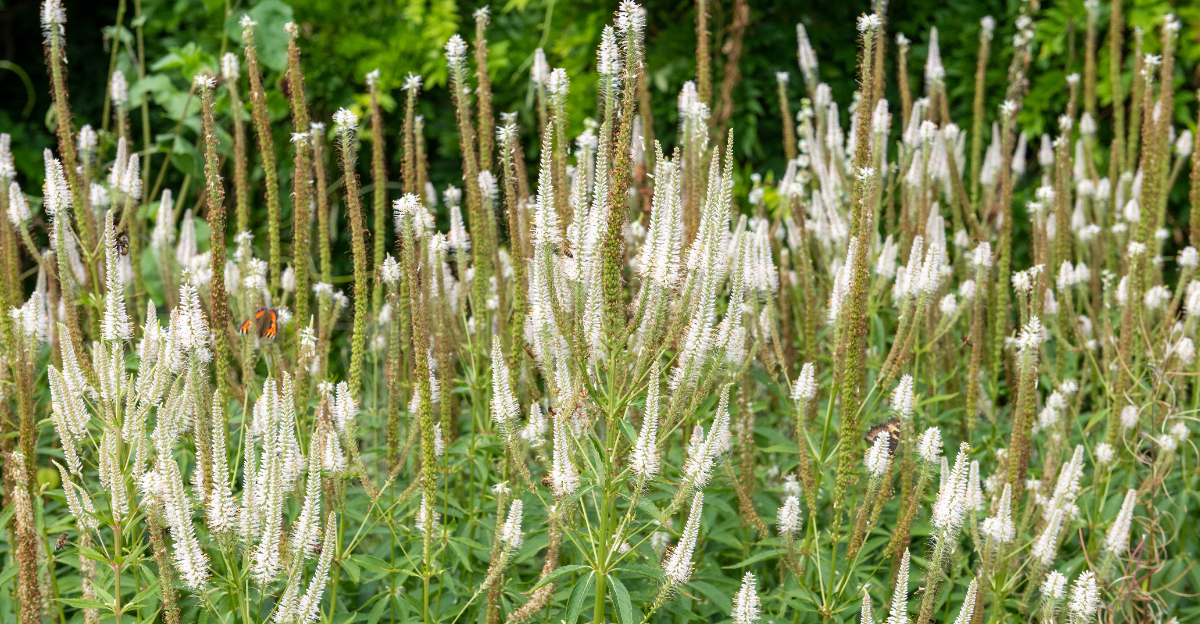
Culver’s root brings quiet, reliable structure to late summer Michigan borders without demanding much attention along the way.
This native perennial produces tall, elegant spikes of white or pale purple blooms that stand out among shorter, more common border plants.
Its upright form works beautifully as a natural anchor point, giving surrounding perennials a sense of height and visual balance.
Culver’s root tolerates a wide range of soil conditions, including the heavy clay found in many Michigan yards, without needing special amendments.
Pollinators flock to its blooms throughout summer, adding genuine ecological value alongside its ornamental appeal. Once established, this plant requires very little maintenance, returning reliably each year with minimal watering or care.
Its architectural form remains attractive even after flowering ends, holding visual interest well into fall.
Choosing culver’s root gives late summer borders a dependable centerpiece that looks intentional and polished with almost no ongoing effort.
Culver’s Root Stands Tall
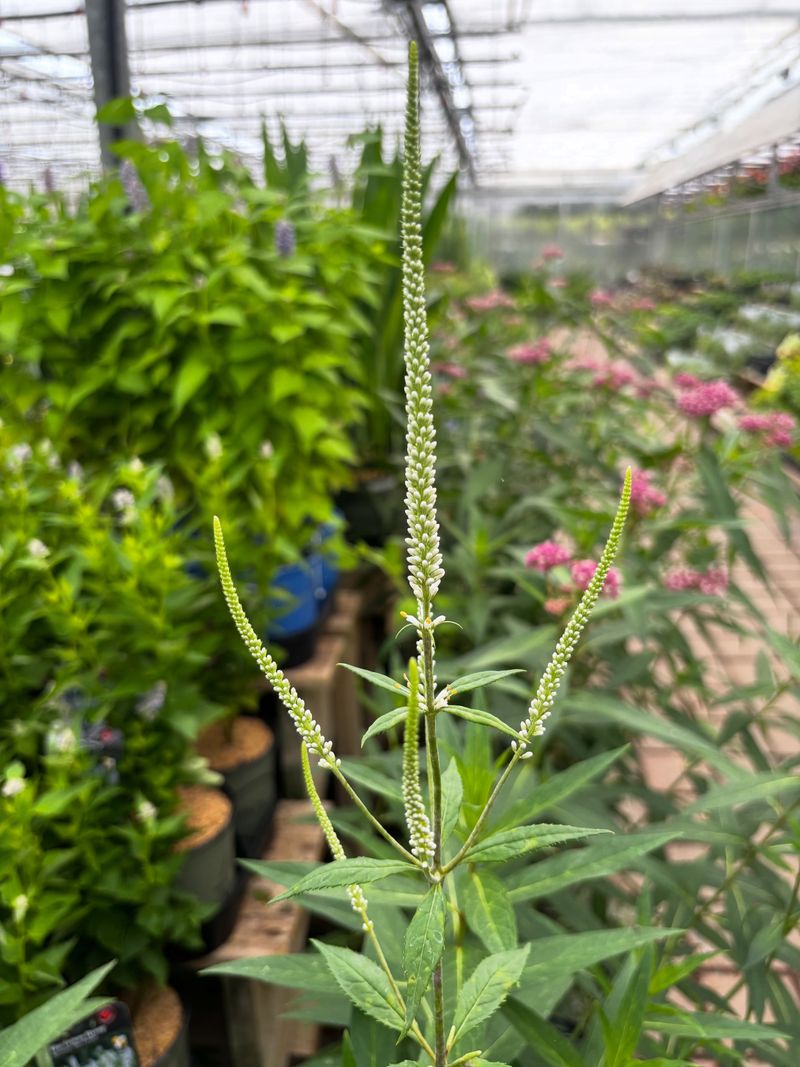
Picture a plant that shoots skyward with slim, candle-like spikes of tiny white flowers, and you have Culver’s root in a nutshell. This Michigan native grows straight and proud, giving your garden a vertical shape that few other perennials can match.
Botanists call it Veronicastrum virginicum, but gardeners simply love how it adds height and drama. The stems climb upward in tidy layers, with leaves arranged in neat circles around each level.
That orderly look gives the whole plant a clean, sculptural feel.
What makes it stand out is the way those flower spikes branch near the top, almost like tiny candelabras reaching for the sky. When a breeze passes through, the spikes sway gently and bring a soft sense of motion to the border.
Because it grows naturally in Michigan meadows and along stream edges, it fits right into local gardens without fuss. It has adapted to the region over thousands of years, so it handles the climate with ease.
Gardeners who want structure often reach for shrubs or fences, but this perennial does the job in a softer, greener way. It marks the back of a bed and frames shorter plants in front of it.
If your late summer garden feels flat or a little dull, a few of these upright beauties can change everything. They bring balance, elegance, and a strong shape that carries the border straight through the season.
The Flowers Keep The Border Bright
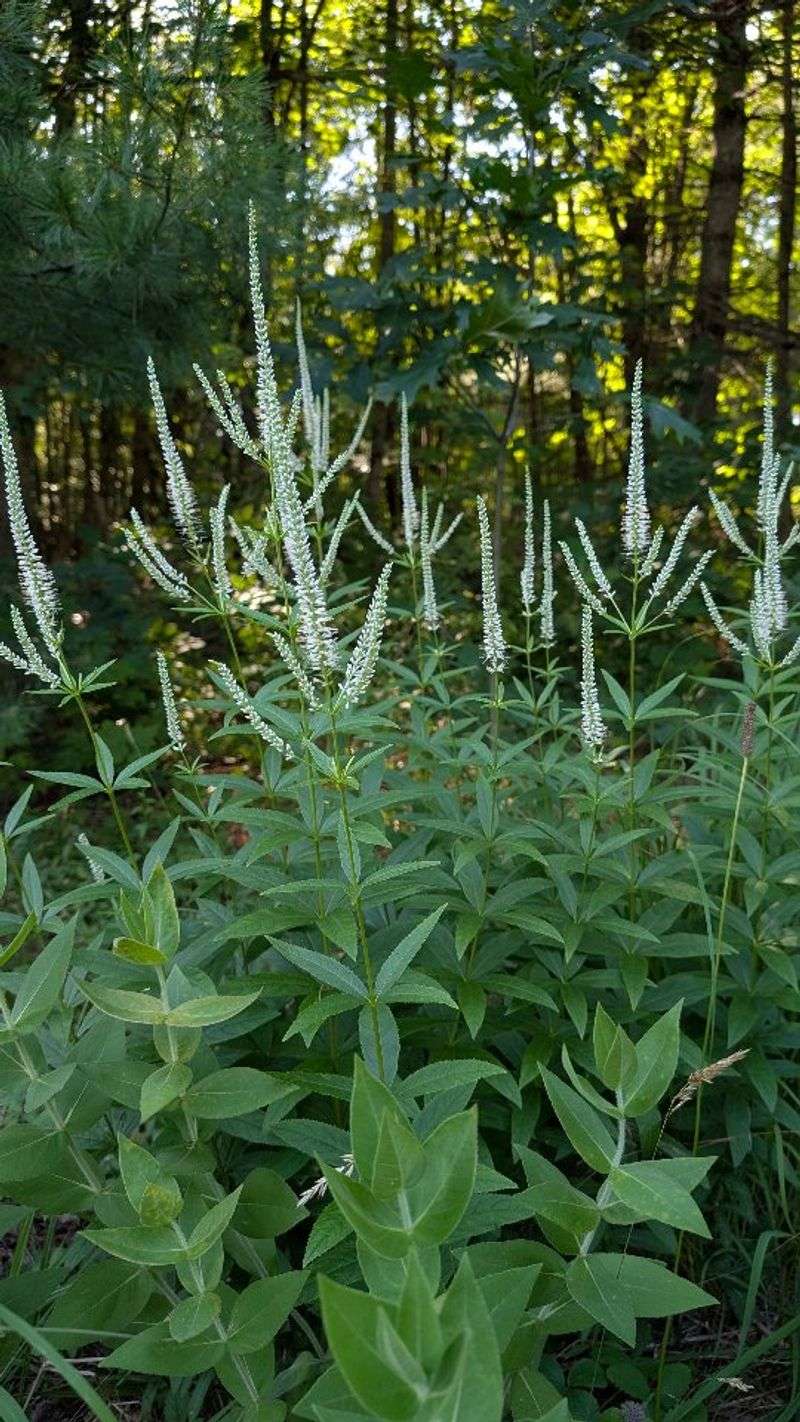
Just when many summer flowers start to lose their spark, Culver’s root steps up and keeps the color going. Its creamy white spikes open from midsummer and hold strong into the later weeks of the season.
The blooms start at the bottom of each spike and slowly climb upward, so a single plant stays interesting for weeks. That long show means you get plenty of value from one perennial.
White flowers might sound plain, but they actually work like magic in a border. They brighten shady corners, make bold colors pop, and tie different plants together with a calm, clean look.
Your Michigan Garden Changes Every Week. Your Plan Should Too.
Gardening in Michigan changes quickly throughout the season. Every Friday you’ll receive a simple weekly plan showing exactly what to plant, prune, fertilize, harvest, and protect so you never miss the right timing.
Pair them with purple coneflowers, golden black-eyed Susans, or deep blue salvia, and the contrast becomes striking. The pale spikes act like a soft backdrop that lets warmer shades glow.
Even after the flowers fade, the seed heads keep their upright shape and add texture to the garden. Many gardeners leave them standing through fall and winter for extra interest.
Because the blooms arrive at a slower time of year, they fill a gap that so many gardens struggle with. Instead of a tired, faded look in August, your beds stay fresh and full of life.
A row of these bright spikes gives your late summer garden a lift when it needs it most. They prove that a border can look lively long after the peak of summer has passed.
Bees Love The Flowers
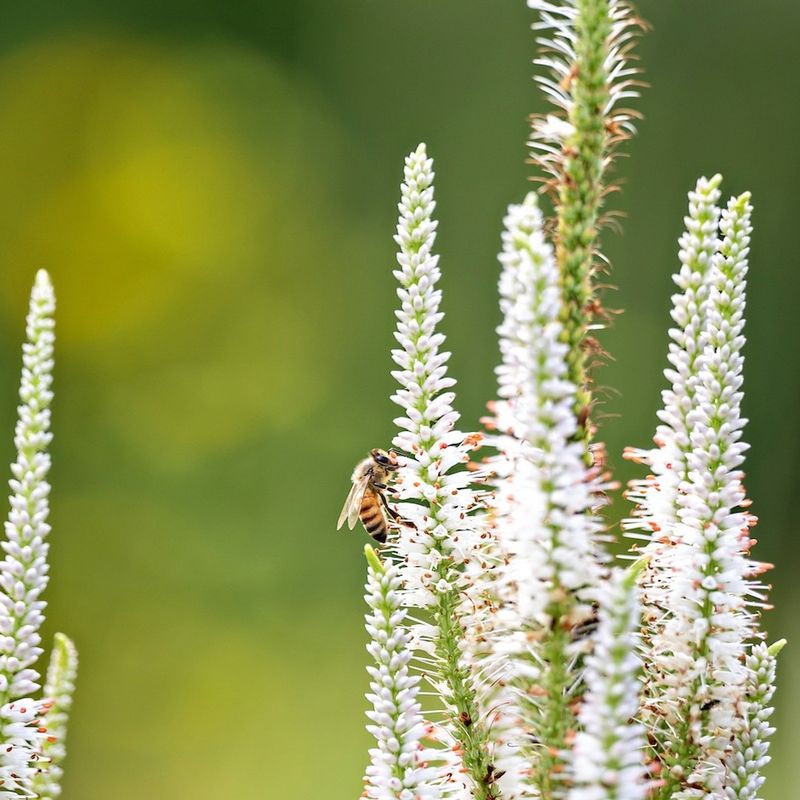
If you enjoy watching busy pollinators, Culver’s root will quickly become one of your favorite plants. Bees flock to its flower spikes and cover them from morning to evening during peak bloom.
Michigan State University ranks it among the top native plants for drawing bees, and for good reason. Its tightly packed flowers offer loads of nectar and pollen in one convenient spot.
Each little bloom sits close to the next, so a bee can land and feed on dozens of flowers without flying far. That easy meal makes the plant a real magnet for honeybees, bumblebees, and native solitary bees.
Supporting these insects matters more than ever, since pollinators help our fruits, vegetables, and wildflowers grow. By planting one native perennial, you give local bees a reliable food source.
Butterflies and other helpful bugs stop by too, turning your border into a busy little hub of activity. Watching that gentle buzz of visitors adds a whole new layer of fun to gardening.
Because it blooms in late summer, it feeds pollinators during a stretch when other flowers grow scarce. That timing makes it extra valuable for hungry bees preparing for cooler months.
Plant a few near a patio or window, and you will have front-row seats to nature’s daily show. It is a simple way to help wildlife while enjoying a lively, healthy garden.
Moist Soil Keeps It Happy
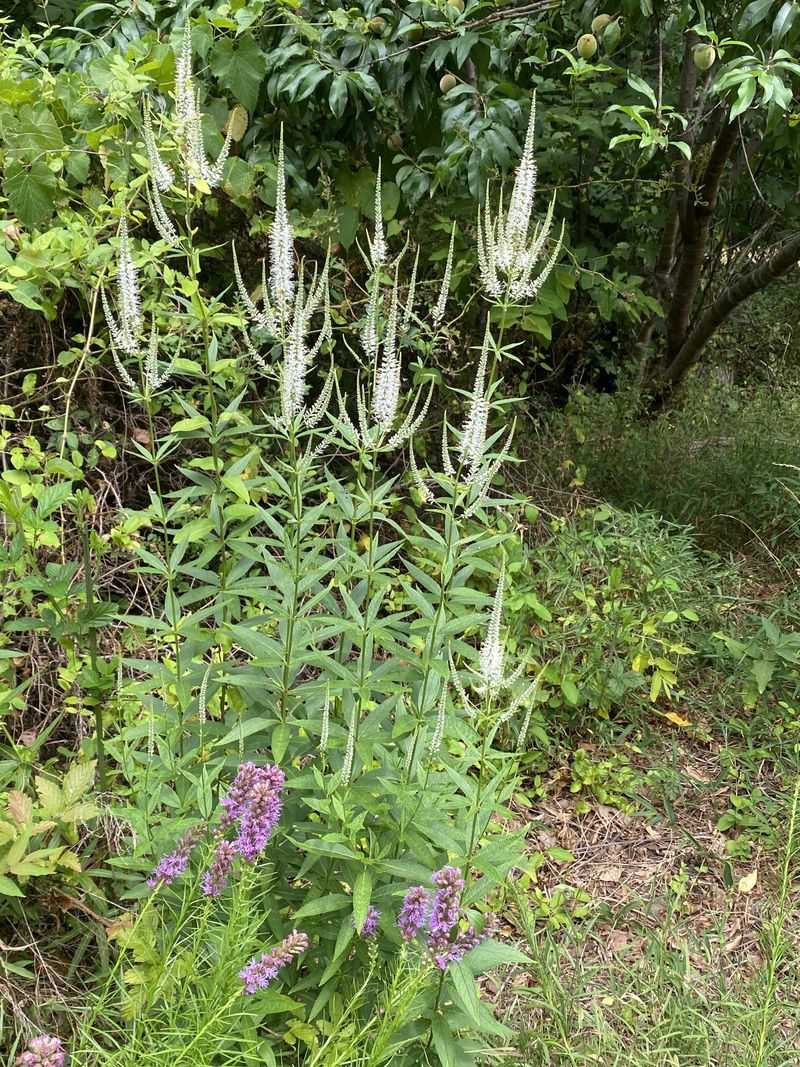
Water is the secret to keeping this perennial thriving, and it truly loves a steady drink. Culver’s root grows best in soil that stays evenly moist rather than bone dry.
In the wild, you will find it near stream banks, wet meadows, and low spots where water tends to gather. That background explains why it welcomes damp conditions that other plants might dislike.
It can even handle ground that stays a bit soggy now and then, which makes it a great pick for tricky wet corners. If you have a low area that puddles after rain, this plant might solve your problem.
Rain gardens and pond edges suit it perfectly, since those spots hold moisture without staying flooded. The extra water helps the plant grow tall, lush, and full of blooms.
During hot, dry spells, a little extra watering keeps the leaves fresh and the flower spikes standing strong. A layer of mulch around the base helps lock in that moisture too.
Skip the dry, sandy sites though, because thirsty roots there will struggle to reach the water they crave. Rich, loamy soil with good moisture gives the best results.
Give this native the damp conditions it enjoys, and it rewards you with steady growth year after year. Matching a plant to the right spot is one of the easiest ways to guarantee success in the garden.
Sun Keeps The Stems Strong
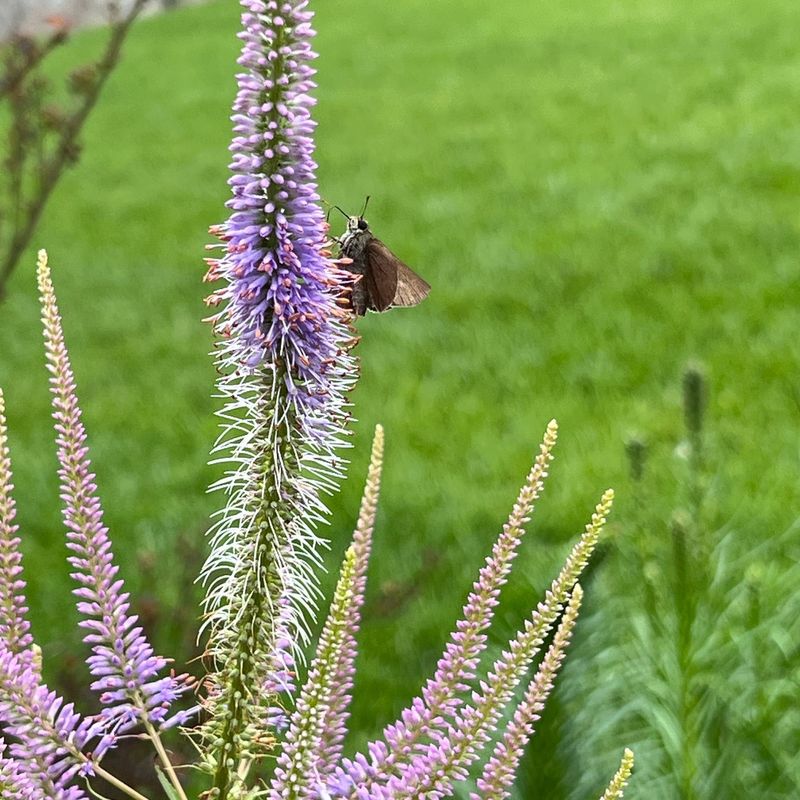
Sunshine is what gives Culver’s root its proud, upright posture. When planted in full sun, the stems grow sturdy and stand tall without any help.
Six or more hours of direct light each day keeps the plant compact and strong. Those firm stems hold the flower spikes high, so your border looks neat and well behaved.
Things change a bit when the plant sits in too much shade. With less light, the stems stretch and grow weaker as they reach toward the sun.
Those floppy stems can lean or bend over, especially after a heavy rain or a gusty afternoon. A plant that should stand tall may end up sprawling across its neighbors instead.
If your only open spot gets partial shade, you can still grow it with a little planning. Adding stakes or a simple grow-through support keeps the spikes from tipping over.
Grouping several plants close together also helps, since they lean on one another for extra stability. That natural teamwork often reduces the need for staking altogether.
For the strongest, most self-supporting plants, aim for a bright, open site with plenty of sun. Prairie-style gardens and sunny borders bring out the very best in this native.
Give it the light it craves, and you will barely lift a finger to keep it looking sharp. Good placement now saves you plenty of fussing later in the season.
It Needs Very Little Fuss
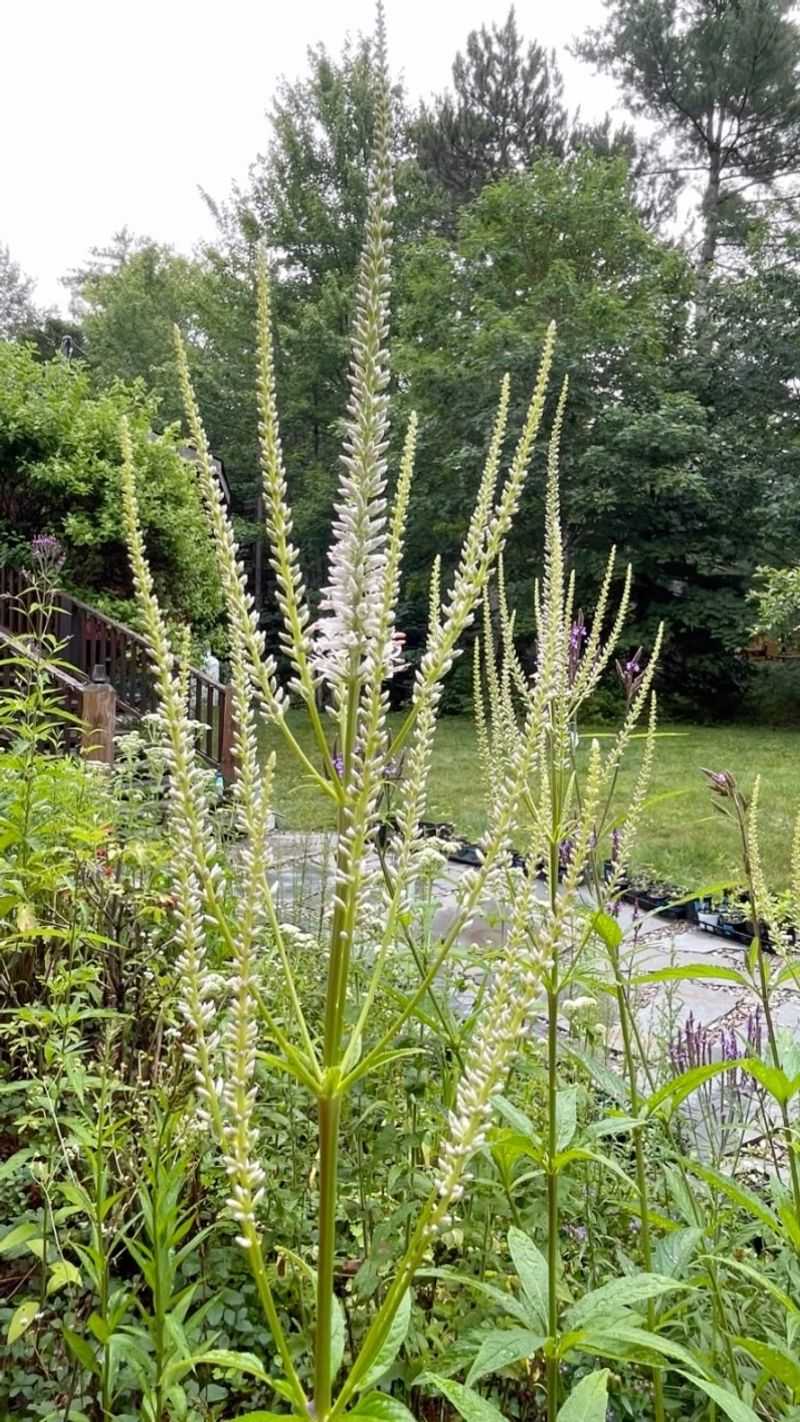
Here is the part busy gardeners will love most: once it settles in, Culver’s root practically takes care of itself. This perennial ranks as one of the easiest natives to grow.
Pests rarely bother it, and serious diseases are hard to find on healthy plants. Deer and rabbits usually walk right past it, leaving your flowers untouched.
That built-in toughness comes from growing wild in Michigan for ages. The plant learned to handle local bugs, weather, and challenges long before it reached our gardens.
You will not need to spray, dust, or fuss over it the way some fussy flowers demand. A quick check now and then is really all it asks.
Watering during dry stretches and a spring cleanup of old stems cover most of the care. Beyond that, the plant mostly runs on its own steam.
It does not spread aggressively or crowd out its neighbors, so it stays right where you plant it. That good behavior means less digging and dividing for you.
Fertilizer is rarely needed either, especially in decent soil with steady moisture. Too much feeding can actually make the stems weak and floppy.
For anyone who wants a beautiful garden without endless chores, this native is a dream come true. Plant it, give it a good start, and then step back and enjoy the show it puts on season after season.
Give It Room To Grow
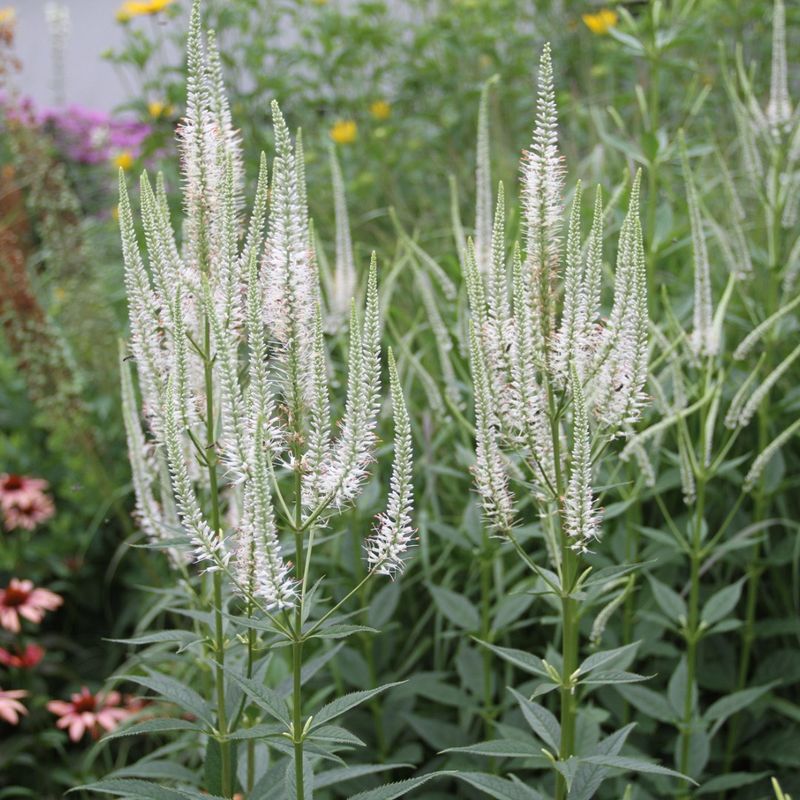
This plant likes to reach for the sky, so give it plenty of space to stretch out. Mature clumps often climb anywhere from four to seven feet tall.
That impressive height makes it a natural pick for the middle or back of a border. Placed there, it forms a tall green backdrop for shorter flowers up front.
Think of your garden bed like a stage, with the tallest players standing behind the smaller ones. Culver’s root fits perfectly in that back row, framing everything in front of it.
Tuck lower plants like coneflowers, coreopsis, or ornamental grasses ahead of it for a layered look. The mix of heights adds depth and makes the whole bed feel full and rich.
Planting it at the front would only block the view of everything behind it. So save the tall spot for this native and let it lead from the rear.
Along a fence, wall, or the edge of a yard, it also works beautifully as a soft green screen. The spikes rise up and add privacy without feeling heavy or bulky.
Give each plant a bit of elbow room too, since crowded roots can slow its growth. A little space lets air move through and keeps the leaves healthy.
Plan for its full size from the start, and this towering beauty will anchor your border for many happy years.
Be Patient The First Few Seasons
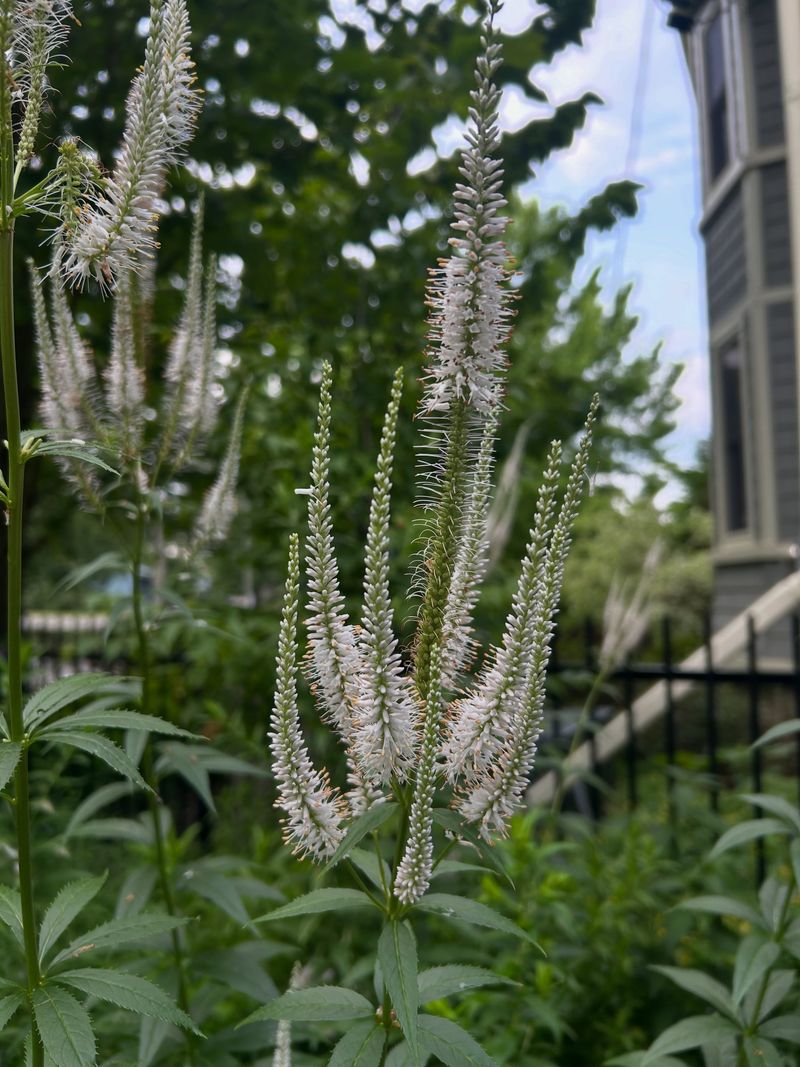
Good things take time, and Culver’s root is proof of that saying. This perennial often grows slowly during its first year or two in the ground.
At the start, it spends most of its energy building a strong root system underground. You might not see much action above the soil while all that important work happens below.
Do not lose heart if a young plant looks small or shy at first. Those quiet early seasons set the stage for something spectacular later on.
By the third year, the change becomes clear as the plant fills out and shoots up tall. Suddenly those slim spikes appear, and your patience finally pays off.
Once settled, it becomes a long-lived star that returns bigger and better each spring. Some clumps thrive happily in the same spot for many, many years.
To help it along early, keep the soil moist and pull any weeds that try to crowd it. A little care during those first seasons makes a big difference down the road.
Try not to move it around too much, since it prefers to stay put and grow deep roots. Frequent digging only slows its progress and tests its patience.
Plant it now, care for it gently, and trust the process. A few slow seasons lead to a bold, reliable perennial that will reward you with beauty for a very long time.