The Most Underrated North Carolina Native Plant That Draws Butterflies In Late Summer
A North Carolina garden can lose color before summer is actually finished.
By August, the borders may still be green, yet many familiar flowers have already peaked. One clump fades, another stops opening fresh buds, and the whole yard can begin to feel quieter just as butterflies are searching for nectar.
Then one tall native starts drawing attention.
Its flowers arrive late, its color is hard to miss, and the plant seems almost perfectly timed for the stretch when the garden needs another burst of life. From a distance, it can look like a purple haze rising above everything around it.
That timing is not accidental.
The real garden value comes from where the plant grows naturally, how it handles moisture, how much space it wants, and which late-season visitors respond once the flowers open.
So what makes this overlooked native worth a place in more North Carolina yards?
The answer starts with height, bloom timing, and a nectar window that arrives right when summer starts running out of options.
Meet New York Ironweed
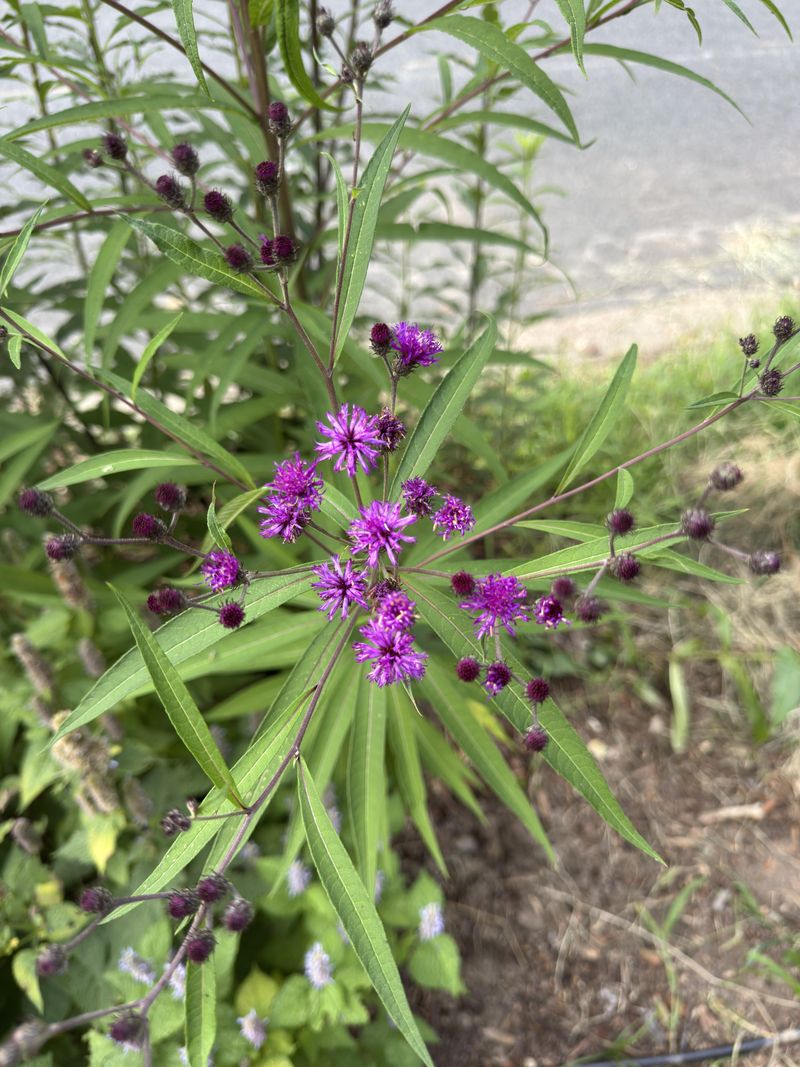
New York ironweed, Vernonia noveboracensis, is one of those native perennials that spends months building height before suddenly making sense.
The plant grows naturally in moist meadows, stream margins, open woods, and other sunny to lightly shaded places across much of the eastern United States, including North Carolina.
In a garden, that background translates into a tall, upright perennial with strong late-season presence and a preference for soil that does not stay bone dry through summer.
The flower heads are the giveaway.
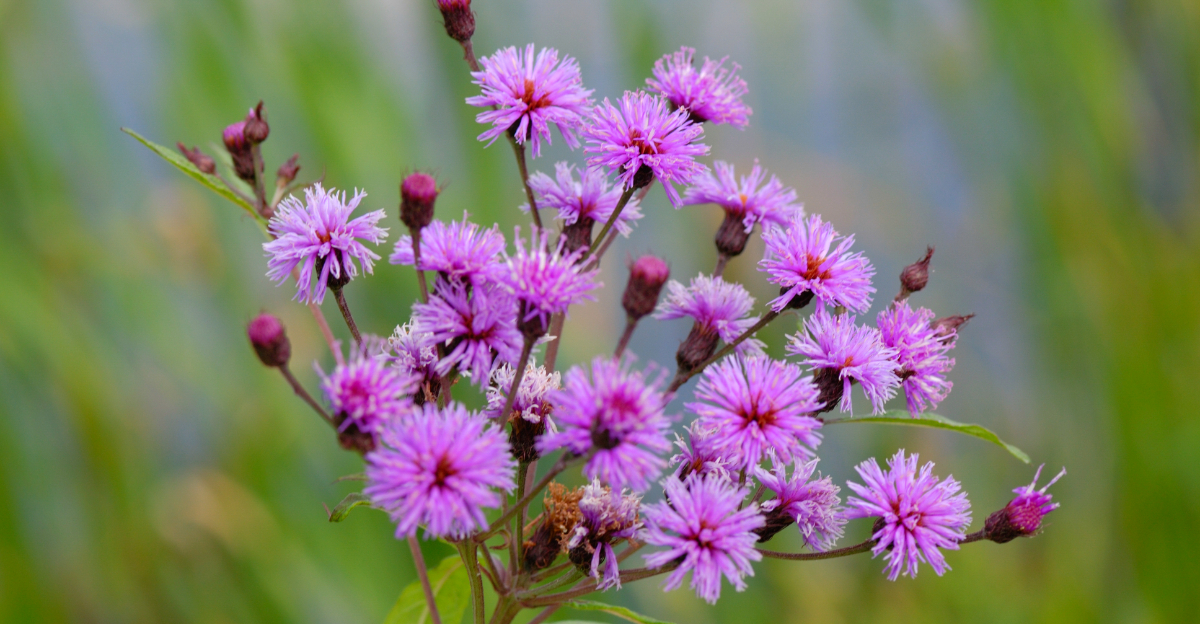
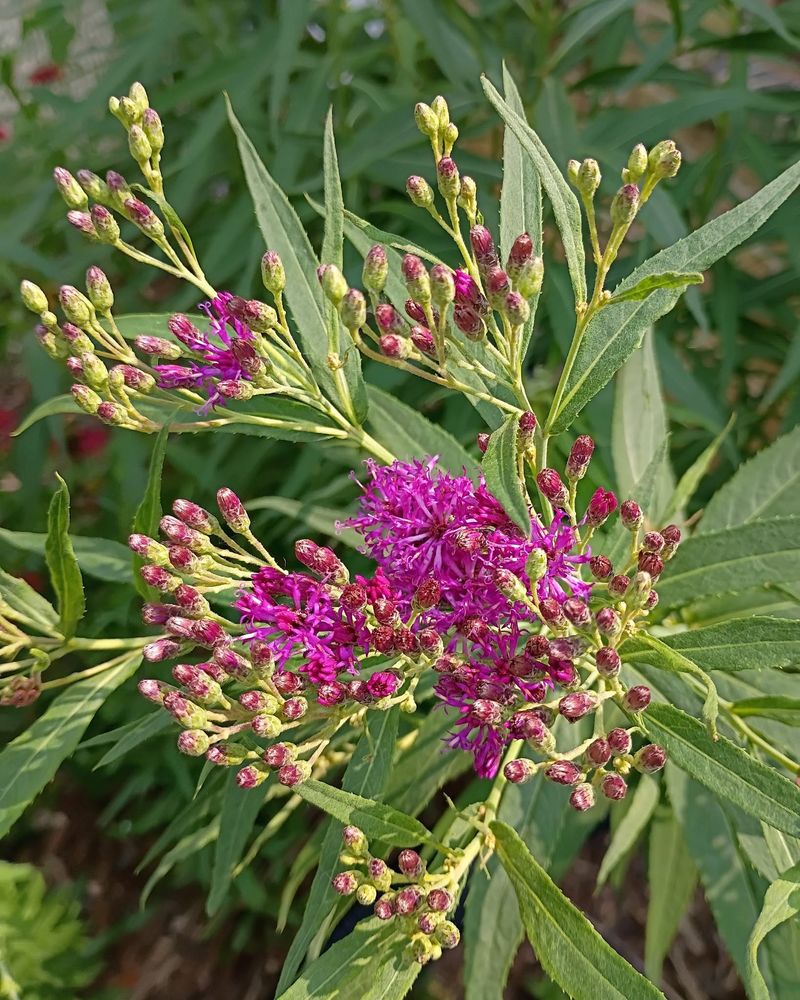
Instead of the familiar yellow rays found on many coneflowers, ironweed produces dense clusters of small purple disk flowers.
The color can read magenta, violet, or deep purple depending on light and the individual plant. Against August greens and golds, those flowers stand out immediately.
Height deserves respect from the start.
Established plants commonly rise several feet and can approach the height of a person in good conditions.
That makes ironweed better for the back of a border, a meadow-style planting, or a broad rain-garden edge than a narrow strip beside the front walk.
The plant is bold without needing a complicated care routine.
Give it the right amount of moisture, enough light, and room to stand tall. Once the flowers open, the garden suddenly has a late-summer focal point that looks far more intentional than its quiet spring growth ever suggested.
Let Purple Blooms Carry Late Summer
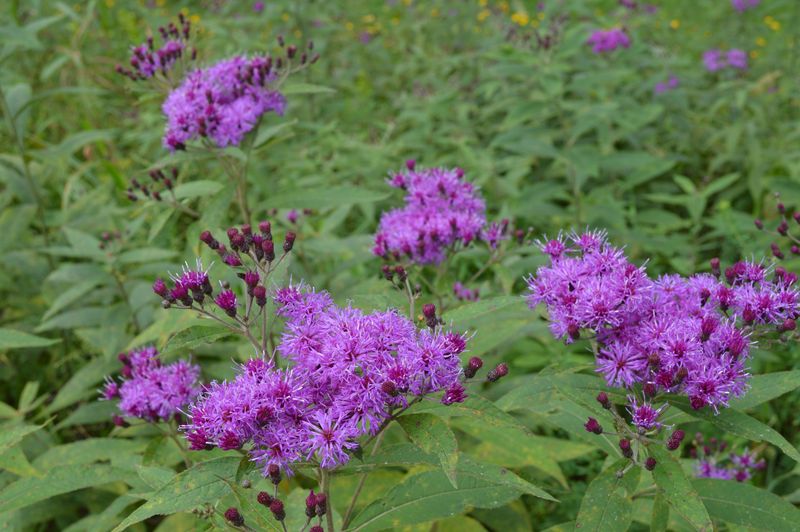
Late summer is where New York ironweed earns its reputation.
Many North Carolina perennials begin slowing down after their strongest early-summer display. Ironweed moves in the opposite direction, carrying its richest color into the stretch when August heat and humidity can make the garden look tired.
The bloom period can extend from midsummer into early fall.
That timing matters visually because purple is less common than yellow and gold among many native late-season flowers.
A stand of ironweed beside goldenrod, native grasses, or yellow coneflowers creates a strong contrast without needing a complicated color plan.
Your North Carolina Garden Changes Every Week. Your Plan Should Too.
Gardening in North Carolina changes quickly throughout the season. Every Friday you’ll receive a simple weekly plan showing exactly what to plant, prune, fertilize, harvest, and protect so you never miss the right timing.
The timing matters ecologically too.
Butterflies and other nectar-feeding insects remain active late in the season, and they still need flowers after earlier bloomers finish.
Ironweed helps fill that gap with clusters that can stay productive for weeks rather than opening for one brief weekend.
Do not expect every flower head to open at once.
The display tends to build across branching stems, which gives the plant a longer season of useful color.
That gradual progression also means one established clump can keep drawing visitors while neighboring plants are already moving toward seed.
The result is a perennial that makes August feel less like the garden is winding down.
Ironweed waits until the border needs help, then shows up in deep purple and acts like it had the schedule all along.
Give It Full Sun And Moist Ground
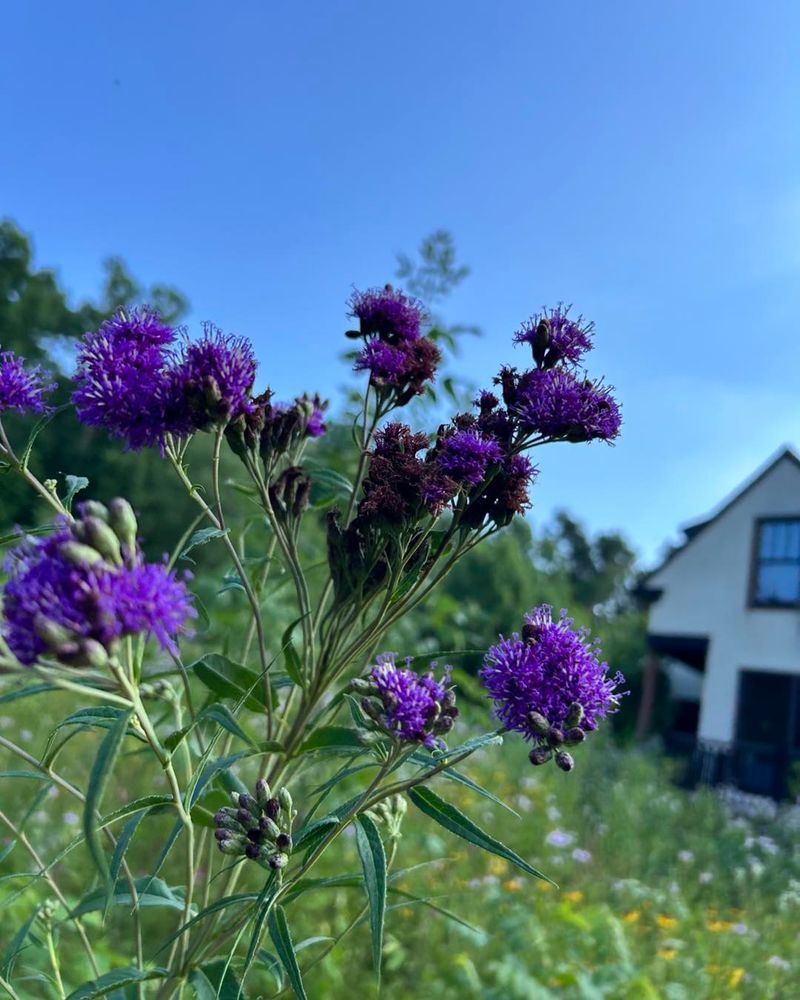
New York ironweed performs best where the soil keeps some moisture through summer.
That preference reflects the places it occupies naturally, including stream margins, wet meadows, low fields, and moist woodland edges.
A rain-garden margin, low section of a border, or bed that stays fresher than the surrounding yard can suit it especially well.
Moist does not mean stagnant.
Roots still need air, so a site that holds standing water for long periods deserves a different planting plan. The strongest garden spot has soil that stays evenly moist or periodically wet, then drains rather than remaining soupy.
Clay can work surprisingly well.
Many North Carolina yards already have heavy soil that holds moisture longer than sandy ground.
Ironweed can use that advantage, especially where organic matter and surface mulch help keep the root zone from baking during a dry August stretch.
New plants need closer attention than mature clumps.
Water deeply during the establishment period and check the soil through extended dry weather. Once the roots settle in, the plant can handle short dry periods more comfortably, though chronic drought usually reduces vigor and flowering.
Mulch can help, but keep it modest around the crown.
A few inches over the broader root zone slows moisture loss and keeps weeds down. Piling mulch against the stems creates a damp collar the plant never requested.
The easiest ironweed is the one planted where the yard already wants to stay a little damp.
Use Tall Stems At The Back
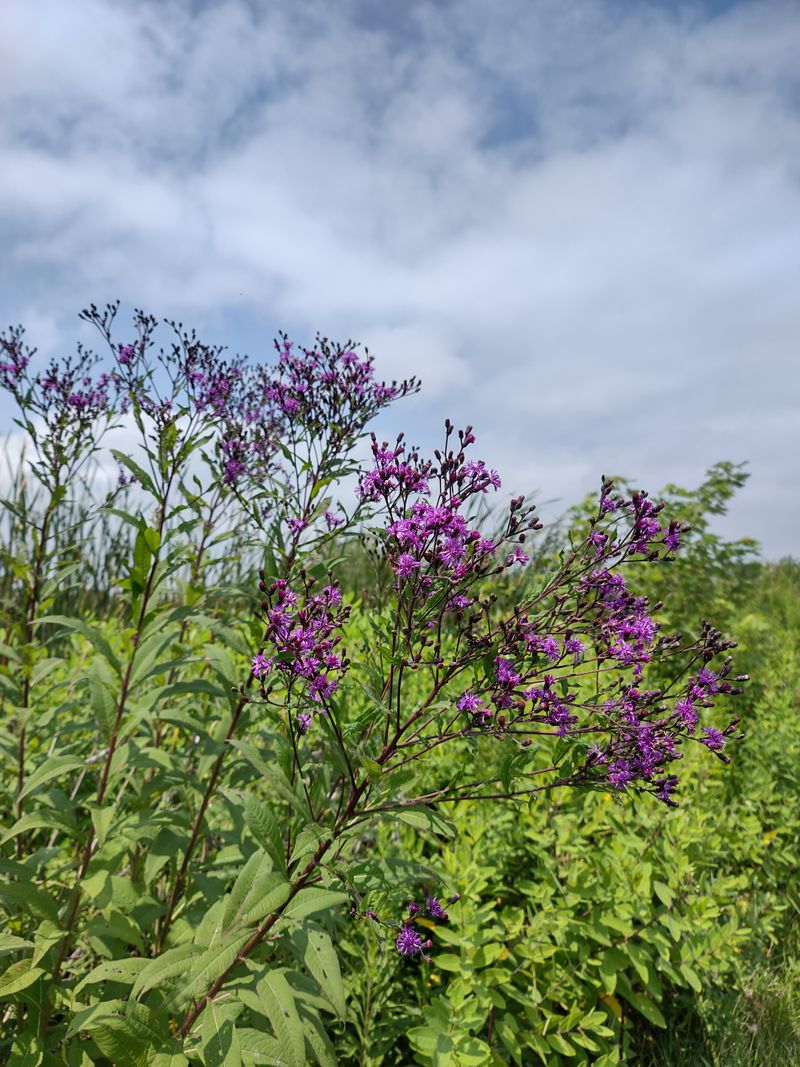
Sun gives New York ironweed the strongest combination of flowers and sturdy stems.
A bright site encourages dense branching and helps the plant hold itself upright as the flower clusters build.
Full sun is the easiest match, though light partial shade can still work well in North Carolina, especially where afternoon protection keeps the soil from drying too quickly.
Deep shade changes the plant.
Stems may stretch toward available light, flowering can become lighter, and a tall clump may lean more than one grown in a brighter opening.
That does not make shade an automatic failure, but it does reduce the traits most gardeners want from ironweed.
A woodland edge often provides a good compromise.
Morning sun, several hours of direct light, and some late-day relief can support strong growth while helping the root zone hold moisture.
That setup can be especially useful in hot Piedmont or Coastal Plain yards where exposed soil dries rapidly.
Light and moisture should be judged together.
A sunny rain-garden edge may suit ironweed beautifully. A dry, reflective bed beside pavement may create unnecessary stress even though the plant technically receives plenty of sun.
Watch the stems as the season progresses.
Upright growth and good flowering show that the light level is working. A clump leaning toward one direction every year is giving a fairly obvious review of the site.
Ironweed can handle North Carolina summer. It still appreciates a location that does not make every afternoon harder than necessary.
Feed Butterflies With Late-Season Nectar
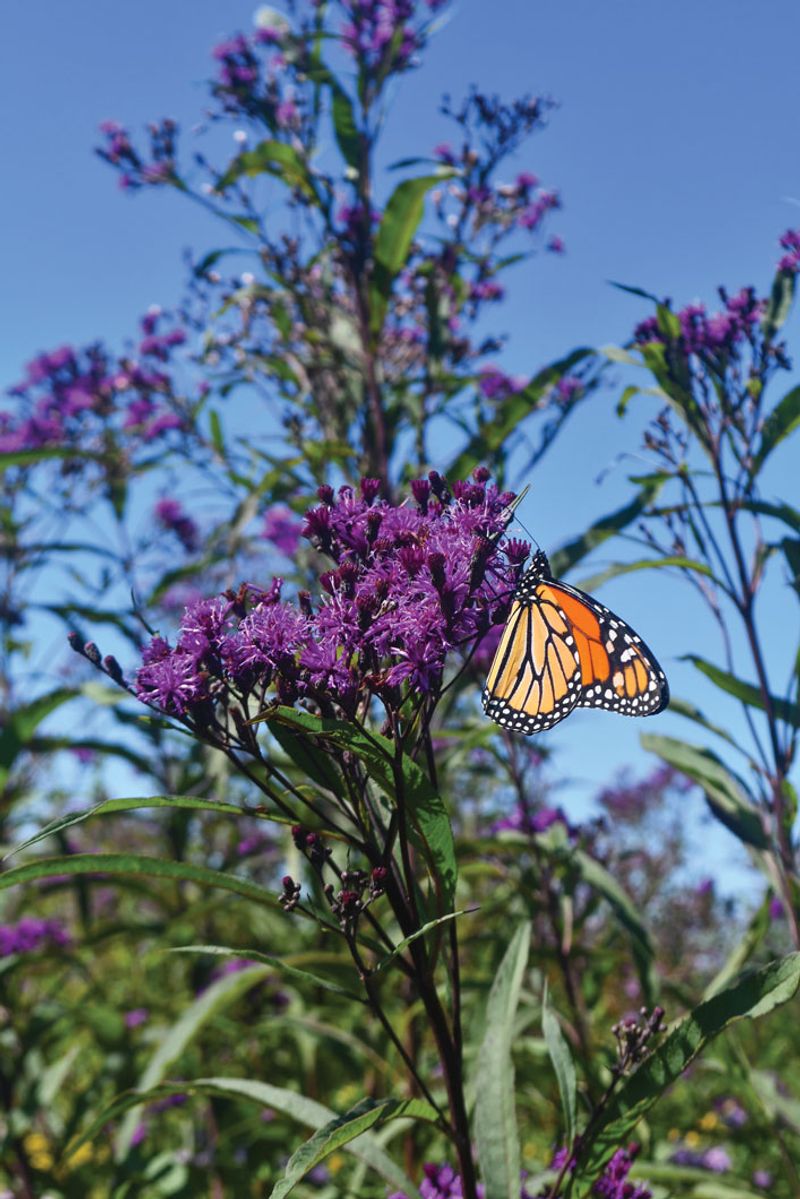
Butterflies are one of the best reasons to give New York ironweed garden space.
The dense purple flower clusters provide nectar during late summer, a period when many earlier perennials have already finished.
Monarchs, swallowtails, skippers, fritillaries, and other butterflies can visit blooming ironweed where those species are active locally.
The plant works because the timing is useful.
Migrating monarchs need nectar-rich flowers as they move south, while resident butterflies may still be completing late broods or building energy before cooler weather arrives.
A garden full of June flowers but empty by August leaves a seasonal gap that ironweed can help close.
More flowers usually mean more opportunity.
A healthy clump with several branching stems offers many flower heads at once, giving butterflies repeated landing points rather than one isolated bloom.
Planting ironweed near other late-season natives extends that buffet beyond a single species.
Avoid treating it as a butterfly guarantee.
Activity changes with weather, surrounding habitat, pesticide use, and which butterfly populations occur near the property. Some days may be busy, while others stay quiet despite a perfect bloom.
Skip broad-spectrum insecticides around flowers whenever practical.
A nectar plant loses much of its value when visiting insects encounter residues while feeding.
Ironweed does not need to draw every butterfly in North Carolina to be worthwhile. It simply keeps nectar available at a time when the garden can otherwise become surprisingly stingy.
Let Native Bees Share The Flowers
Butterflies may get the photographs, but native bees use ironweed too.
The clustered flowers offer nectar and pollen across many small florets, creating a productive foraging surface for bumble bees, sweat bees, and other native bees active in late summer.
That makes the plant useful in a garden designed around more than one pollinator group.
Flower accessibility helps.
The blooms are not hidden inside a long trumpet or complicated floral tube, so insects of different sizes can work across the clusters. A single stem can host several visitors at once during warm, calm weather.
Late-season pollen and nectar still matter.
Some bee species remain active well into fall, and social bumble bee colonies continue foraging while queens prepare for the next generation.
A garden that keeps flowers available through August and September supports that longer seasonal rhythm better than one that peaks only in spring.
Pair ironweed with other native bloomers rather than relying on one plant.
Goldenrods, asters, Joe-Pye weed, and late native sunflowers can broaden flower shapes and bloom timing around it. Diversity gives pollinators more options and makes the whole planting more resilient.
Keep pesticide decisions separate from convenience.
Spraying broad-spectrum products across open blooms can expose beneficial insects directly. Targeted pest management and careful timing protect more of the visitors the planting was meant to support.
Ironweed is not just a purple butterfly signpost. Once the flowers open, the bees tend to read the invitation too.