The Hydrangea Flower Heads Oregon Gardeners Should Leave On Through Fall
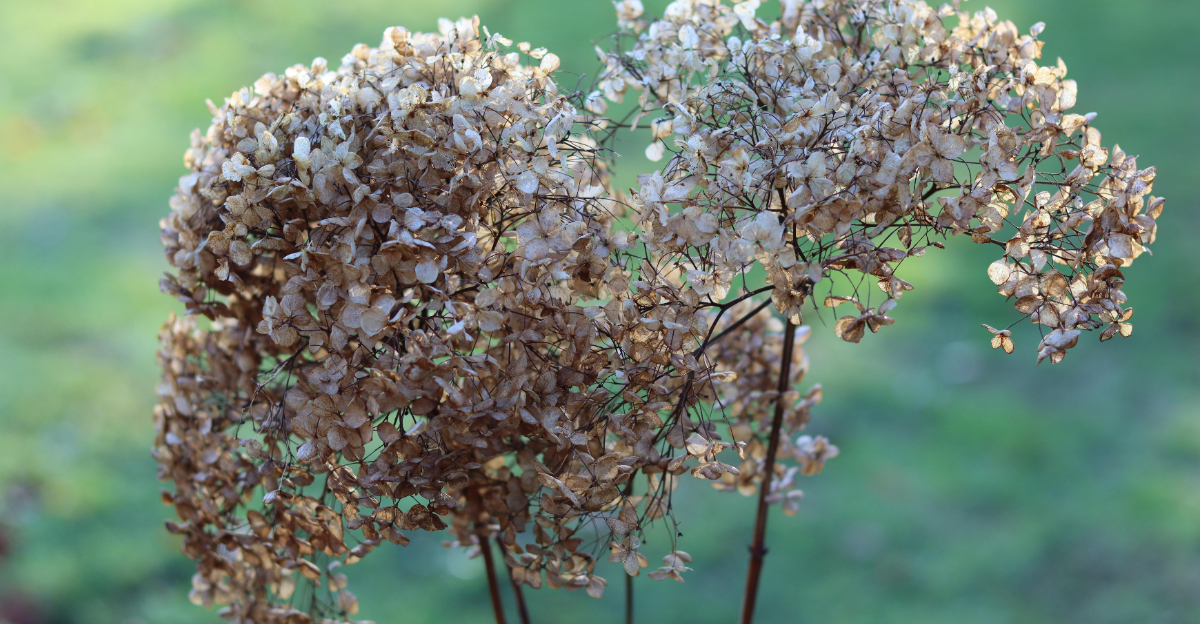
By late summer, fading hydrangea blooms can make a shrub look like it is ready for a cleanup. That is exactly when many gardeners are tempted to start cutting.
But those aging flower heads can still have a role to play as Oregon moves toward cooler weather. Leaving the right ones in place can change how the plant looks through fall and may even offer a little extra protection as temperatures begin to drop.
The tricky part is knowing which blooms are worth keeping and which ones can come off without consequence. Not every hydrangea responds the same way, so a quick trim done out of habit can remove more than you intended.
If your shrubs are starting to look tired, resist the urge to tidy everything at once. Some of those spent flowers may be more useful than they appear.
Leaving Faded Blooms Right Where They Are
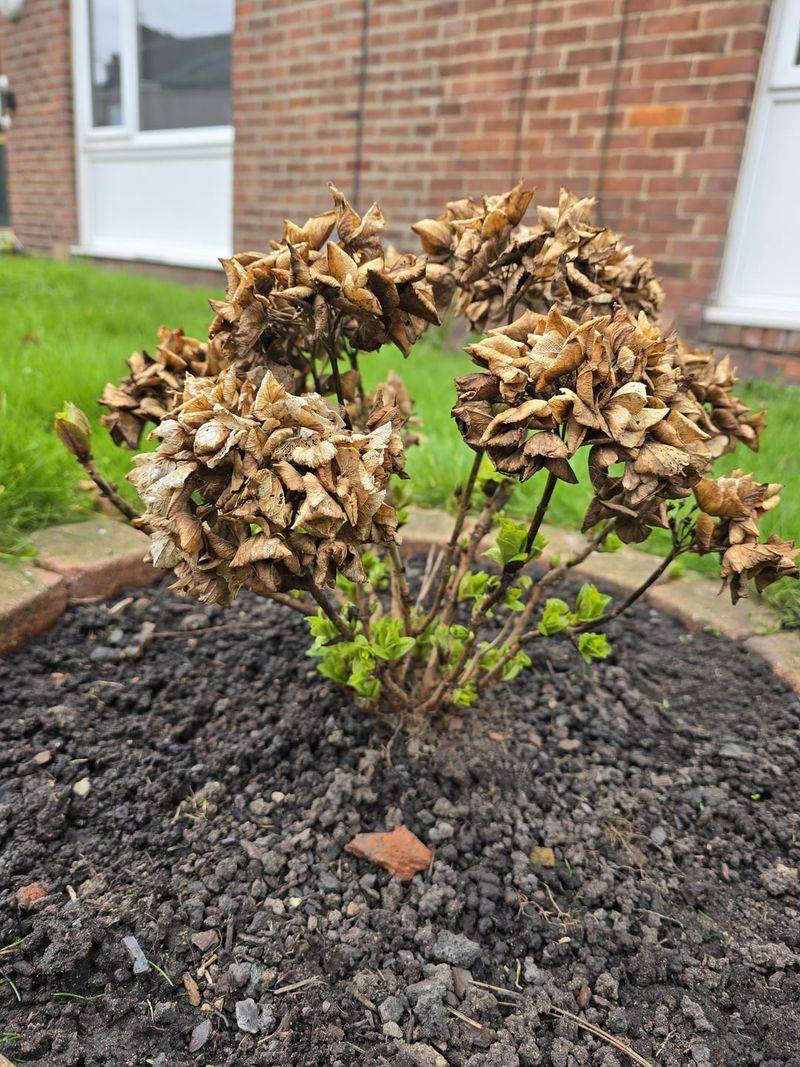
Not every faded flower is a sign that something went wrong. With hydrangeas, those dried-out blooms are actually doing important work even after they stop looking fresh and colorful.
Leaving them on the plant through fall is one of the easiest and most helpful things you can do.
When temperatures start to drop, hydrangea stems and buds become vulnerable to frost. The old flower heads act like a small shield, helping protect the tender growth beneath them.
This is especially true for varieties that set their buds in late summer. Removing the blooms too early can leave those buds exposed to cold snaps that arrive without much warning.
Beyond protection, faded blooms add something genuinely lovely to the fall garden. Their papery texture and muted colors hold up well even in rain and wind.
Many gardeners in the Pacific Northwest find that the dried heads look beautiful against gray skies and wet foliage. They give the garden a soft, layered look that fresh blooms cannot always provide.
There is also very little downside to waiting. Leaving the flower heads on costs you nothing and takes no effort at all.
You can always cut them back in late winter or early spring when the risk of frost has passed. Waiting just a few extra months can mean a much fuller and more colorful display the following summer.
Bigleaf Hydrangeas Hiding Next Year’s Buds Below
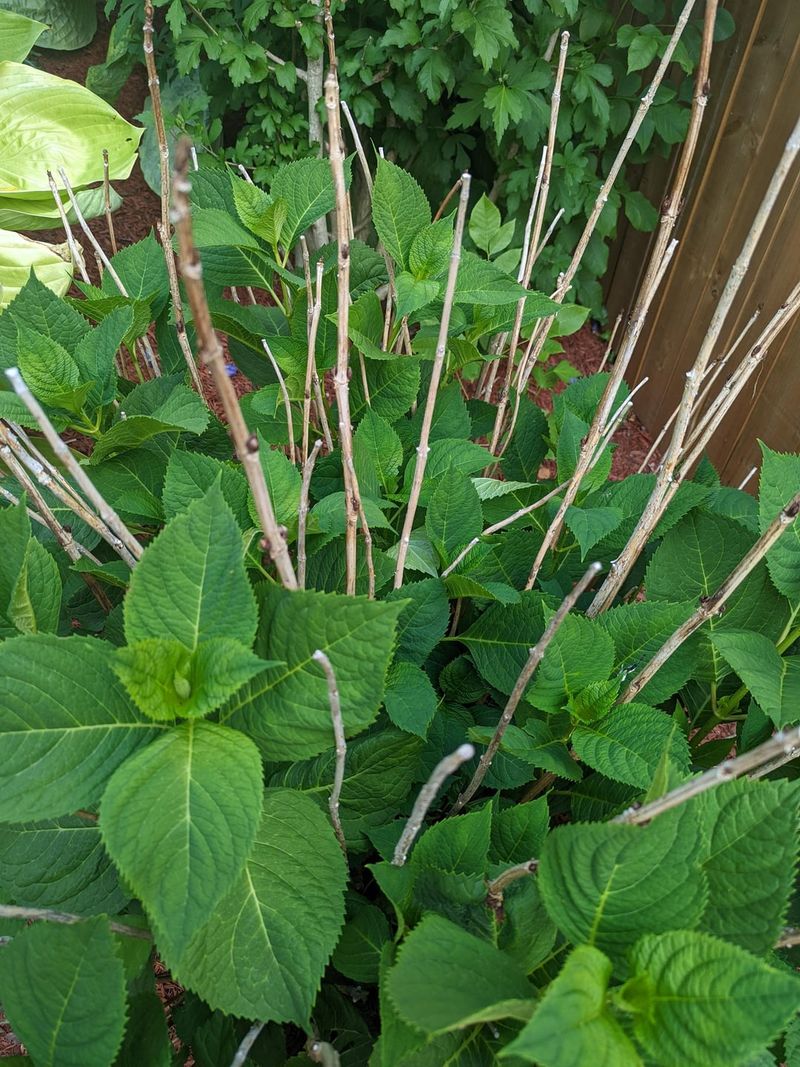
Bigleaf hydrangeas are probably the most popular type grown in home gardens, and they are also the ones most likely to be pruned at the wrong time. These plants bloom on old wood.
That means the flower buds for next summer are already forming on this year’s stems right now, in fall.
When you cut off the old flower heads, you risk removing those hidden buds along with them. The buds sit just below the spent blooms on the same stem.
They are small, easy to miss, and very easy to accidentally snip away. Once they are gone, that stem will not bloom next year. You might get leaves, but no flowers.
Bigleaf hydrangeas are especially common in the mild, rainy climates of western Oregon. They thrive in those conditions and can produce stunning mophead or lacecap blooms in blue, pink, or purple.
Your Oregon Garden Changes Every Week. Your Plan Should Too.
Gardening in Oregon changes quickly throughout the season. Every Friday you’ll receive a simple weekly plan showing exactly what to plant, prune, fertilize, harvest, and protect so you never miss the right timing.
But that beauty depends on protecting those fall buds through winter.
The best approach is to leave the entire flower head in place until late winter. At that point, you can look for live green buds along the stem and cut just above them.
If you are unsure, wait a little longer. Patience really pays off with this variety.
Gardeners who rush the pruning process often wonder why their bigleaf hydrangeas are not blooming, and the answer is almost always the same: the buds were removed too soon.
Oakleaf Hydrangeas Looking Better As Blooms Age
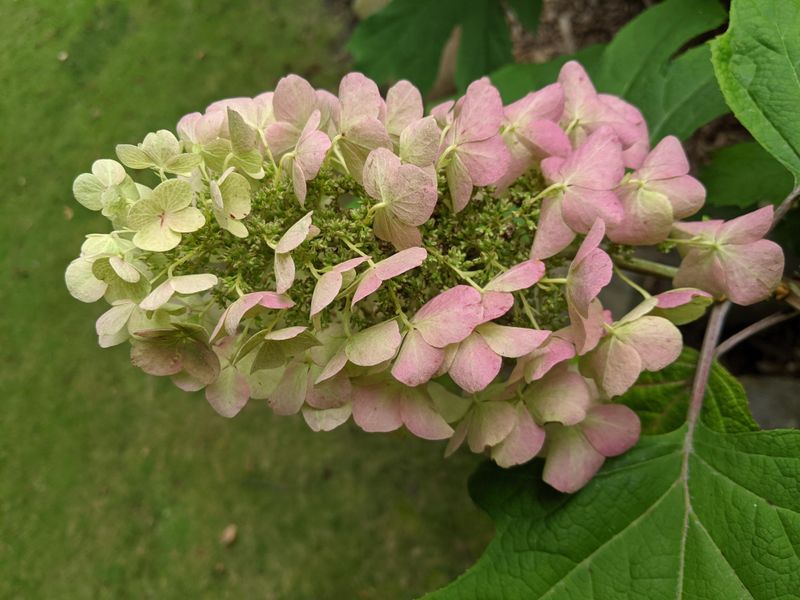
Few shrubs put on a better fall show than the oakleaf hydrangea. As summer fades, the large cone-shaped flower heads shift from white to soft pink, then to a warm tan or parchment color.
Instead of looking worn out, these blooms actually become more interesting as the weeks go by.
The leaves join the show too. Oakleaf hydrangeas have deeply lobed foliage that turns rich shades of red, orange, and burgundy in autumn.
Combined with the dried flower cones, the whole plant becomes a standout feature in any garden. Cutting the blooms off early means losing one of the best parts of the display.
These plants are also quite tough. Their thick, peeling bark and sturdy stems handle cold weather better than many other hydrangea types.
The old flower heads help insulate the top of the plant during frosty nights. They also hold their shape well through wind and rain, which is a real plus in the Pacific Northwest.
Oakleaf hydrangeas bloom on old wood, so the same rules apply as with bigleaf varieties. Pruning in fall removes the buds that have already formed for next year.
The safest time to prune is right after blooming ends in early summer, or you can wait until late winter when you can clearly see which stems are still alive. Either way, leaving those beautiful dried cones in place through fall is always the right call.
Mountain Hydrangeas Needing A Light Touch
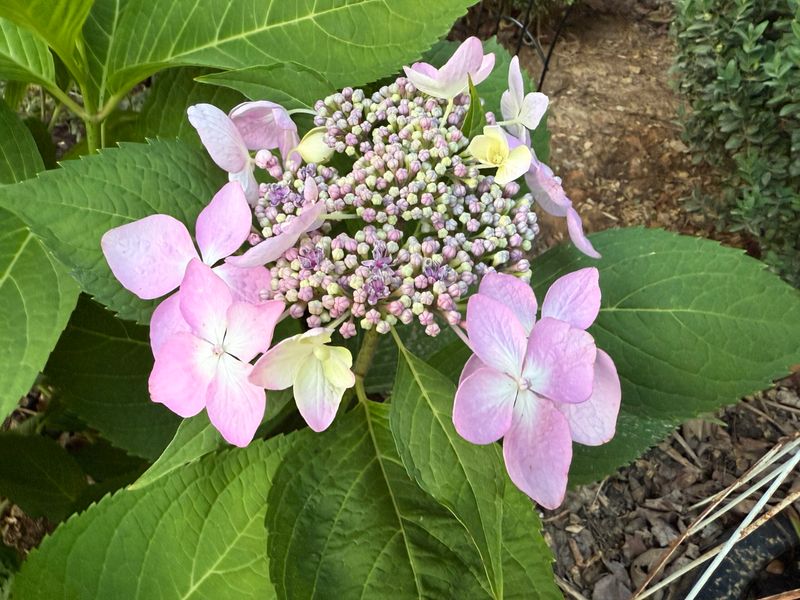
Mountain hydrangeas are a bit lesser known, but they deserve a spot in any serious garden. They are closely related to bigleaf hydrangeas but tend to be a little more cold-hardy and compact.
Their lacecap-style blooms have a quiet, elegant look that holds up nicely as they dry in fall.
Like bigleaf hydrangeas, mountain hydrangeas bloom on old wood. That means the buds for next year’s flowers are already sitting on the stems by the time fall arrives.
A heavy-handed pruning session in autumn can wipe out an entire season’s worth of blooms before they even get started.
The key with this variety is a light touch. Rather than cutting the plant back hard, focus on removing only dry or crossing branches.
Leave the flower heads and the stems they are attached to completely alone until late winter. At that point, you can prune carefully and selectively, cutting just above a healthy bud.
Mountain hydrangeas also benefit from the protection that dried flower heads provide. Their buds can be sensitive to late frosts, and those old blooms help buffer the tips of the stems from sudden temperature drops.
Think of the flower heads as a built-in layer of insulation that costs nothing to maintain.
Many gardeners who grow this variety find that the less they do in fall, the better the plant performs the following summer. Restraint is truly the best pruning tool here.
Brown Flower Heads Still Adding Fall Texture
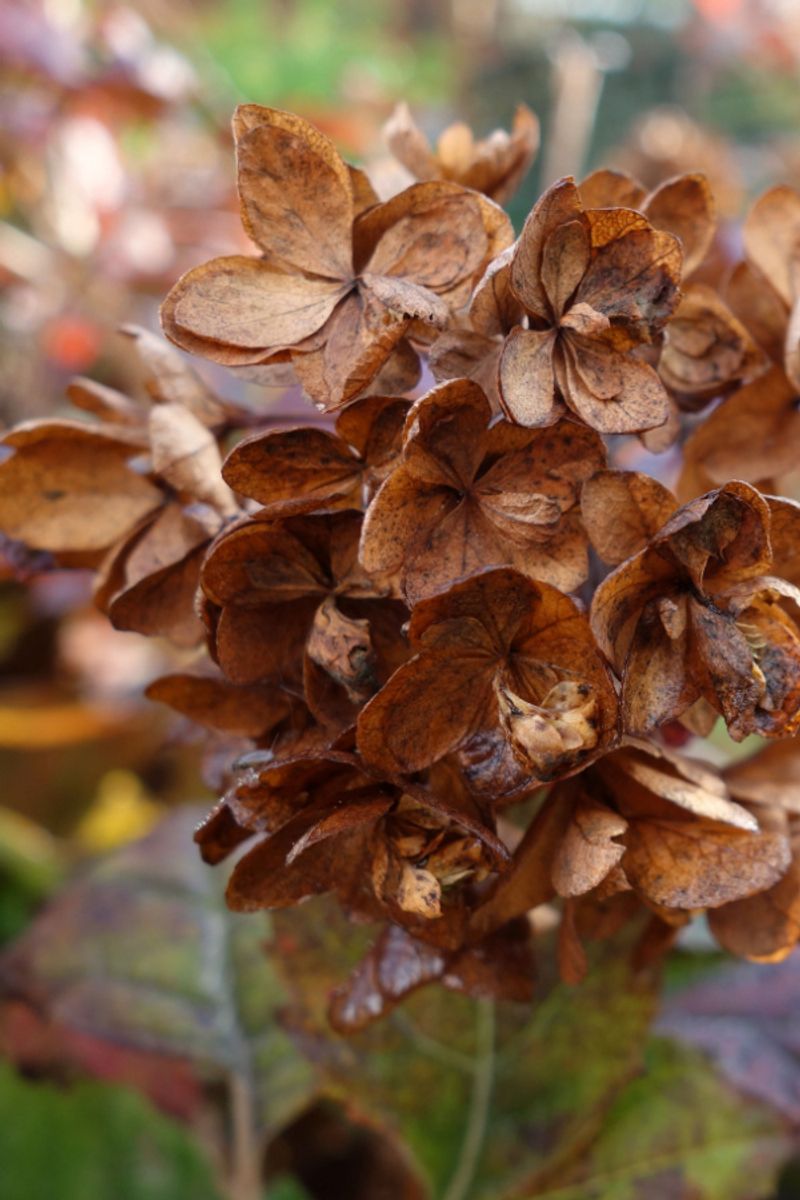
Brown is not usually a color that gets much praise in the garden, but on a hydrangea it tells a different story.
Those dried, papery blooms in shades of tan, copper, and warm brown add real texture to a fall landscape. They catch the light in a way that fresh flowers simply do not.
When the rest of the garden is going quiet, a hydrangea covered in dried flower heads becomes a focal point. The blooms hold their shape well into the season, even after rain and wind have flattened other plants.
They sway gently in a breeze and create movement in a garden that might otherwise feel still and flat.
Texture matters in garden design, especially in the fall and winter months. Gardeners who think only about color often miss what structure and form can do for a space.
A row of hydrangeas with full, rounded heads of dried blooms creates a visual rhythm that carries the eye across the garden. It is a simple effect that makes a big impact.
Wildlife also appreciates those old flower heads. Small birds perch on the stems and pick through the dried blooms for seeds and insects.
Leaving them in place supports the local ecosystem without any extra effort on your part.
So the next time you look at a brown hydrangea head and think it looks messy, consider what it is actually doing for your garden. It is earning its place right through the cold months.
Cutting Too Low Can Cost You Future Flowers
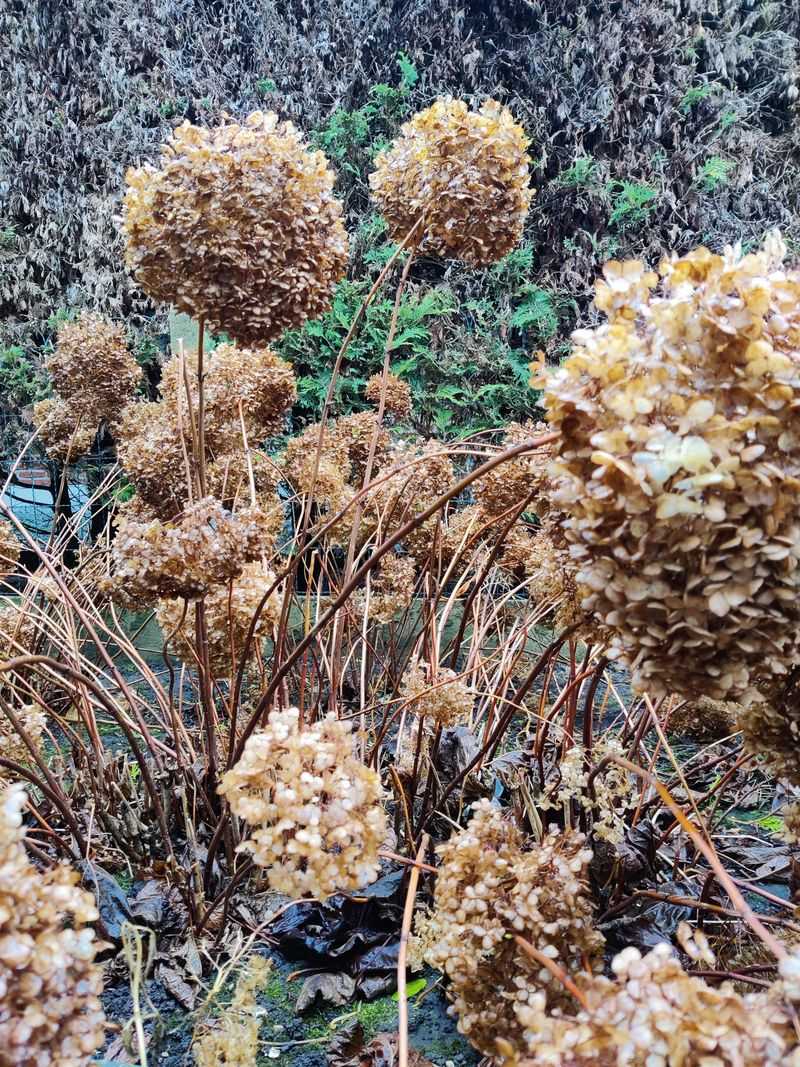
Deadheading sounds simple, but it is one of the easiest ways to accidentally set your hydrangea back. The mistake most people make is cutting too low on the stem.
On old-wood bloomers, the new buds are sitting just below the spent flower. Cut past them and you have removed next year’s blooms along with the old ones.
Even on hydrangeas that bloom on new wood, cutting too aggressively in fall can leave the plant more exposed to cold damage. The stems help protect the root zone and the crown of the plant during freezing temperatures.
Removing too much of that above-ground growth leaves less insulation for the parts of the plant that matter most.
A good rule of thumb is to never cut more than you have to, especially in the fall. If you feel the urge to tidy things up, limit yourself to removing only the very top portion of the flower head.
Leave the stem itself intact. You can always do more in late winter when you have a clearer picture of what survived the cold months.
In Oregon’s wet and mild winters, plants sometimes stay semi-dormant for weeks at a time. That makes it tricky to judge what is alive and what is not.
Waiting until late February or early March gives you a much better view. By then, green buds will be visible along the stems, and you can make smart, precise cuts without guessing.
Less really is more when it comes to fall deadheading.
Old-Wood Hydrangeas Are The Ones To Leave Alone
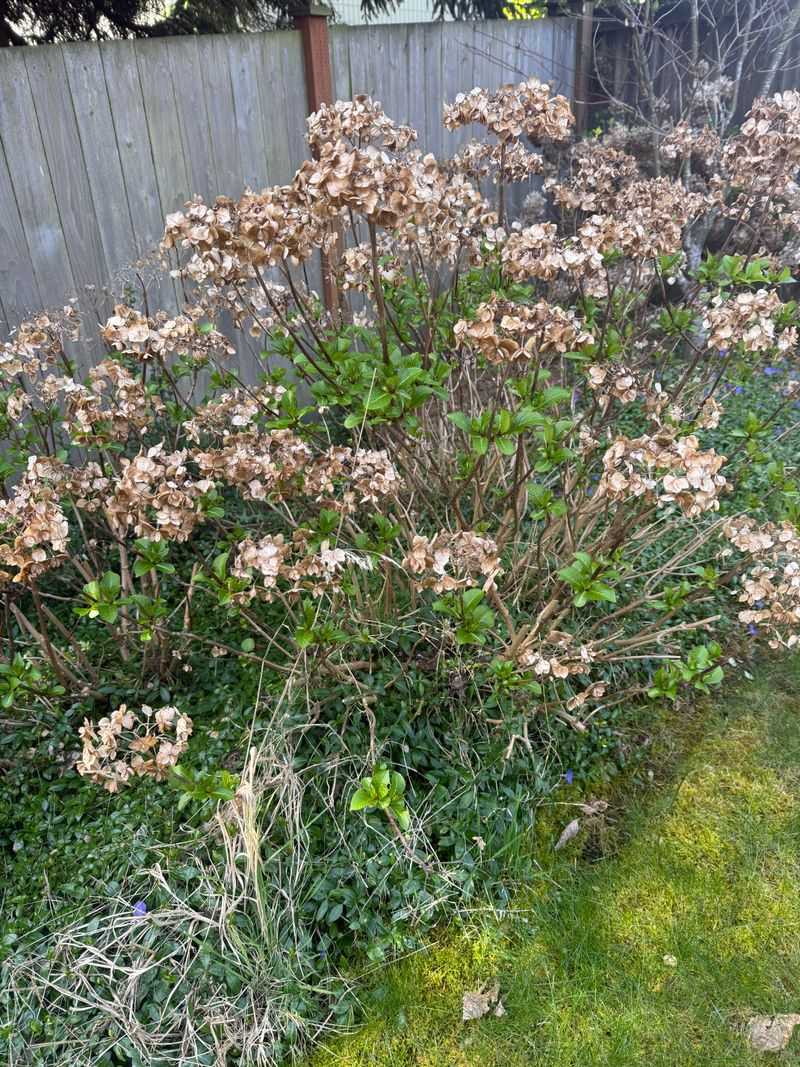
Not all hydrangeas follow the same rules, and that is where a lot of gardeners get confused. The ones you really need to protect in fall are the old-wood bloomers.
These are varieties that form their flower buds on the previous season’s stems rather than on fresh new growth.
Bigleaf, oakleaf, and mountain hydrangeas all fall into this category. If you prune them in fall or early winter, you are cutting away the buds that were already set during the late summer months.
Come spring, the plant will push out leaves just fine, but the flowers will be missing. It is a frustrating outcome that is completely avoidable.
The term “old wood” simply means the stems that grew during the current year will carry next year’s blooms. So by the time fall arrives, those stems are already loaded with future flowers in bud form.
They just need to be protected and left in place until the threat of hard frost has passed in late winter.
Smooth hydrangeas and panicle hydrangeas are different. They bloom on new wood and can handle fall or late winter pruning without losing next year’s flowers.
Knowing which type you have is the first step toward getting it right. If you are not sure, look at a plant tag, ask at your local nursery, or simply wait and observe.
Watching when and how your plant blooms will tell you everything you need to know about how to care for it.
Late Pruning Can Remove More Than You Think
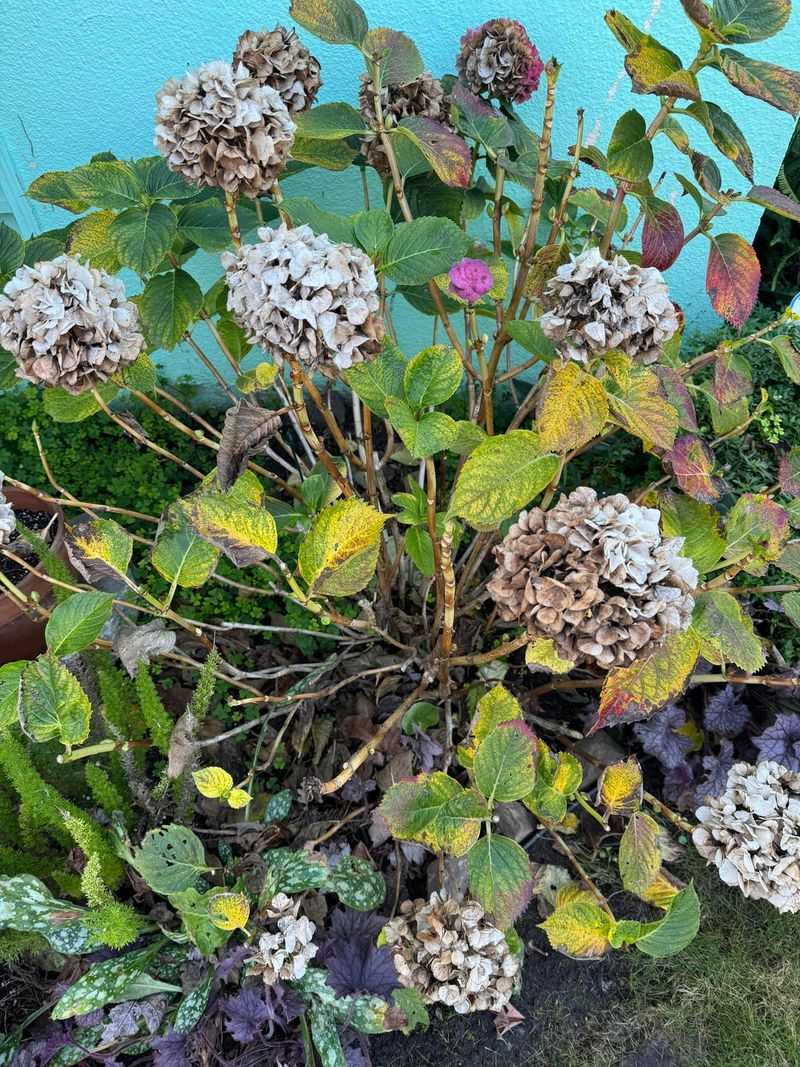
Pruning late in the season feels productive. The garden looks tidier, and it seems like you are getting a head start on spring.
But with hydrangeas, late-season pruning often does more harm than good. The timing matters more than most people realize.
When you prune in late fall or early winter, you are working with stems that are already carrying next year’s buds. On old-wood bloomers, those buds are fully formed and just waiting out the cold.
Every cut you make risks removing them. Even a careful trim can accidentally take out several buds without you noticing.
There is also the issue of wound exposure. Fresh cuts on hydrangea stems are vulnerable to frost.
When temperatures drop sharply after a pruning session, the cut end of the stem can freeze back further than expected.
That means you lose more of the stem than you intended, and possibly more buds along with it.
The best window for pruning old-wood hydrangeas is late winter, usually late February through early March in most parts of Oregon. By that time, the worst of the cold has typically passed.
You can also see the green buds clearly, which makes it easy to cut just above a healthy node.
Pruning at that point gives the plant plenty of time to push out new growth before the blooming season begins.
A little patience in fall leads to a much better payoff when summer arrives.