These Fruits And Vegetables Grow Well In Hanging Baskets In Oregon
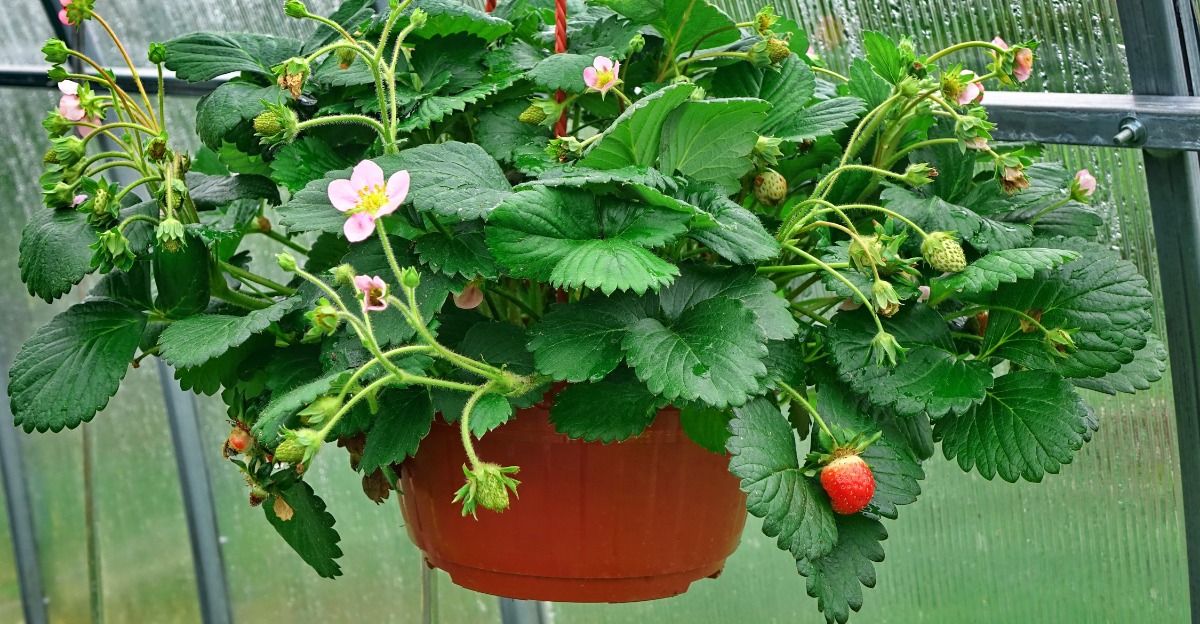
Hanging baskets in Oregon are usually full of petunias and trailing lobelia, which is lovely, but also a missed opportunity. The same baskets dangling from your porch or pergola could be producing actual food, and doing it surprisingly well.
Edible hanging baskets are one of those ideas that sounds a little experimental until you see one loaded with ripe strawberries or cascading cherry tomatoes and realize it’s one of the smarter gardening moves out there.
Space is the obvious reason to go vertical with food crops. But hanging baskets offer something ground-level beds don’t.
Better airflow, easier harvesting, and a natural barrier from slugs that can devastate certain crops at soil level. Oregon’s slug population is no joke, so that last point alone is worth considering.
Fruits and vegetables grown up high also tend to get more sun exposure, ripen faster, and look genuinely stunning while doing it. Your porch is about to become the most productive square footage in the entire yard.
1. Spinach
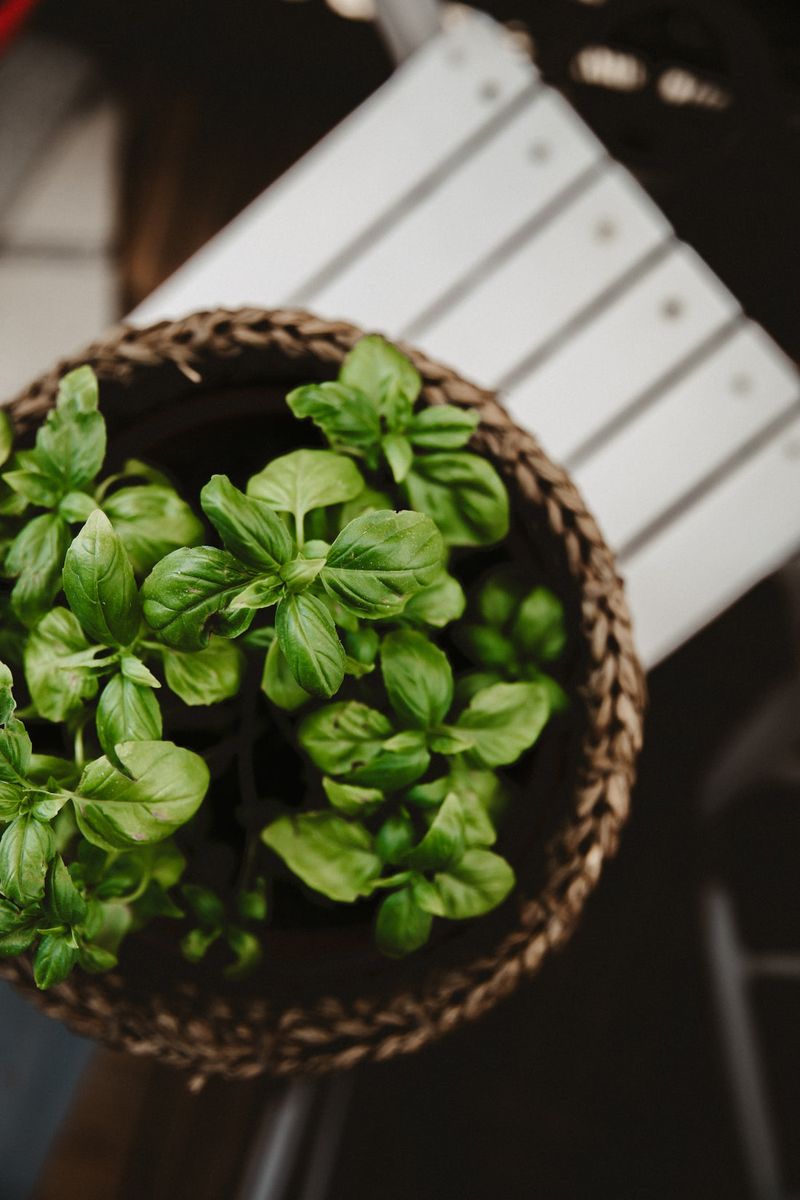
Spinach thrives in cool weather, and Oregon has plenty of that to go around. From the Willamette Valley to the Oregon Coast, the mild temperatures and frequent overcast skies create a nearly perfect environment for growing spinach in hanging baskets.
It is one of the easiest leafy greens you can grow without a traditional garden bed.
One of the best things about growing spinach in a basket is how fast it grows. Many varieties are ready to harvest in as little as 40 days.
You can start picking outer leaves early and let the center of the plant keep growing, which gives you a continuous supply of fresh greens all season long.
Choose a basket that is at least 12 inches wide so the roots have enough room to spread out. Use a lightweight, moisture-retaining potting mix to keep the soil from drying out too quickly.
Spinach likes consistent moisture, and Oregon’s natural rainfall can often do most of the watering work for you during spring and fall.
Try varieties like Bloomsdale Long Standing or Space, both of which hold up well in Oregon’s cooler climate. Avoid placing your basket in intense afternoon sun during summer, as too much heat can cause spinach to bolt, which means it goes to seed quickly and the leaves turn bitter.
Harvesting regularly actually encourages the plant to produce more leaves. Fresh spinach from your own basket tastes far better than anything from a grocery store, and it takes almost no effort to keep it going throughout the Oregon growing season.
2. Strawberries
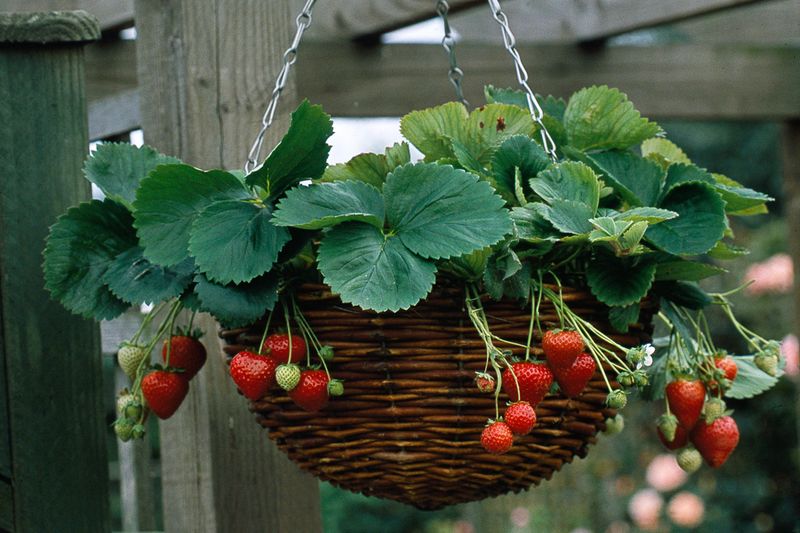
Sweet, juicy, and surprisingly easy to grow, strawberries are one of the most popular choices for hanging baskets in Oregon. They do not need a lot of soil depth, which makes them perfect for containers.
Their vines naturally trail over the sides of a basket, giving you a beautiful and productive display all at once.
In Oregon, the cool spring temperatures and regular rainfall create ideal conditions for strawberry plants. Everbearing varieties like Seascape or Quinault work especially well because they produce fruit multiple times throughout the growing season.
Your Oregon Garden Changes Every Week. Your Plan Should Too.
Gardening in Oregon changes quickly throughout the season. Every Friday you’ll receive a simple weekly plan showing exactly what to plant, prune, fertilize, harvest, and protect so you never miss the right timing.
You can enjoy fresh berries from late spring all the way into early fall.
Place your basket somewhere that gets at least six hours of sunlight each day. Morning sun with a bit of afternoon shade works great in warmer parts of Oregon.
Water your strawberries regularly but make sure your basket has good drainage so the roots do not sit in soggy soil.
Feed your plants with a balanced fertilizer every two to three weeks during the growing season. Remove any dead flowers or old fruit to encourage new growth.
Pinching off runners will help the plant focus its energy on producing more berries instead of spreading out.
Hanging strawberries also stay cleaner than those grown on the ground because the fruit hangs freely in the air. Slugs and snails, which are very common in Oregon, have a much harder time reaching fruit in a basket.
That alone makes hanging baskets a brilliant choice for strawberry lovers across the state.
3. Arugula
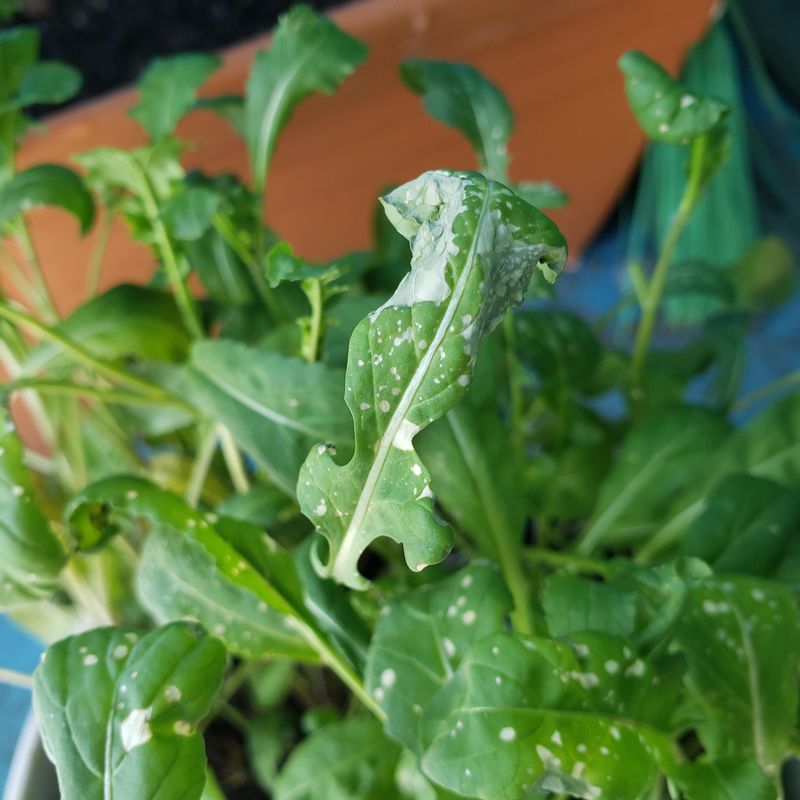
Arugula has a bold, peppery flavor that food lovers absolutely adore, and it happens to grow remarkably well in Oregon’s cool climate. This leafy green is a fantastic pick for hanging baskets because it grows quickly, takes up little space, and keeps producing leaves as long as you keep harvesting.
It is one of those plants that practically takes care of itself.
In Oregon, arugula does best during the spring and fall months when temperatures stay between 45 and 65 degrees Fahrenheit. The natural rainfall throughout much of the state means you may not need to water it very often.
Just make sure your basket drains well so the roots stay healthy and the plant does not get waterlogged during heavy rain.
Plant arugula seeds directly into your hanging basket and thin them out once they sprout. You can sow new seeds every two to three weeks for a continuous harvest.
Within about 30 to 40 days, you will have leaves ready to snip and toss into salads, sandwiches, or pasta dishes.
Keep your basket in a spot with partial to full sun. In warmer areas of Oregon, a little afternoon shade helps prevent the plant from bolting too early.
Once arugula bolts and flowers, the leaves become very sharp and spicy, though some people actually enjoy that intense flavor in small amounts.
Did you know arugula has been grown since ancient Roman times? It was considered a prized food and even used as a medicinal herb.
Bringing this ancient green into your Oregon hanging basket is a small nod to a very long and flavorful history.
4. Radishes
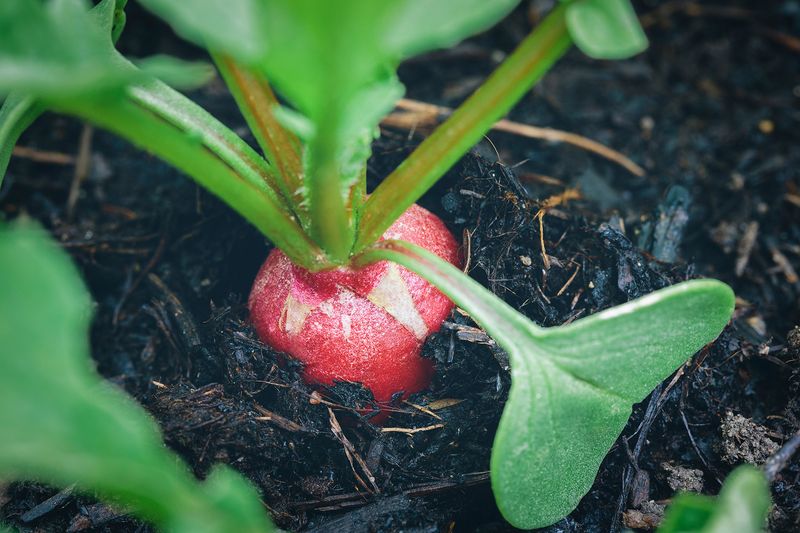
Radishes might be the fastest vegetable you can grow in a hanging basket, and that makes them incredibly satisfying. Some varieties go from seed to harvest in as few as 22 days.
If you are new to container gardening in Oregon, radishes are a brilliant starting point because they ask very little from you and reward you quickly.
Cherry Belle and Easter Egg are two popular varieties that work great in baskets. They stay compact, which is exactly what you need when space is limited.
Their leafy tops are bushy and attractive, so your hanging basket looks full and lush even before the radishes are ready to pick.
Oregon’s cool, moist spring and fall seasons are the sweet spot for growing radishes. They prefer temperatures between 50 and 65 degrees, which describes much of Oregon’s spring weather perfectly.
Sow seeds about an inch apart and water consistently to keep the soil from drying out between rainfalls.
Make sure your basket gets at least four to six hours of sunlight per day. Radishes that do not get enough light tend to focus all their energy on growing big leafy tops instead of the actual root you want to eat.
A sunny south-facing porch in Oregon is an ideal spot for your radish basket.
Succession planting works really well with radishes. Every two weeks, add a new round of seeds to a fresh basket or the same one after harvesting.
That way, you will have a steady supply of crisp, spicy radishes throughout the entire Oregon growing season without any gaps.
5. Basil
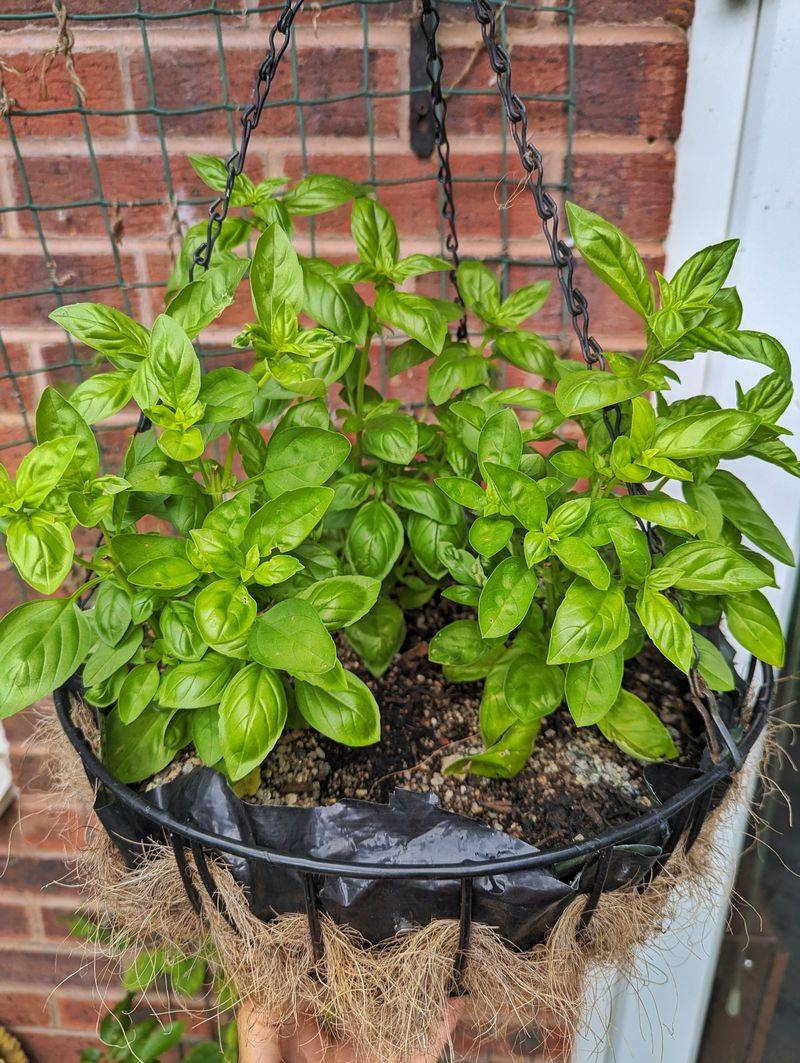
Walking past a basket of fresh basil on a warm Oregon afternoon is one of those simple pleasures that is hard to beat. The rich, sweet aroma hits you before you even touch a leaf.
Basil is one of the most beloved culinary herbs in the world, and it grows beautifully in hanging baskets as long as it gets plenty of warmth and sunshine.
In Oregon, basil grows best during the summer months when temperatures are consistently above 60 degrees Fahrenheit. It is a heat-loving plant, so choose a spot on your porch or patio that receives at least six to eight hours of direct sunlight each day.
Avoid placing it somewhere that gets cold drafts or heavy shade, especially in coastal areas of Oregon where temperatures can stay cool even in July.
Genovese basil is the classic choice for cooking, but there are fun varieties like Thai basil, lemon basil, and purple basil that also do well in containers. Plant two or three seedlings together in one basket to create a full, lush look.
Keep the basket well-watered but never let it sit in standing water.
Pinch off flower buds as soon as they appear. Once basil starts to flower, the leaves lose some of their flavor and the plant focuses on seed production instead of leaf growth.
Regular pinching keeps the plant bushy and productive all summer long.
Fresh basil from your own basket tastes dramatically better than dried basil from a jar. Use it in pasta sauces, caprese salads, pesto, or simply torn over a pizza fresh from the oven.
Growing it in Oregon is easier than most people think.
6. Thyme
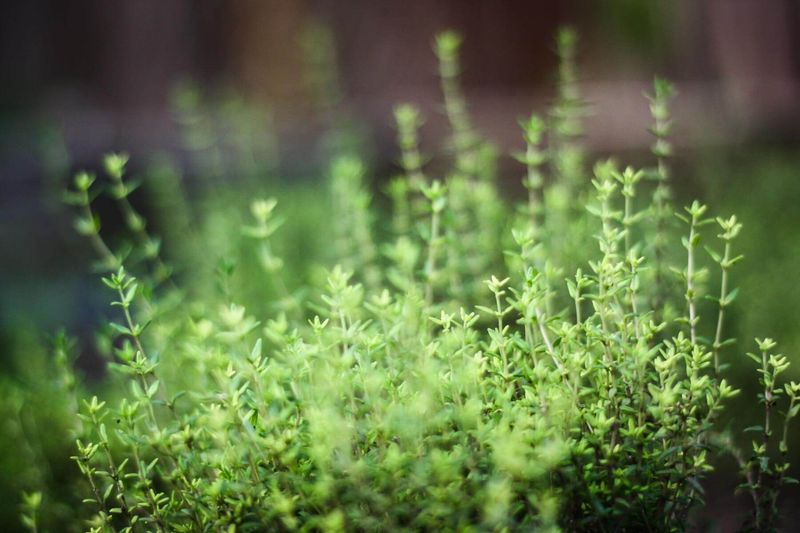
Thyme is a tough, fragrant herb that has been used in kitchens and gardens for thousands of years, and it fits right into a hanging basket like it was made for one. Its low, creeping growth habit means it naturally spills over the edges of a basket in a way that looks intentional and lovely.
For Oregon gardeners with limited space, thyme is a no-fuss choice that keeps on giving.
English thyme and lemon thyme are two varieties that perform especially well in the Pacific Northwest. Oregon’s climate suits thyme nicely because the herb tolerates both mild winters and cool, rainy springs without much complaint.
It actually prefers slightly dry conditions once it is established, so you do not need to water it as heavily as some other basket plants.
Place your thyme basket in a sunny spot that gets at least six hours of light per day. Good drainage is the most important thing to get right.
Thyme roots do not like sitting in wet soil, so use a well-draining potting mix and make sure your basket has proper drainage holes at the bottom.
Trim your thyme regularly to keep it from getting woody and sparse. After it flowers in late spring or early summer, give it a light haircut to encourage fresh new growth.
The small purple or white flowers are actually edible and make a pretty garnish for dishes and drinks.
Thyme pairs beautifully with roasted vegetables, soups, chicken, and bread. Having it right outside your door in a hanging basket means fresh herbs are always just a step away, which makes cooking in Oregon feel like a real treat every single day.
7. Cherry Tomatoes
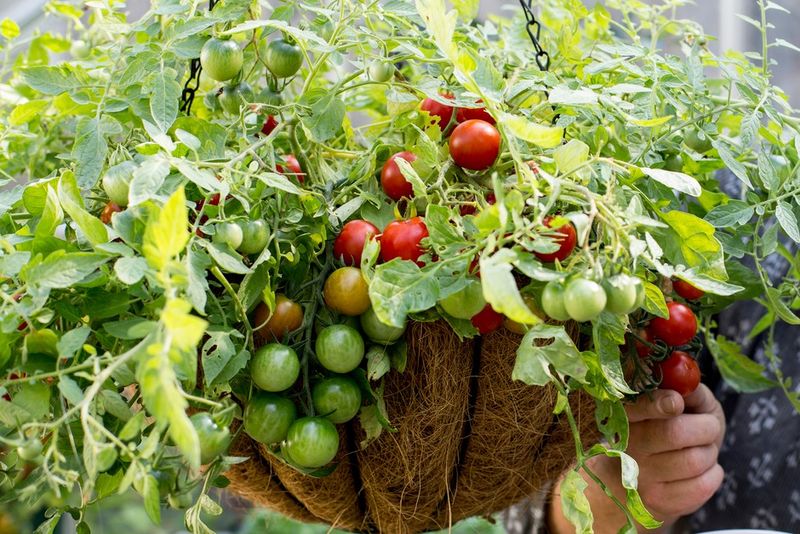
Few things beat the thrill of picking a warm, sun-ripened cherry tomato straight from a hanging basket on your back porch. These compact little powerhouses are perfectly suited for container growing because their vines naturally cascade downward, turning a simple basket into a living, edible centerpiece that looks as good as it produces.
In Oregon, varieties like Tumbling Tom, Sweet Million, and Tiny Tim perform especially well. They love the long summer days, handle the occasional cool night without throwing a fit, and keep producing fruit well into fall if you stay on top of care.
Basket size matters more than most people realize. Go with at least a 12-inch basket to give the roots enough room to develop properly and hold adequate moisture between waterings.
Speaking of watering, hanging baskets dry out significantly faster than ground beds, especially during warm stretches, so checking the soil daily is not overkill. Feed with a balanced fertilizer every two weeks once flowering starts and the harvest will keep coming longer than you expect.