14 Simple Tricks For Nonstop Petunia Blooms Plus 2 That Never Fail
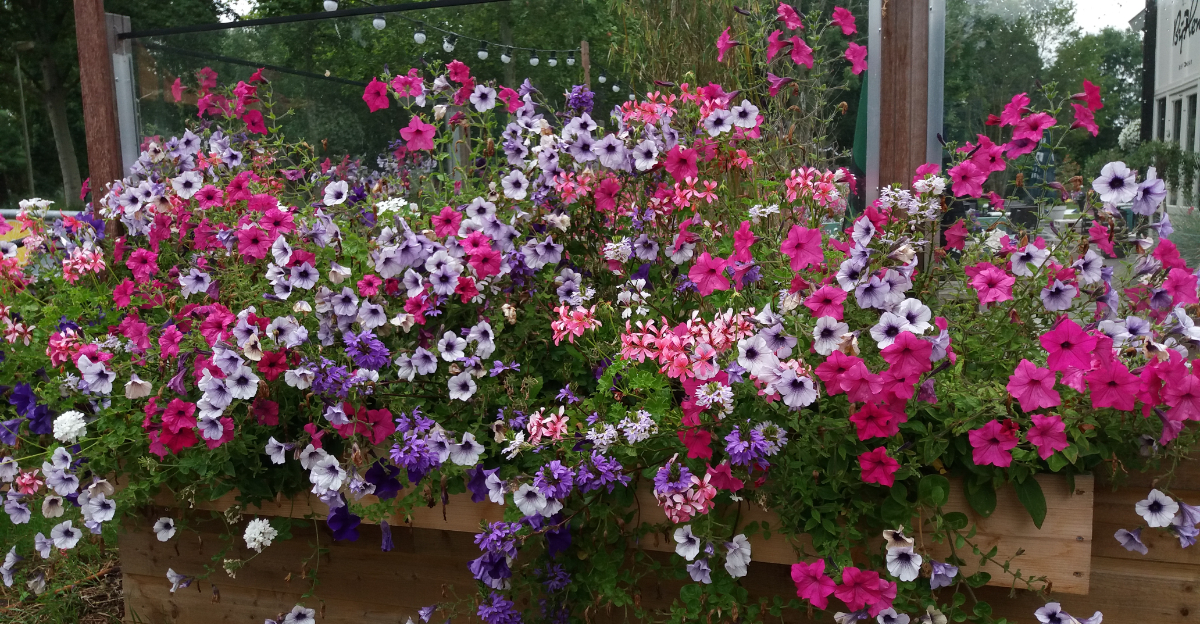
Petunias have a way of making every gardener feel like an expert back in June, right before summer heat turns on them for good. By August, that same basket that once stopped neighbors mid-walk is down to a handful of sad, stretched-out blooms.
Here’s what nobody tells you when you buy that first flat of petunias in spring. The plants still thriving right now, weeks past when everyone else gave up, aren’t surviving on luck or a better spot in the yard.
Somebody’s been doing a few small things consistently, at the moments they actually mattered. That gap between a basket that fades and one still spilling wider each week comes down to habits most people never bother learning.
1. The Morning Routine Behind Nonstop Petunia Color
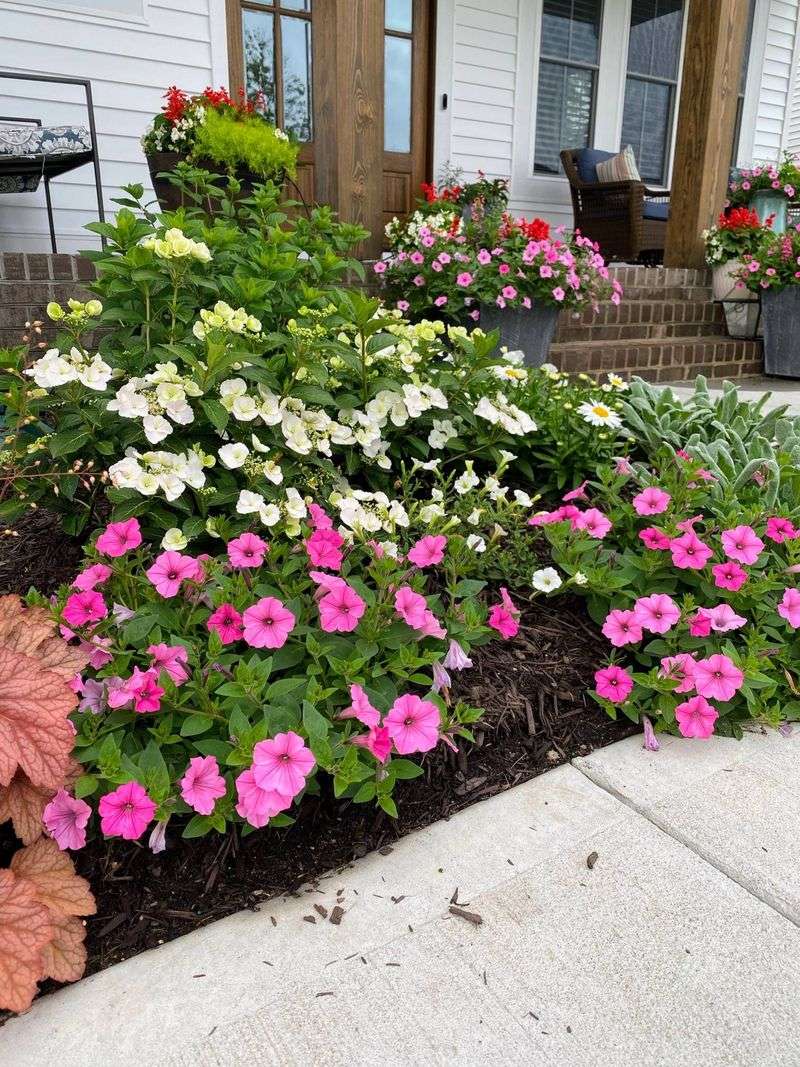
Morning is magic for petunias. Starting your day with a quick garden check sets the tone for nonstop petunia blooms all season long.
Walk your containers or beds and look for wilting, yellowing, or faded flowers. Catching problems early keeps small issues from becoming big headaches.
A five-minute morning habit saves hours of recovery work later. Check soil moisture, remove any fallen leaves, and give stems a gentle inspection for bugs.
Cooler morning air also means less stress on the plant when you handle it. This is the easiest time to water deeply too, since moisture soaks into the roots before the sun has a chance to burn it off.
Petunias love consistency more than almost any other annual flower. When your routine stays steady, the plants respond with more color and stronger stems every single week.
2. Choosing The Right Container For Maximum Blooms
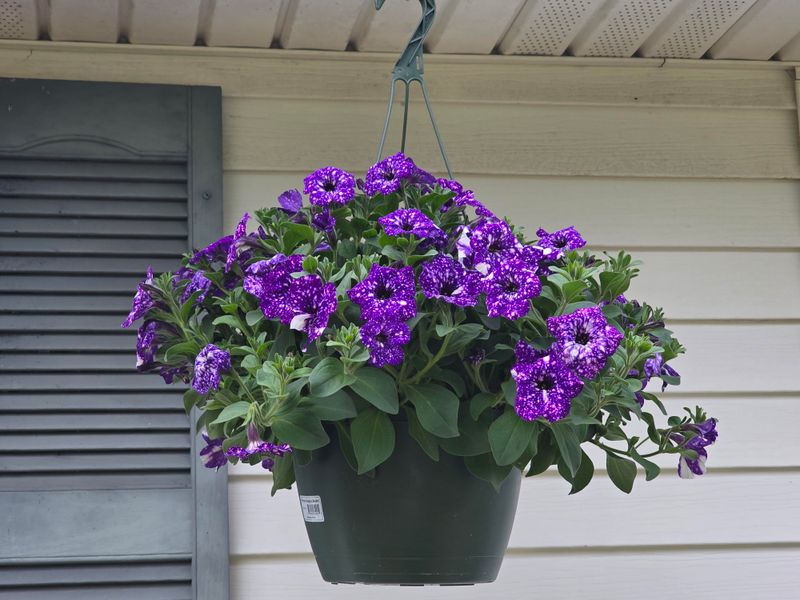
Not all pots are created equal when it comes to petunias. The container you choose directly affects how many blooms you get each week.
Go for containers at least 12 inches wide and deep. Petunias need room to spread their roots before they push energy into flowers.
Plastic pots hold moisture longer, which suits petunias in hot climates. Terracotta looks gorgeous but dries out fast and needs more frequent watering.
Color matters more than people realize too. Dark containers absorb heat and can cook shallow roots on scorching afternoons, so lighter shades are the safer bet once summer really settles in.
Drainage holes are essential for healthy petunia growth. Sitting in soggy soil causes root rot, which stops blooming faster than almost anything else you can do wrong.
3. Sunlight Requirements Most Gardeners Get Wrong
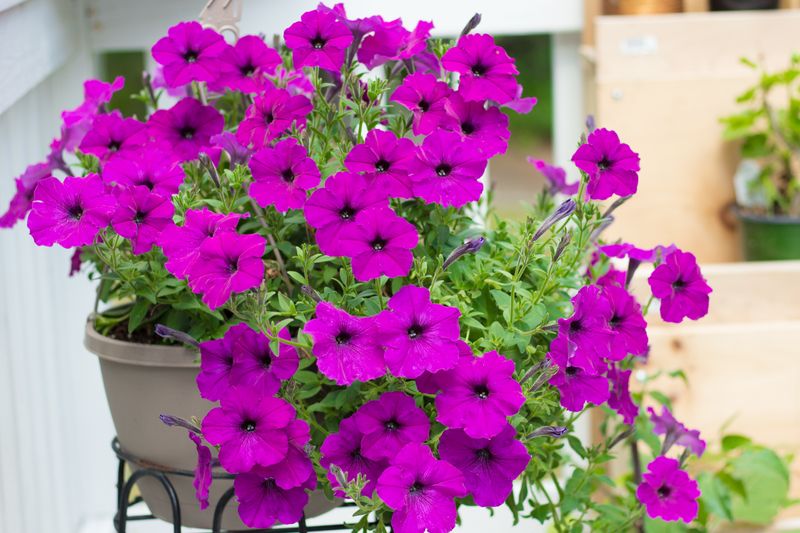
Petunias are sun lovers, plain and simple. Most gardeners underestimate just how much direct light these plants need to thrive.
Aim for at least six hours of full sun every day. Fewer hours means fewer flowers, weaker stems, and plants that stretch toward any light they can find.
Morning sun is ideal because it dries dew off leaves quickly. Wet foliage that lingers into afternoon invites fungal problems that slow down blooming significantly.
If your yard has partial shade, choose varieties bred for lower light conditions. Wave petunias and some newer hybrids handle less sun better than traditional spreading types, giving you color even in tricky spots.
4. Feeding Schedules That Keep Flowers Coming
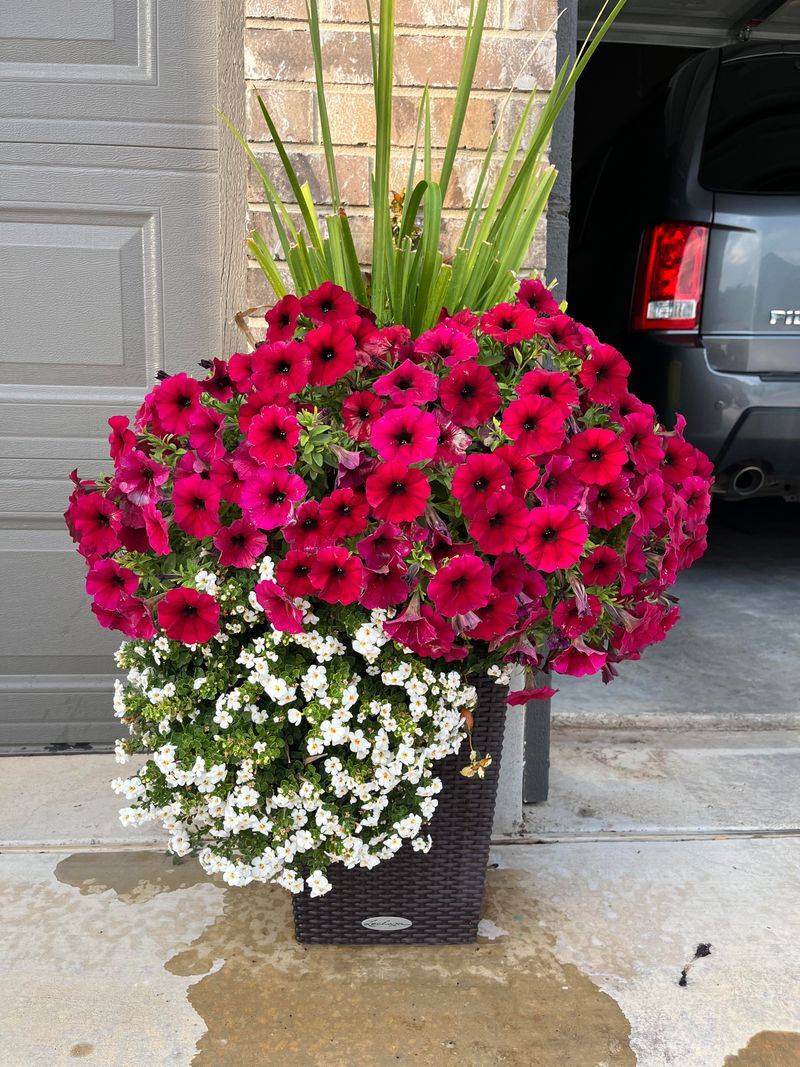
Hungry plants stop blooming fast. Petunias are heavy feeders, and skipping fertilizer is one of the top reasons gardeners lose their flowers mid-season.
Use a balanced liquid fertilizer every seven to ten days during the growing season. Consistent feeding keeps petunias pumping out new buds without pause.
Look for a fertilizer with a higher middle number, like 10-30-20. That phosphorus boost signals the plant to focus energy on flower production instead of leafy growth.
Slow-release granular fertilizers work well when mixed into soil at planting time. Combining slow-release with weekly liquid feeding gives petunias a steady supply of nutrients for nonstop petunia blooms from spring through fall.
5. Watering Habits That Prevent Leggy Stems
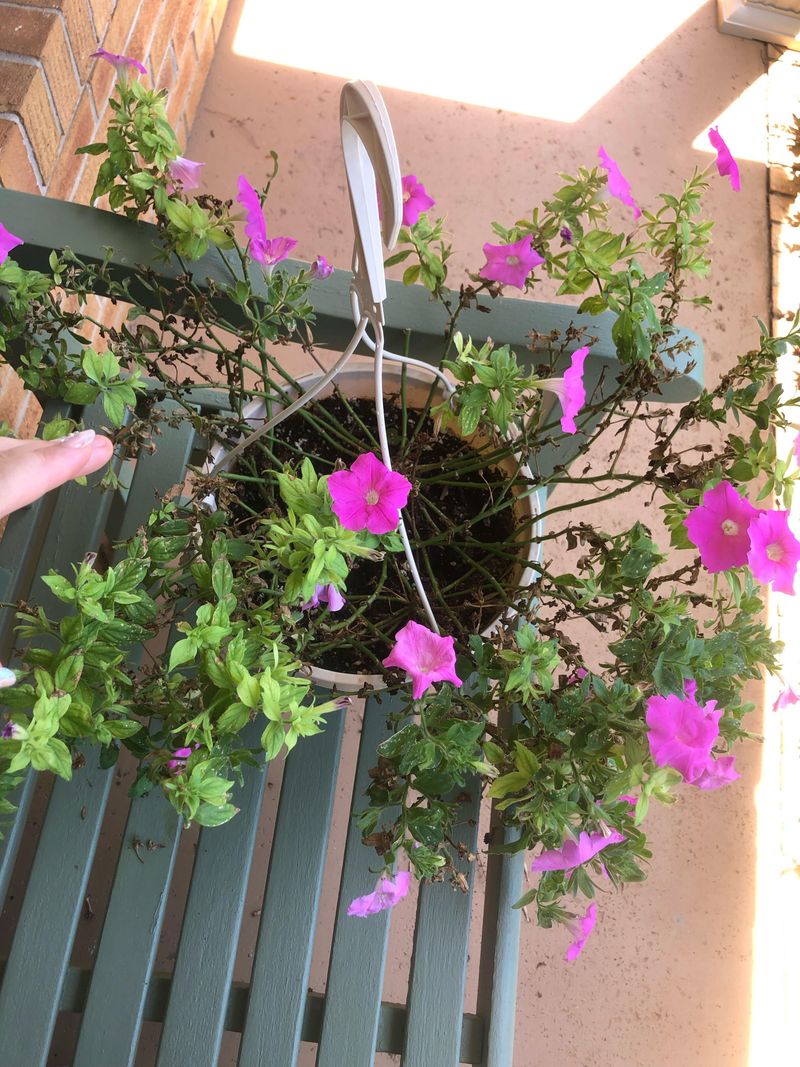
Overwatering is sneaky because it looks like underwatering at first. Leggy, stretched stems on petunias are often a sign the plant is stressed from inconsistent moisture.
Water deeply but infrequently, allowing the top inch of soil to dry out between sessions. This approach encourages roots to grow downward, building a stronger, more compact plant.
Morning watering gives foliage time to dry before nightfall. Wet leaves overnight create the perfect conditions for mold and fungal disease to move in and slow down your blooms.
Self-watering containers are a smart shortcut for busy gardeners. They maintain consistent soil moisture without the guesswork, keeping petunias hydrated and compact rather than stretched and sad-looking.
6. Removing Spent Blooms The Right Way
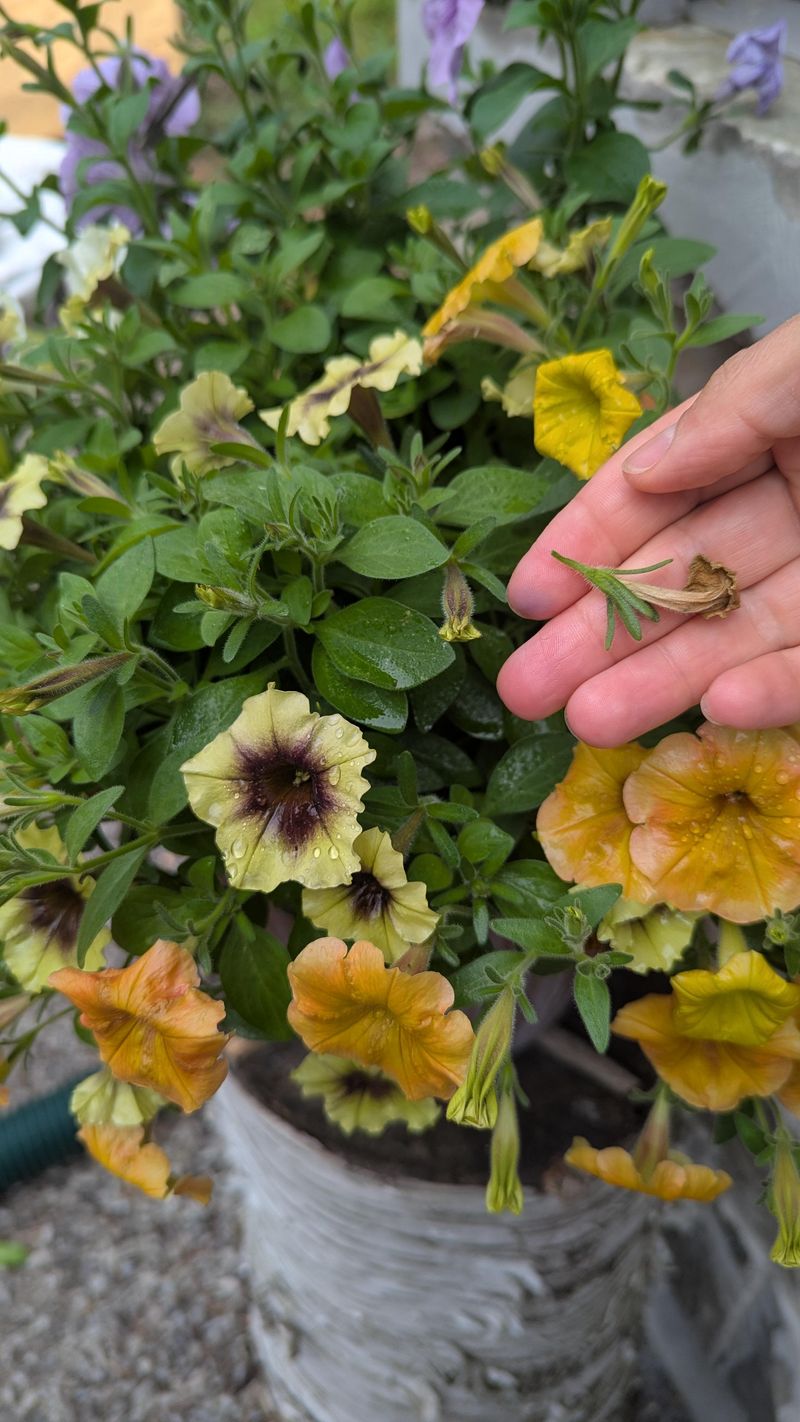
Removing spent blooms sounds fancy, but it just means pulling off old flowers before they set seed. This one habit makes the biggest difference in keeping petunias blooming nonstop.
Pinch the spent bloom and the small green seed pod behind it together. Removing just the petals leaves the pod behind, and the plant shifts energy into seed production instead of new flowers.
Check your petunias every two to three days during peak season. The more consistently you clear out old blooms, the faster new buds appear to replace what you removed.
Some newer petunia varieties are self-cleaning, meaning they drop old blooms on their own. Even self-cleaning types benefit from occasional manual bloom removal to keep plants tidy and producing at their best.
7. Soil Mixes That Support Continuous Flowering
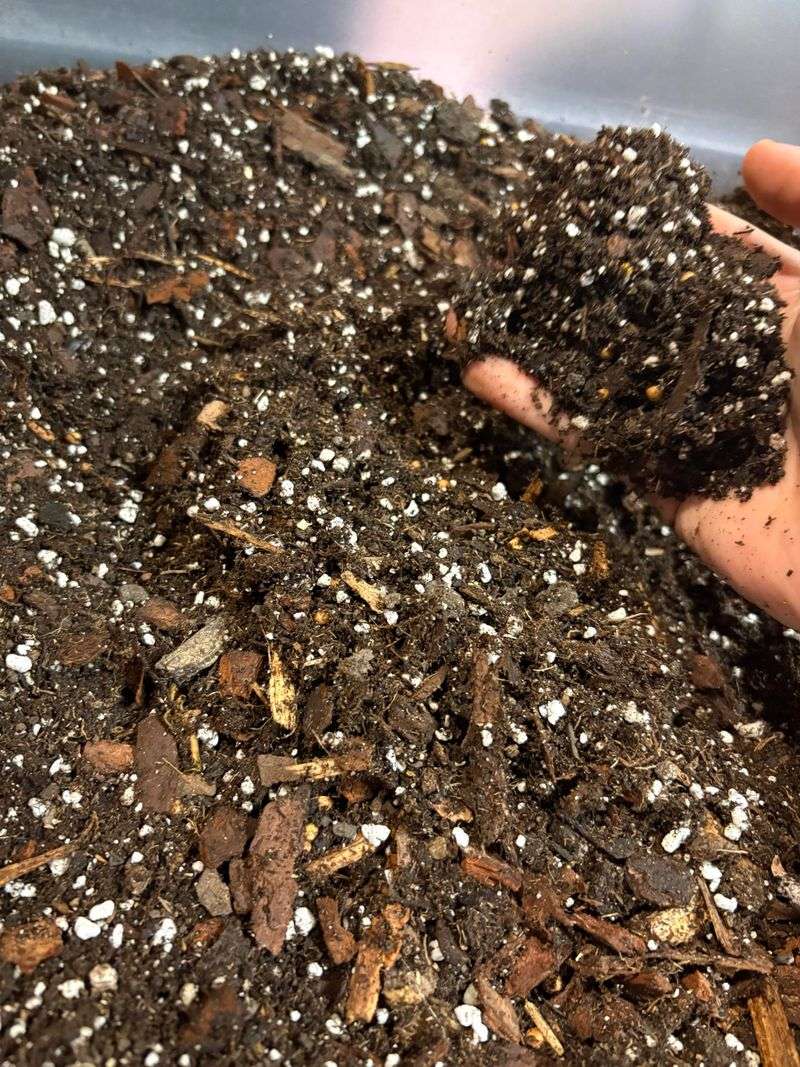
Soil quality is the foundation of everything your petunias do. Cheap or compacted soil holds your plants back from reaching their full blooming potential.
Choose a premium potting mix with perlite or vermiculite already blended in. These lightweight additions improve drainage and keep roots aerated, which petunias need to thrive.
Garden beds should be amended with compost before planting. Adding two to three inches of compost and working it into the top foot of soil creates a nutrient-rich environment that supports weeks of continuous flowering.
Avoid heavy clay soils without significant amendment. Clay holds too much water and compacts around roots, cutting off the oxygen supply petunias need to generate steady, colorful blooms season after season.
8. Pinching Techniques For Fuller Plants
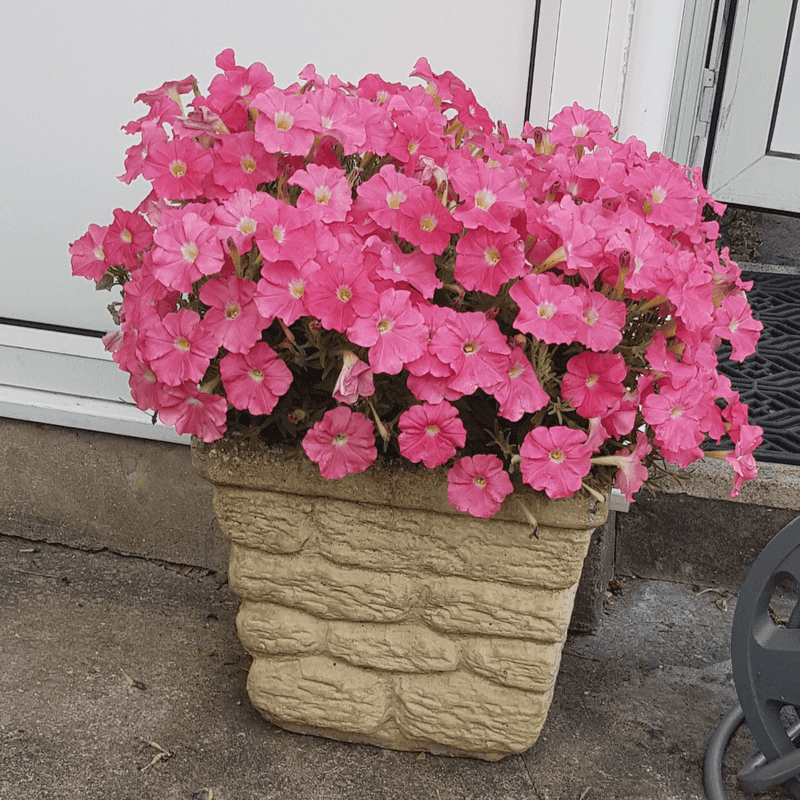
Pinching is the secret weapon most beginner gardeners skip entirely. Taking off the growing tips early on transforms a spindly seedling into a lush, full plant loaded with blooms.
When plants are about six inches tall, pinch off the top inch of each main stem. This signals the plant to branch outward rather than stretching upward.
Use your fingernails or small scissors to make clean cuts just above a leaf node. Clean cuts heal faster and reduce the chance of disease entering through rough, torn stems.
Pinching feels counterintuitive because you are removing healthy growth. Trust the process because within two weeks, each pinched stem produces two or three new branches, multiplying your future bloom count dramatically.
9. Spacing Rules For Healthy Air Flow
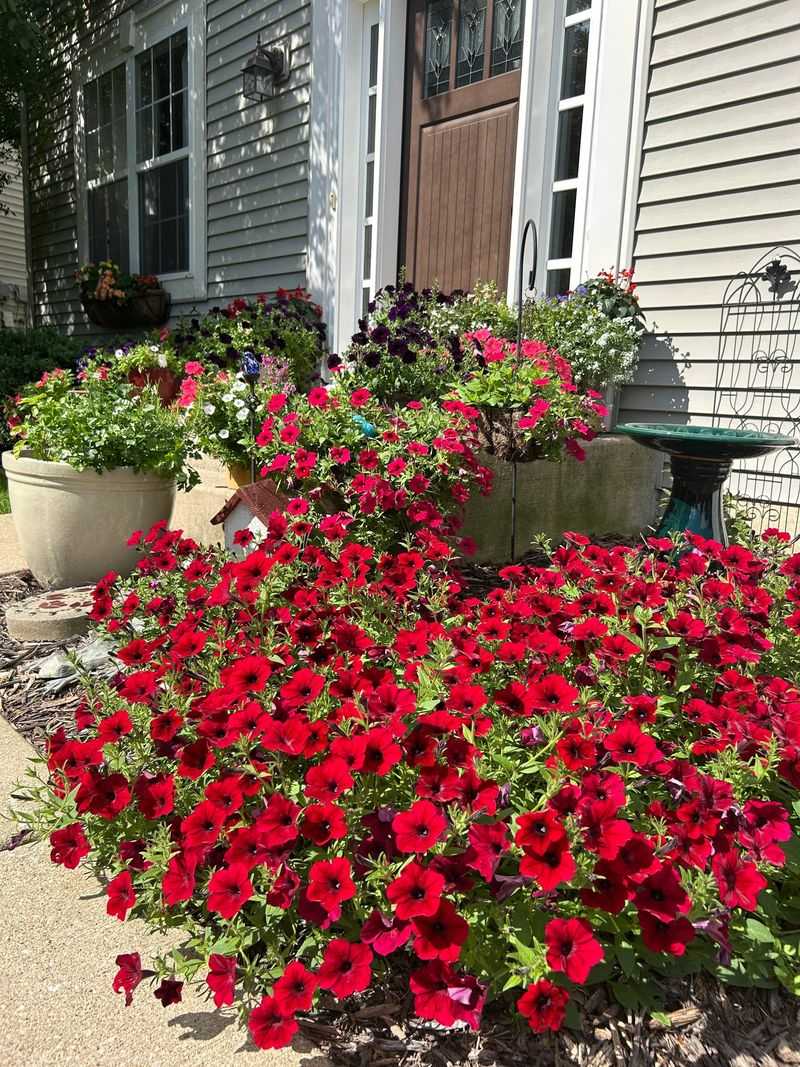
Crowded petunias compete for light, water, and nutrients. Poor air circulation between plants is also a fast track to fungal disease and reduced blooming.
Space standard petunias about ten to twelve inches apart in garden beds. Spreading and trailing varieties need a bit more room, around fourteen to eighteen inches, to cascade naturally.
In containers, follow the same general rule and avoid cramming too many plants into one pot. One or two petunias in a twelve-inch container is plenty for healthy, lush growth.
Good spacing also makes maintenance easier. You can see spent blooms clearly, reach stems without disturbing neighbors, and spot pest problems before they spread across your entire planting area.
10. Common Pests That Slow Down Blooming
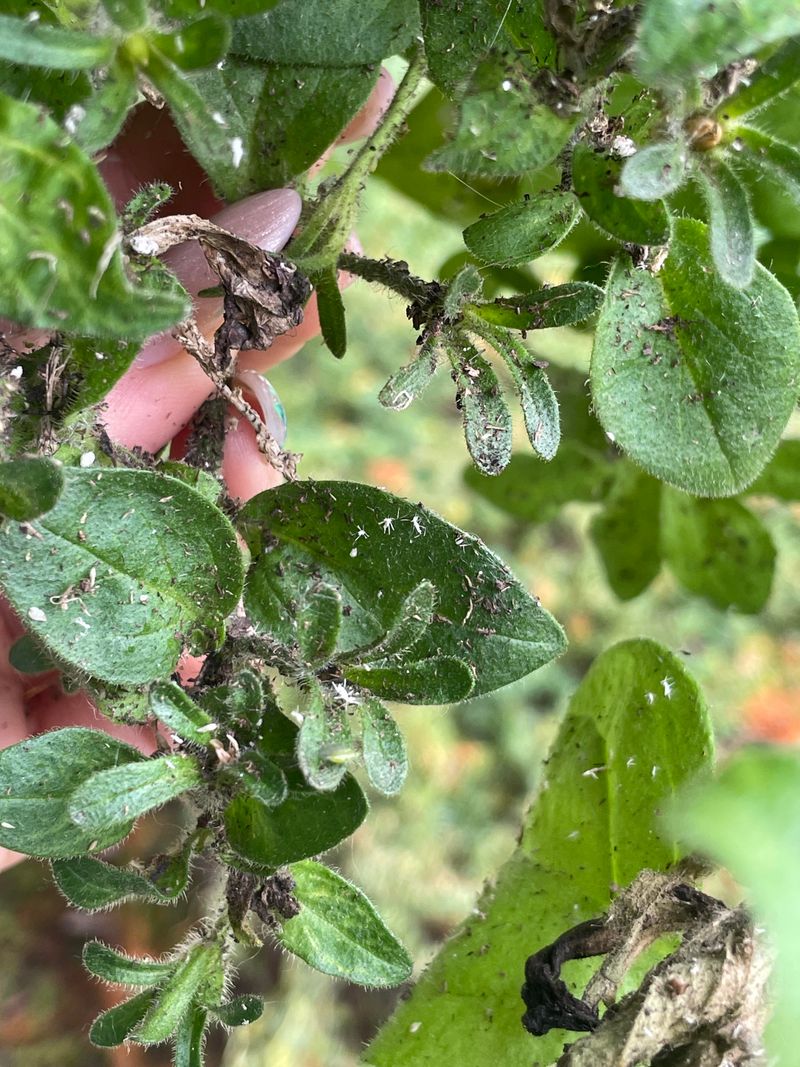
Bugs can bring your beautiful petunia display to a grinding halt. Knowing which pests to watch for gives you a head start before damage gets serious.
Aphids are the most frequent offenders, clustering on new growth and sucking out plant sap. A strong blast of water from a hose knocks most of them off without any chemicals needed.
Budworms are sneaky and destructive, chewing through flower buds before they ever open. Check for small holes in buds and look for tiny caterpillars hiding near the base of flower clusters.
Spider mites thrive in hot, dry conditions and cause leaves to look dusty or bronzed. Keeping plants well-watered and occasionally misting foliage helps deter these tiny troublemakers from setting up camp on your petunias.
11. Reviving Leggy Petunias Mid Season
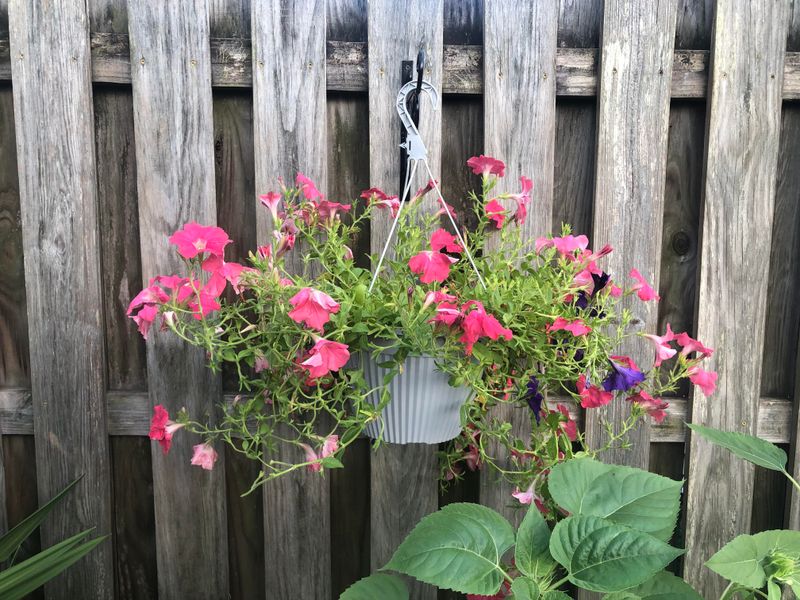
By mid-July, many petunia plants look more like tangled vines than flower powerhouses. Leggy growth is normal, but it is also totally fixable with one bold move.
Cut stems back by one-third to one-half their current length using clean, sharp scissors. This hard cutback redirects plant energy from maintaining long stems to pushing out fresh new growth.
After cutting, give plants a good drink of water and a dose of liquid fertilizer. The combination of pruning and feeding jumpstarts recovery and usually produces new blooms within ten to fourteen days.
Do not panic when plants look sparse right after cutting. Revived petunias bounce back stronger and often bloom more intensely in late summer than they did during their original spring flush of color.
12. Trailing Varieties Versus Upright Types
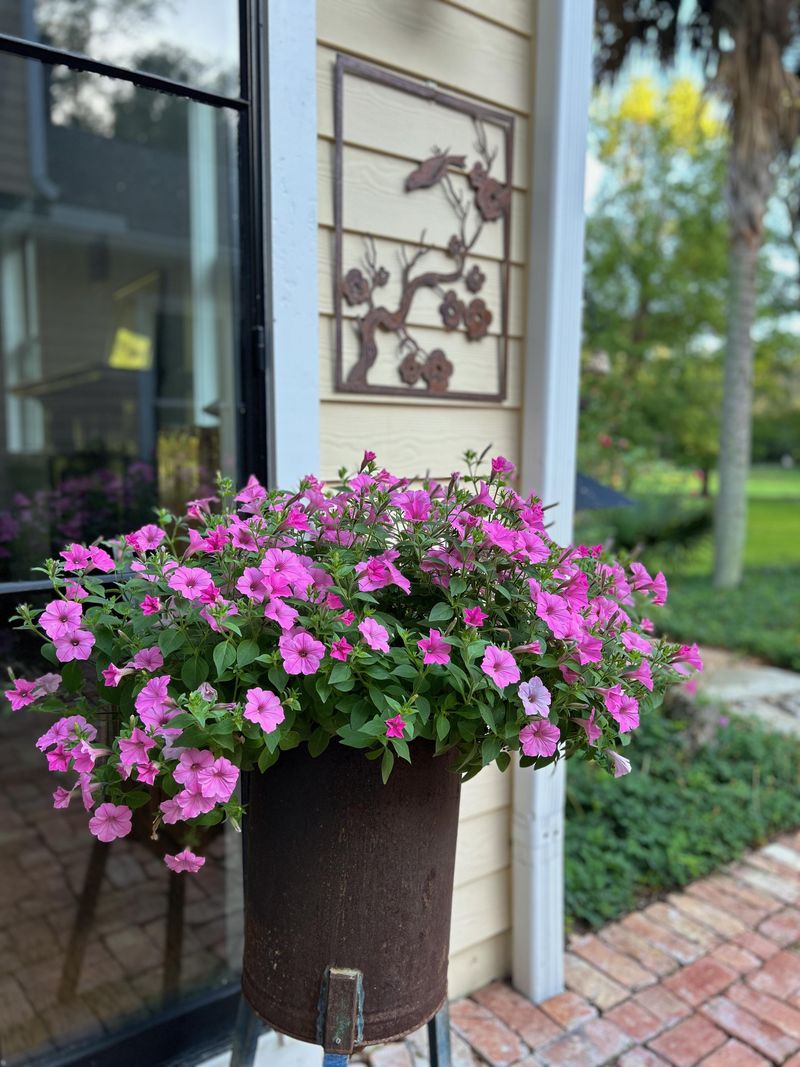
Choosing the right petunia type for your space makes a huge difference in your results. Trailing and upright varieties behave very differently and shine in different settings.
Trailing types like Wave petunias are bred to cascade and spread, making them ideal for hanging baskets and window boxes. They cover ground quickly and produce blooms across long, flowing stems.
Upright varieties grow more compactly and work beautifully in garden beds and mixed containers. They tend to stand taller and hold their shape better in windy conditions than their trailing cousins.
Both types reward the same care habits, including regular feeding, removing spent blooms, and proper watering. Knowing which one you have helps you set realistic expectations and place plants where they can truly perform at their peak.
13. Fertilizer Ratios That Encourage More Flowers
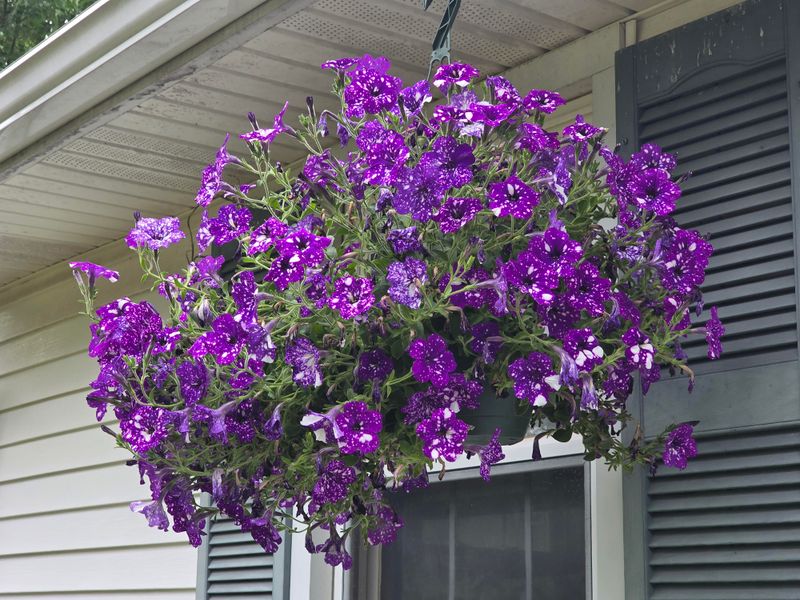
Reading a fertilizer label does not have to feel like a chemistry test. The three numbers on every package tell you exactly what the plant is getting and what it will do.
The first number is nitrogen, which fuels leafy green growth. Too much nitrogen gives you lush foliage but very few flowers, which is the opposite of what petunia lovers want.
The second number is phosphorus, and this one is your best friend for nonstop petunia blooms. Higher phosphorus levels encourage the plant to put its energy into bud formation and flower development.
A ratio like 15-30-15 hits the sweet spot for maximum flowering. Apply it every seven to ten days and watch your petunias respond with a burst of new buds that keeps the color show going strong.
14. Weather Conditions That Trigger Bloom Breaks
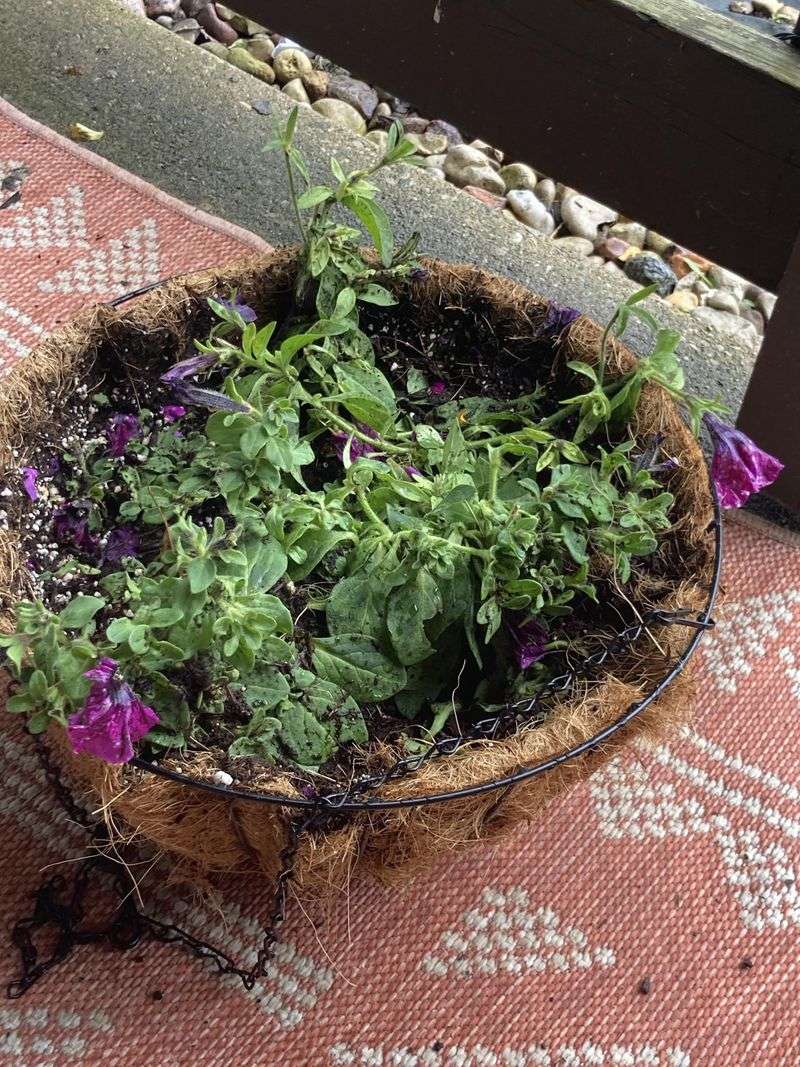
Even well-cared-for petunias can hit a blooming pause when weather turns extreme. Understanding what causes these breaks helps you respond quickly instead of assuming something went wrong.
Intense heat above 90 degrees Fahrenheit causes petunias to slow flower production and focus on survival. Providing afternoon shade during heat waves gives plants relief and helps them bounce back faster.
Sudden temperature drops in early fall trigger a similar response. Plants sense shorter days and cooler nights as signals to wind down, even if daytime temperatures still feel warm and pleasant.
Heavy rain washes away fertilizer and can batter delicate blooms. After a major storm, remove damaged flowers and apply a fresh dose of fertilizer to help petunias recover and restart their blooming cycle quickly.
15. Mixing Slow-Release Fertilizer Directly In Soil
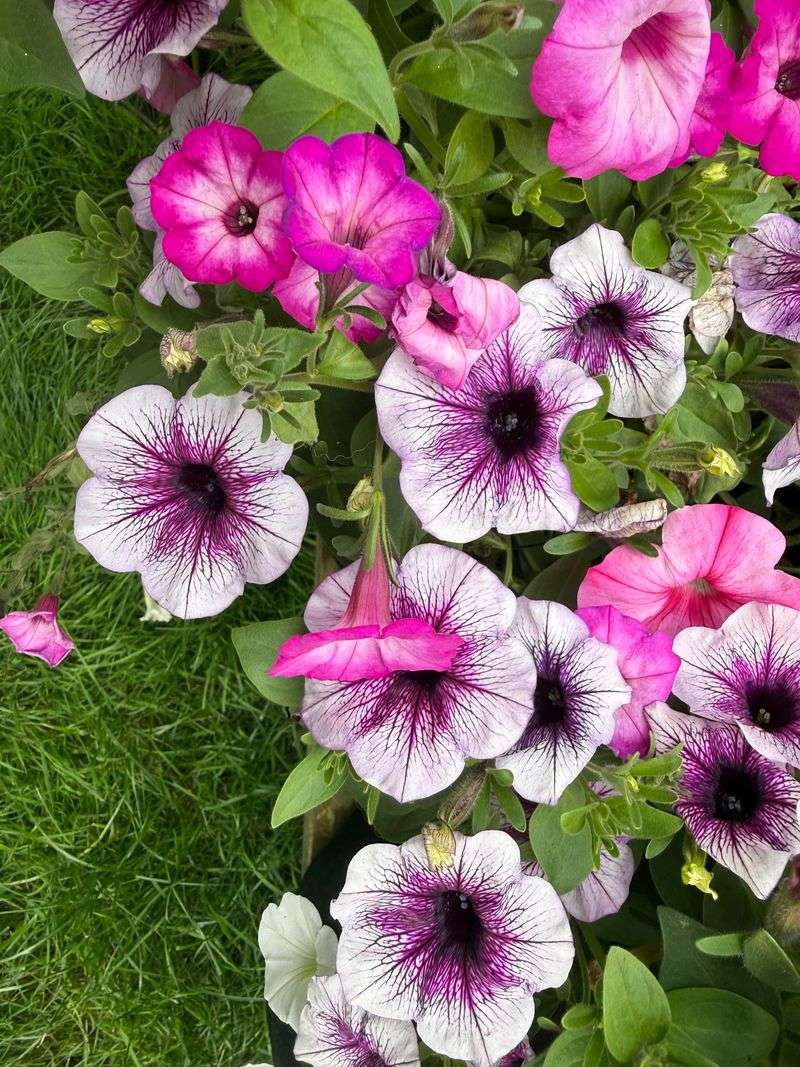
If there is one trick that every experienced petunia grower swears by, this is it. Mixing slow-release fertilizer directly into your potting soil at planting time changes everything about how your season unfolds.
Slow-release granules work by releasing nutrients gradually over several months. Your plants rarely experience the feast-or-famine cycle that comes with forgetting to fertilize on schedule.
Start with the recommended amount on the package label, then mix it thoroughly into the soil before adding plants. This helps distribute nutrients evenly throughout the root zone from day one.
This single step supports nonstop petunia blooms without requiring perfect memory or a strict calendar reminder. Pair it with occasional liquid feeding and you have a nearly foolproof system for season-long color that keeps your garden looking its best.
16. Combining Spent-Bloom Removal With A Cutback
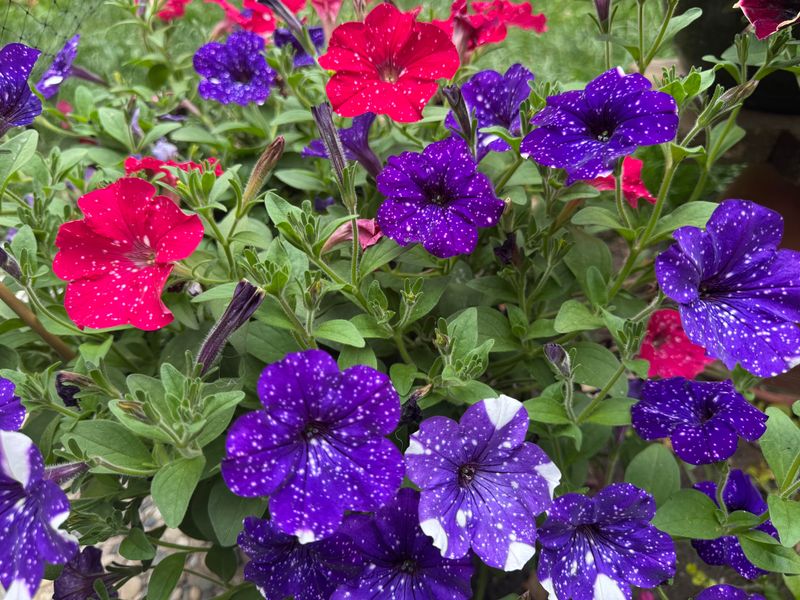
The second trick is so simple it almost feels too easy to be true. Pairing weekly spent-bloom removal with a mid-season cutback is the ultimate combo for continuous petunia color.
Snipping off finished flowers every few days stops seed pods from forming before they even start. This keeps the plant focused on producing new buds rather than putting energy into seeds it will never actually need.
Then, around the six to eight week mark, give the whole plant a firm cutback by about one-third. This resets the plant’s blooming cycle and triggers a fresh flush of growth and flowers.
Practiced together, these two habits deliver nonstop petunia blooms from late spring all the way through the first frost. Gardeners who commit to both tricks consistently get fuller, longer-lasting color, season after season.