These Pennsylvania Native Plants Hold Berries Birds Can Find Deep Into Winter
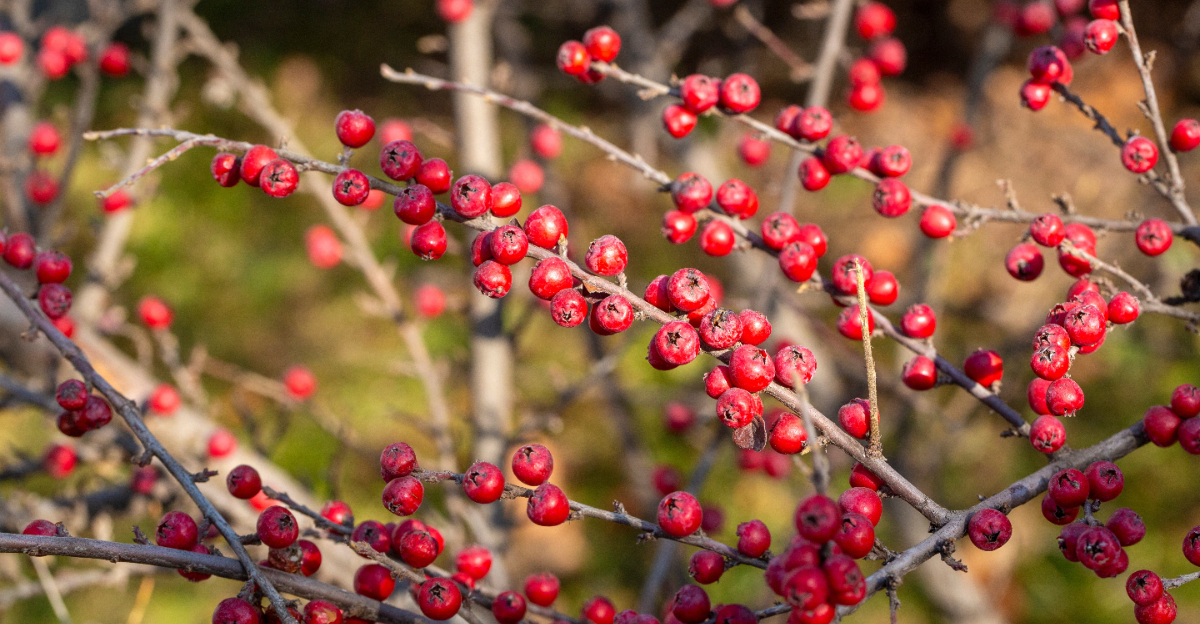
January can make a Pennsylvania yard look almost empty.
The flower beds sit quiet. Insects disappear from view. Snow covers the easy scraps, and suddenly every bit of color on a bare branch starts to matter.
Then a robin drops into a shrub and finds breakfast.
That is the part many gardens miss.
Some native plants carry fruit long after summer flowers fade, while others feed birds earlier and help bridge the lean stretch toward winter. Put several together, and your yard starts to work like a seasonal pantry instead of a one-week buffet.
Which branches will still have something worth finding after the first hard freezes?
The answer includes glossy evergreens, bare red stems, blue-black fruit, and one rugged plant that looks almost better after the leaves disappear.
Birds will decide what gets eaten first, of course. They never read the landscape plan.
Give them enough choices, though, and a cold Pennsylvania morning can stay surprisingly busy, colorful, and very well attended. Right outside your own kitchen window too.
1. Plant Winterberry For Bright Red Fruit
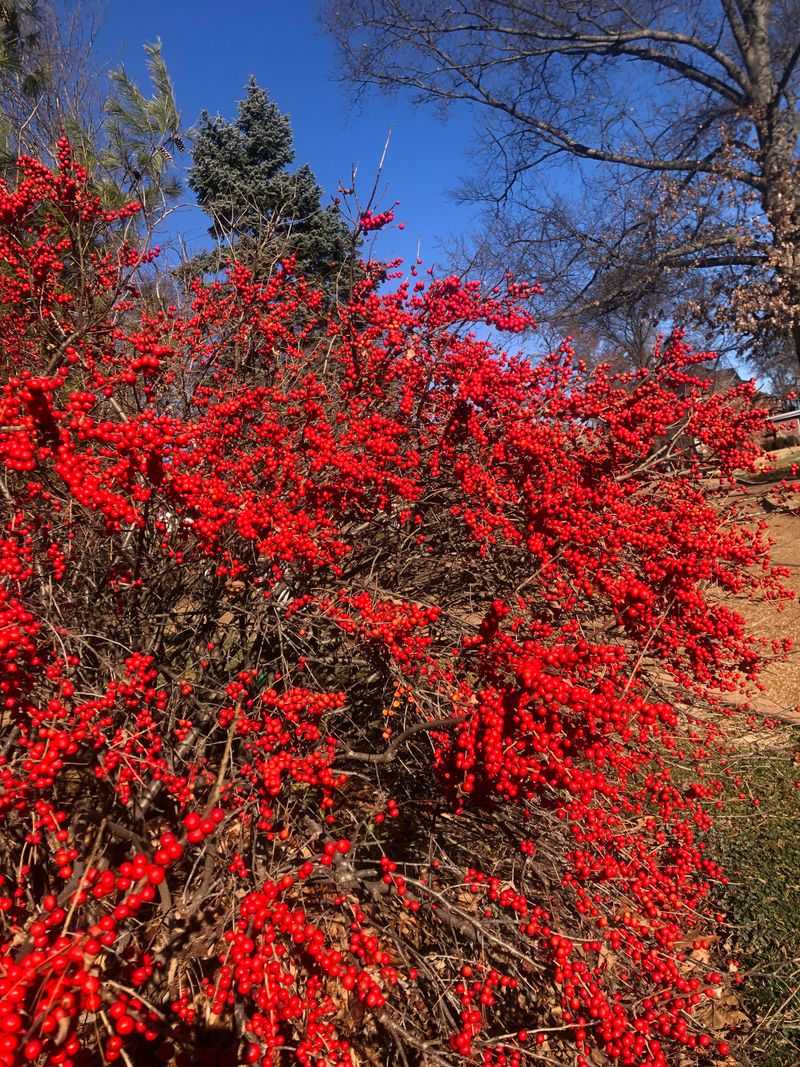
A winterberry shrub after leaf drop looks like somebody decorated bare branches with red buttons.
That color is not only for you.
Winterberry, Ilex verticillata, is native to Pennsylvania, and its fruit can remain on the stems into winter. Birds such as robins, bluebirds, and cedar waxwings may eventually discover the crop and clear it fast.
The first trick comes before the berries.
Winterberry has separate male and female plants. A female needs pollen from a compatible male that flowers at the same time. One male can serve several nearby females, so you do not need to turn the whole bed into a holly convention.
Ask the nursery for a compatible pair.
Give the shrubs sun to part shade and soil with steady moisture. A damp low spot, rain garden edge, or naturally moist bed can suit winterberry especially well.
Leave enough room for the mature size of the cultivar you choose.
Then resist the urge to clip every fruit-covered branch for holiday decorations.
A few stems indoors look lovely. The rest can stay outside where winter birds can actually use them.
Snow makes the red fruit impossible to miss.
Apparently cedar waxwings appreciate good contrast too.
For the strongest winter pantry, plant more than one female and let the birds argue over seating.
2. Grow American Holly For Evergreen Cover
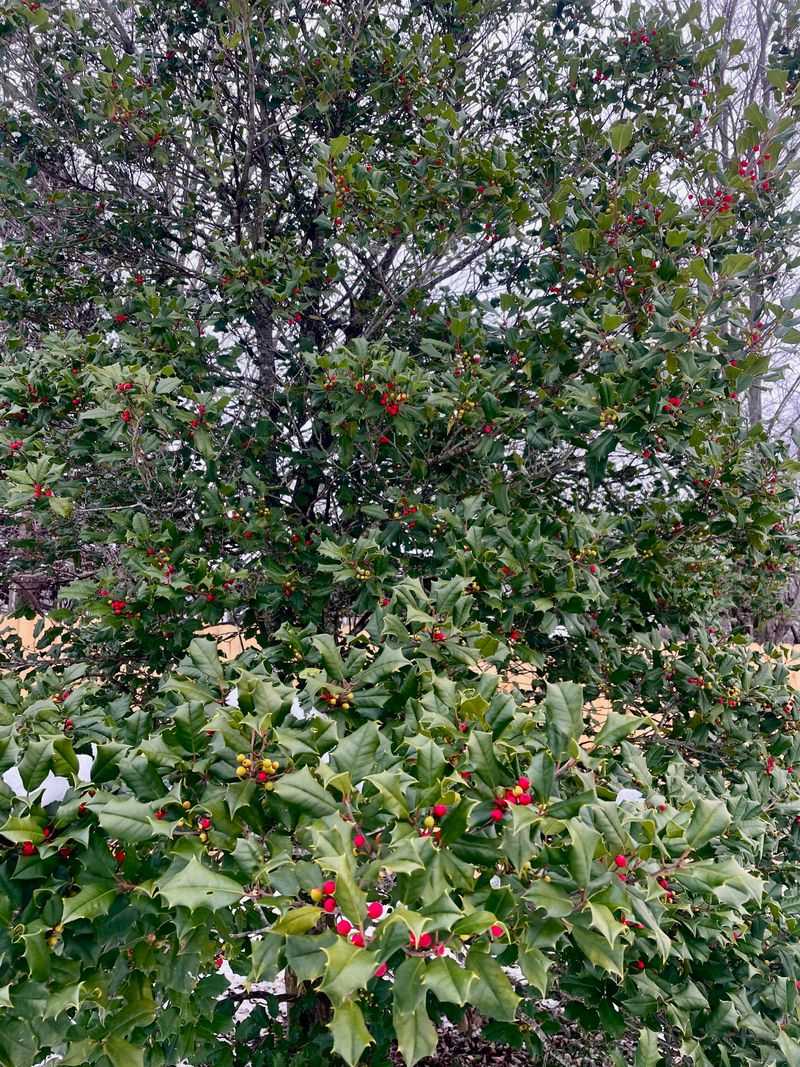
American holly brings two winter features birds appreciate at once.
The first is fruit. The second is a dense evergreen canopy that still offers cover after deciduous shrubs stand bare.
Ilex opaca is native in Pennsylvania and can grow into a substantial tree, so give it real space rather than squeeze it beside a foundation. Its red fruit develops on female plants after pollination from a compatible male.
That male-and-female detail matters.
A beautiful female holly with no suitable pollen source may give you glossy leaves and very little red fruit. Buy with the whole plan in mind rather than one handsome nursery specimen.
Your Pennsylvania Garden Changes Every Week. Your Plan Should Too.
Gardening in Pennsylvania changes quickly throughout the season. Every Friday you’ll receive a simple weekly plan showing exactly what to plant, prune, fertilize, harvest, and protect so you never miss the right timing.
American holly prefers acidic, well-drained soil and can handle partial shade.
A woodland edge or roomy backyard corner often suits it better than a narrow bed beside the driveway.
Once mature, the evergreen branches create valuable shelter during cold wind, snow, and winter rain.
The berries add another layer.
Birds can use them as other foods become harder to find, though the exact timing of a backyard feast depends on local bird numbers and what else grows nearby.
You may wait years for a young tree to look impressive.
That is the trade.
American holly plays the long game, then shows up every winter dressed for the season without a single box of decorations from the attic.
3. Add Eastern Red Cedar For Blue Berries
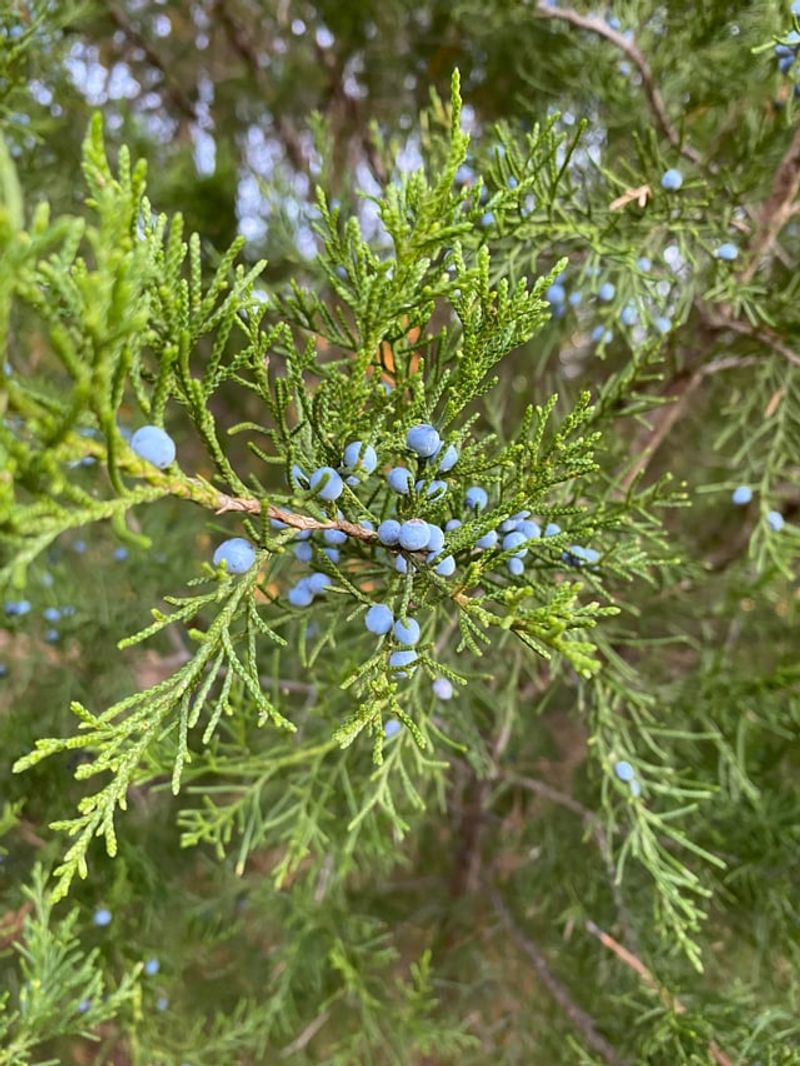
Eastern red cedar looks like it brought its own winter pantry and windbreak.
Those dusty blue fruits are not true berries. They are fleshy cones, but birds are unlikely to complain about the botanical technicality.
Juniperus virginiana is native to Pennsylvania and thrives in sunny sites with dry to moderately moist, well-drained soil. It can handle lean ground that makes fussier landscape plants look personally offended.
Female trees produce the blue cones.
That means a fruit-heavy wildlife planting needs a female tree and a nearby pollen source. Nursery labels can help you avoid a future evergreen with excellent foliage and no bird buffet.
The dense branches matter just as much as the fruit.
Robins, bluebirds, waxwings, and other birds can use the tree for food and cover through cold weather. A mature red cedar can also block wind and create a calmer pocket on an exposed property.
Give it room.
This is not a tiny foundation evergreen. Mature trees can reach 30 to 60 feet, so keep them away from power lines and cramped corners.
One caution belongs near apple and crabapple growers. Eastern red cedar serves as a host in the cedar-apple rust cycle.
That does not make the tree a villain.
It simply means your landscape plan should know who the neighbors are before everyone moves in.
4. Use Northern Bayberry For Waxy Winter Fruit
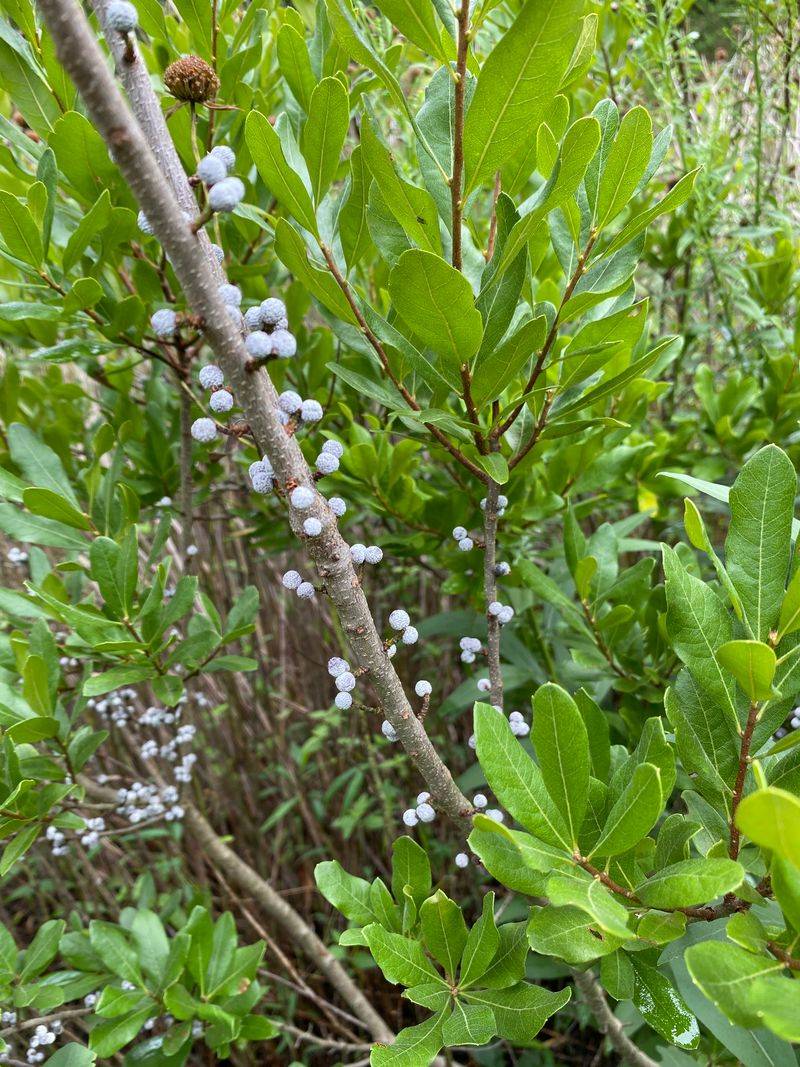
Northern bayberry looks understated until winter strips the garden down to stems and fruit.
Then the pale gray berries start to earn attention.
Morella pensylvanica is native in Pennsylvania and grows well in sunny, relatively dry sites. Its wax-coated fruit can persist into the cold season, which gives birds another food source after softer fall fruits disappear. Songbirds readily use the fruit.
The wax is part of the reason those berries feel so different from a juicy holly crop.
They are firm, pale, and rich in lipids, which can make them useful during cold weather when birds need concentrated energy.
Bayberry also brings a practical landscape bonus.
The shrub tolerates lean soil and can spread by suckers, so it works well along a property edge, naturalized slope, or informal screen.
That same habit can become annoying in a formal bed, so give it a place where a little expansion is welcome.
Fruit production is better with both sexes represented nearby.
Plant several shrubs rather than count on one lonely specimen to do everything.
Then leave the winter stems alone.
No need for a January haircut while fruit still hangs there.
Bayberry may not shout across the yard with bright red berries.
It serves more of a quiet breakfast.
Birds seem perfectly happy with the less flashy menu, and nobody has ever accused a yellow-rumped warbler of demanding fancy plating.
5. Plant Native Viburnums For Persistent Berries
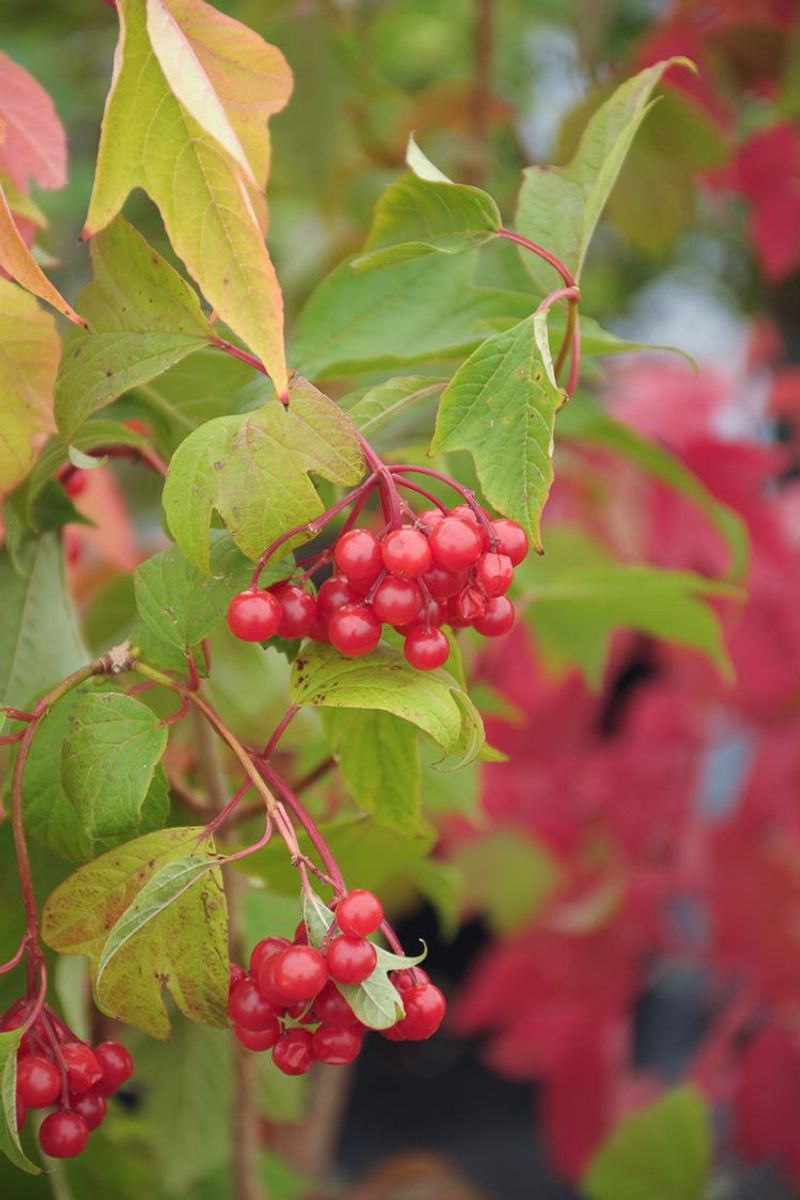
Native viburnums can turn a Pennsylvania shrub border into a relay race of bird food.
Blackhaw viburnum, Viburnum prunifolium, is one especially useful choice in the southern half of the state. Its dark fruit follows spring flowers and can feed migrating or wintering birds, though hungry flocks may clear the branches before deep winter arrives.
That timing is exactly why a mixed planting works so well.
A viburnum may feed birds in fall while winterberry and bayberry hold more fruit for later. The yard keeps passing the baton rather than asking one shrub to cover every cold month.
Give blackhaw sun to part shade and room to become a large shrub or small tree.
Mature plants can reach roughly 12 to 30 feet, so do not tuck one into a narrow bed and hope for compact manners.
Fruit set can improve when compatible plants grow nearby.
Two genetically distinct plants of the same species usually give pollinators more pollen options than a single isolated shrub.
The payoff goes beyond berries.
Spring flowers serve insects, autumn foliage adds color, and the branching structure gives birds cover.
Blackhaw is less like a snack machine and more like a four-season diner.
The berries may not wait politely until February, but birds rarely complain about an early table.
6. Grow Chokecherry For Seasonal Bird Food
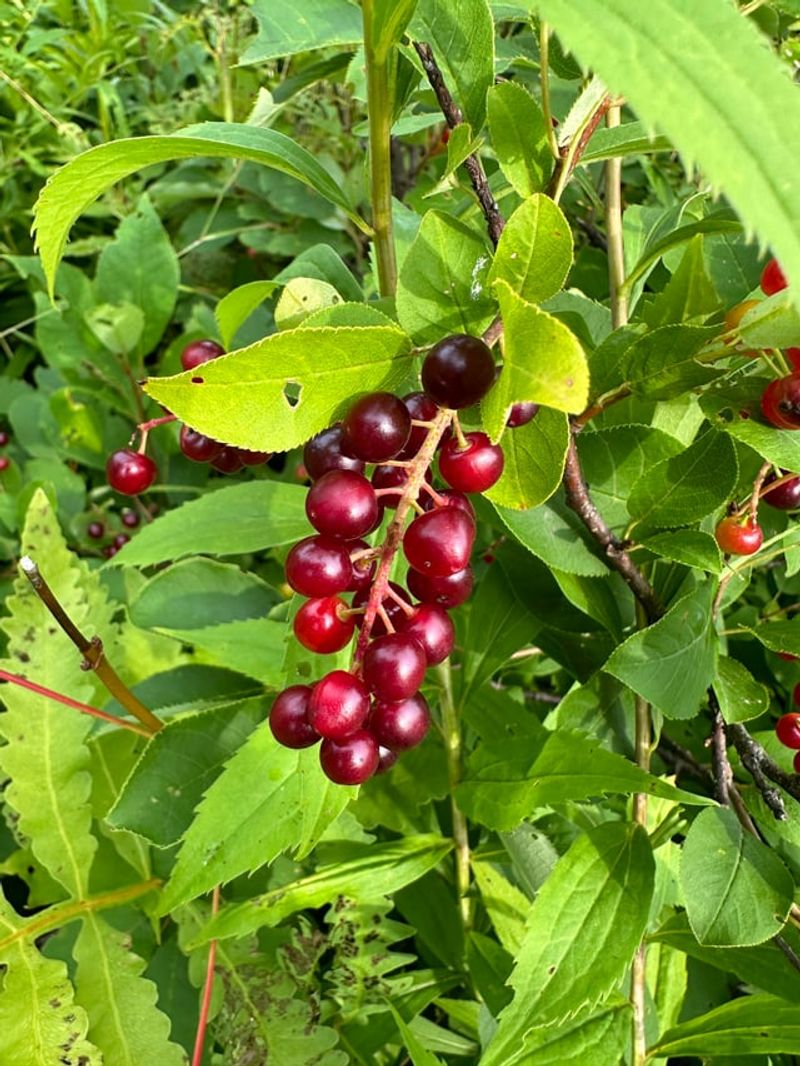
Chokecherry belongs in this list for a different reason.
Its fruit usually helps birds before the deepest part of winter, so treat it as the opening course rather than the January dessert.
Prunus virginiana is native to Pennsylvania and produces clusters of fruit that draw bluebirds, grouse, and other wildlife. That makes it a useful native for a bird-focused landscape.
The crop starts red and darkens as it matures.
Birds often find it quickly, which means a heavy cluster can vanish long before snow settles over the garden.
That is not a failure.
It fills an earlier food gap and leaves later crops from winterberry, holly, or sumac for the cold months ahead.
Give chokecherry room to behave naturally.
It can grow into a small tree and may send up root suckers, so a woodland edge or informal property line suits it better than a clipped foundation bed.
Sun to part shade works well in many sites.
Keep an eye on branches for black knot, a fungal problem that can affect Prunus species. Remove affected wood with proper sanitation rather than let a swollen branch remain year after year.
Chokecherry may not save its berries for January.
Birds rarely wait for your calendar anyway.
Plant it as part of a sequence, and the yard gets a longer fruit season instead of one giant rush at the first frost.
7. Let Virginia Creeper Carry Dark Berries
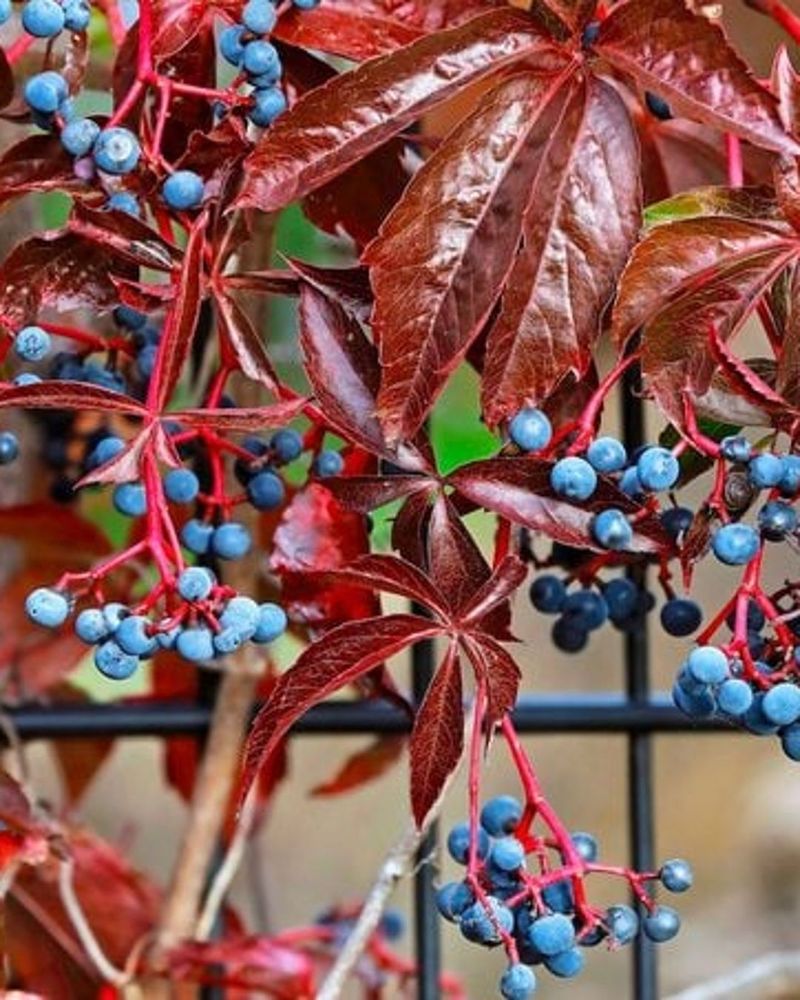
Virginia creeper earns its place by turning a fence or trellis into a fall feeding station.
Parthenocissus quinquefolia is native to Pennsylvania, and birds eat the mature dark fruit. The berries often ripen in fall and may remain into early winter, though a busy flock can clear them much sooner.
That makes this vine another useful bridge plant.
It does not always hold fruit as long as winterberry or bayberry, but it can extend the season while other shrubs prepare their later crops.
Give the vine a sturdy support and clear boundaries.
Virginia creeper can reach 30 to 50 feet and spreads with plenty of enthusiasm. A broad fence, arbor, or freestanding trellis handles that energy better than a tiny decorative frame.
Keep runners out of tree canopies and away from painted siding.
The vine attaches with adhesive discs, so removal from walls can become a much bigger chore than the original plant.
Fall adds the best visual bonus.
Five-part leaves can turn brilliant red before they drop, leaving dark fruit visible against bare stems.
The berries are for wildlife, not people.
Let the birds handle that harvest.
Virginia creeper brings color first, then fruit, then a very clear reminder that native vines do not believe fences should remain boring.
8. Add Flowering Dogwood For Fall Fruit
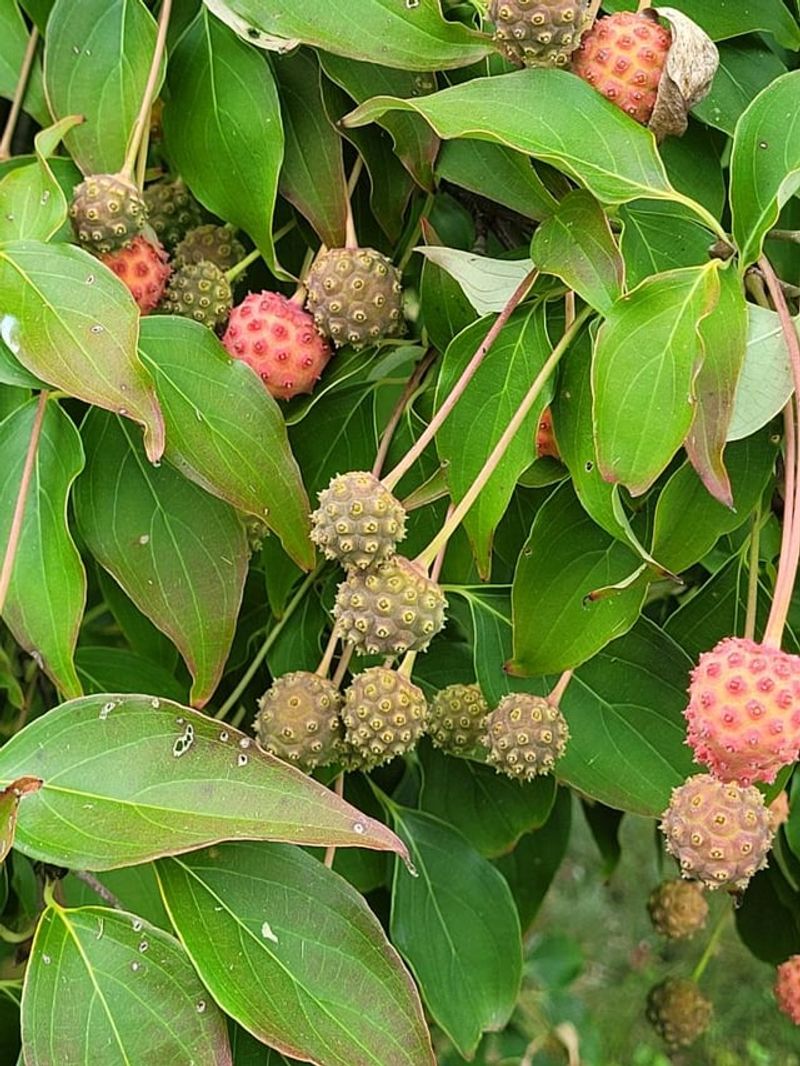
Flowering dogwood feeds birds earlier than the headline’s deepest-winter stars, but it deserves a place in a yard built around a long cold-season food chain.
Cornus florida is native to Pennsylvania and produces bright red fruit in fall. Birds and small mammals eat the crop readily, so the branches may be bare of fruit well before January.
That quick harvest still matters.
Migrating birds need energy in fall, and dogwood fruit can help fill that earlier window before winterberry, bayberry, and other persistent fruits take over.
Plant flowering dogwood where it gets good air movement and well-drained soil.
A woodland-edge site with morning sun or filtered light often suits the tree better than a hot, exposed lawn. Avoid soggy ground and cramped corners with poor airflow.
Give the mature canopy room.
Flowering dogwood usually stays modest enough for many home landscapes, and its branching shape remains attractive after the leaves and fruit disappear.
Spring brings another payoff with showy bracts around the small flowers.
Then autumn follows with red fruit and colorful leaves.
That makes dogwood a seasonal handoff plant rather than a deep-winter pantry.
The birds may empty it early, but that is hardly bad customer service.
A native tree that gets cleaned out fast has clearly put something popular on the menu, and winterberry can handle the late shift.