Pennsylvania Flowers With Scents Many Common Garden Pests Tend To Avoid
If you garden in Pennsylvania, you know the local deer and rabbits treat your flower beds like a high-end, all-you-can-eat buffet. It is genuinely heartbreaking to go to bed dreaming of peonies only to wake up to a row of sad, leafless sticks.
Between our unpredictable spring rain and those crunchy August dry spells, our plants already have enough to deal with! Luckily, you can fight back with a little botanical chemistry.
Certain fragrant flowers and aromatic perennials act like a do not enter sign for fuzzy intruders. These plants smell heavenly to us but are totally offensive to a hungry buck or a picky bunny.
While no plant is 100% pest-proof (hungry deer can be surprisingly bold), adding these scented superstars to your landscape definitely tips the scales in your favor.
It is the smartest way to keep your garden beautiful and, more importantly, intact all season long.
1. Lavender Fills Garden Beds With Calm Fragrance
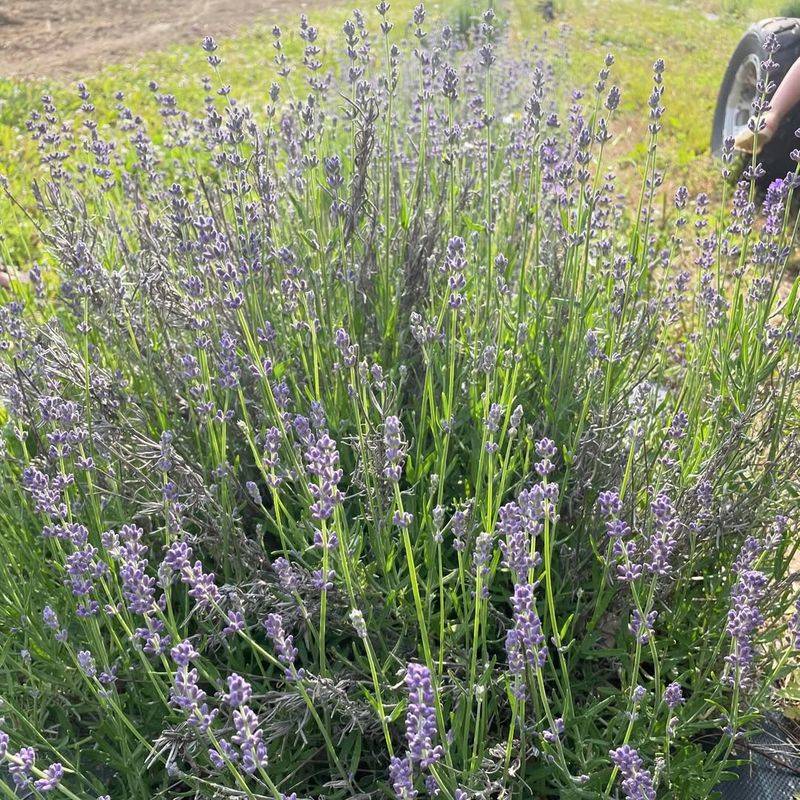
Few plants bring as much sensory pleasure to a sunny garden bed as lavender, with its soft purple spikes and that unmistakable clean, herbal fragrance drifting through warm Pennsylvania afternoons.
The scent that many people find so calming is the same quality that tends to make deer and rabbits less interested in browsing near it.
While no plant is completely browse-proof, lavender is widely regarded as one of the more reliable choices for gardeners dealing with regular deer pressure.
Lavender thrives in well-drained soil and full sun, which makes it a strong fit for south-facing slopes, raised beds, and sunny borders across much of Pennsylvania.
It generally does well in the state’s USDA hardiness zones and can return reliably each spring when planted in a spot with good drainage.
Poor drainage in heavy clay soil is one of the more common reasons lavender struggles, so amending the soil or choosing a raised planting area can make a real difference.
Beyond its pest-deterring reputation, lavender pulls pollinators into the garden in impressive numbers. Bees especially seem drawn to it, making it a smart addition to any pollinator-friendly planting.
The dried stems and flowers also hold their fragrance well, so many Pennsylvania gardeners harvest bundles to bring that calming scent indoors long after the summer blooms have faded.
2. Catmint Softens Borders With Long Bloom Time
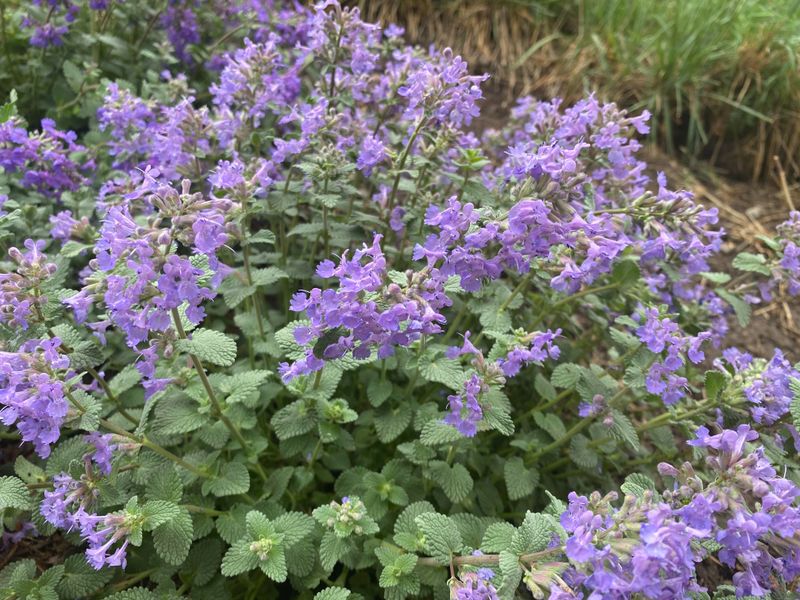
Walk past a catmint plant on a warm June morning in Pennsylvania and you will notice that minty, slightly sharp fragrance rising from the foliage even before you reach the flowers.
That aromatic quality is part of what makes catmint a popular choice for gardeners who want a soft, low-growing border plant that deer and rabbits tend to find less appealing.
The scent comes from the foliage itself, which means the plant stays somewhat unattractive to browsers even when it is not in bloom.
Catmint produces waves of small lavender-blue flowers that bloom heavily in late spring and early summer, then often rebloom through fall if you cut the plants back partway after the first flush fades.
That long season of color makes it especially useful along walkways, front borders, and mixed perennial beds throughout Pennsylvania landscapes.
Your Pennsylvania Garden Changes Every Week. Your Plan Should Too.
Gardening in Pennsylvania changes quickly throughout the season. Every Friday you’ll receive a simple weekly plan showing exactly what to plant, prune, fertilize, harvest, and protect so you never miss the right timing.
It is a tough, adaptable plant that handles heat, occasional drought, and the variable conditions that come with Pennsylvania summers reasonably well.
One of catmint’s quiet strengths is how naturally it softens the edges of a border, spilling gently over pathways and giving beds a relaxed, cottage-garden feel.
Bees and butterflies visit the flowers regularly, adding movement and life to the garden.
For Pennsylvania gardeners looking for a low-maintenance perennial with aromatic foliage and a long bloom season, catmint earns its spot in the border with very little fuss.
3. Yarrow Adds Flat Flower Clusters In Sunny Spots
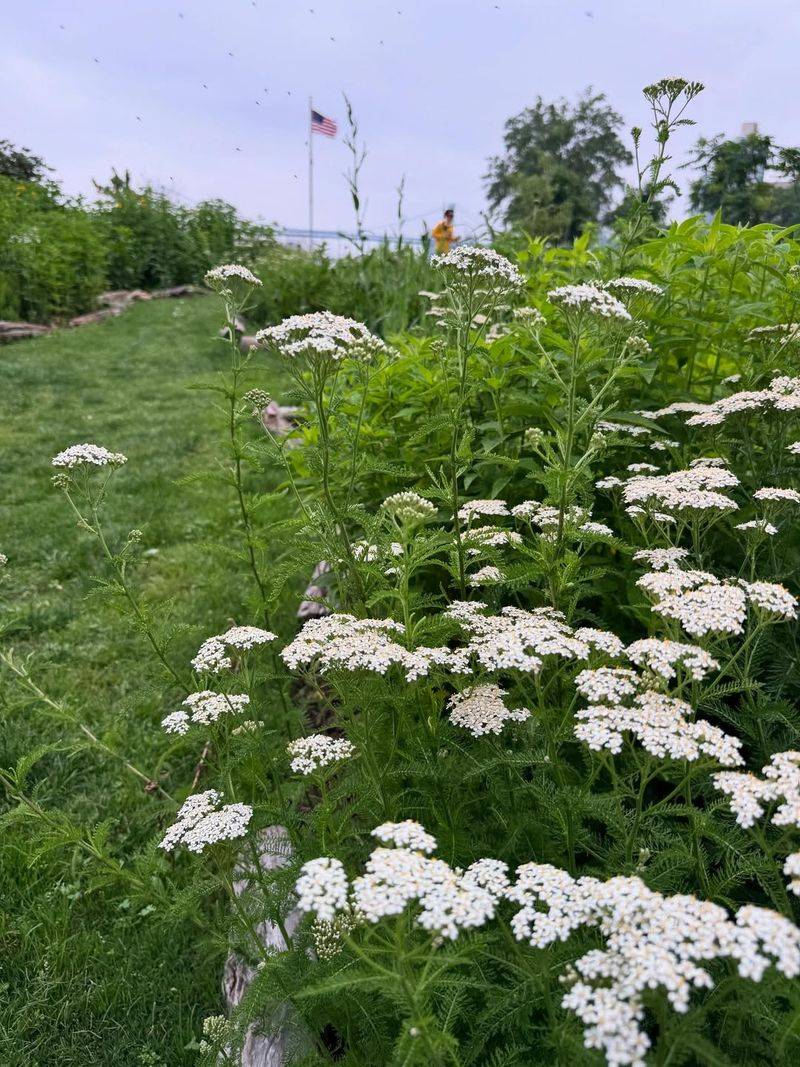
Yarrow has a long history in cottage gardens and naturalistic plantings, and its feathery, aromatic foliage is one of the reasons it tends to stay off the menu for deer and rabbits browsing through Pennsylvania yards.
The leaves carry a strong, slightly medicinal scent that many browsers find unappealing, and that quality persists through the growing season whether the plant is in bloom or not.
Combined with its tough, drought-tolerant nature, yarrow is a practical choice for sunny spots that can be challenging to fill.
The flat-topped flower clusters, called corymbs, appear in shades of yellow, white, pink, and red depending on the variety. They bloom in early to midsummer and often continue producing flowers well into late summer with minimal deadheading.
In Pennsylvania’s sunny borders and dry hillside plantings, yarrow tends to settle in and spread gradually over time, filling gaps in the garden without a lot of extra attention from the gardener.
Yarrow works especially well in pollinator gardens because its wide, flat flower heads give bees, butterflies, and beneficial insects an easy landing platform.
The flowers also dry beautifully and hold their color well, making them a favorite for dried arrangements.
If you have a sunny, well-drained spot in your Pennsylvania garden that tends to stay dry through summer, yarrow is one of the more rewarding perennials you can plant there.
4. Anise Hyssop Brings Soft Color And Sweet Scent
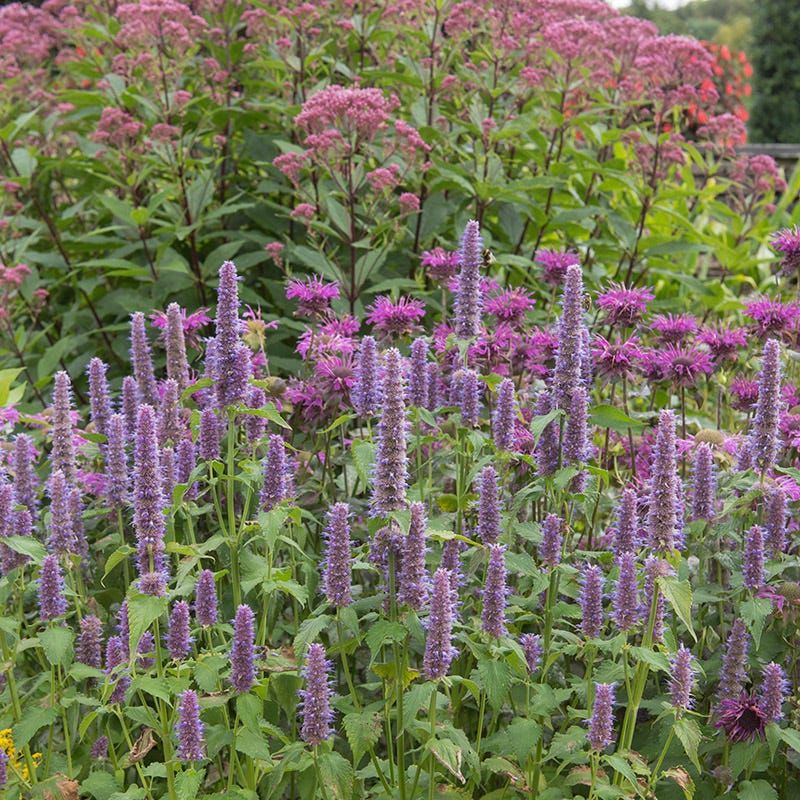
Anise hyssop has a fragrance that is genuinely hard to categorize at first sniff, somewhere between sweet licorice, mint, and fresh herbs, all rolled into one aromatic plant that bees absolutely adore.
That same complex scent that draws pollinators in tends to make deer and rabbits less enthusiastic about nibbling on it, which is a quiet bonus for Pennsylvania gardeners dealing with regular browsing pressure.
The scent comes from both the leaves and the flowers, giving the plant year-round aromatic presence even before the blooms open.
The tall purple flower spikes appear from midsummer into early fall, adding soft vertical color to beds and borders when many other perennials are starting to slow down.
Anise hyssop fits naturally into cottage gardens, pollinator plantings, and mixed perennial borders across Pennsylvania.
It tends to prefer full sun and well-drained soil, though it can handle some light afternoon shade in hotter parts of the state without losing much of its vigor.
One charming quality of anise hyssop is how it self-seeds modestly, often filling in gaps in the garden and returning reliably without becoming invasive.
The dried flower spikes hold their shape well and can be left standing through fall to provide some visual interest and seed for birds.
For Pennsylvania gardeners who want a fragrant, pollinator-friendly perennial that earns its space through summer and into early autumn, anise hyssop is a genuinely rewarding choice.
5. Bee Balm Lights Up Beds With Bold Summer Flowers
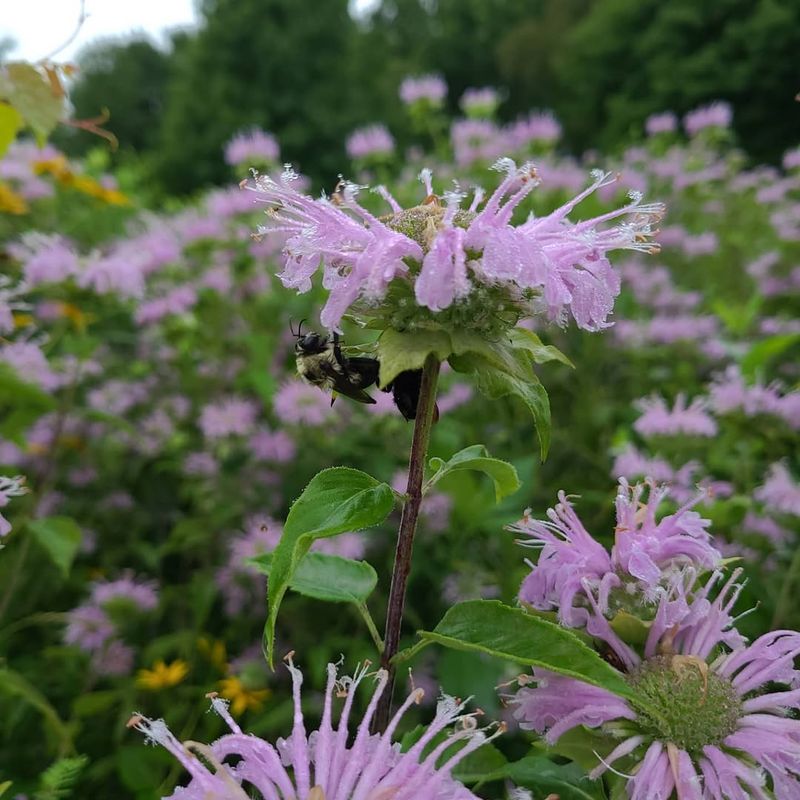
Bee balm is one of those flowers that stops people mid-stride when it is in full bloom, with its wild, shaggy flower heads in shades of red, pink, purple, and white rising above the border in the heat of a Pennsylvania summer.
Beyond its visual impact, bee balm belongs to the mint family, and its foliage carries a strong, spicy-herbal fragrance that deer and rabbits tend to find off-putting.
That minty, oregano-like scent is noticeable even when you brush against the leaves, which may help make the surrounding area feel less inviting to browsers.
Bee balm thrives in full sun to partial shade and prefers moist, well-drained soil, making it a good fit for many Pennsylvania garden settings, particularly in spots that receive morning sun and some afternoon relief from heat.
It blooms from midsummer into late summer and attracts hummingbirds, bees, and butterflies in remarkable numbers, giving the garden a lively, buzzing energy that is hard to replicate with any other plant.
Powdery mildew can occasionally appear on bee balm foliage during humid Pennsylvania summers, but choosing mildew-resistant varieties and giving plants good air circulation goes a long way toward keeping the foliage looking clean.
Dividing clumps every few years helps maintain vigor and keeps the planting from becoming too crowded.
For cottage gardens, rain gardens, and naturalistic borders, bee balm is a standout summer performer that earns its space season after season.
6. Russian Sage Creates Airy Color In Dry Areas
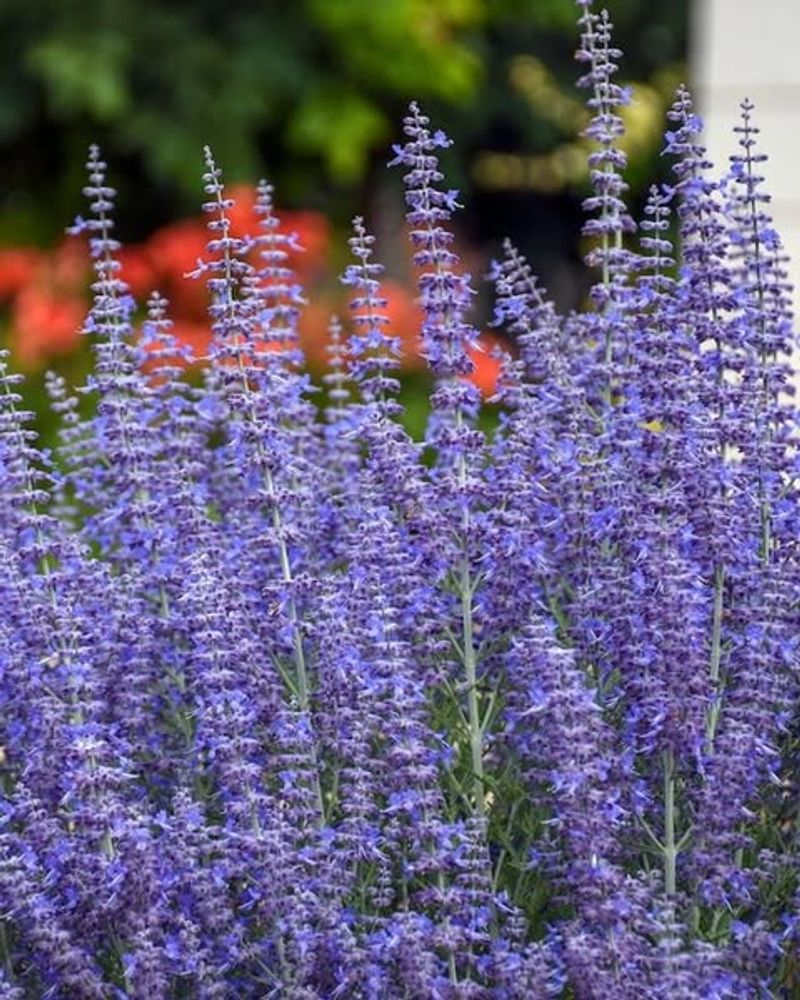
Standing at the back of a sunny border in late July, Russian sage creates a hazy cloud of violet-blue that seems to float above the garden on silvery stems, giving the whole bed a soft, almost dreamlike quality during the hottest stretch of a Pennsylvania summer.
The plant’s aromatic foliage carries a sharp, sage-like scent that deer and rabbits tend to steer around, making it a useful addition to beds where browsing pressure is a regular concern.
The scent is most noticeable when the foliage is brushed or crushed, releasing that pungent herbal quality into the air.
Russian sage is exceptionally well suited to dry, sunny conditions, which makes it a strong choice for Pennsylvania gardens with sandy or rocky soil, south-facing slopes, and areas where summer drought tends to stress less adaptable plants.
Once established, it is remarkably self-sufficient, needing very little supplemental watering or fertilizing to perform well through the season.
Cutting it back hard in early spring encourages fresh, vigorous growth and keeps the plant looking tidy.
The long bloom season, stretching from midsummer through early fall, gives Russian sage an outsized role in the late-season garden when many other perennials have finished.
It pairs beautifully with ornamental grasses, coneflowers, and black-eyed Susans in naturalistic Pennsylvania plantings.
Bees are drawn to the small tubular flowers, adding pollinator value to what is already a hardworking, low-maintenance landscape plant.
7. Salvia Sends Up Bright Spikes Through Summer
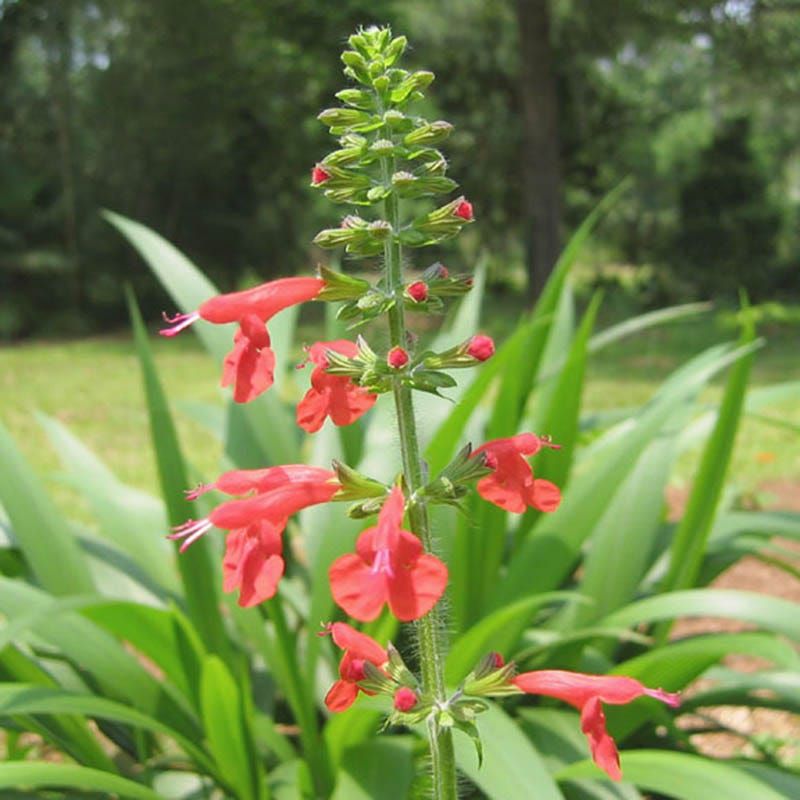
Gardeners who have grown salvia know that its aromatic, slightly resinous foliage has a scent that is hard to miss on a warm afternoon, and it is that same quality that tends to make deer and rabbits less interested in browsing through a bed where salvia is growing.
Both annual and perennial salvia varieties perform well across Pennsylvania, and many of them bring that aromatic foliage quality along with showy flower spikes in shades of blue, purple, red, and pink that light up the border from late spring well into summer.
Perennial salvias, such as May Night and Blue Hill, are especially well regarded for Pennsylvania gardens because they return reliably and bloom heavily in late spring, often reblooming if cut back after the first flush.
Annual salvias, including the widely grown scarlet sage, provide nonstop summer color from planting time through the first frost.
Both types prefer full sun and well-drained soil, and once established, they tend to handle dry spells with reasonable resilience.
Hummingbirds are particularly attracted to red and coral salvia varieties, while bees and butterflies favor the blue and purple types, making salvia one of the more versatile pollinator plants available to Pennsylvania gardeners.
Massing salvia in groups rather than planting single specimens tends to create a stronger visual impact and may make the aromatic effect more noticeable across a wider area of the bed.