The Last Georgia Vegetables You Can Plant Before The August Window Closes
August is where Georgia gardens start playing tricks with the calendar.
The afternoons still feel like full summer. Okra keeps producing. The soil can feel hot enough to cook an idea before you finish it.
Yet the fall garden is already on the clock.
Some crops have only days left. Others are just reaching their best start date. A few depend heavily on where you live, because north Georgia can run about two weeks ahead of middle Georgia for fall deadlines, while the far south may get roughly two extra weeks.
So what deserves space before September takes over?
This is not the moment to plant every seed packet left in the shed. Cucumbers are already a regional gamble. Summer squash has a narrow lane. Cool-season crops are quickly moving to center stage.
Grab the calendar before the trowel.
The final August choices can still turn tired summer beds into a productive fall garden, but only when the crop and your Georgia location agree. And the timing still makes sense.
1. Plant Cucumbers Before August Ends
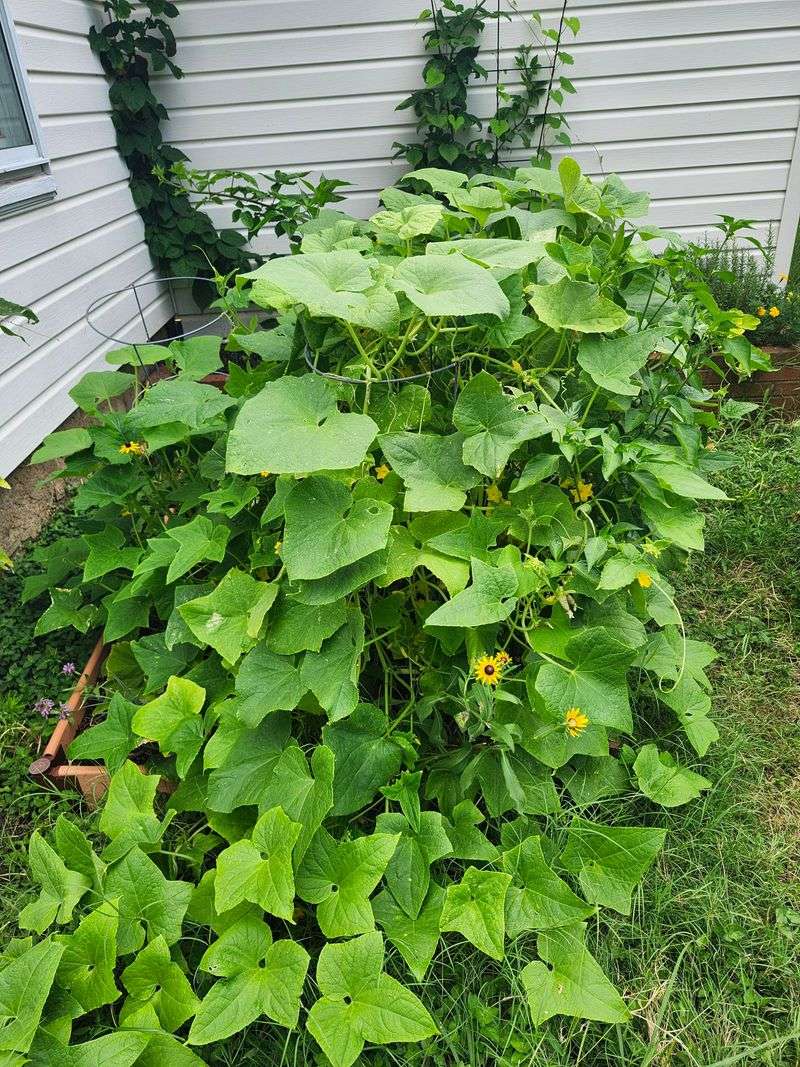
At this point in August, your location decides how realistic one last cucumber crop still is.
The standard fall window for cucumbers in middle Georgia runs from July 15 through August 15. North Georgia generally shifts fall dates about two weeks earlier, while extreme south Georgia can run about two weeks later.
Middle Georgia gardeners are already just past the usual cutoff. North Georgia is farther beyond it. Gardeners in the far south may still have a narrow shot, especially with a quick cultivar listed near 50 to 65 days to maturity.
Sow seed directly rather than lose extra days on a slow transplant. Place seed about one-half to three-quarters inch deep and give vines room to spread or climb. A trellis can keep fruit off damp soil and make late-season checks easier.
Warm soil helps seeds emerge fast, but late-season insects and diseases can also arrive with impressive speed. Resistant cultivars become especially useful during this part of the season.
Do not plant by the headline alone.
Check your county, count the warm weeks left, then decide.
For much of Georgia, the cucumber door has already clicked shut.
Farther south, it may still be open just wide enough for one last vine to sneak through.
2. Use The Final Warm Days For Summer Squash
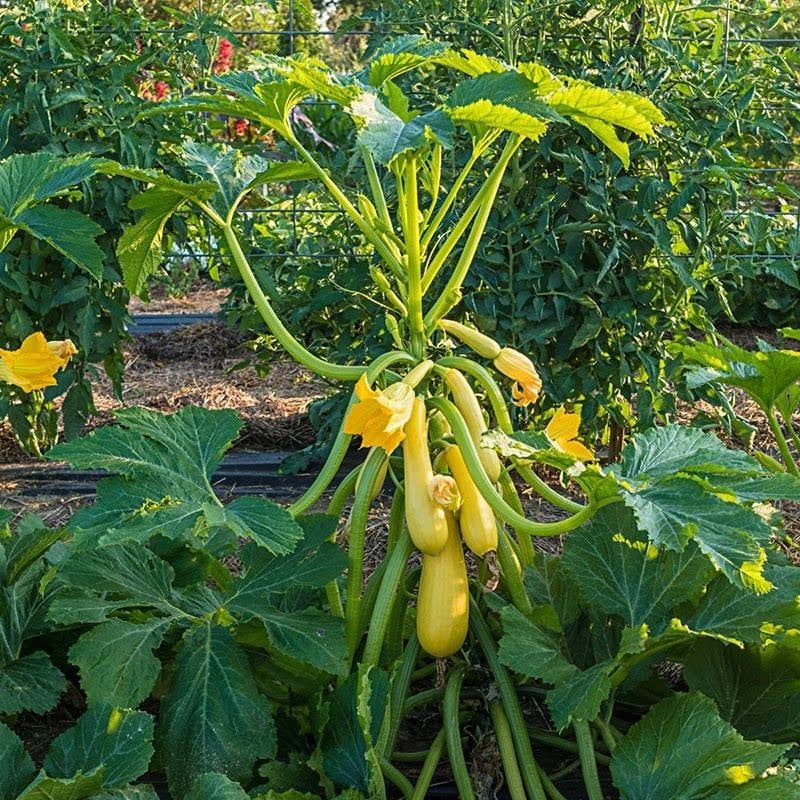
The easiest warm-season gamble left for many Georgia gardeners is summer squash.
For middle Georgia, the fall window runs from August 1 through August 25. North Georgia generally shifts that date about two weeks earlier, while the far south can gain about two extra weeks.
Choose a quick yellow squash or zucchini and sow seed about one to two inches deep. The chart lists roughly 40 to 55 days to maturity, so a fast cultivar gives you more room before cool weather slows production.
Give each plant about two feet of space. Crowded leaves trap humidity, and late-summer cucurbits already face plenty of pressure from mildew, viruses, aphids, and whiteflies. Disease-resistant cultivars can make this final crop much less frustrating.
Your Georgia Garden Changes Every Week. Your Plan Should Too.
Gardening in Georgia changes quickly throughout the season. Every Friday you’ll receive a simple weekly plan showing exactly what to plant, prune, fertilize, harvest, and protect so you never miss the right timing.
Keep moisture steady through germination and early growth, but do not turn the bed soggy. A light mulch can help the soil hold moisture through hot afternoons.
Harvest young fruit often once production starts. Oversized squash can slow the plant and lose the tender texture that makes the crop worth the rush.
This one is a sprint.
Middle Georgia still has a few days on the clock. South Georgia gets more breathing room.
North Georgia may already be at the finish tape.
3. Start Broccoli For September Transplants
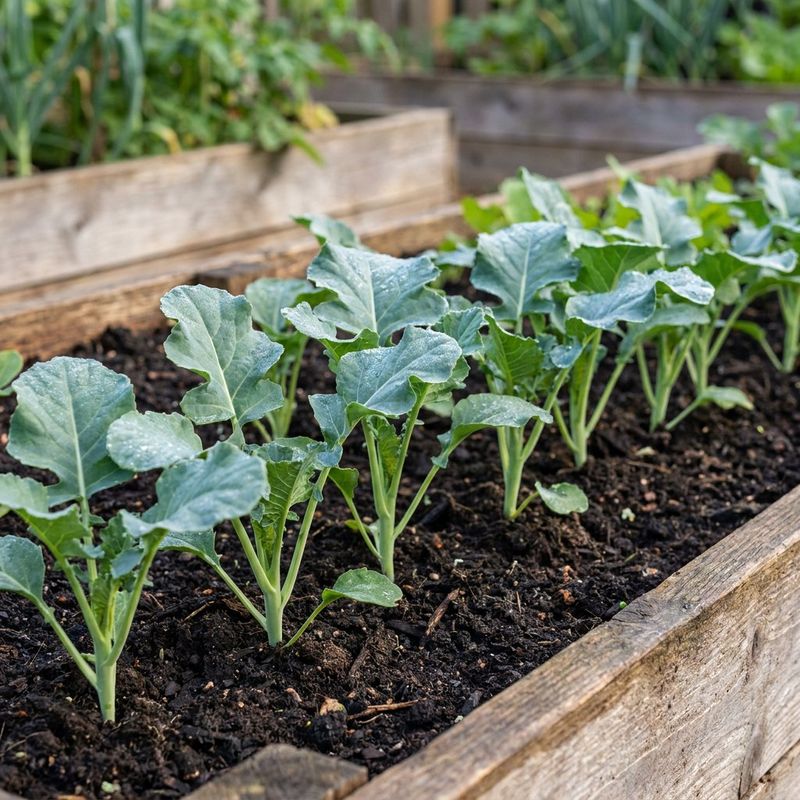
The cool-season shift starts indoors for broccoli.
August is a useful month to start seed for a fall crop, with young plants ready for the garden once September temperatures ease.
Separate calendar guidance also places the middle Georgia fall transplant window from August 1 through September 1.
Gardeners who already have sturdy seedlings can move quickly. Those who start from seed now should choose a fast cultivar and expect the calendar to get tighter, especially in north Georgia.
The far south generally has more room because fall dates can run about two weeks later.
Use a clean seed-start mix and keep young plants in bright light. A hot window can stretch stems fast, so a cooler bright spot works better than a sunny glass box.
Before the garden move, ease seedlings into outdoor sun and wind over several days. Place transplants about 12 inches apart in rows near three feet wide, based on the standard chart.
Keep moisture even after transplant day. Warm weather can still push stress and pest pressure hard through late summer.
Broccoli likes the cool finish far more than the hot start.
Once cooler nights arrive, the crop finally gets weather that suits its personality.
For gardeners with seedlings ready now, September can turn that tray into a very respectable fall harvest.
4. Start Cabbage For The Fall Bed
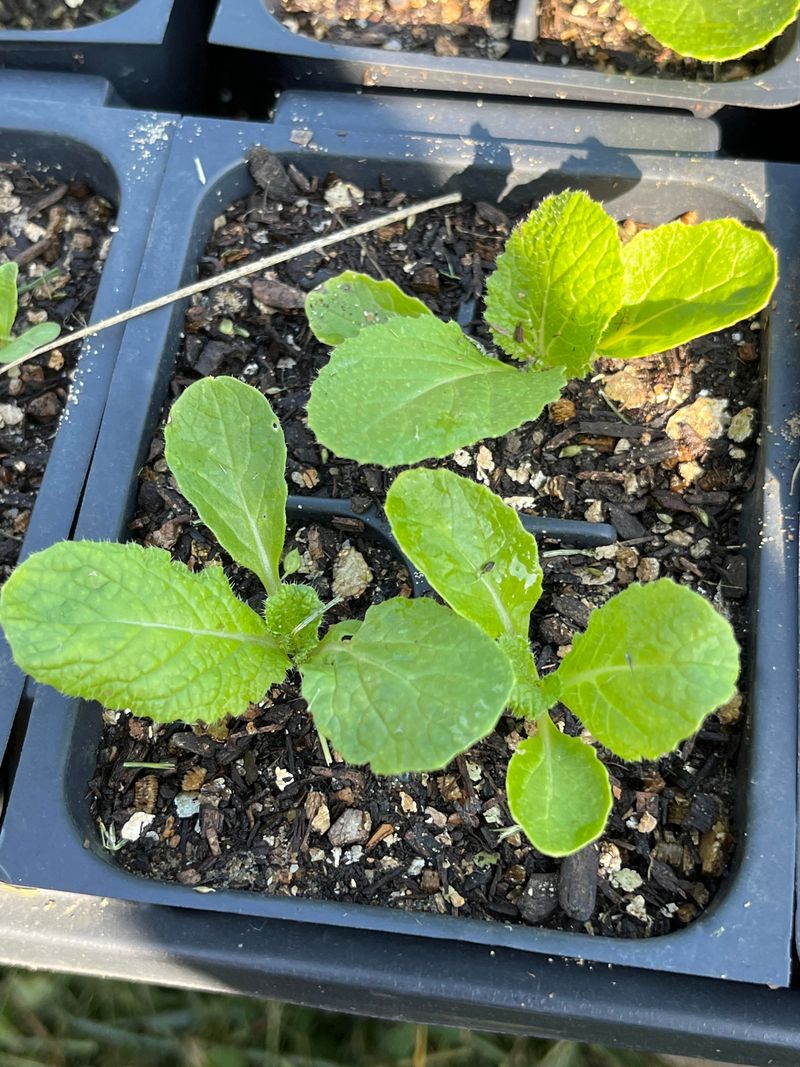
A tray of cabbage seedlings can buy you far more flexibility than one last warm-season crop.
The standard middle Georgia fall transplant window runs from August 1 through October 1, which leaves cabbage with more breathing room than cucumbers or summer squash.
North Georgia generally moves that fall calendar about two weeks earlier, while extreme south Georgia can move it later.
August still matters because seed needs time to become a sturdy transplant.
Use a clean seed-start mix, bright light, and steady moisture. Thin crowded cells early so each plant develops a compact stem and a healthy root system rather than compete for space.
Do not rush tiny seedlings into a bed that still feels brutal at four in the afternoon.
Transplants can go about 12 inches apart in rows near three feet wide under the standard chart, though larger cultivars may appreciate more elbow room.
Late-summer pests remain active, so inspect leaves often. Caterpillars and sap-feeding insects can do a surprising amount of damage while plants are still small.
Keep soil moisture even once plants move outdoors. A light mulch can soften the jump between hot days and cooler nights.
Cabbage does not need the same panic as a cucumber crop.
It still rewards an August head start.
Get the seedlings strong now, and let autumn carry the rest later.
5. Start Cauliflower Before September Arrives
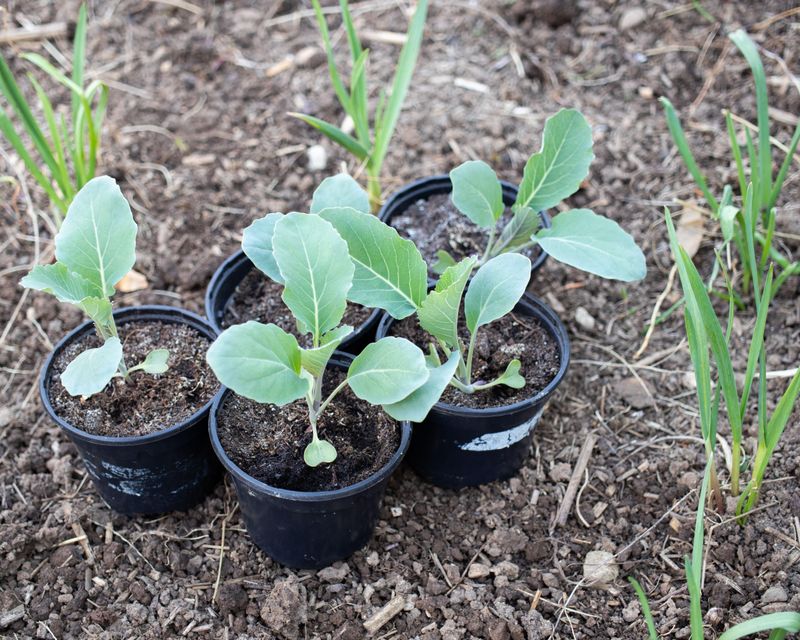
This fussier brassica is the crop most likely to punish a late August guess.
The standard middle Georgia fall transplant window runs from July 15 through August 15. North Georgia generally shifts fall dates about two weeks earlier, while extreme south Georgia can gain about two extra weeks.
Today, that means the usual middle Georgia window has just closed and north Georgia is already past it.
South Georgia gardeners still have a narrow opportunity.
A ready transplant makes far more sense there than a seed tray started from scratch today. South Georgia guidance does support August seed starts for cauliflower and other cool-season crops, but the exact county and expected transplant date matter.
Choose stocky plants with several healthy leaves and no crowded roots. Set them about 12 inches apart in rows near three feet wide.
Keep soil moisture steady through establishment and protect young plants from the fiercest afternoon sun for a brief adjustment period when necessary.
Cauliflower wants consistent conditions more than garden heroics.
Late heat, pest pressure, and a shrinking calendar make this a much fussier bet than collards or kale. Gardeners north of the coastal plain have better choices available right now.
Do not force the calendar just to keep cauliflower on the fall list.
Sometimes the smartest August choice is to leave that seed packet closed.
6. Get Collard Seedlings Growing Now
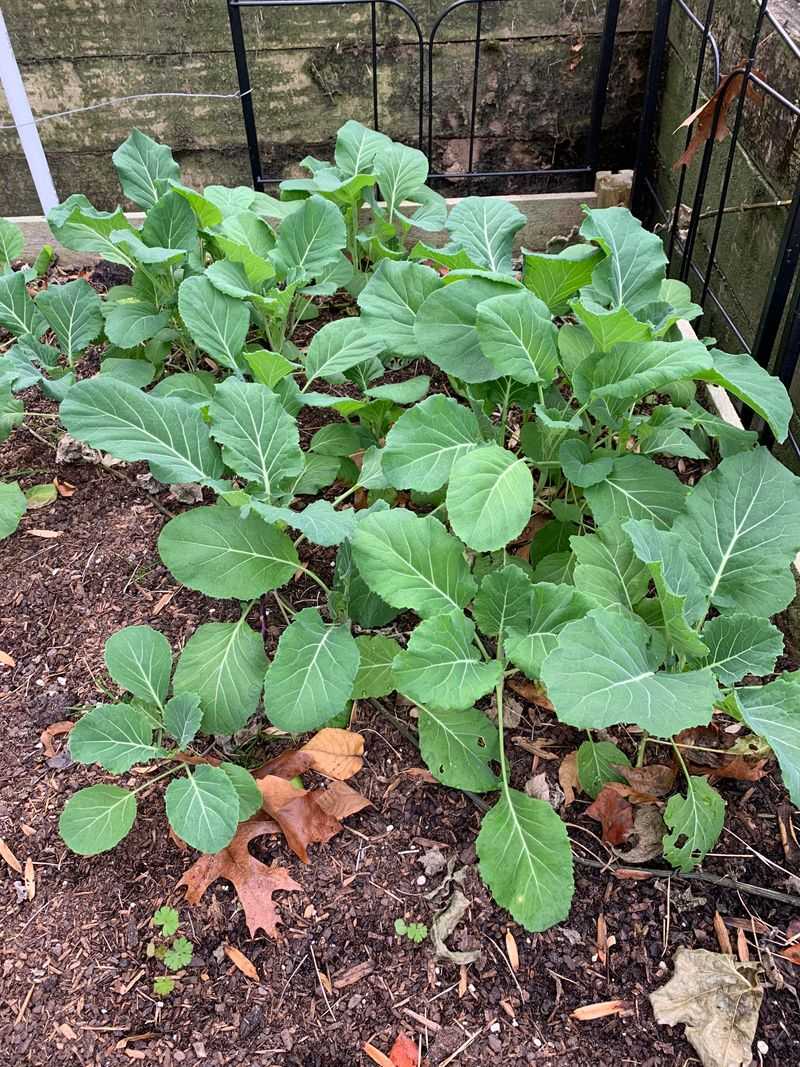
Few crops handle Georgia’s fall handoff with the confidence of collards.
The standard middle Georgia window runs from August 1 through September 1, and the crop can go into the garden from seed.
North Georgia generally reaches the end of that window about two weeks earlier, while extreme south Georgia can stay open about two weeks longer.
Middle Georgia gardeners still have room. South Georgia has even more. North Georgia is much closer to the edge, so a quick start matters there.
Sow seed about one-half inch deep, then thin plants once they establish. The standard chart gives 8 to 16 inches between plants in rows about three feet apart. Wider space allows larger plants, while tighter space can suit smaller leaf harvests.
Keep the seedbed evenly moist through hot afternoons. A light mulch can help hold moisture once seedlings stand tall enough to avoid burial.
Scout often for caterpillars, aphids, and whiteflies. Late summer still belongs to plenty of insects, even when your crop already has fall on its mind.
The reward arrives with cooler weather.
Leaves can stay productive through fall, and cool temperatures often improve their flavor.
Collards do not need August to feel like autumn.
They just need you to beat the calendar to the row.
7. Start Kale For Cooler Fall Weather
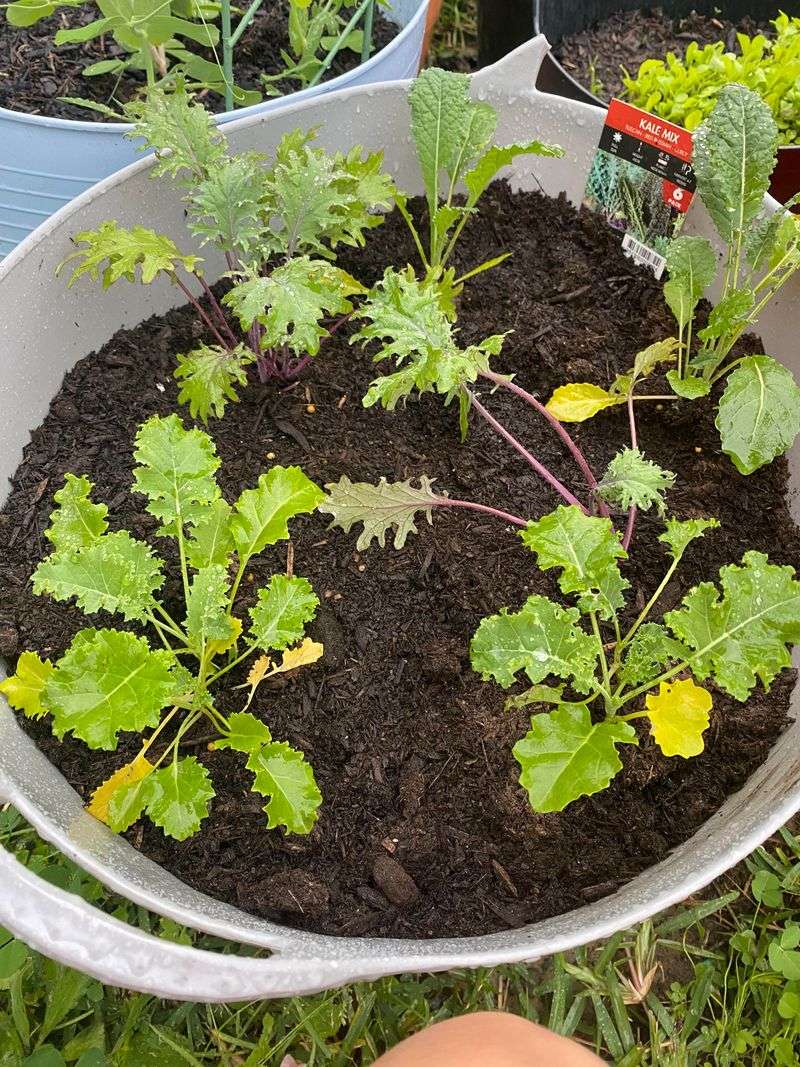
A bare patch after tired summer vegetables can become a kale bed surprisingly fast.
The standard middle Georgia fall window runs from August 1 through September 1. North Georgia generally shifts that schedule about two weeks earlier, while extreme south Georgia can add roughly two weeks at the other end.
Seed can go directly into the bed about one-half inch deep. Thin young plants to roughly 8 to 16 inches apart, based on the size you want at harvest. More room supports larger plants. Tighter gaps can work for smaller leaves and quicker cuts.
Keep the top layer of soil moist enough for seedlings to establish. Late-August heat can undo a good seed row fast, so check moisture early in the day and use a light mulch after the plants gain some height.
Pests remain part of the deal.
Aphids, whiteflies, and caterpillars can still work through leafy crops during warm weather. Check leaf undersides before damage builds across the whole patch.
Cooler weather becomes the bonus later.
Kale tolerates chill far better than the warm-season crops now near the end of their run, which makes this one of the easier crops for a shift from an exhausted summer bed toward fall.
The tomatoes may look ready for retirement.
Kale just arrived for the next shift.
8. Start Onions For The Coming Season
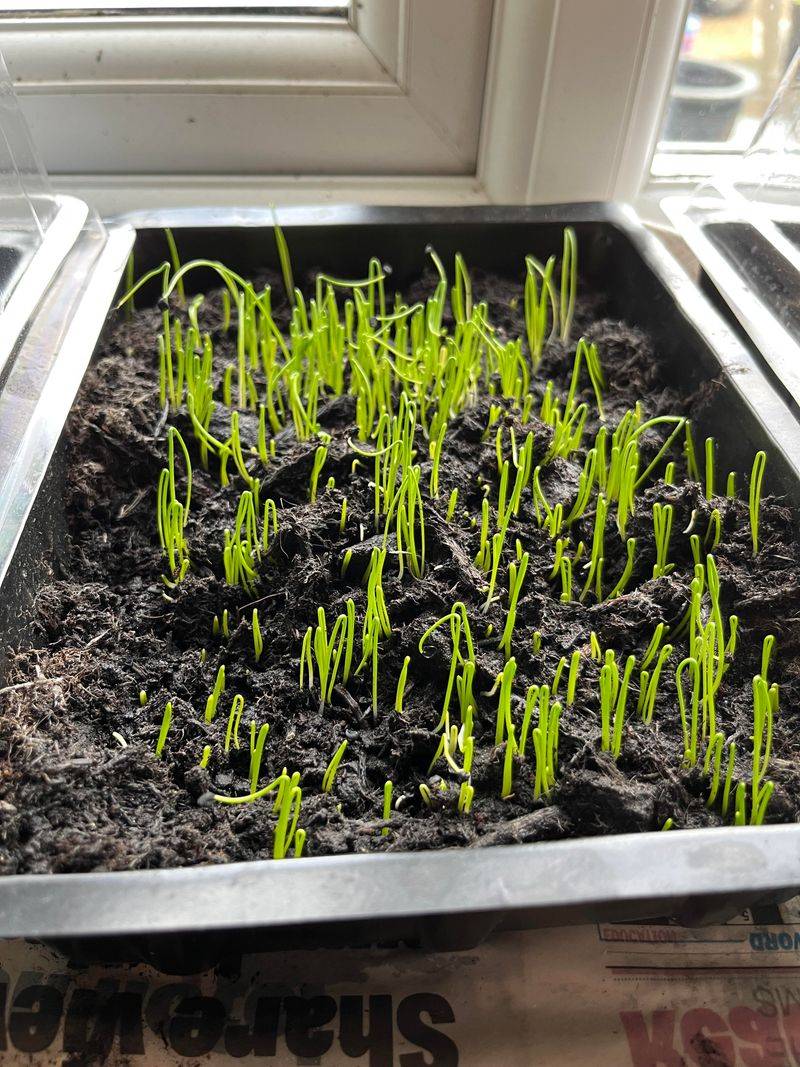
Your last August task may look more like a tray of grass than a vegetable bed.
Onion seed can start now for the crop that goes outdoors later. South Georgia guidance recommends August seed starts for onions, with young plants ready for a later move.
The statewide chart places green onion transplants from September 1 through December 31 and dry bulb onions from October 10 through November 10 in the standard middle Georgia schedule.
That means there is no reason to rush bulb onions into hot soil.
Use a clean seed-start mix and sow seed shallowly in trays. Give seedlings bright light and even moisture. The thin leaves can look fragile for weeks, but patience now sets up the later crop.
Georgia bulb onions need short-day types suited to southern day length. Cultivars listed for the state include Excel, Grano, Red Creole, and Savannah Sweet.
Keep the calendar regional once transplant time arrives.
North Georgia generally shifts fall dates earlier, while extreme south Georgia can run later than the middle Georgia schedule.
August is only the nursery stage here.
The real bulb crop belongs to cooler months and next spring’s harvest.
So save one seed tray after the squash and collards get their beds.
Those skinny green threads may look unimpressive now.