The Georgia Yard Features That Quietly Invite Wasps Closer To Your Porch
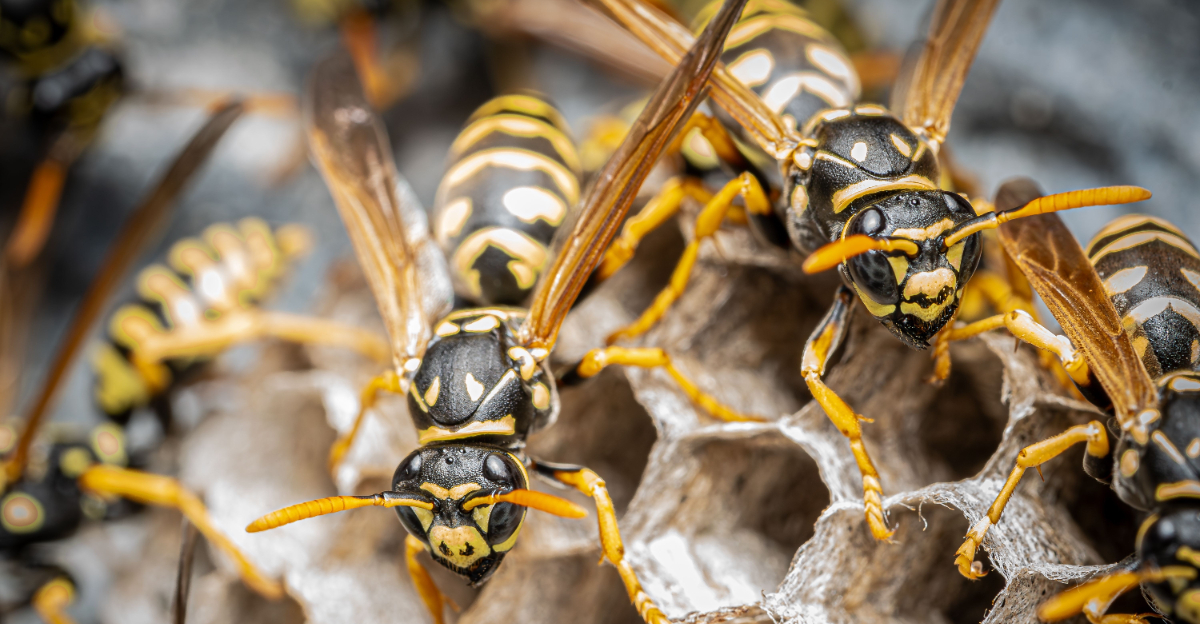
Wasps rarely choose a porch by accident. Something nearby usually makes the area worth returning to, even if you never notice it at first.
A reliable water source, sheltered nesting spots, or easy access to food can be enough to keep them coming back. Ignoring those small details often gives wasps exactly what they need without you realizing it.
Many common landscape features around Georgia homes can make porches much more attractive to wasps during the warmer months.
Before reaching for sprays or searching for hidden nests, look at what is drawing them into the area in the first place.
Removing the attraction is often more effective than dealing with the same problem over and over again.
A few simple changes around your yard can make your porch a much less inviting place for unwanted visitors.
1. Open Water Gives Wasps A Reliable Drink
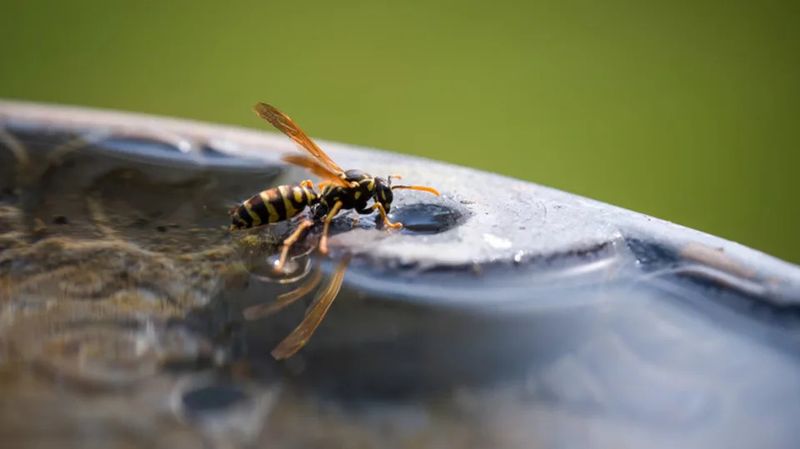
Standing water is one of the quietest wasp magnets in any yard. Birdbaths, pet bowls, clogged gutters, and even the saucers under potted plants can hold enough water to attract wasps looking for a drink.
Most people never connect the dots between that small puddle and the wasps buzzing near their porch.
Wasps need water just like any other creature. During hot stretches in summer, they become more aggressive about finding it.
A shallow, still water source close to your house is essentially a watering station with a short commute to your porch.
Removing or refreshing standing water regularly can reduce wasp activity near your home. Empty pet water bowls at night and refill them fresh each morning.
Tip over saucers under planters after it rains. Check gutters for low spots where water pools.
Moving water is less attractive to wasps than still water. A small pump in a birdbath can make it less appealing to them without reducing its value for birds.
Positioning water features farther from your porch also helps create distance between wasps and your seating area.
2. Flowering Plants Draw More Foraging Wasps
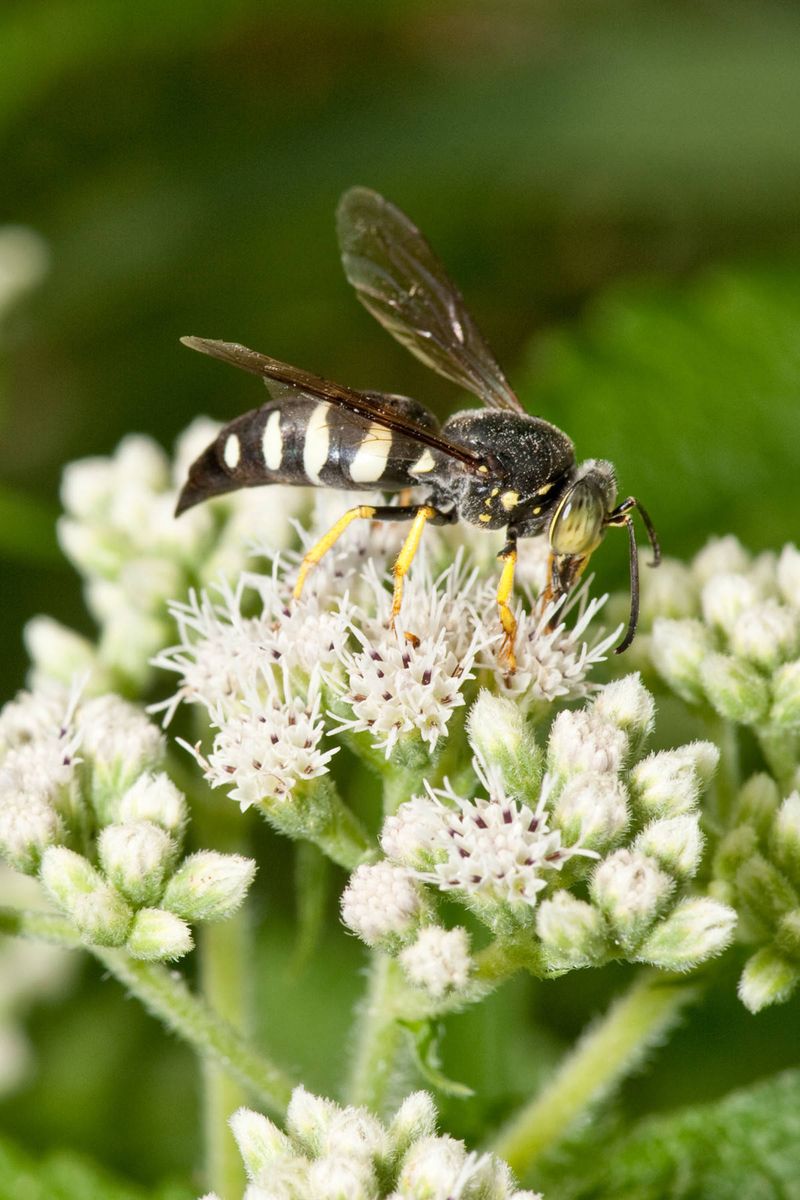
Not every wasp is hunting for meat or sugar. Many species feed on nectar and actively forage through flowering plants.
If your porch is surrounded by blooms, you may be running an unintentional wasp buffet without realizing it.
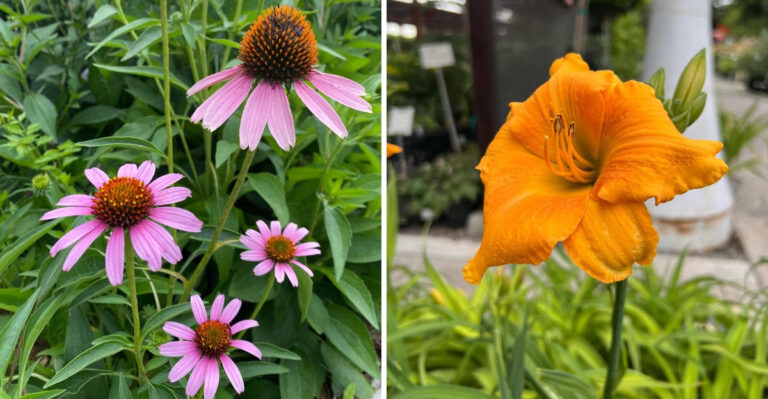
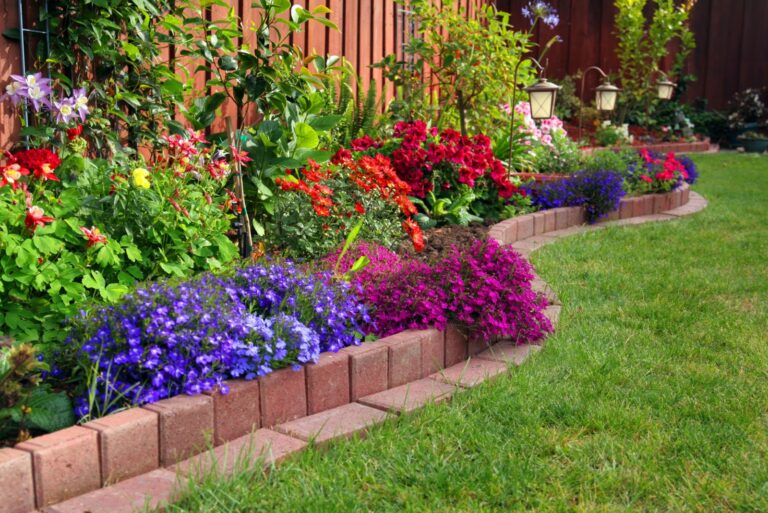
Plants with open, flat flower clusters tend to attract wasps the most. Fennel, dill, Queen Anne’s lace, and yarrow are common examples.
These flowers offer easy access to nectar without requiring wasps to navigate complicated petals. Gardens planted near porches or along walkways put wasps right in your path.
Relocating flowering plants farther from your porch can reduce close encounters. Moving them even ten to fifteen feet away creates a buffer zone.
Wasps will still visit the garden, but they are less likely to drift onto your porch in the process.
Choosing plants with tubular flowers can also help. Wasps generally have more trouble accessing nectar from narrow, tube-shaped blooms compared to open flat ones.
Lavender, salvias, and trumpet-shaped flowers tend to attract hummingbirds and butterflies more than wasps. Rearranging your garden layout does not require starting over.
Your Georgia Garden Changes Every Week. Your Plan Should Too.
Gardening in Georgia changes quickly throughout the season. Every Friday you’ll receive a simple weekly plan showing exactly what to plant, prune, fertilize, harvest, and protect so you never miss the right timing.
Gradual changes each season can shift wasp traffic away from where you spend your time outdoors.
3. Overripe Fruit Becomes An Easy Food Source
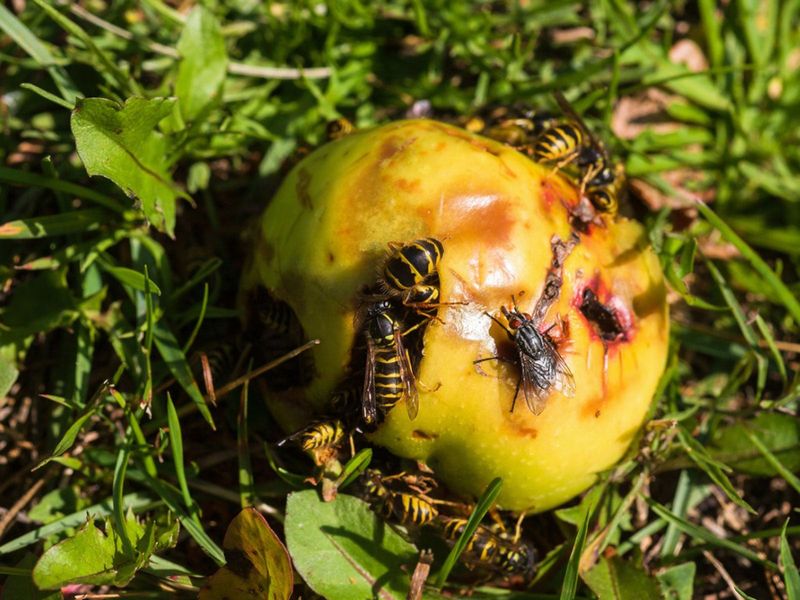
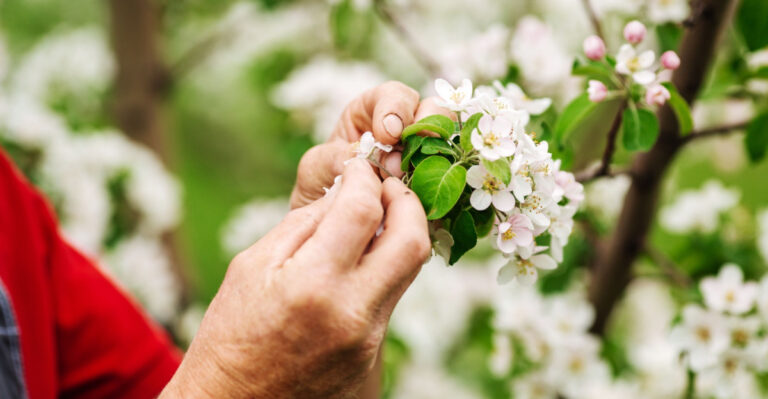
Fruit trees are a joy in summer, but fallen fruit is a different story. Once peaches, figs, plums, or apples hit the ground and start to soften, they release strong sugary smells that wasps pick up from a surprising distance.
Yellow jackets especially are drawn to fermenting fruit.
Georgia backyards with fruit trees often see wasp activity spike in late summer. That timing lines up with when fruit drops fastest and rots quickest in the heat.
A single tree dropping fruit daily can create a feeding zone that keeps wasps returning to the same corner of your yard all season.
Picking up fallen fruit every day or two is one of the most effective ways to reduce wasp traffic near a fruit tree. Leaving fruit on the ground for even a few days gives wasps time to discover it and establish a pattern of returning.
Once they find a reliable food source, they tend to revisit it consistently.
Composting fallen fruit away from your porch is a better option than leaving it on the ground. Place your compost bin in a far corner of the yard, away from seating areas and entryways.
Covering the bin with a tight lid also limits how much scent escapes.
4. Uncovered Trash Attracts Scavenging Wasps
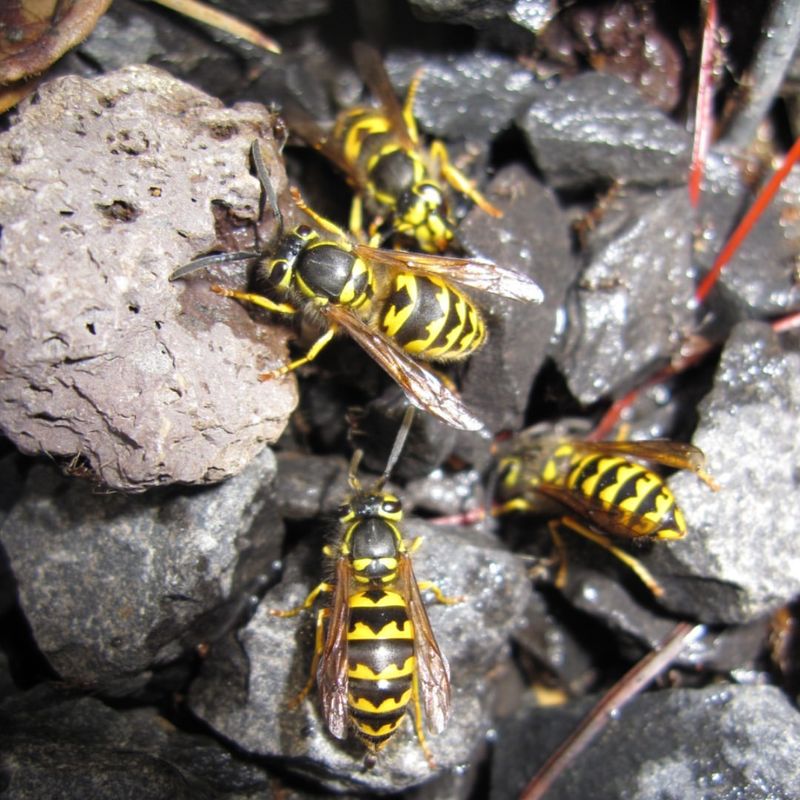
Trash cans without lids are open invitations. Wasps are opportunistic scavengers, and they have no problem raiding garbage for protein scraps, sugary residue, or leftover food.
A bin sitting near your back door or porch is close enough to become a regular stop on their foraging route.
Meat scraps, sweet drink residue, and greasy food wrappers are especially attractive. Yellow jackets in particular are drawn to protein sources during late summer when their colonies are large and food demand is high.
An uncovered bin during that period can pull wasps directly toward the areas where you spend the most time.
Switching to bins with tight-fitting lids is a straightforward fix. Bungee cords work on older bins that no longer seal well.
Rinsing cans and bottles before tossing them reduces residue that wasps can smell even through a closed lid. Keeping your bin area clean matters as much as the lid itself.
Positioning trash cans away from your porch and back door also helps. Even moving them to the side of the house instead of directly behind it can reduce how often wasps drift toward your seating area.
Emptying bins frequently during summer prevents buildup of smells that attract scavengers.
5. Protected Eaves Create Ideal Nesting Spots
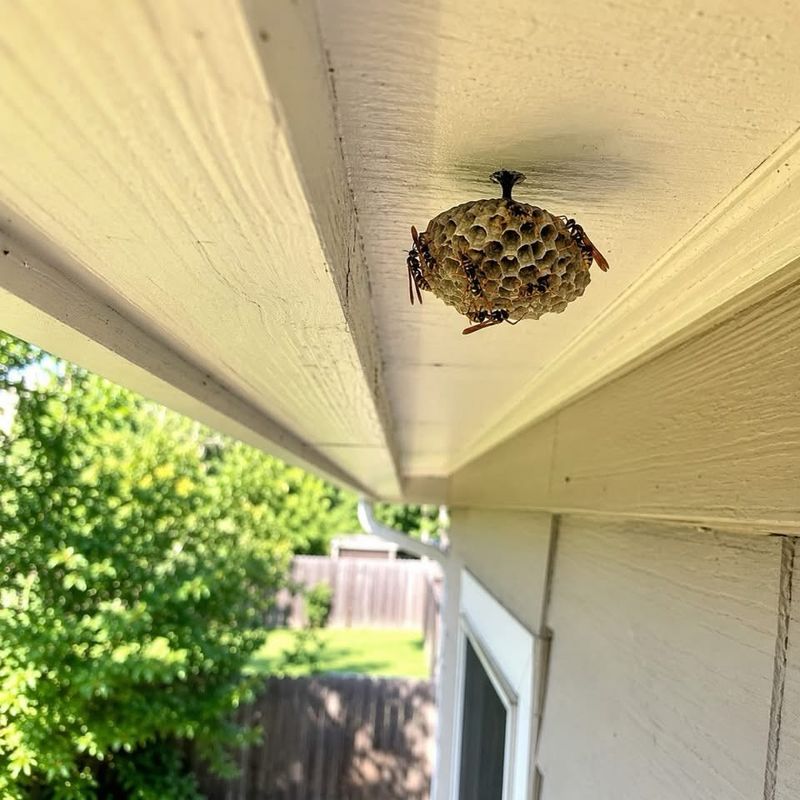
Porch eaves are practically designed for wasp nests. Overhead coverage keeps nests dry, and the enclosed space offers protection from wind and predators.
Paper wasps and mud daubers both recognize a good eave when they find one, and they return to the same structures year after year if conditions remain favorable.
Nests under eaves often go unnoticed until they are well established. A small cluster of cells in early spring can grow into a fist-sized nest by midsummer.
By then, the colony has dozens of workers flying in and out regularly, bringing wasps directly into the space where you sit and relax.
Checking eaves at the start of spring gives you the best chance of catching nests early. A newly started nest is much easier to address than a mature one.
Look for small papery structures in corners, along beams, and under overhangs on all sides of your porch.
Sealing gaps and cracks in eaves with caulk can reduce available nesting spots. Wasps prefer surfaces with small crevices or rough textures that give their nests something to grip.
Smooth painted surfaces are less attractive for attachment. Repainting wooden eaves with a fresh coat can also discourage nesting by eliminating the weathered texture wasps favor.
6. Dense Shrubs Provide Sheltered Nesting Sites
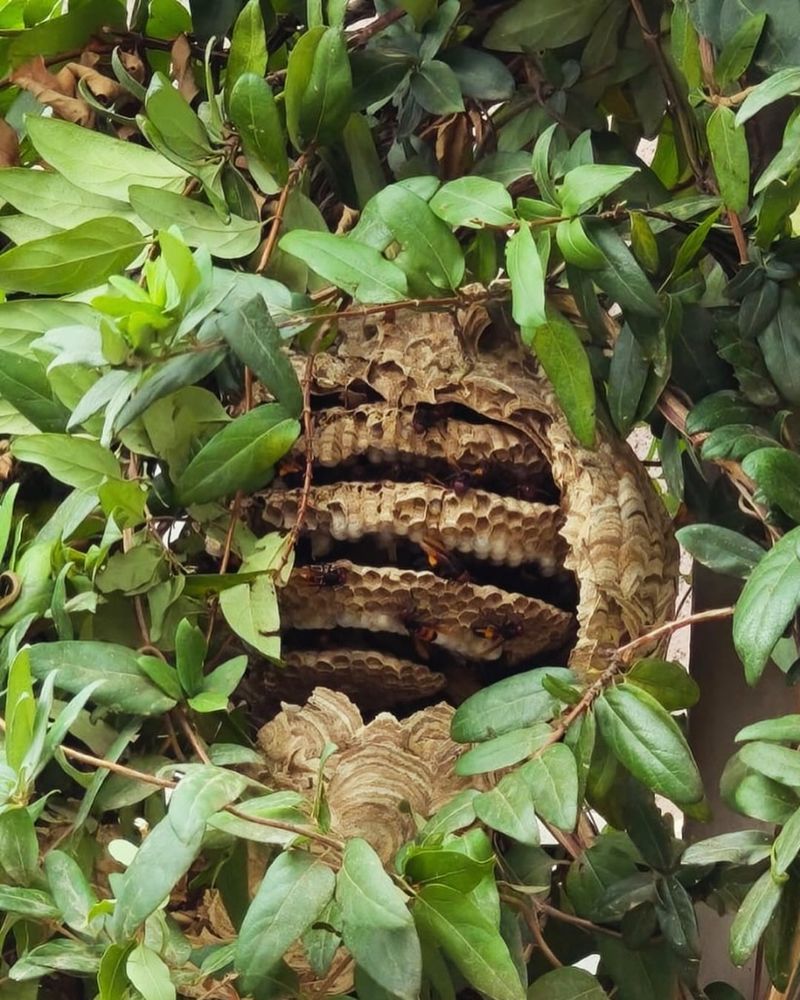
Overgrown shrubs are more than a landscaping issue. Dense, tangled branches create exactly the kind of sheltered interior that ground-nesting and shrub-nesting wasps look for.
Shrubs planted close to your porch give wasps a private nesting zone just a few feet from where you spend your evenings.
Species like yellow jackets sometimes build nests inside thick shrubs at or near ground level. Paper wasps may attach nests to inner branches where they are hidden from view.
Both situations are easy to miss until the colony grows large enough for wasps to become visible flying in and out.
Trimming shrubs regularly reduces available nesting space. Opening up the interior of dense plants removes the sheltered cavities that wasps prefer.
Keeping shrubs pruned to a manageable shape also makes it easier to spot any early nest activity before it becomes established.
Relocating shrubs away from your porch is worth considering if you have persistent wasp problems. A shrub planted against your porch railing is much riskier than one placed ten feet out in the yard.
Creating some open space between dense plantings and your seating area limits how directly wasp activity affects your porch time.
7. Regular Yard Checks Help Spot New Nests Early
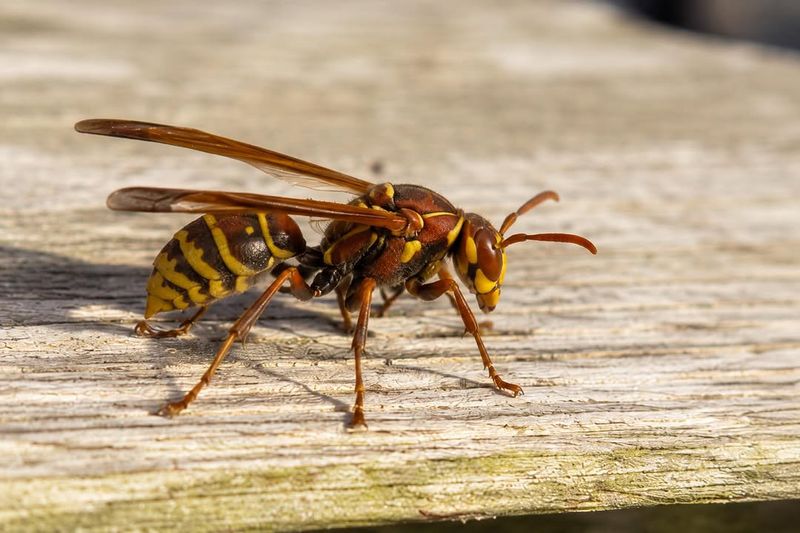
Catching a wasp nest early is a completely different situation from dealing with one that has been growing for two months. A newly built nest in April might have fewer than a dozen cells.
That same nest in July could house hundreds of workers. Timing matters more than most homeowners realize.
Walking your yard and porch perimeter once every week or two during spring and summer takes very little time. Look under eaves, along fence rails, inside shrubs, around outdoor furniture legs, and beneath decking.
Wasps tend to favor spots that are sheltered and slightly hidden, so check areas you might normally overlook.
Early nests are small, papery, and often look like an upside-down umbrella structure with visible cells. Mud dauber nests look like small clay tubes stuck to walls or beams.
Knowing what to look for makes your inspections more effective and less time-consuming.
Keeping a simple log of where you find nests each year can reveal patterns. Some spots on your property may attract nesting wasps repeatedly due to their location or structure.
Addressing those spots, such as sealing gaps, trimming plants, or applying a deterrent, reduces the chance of repeat nesting in the same area. Routine checks cost nothing and require no special equipment.