Why Late August Is The Best Time To Rip Out Bermuda Grass In California
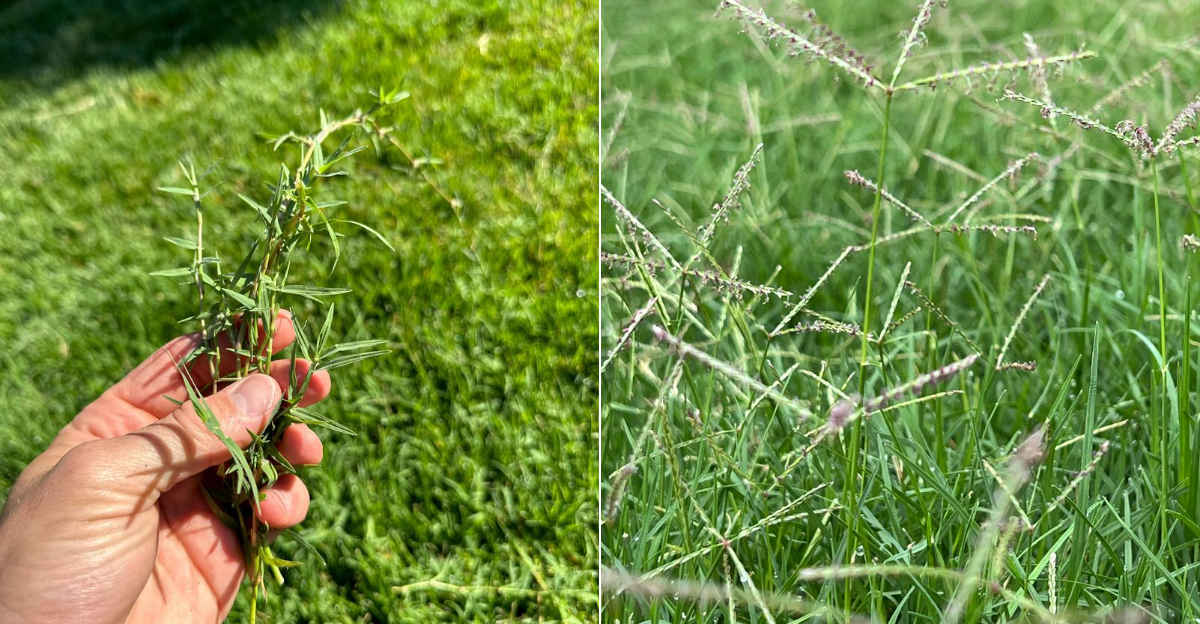
Bermuda grass is one of the toughest weeds a homeowner can face. Its roots go deep, its runners spread fast, and it always seems to come back no matter what you do.
But here is the thing: timing makes a huge difference when you are trying to get rid of it for good.
Late August is actually one of the best windows of the whole year to pull it out in California, and once you understand why, the whole process starts to make a lot more sense.
The grass is still actively growing during this time, which sounds like bad news, but it actually works in your favor. Active runners are easier to see, easier to trace, and easier to follow all the way back to the root.
The soil in late summer is also dry enough in many areas that rhizomes tend to lift out more cleanly than they do in wet spring conditions.
On top of that, removing Bermuda grass now gives you a solid head start before fall planting season rolls around.
If you have been struggling with this plant taking over your yard, this guide breaks down exactly why late August is the right time to fight back and what to keep in mind as you work through it.
Bermuda Grass Is Still Growing Hard In Late August
Most California homeowners assume that a weed growing fast is always a problem. With Bermuda grass in late August, that fast growth is actually something you can use to your advantage.
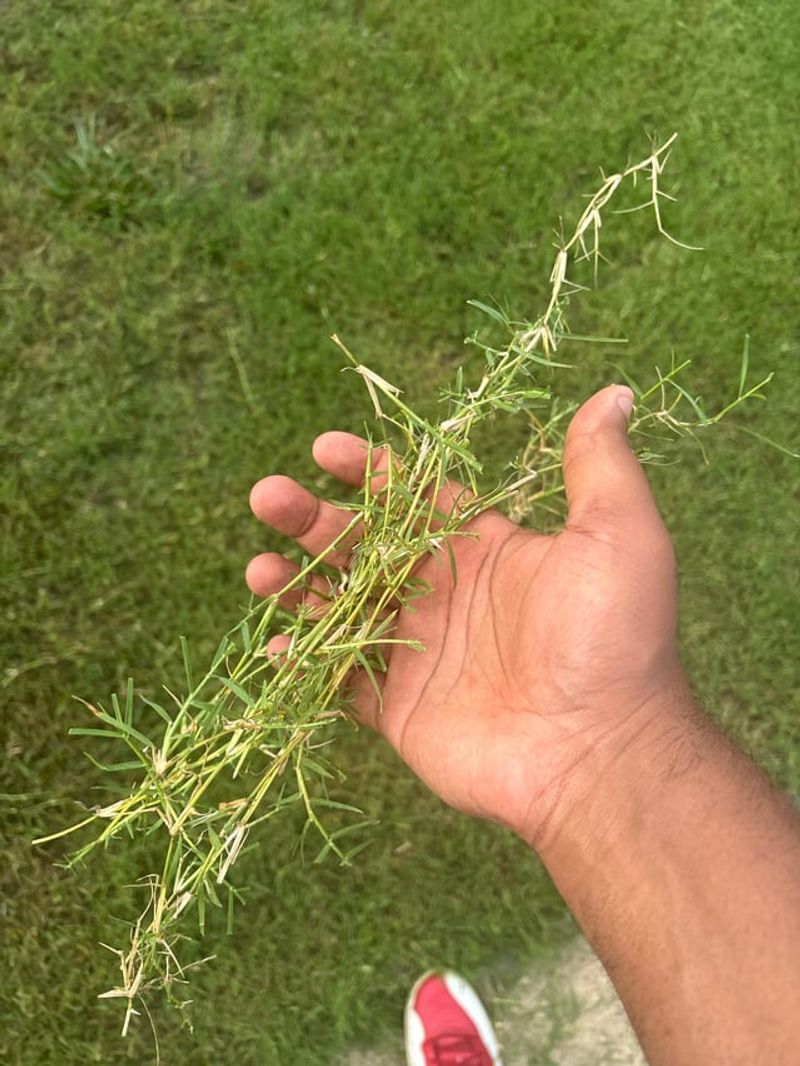
The plant is putting all of its energy into spreading, which means every runner is fully extended and easy to follow.
When Bermuda grass is in full growth mode, it is not hiding. The stolons are stretched out across the surface, and the rhizomes are actively pushing through the top layer of soil.
That makes the whole root system easier to map out before you start digging. You are not guessing where the roots are going.
Late August heat keeps the plant working hard. In cooler months, Bermuda grass slows way down and some of its runners can look withered even when they are not.
That makes removal much harder because you cannot always tell what is still alive underground. Right now, everything is visible and active.
That is exactly the kind of situation that makes hand removal or solarization more effective. You can see what you are dealing with, and you can tackle it all at once instead of finding surprise regrowth weeks later.
Active Growth Makes Every Runner Easier To Spot
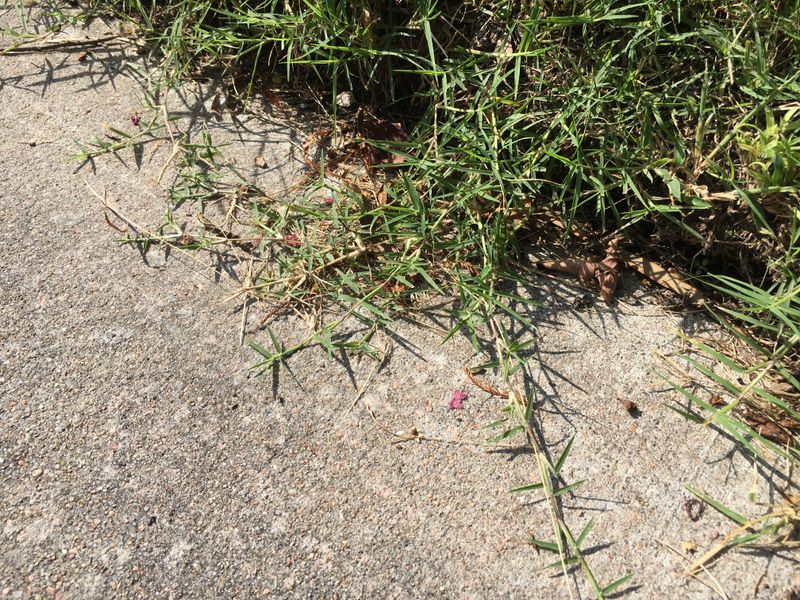
There is a real difference between removing a plant when it is dormant and removing it when it is fully awake.
When Bermuda grass is actively growing, its runners are stretched out and sitting right on top of the soil or just below the surface. You can actually see where they are going.
Following a runner from tip to root is much easier in late August than in early spring. In spring, the soil is often wet, which makes the ground soft and messy.
Your California Garden Changes Every Week. Your Plan Should Too.
Gardening in California changes quickly throughout the season. Every Friday you’ll receive a simple weekly plan showing exactly what to plant, prune, fertilize, harvest, and protect so you never miss the right timing.
Runners can break apart easily, leaving root pieces behind. In late summer, the runners are firm and intact, which means you have a better shot at pulling them out in one long piece instead of snapping them into fragments.
Spotting runners early also helps you catch the plant before it sets more root nodes. Each node along a stolon has the ability to sprout a new plant if it stays in the ground.
The more nodes you can remove in one session, the less regrowth you will have to deal with later. Working during active growth gives you the clearest picture of how far the grass has spread.
That visibility is worth more than most people realize when it comes to getting ahead of a plant this persistent.
Dry Soil Can Help Rhizomes Lift Out Cleaner
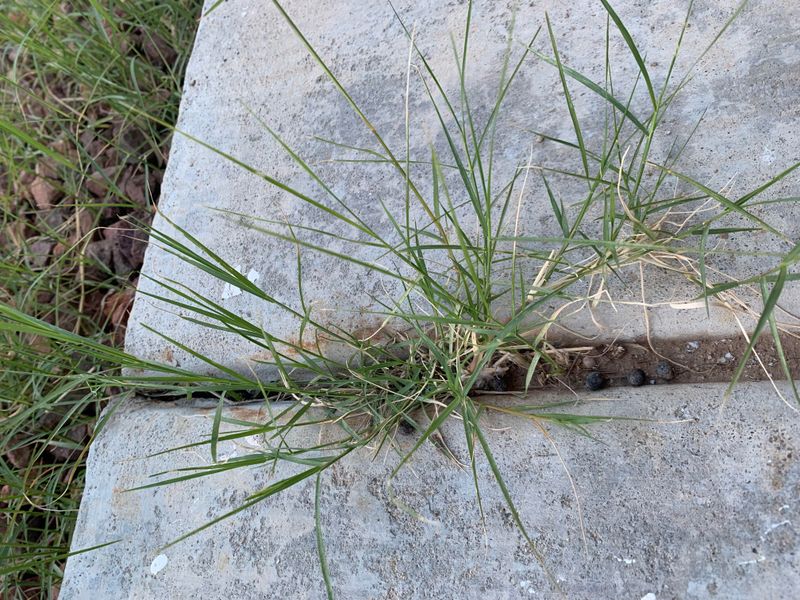
Wet soil and Bermuda grass removal are not a great combination. When the ground is saturated, rhizomes tend to slide apart and break into small pieces.
Those pieces stay behind in the soil, and each one can start a new plant. Dry late-August soil actually makes the job cleaner in a surprising way.
When the top few inches of soil are dry and firm, the rhizomes have less space to move around. They hold together better when you insert a fork or spade underneath them.
You can often lift a whole section of root mat in one motion instead of chasing fragments through muddy ground. That means fewer pieces left behind and less regrowth to deal with in the weeks that follow.
Dry soil does require a bit more effort to break through at first. A sturdy garden fork works better than a flat shovel here because it loosens the soil without slicing through as many roots.
Once you get under a section, use a slow lifting motion to keep the rhizome intact. Shake off the loose soil and check the root carefully before tossing it into a bag.
Any piece left on the ground can re-root fast, especially if afternoon moisture shows up. Working in dry conditions keeps the process controlled and more efficient overall.
Digging Deep Matters More Than Just Pulling The Tops
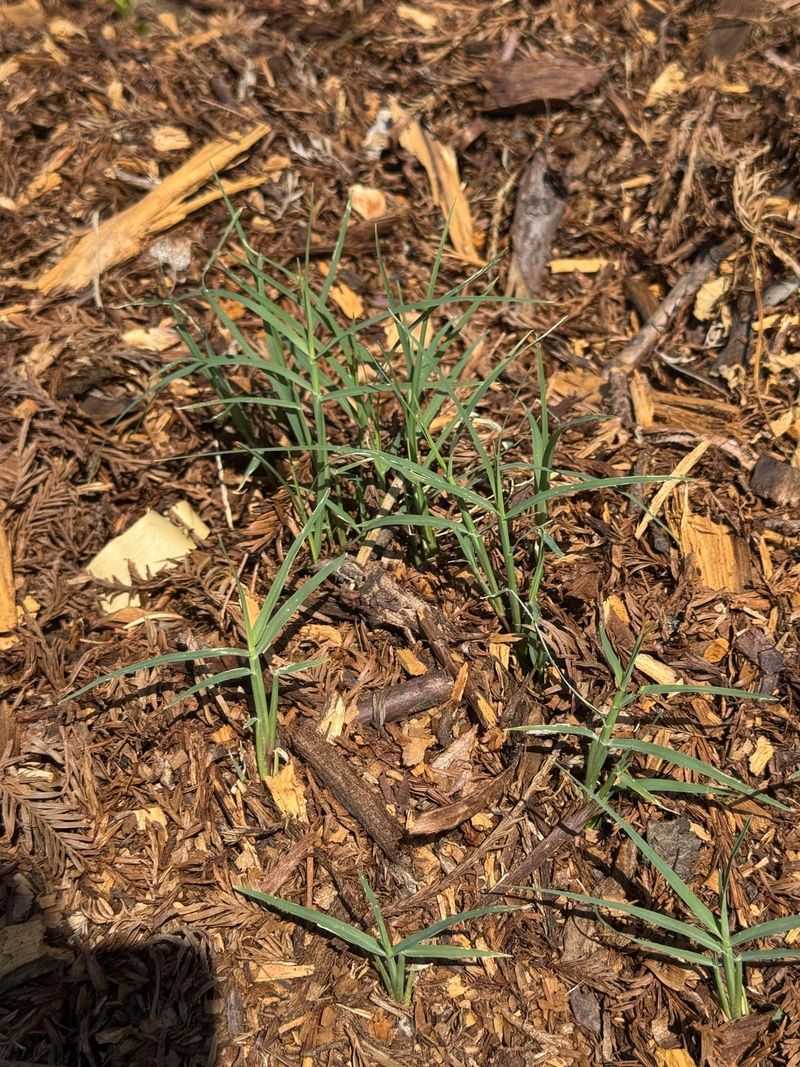
Pulling the green tops off Bermuda grass feels productive, but it barely scratches the surface of the real problem. The rhizomes can travel six inches or more below the ground, and those are the parts that keep the plant coming back season after season.
Surface removal alone will not solve anything long-term.
Getting a tool deep enough to reach the full root zone takes a little planning. Start by loosening the soil in a wide circle around the visible runners before you try to lift anything.
This gives the rhizomes room to pull free without snapping. A garden fork pushed straight down at least six to eight inches gives you the best leverage for lifting a full section of the root mat.
Working in sections helps keep things manageable. Pull up one area completely before moving to the next.
That way you are not spreading root fragments around the yard as you go. Check each clump of soil carefully after you lift it, because small white rhizome pieces blend in with dry dirt pretty easily.
Late August is a smart time to do this deep work because the soil is dry enough to let you dig without creating a muddy mess.
You get clean access to the root zone, and that makes the whole process more thorough and more effective than trying to do it in spring.
Every Little Root Piece Can Start The Comeback
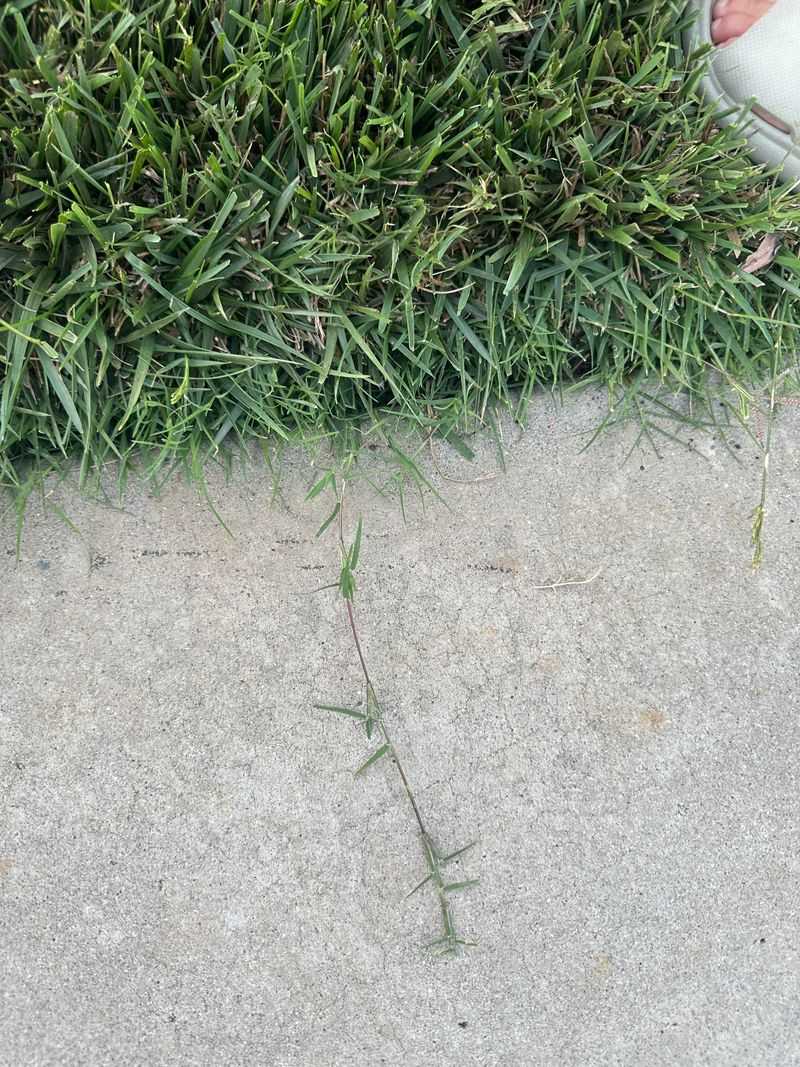
Bermuda grass has a reputation for being nearly impossible to fully remove, and a lot of that comes down to one simple fact. Even a small piece of rhizome left in the soil can sprout into a whole new plant.
You do not need much. A half-inch fragment with a node on it is enough to restart the whole cycle.
That is why the removal process needs to be thorough and a little obsessive. After you pull up a section of roots, sift through the loose soil with your hands or a fine rake.
Look for any white or pale yellow root pieces hiding in the dirt. They are small, but they are easy to feel when the soil is dry and crumbly.
Wet soil makes this step much harder because everything sticks together.
Collect every piece you find and put it in a sealed bag or bucket. Do not leave root fragments on the surface thinking they will dry out and stop growing.
Bermuda grass is remarkably tough, and a fragment sitting on moist morning soil can root itself within days. Late August gives you dry conditions that slow this process down a bit, but it does not stop it completely.
Stay focused, work in small sections, and treat every little piece like it matters. Because honestly, it does.
Late Summer Gives You Time To Chase New Sprouts
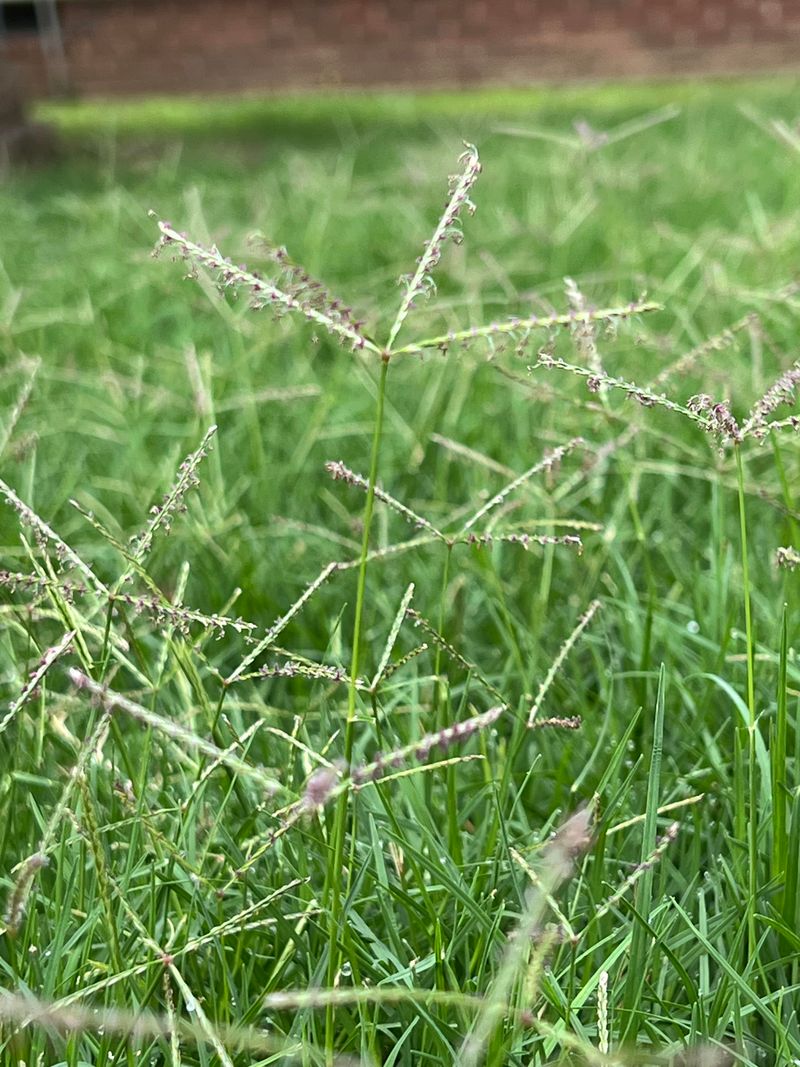
One removal session is rarely the end of the story with Bermuda grass. After you clear an area, new sprouts will often appear within a week or two from root pieces you missed.
Late August gives you several weeks of warm weather left to catch those sprouts before the season changes.
Chasing new growth right after your first removal session is one of the most important steps in the whole process. Check the cleared area every few days and pull out anything green that pops up.
New sprouts from rhizome fragments are small and shallow at first, which means they come out much easier at this stage than they will if you let them get established. Catching them early is a big time saver.
The window between late August and mid-October is long enough to do two or even three follow-up passes over the same area. Each pass removes more of the root system that survived the first round.
By the time cooler weather arrives, you can dramatically reduce the amount of Bermuda grass that will come back next spring. Waiting until fall or winter to start the removal process means you miss this follow-up window entirely.
Starting in late August keeps you ahead of the regrowth cycle and gives you real momentum heading into the cooler planting season.
Clearing Runners Now Makes Fall Replanting Easier
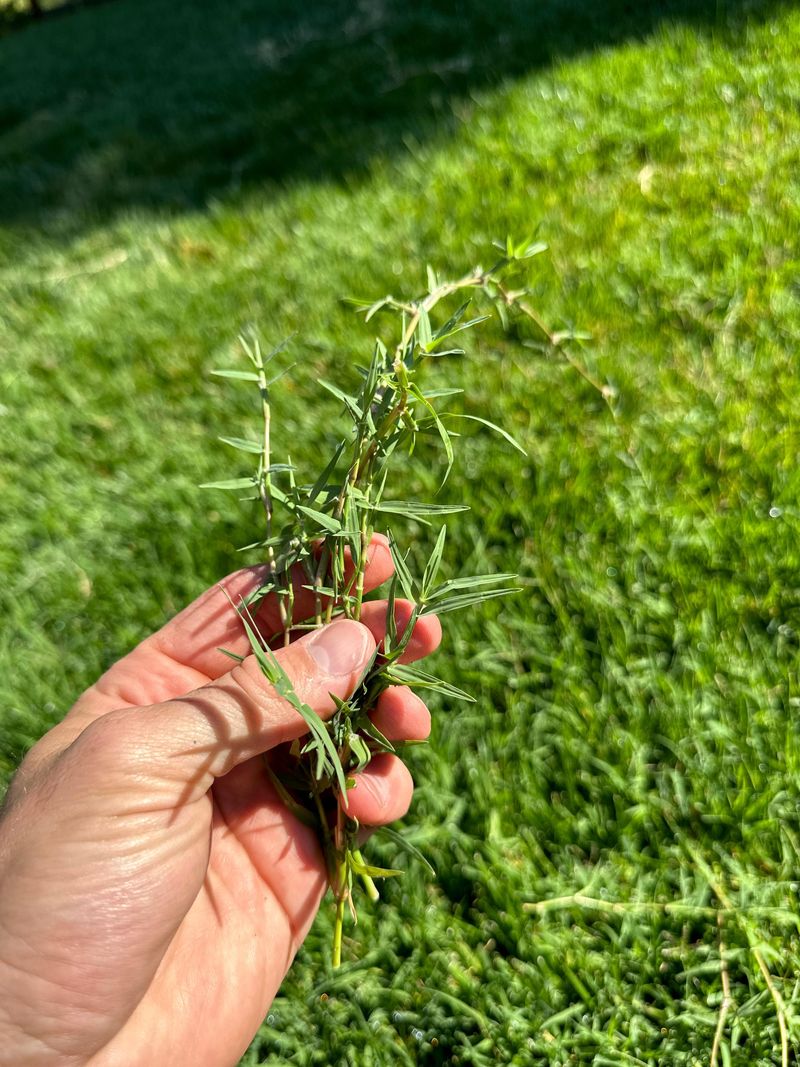
Getting rid of Bermuda grass is only half the goal for most California homeowners. The other half is replacing it with something better, whether that is a native ground cover, a vegetable garden, or a lawn that actually suits the local climate.
Clearing now means the soil is ready when fall planting time arrives.
Fall is one of the best seasons to establish new plants in many parts of the state. Cooler temperatures and occasional rain give new roots a chance to settle in without the stress of summer heat.
But none of that works if Bermuda grass is still competing for space and nutrients in the same bed. Clearing it out in late August gives the soil a few weeks to rest and settle before you put anything new in.
You can also use that gap between clearing and planting to add compost or amend the soil. Working organic matter into a cleared bed is much easier when you are not fighting through a mat of grass roots at the same time.
The cleared soil is also easier to shape and grade if you are planning a new garden layout. Late August removal lines everything up perfectly for a smooth fall planting season.
You get the cleanup done during the hottest part of the year and reward yourself with a fresh, ready-to-plant bed just as the weather starts to cool down.
One Quick Dig Usually Is Not Enough
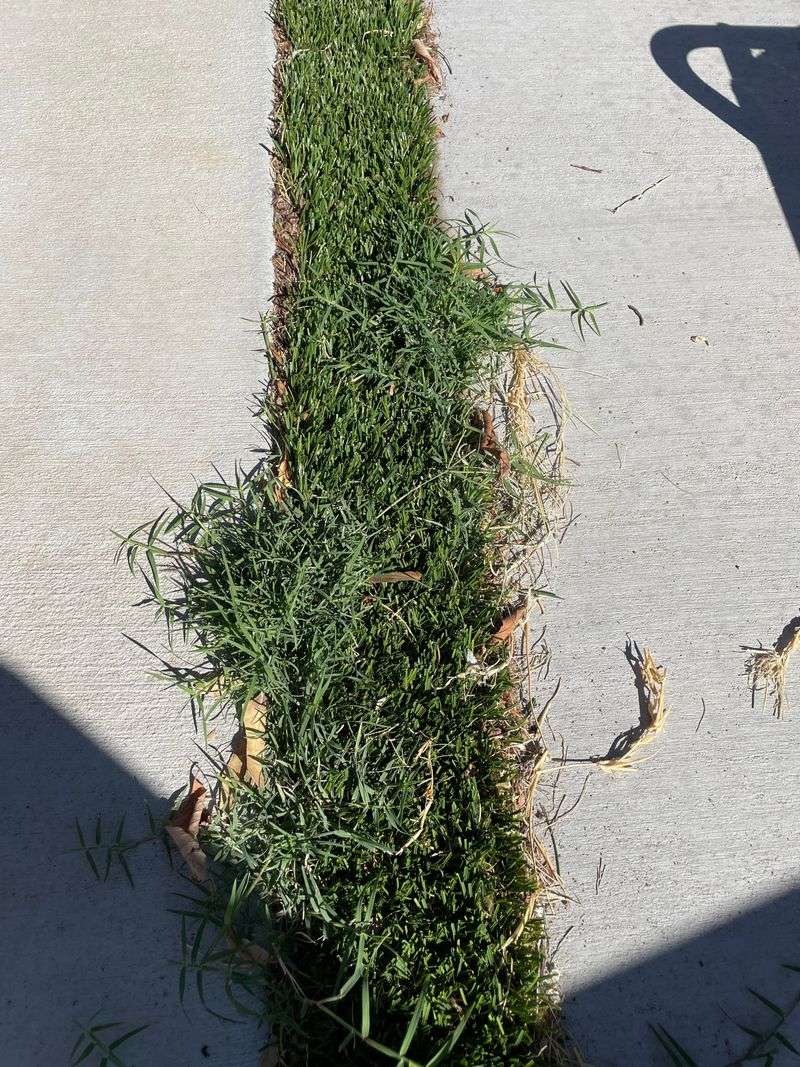
There is no single-session fix for Bermuda grass. Anyone who has tried to remove it knows that the first pass always leaves something behind.
The root system goes deep, spreads wide, and breaks apart easily during removal. Expecting one dig to solve the problem sets you up for frustration.
The good news is that each removal session gets easier than the last. The first pass removes the bulk of the root mat.
The second pass catches the fragments that survived. The third pass, if needed, targets any stubborn holdouts.
By the time you finish round three, the amount of regrowth you see drops off significantly. Persistence is the real tool here, not any single technique.
Late August is the right time to start this multi-session process because you have the time and the conditions to follow through. Starting in late summer means your second and third passes can still happen while the weather is warm and the sprouts are easy to spot.
If you wait until September or October to begin, your follow-up window gets shorter and the cooler weather makes new growth harder to track. Beginning in late August keeps you in control of the timeline.
You give yourself enough warm weeks to chip away at the problem properly, and you head into fall with far less Bermuda grass waiting to take over again next year.