The Once-Common Connecticut Wildflower Now Considered Threatened
Roadsides once glowed gold across Connecticut, yet you rarely notice the change. A quiet yellow bloom once colored your favorite early spring walks completely. Now you rarely spot that shade along quiet wetland edges.
Botanists warn you this mysterious plant carries a threatened status today. You might blame the drought, but the real cause runs deeper. Habitat loss reshaped the space you once took entirely for granted.
Wetlands shrank while local mowing crews reshaped what you cherished. Pollinators you quietly rely on lost a critical food source. Few people still openly ask you why this flower grew rare.
Connecticut’s landscape shifted around you, plant by plant, unnoticed. Restoration efforts now ask for urgent action from you directly. Scientists are now working hard to protect what you might miss.
Nothing about this quiet story stays simple, and you feel it. Only you can uncover what happens to this rare golden treasure.
What Connecticut Wildflower Went From Common To Threatened
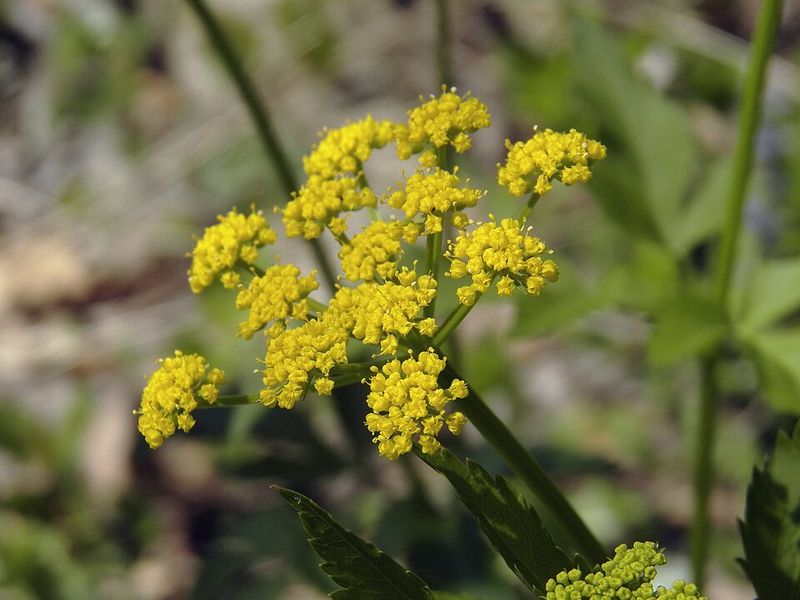
Picture a field full of sunshine-yellow flowers swaying in an April breeze. That was once a familiar Connecticut scene, and the star of that picture was Golden Alexanders.
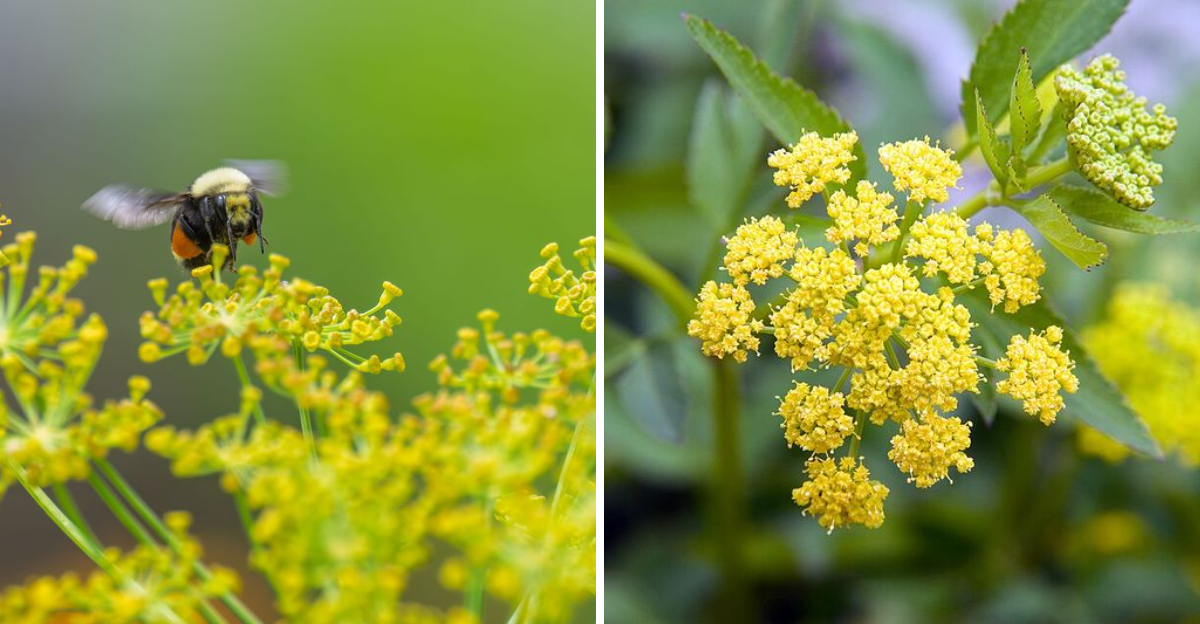
Golden Alexanders, known by its scientific name Zizia aurea, is a native perennial wildflower. It belongs to the carrot family and produces flat-topped clusters of tiny golden blooms each spring.
Historically, this plant grew across a wide range of habitats in Connecticut. You could spot it in moist meadows, along stream banks, and at the edges of open woodlands.
For decades, botanists and nature lovers alike took it for granted. It seemed like one of those plants that would always be around.
That assumption no longer holds true. Golden Alexanders is now recognized as a threatened species under Connecticut’s state conservation records.
A threatened listing means the plant faces serious risks to its survival across its local range. Without action, its numbers could fall even further.
The shift from common to threatened did not happen overnight. Habitat loss, land development, and changes in land management slowly chipped away at its populations over several decades.
Today, seeing a patch of Golden Alexanders in the wild is a rare occurrence. Recognizing what we almost lost is the first step toward making sure we do not lose it completely.
Why Golden Alexanders Used To Grow Across The State
Rewind the clock to the early twentieth century, and Connecticut looked very different. Open farmland, wet meadows, and natural floodplains covered large portions of the state.
Golden Alexanders thrived in exactly those kinds of places. It prefers moist, well-drained soil and plenty of sunlight, which early Connecticut landscapes offered in abundance.
Farm fields that sat fallow in spring gave the plant open ground to colonize. Wet ditches along country roads provided the perfect combination of moisture and sun exposure.
The plant also spread naturally through seed dispersal. Birds, wind, and water carried seeds into new areas, allowing populations to establish themselves across the state.
Connecticut’s river floodplains were especially productive habitat. Spring flooding deposited rich sediment that Golden Alexanders used to fuel its early-season growth.
Your Connecticut Garden Changes Every Week. Your Plan Should Too.
Gardening in Connecticut changes quickly throughout the season. Every Friday you’ll receive a simple weekly plan showing exactly what to plant, prune, fertilize, harvest, and protect so you never miss the right timing.
The plant is also cold-tolerant, which made Connecticut’s unpredictable springs no obstacle at all. It often bloomed before most other wildflowers even broke the soil surface.
Early pollinators, especially native bees emerging in cool weather, depended on those early blooms for food. The plant and its pollinators evolved together over thousands of years.
Back then, the relationship between the land and this wildflower was in balance. Plenty of suitable habitat meant plenty of plants, and the cycle kept repeating season after season without interruption.
Causes Behind This Wildflower’s Gradual Decline
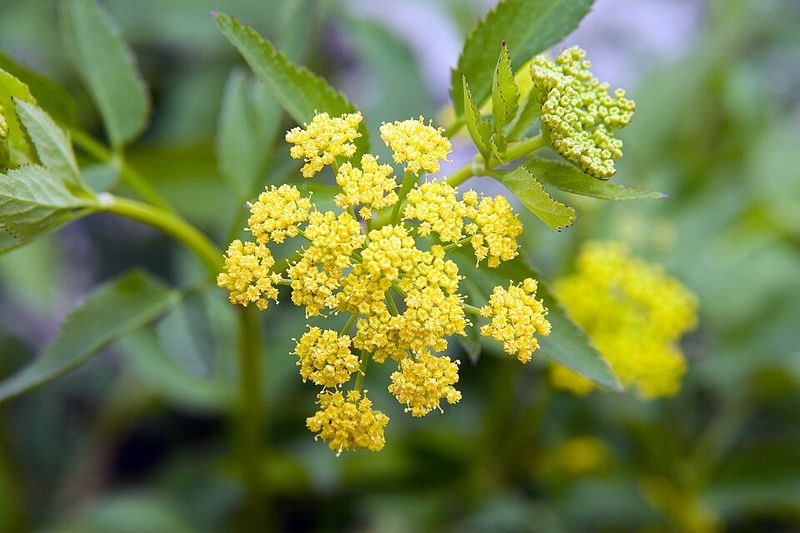
That balance shifted, largely due to human activity. Development, drainage, and land-use changes reshaped the Connecticut landscape in ways that left little room for plants like Golden Alexanders.
Suburban development claimed enormous stretches of open land throughout the mid-twentieth century. Fields and floodplains that once supported native plants became parking lots, housing developments, and shopping centers.
Wetland drainage was another serious blow. For much of the last century, wet areas were seen as wasted land and were routinely drained or filled for construction purposes.
Invasive plant species made things even harder. Plants like Japanese knotweed, purple loosestrife, and phragmites moved into disturbed areas and outcompeted native wildflowers for space and light.
Modern farming techniques reduced fallow fields and removed the weedy margins where Golden Alexanders once grew freely.
Road maintenance habits shifted too. Mowing schedules along roadsides became more aggressive, cutting down wildflowers before they could set seed and reproduce.
Deer browsing has become a growing pressure as well. White-tailed deer populations have surged in Connecticut, and deer readily consume young wildflower plants before they can establish themselves.
Each of these pressures alone might not have been enough to push this species toward threatened status. Together, they created a gradual conservation challenge that eventually caught the attention of conservation planners.
Where Golden Alexanders Still Grow In Connecticut
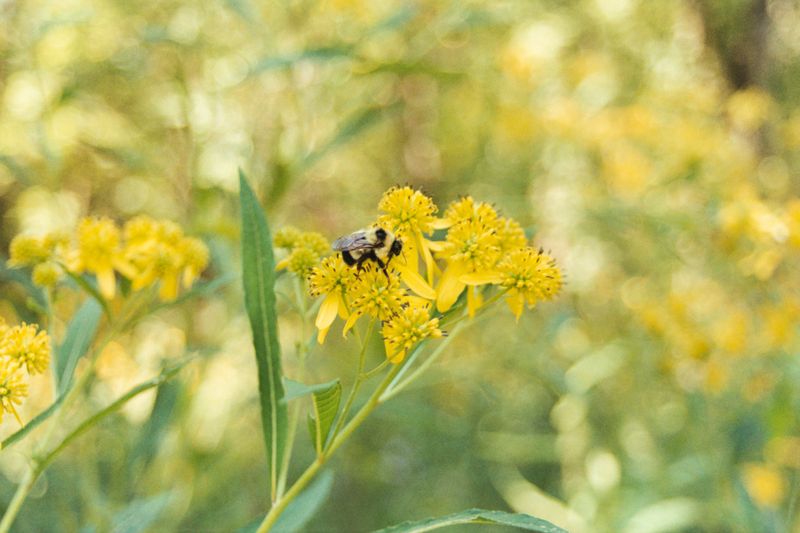
Finding Golden Alexanders in the wild today takes some effort, but populations do still exist. A handful of sites across the state support this plant, and each one is worth protecting.
Nature preserves and conservation areas managed by land trusts tend to harbor the healthiest remaining populations. These places limit disturbance and control invasive species, giving native plants room to survive.
River corridors and floodplain forests in central and eastern Connecticut still offer pockets of suitable habitat. The Connecticut River watershed has historically been one of the plant’s strongholds.
Some populations persist along the edges of wetlands in state parks and wildlife management areas. These spots often have the moist, sunny conditions that Golden Alexanders prefer.
Smaller, isolated patches sometimes appear on private land where owners have maintained naturalistic gardens or left field edges unmanaged. These informal refuges matter more than many people realize.
State conservation agencies and regional botanical organizations track known populations. Their records help conservationists prioritize which sites need the most urgent protection.
If you want to see Golden Alexanders in bloom, aim for late April through early June. That window captures the peak flowering period before the plant’s foliage blends into surrounding greenery.
Every surviving population represents a genetic resource and a seed source for future restoration efforts. Protecting what remains is the foundation of any meaningful recovery plan.
How This Plant Supports Native Pollinators And Insects
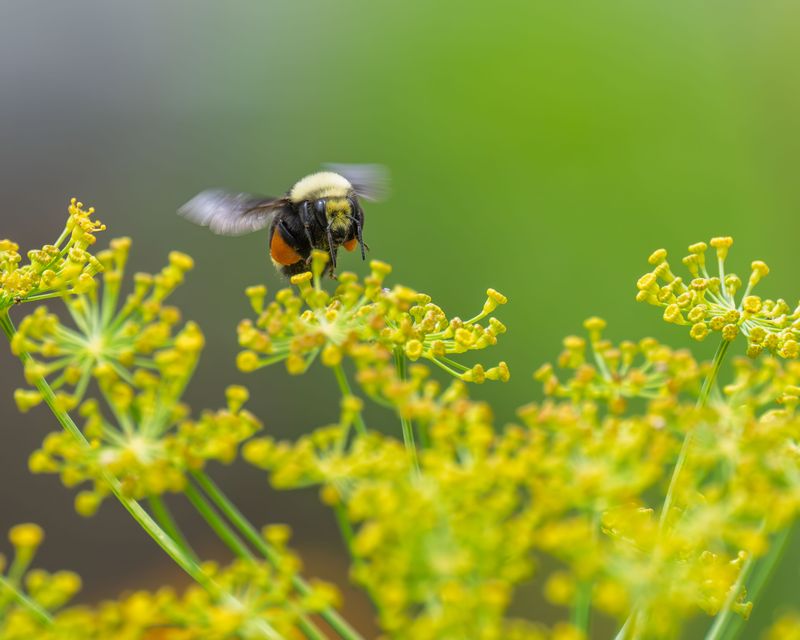
Golden Alexanders does not just look pretty. This plant plays a critical role in the food web that supports dozens of native bee and insect species.
Its early bloom time is the key ecological feature. Flowering in April and May, it provides nectar and pollen when few other native plants are producing food for pollinators.
Native bees, especially mining bees and sweat bees, visit the blooms heavily during cool spring mornings. These bees emerge early in the season and rely on early food sources to feed their young.
The plant also serves as a host for the black swallowtail butterfly. Female black swallowtails lay their eggs on Golden Alexanders leaves, and the caterpillars feed on the foliage as they grow.
That host plant relationship is highly specific. Black swallowtail caterpillars rely on plants in the carrot family, and Golden Alexanders is one of the few native options available in the Northeast.
Soldier beetles and other beneficial insects also use the flowers as a feeding and mating site. A single patch of blooming plants can attract a wide range of invertebrates.
When Golden Alexanders disappears from a landscape, all of those insect relationships unravel. The ripple effects extend to birds and other animals that depend on those insects for food.
Restoring this plant is not just about saving one species. It is about rebuilding an ecological network that supports the surrounding ecosystem.
Ways Gardeners Can Help Bring It Back
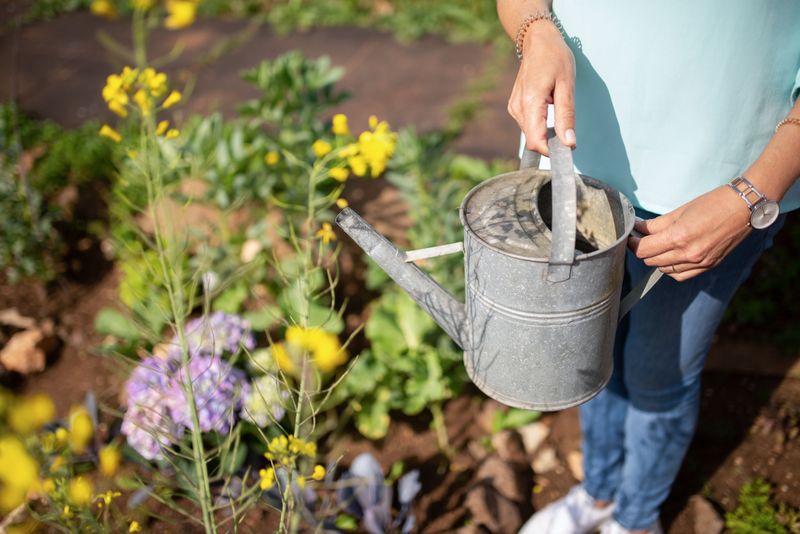
One practical solution: regular gardeners can make a real difference. Growing Golden Alexanders in your yard is one of the most practical ways to support a threatened Connecticut wildflower.
The plant is surprisingly easy to grow in home gardens. It tolerates a range of soil conditions, from average garden beds to wetter spots near downspouts or rain gardens.
Full sun to partial shade works well for this species. A spot that gets four to six hours of direct sunlight each day will produce strong, healthy plants that bloom reliably.
Sourcing plants from reputable native plant nurseries is important. Look for stock that is locally sourced or grown from Connecticut seed to preserve regional genetic diversity.
Avoid transplanting wild specimens from natural areas. Removing plants from existing populations puts additional pressure on populations that are already struggling to survive.
Once established, Golden Alexanders needs very little maintenance. Skip the fertilizer, skip the pesticides, and let the plant do what it naturally does best.
Letting seed heads mature and drop in place encourages natural self-seeding. Over a few seasons, a single plant can become a small colony that supports pollinators spring after spring.
Sharing plants and seeds with neighbors expands the impact beyond your own yard. A neighborhood full of native plantings creates a connected habitat corridor that benefits the once-common Connecticut wildflower and everything that depends on it.