The Arizona Shrub That Can Screen A Hot Patio Without Needing Much Water
Hot patios can feel completely exposed when there is nothing between your seating area and the blazing afternoon sun. Adding the right shrub can create useful screening without turning watering into another constant chore.
You need something tough enough to handle reflected heat while still growing into an attractive natural screen. Not every leafy shrub is comfortable in those demanding conditions.
One desert option brings the height and branching growth that can soften an exposed patio. It also fits naturally into Arizona landscapes where conserving water remains important.
Placement still deserves careful thought before anything goes into the ground. Give the shrub enough room to develop its natural shape.
Once established, a suitable choice can provide screening without demanding excessive irrigation.
Your patio can gain privacy and greenery while staying practical for a hot, dry landscape.
1. Creosote Bush Handles Heat With Ease
Few plants shrug off triple-digit heat the way creosote bush does. While other shrubs wilt or drop leaves when summer temperatures spike, creosote just keeps going.
Its small, waxy, resinous leaves are built to reduce moisture loss, which is exactly what a plant needs when the ground bakes for months.
Creosote bush is native to the Sonoran, Mojave, and Chihuahuan deserts, so intense heat is not a challenge for it. It is simply the environment it evolved in.
Expecting it to struggle in a hot Arizona patio setting is a bit like expecting a cactus to struggle in sand.
What makes this plant so reliable in high heat is the coating on its leaves. That sticky resin reflects some sunlight and slows water evaporation at the same time.
On a hot patio where reflected heat from concrete or pavers pushes temperatures even higher, that leaf coating gives creosote a real edge over most other screening shrubs.
Planting it near a south- or west-facing patio wall is a reasonable choice. Those spots get the harshest sun exposure, and creosote handles that exposure without dropping foliage or showing heat stress.
It is one of the few shrubs that actually performs better in the hottest spots of a yard rather than needing protection from them.
2. Its Dense Branching Can Create A Natural Screen
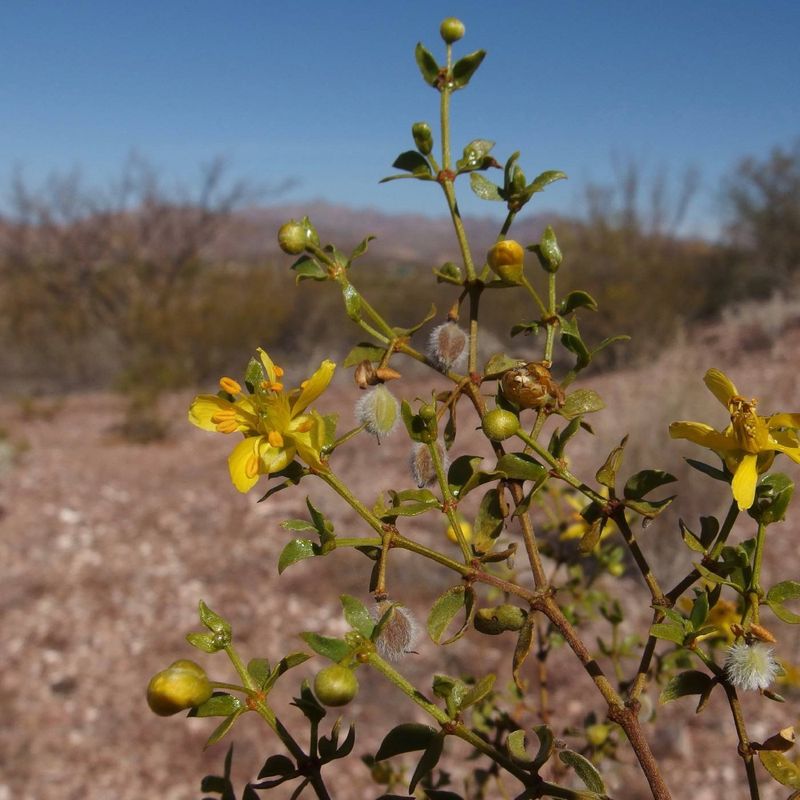
Creosote bush does not grow in a single straight trunk with sparse branches. Left to develop naturally, it spreads into a multi-stemmed shrub with a layered, bushy structure that fills in over time.
That growth habit makes it genuinely useful as a privacy screen along a patio edge.
Mature plants can reach anywhere from four to eight feet tall and nearly as wide, depending on soil conditions and water availability.
At that size, a row of creosote bushes can block sightlines from a street or neighboring yard without needing any kind of fence or trellis to back them up.
Spacing matters when you plant for screening. Placing shrubs roughly four to six feet apart gives each plant enough room to develop its natural width while still allowing the canopy edges to eventually meet.
A tighter planting creates a denser screen faster, but it can limit airflow between plants, which is worth considering in humid monsoon months.
Your Arizona Garden Changes Every Week. Your Plan Should Too.
Gardening in Arizona changes quickly throughout the season. Every Friday you’ll receive a simple weekly plan showing exactly what to plant, prune, fertilize, harvest, and protect so you never miss the right timing.
Unlike some fast-growing screening plants that get leggy or patchy over time, creosote tends to hold its form reasonably well without heavy pruning. Branches fill in from the base upward, which keeps the lower section of the screen from going bare.
For patio privacy, that low-to-high density is exactly what you want from a natural plant barrier.
3. Established Plants Get By With Little Extra Water
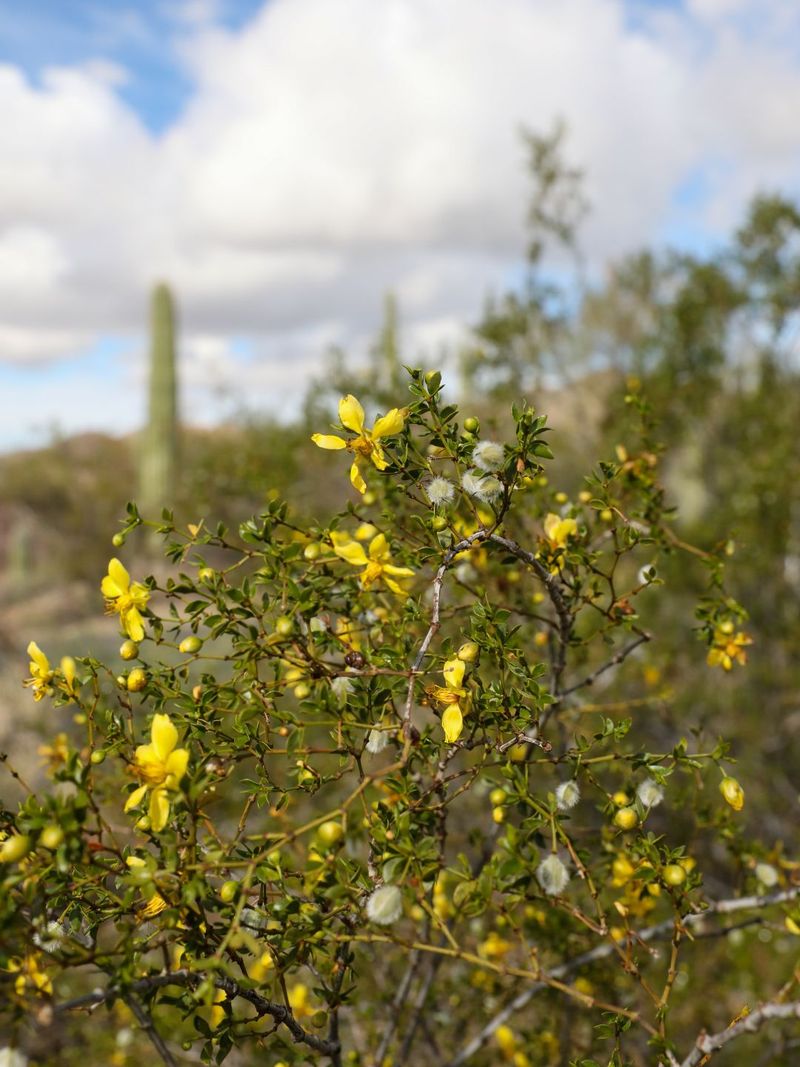
Getting through the establishment period is the main task with creosote bush. Water it regularly for the first one to two growing seasons so the roots can push deep into the soil.
After that, supplemental irrigation can drop off significantly for most plants in low-desert settings.
Once established, creosote bush in a typical desert yard can often get by on natural rainfall alone, especially during the monsoon season.
That said, in extremely dry years or in areas with very little annual precipitation, an occasional deep soak during the hottest months can help the plant maintain healthy foliage and flower production.
Drip irrigation works well during establishment. Running emitters slowly and deeply encourages roots to follow moisture downward rather than staying near the surface.
Deep roots give the plant better access to stored soil moisture during dry stretches, which is a big part of why established creosote handles drought as well as it does.
Avoid frequent shallow watering once the plant is settled in. Shallow watering keeps roots near the surface, which makes the plant more dependent on regular irrigation rather than less.
Giving it less water more gradually trains the root system to work the way it would in a natural desert setting, which is the goal for a truly low-water landscape plant.
4. Full Sun Brings Out Its Toughest Side
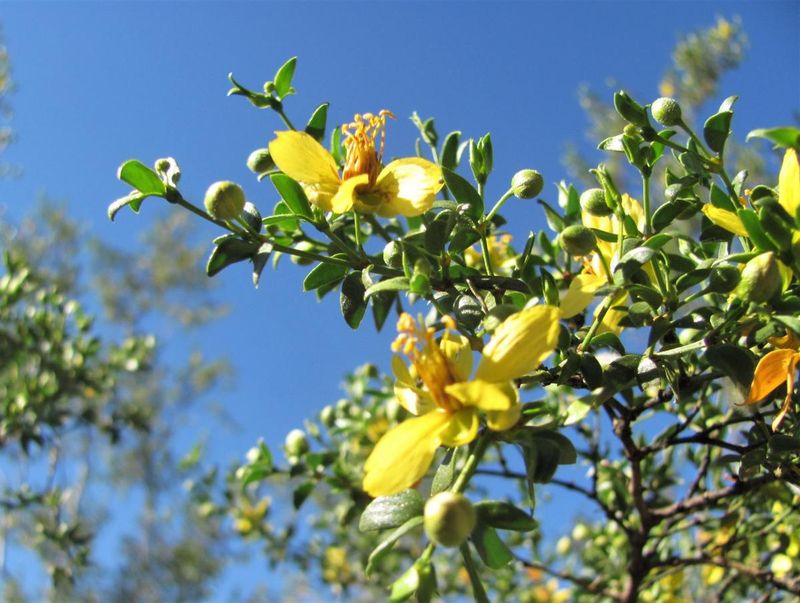
Shade is not something creosote bush needs or particularly benefits from. Put it in full sun and it performs at its best.
Reduce the sun exposure and you may actually see slower growth and less of the dense branching that makes it useful as a screen.
Patios with full southern or western exposure are often the hardest spots in a yard to plant. Reflected heat from concrete, block walls, and pavers pushes temperatures well above ambient air temperature.
Most ornamental shrubs struggle in those conditions, but creosote thrives in them.
Placing creosote along the western edge of a patio serves two purposes at once. It gets the full sun it prefers, and over time, its foliage can reduce the amount of late-afternoon sun hitting the patio surface directly.
That combination of plant health and functional shading is a practical win for desert landscaping.
One thing worth knowing: creosote in partial shade can grow a bit taller as it reaches toward available light. In full sun, growth tends to be more compact and even.
For screening purposes, the compact, full-sun form usually produces a denser, more reliable barrier at a manageable height.
Keeping that in mind when choosing a planting location can save some adjustment later on.
5. Yellow Flowers Add Interest During The Growing Season
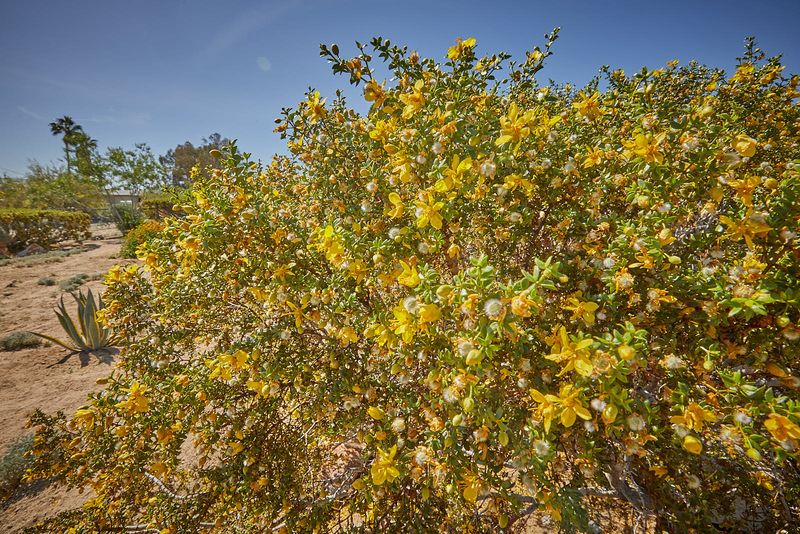
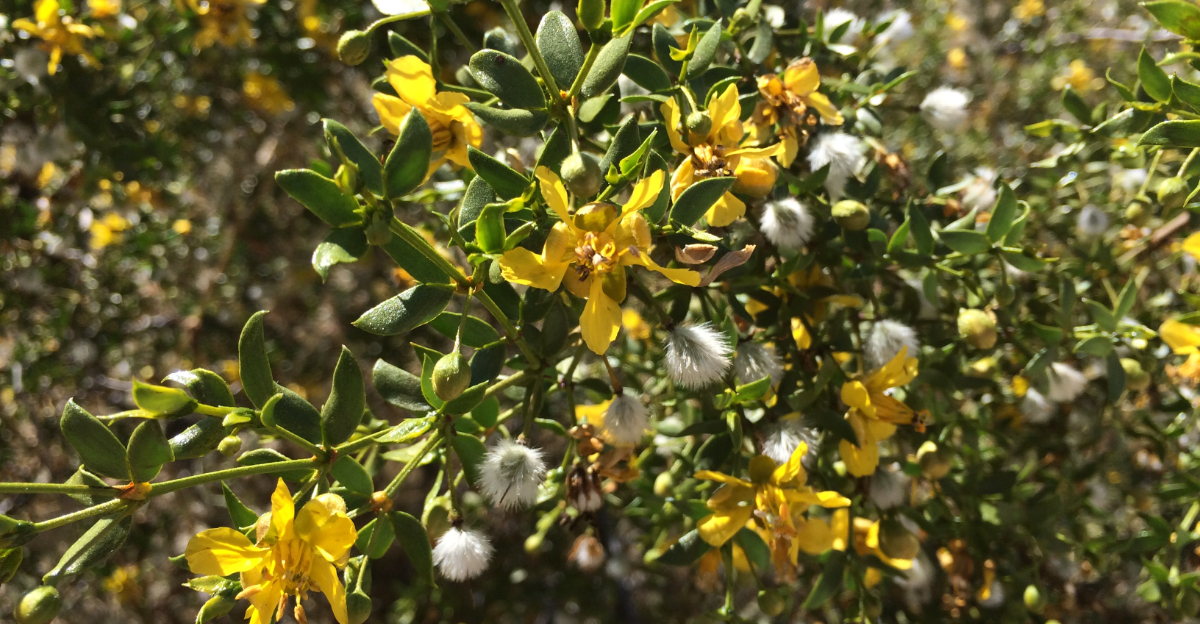
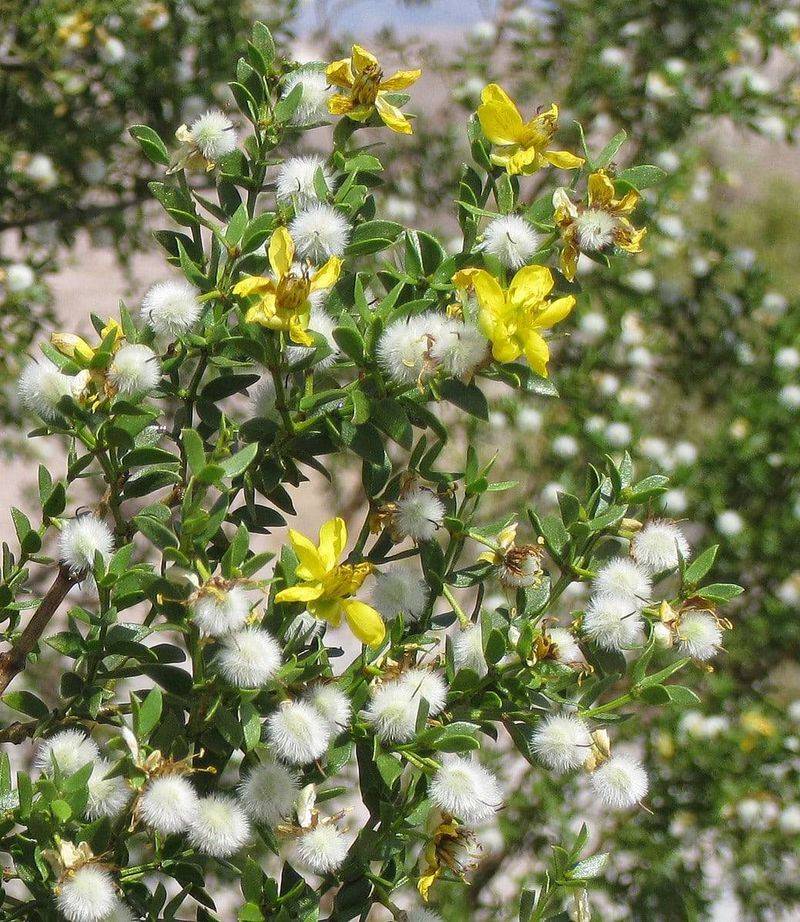
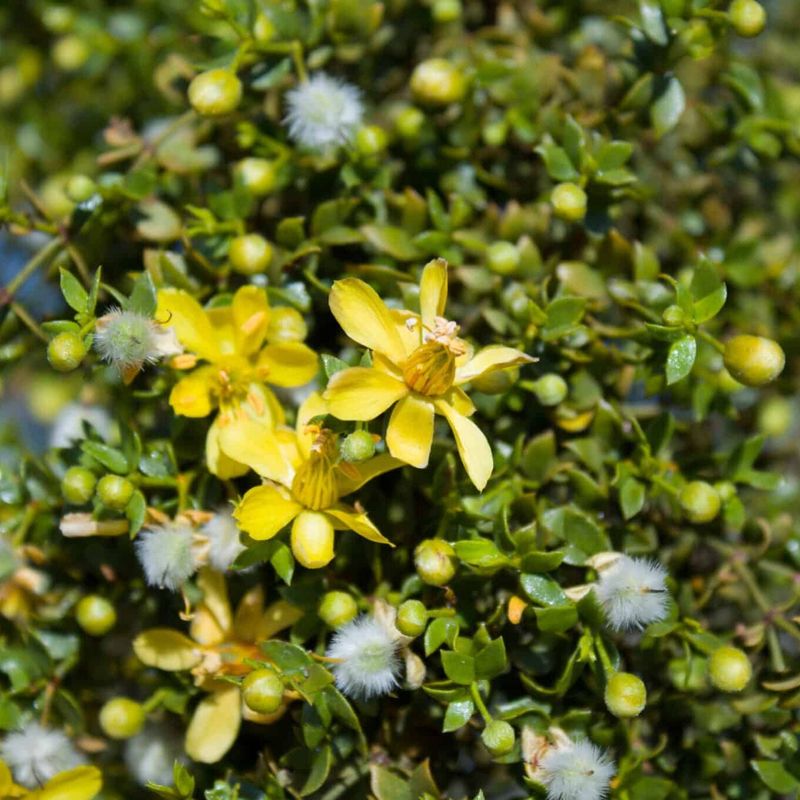
Creosote bush is not just a green wall of foliage. During the growing season, it produces small, bright yellow flowers that add a cheerful pop of color to an otherwise utilitarian screening plant.
Blooms typically appear after rainfall events, especially following winter rains and again during the monsoon season.
Each flower is small and five-petaled, but a mature shrub covered in blooms can look genuinely attractive from a distance. Up close, the flowers have a simple, clean look that pairs naturally with the plant’s fine-textured foliage.
They are not showy in the way ornamental flowering shrubs are, but they add enough visual interest to keep the plant from feeling purely functional.
After the flowers fade, creosote produces small, fuzzy white seed capsules that cling to the branches for a while. Some gardeners find that texture interesting as a secondary seasonal feature.
The seed capsules eventually drop off on their own without creating much of a mess.
Native pollinators, including certain bee species that are specifically adapted to creosote, visit the flowers during bloom periods.
Having a flowering native shrub along a patio edge can quietly support local pollinator activity without requiring any extra effort from the gardener.
That is a small but meaningful bonus for anyone interested in supporting desert wildlife in a low-maintenance way.
6. Enough Room Lets Its Natural Shape Develop
Creosote bush has a natural, rounded, multi-stemmed form that looks best when it has room to spread. Crowding it against a wall or planting it too close to other large shrubs can restrict that spread and lead to uneven branching.
Giving each plant adequate space from the start saves a lot of corrective pruning later.
A spacing of five to six feet from structures and four to six feet between plants is a reasonable starting point for screening purposes.
At that spacing, plants have enough room to develop their natural width without overlapping heavily or competing too aggressively for soil moisture and nutrients.
In open desert settings, individual creosote plants are often spaced quite far apart because they naturally compete for limited water. In a managed landscape with some supplemental irrigation during establishment, closer spacing is workable.
Just keep in mind that tighter planting may require occasional thinning to maintain good airflow as the plants mature.
Avoid planting creosote directly beneath overhanging structures or dense tree canopies. Reduced light and altered soil moisture patterns in those spots can change how the plant grows.
Out in the open, with full sky exposure and natural desert soil, creosote develops the kind of balanced, full shape that makes it genuinely effective as a patio screen rather than just a straggly gap-filler.
7. Light Care Keeps This Desert Native Looking Its Best
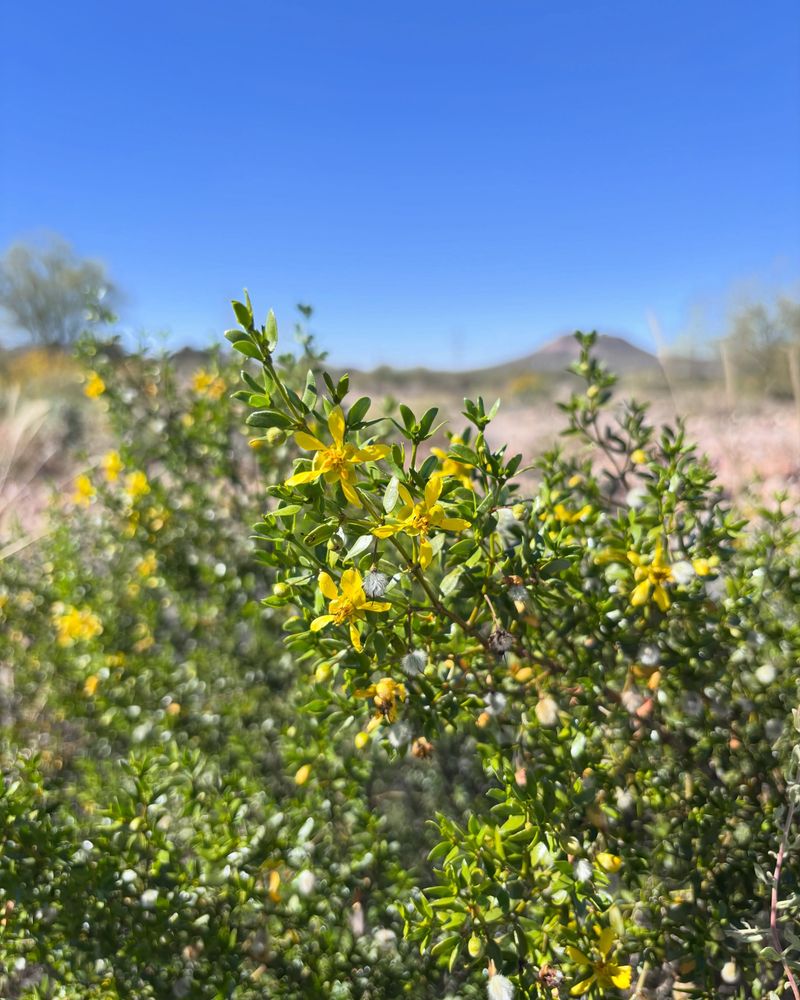
Creosote bush is about as low-maintenance as a shrub gets, but a small amount of occasional attention helps it stay looking sharp along a patio edge.
Light shaping once or twice a year is usually enough to keep the form tidy without disrupting the plant’s natural growth pattern.
Pruning is best done in late winter before new growth starts, or lightly again after the monsoon season winds down. Avoid heavy pruning that removes large sections of old wood.
Creosote does not regenerate from bare stems the way some shrubs do, so cutting back too aggressively can leave gaps that take a long time to fill in.
Mulching around the base of the plant with a layer of gravel or decomposed granite helps retain soil moisture and keeps the root zone cooler during hot months.
Organic mulch works too, but in a desert setting, gravel tends to look more natural and requires less replacement over time.
Fertilizing is rarely necessary for creosote in native desert soil. Pushing growth with extra nutrients can actually work against the plant’s compact, dense form.
In Arizona landscapes with lean, alkaline soil, creosote is already adapted to low-nutrient conditions.
Letting it grow on its own terms, with minimal interference, tends to produce the healthiest and most useful screening shrub over the long run.