The Shade Tree Arizona Gardeners Are Choosing For Yards That Reach 104°
When your yard reaches 104 degrees, a patch of dependable shade can completely change how the space feels. The challenge is finding a tree that can handle those conditions without constantly struggling.
Some trees look beautiful at the nursery but have a harder time once intense summer heat arrives. Choosing one suited to desert conditions can save you plenty of frustration later.
One option stands out for gardeners who want useful shade without fighting the climate. It brings a practical benefit while still adding character to the landscape.
For Arizona yards, heat tolerance should be high on your list before planting any shade tree.
Think about where afternoon sun hits hardest and where cooling shade would matter most.
The right tree can turn a scorching section of your yard into a far more comfortable space.
1. Desert Ironwood Is Built For Intense Desert Heat
Surviving 104-degree heat is not something most trees can manage without serious stress. Desert Ironwood handles it naturally, without extra intervention from the gardener.
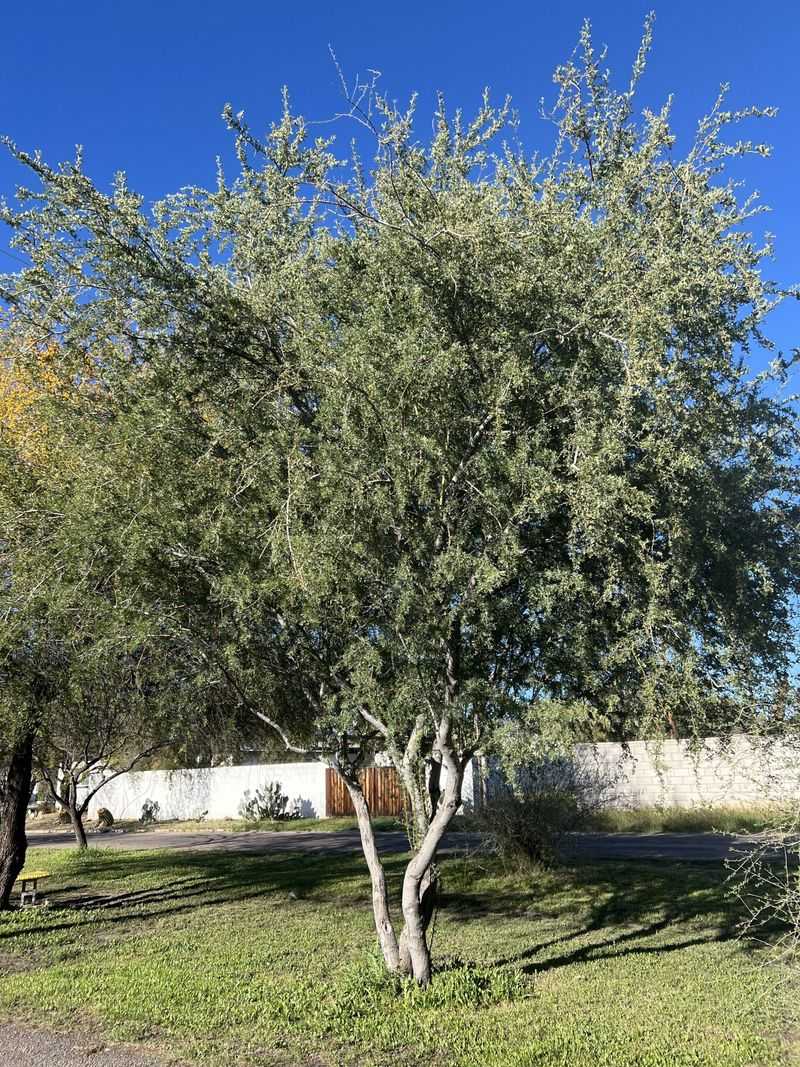
Native to the Sonoran Desert, this tree evolved over thousands of years in one of North America’s harshest climates. Its roots go deep, its bark is tough, and its leaves are built to handle relentless sun exposure.
Temperatures that scorch other trees barely slow this one down. It stays green through the hottest months when other plants look exhausted and burnt.
One thing worth knowing: even heat-tough trees can struggle during extreme or prolonged drought without any supplemental water, especially when young. Ironwood is resilient, but not invincible.
What makes it stand out in Arizona landscapes is its ability to handle reflected heat from walls, pavement, and rocks. Most trees planted near hardscape suffer.
Ironwood tends to handle it much better than softer species.
Gardeners in the Phoenix and Tucson areas have noticed it holds its canopy shape even through brutal summer stretches. That consistency makes planning your yard layout much easier.
You can count on it to perform without constant monitoring or adjustments during the hottest weeks of the year.
2. Its Dense Canopy Creates Valuable Summer Shade
Shade quality matters more than most people realize when temperatures hit triple digits. Not all tree canopies are created equal, and Ironwood’s is genuinely impressive.
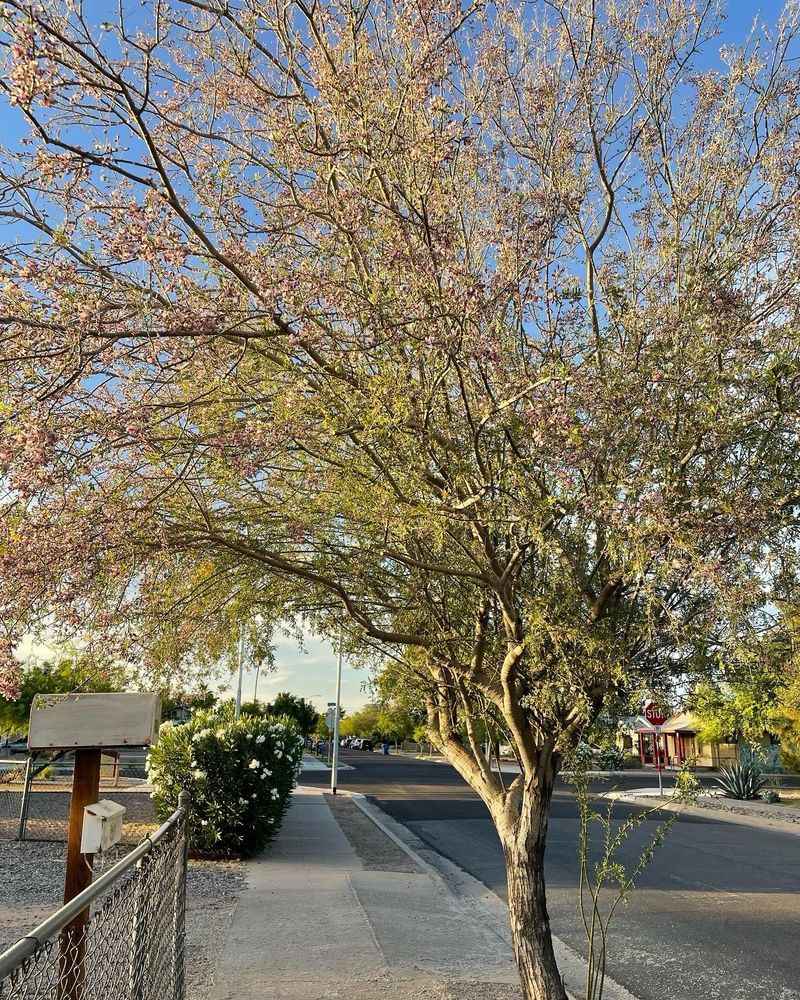
Its branches grow in a wide, spreading pattern that creates a broad overhead cover. Sitting under one on a hot afternoon feels noticeably cooler than standing in open sun nearby.
The leaves are small but densely packed. That combination blocks a strong percentage of direct sunlight without making the space feel closed in or dark.
It’s a useful balance for outdoor living areas.
Patios, seating areas, and even garden beds planted beneath an established Ironwood tend to benefit from reduced soil temperatures. Cooler soil holds moisture longer, which can slightly reduce how often you need to water surrounding plants.
One practical note: because the canopy is dense, grass or ground cover directly underneath may thin out over time. Gravel or decomposed granite works much better as a ground treatment beneath this tree.
Your Arizona Garden Changes Every Week. Your Plan Should Too.
Gardening in Arizona changes quickly throughout the season. Every Friday you’ll receive a simple weekly plan showing exactly what to plant, prune, fertilize, harvest, and protect so you never miss the right timing.
Mature specimens can spread 25 to 35 feet wide, depending on conditions and available space.
That spread takes years to develop, but the payoff is a shaded zone large enough to make a real difference in your yard’s comfort level during peak summer heat in the desert Southwest.
3. Low Water Needs Make It Easier To Maintain
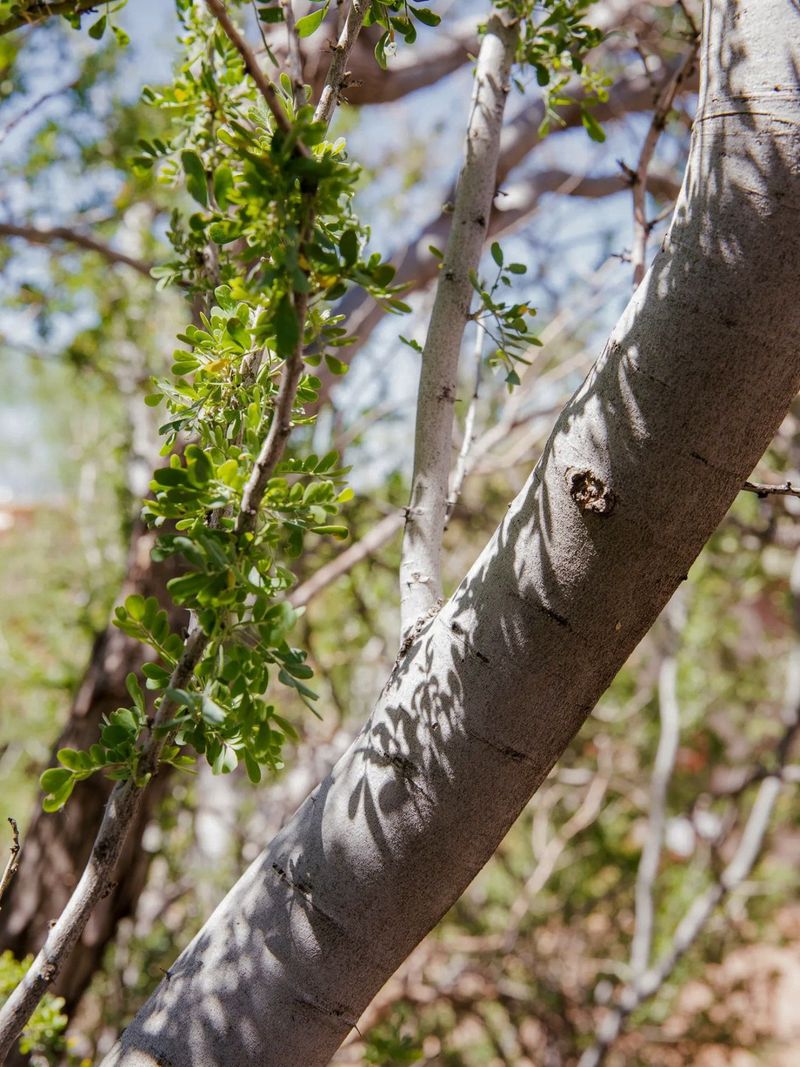
Water bills in desert climates can get painful fast, especially if you’re growing thirsty plants that need frequent irrigation. Ironwood works differently.
Once established, it survives on rainfall alone in many parts of the Sonoran Desert. Supplemental watering during the first few years helps roots develop, but long-term maintenance water needs are low compared to most shade trees.
That said, “low water” doesn’t mean zero water. During extended dry spells, particularly in summer before monsoon season kicks in, a deep watering every few weeks helps keep the tree looking its best.
Stressed trees can drop leaves or slow growth without any moisture at all.
Deep, infrequent watering works far better than frequent shallow watering. It encourages roots to grow downward, which makes the tree more self-sufficient over time and more stable during strong winds.
Drip irrigation placed at the outer edge of the canopy, not right at the base, helps water reach the active root zone efficiently. Most experienced desert gardeners recommend this placement for large native trees.
Compared to non-native shade trees that may need water two or three times a week in summer, Ironwood’s water profile is genuinely manageable.
For homeowners trying to cut outdoor water use without sacrificing shade, it’s a practical and realistic option worth considering.
4. Plenty Of Space Lets The Canopy Develop Naturally
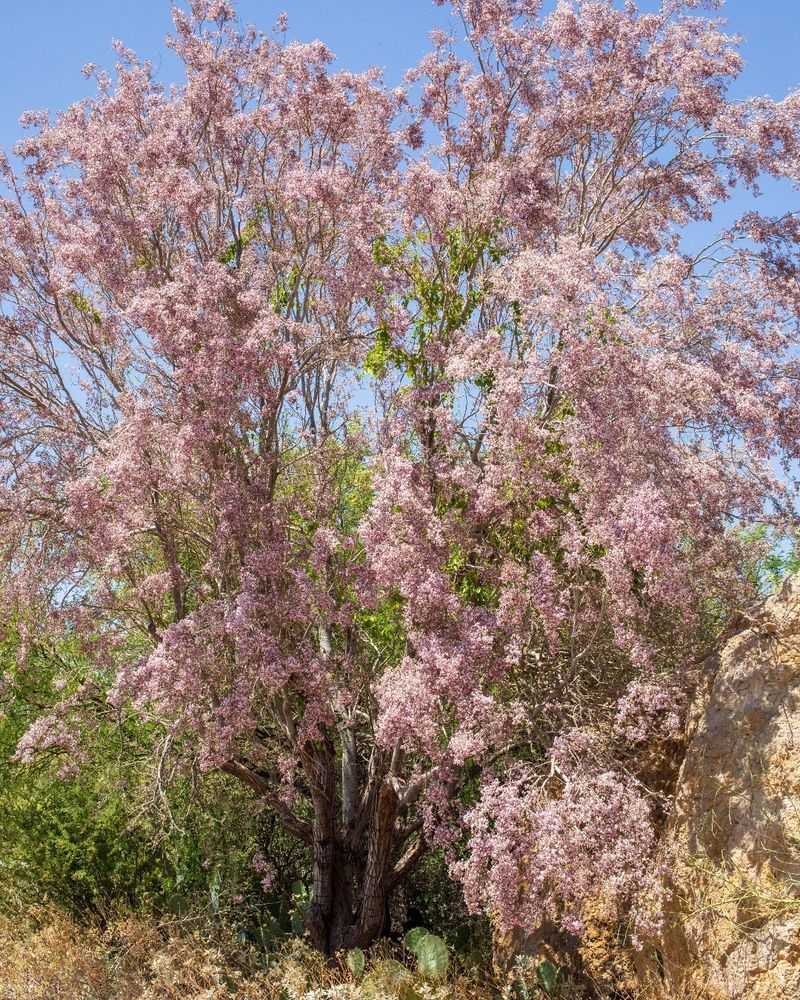
Cramped planting spots limit what this tree can become. Ironwood needs room, and giving it space upfront saves a lot of headaches down the road.
At maturity, the canopy can spread 25 to 35 feet wide. Planting too close to walls, fences, or structures means you’ll spend years managing growth that wants to expand naturally.
That constant pruning works against the tree’s shape and slows its development.
A good rule of thumb: plant at least 15 to 20 feet away from any structure, and farther if you can manage it. Open lawn or gravel areas give the roots space to establish a wide, stable base.
Root spread follows canopy spread over time. Keeping the tree away from underground utilities, irrigation lines, and hardscape edges prevents future conflicts as roots extend outward.
Most roots stay relatively shallow in rocky desert soils, so lateral spread matters more than depth in many situations.
Spacing also affects airflow through the canopy. Good airflow keeps the tree healthier and reduces pest pressure over time.
Crowded plantings tend to create more problems than open ones.
Yards with enough open space to accommodate full canopy development get the most out of this tree. Planning ahead before you plant makes a meaningful difference in how the tree performs and looks over the coming decades.
5. Slow Growth Comes With An Impressively Long Lifespan
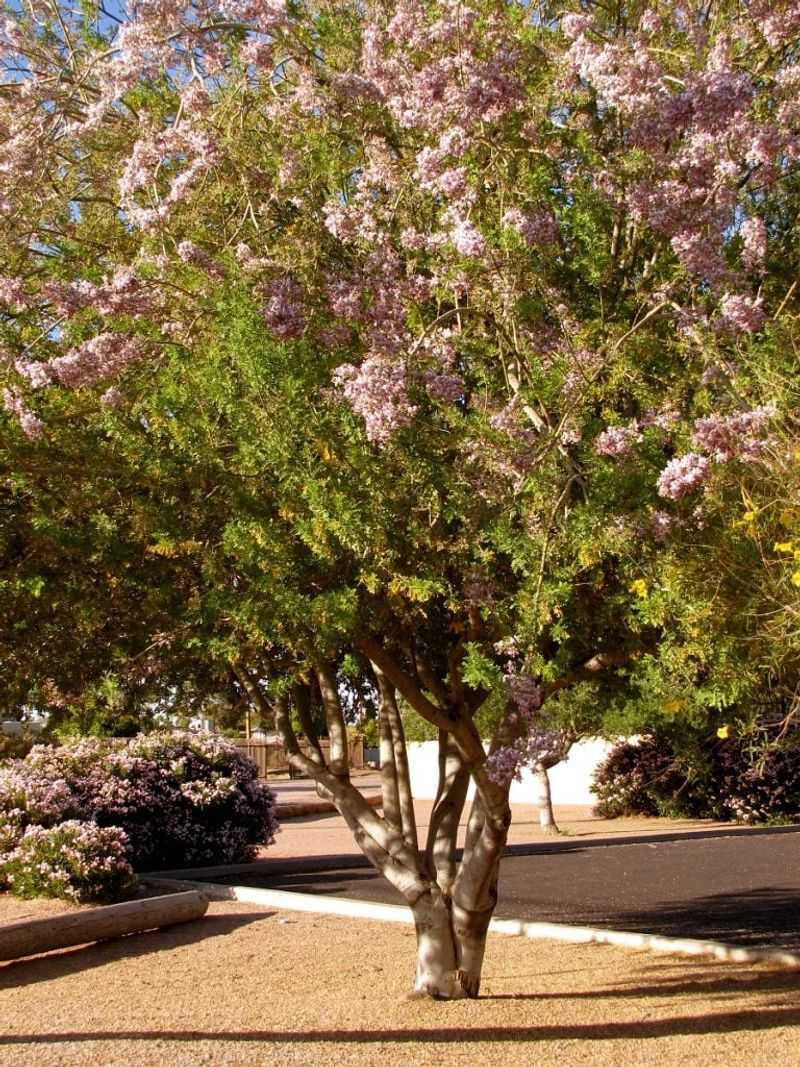
Patience pays off with this tree. Ironwood grows slowly, typically adding one to two feet per year under decent conditions, but what it builds is meant to last.
Specimens in the wild have been estimated at over 800 years old. That kind of lifespan is rare in any tree, and it speaks to how well this species is adapted to its environment.
Slow growth does mean you won’t have a full canopy in three or four years. Gardeners who plant Ironwood need to think long-term, or start with a larger nursery specimen to get a head start on shade.
The wood that develops over time is extraordinarily dense. It’s one of the heaviest woods in North America, which contributes to the tree’s structural strength and resistance to wind damage.
For homeowners, that density translates to a tree that holds its shape and structure well over decades without a lot of corrective pruning. Fewer structural problems mean lower maintenance costs as the tree matures.
Planting one in Arizona today is essentially an investment in your property’s future. Mature shade trees are known to add appeal to residential landscapes, and a well-placed Ironwood can anchor a yard’s design for generations.
The slow start is worth what comes later.
6. Purple Spring Flowers Add Color Before Summer Arrives
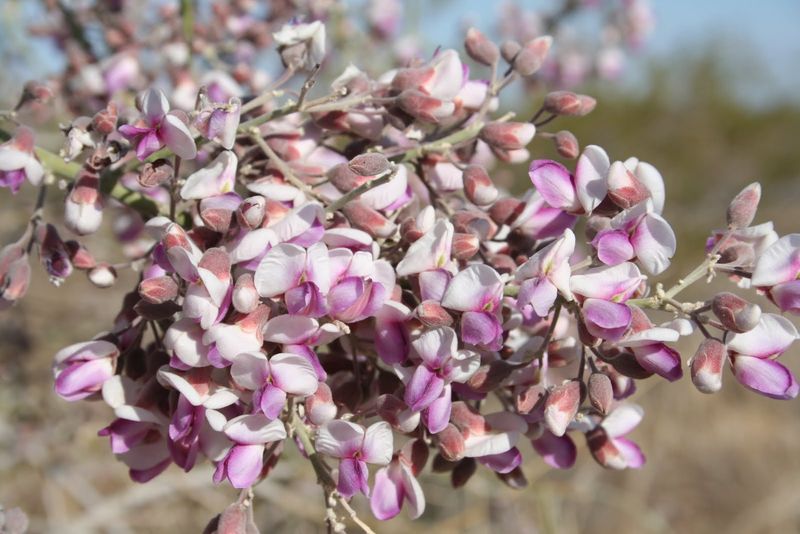
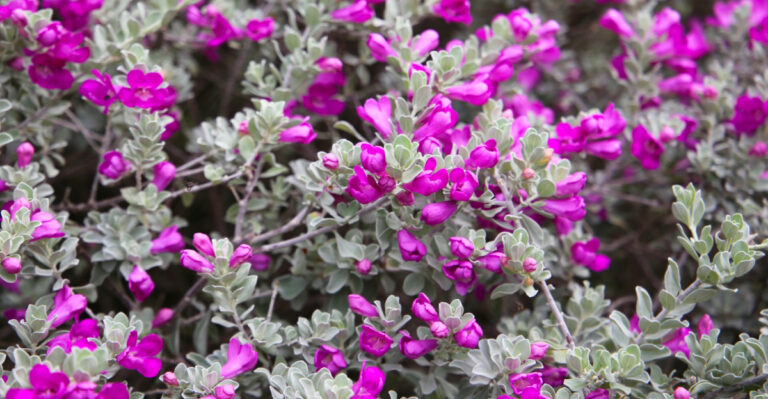
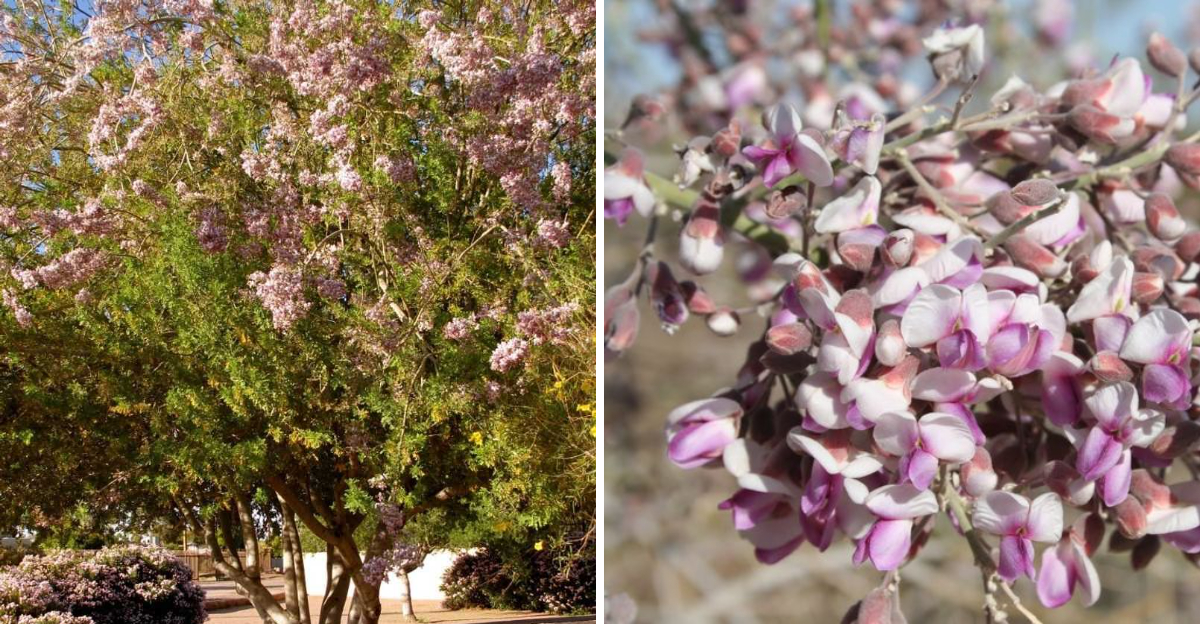
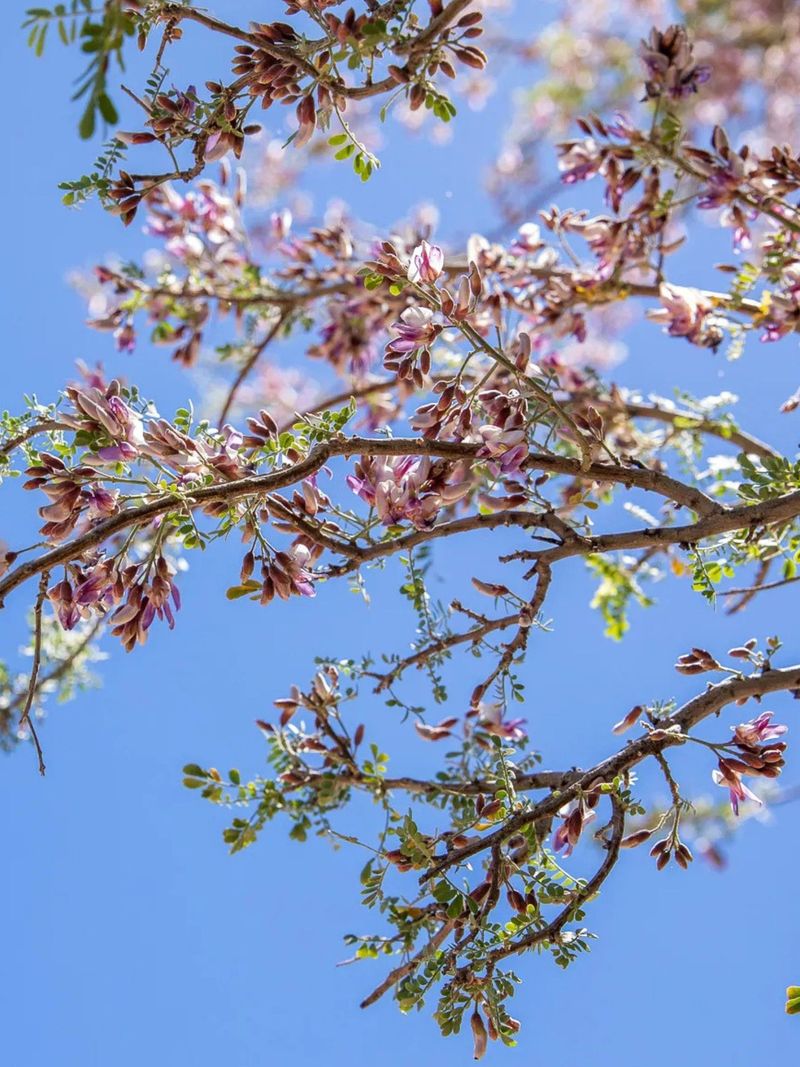
Most people choose Ironwood for shade, but the spring bloom catches everyone off guard the first time they see it. Purple flowers cover the canopy in late spring, usually around May or early June.
The flowers are small and pea-shaped, typical of the legume family. Individually, each one is modest.
Clustered across the entire canopy, they create a striking lavender-purple display that stands out sharply against desert browns and blues.
Bloom timing varies slightly based on elevation and local temperatures. Trees in lower, hotter areas often bloom earlier than those at higher elevations.
Most years, flowering lasts two to three weeks before fading as summer heat intensifies.
Pollinators respond quickly to the bloom. Bees, particularly native bee species, visit heavily during the flowering period.
If attracting pollinators to your yard matters to you, Ironwood provides a reliable seasonal resource.
After the flowers fade, small seed pods develop. Birds sometimes feed on the seeds, adding another layer of wildlife activity to the yard during early summer.
The visual contrast between the purple flowers and the silver-gray foliage is genuinely beautiful. It gives the tree a brief but memorable ornamental quality that goes well beyond its practical shade value.
Spring in a yard with a blooming Ironwood feels different from a yard without one.
7. Careful Early Watering Helps Young Trees Get Established
Young Ironwood trees need more attention than mature ones. Getting the first two to three years right sets the tree up for decades of low-maintenance growth afterward.
Right after planting, water deeply every week or two, depending on the season. Summer planting requires more frequent watering because soil moisture evaporates quickly.
Fall or winter planting in Arizona gives the roots more time to establish before heat stress arrives.
Avoid overwatering. Soggy soil causes root problems faster than dry soil does with this species.
Let the soil dry out somewhat between waterings, but don’t let it stay bone dry for extended periods during the first season.
Mulching around the base helps retain moisture and keeps soil temperatures lower. Use gravel or decomposed granite rather than wood chip mulch, which can hold too much moisture and create issues in desert soils.
Keep mulch a few inches away from the trunk itself.
Staking is sometimes needed for young trees in windy areas. Use soft ties and check them regularly so they don’t cut into the bark as the trunk thickens.
Remove stakes once the trunk can stand on its own, usually within the first year.
Gradual reduction in watering frequency over the first few years trains the roots to reach deeper. That process builds the drought resilience Ironwood is known for in established desert landscapes.