Why Pruning Your Arizona Roses This Week Is A Massive Mistake You Will Regret
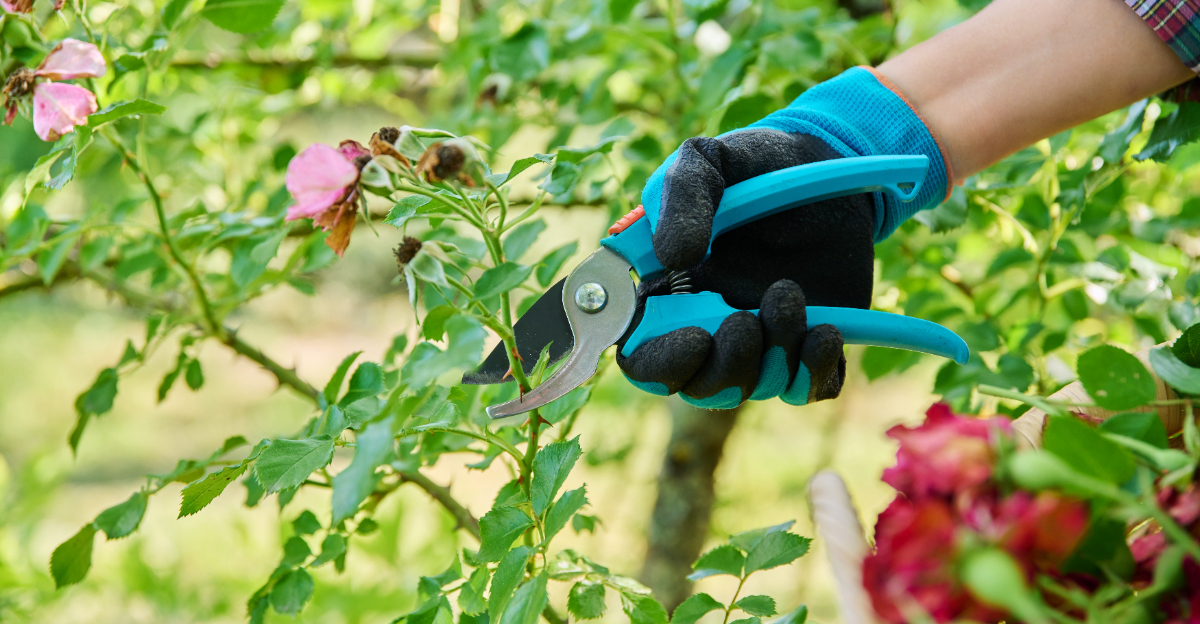
Your pruning shears are already itching to strike, and that urge is exactly what ruins Arizona rosebushes every year. Late summer heat here turns a routine cut into a recovery race your plant cannot win before cooler nights return.
Nutrients your rose spent months building sit exposed the moment you make that cut. Sap rises, wounds widen, and new growth pushes out at exactly the wrong moment.
Arizona sun does not pause for your schedule, and neither does the stress building underneath the surface. Every stem you trim now becomes a target for heat damage within days.
Nobody warns you how fast a single wrong cut compounds into a much larger problem. What happens inside your rose over the next few days decides if it survives the season.
Fresh Cuts Invite Sunburn In Peak Heat
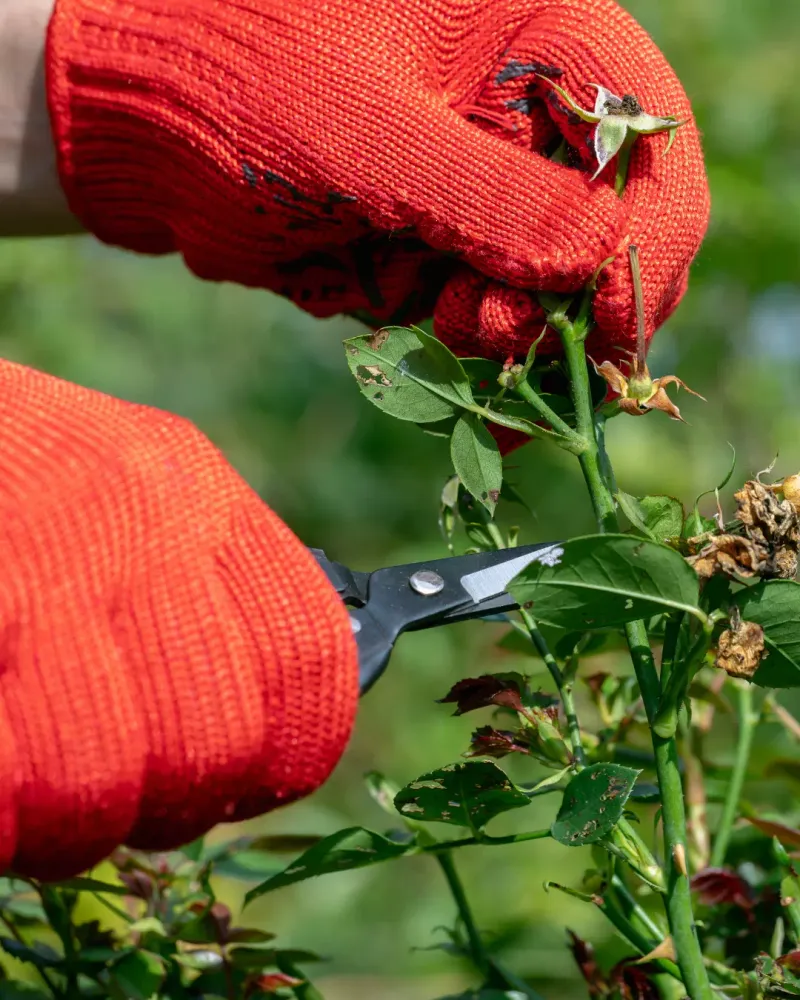
Freshly cut stems are basically open wounds on your plant. In the low desert, summer temperatures regularly climb past 110 degrees, and exposed cuts cannot protect themselves fast enough.
When you snip a cane, the plant loses its natural shield. That raw, open tissue soaks up brutal heat like a sponge soaking up water.
Sunscald on rose canes looks like bleached, papery bark that peels away slowly. Once that damage sets in, the whole cane can weaken from the cut point downward.
Healthy canes take weeks to callous over under normal conditions. In peak desert heat, that healing window shrinks to almost nothing before damage begins.
Your roses worked hard all spring to build strong, leafy canes. Cutting them now strips away the very shade and insulation those leaves provide to the stem below.
Leaf coverage helps shield the canes underneath from direct sun exposure. Remove those leaves through pruning and the exposed wood bakes directly under the sun.
Experienced Arizona gardeners often call this “baking the canes.” The term sounds dramatic, but gardeners who have seen a pruned rose in August say it fits.
Protecting your roses from sunburn means keeping your shears in the shed for now. Patience today saves you from a long, frustrating recovery project later this season.
Pruning Signals New Growth At The Worst Time
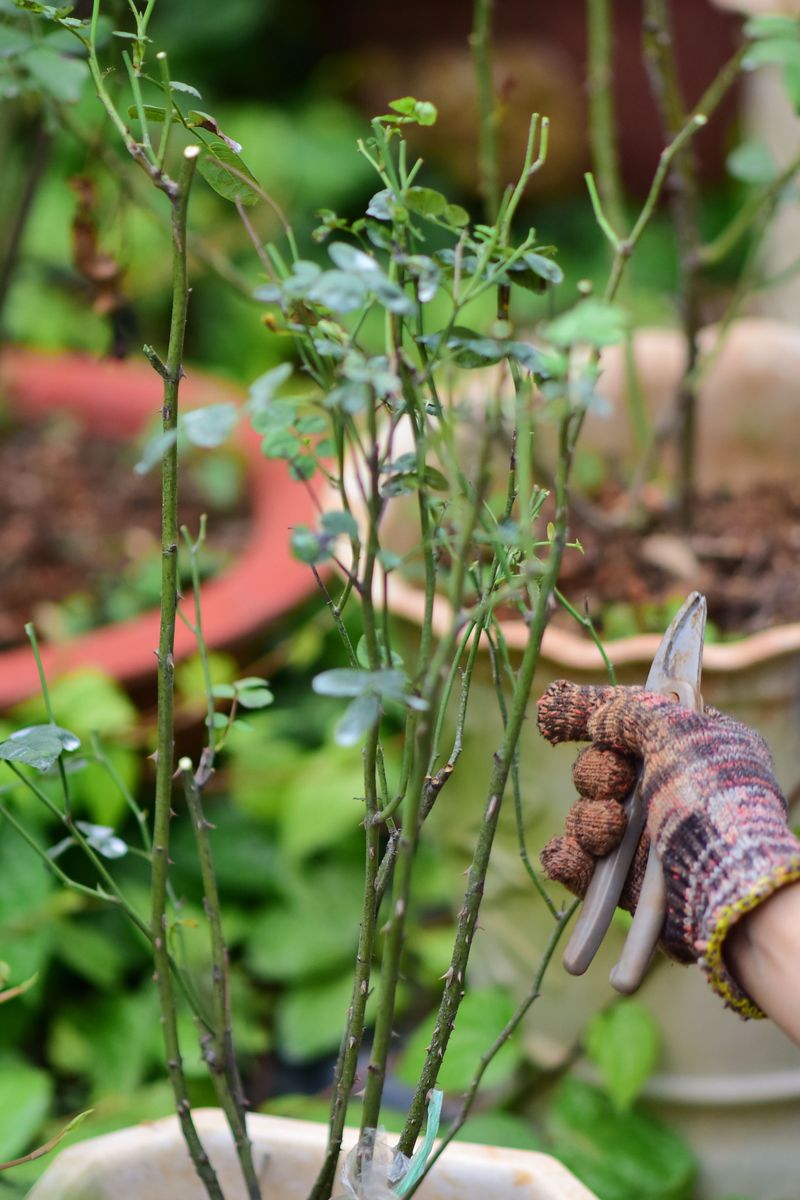
Roses are smart, responsive plants that react quickly to stress. The moment you cut a cane, the bush reads that signal as a reason to push out new growth.
That new growth is soft, tender, and poorly suited for desert conditions. Delicate baby shoots have almost zero tolerance for extreme heat or low humidity.
In spring, that response is exactly what gardeners want to see. Fresh shoots in June or July, though, are walking straight into brutal heat with no protection at all.
Young tissue scorches within hours on a triple-digit afternoon. The plant burns energy trying to push growth that has almost no chance of surviving the current conditions.
This creates a draining cycle for your rose bush. It keeps trying to recover, keeps sending up new shoots, and keeps losing them to the relentless summer heat.
Your Arizona Garden Changes Every Week. Your Plan Should Too.
Gardening in Arizona changes quickly throughout the season. Every Friday you’ll receive a simple weekly plan showing exactly what to plant, prune, fertilize, harvest, and protect so you never miss the right timing.
Each failed attempt drains the plant’s energy reserves a little more. By the time cooler weather finally arrives, a pruned bush may be too exhausted to bounce back well.
Think of it like waking someone up at 3 a.m. and asking them to run a marathon. The timing is simply all wrong, no matter how willing the runner might be.
Keeping pruning off the schedule right now protects those energy stores. A well-rested plant in September will reward you with a stunning fall bloom season.
Waiting For Nighttime Temperatures To Drop
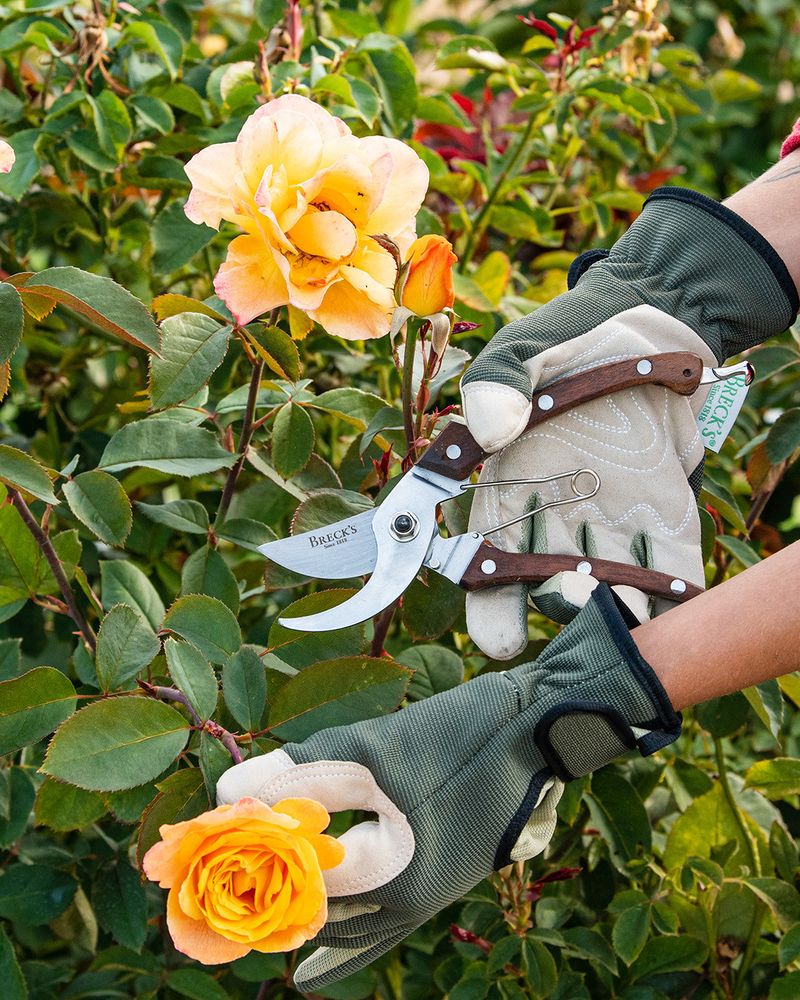
Most gardeners think only about daytime heat when planning their rose care schedule. Nighttime temperatures matter just as much, and right now they are still dangerously high.
When nights stay unusually warm, roses struggle to complete their natural rest cycle. Without that cool-down period, the plant stays in a constant state of heat stress around the clock.
Pruning during this window removes the foliage that helps the plant manage its own temperature at night. Leaves release heat through a process called transpiration, which works like a natural cooling system.
Strip those leaves away and your rose bush loses one of its few defenses against overnight warmth. The plant struggles harder just to maintain basic functions like moving water through its stems.
Experienced growers in the desert Southwest typically wait until nighttime lows consistently cool down before intervening. That shift signals the plant is entering a more manageable stress period and can handle intervention.
In most parts of the state, that window starts opening in late September or early October. Rushing the calendar by even two or three weeks can set your bushes back significantly.
Watching a simple outdoor thermometer is one of the easiest garden tools you can use. Check your overnight lows for a full week before you even think about picking up those clippers.
Patience during this waiting game pays off in a big way. Your roses will thank you with healthier canes and more blooms when the right moment finally arrives.
Tasks To Handle Instead Of Reaching For Shears
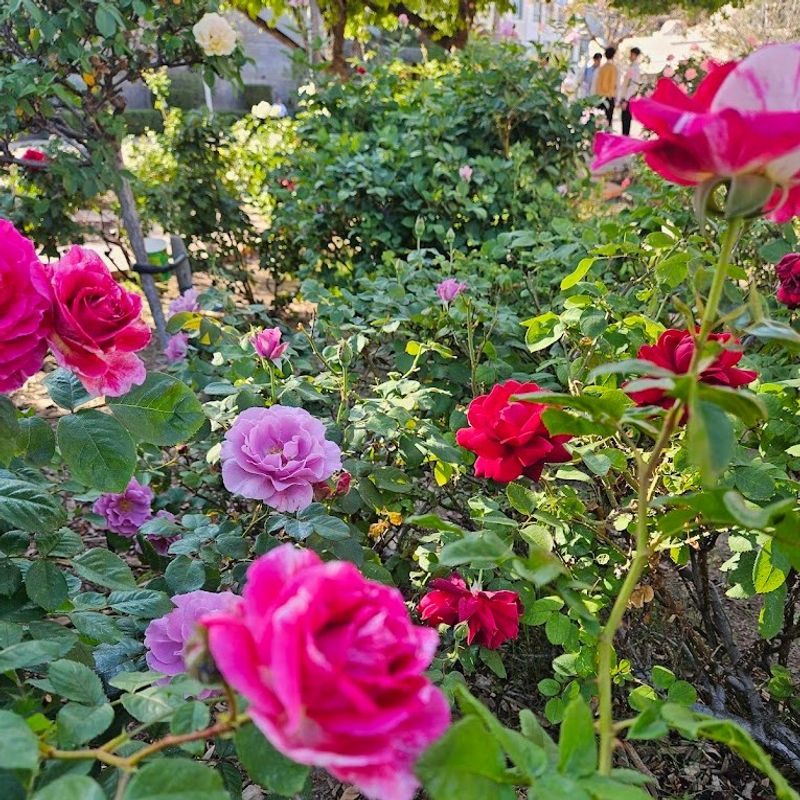
Putting down the shears does not mean doing nothing for your roses. There are several helpful tasks that support your plants right now without causing extra stress.
Deep watering is one of the most important things you can do during peak heat. Roses in sandy desert soil need slow, deep soaking at least two to three times per week.
Water early in the morning so the moisture reaches deep roots before evaporation kicks in. Avoid wetting the foliage, which can lead to fungal problems in humid microclimates near your plants.
Adding a fresh layer of mulch around the base of each bush makes a big difference. A 3-inch layer of organic mulch keeps soil cool and holds moisture for much longer between waterings.
Check your plants for spider mites, which thrive in hot, dry conditions. A strong spray of water on the undersides of leaves can knock these pests back without using harsh chemicals.
Feeding your roses with a slow-release fertilizer formulated for desert climates gives them steady nutrition. Avoid heavy nitrogen applications right now, since those push the exact kind of tender growth that heat will destroy.
You can also spend this time planning your fall pruning schedule and sharpening your tools. Sharp, clean blades make cleaner cuts that heal faster when the right season finally arrives.
Caring for your roses this way keeps them stable and strong. A well-supported plant is far better prepared for a successful fall pruning session than a stressed one.
Removing Spent Blooms Without Triggering Stress
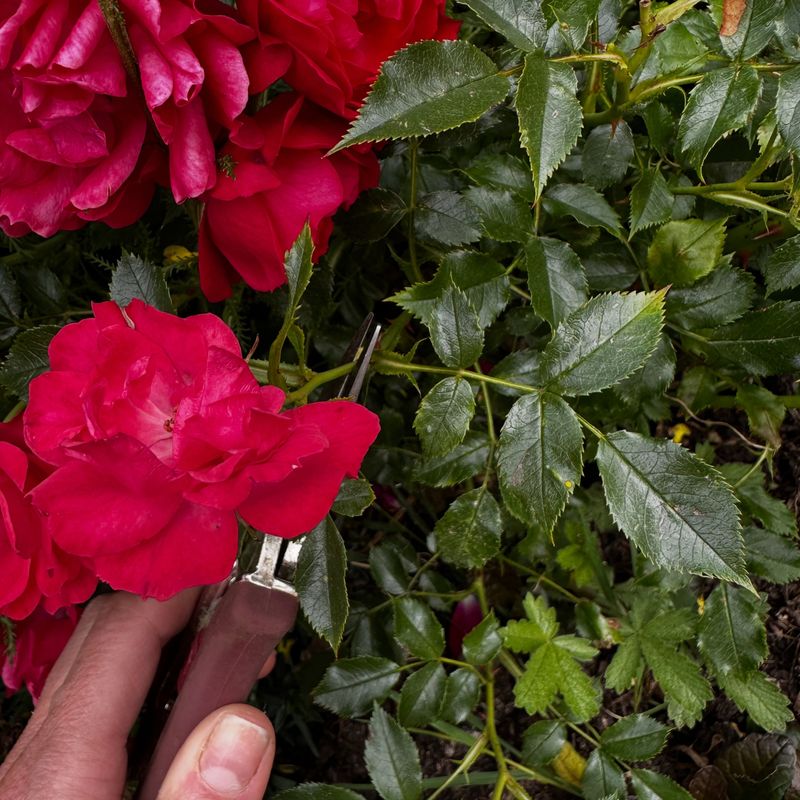
Removing spent blooms and pruning are not the same thing, and knowing the difference saves your roses a lot of grief. Removing a spent bloom is a light, surface-level task that the plant handles easily.
True pruning cuts deep into woody canes and triggers a major growth response. Spent bloom removal simply takes off the finished flower head before it sets seed, which is a much gentler action altogether.
During summer, stick to removing blooms by snapping them off just below the flower head. Use your fingers rather than shears to avoid cutting into the cane and signaling new shoot production.
This small habit keeps your Arizona garden looking tidy without waking up the plant’s growth response. The rose stays calm, conserves energy, and focuses on simply surviving the heat rather than pushing new shoots.
Some gardeners get nervous about leaving their roses alone all summer. Removing spent blooms gives you something productive to do while keeping the plant’s stress levels low and manageable.
Watch for any canes that look truly damaged, diseased, or broken. A single clean removal of a genuinely compromised cane is different from a full pruning session and is generally acceptable.
The key word here is selective. One or two canes, handled cleanly and quickly, will not send the same overwhelming signal as a full shaping session across the entire bush.
Gentle hands and a light touch go a long way in summer rose care. Small, thoughtful actions protect your plants until the season finally shifts in your favor.
The Right Window For Cutting Back In Fall
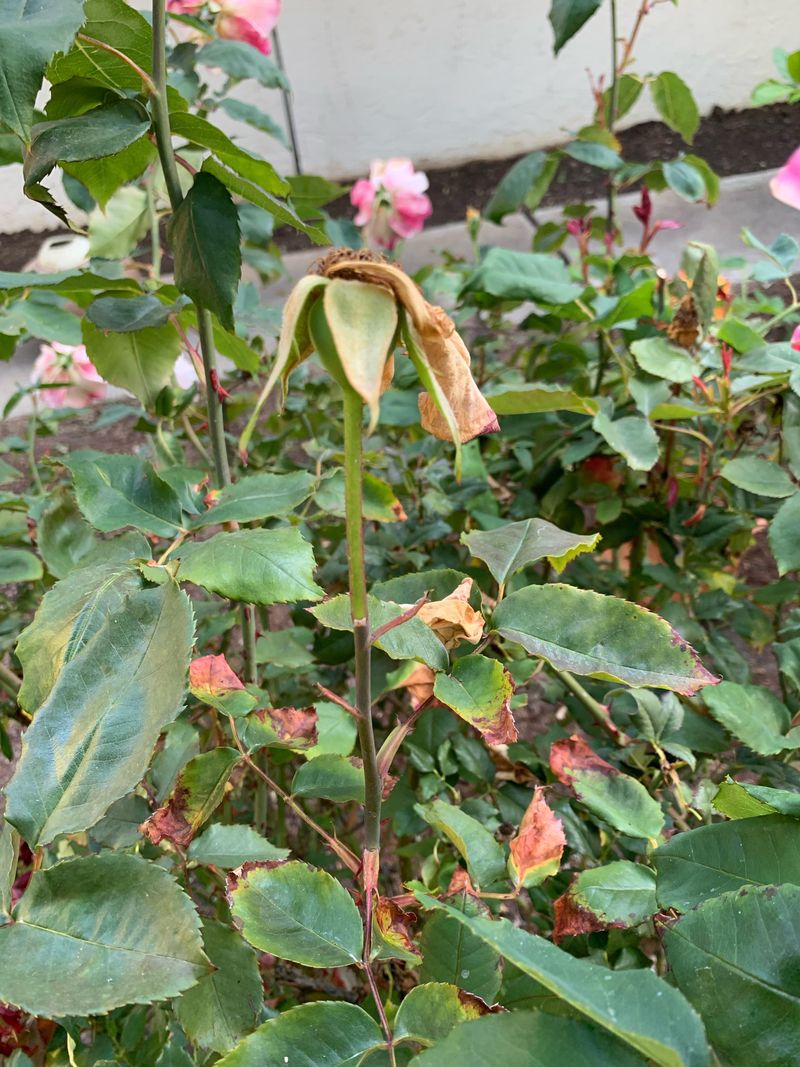
Fall is when desert rose gardeners get to do the satisfying work they have been holding off all summer. The right timing makes every cut count and sets up a stunning winter bloom season.
Most growers in the desert Southwest target mid-October through early November for their main pruning session. By then, nighttime temperatures have dropped enough to let the plant recover without heat stress piling on.
Start by removing any dry, crossing, or clearly damaged canes first. This opens up airflow and gives you a clear picture of the plant’s overall structure before making any shaping cuts.
Cut each cane at a 45-degree angle, just above an outward-facing bud. That angle helps water run off the cut surface while directing new growth outward rather than toward the center of the bush.
Aim to reduce the overall height of your rose bush by about one-third to one-half. Cutting too aggressively in fall can leave canes vulnerable to the occasional cold snap that hits the desert in January.
Clean your shears between each plant using a simple isopropyl solution diluted with water. This prevents spreading any fungal or bacterial issues from one bush to the next during your session.
After cutting, apply a fresh layer of mulch and give each plant a deep, slow watering. This combination helps the roots recover and supports the flush of new growth that follows a well-timed pruning of your Arizona roses.
Get the timing right and your Arizona garden will reward you with a spectacular show. Fall blooms in the desert are some of the most beautiful roses you will ever grow.