Why Northern Flickers Keep Hammering On Oregon Homes And Trees
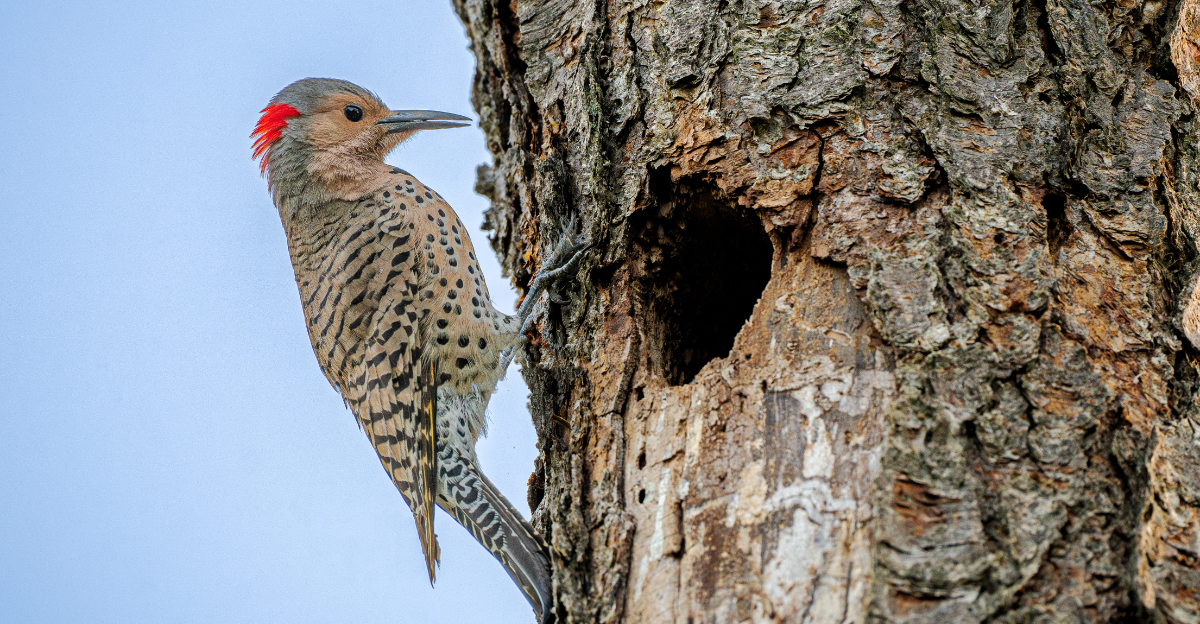
That sudden rat-a-tat-tat echoing across an Oregon yard can be impossible to ignore.
You look outside expecting construction, only to spot a bird enthusiastically hammering away at a tree, fence post, siding, or some other spot that apparently passed its inspection.
Subtle neighbors, they are not. For homeowners, the behavior can be equal parts fascinating and frustrating.
These striking birds are hard to miss, with their bold markings and energetic personalities, but repeated hammering can quickly turn curiosity into questions.
Why that particular tree? Why the house? And why does it always seem to happen when the neighborhood is otherwise perfectly quiet?
The answer is not necessarily as straightforward as it might seem. Northern flickers interact with their surroundings in several noticeable ways, and the reason behind all that tapping can depend on what is happening around them at the time.
So before assuming your backyard visitor has randomly declared war on the siding, take a closer look.
Those rapid bursts of hammering may be communicating, searching, reacting, or accomplishing something much more specific than simple bird mischief.
1. They May Be Hunting Insects Under The Bark
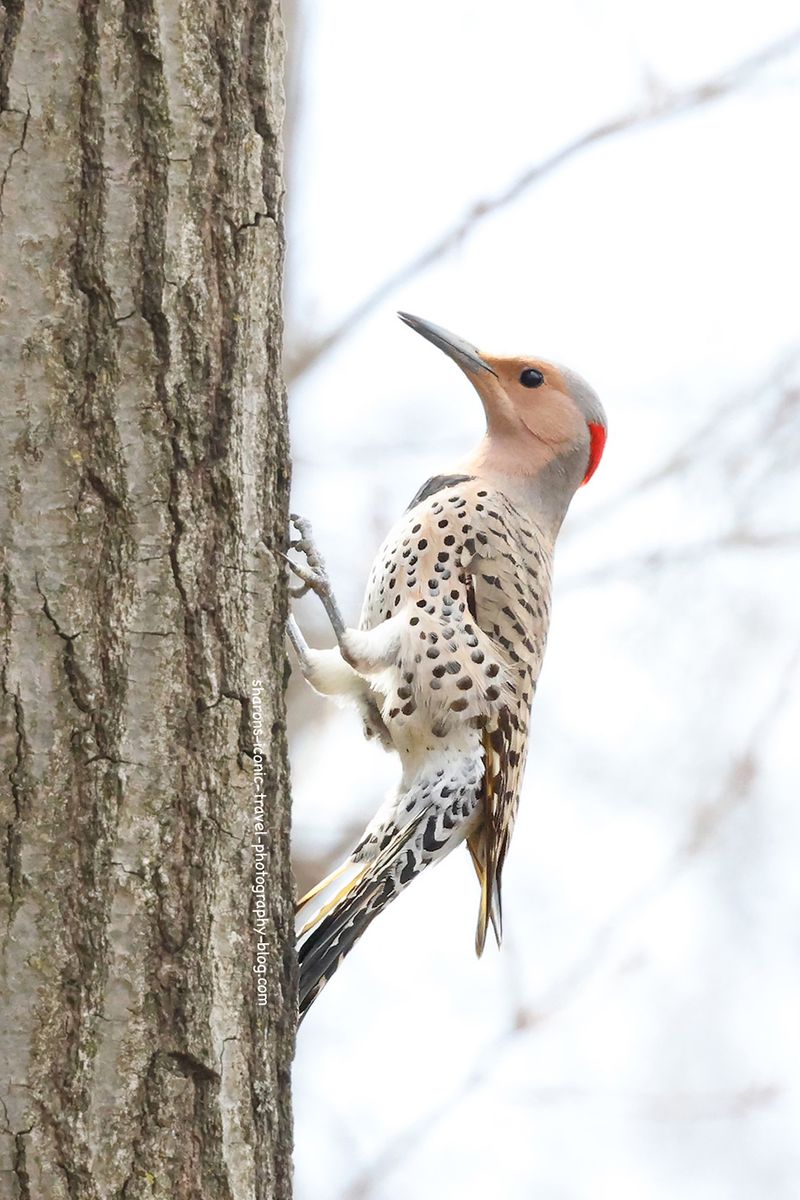
One of the biggest reasons a Northern Flicker hammers on wood is food. Unlike many other woodpeckers that prefer tree trunks, flickers love to eat ants and beetles.
When they sense insects living inside wood, they will peck repeatedly to get to them.
Wood siding on a home can sometimes harbor carpenter ants, termites, or wood-boring beetles. If your siding has any moisture damage or rot, bugs are even more likely to move in.
A flicker can actually hear or sense the presence of insects beneath the surface, and once it finds a promising spot, it will keep coming back.
The bird is not pecking randomly. It is following its nose and instincts toward a meal.
Flickers have long, sticky tongues perfectly designed for pulling insects out of small holes. They are incredibly efficient hunters.
If a flicker keeps targeting the same wall, it may be a sign that you have an insect problem hiding inside your siding. Getting a pest inspection can help you figure out if bugs are attracting the bird.
Sealing up any cracks or gaps in your exterior wood can also reduce the chances of insects nesting there in the first place.
Treating the root cause, which is the insect infestation, is often the most effective long-term solution. Once the food source is gone, the flicker is far less likely to return to that same spot on your home.
2. Wood Siding Can Sound Like A Giant Drum
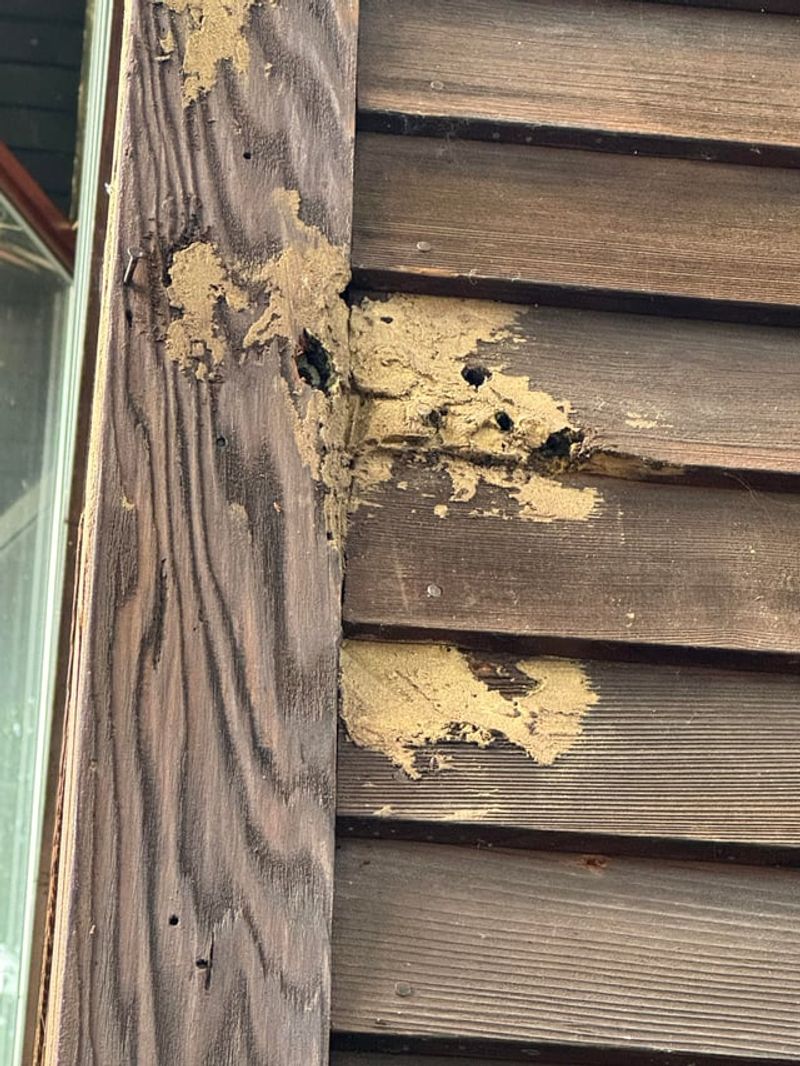
Not all pecking is about food. Sometimes a flicker is drumming, which means it is hammering fast and loud just to make noise.
Drumming is a form of communication for woodpeckers, and wood siding happens to be one of the loudest surfaces they can find.
In the wild, flickers drum on hollow trees to send messages to other birds. The louder the sound, the better.
Wood siding on a house can act like a giant resonating drum, projecting the sound much farther than a solid tree trunk ever could. That makes your home a very attractive drumming spot.
Your Oregon Garden Changes Every Week. Your Plan Should Too.
Gardening in Oregon changes quickly throughout the season. Every Friday you’ll receive a simple weekly plan showing exactly what to plant, prune, fertilize, harvest, and protect so you never miss the right timing.
You will often hear this kind of drumming in the early morning hours, especially in late winter and spring. The bird is not looking for food at all.
It is simply trying to be heard. The rapid, steady rhythm of drumming is different from the slower, irregular pecking used when searching for insects.
One way to discourage drumming is to make the surface less appealing. You can attach bird netting, foam weatherstripping, or heavy cloth to the area where the bird drums.
These materials muffle the sound and make the spot less satisfying for the flicker to use.
Reflective tape or hanging shiny objects near the drumming area can also help scare the bird away. Consistency is key.
The more you make the spot unappealing, the more likely the flicker is to move on and find a better location elsewhere.
3. Territorial Flickers Hammer To Get Attention
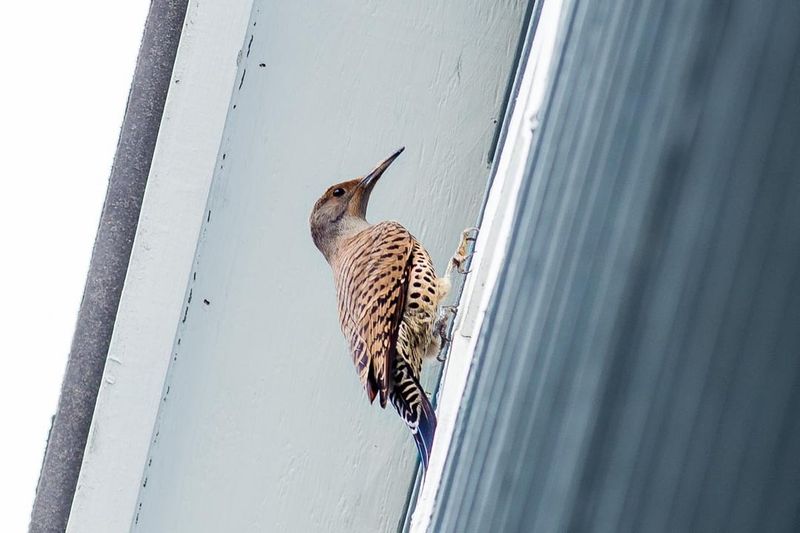
Flickers are bold and territorial birds, especially during breeding season. When a male wants to claim his space or impress a female, he drums loudly and often.
Your house might just be the perfect stage for his performance.
Territorial drumming usually peaks between February and June. During this time, male flickers compete with each other for the best territories and the most desirable mates.
The louder and more persistent the drumming, the more impressive the male appears to nearby females and rivals.
Your chimney cap, roof edge, or wood siding might carry sound better than any nearby tree. Once a flicker discovers that your house makes a great drumming post, it will return to that exact spot day after day.
This behavior can feel relentless, especially if it starts at sunrise.
Visual deterrents can be surprisingly effective against territorial drumming. Try hanging old CDs, reflective pinwheels, or Mylar balloons near the spot the bird prefers.
Motion-activated sprinklers can also startle the bird when it lands, discouraging repeat visits.
It helps to act quickly. The longer a flicker uses a spot, the more attached it becomes to that location.
Early action gives you the best chance of redirecting the bird before the habit gets deeply set.
Most territorial drumming calms down naturally after breeding season ends, so the disruption is usually temporary if you stay consistent with deterrents.
4. Metal Gutters Can Make The Noise Even Louder
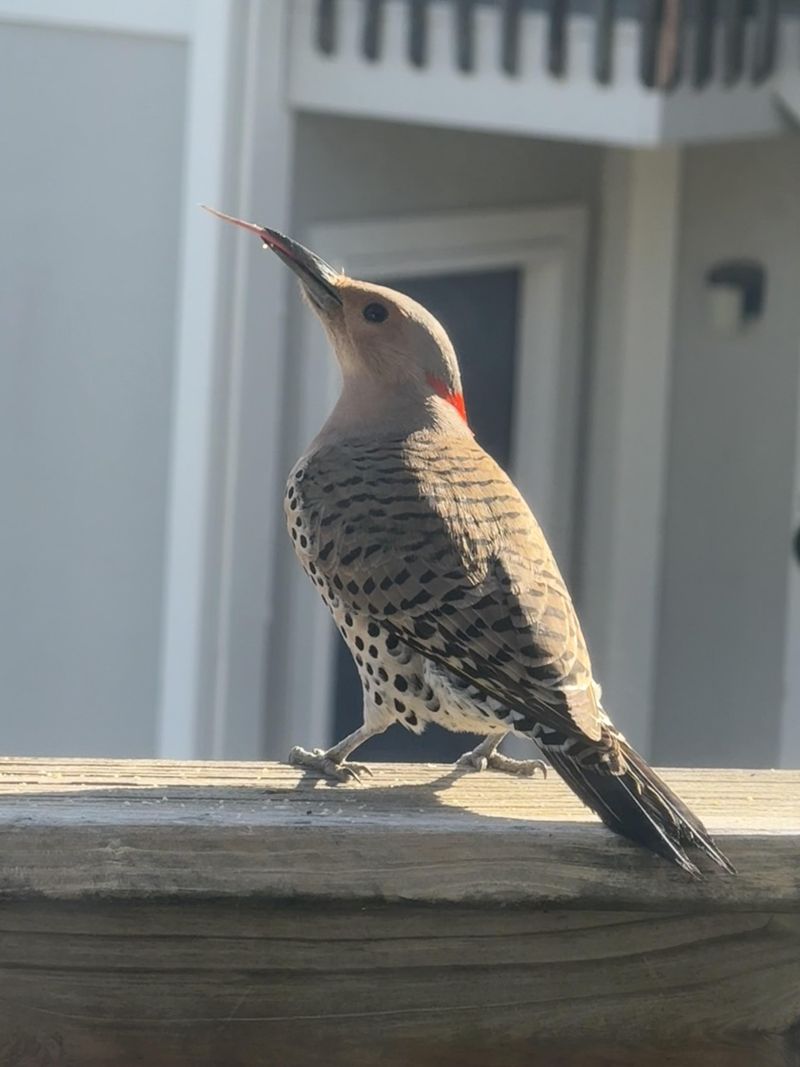
If you have ever been jolted awake by what sounds like a jackhammer on your roof, a flicker on your metal gutter is likely the culprit.
Metal surfaces amplify the drumming sound dramatically, making a small bird sound like a construction crew.
Flickers quickly learn that metal gutters, downspouts, and roof flashing produce a far louder and more resonant sound than wood. For a bird trying to broadcast its presence across a wide area, metal is practically irresistible.
The sound can travel for hundreds of yards, which is exactly what the flicker wants.
This behavior is almost always about communication, not food. No insects live inside your metal gutters, so the bird is not hunting.
It is drumming to signal territory or attract a mate, and your gutter just happens to be the loudest instrument in the neighborhood.
One practical fix is to install foam pipe insulation inside the gutter. This mutters the sound and makes drumming on the metal far less satisfying for the bird.
You can find foam insulation at most hardware stores, and it is easy to cut and fit.
Placing physical deterrents like bird spikes or coiled wire along the gutter edge can also prevent the flicker from landing in the first place. Combining a sound-muttering solution with a physical barrier gives you the best results.
Oregon homeowners have had great success with this two-pronged approach during the busy spring drumming season.
5. Withered Branches Give Them Easy Feeding Spots
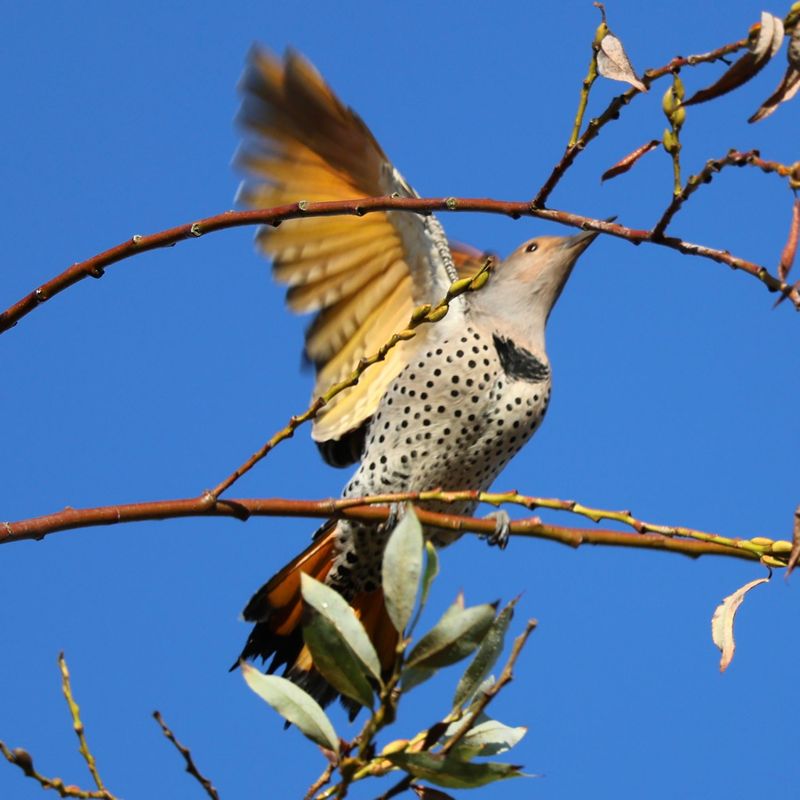
Dry wood is like a buffet for a Northern Flicker. When a branch or tree trunk starts to decay, insects move in fast.
Beetle larvae, ants, and other bugs burrow into the soft, rotting wood, creating the perfect meal for a hungry flicker.
You might notice a flicker spending a lot of time on one particular withered limb in your yard. That branch is probably full of insects.
The bird will work its way along the wood, hammering and probing until it finds what it is looking for. Dry snags and fallen logs are favorite spots too.
Having withered trees or large branches near your home is one of the main reasons flickers visit your yard regularly.
While these trees provide great habitat for wildlife, they can also encourage flickers to explore nearby structures once they have exhausted the natural food source.
If you have withered trees close to your house, consider whether they pose any structural risk. Removing hazardous trees is smart for safety reasons, and it may also reduce flicker activity near your home.
However, leaving a shorter withered snag in your yard, away from the house, can serve as a dedicated flicker feeding post that keeps the bird entertained and away from your siding.
Providing a designated feeding area can actually protect your home. A withered log or snag placed at a distance from the house gives flickers a natural and appealing alternative to your walls and roof edges.
6. Repeated Pecking Can Mean A Nest Site Is Nearby
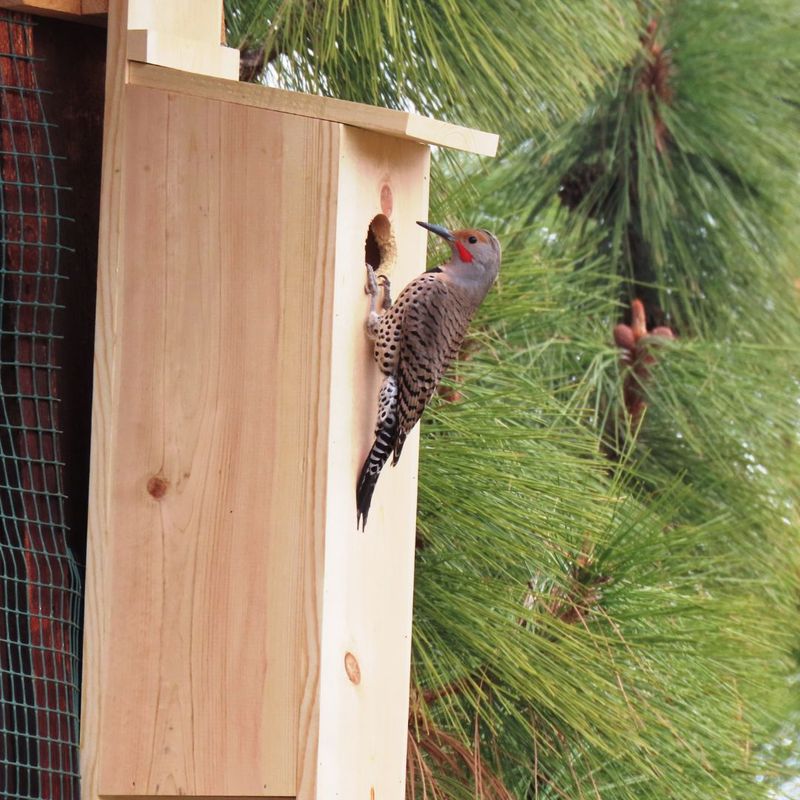
When a flicker starts making larger, rounder holes instead of small feeding pits, it is probably looking for a place to nest.
Flickers are cavity nesters, meaning they carve out holes in wood to raise their chicks. Sometimes they choose trees, and sometimes they choose your house.
Nesting holes are usually bigger than feeding holes, roughly two to three inches across. You might find them in the eaves, fascia boards, or thick wood siding.
The bird will work on a hole over several days, gradually deepening and widening it until it is big enough to hold a clutch of eggs.
Once a flicker completes a nest cavity, it is very committed to that spot. Flickers often return to the same nesting site year after year.
If you let the hole develop fully, you may be dealing with nesting birds for many seasons to come.
The best time to act is early, before the hole gets too deep. Cover the hole with a metal repair patch or hardware cloth immediately.
You can also hang a commercial flicker nest box nearby as an alternative. Placing a nest box in a nearby tree may redirect the bird away from your walls.
Make sure you check local Oregon wildlife regulations before disturbing an active nest, since Northern Flickers are protected birds. Acting early in the season before eggs are laid gives you the most flexibility.
Being proactive saves you from a much bigger repair job down the road.
7. One Favorite Wall Can Become A Daily Target
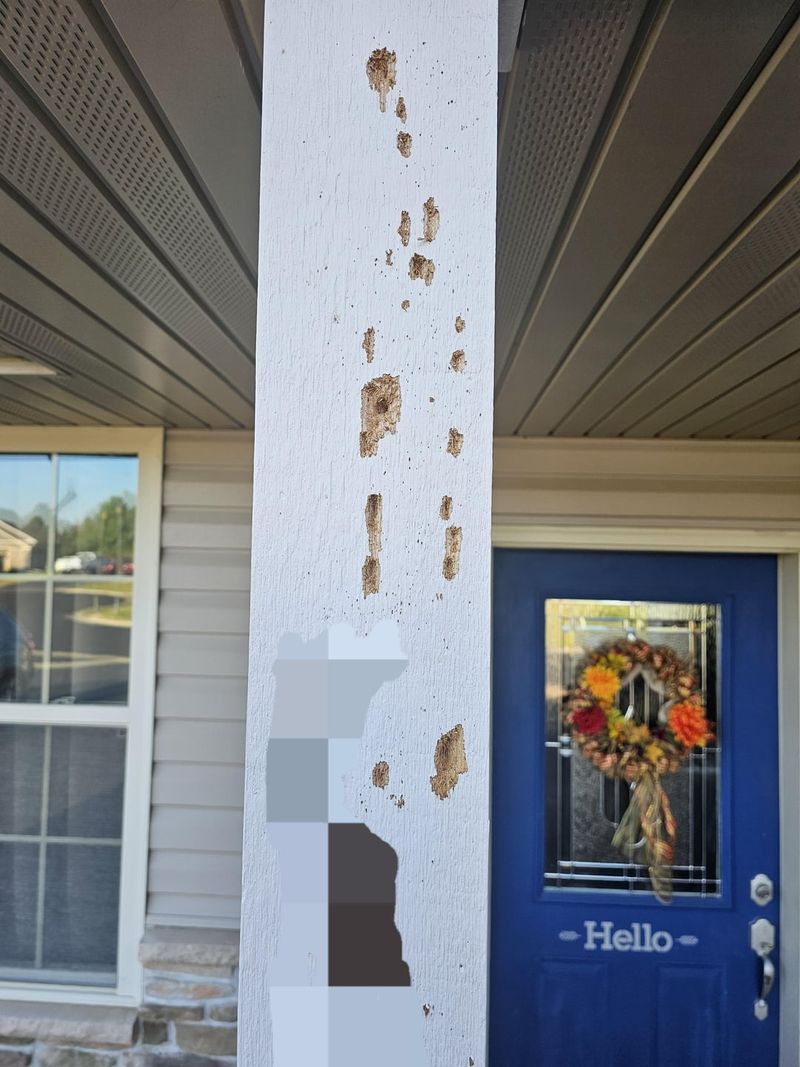
Flickers are creatures of habit. Once a bird finds a wall it likes, whether for food, drumming, or nesting, it tends to return to that exact spot over and over.
A single wall can become a daily target that gets worse with every visit.
The reason for this loyalty comes down to memory and reward. If a flicker found insects in a spot once, it will check that spot again.
If drumming on a certain wall produced a loud and satisfying sound, the bird remembers that too. Each successful visit reinforces the habit and makes the bird more likely to return.
You may notice that the damage keeps growing, even if you try to scare the bird away once or twice. Flickers are persistent.
A single scare is rarely enough to break the habit. You need to be consistent with deterrents and apply them every time the bird shows up.
Combining multiple deterrents works better than relying on just one. Try using reflective tape, bird netting, and a motion-activated sprinkler all at once on the problem wall.
Repairing any holes promptly is also important. Open holes act as an invitation for the bird to keep working on the same area.
Painting or staining repaired spots to match the surrounding surface can help too. Some homeowners in the Oregon have also found success using visual predator decoys like plastic owls near the target wall.
Rotating the decoy regularly keeps the flicker from getting used to it.