What It Means When A Red Fox Starts Visiting Your Oregon Backyard
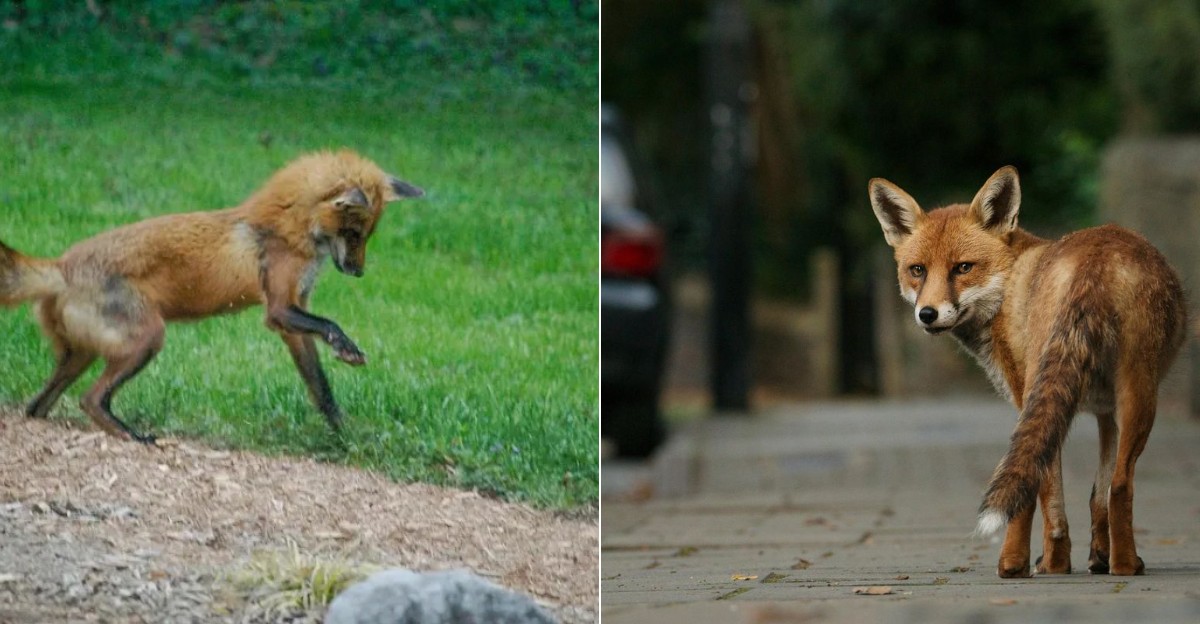
A red fox appearing in your Oregon backyard can be a surprising sight, especially if you have never seen one this close to home. These clever animals usually keep their distance, so a repeated visit often means something about your yard is catching their attention.
Foxes are always looking for food, shelter, and safe places to move through their territory. A backyard with certain features can become more appealing than you might expect, even in neighborhoods where wildlife encounters are not common.
Seeing a fox does not always mean something is wrong, but it can be a sign that your outdoor space is part of a larger natural environment.
Knowing why foxes stop by can help you understand their behavior and decide what steps, if any, you should take next.
1. Your Yard May Have Plenty Of Small Prey
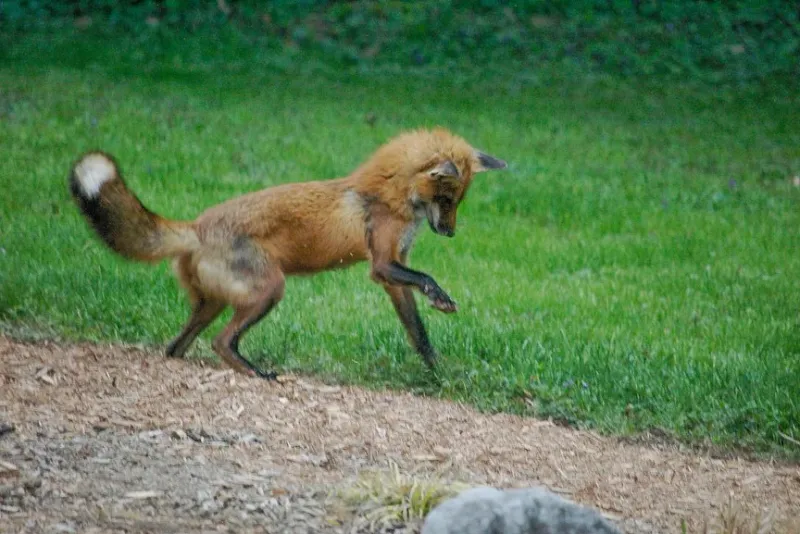
Foxes are always on the lookout for an easy meal, and your yard might be full of them. Small creatures like mice, voles, rabbits, and insects make up a big part of a fox’s diet.
When these little animals live in your grass or under bushes, a fox notices fast. Their sharp ears can hear tiny movements from several feet away.
If you have tall grass, brush piles, or garden beds, you may be hosting more prey than you realize. Bird feeders can also attract mice, which then attract foxes.
A visiting fox often means your yard has a healthy little food web. That is actually a sign of a lively, balanced backyard habitat.
To reduce the buffet, keep grass trimmed and clear away seed spills under feeders. Store birdseed in sealed containers, not open bags.
Foxes help control rodents naturally, so their visits are not all bad news. Many gardeners appreciate the free pest control they provide.
Still, if you would rather they hunt elsewhere, remove the things that draw prey close. Fewer mice usually means fewer foxes.
Watching a fox pounce on a vole can be a fun sight to see. It shows off their amazing hunting skills up close.
Just remember, where there is prey, curious predators will follow the scent.
2. Foxes Often Hunt Around Dusk And Dawn
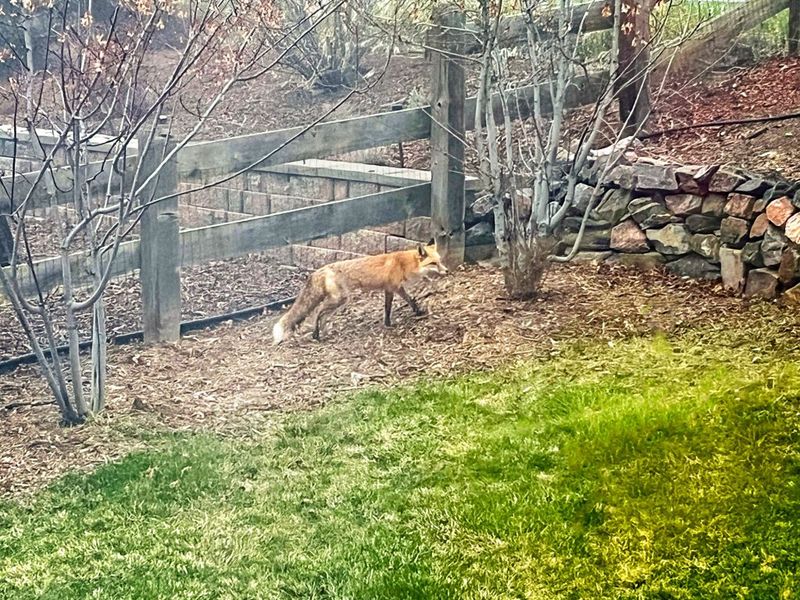
Ever notice that fox sightings tend to happen early or late in the day? That is no accident, since foxes are most active around dawn and dusk.
These in-between hours are called crepuscular times, and they suit a fox perfectly. The dim light helps them sneak up on prey without being spotted.
During these quiet hours, many small animals come out to feed. That gives foxes the best chance to catch a meal.
If a fox keeps showing up at sunrise or sunset, it is following its natural clock. Your yard just happens to fit its hunting schedule.
You can use this timing to your advantage when watching wildlife. Grab a warm drink and peek out during those golden hours.
Keep small pets indoors during dawn and dusk to avoid any surprises. Cats and tiny dogs are safest inside during these windows.
Your Oregon Garden Changes Every Week. Your Plan Should Too.
Gardening in Oregon changes quickly throughout the season. Every Friday you’ll receive a simple weekly plan showing exactly what to plant, prune, fertilize, harvest, and protect so you never miss the right timing.
Motion-sensor lights near your porch can gently discourage foxes from lingering. Sudden brightness often sends them trotting off.
Foxes are not usually a threat to people, so there is no need to panic. They mostly want to slip by unnoticed and find food.
Learning their schedule makes it easier to enjoy them respectfully. It also helps you plan pet time around their busiest hours.
Nature runs on a clock, and foxes follow theirs faithfully every single day.
3. Rodents Can Bring Them Close To Homes
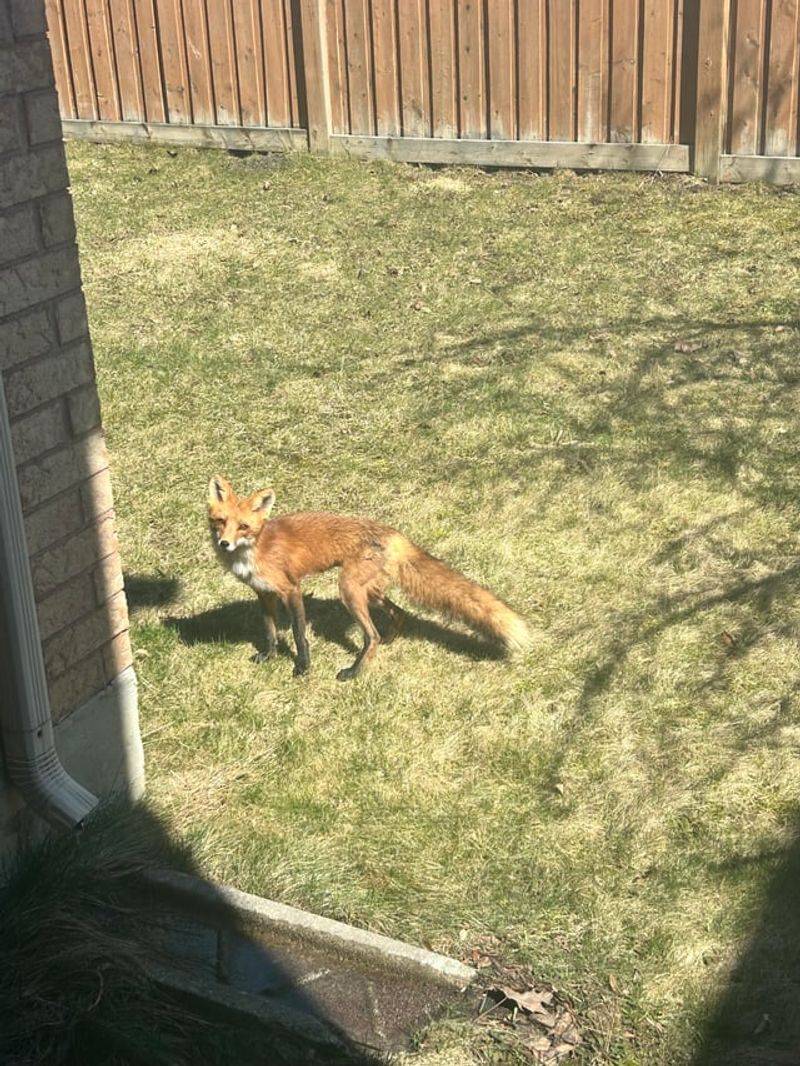
Where mice and rats gather, foxes are sure to follow. Rodents are one of the biggest reasons a fox creeps near your house.
Homes offer warm spaces, food scraps, and hidden corners where rodents love to nest. A fox knows this and comes to investigate the menu.
Sheds, garages, and compost bins can all become rodent hotspots. That draws foxes right up to your walls and doorways.
If you spot a fox close to your home, it may be tracking a mouse trail. The fox is simply following its nose to dinner.
To break the cycle, focus on keeping rodents away first. Seal up gaps in your foundation and store food in tight containers.
Clean up fallen birdseed, pet kibble, and garden scraps regularly. Fewer rodents means fewer reasons for a fox to visit.
Compost piles should have secure lids to keep hungry critters out. Open compost is like a dinner bell for rodents and foxes alike.
You might find that solving a rodent problem also solves a fox problem. The two often go hand in hand.
A tidy yard sends a clear message that the buffet is closed. Foxes will soon look elsewhere for easier pickings.
Managing the small stuff keeps the bigger visitors at a comfortable distance.
4. Fallen Fruit Can Add Another Food Source
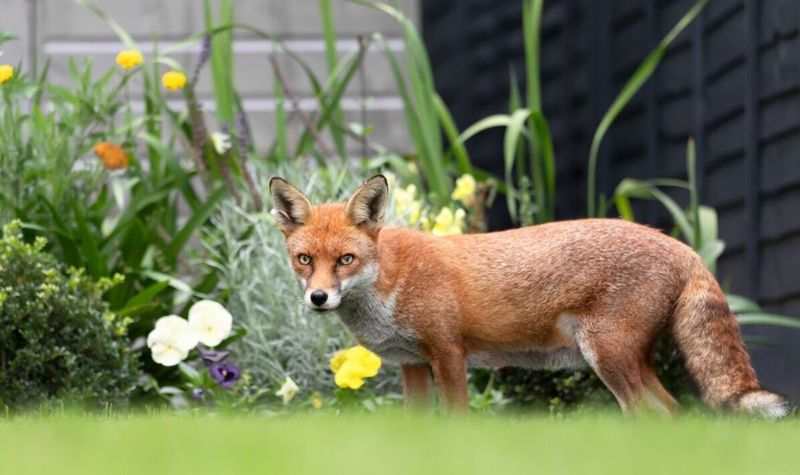
Foxes are not picky eaters, and fruit is one of their favorite treats. Fallen apples, berries, and plums can lure them right in.
Many Oregon backyards have fruit trees or berry bushes that drop plenty of goodies. That sweet, easy food is hard for a fox to resist.
Unlike strict meat eaters, foxes enjoy a mixed diet through the seasons. In late summer and fall, ripe fruit becomes a big part of their meals.
If your apple tree is dropping fruit, a fox may swing by nightly. The rotting pieces on the ground are especially tempting.
To cut down on visits, rake up fallen fruit as often as you can. Toss it into a sealed bin instead of leaving it out.
Picking ripe fruit promptly also helps keep the ground clear. Less mess means less temptation for wandering wildlife.
Fruit scraps in open compost can attract foxes too, so cover those bins. A little cleanup goes a long way here.
Some folks do not mind sharing a few apples with their furry neighbors. It can be a sweet way to enjoy backyard wildlife.
Just know that free fruit often means repeat guests. Foxes remember where the easy snacks are found.
Keeping the ground tidy is the simplest way to control this tasty attraction.
5. Dense Vegetation Gives Foxes Places To Hide
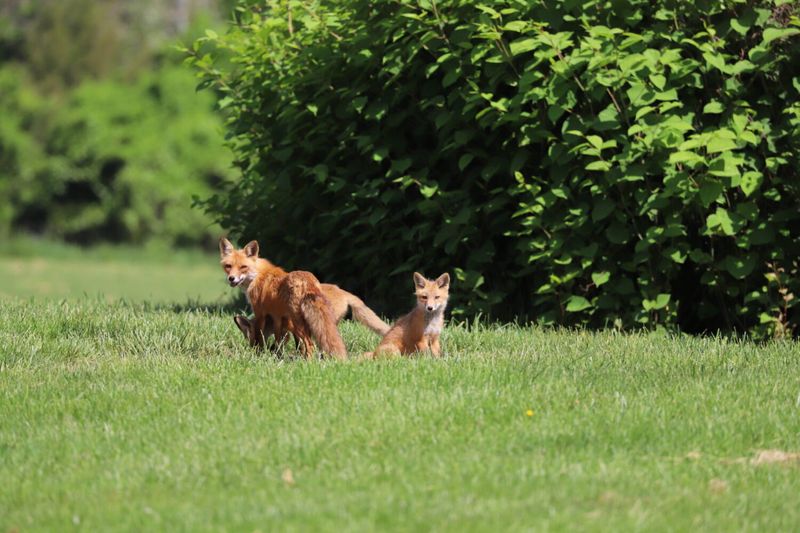
Thick bushes and overgrown corners feel safe and cozy to a fox. Dense plants give them shelter from predators and prying eyes.
Foxes love spots where they can rest, hide, and watch the world unseen. Your leafy hedges and tall ferns fit that need perfectly.
Oregon’s mild, green landscapes offer lots of natural cover. That makes many yards feel like a comfortable hideaway.
If a fox keeps returning to one shady corner, it may be using it as a daytime rest spot. Foxes often nap in quiet, sheltered places.
Brush piles, woodpiles, and thick shrubs are especially appealing. They block wind and hide the fox from view.
To make your yard less inviting, trim back overgrown plants now and then. Open, tidy spaces feel too exposed for a shy fox.
Clearing brush piles removes both hiding spots and rodent homes at once. That is a double win for keeping foxes away.
You do not have to remove every bush, though. A little pruning near your house is often enough.
Foxes prefer privacy, so reducing cover encourages them to den elsewhere. They want spots where they feel truly hidden.
A well-kept yard simply feels less like a safe fox hideout. Small changes can gently steer them toward wilder areas nearby.
6. A Fox May Be Passing Through A Larger Territory
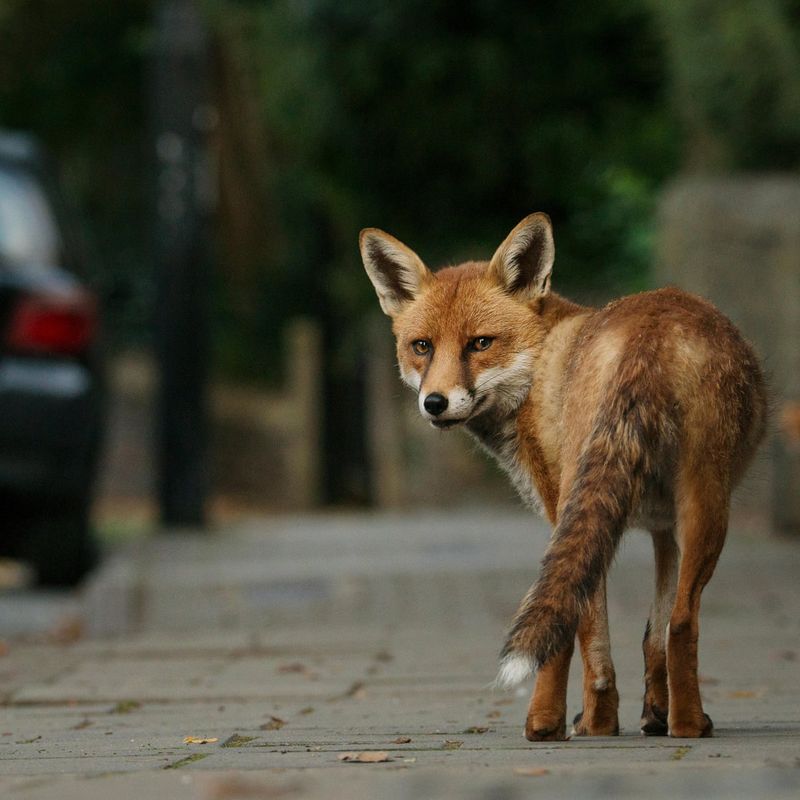
A single fox roams over a surprisingly big area every day. Your yard might be just one small stop on its wide route.
Foxes patrol territories that can stretch across many acres. They travel to hunt, mark boundaries, and check for food.
So when a fox trots through, it may simply be crossing familiar ground. Your backyard could be part of its regular loop.
These animals like to know every inch of their range. They visit the same paths over and over out of habit.
If you see a fox moving with purpose and not stopping, it is likely just passing by. There is usually no reason to worry.
Foxes use fences, hedgerows, and yards as travel highways. Your property might sit along one of their favorite routes.
Understanding this helps you relax about occasional sightings. A fox on the move is normal, healthy behavior.
You do not need to chase it off or feel alarmed. Give it space and it will continue on its way.
Territory patrols happen day and night across Oregon neighborhoods. Foxes have shared these spaces with people for a long time.
Seeing one glide through is a peek into a wild routine. It reminds us that nature runs right alongside our homes.
Most passing foxes want nothing more than to keep moving.
7. One Visit Does Not Mean A Fox Has Moved In
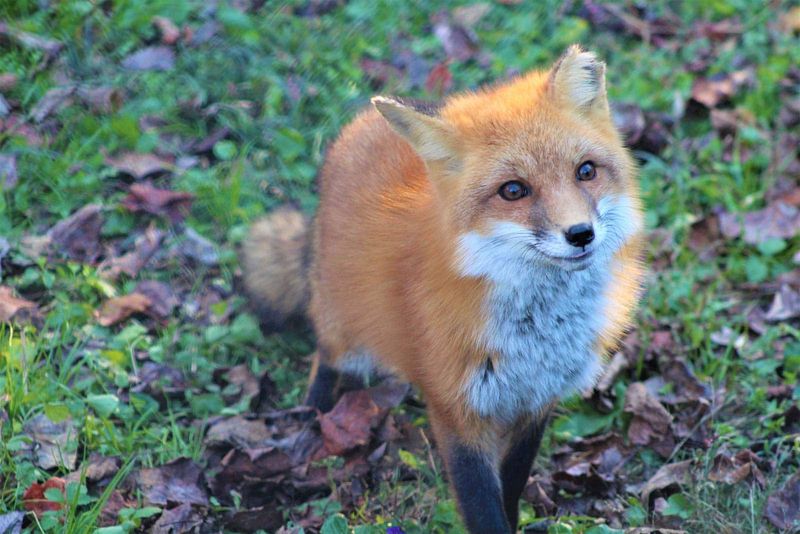
Seeing a fox once can feel like a big deal, but do not jump to conclusions. A single visit rarely means a fox has settled in.
Foxes wander widely and often check new places out of curiosity. One appearance usually means it was just exploring.
A fox that truly moves in would build a den and return daily. That takes repeated sightings over many weeks.
If you spot a fox only now and then, it is probably a passing guest. There is no need to assume it lives nearby.
Foxes generally avoid setting up homes too close to busy human activity. They prefer quieter, hidden spots for raising young.
Watch for patterns before you worry about a resident fox. Note the times and days you see it around.
A den nearby would show clear signs like dug holes or fox tracks. Random visits leave no such lasting marks.
So a lone sighting is usually just a fun wildlife moment. Enjoy it without stress about a permanent tenant.
If sightings become frequent, then you can take gentle steps to discourage them. Until then, relax and appreciate the view.
Foxes are naturally shy and cautious around people. Most would rather keep their distance than share your space.
One brief hello does not equal a new neighbor.
8. Secure Pet Food And Outdoor Garbage
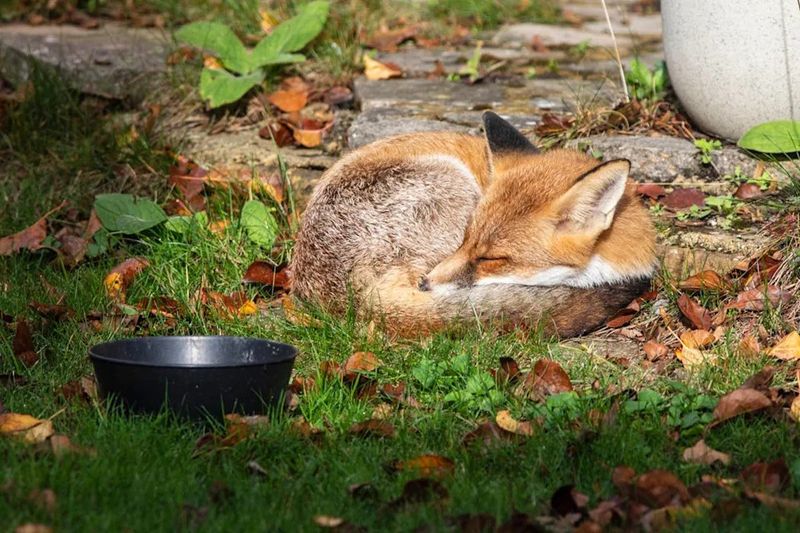
Nothing draws a fox faster than an easy, smelly meal. Open pet food and loose garbage are like open invitations.
Foxes have a keen sense of smell and can find scraps from far away. A bowl of kibble on the porch is pure temptation.
Leftover pet food outside is one of the most common fox attractions. The same goes for overflowing or uncovered trash cans.
To keep foxes at bay, feed pets indoors whenever possible. If you must feed outside, remove the bowls right after meals.
Store all pet food in sealed, sturdy containers. Loose bags in the garage can attract both rodents and foxes.
Your garbage cans should have tight, locking lids. Bungee cords or latches help keep clever paws out.
Take trash out on the morning of pickup, not the night before. That gives foxes less time to raid your bins.
Cleaning grills and outdoor eating areas also cuts down on food smells. Foxes follow their noses to anything tasty.
These simple habits make your yard far less appealing. A clean space tells foxes there is nothing here for them.
Managing food is truly the most powerful tool you have. Remove the reward, and the visits usually fade away.
A tidy yard keeps both you and the foxes safer and happier.