The Oregon Garden Habit That Helps Birds Without Creating A Rat Buffet
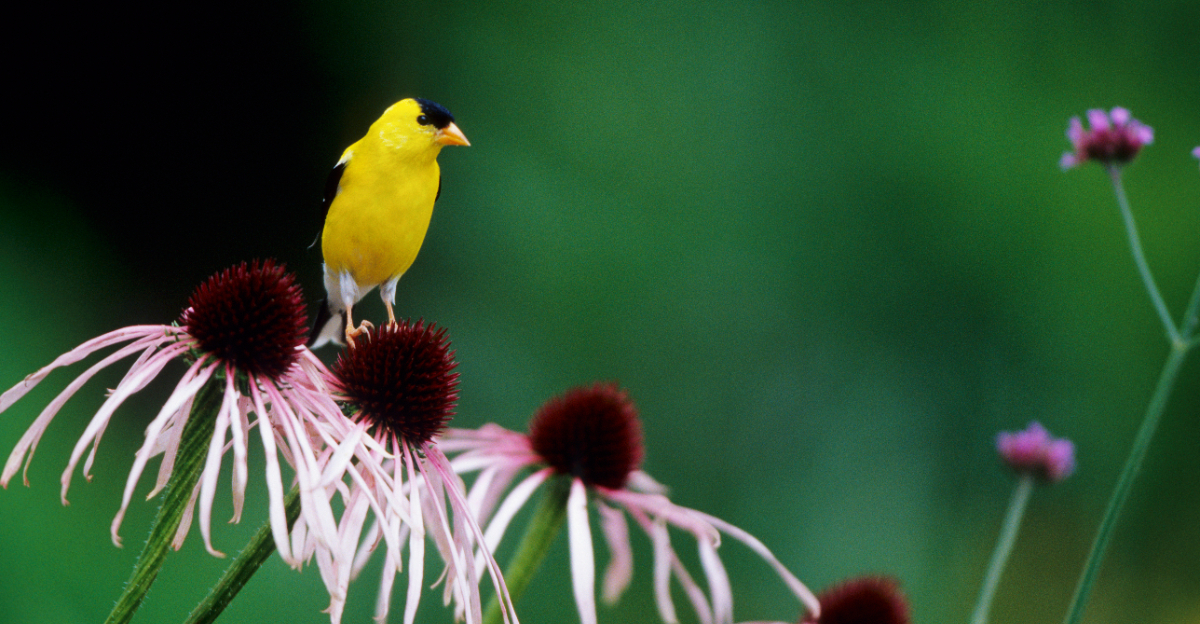
August in Portland bakes the lawn to a pale straw color, and the air smells like dry grass and hot pavement. A goldfinch lands on a tall dried stem anyway, working something loose with quiet efficiency. Nothing spilled, nothing scattered underfoot.
That small detail carries more weight than it seems. Rodents chase easy calories at ground level, and this setup hands them almost nothing. The food sits high, held up where only birds bother to reach.
Gardeners across Oregon have quietly swapped one habit for another, and the birds have not complained. Chickadees, sparrows, and finches keep showing up through the driest stretches. The crawl space, meanwhile, stays boring.
The rest of this is about making that trade, and doing it in a way that actually sticks through an Oregon winter.
Native Seed Plants Feed Birds Without Spilling Onto The Ground
Birds have been feeding themselves for millions of years. They did it without a single plastic tube hanging from a shepherd’s hook.
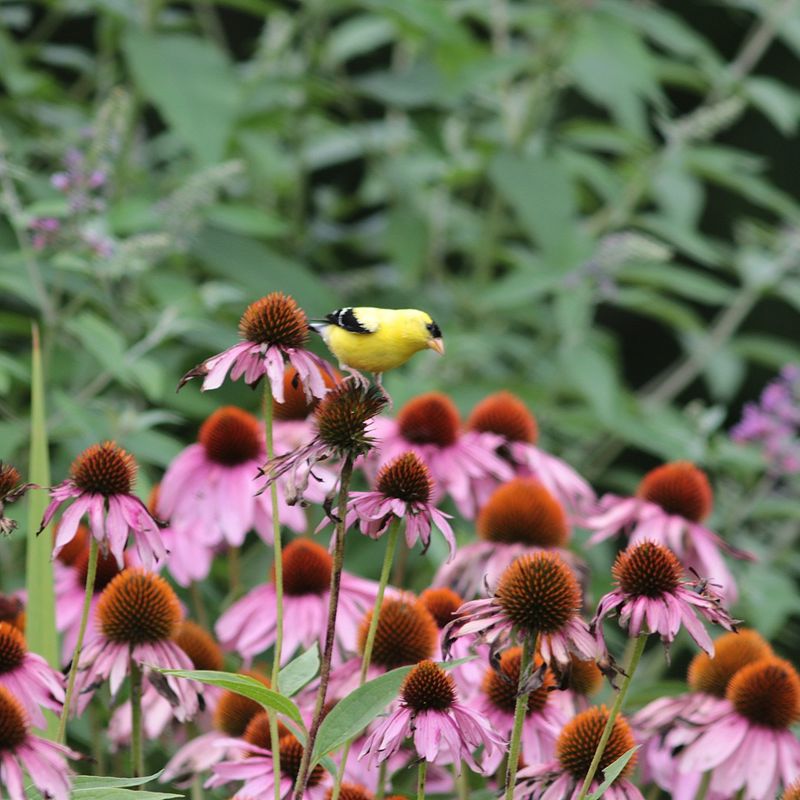
Native seed plants work because the food stays attached to the plant. A goldfinch grips a stem, pries out one seed, and eats it right there.
Compare that to a feeder tray. Seed pours out, husks pile up, and gravity does the rest.
The approach behind all of this is simple. You let seed-bearing natives mature, then leave them standing instead of tidying them away.
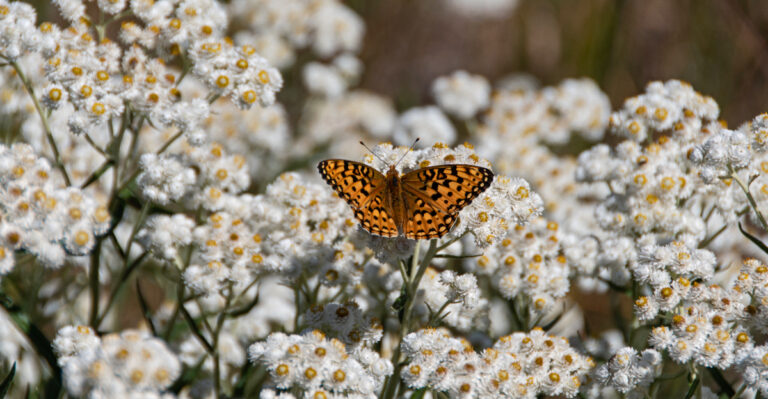
Plants like Douglas aster, yarrow, and native sunflowers hold hundreds of tiny seeds. Birds work through them slowly over weeks, not minutes.
That slow pace matters more than you might guess. Plants almost never create the kind of scattered pile that gets a rodent’s attention.
Stems also keep the buffet elevated. Most seed heads sit twelve to sixty inches above soil, well out of easy rat reach.
There is a bonus most folks miss. Native plants host insects, and those bugs feed nestlings in spring when seeds alone will not do.
Chickadees stuff caterpillars into hungry beaks by the hundreds. A yard full of natives supplies them automatically.
Cost is another win. Most of these plants come back on their own, and the ones that don’t reseed freely enough that you rarely notice.
No twenty-pound bags. No storage bins in the garage that mice eventually discover.
Start with three or four species in one sunny bed. Watch what lands there through October and November.
You may never refill a feeder again.
Bird Feeders Create The Mess That Attracts Rodents
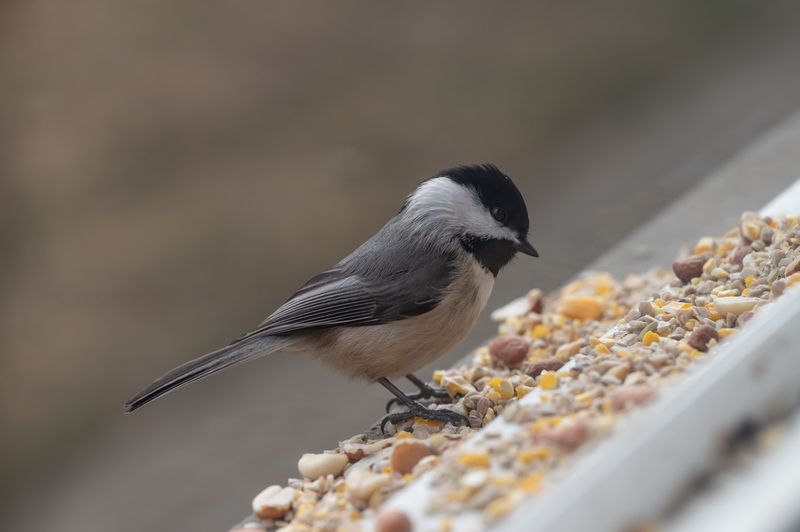
Here is the uncomfortable part. Feeders are not the problem, but their leftovers absolutely are.
Every visiting finch drops seed. Multiply that by fifty birds a day and you get a steady rain of food onto the soil.
Rats and mice do not climb tubes for fun. They cruise the ground because that is where dinner lands.
Wildlife agencies in the Northwest field these complaints constantly. Homeowners report rodents, and inspectors often find a feeder twenty feet away.
Wet weather makes it worse. Spilled seed swells, breaks down, and starts drawing attention from half the block.
Your Oregon Garden Changes Every Week. Your Plan Should Too.
Gardening in Oregon changes quickly throughout the season. Every Friday you’ll receive a simple weekly plan showing exactly what to plant, prune, fertilize, harvest, and protect so you never miss the right timing.
Sunflower hulls also mat down into a soggy layer. That damp mess grows mold and hides rodent trails from view.
Feeders concentrate birds too, which spreads illness. Salmonella and finch eye disease travel fast at crowded perches.
Squirrels add another wrinkle. They knock seed loose by the cupful, essentially running a delivery service for whatever lives under your shed.
None of this means you must toss your feeder tonight. Plenty of people run them cleanly with a catch tray and daily sweeping.
The honest question is whether you will actually do that upkeep in January rain. Most of us will not.
Plants ask nothing. They hold their seed, they do not spoil, and they never need a scrub brush.
Think of it as swapping a chore for a garden bed. One demands attention weekly, the other rewards neglect.
Which sounds better in the middle of a soggy Oregon winter?
Coneflowers And Sunflowers Offer Natural Seed Sources
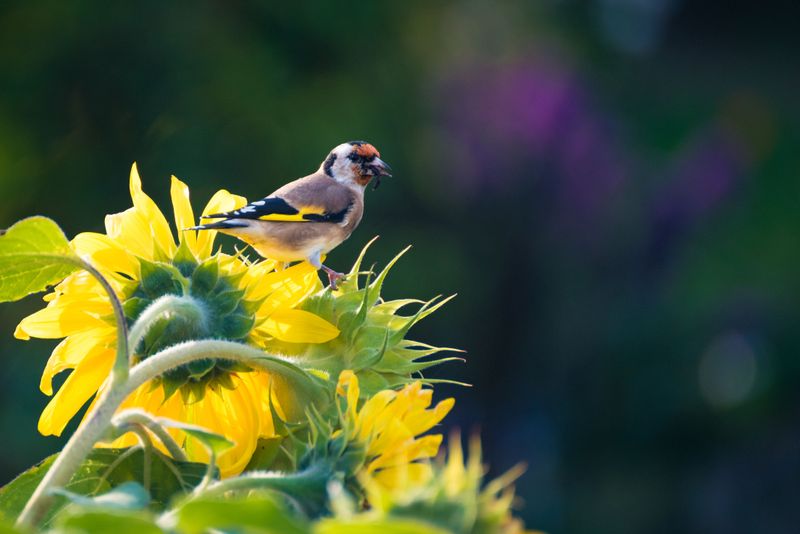
If you plant only two things, plant these. Coneflowers and sunflowers are the heavy hitters of homegrown bird food.
A single sunflower head can hold a thousand seeds. Chickadees, nuthatches, and grosbeaks will work one head for days.
Purple coneflower behaves differently but just as well. Its spiky center dries into a bristly cone packed with small dark seeds.
Goldfinches adore them. You will see flashes of yellow hanging upside down on the stalks in September.
Both plants thrive in the Willamette Valley without fuss. Full sun, decent drainage, and they mostly handle themselves.
Skip the fancy double-flowered cultivars though. Breeders bred those for looks, and many produce little usable seed.
Go for old-fashioned single blooms instead. Plain petals mean pollinators can reach nectar and seeds actually form.
Native sunflower relatives like woolly sunflower also earn a spot. They tolerate dry summers better than the giant annual types.
Timing works in your favor here. Seeds ripen in late summer, right when young birds are learning to forage.
Here is a quirky detail worth knowing. Sunflower heads track the sun while growing, then settle facing east once mature.
That eastern tilt catches morning warmth. Birds feed earlier on those heads because the seeds thaw first.
Plant a cluster rather than singles. Six stalks together give birds cover while they eat, so they linger longer.
By fall your flower bed becomes a cafeteria that refills itself.
Standing Seed Heads Provide Food Through Fall And Winter
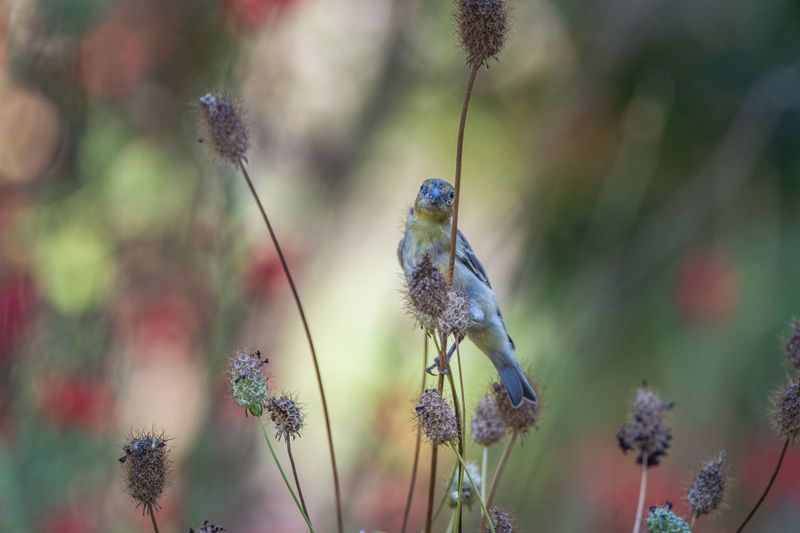
Resist the fall cleanup itch. That is the entire assignment.
Most gardeners cut everything down in October out of habit. Doing so removes months of bird food in one afternoon.
Dried stalks hold seed remarkably well. Rain soaks them, frost coats them, and the seeds inside stay edible.
Juncos, song sparrows, and towhees rely on that supply. Between November and February, wild food gets genuinely scarce.
Hollow stems do double duty as well. Native bees tuck themselves inside to overwinter, emerging when spring warms up.
Butterfly and moth pupae cling to dry stems too. Leaving them standing protects next summer’s pollinators.
Snow adds a small assist. Seed heads poke above white ground, staying visible and reachable when everything else disappears.
Ornamental grasses deserve mention here. Tufted hairgrass and blue wild rye hold seed well and give sparrows a place to hide.
Aesthetics improve once you look properly. Frost on a coneflower cone is prettier than bare mulch.
Wait until March or April to cut back. By then birds have stripped what they want and bees have flown.
When you finally trim, leave the stems in a loose pile somewhere out of the way. Any remaining insects can finish emerging.
This is the quiet heart of the Oregon garden habit. Less work, more wildlife, zero ground clutter.
Your rake gets a season off, and the birds get a pantry.
Ground-Level Debris Is What Actually Draws Rats In
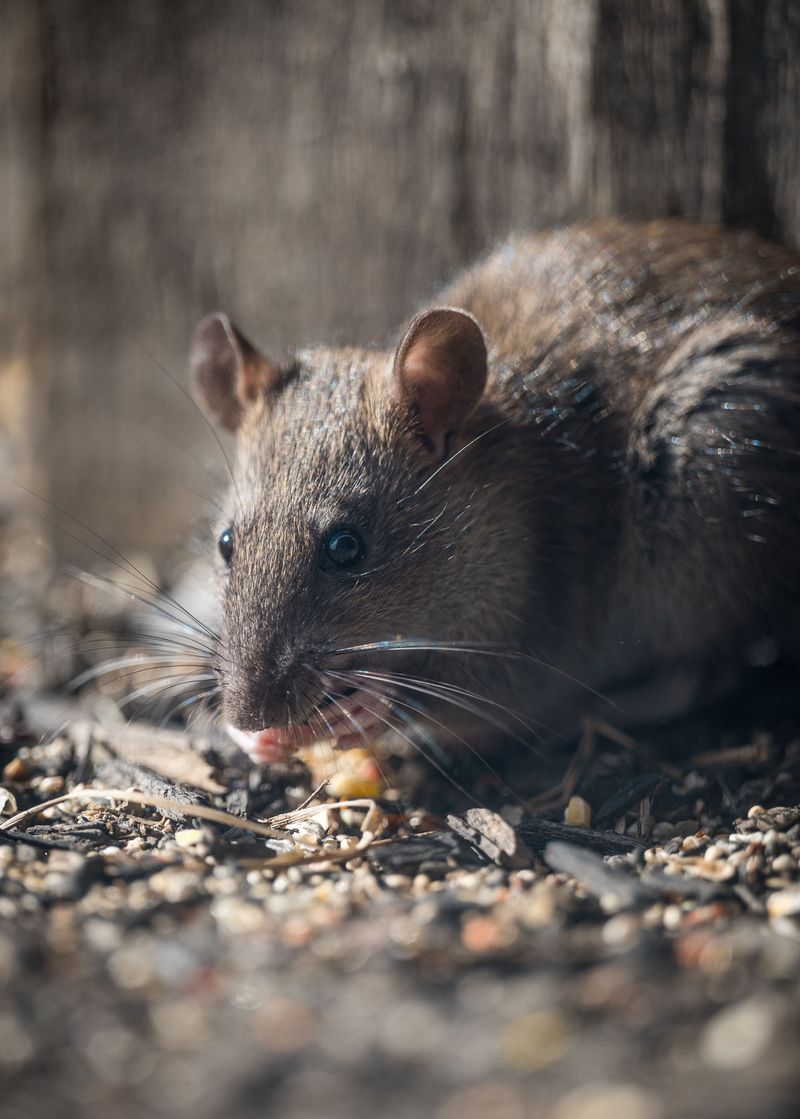
Rats are lazy shoppers. They want calories they can reach without effort or exposure.
That preference explains everything about rodent problems in a yard. Food on the soil equals visitors, no matter the source.
Fallen fruit ranks near the top. Unpicked plums and apples rotting under a tree feed rats generously.
Pet food bowls left outside overnight qualify too. So does an uncovered compost pile with kitchen scraps on top.
Dense groundcover creates the other half of the problem. English ivy and blackberry thickets give rodents highways nobody can see.
Woodpiles stacked directly on dirt make cozy nesting spots. Raise them on a frame and the appeal drops fast.
Standing seed heads fail every one of these tests. Almost nothing rots, almost nothing piles up, and there is nothing obvious to hide a burrow entrance.
Notice what actually happens with plants. A finch drops a seed, and it either sprouts or gets eaten by a ground-feeding sparrow.
Volume is the difference. A feeder spills pounds, while a flower bed loses grams.
Water counts as well. Rodents need drinking sources, so fix that dripping spigot and empty forgotten buckets.
Check under the deck occasionally. Gnaw marks and greasy runways tell you more than any guesswork.
Clean up fruit weekly during harvest season. Twenty minutes with a bucket beats a rodent exclusion bill.
Handle the ground and the sky takes care of itself.
Small Changes That Keep Your Garden Rodent-Free
Small tweaks, big payoff. None of these take a whole weekend.
Begin with a gravel or bare-soil strip along your house foundation. Rodents hate crossing open ground where hawks and cats can spot them.
Trim shrubs so you can see six inches of clear space underneath. Visibility alone discourages a lot of traffic.
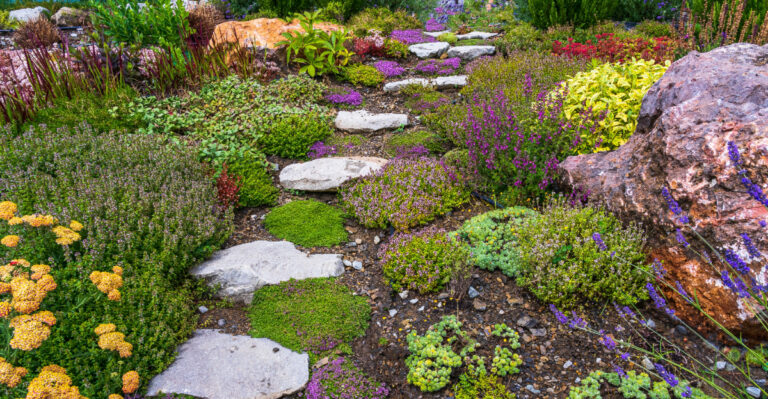
Swap invasive ivy for native kinnikinnick or creeping Oregon grape. You keep the greenery and lose the rodent tunnels.
Lock your compost in a sealed bin with a tight lid. Bury food scraps under leaves and yard clippings.
Pick fruit as it ripens, and collect windfalls every few days. Grape and fig droppings deserve the same attention.
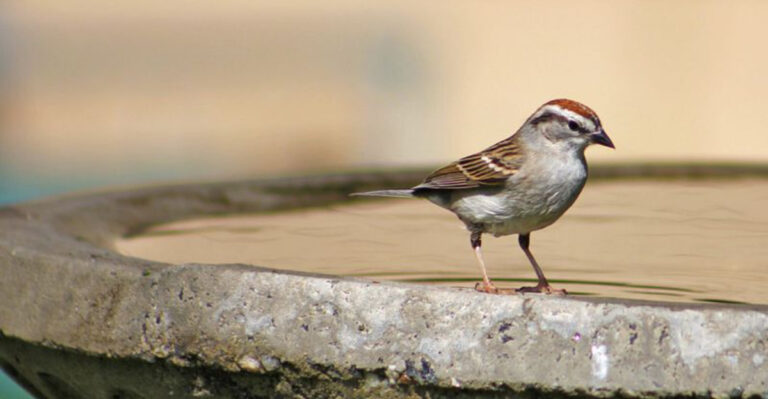
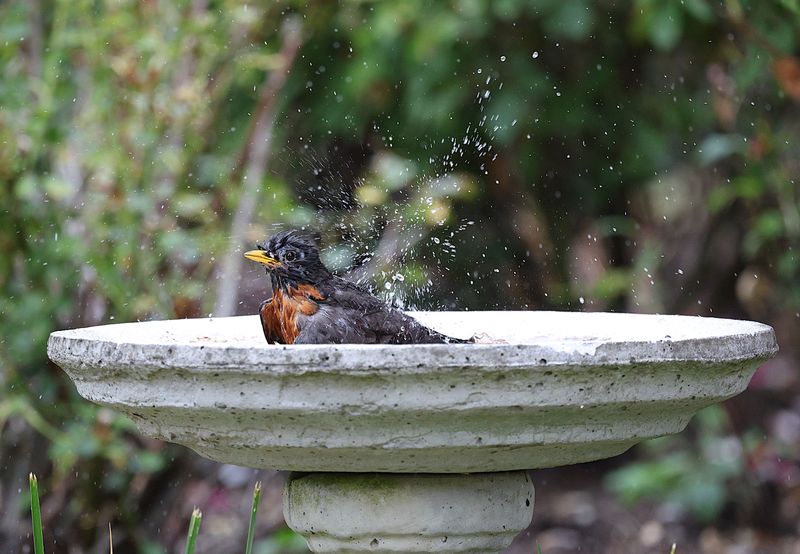
Add a birdbath instead of a feeder. Water attracts more species than seed and leaves almost nothing behind to clean up.
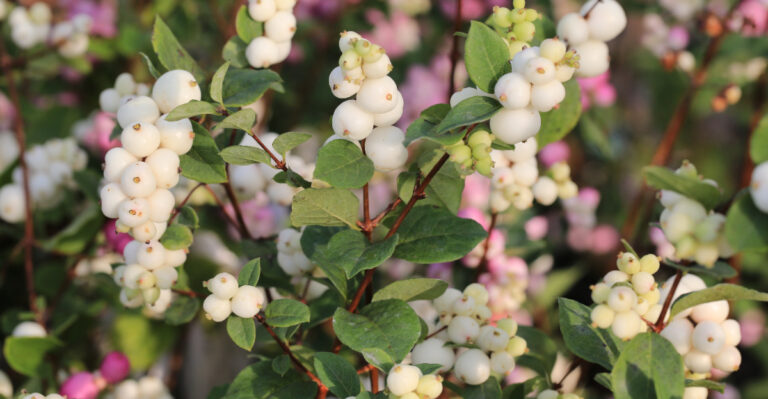
Plant in layers for shelter. Native shrubs like red-flowering currant and snowberry offer berries plus nesting cover.
Skip poison bait entirely. Owls, hawks, and neighborhood cats eat poisoned rodents and suffer for it.
Snap traps in protected boxes work better if you truly need them. Placement beats quantity every time.
Keep grass seed and birdseed bags in metal cans. Cardboard and plastic barely slow a determined chewer.
Give it one full season before judging results. Birds find new food sources gradually, then tell their friends.
Stick with it for one full season and the payoff is genuinely satisfying. A yard alive with songbirds, and absolutely nothing scurrying at dusk.