The Most Underrated Oregon Native Shrub That Helps Create A Tick-Resistant Yard Border
Ticks often gather where a tidy yard meets a wilder edge. That border may look harmless, yet damp shade and low cover can create the kind of shelter these pests prefer.
One Oregon native shrub offers a smarter way to shape that space. It adds structure without demanding constant care.
It can also help create a drier, more open boundary that feels less comfortable for ticks. Not bad for a plant that rarely gets top billing.
Its appeal does not come from a strong scent or a magical repellent effect. The real benefit lies in how it changes the habitat near the yard’s perimeter.
A thoughtful border can reduce the cozy conditions ticks seek while still giving the landscape a natural look. This overlooked shrub fits that role beautifully.
It brings local character to the property and quietly supports a yard that feels less welcoming to unwanted hitchhikers.
1. This Is The Underrated Border Shrub
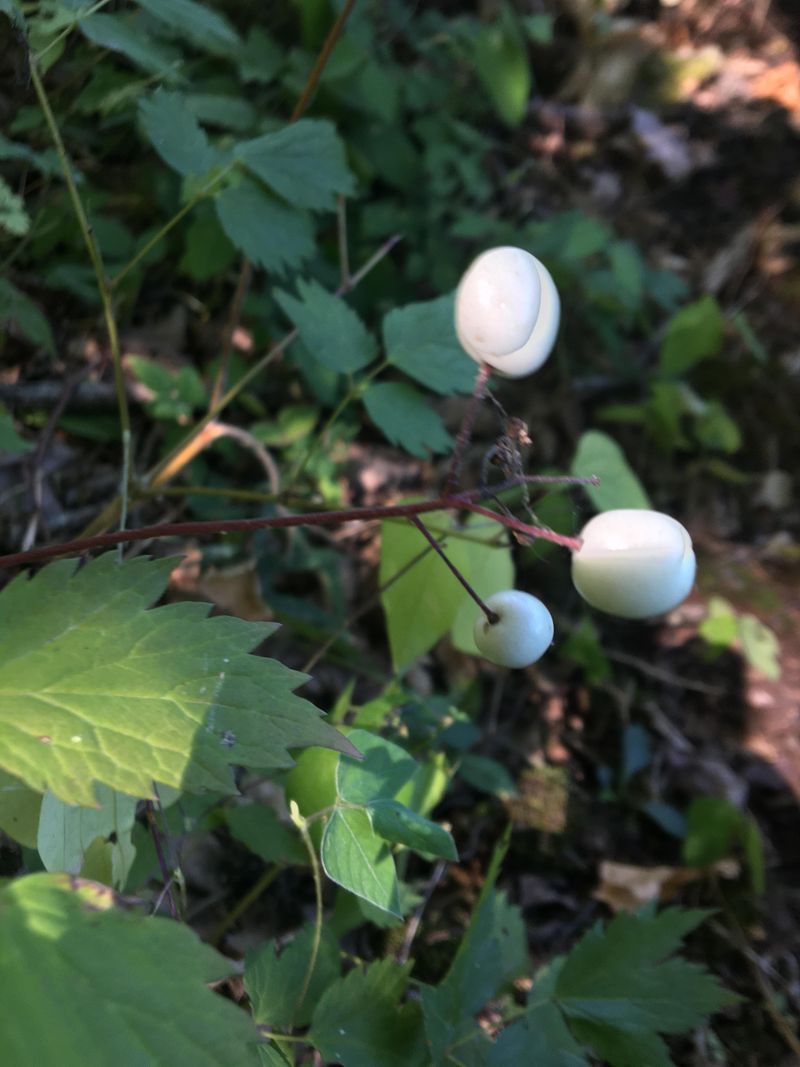
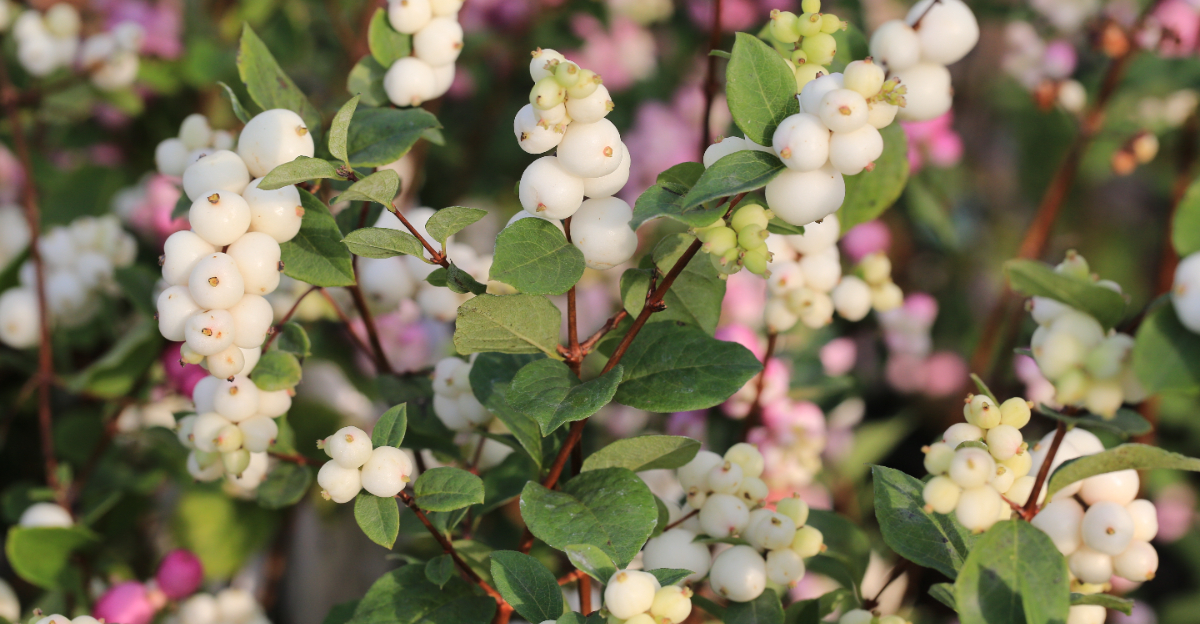
Not every useful plant gets the attention it deserves. Snowberry, known botanically as Symphoricarpos albus, has been growing across the Pacific Northwest for thousands of years.
It thrives in the kind of tough spots where other shrubs give up, like dry slopes, partial shade, and rocky edges near trails.
Most homeowners overlook it at the nursery because it does not have showy flowers or dramatic fall color. But that plain appearance is part of what makes it so practical.
It grows into a dense, arching hedge that fills in gaps along a yard border without needing much water or fertilizer.
The shrub reaches about three to six feet tall and spreads slowly through root suckers. You can shape it or leave it natural, and it holds its form either way.
Its root system also helps hold soil in place on sloped borders where erosion is a problem.
What really sets it apart is how it behaves in the landscape. A well-kept snowberry row creates a clear physical boundary between your lawn and any wilder areas nearby.
That boundary matters because ticks move from brushy zones into yards by crawling through low vegetation. A tidy shrub border interrupts that path and helps keep your yard safer and more comfortable throughout tick season.
2. A Tidy Snowberry Hedge Creates Separation
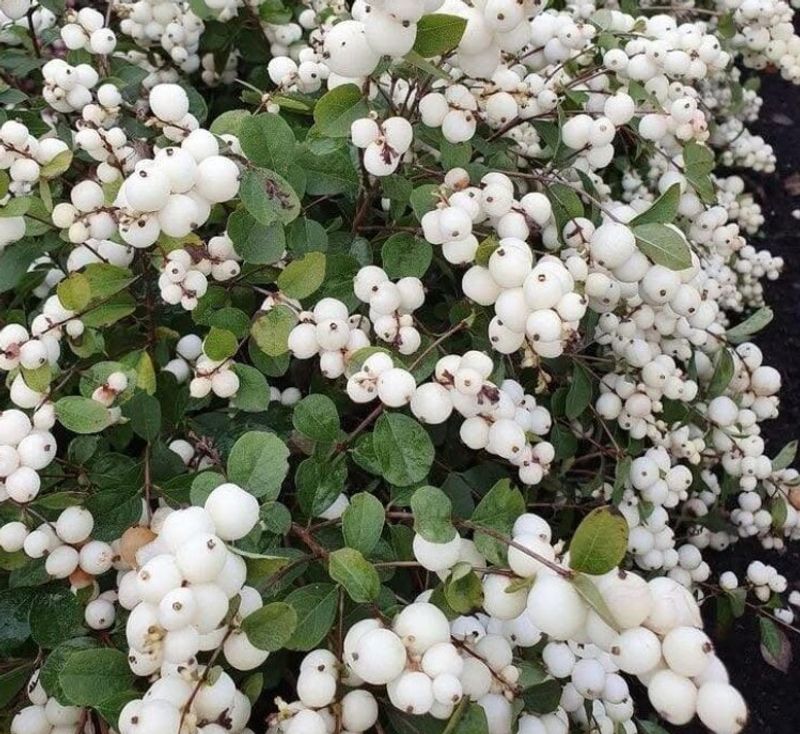
One of the smartest things you can do along your yard edge is create a clear visual and physical line between your lawn and any wild or wooded area nearby. A tidy snowberry hedge does exactly that.
When kept at a manageable height, it acts like a living fence that signals where the maintained space ends and the rougher terrain begins.
Ticks do not jump or fly. They crawl from tall grass and leaf litter onto passing hosts.
A clean hedge with open space on both sides gives ticks fewer places to wait and fewer ways to cross into your yard undetected. That separation is one of the simplest and most effective tools in a tick-resistant yard plan.
Snowberry handles this job well because it grows densely without becoming unruly when you prune it once or twice a year. It does not send out long runners into the lawn the way some aggressive shrubs do.
Your Oregon Garden Changes Every Week. Your Plan Should Too.
Gardening in Oregon changes quickly throughout the season. Every Friday you’ll receive a simple weekly plan showing exactly what to plant, prune, fertilize, harvest, and protect so you never miss the right timing.
The branches stay within a predictable footprint, making it easy to maintain a consistent border width.
Keeping a mowed strip of at least three feet on the lawn side of the hedge adds even more protection. That open, dry zone is hard for ticks to cross.
Pair the hedge with that buffer strip, and you have a simple two-layer system that makes a real difference during the warmer months when ticks are most active.
3. Pruned Shrubs Let In More Sunlight
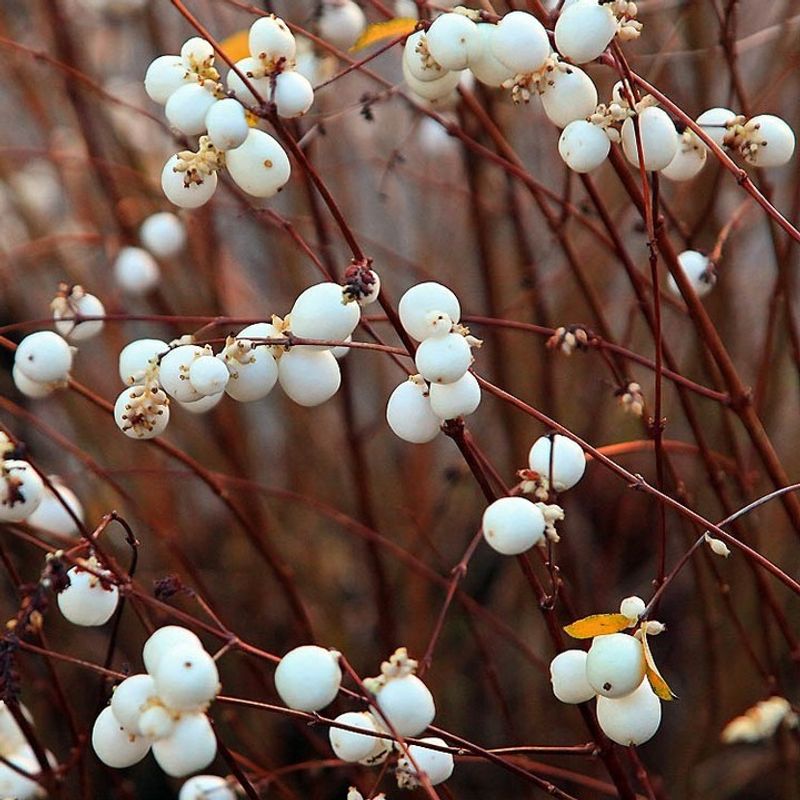
Sunlight is one of the best natural tools you have against ticks. Ticks are sensitive to heat and dryness.
They dry out quickly in direct sun and tend to stay in shaded, moist areas where they can survive longer.
When you prune your snowberry regularly, you open up the canopy and let more sunlight reach the ground beneath and around the shrub.
Pruning does not have to be complicated. A once-a-year trim in late winter or early spring keeps the shrub from getting too leggy or thick.
Remove any crossing branches, old woody canes, and any growth that is pushing into the lawn or leaning too far into the wilder side of the border.
Thinning the interior of the shrub also improves air circulation, which helps the soil dry faster after rain.
When the base of the shrub stays open and dry, it becomes a much less appealing spot for ticks to rest and wait.
Dense, unpruned shrubs trap moisture and create cool shade at ground level, exactly the kind of microhabitat ticks prefer.
Keeping things trimmed and open flips those conditions in your favor.
Good pruning tools make the job easier. Sharp bypass pruners handle stems up to about half an inch thick.
For thicker canes, loppers give you the extra leverage you need. Clean cuts heal faster and keep the shrub looking neat all season long.
4. Dry Edges Are Less Tick-Friendly
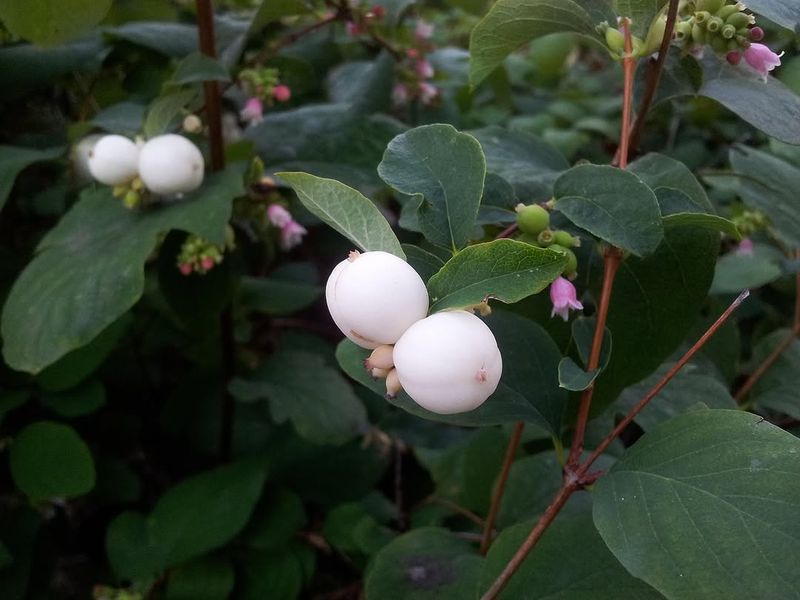
Moisture is a tick’s best friend. These tiny pests need humidity to stay alive, and they actively seek out cool, damp spots to rest between feeding.
The edges of your yard, especially where the lawn meets a fence line or wooded strip, tend to collect moisture from shade and decomposing plant material. That makes them prime tick territory if left unmanaged.
Snowberry, when managed well, actually helps reduce moisture along your border. Its root system pulls water from the soil efficiently, and a properly pruned plant allows wind and sun to dry out the ground beneath it.
Compared to dense ornamental shrubs that hold moisture and drop thick layers of leaves, a maintained snowberry hedge keeps the edge of your yard considerably drier.
You can boost this effect by choosing a planting location that gets at least four to six hours of direct sun each day.
Even in Oregon’s cloudier regions, positioning the shrub where it catches afternoon sun makes a noticeable difference.
Avoiding low spots where water pools after rain is also smart planning.
Gravel or wood chip mulch around the base of the shrub can help too. These materials dry out faster than bare soil and create a less hospitable surface for ticks.
Small adjustments like these stack up quickly, and over a full season, a consistently dry border edge can reduce tick encounters in that zone by a meaningful amount.
5. Keep Leaf Litter Out From Under Shrubs
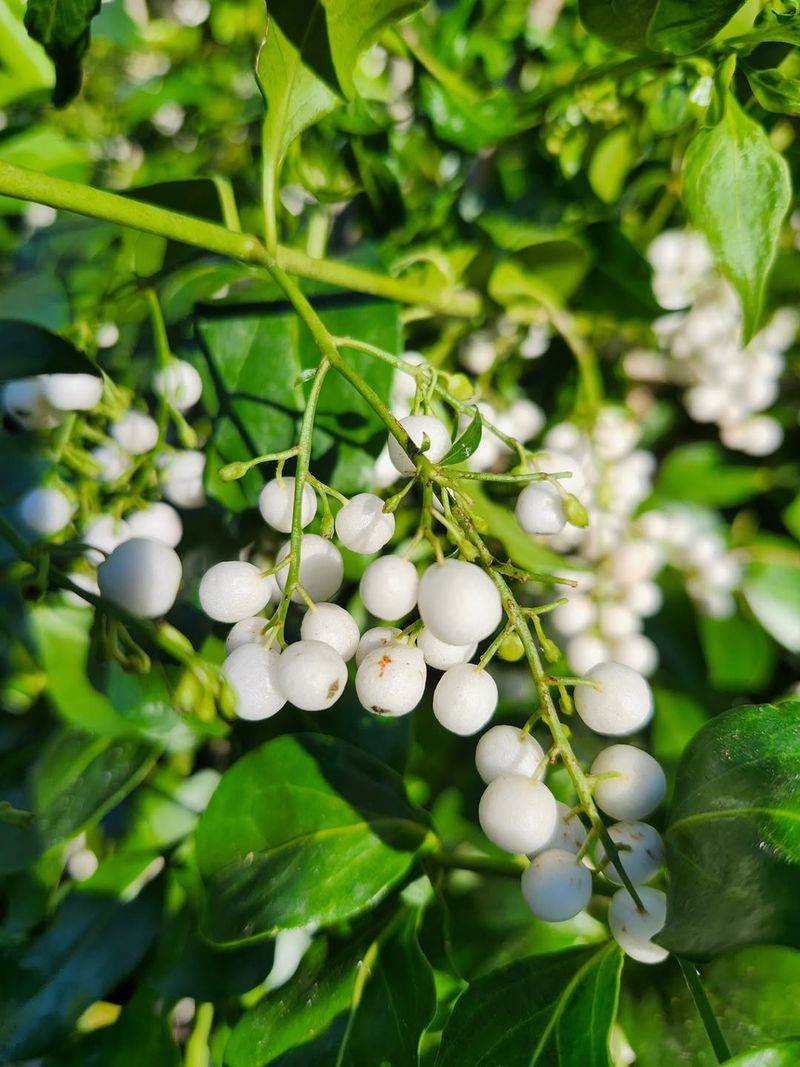
Leaf litter is one of the most overlooked tick habitats in a home landscape. A thick layer of fallen leaves under a shrub creates exactly the kind of cool, moist, sheltered space where ticks like to wait.
They can survive in leaf litter for extended periods, and they use it as a launching point to climb onto passing animals or people brushing through the area.
Keeping the ground under your snowberry hedge clean makes a real difference. Rake out fallen leaves in autumn and again in early spring.
You do not need to remove every trace of organic matter, but you want to avoid letting a thick mat build up. A thin layer of coarse mulch is fine. A packed, wet pile of old leaves is not.
One trick that works well is to rake the leaf litter away from the base of the shrub and add it to a compost pile located well away from the yard border.
That way you are not wasting the organic material, but you are removing it from the one spot where it causes the most trouble.
Regular maintenance under the shrub also gives you a chance to spot any new growth from root suckers that might be spreading the hedge wider than you want.
Keeping the base clean and visible makes the whole border easier to manage and much less inviting to ticks looking for a sheltered resting spot close to your yard.
6. Pair Snowberry With A Gravel Buffer
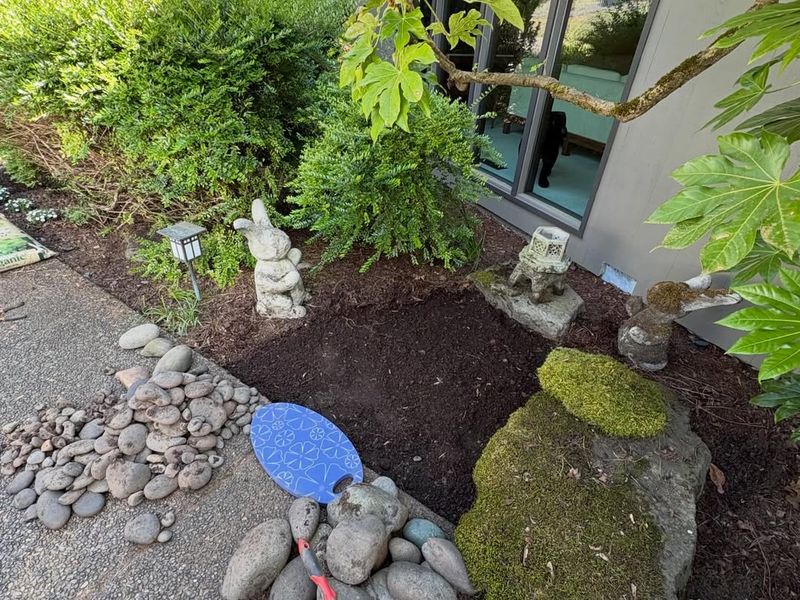
Gravel is surprisingly powerful when it comes to tick management. Ticks avoid crossing dry, open surfaces because they lose moisture quickly in those conditions.
A gravel buffer strip placed between your snowberry hedge and your lawn creates exactly the kind of barrier that slows tick movement from the wilder edge into your yard.
The buffer does not need to be wide to be effective. A strip of about two to three feet of crushed gravel or pea gravel works well.
Lay it directly on the soil after removing any grass or weeds, and top it with a thin layer of fresh gravel each spring to keep it looking clean and functioning well.
Landscape fabric beneath the gravel helps reduce weed growth and keeps the surface from mixing into the soil over time.
Pairing gravel with snowberry gives you a two-part system that is both practical and attractive. The shrub provides the living border and the visual separation.
The gravel provides the dry, open crossing zone that ticks are reluctant to move through. Together, they work better than either one alone.
This combination is also low maintenance once it is set up. The gravel needs occasional raking and refreshing.
The snowberry needs one or two pruning sessions per year. Neither requires heavy watering or expensive treatments.
For homeowners in Oregon who want a natural, chemical-free approach to tick management, this pairing is one of the most practical options available.
7. Avoid Letting The Border Turn Brushy
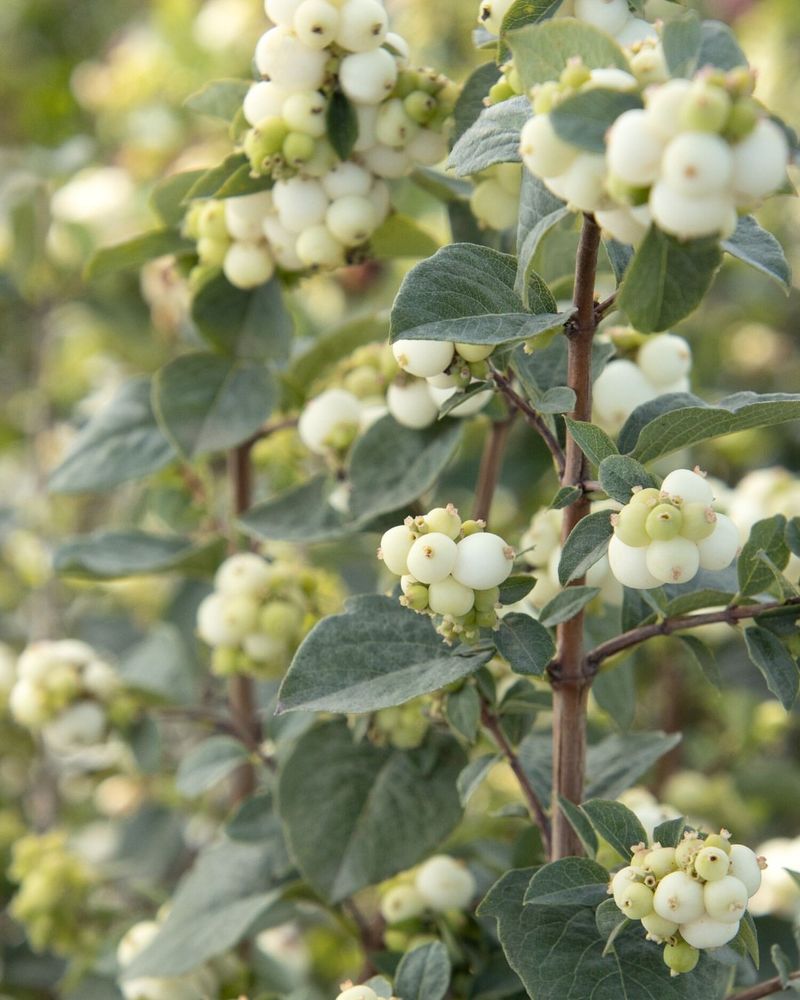
Brushy, overgrown borders are one of the top reasons ticks end up in residential yards. When a hedge or shrub line gets out of control, it starts to look and function more like wild habitat than a managed landscape feature.
Tall, tangled growth provides shade, traps moisture, and creates the exact conditions ticks need to survive and move closer to where people spend time outdoors.
Snowberry is naturally a well-behaved shrub, but it can spread through root suckers if left unchecked for too long.
Once the border starts creeping outward and filling in with dense, layered growth, it becomes harder to maintain and more attractive to ticks.
Staying ahead of that growth is much easier than trying to reclaim a shrub line that has gone fully wild.
Check the border at least twice a year, once in early spring before new growth starts and again in midsummer. Remove any suckers that are pushing outside the intended footprint.
Cut back any branches that are drooping to the ground, since ground contact creates a direct path for ticks to climb up into the shrub.
A border that stays neat and open at the base is doing its job. One that has turned into a tangled thicket is doing the opposite.
The difference between these two outcomes is usually just a couple of hours of work spread across the growing season. Keeping up with it regularly is far less effort than starting over.
8. Use It Between Lawns And Wilder Edges
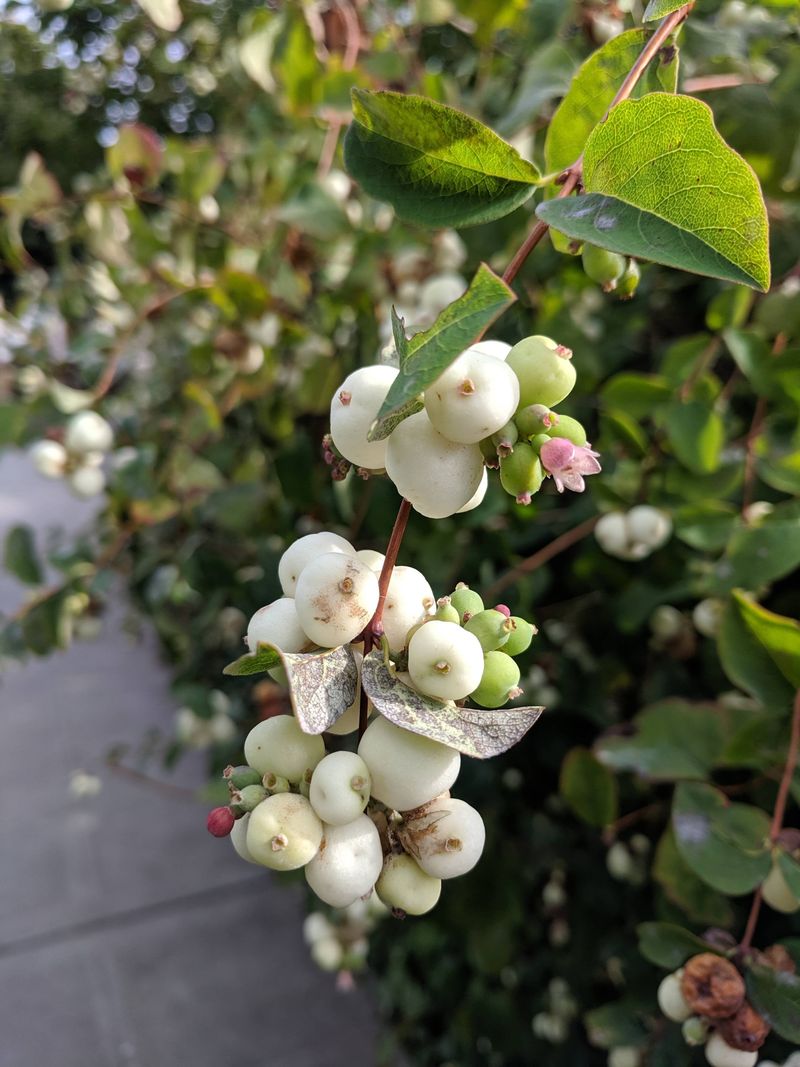
The edge where your lawn meets a wilder area is the most important zone to manage for tick prevention.
Ticks move from woods, tall grass, and overgrown areas into maintained yards by traveling through low vegetation along those edges.
Placing a well-maintained snowberry hedge right in that transition zone puts a managed barrier exactly where it matters most.
Snowberry is one of the best plants for this role because it is native to the region and naturally fits into the visual character of a Pacific Northwest yard. It does not look out of place next to ferns, sword grass, or native conifers.
At the same time, it holds its shape well enough to serve as a clear boundary between the managed and unmanaged parts of your property.
When planting snowberry in this transition zone, space the plants about three feet apart to allow good airflow while still creating a solid visual line. They will fill in gradually over two to three growing seasons.
During that time, keep the area between plants free of weeds and leaf litter so ticks do not use the gaps as entry points.
Over time, a well-established snowberry border in this zone becomes one of the most valuable features of a tick-resistant yard. It works passively, asking very little of you once it is established.
For anyone in Oregon dealing with tick pressure near wooded or grassy edges, this is one of the most practical and rewarding plantings you can make.