The Ant-Peony Connection Every Massachusetts Gardener Should Understand
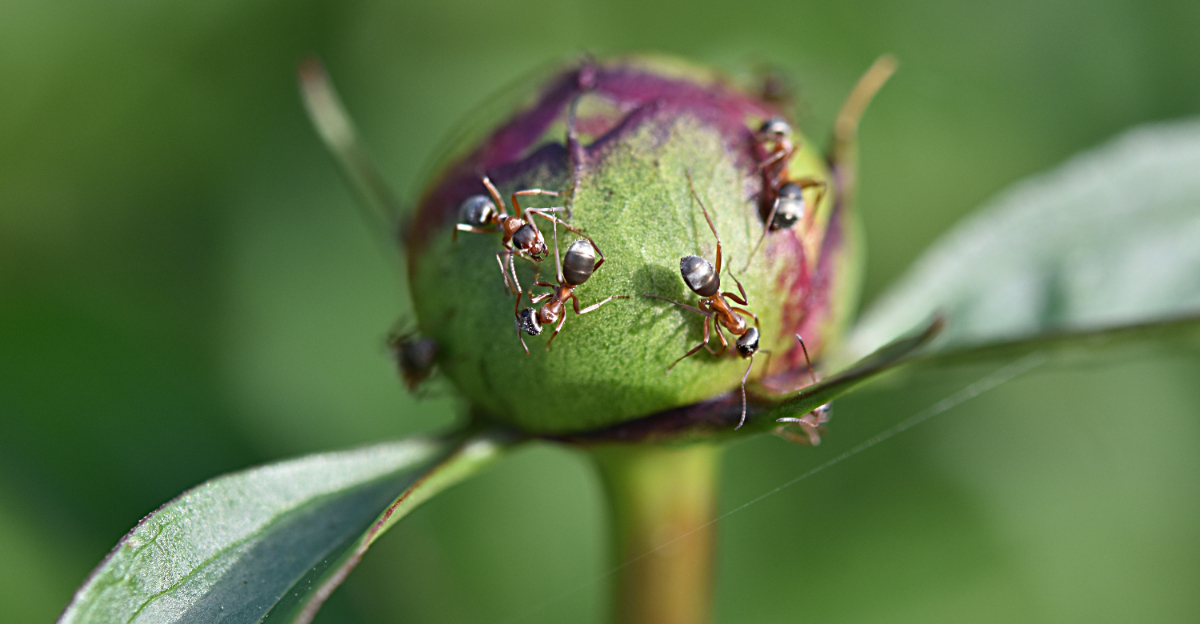
You notice ants swarming your peony bud and pause. Curiosity quickly replaces alarm the moment you look closer. Massachusetts gardeners watch this scene appear every spring.
Sugar draws these ants, not harm, into your garden. Your peony buds release sticky nectar while forming petals.
Ants simply gather that sweetness before your blooms open. Not one unusual thing crawls beneath those tiny legs.
Maybe you wonder why this pairing feels so unusual. Science shows this relationship helps both species involved. Aphids sometimes visit your buds, so ants help manage them.
Support happens for you here without any effort at all. Local soil and Massachusetts climate make this dance common. Weather shifts, your blooms swell, and ants arrive on cue.
Timing matters more than you probably realize right now. Everything about this partnership guides you toward a bright reveal. What happens next will change how you see every bud in your garden.
The Sweet Secret Behind Ants And Peonies
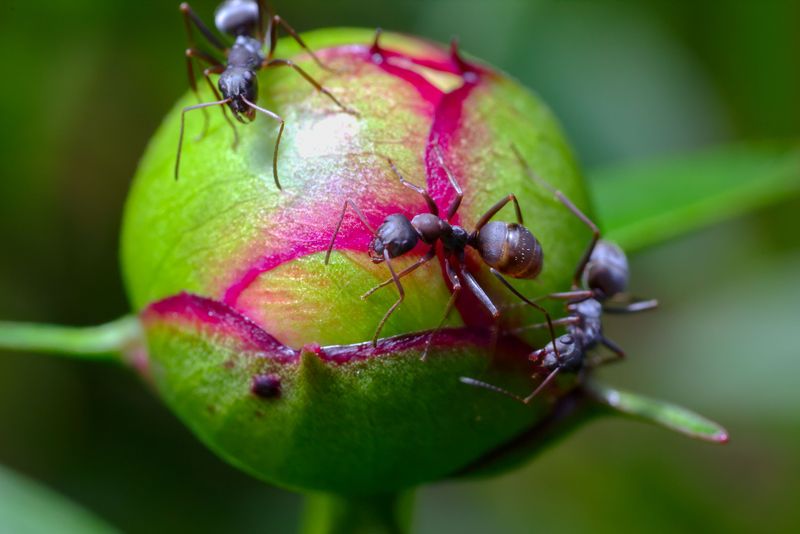
Peonies are hiding something sweet, and ants know exactly where to find it. Before a peony bloom opens, the bud produces a sugary liquid called extrafloral nectar.
This nectar oozes from tiny glands on the outside of the bud. Ants pick up on the scent fast and show up in impressive numbers.
The relationship between ants and peonies is not random. It is a finely tuned natural arrangement shaped by evolution over a long period.
Ants get a free, high-energy meal from the nectar. The peony, in return, gets a team of tiny guards patrolling its most vulnerable stage.
Gardeners in Massachusetts often see this scene unfold in late May or early June. That is when peony buds are swelling and nectar production is at its peak.
Spotting ants on your peonies is not a sign of trouble. It is actually a sign that your plant is doing exactly what healthy peonies do.
The ant-peony connection starts with chemistry. The plant signals its readiness through scent and sugar, and the ants respond like clockwork.
Many gardeners try to wash the ants off before bringing blooms indoors. That is understandable, but it does not harm the plant at all.
Understanding this sweet secret helps you stop worrying. Your peonies are not in danger, they are running a very clever system.
Why Nectar Peaks During Late Spring Blooms
Peony nectar does not flow all year. It surges at a very specific time, right when the buds are tightest and most in need of protection.
This timing is no accident. The plant evolved to produce nectar precisely when it is most vulnerable to hungry insects and chewing pests.
In Massachusetts, that peak window usually falls between late May and mid-June. Warm days trigger the buds to swell and the nectar glands to activate.
Peony nectar’s sugar content is notably high, often comparable to nectar found inside the bloom itself.
Ants are drawn to high-calorie food sources. When peony nectar peaks, it becomes one of the most attractive snacks in your entire garden.
Your Massachusetts Garden Changes Every Week. Your Plan Should Too.
Gardening in Massachusetts changes quickly throughout the season. Every Friday you’ll receive a simple weekly plan showing exactly what to plant, prune, fertilize, harvest, and protect so you never miss the right timing.
You might notice more ant activity on warm mornings. Heat speeds up nectar production and makes the scent travel farther through the air.
Once the bloom opens fully, nectar production slows down. The plant no longer needs as much protection because the bud is no longer sealed.
This timing shifts predictably with temperature. The plant turns on the ant-attracting signal when needed, then gradually turns it off.
Watching nectar peaks helps you predict ant activity. When buds look fat and sticky, expect a crowd of tiny visitors showing up soon.
Late spring blooms and ant visits go hand in hand. The ant-peony connection is seasonal, strategic, and surprisingly well-timed by nature itself.
The Mutual Bond Between Ants And Peonies
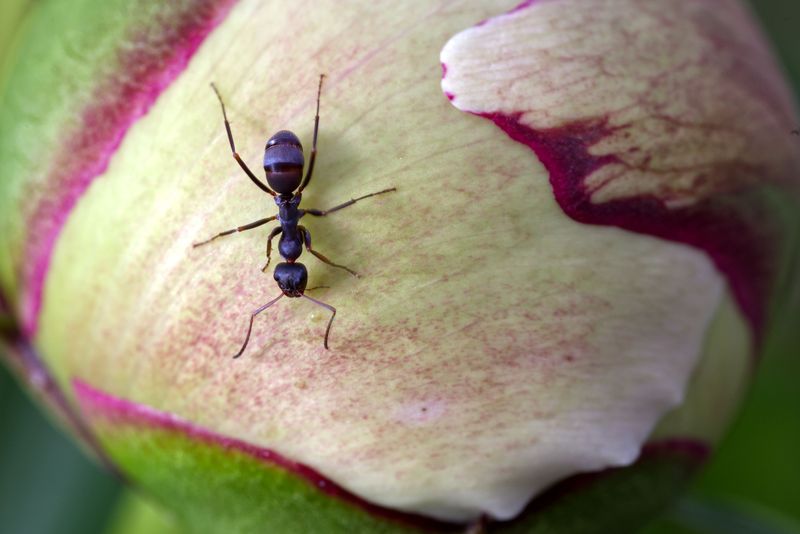
Not every relationship in nature is one-sided. The bond between ants and peonies is a genuine exchange where both sides benefit.
Ants receive a reliable food source without having to travel far. Peonies receive constant patrol from insects that actively defend their food source.
When ants detect a threat near the bud, they respond quickly. They will chase off small insects, caterpillars, and other pests that might nibble on the plant.
This protective behavior is not intentional on the ant’s part. They are simply defending their food supply, and the peony benefits as a result.
Scientists call this type of relationship mutualism. Both organisms gain something without either one being harmed in the process.
Peony plants that attract more ants tend to show fewer signs of pest damage. Gardeners who observe closely often notice this pattern season after season.
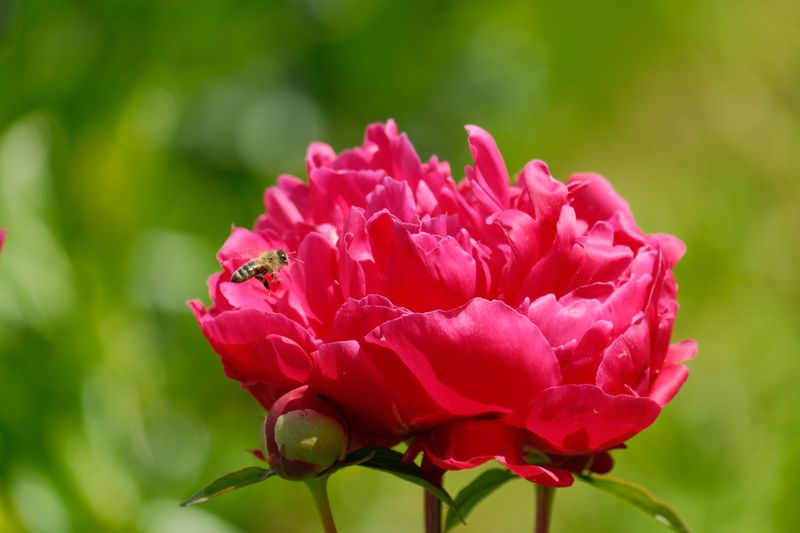
The ants do not pollinate peonies, which surprises many people. Bees and other flying insects handle that job once the flower opens fully.
Still, the ant-peony connection plays a meaningful role in plant health. Fewer pest problems during the bud stage means stronger, more vibrant blooms.
Think of ants as unpaid security guards who work for sugar. They are surprisingly effective at keeping trouble away from tender buds.
Building a garden that supports this mutual bond starts with leaving ants alone. Resist the urge to spray, and let the system work naturally.
Common Myths About Ants And Damage
Ask ten gardeners about ants on peonies, and at least seven will say the ants are causing harm. That belief is a common misconception among gardeners.
Ants do not eat peony petals.They do not bore into the stem, and there is no evidence they spread disease between peonies.
The myth likely started because ants appear right before blooms open. People assumed the bugs were responsible for any bud problems they spotted.
In reality, ants are attracted to healthy, nectar-rich buds. A bud covered in ants is usually a bud that is doing very well.
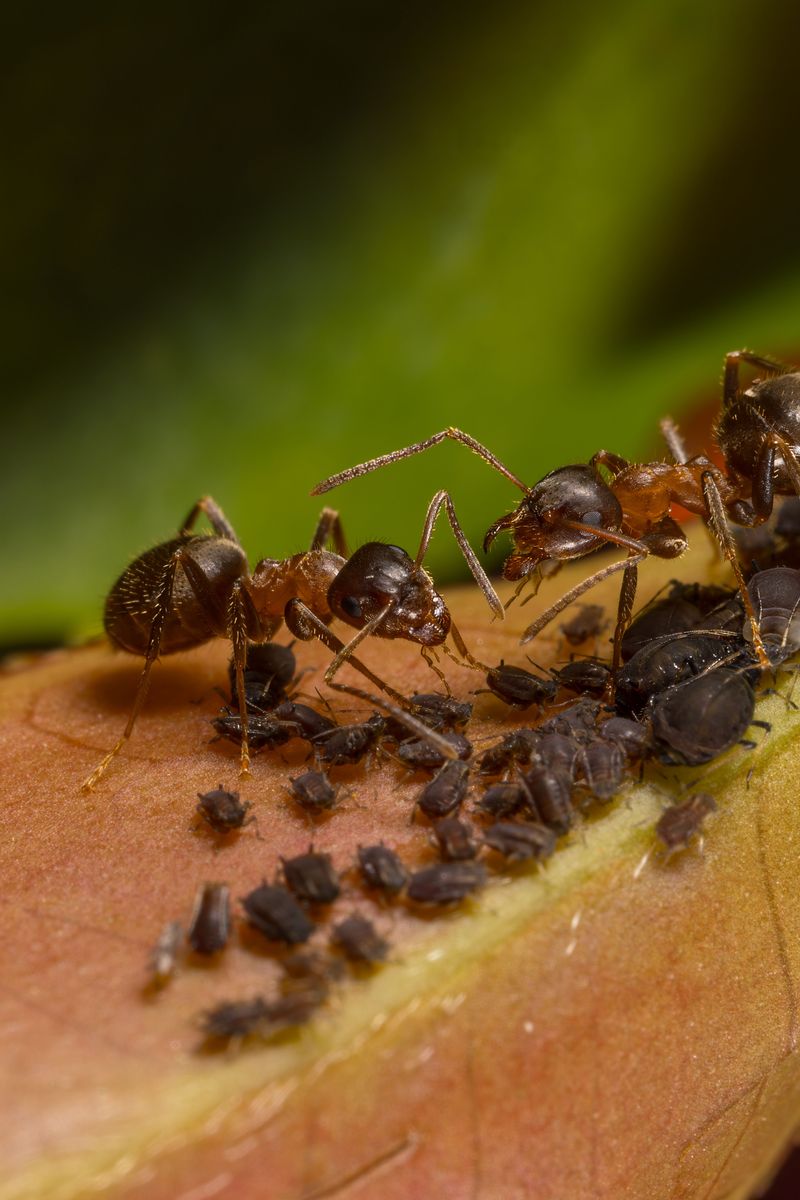
Some gardeners worry that ants bring aphids to their peonies. This concern has more truth to it, but it still rarely causes serious harm.
Aphids produce a sweet liquid called honeydew, which ants love. Occasionally, ants will protect aphid colonies to keep that honeydew supply flowing.
If you spot both ants and aphids on your peony, check the aphid population. A small number of aphids is normal and rarely a serious concern.
Ladybugs and other beneficial insects typically manage aphid numbers naturally. Your garden’s own ecosystem often handles the problem without any help from you.
Spraying pesticides to remove ants can actually backfire. You may remove the very insects that were protecting your plant from other pests.
Separating fact from fiction helps you make smarter garden decisions. The ant-peony connection is a feature of healthy plants, not a warning sign.
When Ants Signal A Different Problem
Ants on peonies are almost always harmless, but sometimes they are pointing to something worth a closer look. Knowing the difference matters.
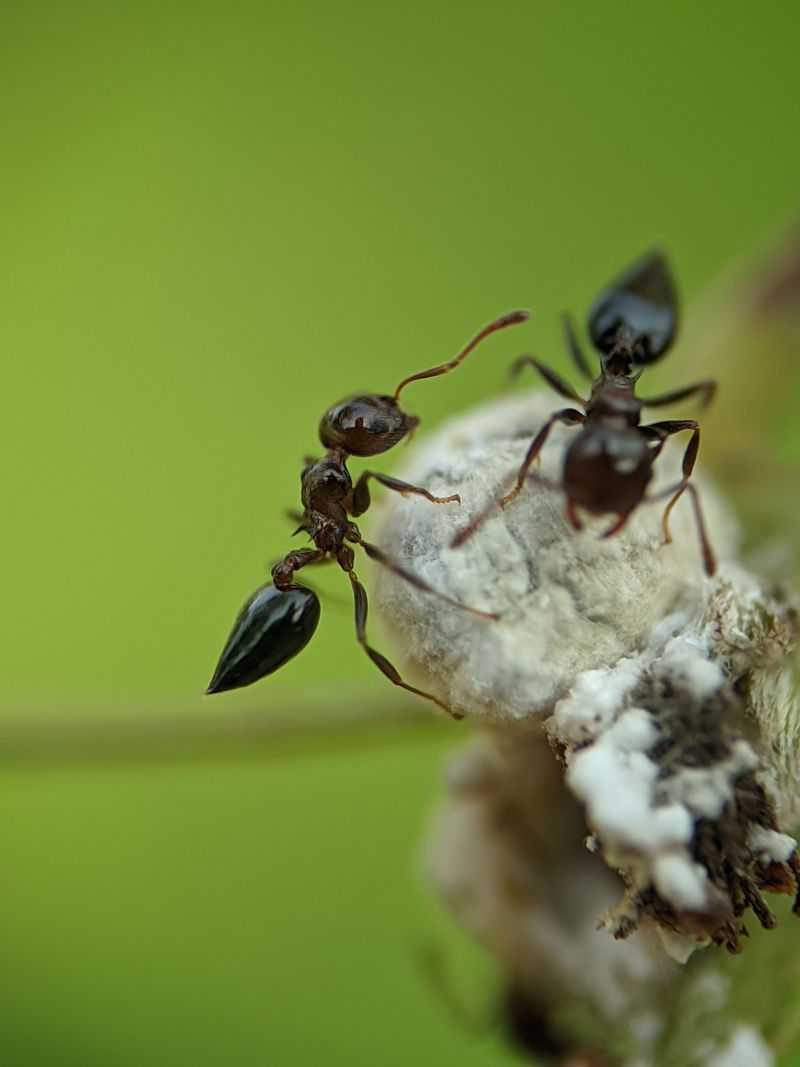
If ant numbers seem unusually high and you also notice sticky residue on leaves, check for aphids. Aphids produce honeydew, and ants will tend aphid colonies to access honeydew.
Aphid colonies on peony stems can weaken new growth. They suck plant sap, and a large infestation can slow down bud development noticeably.
Look for clusters of tiny, soft-bodied insects on stems and undersides of leaves. Green, yellow, or black aphids are the most common culprits in local gardens.
A strong spray of water from a garden hose usually dislodges aphids effectively. Repeat the treatment every two or three days until the colony shrinks.
You can also introduce beneficial insects like ladybugs to handle the problem. They are natural aphid predators and thrive in Massachusetts garden conditions.
Another signal worth watching is ant trails that lead away from the plant. Ants traveling in organized lines may be moving food back to a nearby colony.
If the colony is inside a raised bed or close to a foundation, you may want to address it. Nesting too close to plant roots can sometimes loosen soil around the base.
Most of the time, ants near peonies are doing their job. Trust the ant-peony connection unless you see clear signs of a secondary pest problem.
Enjoying Peonies Without The Fuss
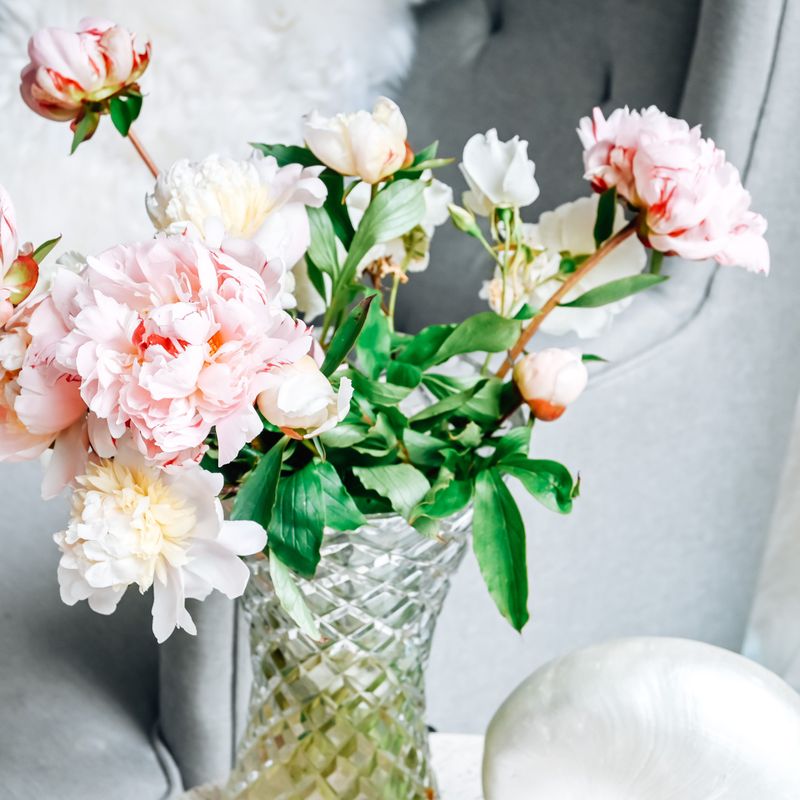
Cutting peonies for a vase indoors is a simple seasonal task. The ants that come along for the ride are easy to handle.
Shake the cut stems gently outdoors before bringing them inside. Most ants will drop off quickly, especially if you give the bloom a light tap.
You can also lay the cut stems on a clean outdoor surface for a few minutes. Ants will wander away on their own without any fuss at all.
Avoid rinsing blooms under water if you want them to last longer in a vase. Wet petals tend to bruise faster and shorten the life of the flower.
Cut peonies early in the morning when buds are still slightly closed. They will open beautifully indoors and last up to a week with fresh water.
Change the vase water every other day to keep blooms fresh and fragrant. A clean cut at the stem base also helps the flower drink more efficiently.
Leaving some peonies on the plant to bloom fully is equally rewarding. Watching the ant-peony connection play out in real time is worth observing.
Plant peonies in a sunny spot with well-drained soil for the best results. Massachusetts gardens, spanning USDA zones 5 through 7, are well suited to most peony varieties.
Enjoying these blooms is simple once you stop fighting the ants. Allowing the ants to remain typically supports healthier blooms.