Who Is Responsible When Tree Roots Crack A Neighbor’s Driveway In California?
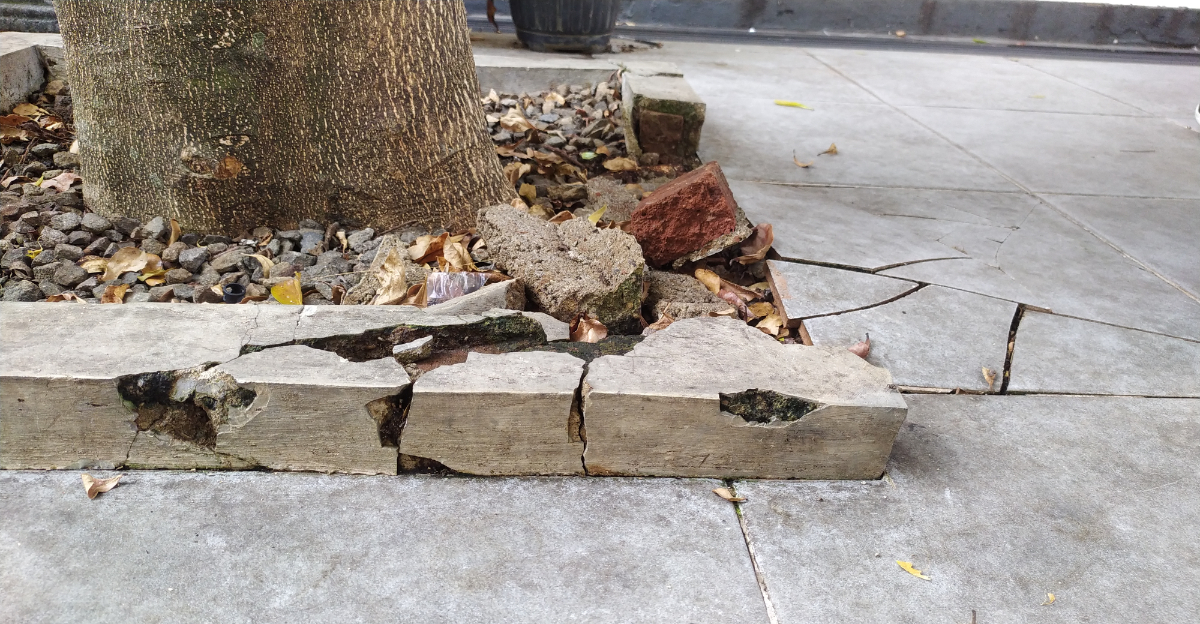
A cracked driveway is annoying enough. Add a neighbor’s tree roots into the mix, and suddenly a simple slab of concrete can turn into a surprisingly awkward California neighborhood mystery.
One homeowner sees costly damage. The other sees a perfectly healthy tree. Somewhere between the two sits the big question: who is actually responsible?
It is the kind of situation that can make even friendly neighbors start eyeing property lines a little more closely.
Tree roots do not exactly stop and ask permission before spreading underground, and driveway cracks rarely arrive with a neat explanation attached.
That leaves plenty of room for confusion, assumptions, and the occasional tense conversation over the fence. Fun times.
California property disputes can also involve details that are easy to miss at first glance, especially when trees, boundaries, damage, and maintenance all overlap.
So before anyone grabs a shovel, calls a contractor, or sends an angry text, it helps to understand how responsibility may be determined.
The answer is not always as obvious as the cracked concrete sitting right in front of you at all.
1. The Tree Owner Is Not Automatically On The Hook
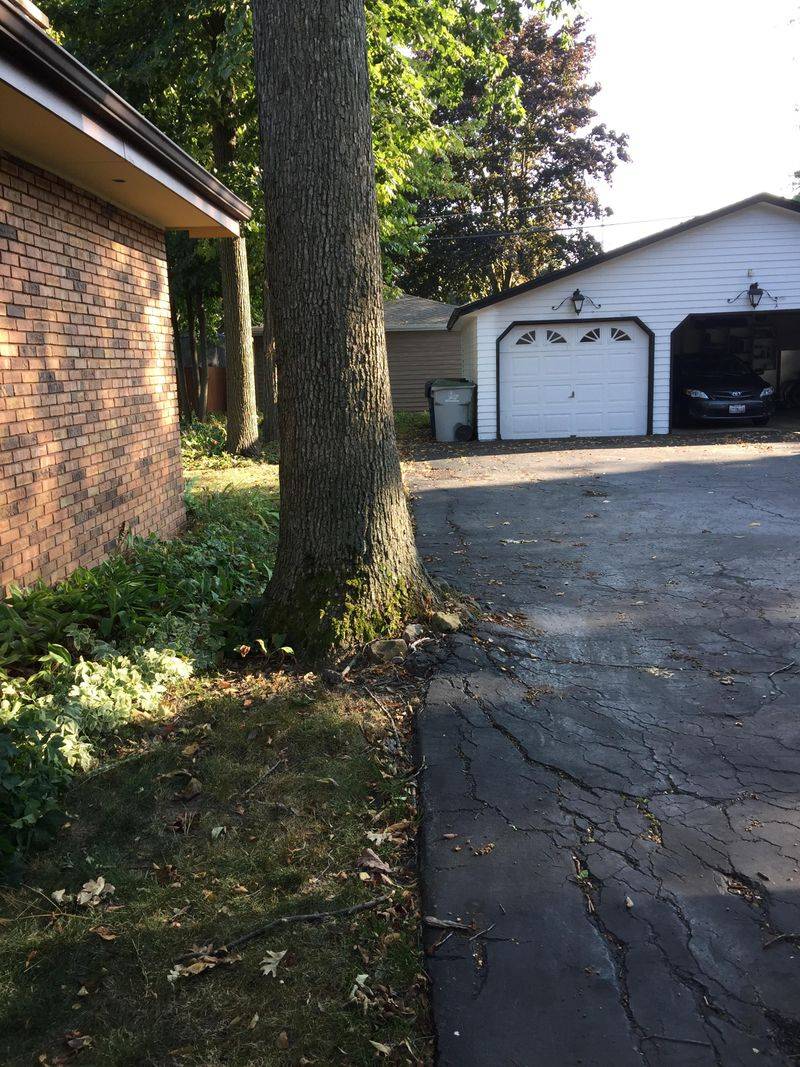
Many people assume that if your tree causes damage, you automatically owe your neighbor money. That is not always how the law works.
In most cases, tree owners are not held liable just because their tree exists near a property line.
Courts typically look at whether the tree owner was negligent. Negligence means someone failed to act with reasonable care.
Simply having a tree with large roots does not make you careless or legally responsible on its own.
California courts have followed what is called the “Hawaii Rule” in many cases. Under this standard, a landowner can be held liable if their tree causes damage and they knew, or should have known, about the risk.
Without that knowledge, liability is harder to prove.
This matters because it shifts the focus from ownership to awareness. Owning a tree is not a crime.
What counts is whether you ignored a visible problem or refused to act when someone warned you. Neighbors who want to make a claim need to show more than just a cracked driveway.
They need to connect that crack to a failure on your part. That connection is what makes or breaks a property damage case in situations like this one.
2. What The Owner Knew Can Change Everything
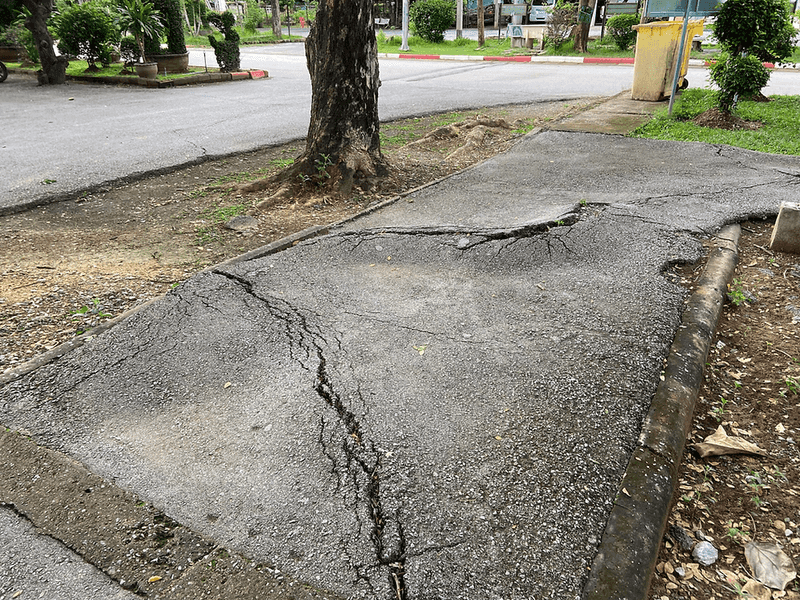
Knowledge is one of the most powerful factors in a tree root damage dispute. If a tree owner knew their roots were spreading toward a neighbor’s property and did nothing, that changes the legal picture significantly.
Say your neighbor sent you a letter two years ago saying your oak tree’s roots were lifting their driveway.
If you ignored it and the driveway cracked further, you now have a harder time saying you were not responsible. That letter becomes evidence of what you knew and when you knew it.
Courts look at this kind of information carefully. Actual knowledge means you were directly told about the problem.
Your California Garden Changes Every Week. Your Plan Should Too.
Gardening in California changes quickly throughout the season. Every Friday you’ll receive a simple weekly plan showing exactly what to plant, prune, fertilize, harvest, and protect so you never miss the right timing.
Constructive knowledge means the signs were so obvious that a reasonable person would have noticed. Either type can be used to show negligence.
This is why homeowners should take neighbor complaints seriously, even if the damage seems minor at the time. A simple conversation, a written response, or hiring an arborist to assess the tree can all show that you acted in good faith.
Ignoring the issue is the worst thing you can do. Once you are aware of a potential hazard, the law expects you to take some kind of action.
What that action looks like will depend on the situation, but doing nothing is rarely a safe choice.
3. Visible Root Damage Matters In A Dispute
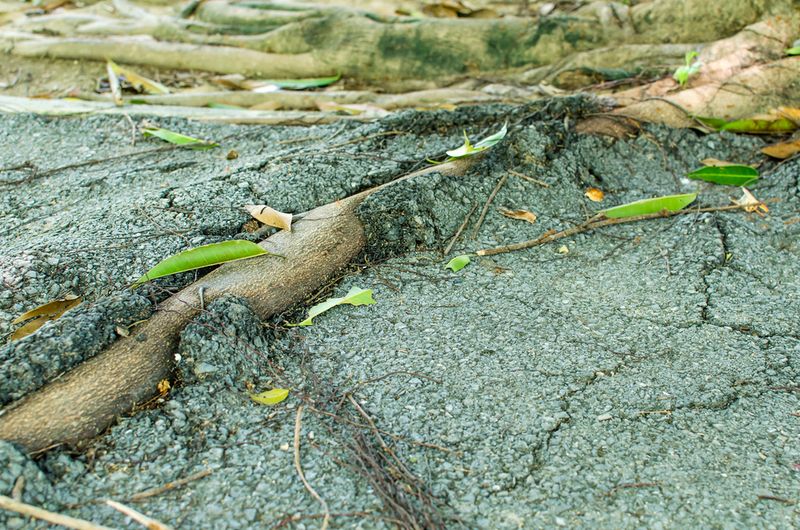
When roots are visibly pushing through the surface of a driveway, that changes things. Visible damage is much easier to document and argue in a legal dispute than damage that happened underground without any warning signs.
If the roots were already lifting sections of concrete before the driveway fully cracked, both neighbors likely had a chance to see it coming. That visibility matters.
It means the problem was not hidden or sudden. It was something both parties could observe over time.
Photos and videos taken over months or years can be powerful evidence. They show when the damage started, how fast it progressed, and whether anyone took steps to address it.
If the tree owner can clearly see roots above ground near the property line, they may have a harder time claiming they had no idea there was a problem.
For the person who owns the driveway, documenting the damage early is smart. Take dated photos, note when cracks first appeared, and keep records of any conversations with your neighbor about it.
This kind of paper trail can be very useful if the dispute ends up in small claims court or involves an insurance company. Visible damage is not just about what you can see.
It is about what you can prove, and solid documentation makes a real difference.
4. A Cracked Driveway Can Become A Property Damage Claim
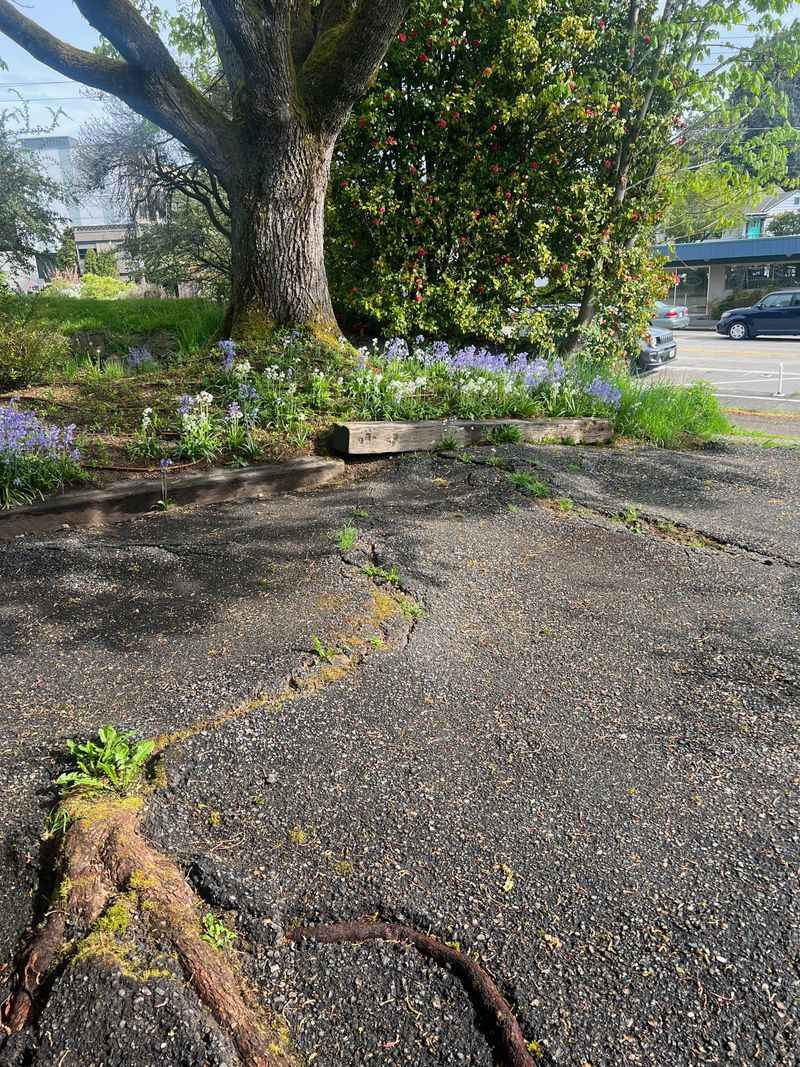
A cracked driveway caused by tree roots is not just an eyesore. It can become a formal property damage claim, and those claims can get expensive fast.
Driveway repairs often cost between $1,000 and $5,000 or more, depending on the extent of the damage.
If you believe your neighbor’s tree caused the damage, you have a few options. You can talk to your neighbor directly and ask them to cover the repair costs.
You can file a claim with your homeowner’s insurance. Or you can take the matter to small claims court if the amount falls within the limit, which in California is currently $12,500 for individuals.
Before filing any claim, gather your evidence. Get repair estimates from at least two licensed contractors.
Document the crack patterns and take photos showing where the roots are in relation to the driveway. If possible, get an arborist to confirm that the tree roots are the likely cause of the damage.
Insurance companies will investigate the claim before paying out. They will want to know when the damage started, what caused it, and whether you waited too long to report it.
Acting quickly and keeping good records gives your claim a stronger foundation. A property damage claim can succeed, but only when it is backed by solid evidence and filed through the right channels in a timely way.
5. Your Neighbor May Still Have A Duty To Limit The Damage
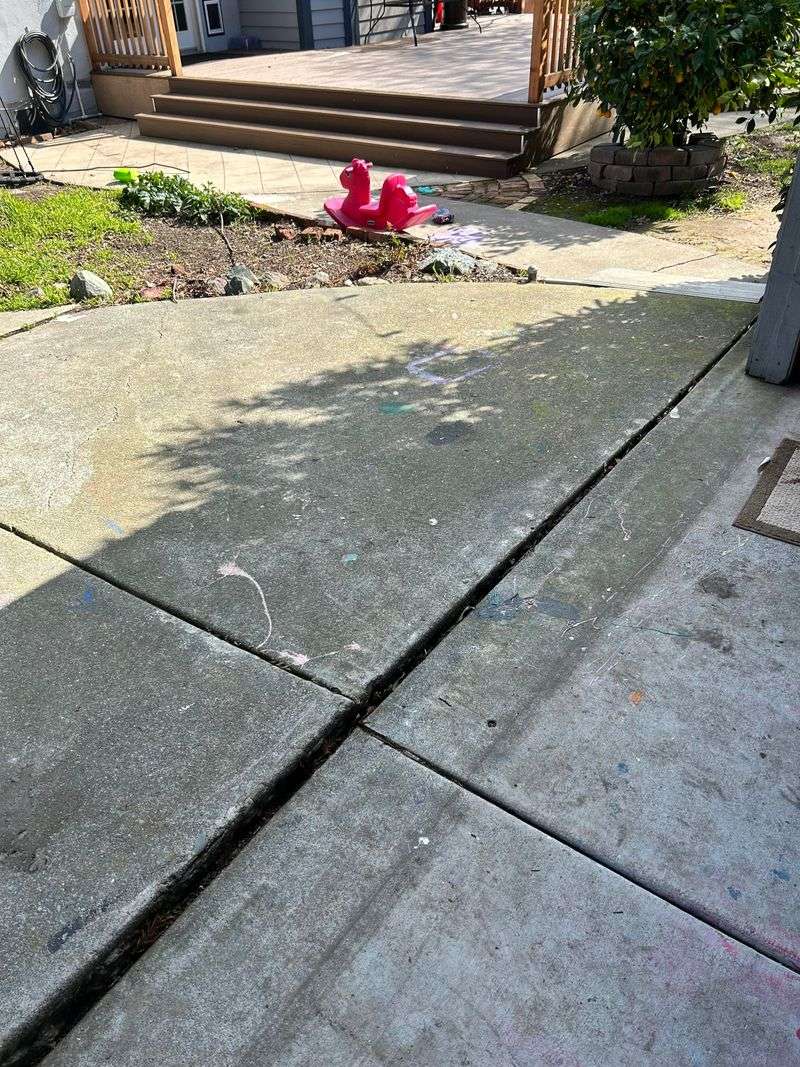
Even if your neighbor’s tree caused the crack, you may still have a responsibility to act.
Property owners generally have a duty to mitigate, which means they should take reasonable steps to prevent the damage from getting worse once they are aware of it.
Letting a cracked driveway go unrepaired for years while continuing to drive heavy vehicles over it could actually work against your claim.
Courts may reduce the amount you can recover if they decide you made the damage worse by not addressing it sooner.
Mitigation does not mean you have to pay for everything out of pocket. It means you should not ignore the problem once it becomes visible.
Getting a repair estimate, contacting your neighbor, and reaching out to your insurance company are all reasonable steps that show you acted responsibly.
On the flip side, your neighbor who owns the tree also has a duty to limit future damage. Once they know the roots are causing problems, they should consider options like root barriers, root pruning, or in some cases, tree removal.
Doing nothing after being notified is a form of negligence. Both neighbors share some responsibility in these situations.
The person who handles things calmly, documents everything, and acts in good faith usually ends up in a much better position when the dispute is finally resolved.
6. Cutting Roots Yourself Can Create A Bigger Problem
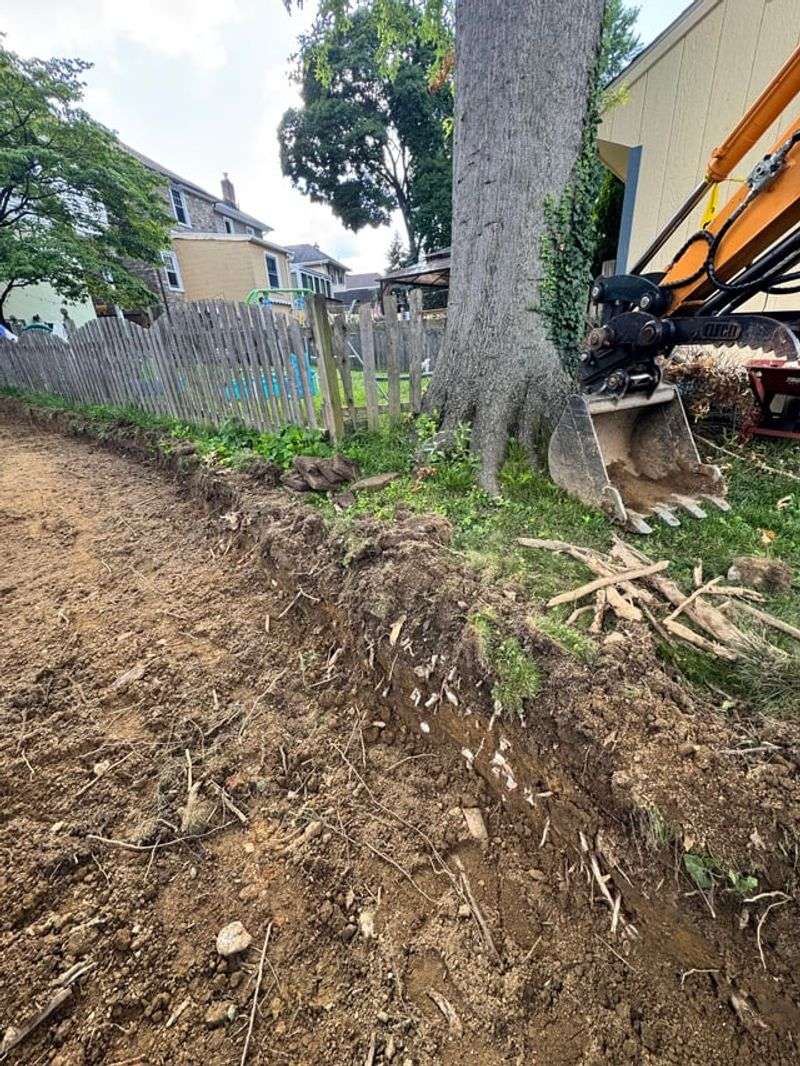
When tree roots start damaging your driveway, the temptation to grab a shovel and start cutting can be strong.
However, cutting your neighbor’s tree roots without permission can actually make things worse, legally and physically.
From a legal standpoint, cutting roots that belong to a neighbor’s tree without their consent could expose you to a counter-claim. If the tree becomes unstable or falls after you cut its roots, you could be held responsible for the resulting damage.
That is a serious risk that many people do not think about before they start digging.
From a tree health standpoint, cutting major roots can weaken the tree’s structure. A tree that loses too many anchor roots may become a falling hazard.
If it falls on a car, a fence, or a structure, the liability gets complicated very quickly.
The better approach is to talk to your neighbor first. Ask them to have an arborist assess the tree and the roots.
Suggest root pruning done by a professional, which is far less damaging than random cutting. A certified arborist knows which roots can be safely removed and how to do it without harming the tree.
If your neighbor refuses to cooperate, document everything and consider mediation or small claims court. Taking matters into your own hands with a saw is rarely the right first move in a root dispute.
7. An Arborist Report Can Help Show What Caused The Cracks
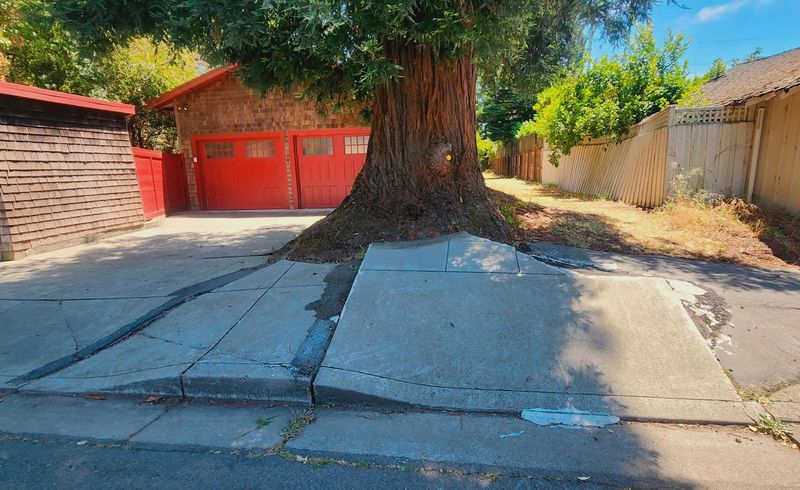
One of the most useful tools in a tree root damage dispute is a professional arborist report. A certified arborist can examine the tree, the roots, and the damaged driveway and give an expert opinion on what caused the cracking.
This kind of report carries real weight. Insurance companies take it seriously.
Judges in small claims court take it seriously. And it can help both neighbors understand the situation better without turning everything into a heated argument.
An expert opinion removes some of the emotion from the dispute.
A good arborist report will identify the tree species, estimate the age and root spread of the tree, and explain how tree roots typically behave in that soil type.
It will also note whether the root system is consistent with the crack patterns observed in the driveway.
This is the kind of specific, technical information that makes a claim credible.
Hiring an arborist does cost money, typically between $200 and $600 for a written report. However, that cost is often worth it when thousands of dollars in driveway repairs are on the line.
Some arborists will also testify in court if needed. Whether you are the tree owner trying to defend yourself or the driveway owner trying to prove your case, an arborist report gives you something solid to stand on.
It turns a neighbor dispute into a fact-based conversation backed by real expertise.