What Really Causes Sooty Mold On North Carolina Crape Myrtles
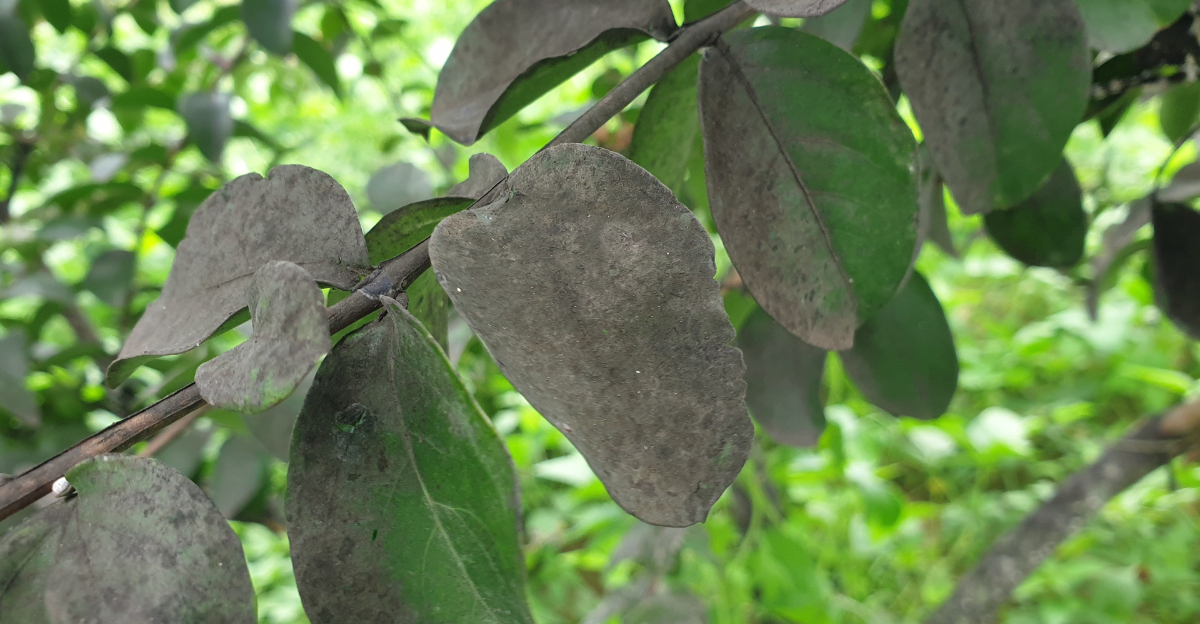
That black, dusty coating creeping across crape myrtle leaves and branches catches nearly every North Carolina gardener off guard at some point. It looks alarming, almost like the tree itself is sick or wilting from something serious.
Many assume it’s a fungal infection attacking the tree directly, something that needs immediate treatment before it spreads further. But the real story behind sooty mold involves a chain of events most gardeners never expect.
There’s an entirely different culprit at work here, one that has little to do with the tree’s health in the way you might think. Understanding what’s actually happening changes how you should respond to this common late summer sight.
Treating the visible mold alone often does nothing at all to solve the underlying issue. Once you know the real cause, that black coating on your crape myrtle starts to make a lot more sense.
1. The Black Stuff Is Sooty Mold
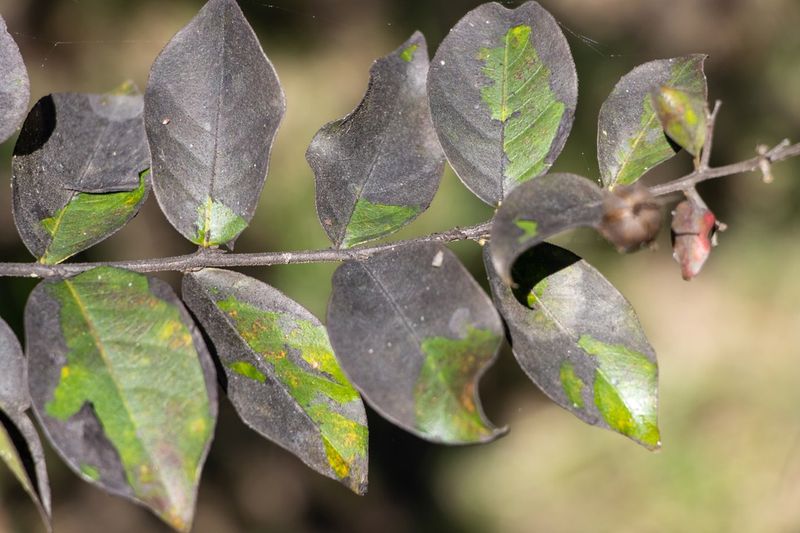
That dark coating you see is a fungus called sooty mold, and it behaves differently than most plant problems. Instead of attacking the tree from the inside, it simply grows on top of the leaves, twigs, and bark.
Think of it like soot from a chimney settling on a surface. The mold does not push roots into the leaf or steal nutrients directly.
It only clings to the outside, forming that gray-black film you can sometimes wipe away with your finger.
Because it lives on the surface, sooty mold is really a symptom, not the true cause of trouble. Something else is happening on your crape myrtle that gives the mold a place to settle and spread.
Many folks panic when they spot it, thinking their tree has a serious sickness. In reality, the plant is usually still healthy underneath, and the leaves keep working once the coating is cleaned off.
You can test this yourself by gently rubbing a leaf. If the black smudges onto your fingers and the leaf looks green beneath, you are dealing with sooty mold.
Understanding this one fact changes how you handle the problem. Rather than reaching for a fungicide right away, you will want to look for the hidden reason the mold appeared in the first place.
The following clues will help you track down exactly what fed that black film and how to stop it from coming back season after season.
2. Honeydew Feeds The Mold
Here is the secret ingredient behind almost every case of sooty mold: a sugary liquid called honeydew. It sounds sweet and harmless, but it is actually the reason your tree turns black.
Honeydew comes from tiny insects that feed on the sap inside crape myrtle leaves and branches. As they drink, they take in more sugar than they need, so they release the extra as a sticky, shiny substance.
That sugary film coats the leaves below, and mold spores floating in the air love it. They land on the honeydew, find plenty of food, and start growing into the dark coating you notice.
Your North Carolina Garden Changes Every Week. Your Plan Should Too.
Gardening in North Carolina changes quickly throughout the season. Every Friday you’ll receive a simple weekly plan showing exactly what to plant, prune, fertilize, harvest, and protect so you never miss the right timing.
Without honeydew, sooty mold has nothing to feed on. So every time you see the black stuff, you can be pretty sure sap-feeding bugs are living somewhere above it.
This connection explains why the mold often appears in patches or streaks. The honeydew drips down from insects higher up, landing on leaves and even on cars, patios, or sidewalks beneath the tree.
You might notice ants marching along the branches too. Ants adore honeydew and will actually protect the insects that make it, which keeps the whole cycle going strong.
Spotting the sticky shine is your first big clue. Once you know honeydew is the fuel, your job becomes finding and stopping the little bugs producing it.
Handle the insects, and the mold loses its food supply and slowly fades away on its own over time.
3. Check For Crape Myrtle Aphids
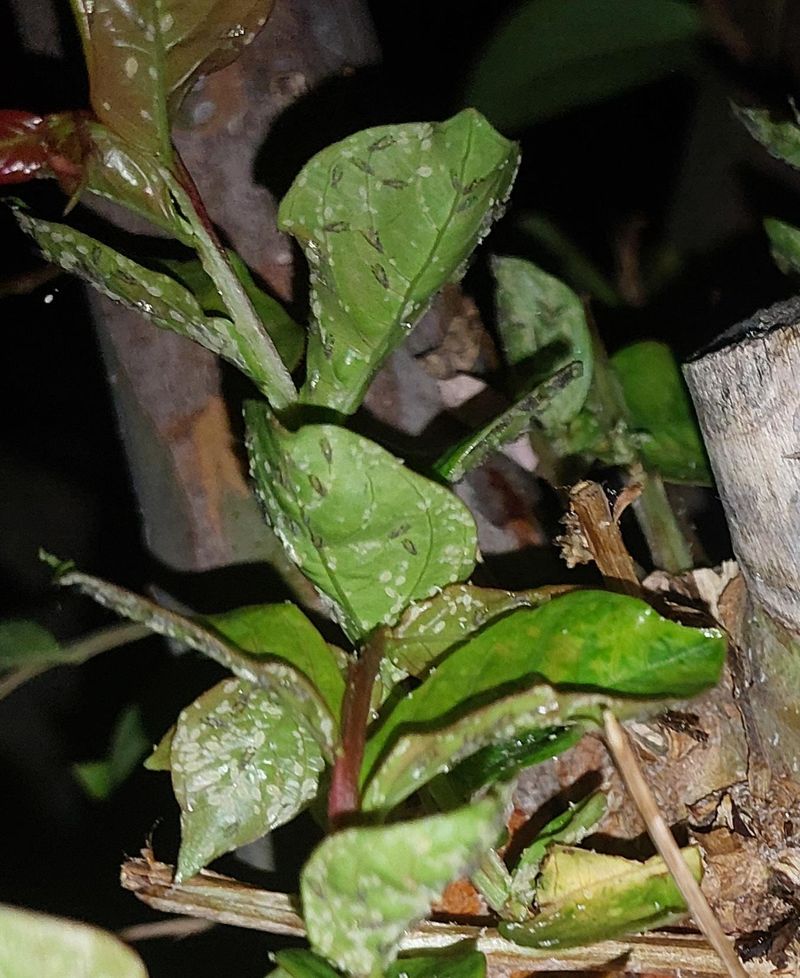
Turn a crape myrtle leaf over and you might find the culprits hiding in plain sight. Crape myrtle aphids are tiny, pale yellow-green insects that gather on the undersides of leaves, safe from view.
These little bugs pierce the leaf with needle-like mouths and sip the sugary sap flowing inside. Because they feed in large groups, they can quickly produce huge amounts of that sticky honeydew we talked about.
Aphids multiply fast during warm North Carolina summers. A few can turn into hundreds within days, so a small problem can become a black, gooey mess before you know it.
You will usually find them from late spring through summer, clustered near new growth where the sap is richest. Their feeding rarely harms a mature tree much, but the honeydew they leave behind causes all that sooty mold trouble.
Checking for aphids is easy and worth doing often. Flip a few leaves and look for the tiny insects, along with the shiny coating and any ants patrolling nearby.
A strong spray of water from the hose can knock many aphids off the leaves. For bigger outbreaks, insecticidal soap works well and stays gentle on the tree itself. Catching aphids early makes a huge difference.
The sooner you reduce their numbers, the less honeydew drips onto the leaves below, which means far less sooty mold clouding up your beautiful blooms and slowing down your tree’s summer show of color.
4. Look For White Bark Scale
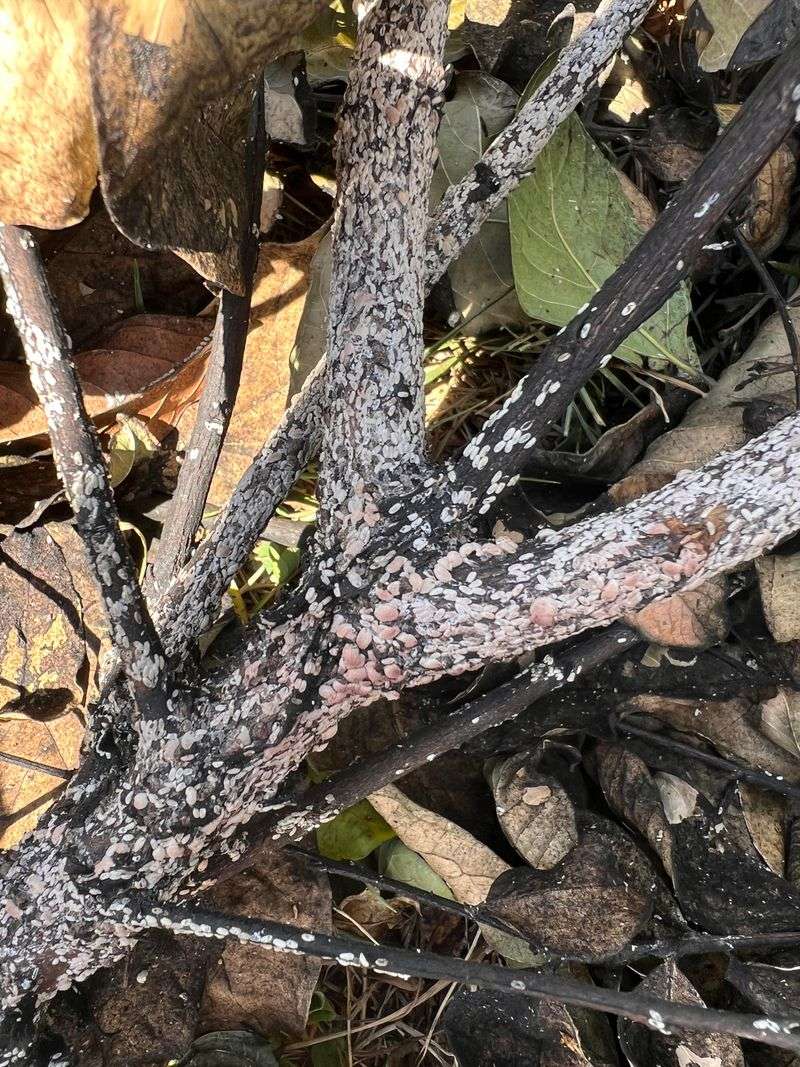
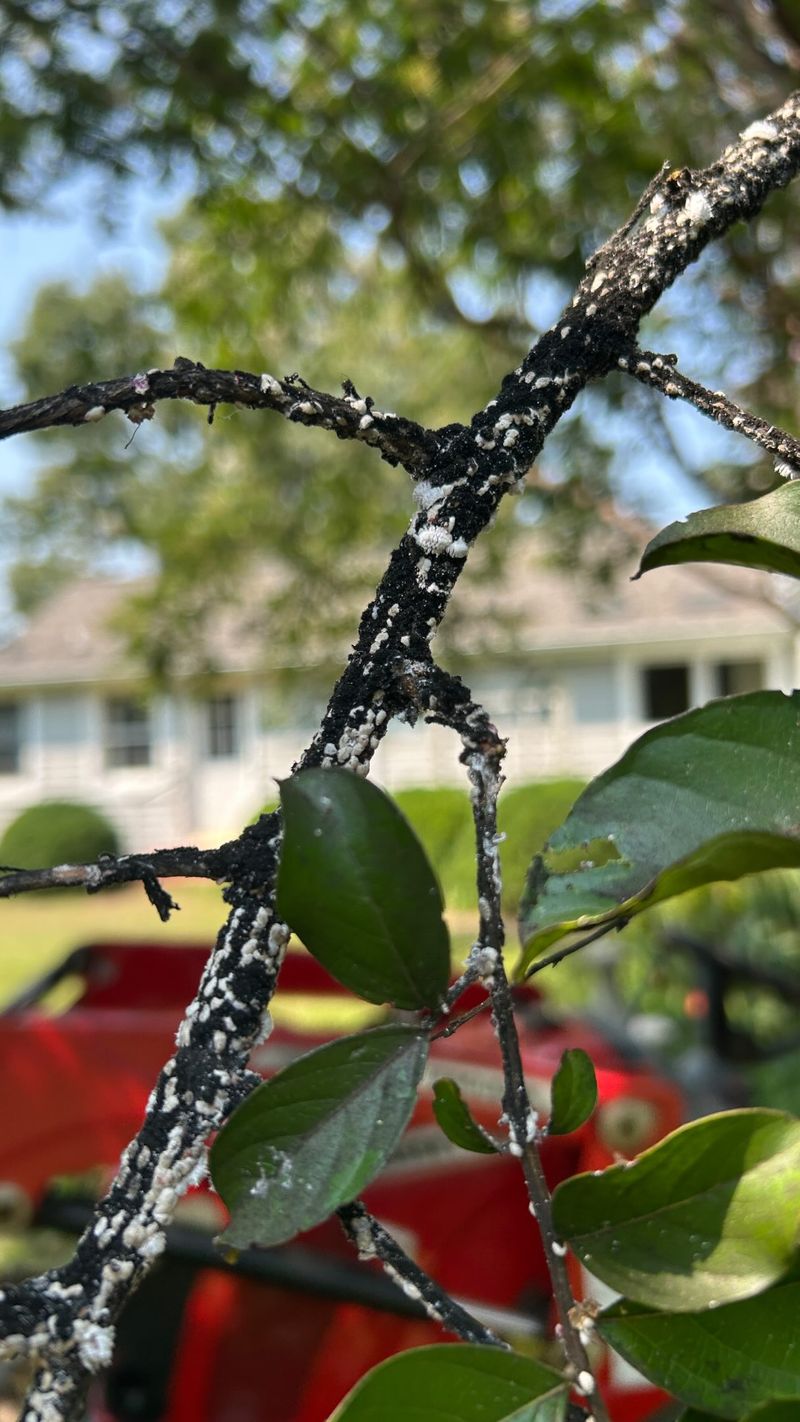
Sometimes the trouble is not on the leaves at all but stuck to the bark. Crape myrtle bark scale shows up as white or grayish waxy bumps clinging to trunks, branches, and twigs.
These crusty spots may look like a bit of paint or mildew, but they are actually insects covered in a protective waxy shell. When you press one, it often oozes a pinkish liquid underneath.
Bark scale feeds on sap just like aphids do, and it produces plenty of honeydew as well. That is why trees with heavy scale often end up almost completely coated in black sooty mold.
This pest has spread across much of the southeastern United States, including North Carolina, over the past several years. It tends to gather in branch crotches, around pruning wounds, and along older bark.
Because the scale hides under wax, it can be tricky to control with a quick spray. The waxy coating shields the insects, so simple treatments often bounce right off.
Washing the trunk with a soft brush and soapy water can remove some scale and the mold at the same time. For stubborn cases, systemic treatments applied to the soil help the tree fight back from within.
Keep an eye on the bark during winter when leaves are gone and the white spots stand out clearly. Spotting scale early gives you a real head start on stopping both the insects and the sooty mold they invite onto your tree.
5. Sticky Leaves Are An Early Clue
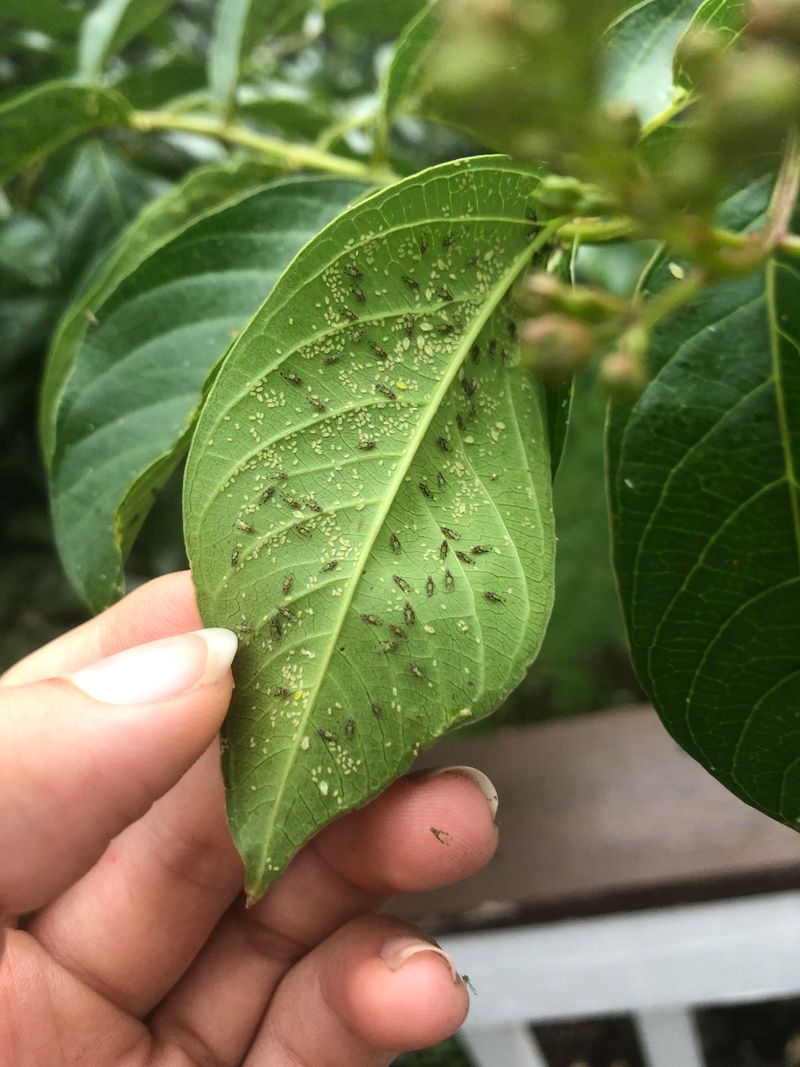
Long before the black film shows up, your tree often gives you a quiet warning. The leaves start feeling sticky and looking unusually shiny, almost like they were sprayed with syrup.
That glossy coating is fresh honeydew, and it means sap-feeding insects have moved in and started feeding. Catching this stage is a real gift because it lets you act before the mold takes hold.
Run your hand lightly across a few leaves. If your fingers come away tacky, or if the surface glistens more than usual, you have found an early sign of trouble.
You might also notice sticky spots on things sitting under the tree. Patio furniture, car hoods, decks, and walkways can all get that same clear, gummy film dripping down from above.
Ants are another early giveaway. When you see them climbing up and down the trunk in busy lines, they are usually harvesting the honeydew, which points straight to hidden insects.
Acting during this shiny stage is much easier than scrubbing off heavy mold later. A quick blast of water or a soap spray can reduce the insects while their numbers are still small.
Paying attention to these subtle clues saves you a lot of work down the road. The stickiness is basically your tree waving a little flag, letting you know something needs attention before those leaves turn that unmistakable shade of sooty black.
6. Heavy Mold Can Block Sunlight
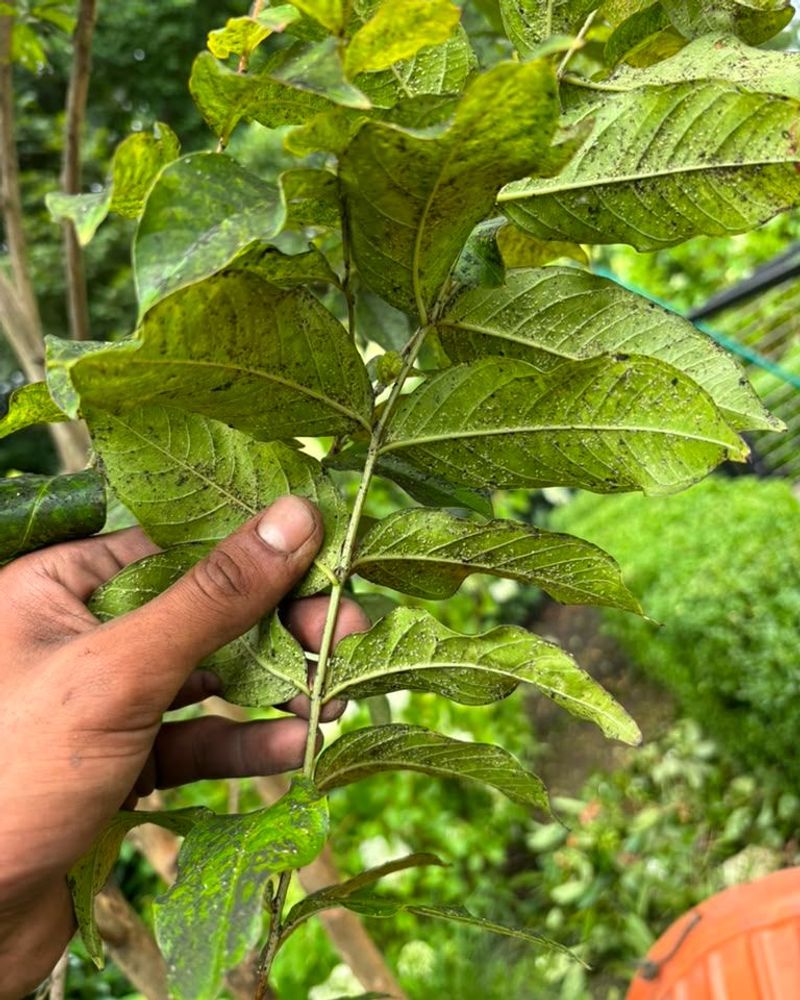
A thin dusting of sooty mold is mostly a looks problem, but a thick layer becomes something more serious. When the coating grows heavy, it starts acting like a dark curtain over the leaves.
Leaves need sunlight to make food through a process called photosynthesis. If a black blanket covers the surface, less light reaches the green parts, and the leaf cannot work as well as it should.
Over time, a heavily coated tree may grow more slowly and produce fewer flowers. The blooms that give crape myrtles their fame can look dull and sparse when mold blocks the energy the plant needs.
You may also notice leaves turning yellow early or dropping sooner in the season. These are signs the tree is struggling under the shade of its own sooty coating.
The severity really depends on how many insects are feeding above. A light aphid visit causes little harm, but a huge scale outbreak can leave nearly every leaf smothered.
Gently cleaning the leaves helps light reach them again. A spray of water mixed with mild soap loosens the film, and rain often rinses away the rest once the insects are gone.
Keeping infestations small is the smartest move. As long as you control the bugs before mold piles up thick, your crape myrtle stays strong, keeps its leaves green, and rewards you with the bright, full blooms you planted it for.
7. Treat The Insect Not Just The Mold
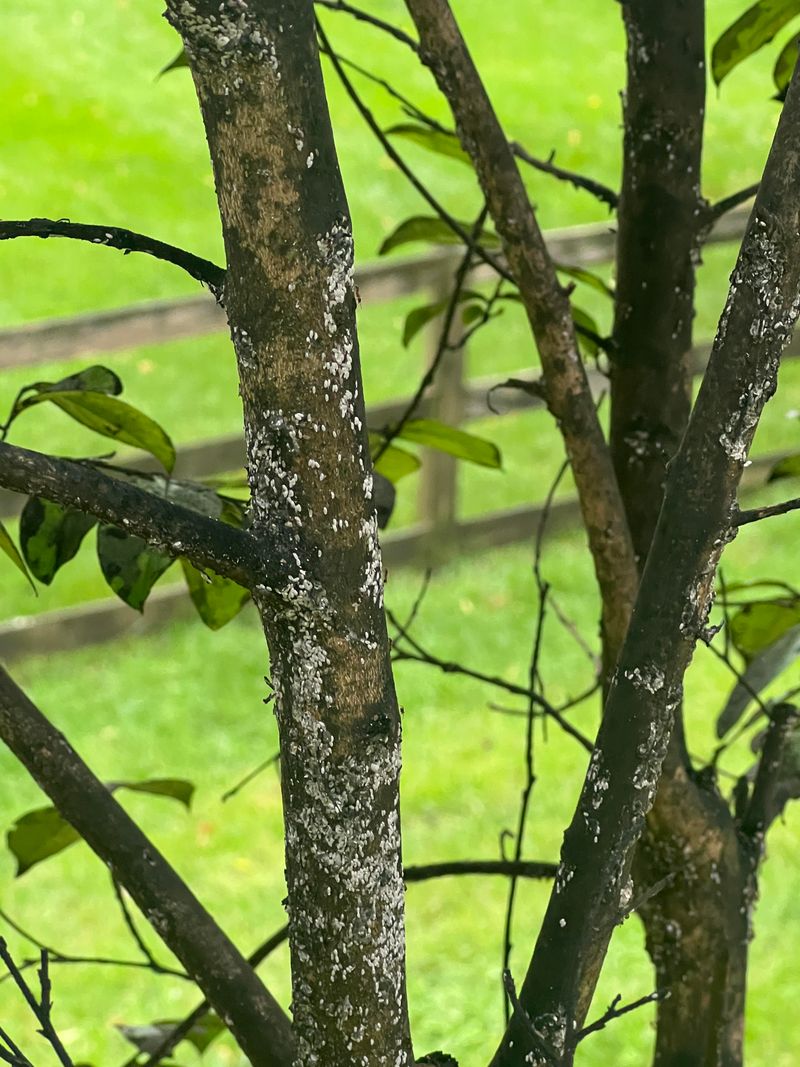
It is tempting to grab a hose and wash the black film away, feeling like the problem is solved. Sadly, that quick fix does not last if the real cause is still hanging around.
Washing removes the mold for now, but the aphids or scale up in the branches keep making honeydew. Within days or weeks, fresh sticky drops fall and the sooty coating returns.
The lasting answer is to go after the insects producing that honeydew. Once they are gone, the mold loses its food source and gradually fades on its own, even without scrubbing.
For aphids, a firm spray of water or insecticidal soap often does the trick. Repeat it every few days until you no longer see the tiny bugs gathering under the leaves.
Bark scale usually needs a stronger approach because of its waxy shield. Many North Carolina gardeners use a systemic soil treatment that the roots pull up into the tree, reaching the hidden insects.
Timing matters too. Treating in spring or early summer, when pests are active but still few in number, gives you far better results than waiting until the mold is everywhere.
Think of the mold as smoke and the insects as the fire. Putting out the smoke alone accomplishes little, but handle the fire and the smoke clears for good. Focus your effort on the bugs, and your crape myrtle finally gets a real, lasting cleanup.
8. Protect The Helpful Insects
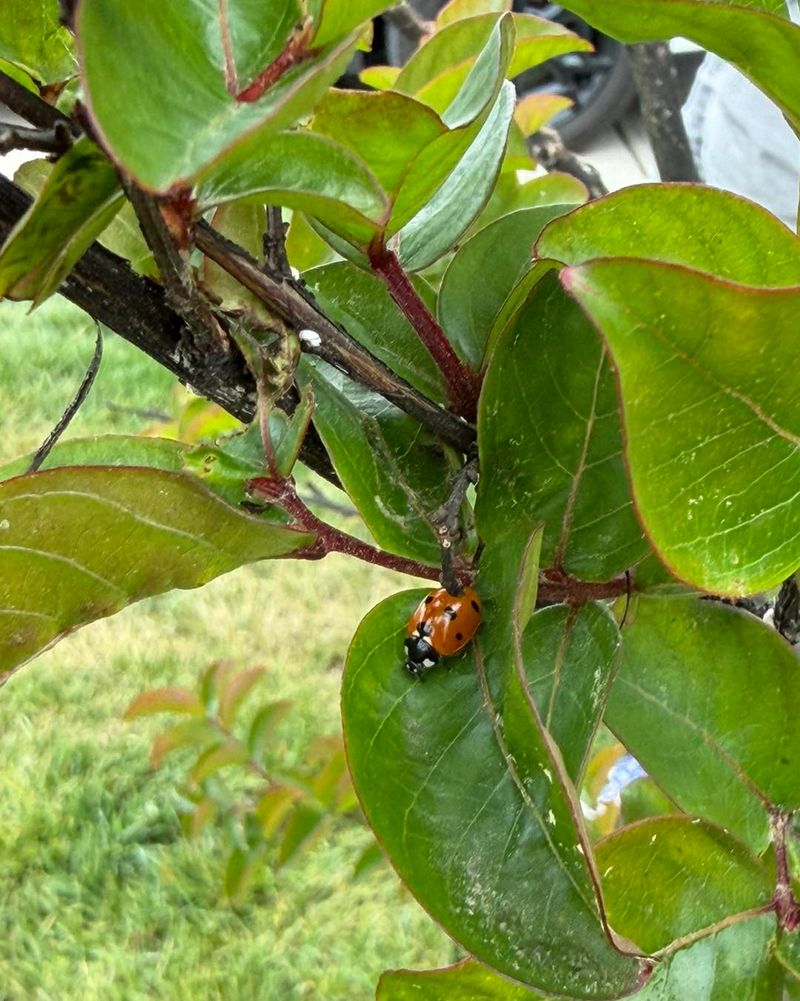
Not every bug on your crape myrtle is an enemy, and some are actually working hard on your side. Lady beetles and lacewings are natural helpers that feast on aphids and scale for you.
A single ladybug can eat dozens of aphids in a day, and their hungry larvae munch even more. Lacewing young, sometimes called aphid lions, are just as eager to clean up pest populations.
This is why identifying the pest first matters so much before you reach for any spray. Broad chemical treatments can harm these good bugs right along with the harmful ones you are targeting.
When you wipe out the helpers, aphids often bounce back even stronger with nothing left to keep them in check. That can leave you stuck in a frustrating loop of spraying and re-spraying.
Choosing gentle methods protects your garden allies. A plain water spray, careful hand removal, or well-timed soap application lets beneficial insects keep doing their free pest control.
You can invite more helpers by planting flowers they love, like dill, yarrow, and small daisies nearby. These blooms give lady beetles and lacewings nectar and encourage them to stick around. Working with nature instead of against it makes the whole job easier.
When you learn which insects to welcome and which to manage, your crape myrtle stays healthier, the sooty mold stays away, and your garden becomes a balanced, lively place buzzing with the right kind of visitors.