More Bats Over Your North Carolina Yard Means Fewer Mosquitoes At Dusk, And Here’s How To Draw Them In
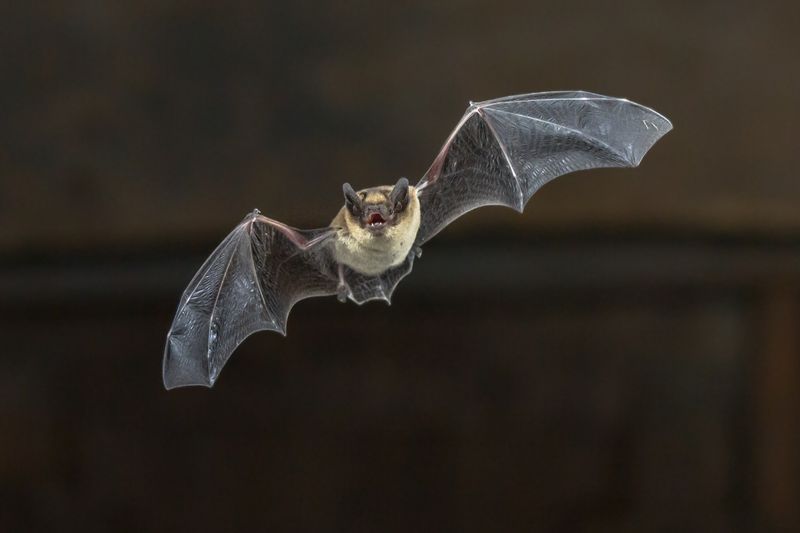
You drag your patio chair into the shade at dusk, sweet tea in hand, and within minutes the mosquitoes find you. It is a familiar story across North Carolina, from the muggy Piedmont to the breezy coast, and plenty of neighbors have heard that a bat house will fix it. The truth is more interesting than that, and honestly more useful. Bats are remarkable animals worth supporting in your yard, and pairing a well-built bat house with a few smart habits can make a real difference, just not always in the way the headlines promise.
Reframe the Bat-House Promise
Hang a bat house and watch the mosquitoes disappear. That is a satisfying idea, and it is the kind of promise that sells a lot of cedar boxes at the hardware store. But NC State Extension guidance on mosquitoes is clear: bats eat mosquitoes along with many other insects, and their activity is unlikely to produce a noticeable reduction in mosquito populations around an individual property. Occupancy itself is not guaranteed, and even a house full of bats does not translate into fewer bites on your porch.
That is not a reason to skip the project. North Carolina has 17 bat species, and all of them are insect-eating animals that need places to roost, especially where old trees and natural cavities have become scarce. Bat Conservation International describes bat houses as a genuine conservation tool in areas where roost sites are limited, not as a mosquito-control device. Installing one well is a real contribution to local bat habitat, and that matters.
What this article can honestly promise is this: you can improve conditions that give bats a reason to use your yard, and you can pair that habitat work with dependable, practical steps that actually do reduce mosquito bites.
NC State’s bat resource treats the two goals as separate but compatible layers. Think of the bat house as the conservation project and the standing-water management as the mosquito plan. Both are worth doing, and together they make your yard a better place for people and wildlife alike.Understand What North Carolina Bats Hunt
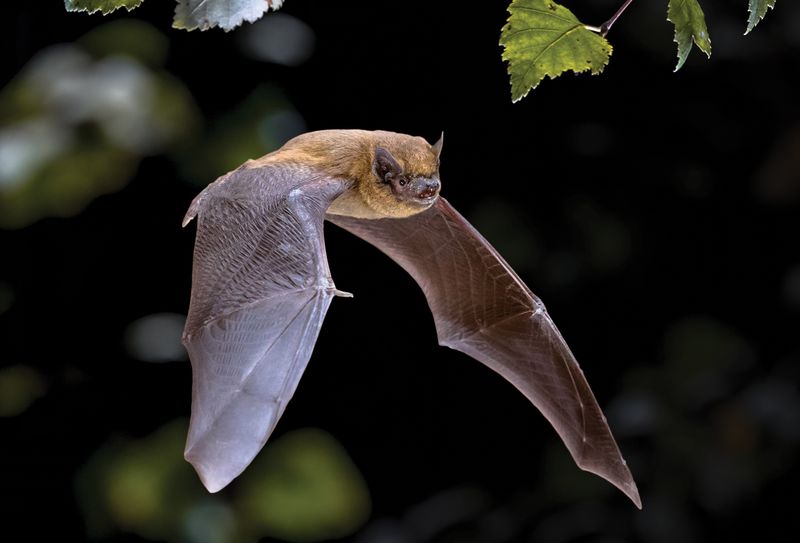
All 17 bat species found in North Carolina are insectivores, meaning insects are their entire diet. NC State’s bat guide lists their prey as moths, beetles, flies, midges, lacewings, cockroaches, and mosquitoes, roughly in that order of abundance in a typical foraging night. Mosquitoes show up on the menu, but they are one item among many, not the main course.
Here is where it gets tricky. A bat consuming insects over your yard does not mean those insects were living in your yard or that your mosquito population drops as a result. Peer-reviewed dietary research on bats confirms that while mosquitoes appear in bat gut samples and fecal analysis, bats are generalist predators that eat whatever flying insects are most available. On a night when moths are thick, a bat may eat almost no mosquitoes at all.
Timing adds another layer to consider. NC State entomologists note that the Asian tiger mosquito, one of the most common and aggressive biters across the Piedmont and Coastal Plain, is primarily active during the day, not at dusk. Bats hunt at dusk and through the night, so they are largely out of phase with the species most likely to ruin your afternoon cookout. CDC guidance on arthropod-borne risks confirms that different mosquito species have different peak biting windows.
Your North Carolina Garden Changes Every Week. Your Plan Should Too.
Gardening in North Carolina changes quickly throughout the season. Every Friday you’ll receive a simple weekly plan showing exactly what to plant, prune, fertilize, harvest, and protect so you never miss the right timing.
Bats genuinely help the broader insect ecosystem, and that is reason enough to support them, just not with the expectation of a mosquito-free porch at sunset.
Build a House That Handles North Carolina Heat
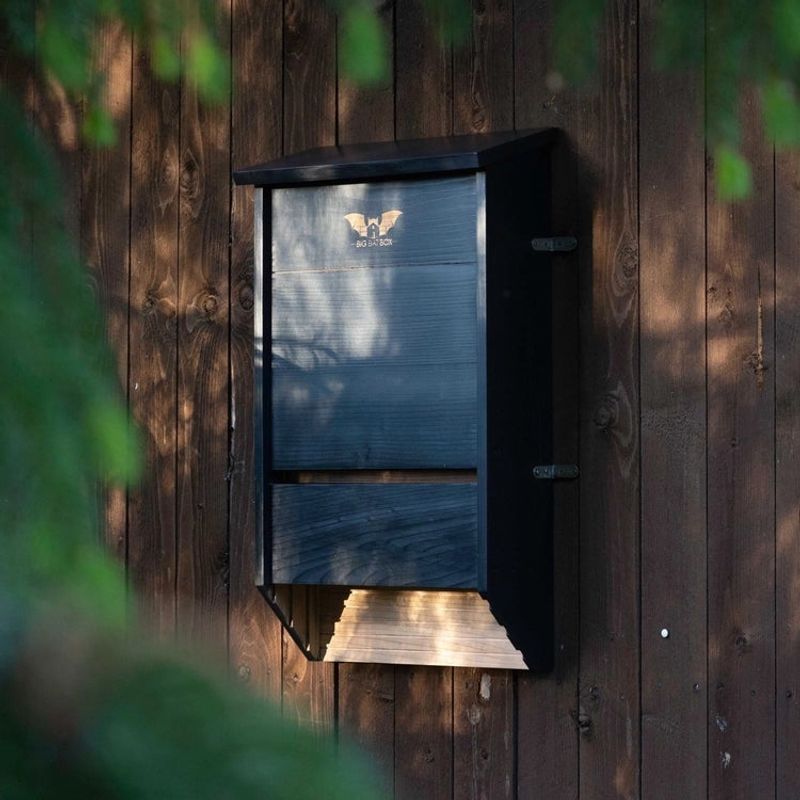
A bat house that cooks its occupants in July is not a bat house, it is a box. Summer temperatures across North Carolina regularly push into the upper 90s, and a poorly designed house can become lethally hot inside, especially in the Piedmont and Coastal Plain where afternoon sun is relentless. Getting the construction details right is the first real job.
Start with the interior. Bat Conservation International’s bat house guidelines specify rough, untreated wood on all interior surfaces so bats can grip the walls without slipping. Roosting gaps should be no wider than 1 inch, giving bats the snug fit they prefer for thermoregulation and security. Larger, taller, multi-chamber designs are the current recommendation because they create a range of temperature zones inside a single structure, letting bats shift between warmer and cooler chambers as conditions change through the day.
Exterior color is a judgment call, not a universal rule. Painting every house black made sense in cooler climates, but in hotter parts of North Carolina that same dark paint can push interior temperatures past safe limits. BCI’s broader bat house resource recommends matching exterior color to the local microclimate, using lighter shades where afternoon heat is intense, adding ventilation slots, or positioning a shade structure to cut the worst of the heat. East-facing placement can help by catching morning warmth while avoiding the harsh western afternoon sun.
Bats must find and choose the house on their own, so skip the guano, scent attractants, recordings, and any other lures. Those do not work, and handling bats to place them in a box creates unnecessary risk for both you and the animal.
Place the House Along a Safe Flight Route
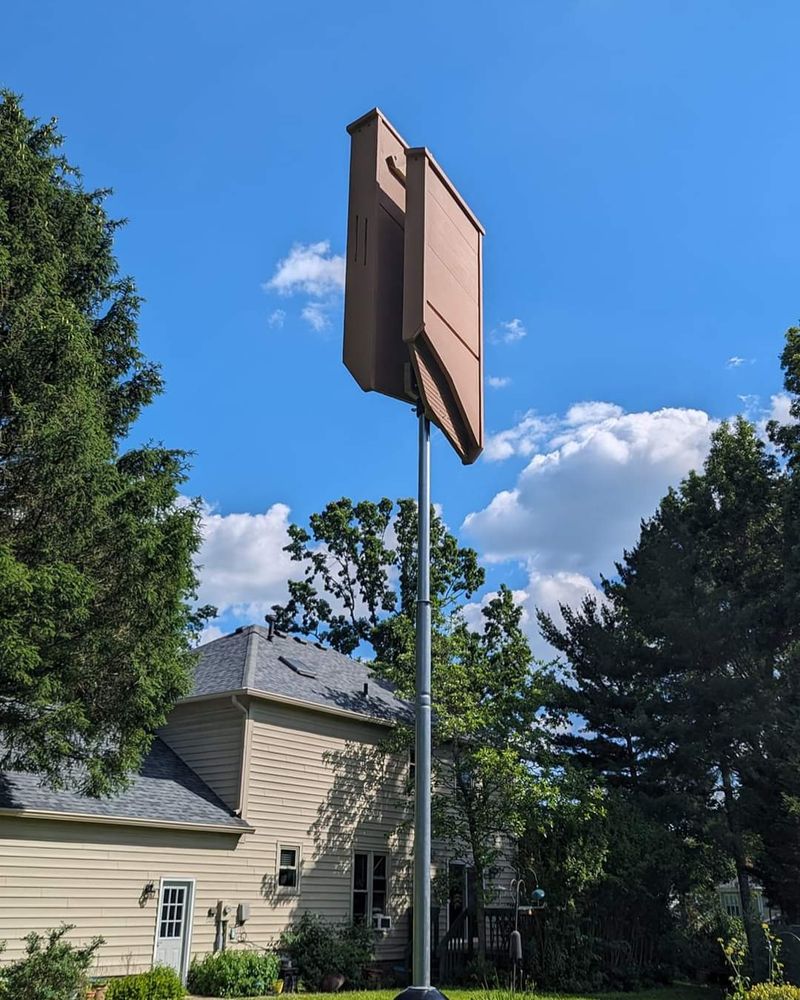
Location shapes whether a bat house gets used far more than most people expect. A beautiful, well-built house tucked under a tree canopy with no clear flight path in or out may sit empty for years while a simpler box on an open pole down the hill gets discovered in a single season. Bats need room to approach, enter, and exit without dodging branches or risking predators.
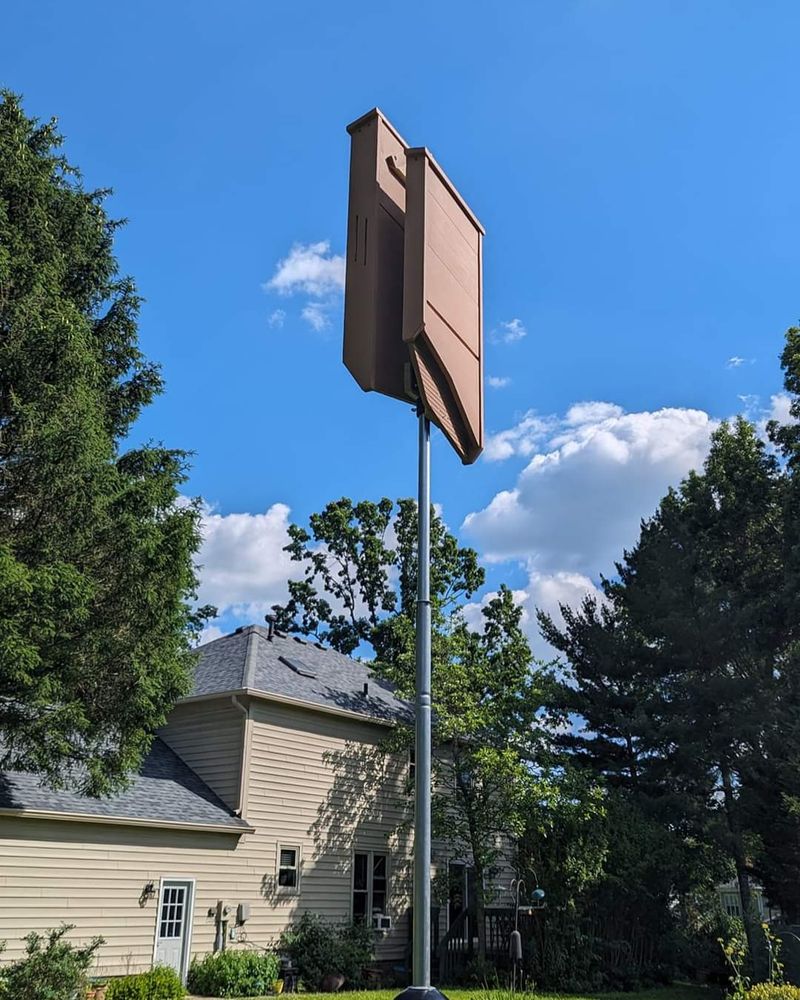
Mount the house on a pole or on the side of a building when you can. Trees feel like a natural choice, but they obstruct the flight path and give snakes, raccoons, and cats a direct route to the roost. Aim for at least 12 feet of open space below the exits. NC State’s bat guide gives a general mounting height of 10 to 15 feet as practical guidance for most yards, while BCI’s placement guidelines note that higher is generally better when conditions allow.
Think about what surrounds the site. Permanent water nearby, a woodland edge, or an open corridor between trees all make a location more attractive to foraging bats. BCI recommends installing two houses within about 100 meters of each other when feasible, one with more sun exposure and one with less, so bats can choose the temperature that suits them on a given day.
Plan for patience. Discovery can take two years or longer, and some successfully occupied houses have taken as many as five years to attract their first colony. A nearby pond or a native garden does not guarantee a bat will move in, it just improves the odds. Put the house up, keep the area around it open and low-pesticide, and let the bats decide on their own schedule.
Plant for Moths and Other Night Insects

Planting for bats sounds like putting out a welcome mat, but the connection is a step more indirect than that. North Carolina bats are insectivores, not nectar feeders, so flowers do not pull them in the way a hummingbird feeder draws a ruby-throat. What plants can do is support moths, beetles, midges, and other night-flying insects that bats actually eat, building a richer food web in your own backyard.
NC State Extension’s guide to gardening for moths points to evening primrose (Oenothera biennis), summer phlox (Phlox paniculata), and native goldenrods and asters as reliable moth plants for North Carolina yards. Swamp milkweed (Asclepias incarnata) and butterfly weed (Asclepias tuberosa) serve pollinators by day and support a range of insects through the night. Joe-Pye weed (Eutrochium purpureum), narrow-leaf sunflower (Helianthus angustifolius), and mountain mint (Pycnanthemum species) round out a planting that works across the Piedmont, Sandhills, and mountain foothills.
The NC State Extension wildlife gardening handbook encourages matching plant choices to local soil and moisture conditions before anything else. Sandy Coastal Plain soil and Piedmont red clay call for different species, and a plant struggling in the wrong site supports far fewer insects than a thriving one. The native plants handbook and the NC Extension Gardener Plant Toolbox both let you filter by region and growing conditions. Keep pesticide use as low as possible near these plantings.
Broad-spectrum sprays knock back the very insects you are trying to cultivate, and contaminated prey can harm bats indirectly.
Use Water Without Creating a Breeding Site

Permanent water is genuinely valuable in a bat-friendly yard. Bats need to drink on the wing, and a pond or large birdbath gives them a reliable stop during their nightly foraging routes. NC State’s bat resource notes that water sources near a bat house can make the site more attractive, though water alone does not guarantee that bats will roost there.
The catch is that standing water is also where mosquitoes breed, and a poorly managed water feature can produce more mosquitoes than it helps control. NC Cooperative Extension’s night garden guidance and the wildlife gardening handbook both point out that shallow, stagnant water is a productive mosquito nursery. A birdbath left untouched for a week in a North Carolina summer can go from clean to infested faster than most people realize.
Refresh shallow birdbaths every two to three days during warm months. For larger ponds, moving water, fish that eat larvae, or a properly labeled Bti product can help manage mosquito production. NC State mosquito control guidance recommends inspecting any container or depression that holds water, including tarps, tree holes, and drainage low spots, on a weekly schedule. The goal is water that supports wildlife without becoming a breeding ground, and that balance requires a little regular attention rather than a one-time fix.
Layer Reliable Mosquito Protection

Standing water is the most productive place to start when you want fewer mosquitoes biting you this season. Every container that holds water for more than a few days is a potential nursery. NC State mosquito control guidance lists the usual suspects: flowerpot saucers, clogged gutters, children’s toys, buckets, old tires, birdbaths, tree holes, tarps, and low spots in the yard where rainwater pools. Walk the yard once a week and empty or flip anything that holds water.
It takes ten minutes and it actually works.
Asian tiger mosquitoes can travel roughly 100 to 300 yards from where they hatched, which means a neighbor’s unmaintained yard can keep reseeding yours no matter how clean you keep your own. CDC’s home mosquito control page confirms that reinvasion from nearby properties is a real and common pattern, so managing your own sources is still worth doing even if it does not eliminate every bite.
For water-holding areas that cannot be emptied, such as a rain barrel, an ornamental pond, or a low-lying drainage area, a product containing Bacillus thuringiensis israelensis, or Bti, can control larvae at the source. EPA confirms that Bti targets mosquito, black fly, and fungus gnat larvae and has no toxicity to people when used as registered. NC State notes that dunk-style Bti products suit small breeding sites of about 100 square feet or less and can remain effective for roughly 30 days. Use them according to the label, and replace them on schedule.
For immediate personal protection, tight-fitting window and door screens, loose long sleeves and pants, and an EPA-registered repellent are your most dependable tools. CDC’s mosquito prevention guidance recommends active ingredients including DEET, picaridin, IR3535, oil of lemon eucalyptus, PMD, or 2-undecanone. EPA’s DEET information page confirms it is safe when used as directed on the label.
Broad-spectrum outdoor mosquito spraying is a different matter. EPA warns that residential misting systems expose people, pets, and wildlife to pesticides and can harm pollinators and the very insects that support your bat habitat work. New Hanover County Extension’s mosquito management page echoes that pesticides near bat habitat can reduce prey and harm bats through contaminated insects. Reserve spraying for situations where other measures have failed.
If a bat gets inside your home, do not handle it. CDC rabies prevention guidance is direct: any direct contact with a bat requires prompt assessment by a medical or public-health professional, because bites can be tiny or go unnoticed. If bats are roosting inside your walls or attic, BCI recommends professional exclusion timed to avoid trapping young bats that cannot yet fly. A bat house outside will not reliably convince bats to abandon an established building roost on their own.
The layered approach, water management, repellent, screens, and good bat habitat outside, does not promise a mosquito-free yard, but it gives you every practical tool that genuinely helps.