The Rat-Repelling Herbs California Gardeners Plant Before The Fall Rodent Season
Something starts changing in California gardens near the end of summer, and the first clue may appear after sunset.
Fruit disappears faster. A fence line suddenly sounds busy. The compost lid deserves a second glance. Fall has not fully arrived, but certain backyard visitors already seem to know it is close.
That sends many gardeners straight toward one tempting idea. Could the answer already be growing in an herb pot?
Strong scents certainly make the theory sound convincing. Some plants can perfume an entire patio after one brush of a hand. Others seem bold enough to make almost anything reconsider its route.
But rats are not easy guests to fool.
That does not make aromatic herbs useless. Far from it. Several deserve space in a California garden for reasons that go well beyond one hoped-for pest trick.
So plant them, enjoy them, and keep expectations realistic. The smartest fall strategy smells good, tastes good, and still knows when stronger backup needs to step in before the nighttime visitors get comfortable.
1. Grow Peppermint In A Container
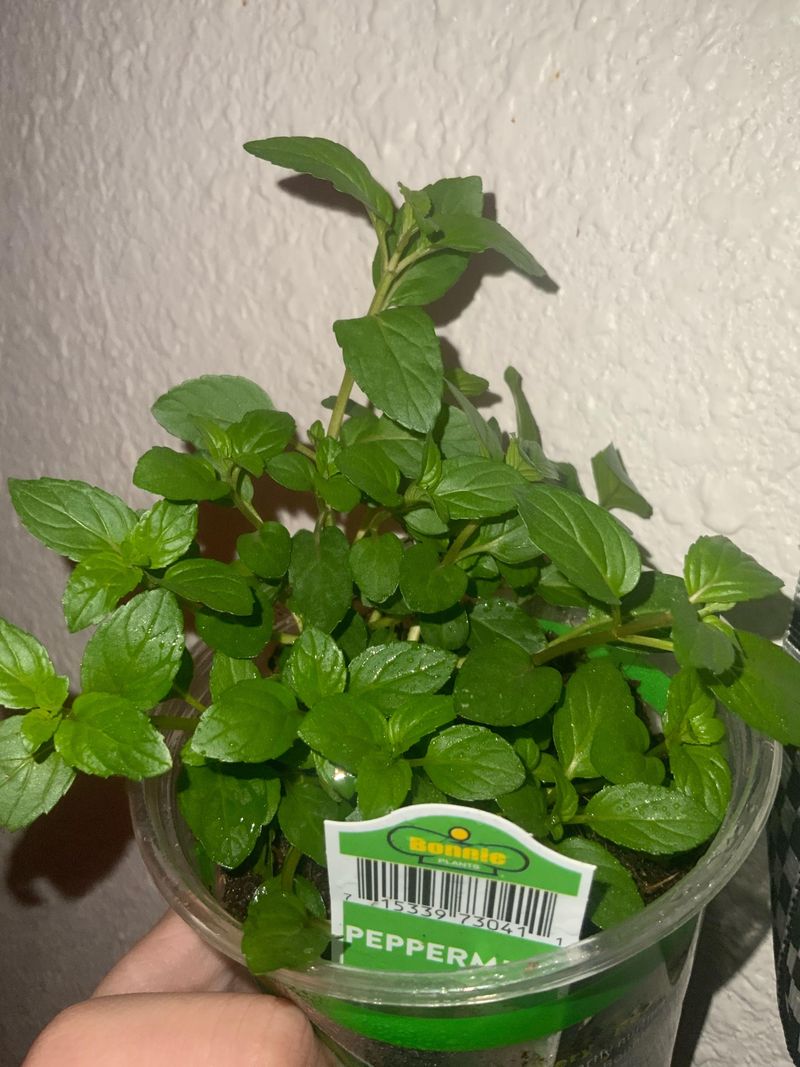
Peppermint smells powerful enough to make a whole patio feel freshly scrubbed.
That sharp scent explains why it often appears on lists of plants people hope will discourage rats. The catch is simple.
A living peppermint plant does not release anything close to the concentration used in studies of peppermint oil, so it should not carry the whole rodent-control job.
It still deserves a spot near the garden.
Keep peppermint in a container unless you want it wandering into neighboring beds. Its underground runners spread quickly, and freedom can turn one innocent pot into a leafy takeover.
Choose a container at least twelve inches wide. Give it morning sun and some afternoon shade, especially in hotter parts of California. Keep the soil consistently moist, but do not leave the roots sitting in soggy conditions.
Pinch stems just above a pair of leaves to encourage bushier growth. Regular harvests can keep the plant productive into fall.
This is the fun part. Those leaves can go straight into iced tea, desserts, sauces, or a glass of lemonade.
For rats, let peppermint play backup, not security guard. Pick up fallen fruit, remove easy water sources, and close entry points around sheds and buildings.
The mint can handle the drinks. The serious rat work needs a tougher crew.
2. Plant Rosemary Along Sunny Edges
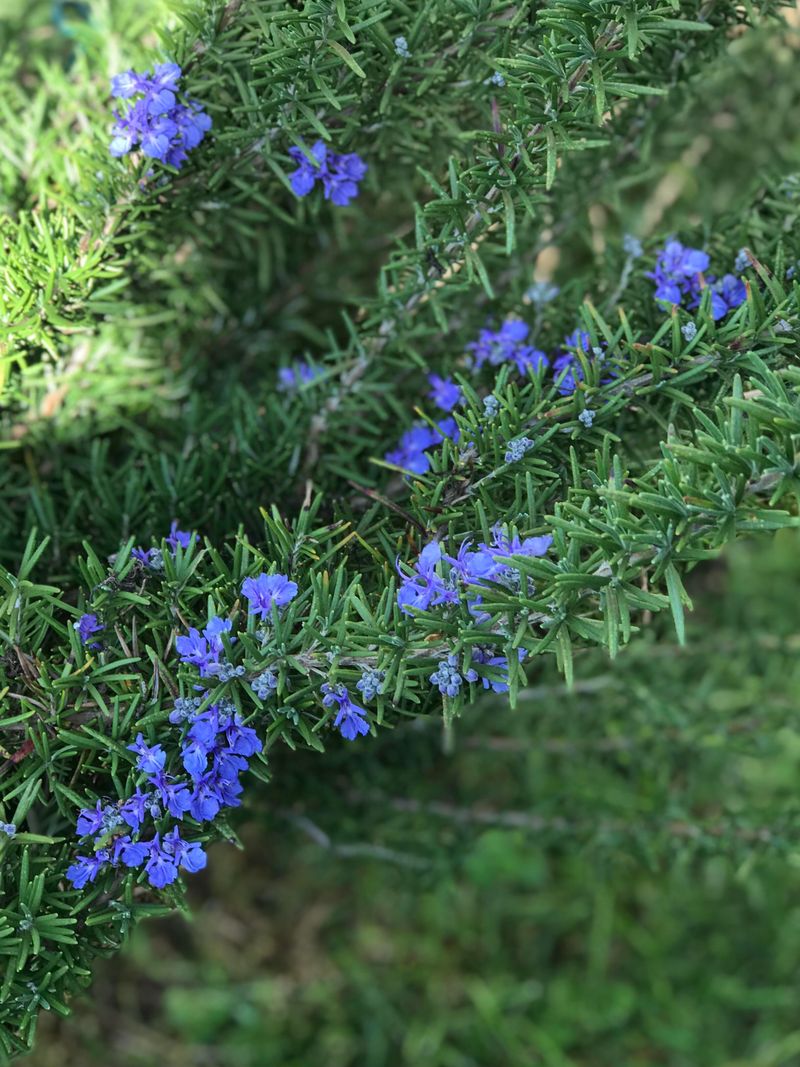
Rosemary already looks like it belongs beside a California driveway or garden wall.
The woody stems, narrow leaves, and resinous scent fit the state’s dry-summer climate beautifully. That strong aroma also explains why gardeners sometimes plant rosemary along fences and property edges before fall rodent activity picks up.
Just do not expect the hedge to behave like an invisible rat fence.
Rosemary earns its space for much better reasons. Give it full sun and soil that drains quickly. Heavy, wet ground can cause trouble, so raised beds or naturally well-drained spots usually make life easier.
Once established, the plant handles dry conditions impressively well. Young plants need more regular water during their first season, but mature rosemary usually prefers a lighter touch.
Your California Garden Changes Every Week. Your Plan Should Too.
Gardening in California changes quickly throughout the season. Every Friday you’ll receive a simple weekly plan showing exactly what to plant, prune, fertilize, harvest, and protect so you never miss the right timing.
Trim it after flowering to keep the shape neat and encourage fresh growth. Avoid hacking deep into old bare wood unless necessary, since recovery can be uneven.
You also get plenty of kitchen value. Snip sprigs for roasted vegetables, focaccia, marinades, and grilled dishes. Even the woody stems can add aroma around food on the grill.
Bees often visit the small blue flowers too, which gives the plant another job in the yard.
Use rosemary as part of a smart landscape, not a rodent promise. Rats care far more about accessible food and shelter than your herb border’s perfume.
3. Use Lavender For A Fragrant Border
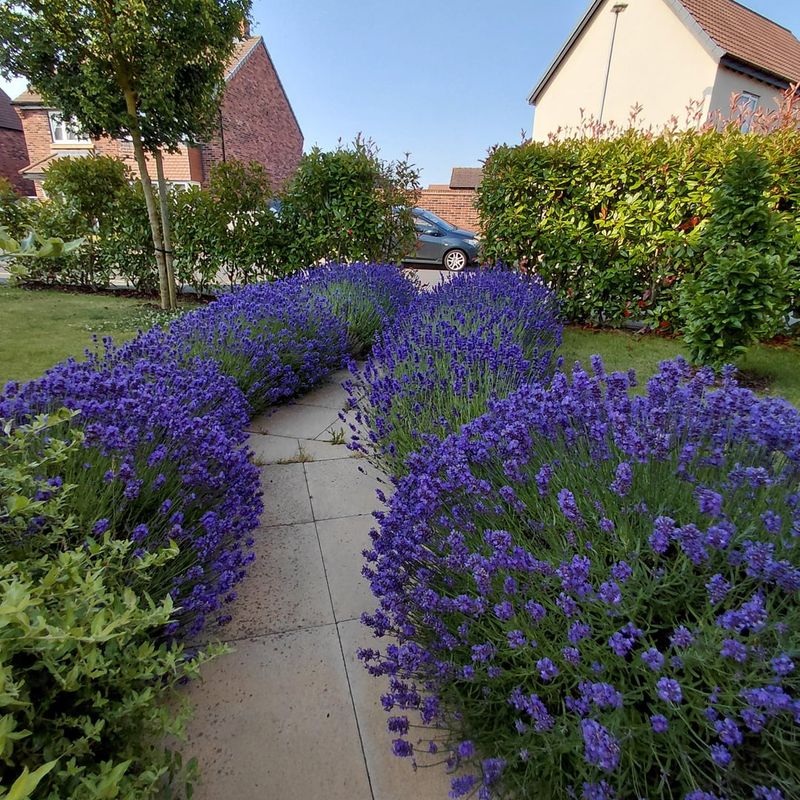
Lavender can make a California garden look far more polished with surprisingly little fuss.
The silver foliage, purple flower spikes, and unmistakable scent make it an easy choice for borders. That fragrance also gives lavender a reputation as a plant that might make rats choose another route.
The garden reality is less dramatic.
A living lavender plant does not create the kind of concentrated scent barrier that guarantees rodents will stay away. Rats may still cross a fragrant border when food, water, or shelter waits on the other side.
Lavender is worth planting anyway.
Give it full sun and excellent drainage. Wet roots are far more troublesome than dry summer soil. Raised beds, slopes, and gravelly sites can work especially well in parts of California with heavier ground.
English lavender suits many gardens, while Spanish lavender often handles warmer conditions nicely. Once established, both appreciate deep but infrequent water rather than constant moisture.
Trim spent flower stalks after bloom. A light shaping can keep the plant compact and reduce that woody, sprawling look older lavender sometimes develops.
Harvest flower stems in the morning for dried bundles, herb salts, or small culinary projects. Pollinators may arrive for their share too.
For fall rats, tackle the attractions they actually want. Clear clutter, manage dense ground cover, secure food, and block easy shelter.
Lavender can make the border beautiful. It just should not be hired as the bouncer.
4. Add Sage To Dry Garden Beds
Sage looks calm, but one rubbed leaf can perfume your fingers in seconds.
That earthy, slightly camphor-like scent makes culinary sage another herb gardeners sometimes hope will bother rats during the fall rush for food and shelter.
It may smell assertive to us. Rats can still ignore it when the reward nearby is good enough.
That leaves plenty of reasons to grow sage.
Plant it in full sun and soil that drains well. Rich, constantly moist beds can push soft growth and create more problems than they solve. Sage usually performs better in leaner soil with time to dry between waterings.
Hot inland gardens may benefit from some afternoon shade. In milder areas, a sunny spot can keep plants compact and flavorful.
Harvest stems just above a healthy leaf node. Younger leaves tend to have the best texture and flavor, and regular trimming can keep the plant from becoming excessively woody.
Sage earns serious kitchen points once cooler weather arrives. Brown butter, roasted squash, beans, stuffing, and savory pastries all welcome a few leaves.
You can also pair sage with rosemary and thyme for a low-water herb section that looks intentional rather than accidental.
For rats, keep the strategy practical. Seal openings around vents and pipes, remove easy meals, and reduce sheltered hiding spots.
Sage can season dinner beautifully. It should not be expected to supervise the perimeter after dark.
5. Let Thyme Cover Sunny Gaps
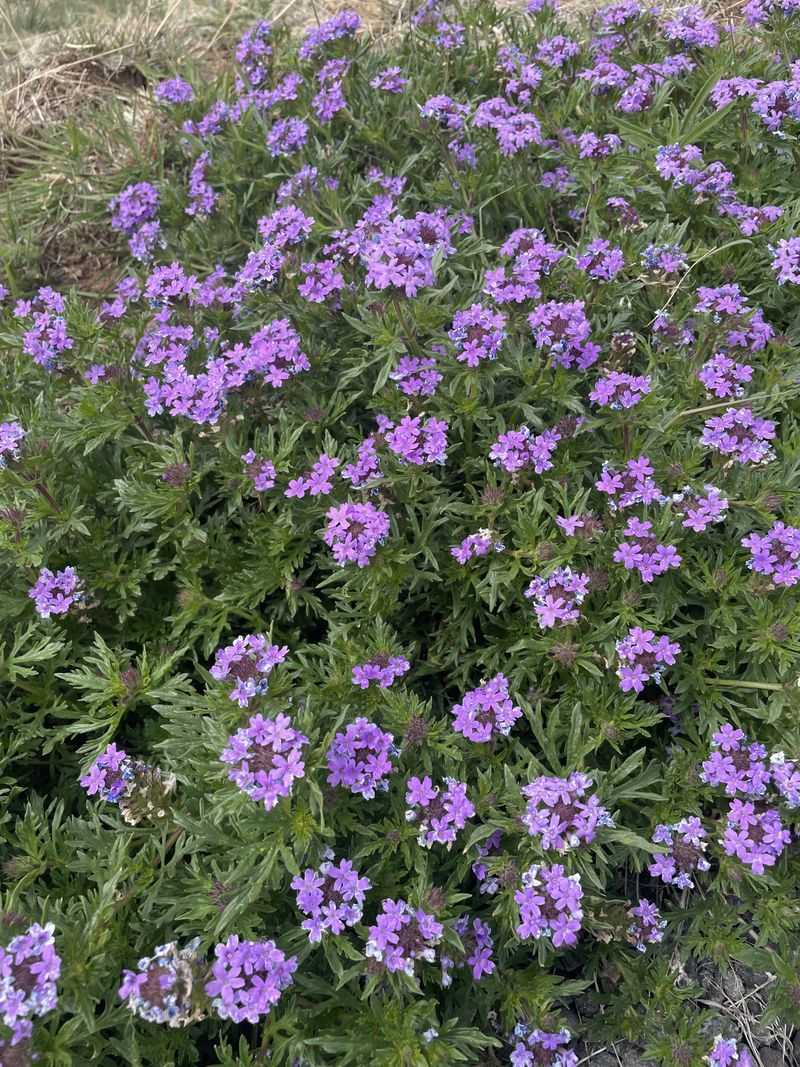
Thyme slips into the spaces bigger herbs tend to ignore.
It can edge a path, fill a sunny gap, spill over a pot, or creep between stones. Brush the foliage and that warm herbal scent rises immediately, which helps explain its reputation in rodent-deterrent garden lists.
Treat that reputation cautiously.
Rats do not reliably reroute themselves because a patch of thyme sits beside a fence. A strong reason to cross the area, such as fallen fruit or an open compost bin, can easily matter more than fragrance.
Thyme still gives California gardeners plenty to like.
Common thyme works well for cooking, while creeping thyme can create a low mat in ornamental areas. Both prefer full sun and fast-draining soil.
Once established, thyme handles dry conditions well. Too much water causes more trouble than too little in many gardens. Lean soil also tends to suit it better than heavily amended beds.
Clip small stems for cooking before flowering for especially strong flavor. After bloom, give the plant a light trim to keep it tidy and reduce excessive woodiness.
Thyme works beautifully with roasted vegetables, chicken, soups, beans, and infused oils. Bees also appreciate the tiny flowers.
So let thyme cover the bare spots and flavor dinner.
When rats start using the same route every night, switch from herb folklore to actual control. Remove attractants and place appropriate traps where rodent travel is already obvious.
6. Grow Oregano As A Spreading Herb
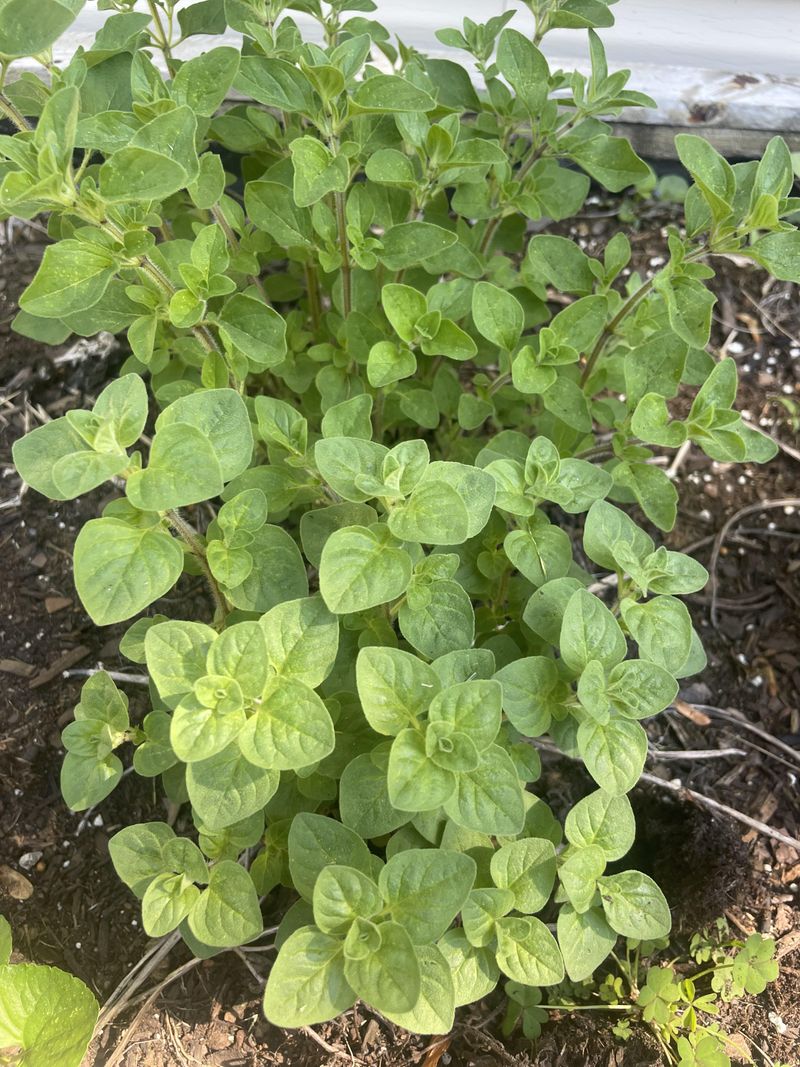
Oregano rarely needs encouragement once it decides it likes a spot.
Give it sun, decent drainage, and a little time, and the plant can spread across a bed with impressive confidence. That pungent foliage often lands oregano on lists of herbs people plant before fall rat activity increases.
Its scent is real. The rodent barrier is not.
A garden patch cannot reproduce the strength of concentrated essential oils used in controlled experiments. Rats also have powerful motivation when ripe fruit, pet food, birdseed, or shelter sits nearby.
Grow oregano for the jobs it does extremely well.
Plant it in full sun and well-drained soil. After establishment, it usually handles California’s dry summer conditions with relatively little extra water.
Raised beds and containers help keep enthusiastic plants under control. Once stems start wandering past their assigned territory, trim them back. The cuttings can become kitchen herbs, dried seasoning, or gifts for a neighbor.
Harvest just before flowering for especially strong flavor. Cut stems about a third of the way down and allow the plant to push fresh growth.
The flowers attract bees, while dried leaves hold their flavor remarkably well compared with many softer herbs.
For fall rodent pressure, look beyond the herb bed. Collect fallen citrus and other fruit, secure compost, and clean up spilled birdseed.
Oregano can spread like gossip. Sadly, the rumor that rats always flee from it spreads even faster.
7. Keep Basil Near Summer Beds
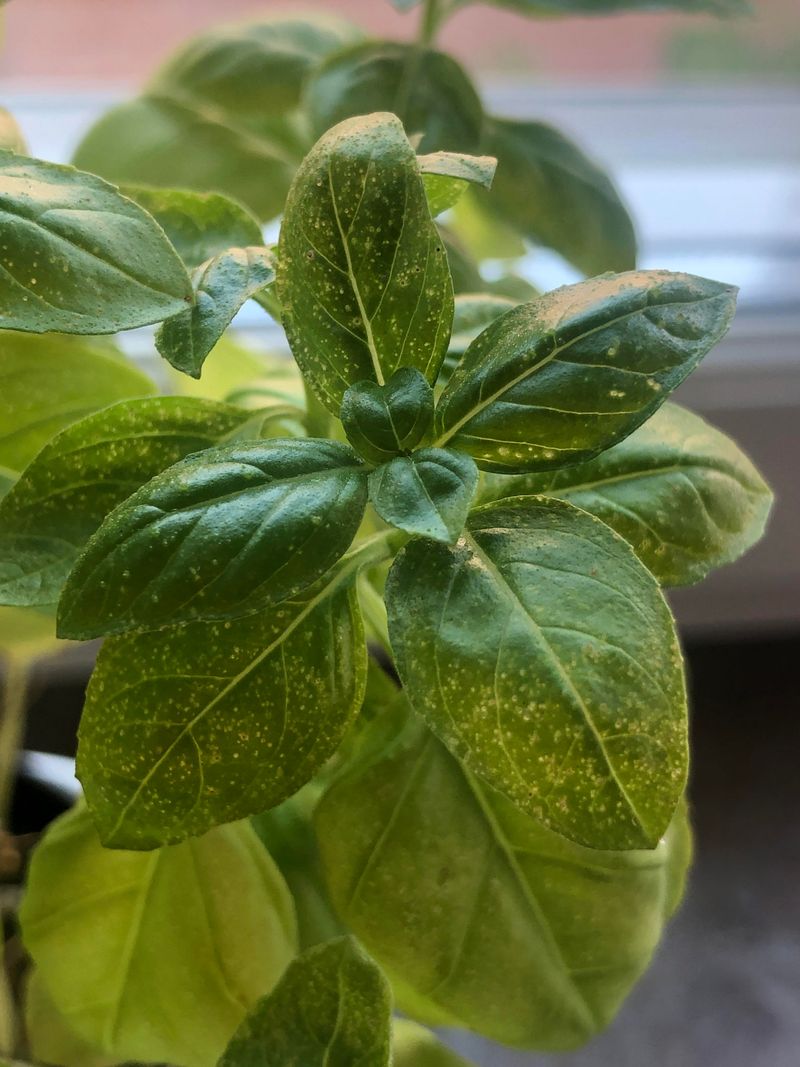
Basil owns late summer, and California gardeners usually know exactly why.
A healthy plant can fill the air with fragrance before you even touch it. Add tomatoes nearby and the garden practically starts planning dinner for you.
That powerful scent also tempts people to use basil as a rat deterrent around vegetable beds.
The tomatoes are still the bigger story to a hungry rat.
A basil plant beside ripe produce does not erase the smell or availability of food. Rodent control works better when the attraction disappears instead of getting surrounded by another fragrance.
Keep basil there for the harvest.
Give it plenty of sun, rich soil, and consistent moisture. Unlike rosemary or thyme, basil does not appreciate long dry spells. Leaves can wilt dramatically when the root zone dries, especially during hot inland afternoons.
Pinch the tips regularly and remove flower buds when you want more leaves. Cut stems just above a leaf pair so the plant branches instead of becoming tall and sparse.
Use the harvest in pesto, caprese salads, pasta, sauces, and herb oils. Late summer is the moment to be generous because basil slows quickly once cool nights arrive.
Before fall rodent activity increases, make the vegetable bed less rewarding. Pick ripe produce promptly and collect anything that falls.
Basil can protect dinner from being boring. Protecting the garden from rats takes a different plan.
8. Plant Garlic Chives For Fall Flavor
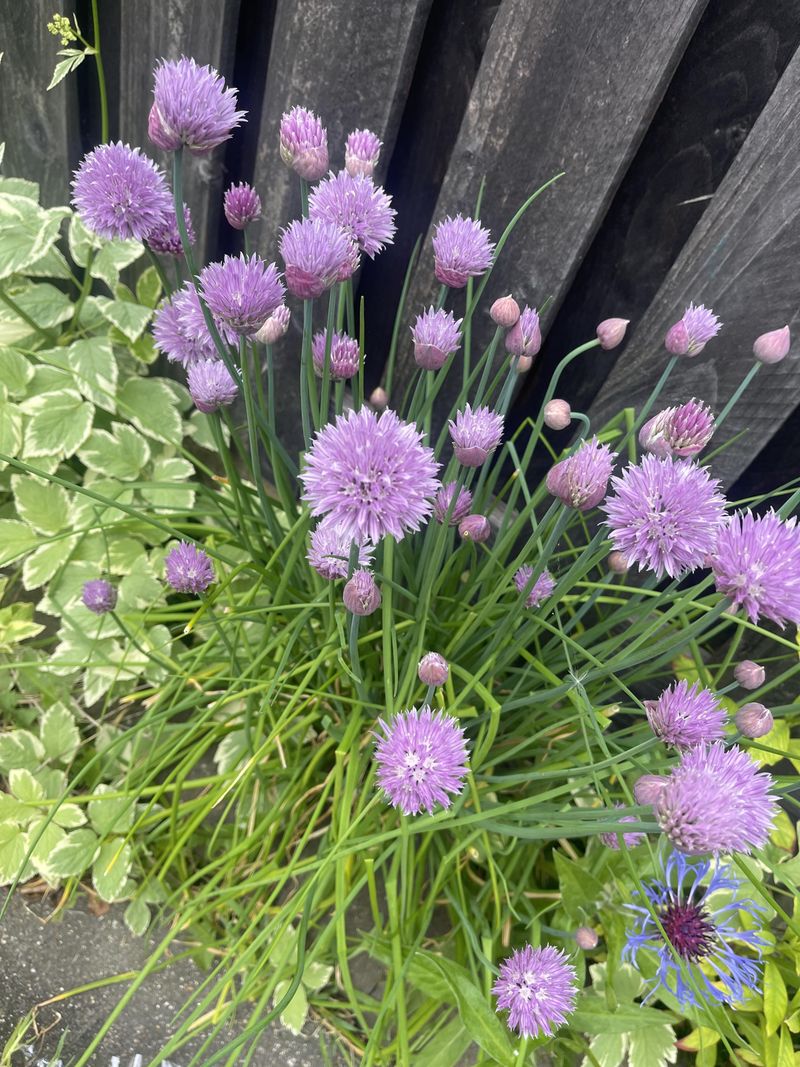
Garlic chives bring a different kind of fragrance to the fall herb bed.
Their flat green leaves release a mild garlic scent when cut, while late-summer clusters of white flowers add a surprisingly decorative touch. That allium aroma often makes gardeners wonder if the plants can help discourage rats.
They are better treated as useful herbs than dependable rodent guards.
Garlic chives grow in tidy clumps and expand gradually, which makes them easier to manage than mint or oregano. Plant them in full sun or partial shade with soil that drains well.
Established clumps cope reasonably well with California’s dry summers, but regular deep water during hotter periods helps keep the leaves tender and productive.
Harvest by cutting leaves near the base. Leave enough growth behind so the plant can rebuild before the next round.
The flavor sits somewhere between chives and garlic, which makes it easy to use. Add the leaves to dumplings, eggs, stir-fries, soups, noodles, or herb butter. The white flowers are edible too and can add a mild allium note to salads.
Older clumps may become crowded after a few years. Divide them and replant the strongest sections to refresh the patch.
For rat season, keep the expectations grounded. Block access points, secure food, and deal with known travel routes directly.
Garlic chives can make fall cooking much better. That is already enough responsibility for one little clump.