The Common Mistakes California Gardeners Make With Peach Trees
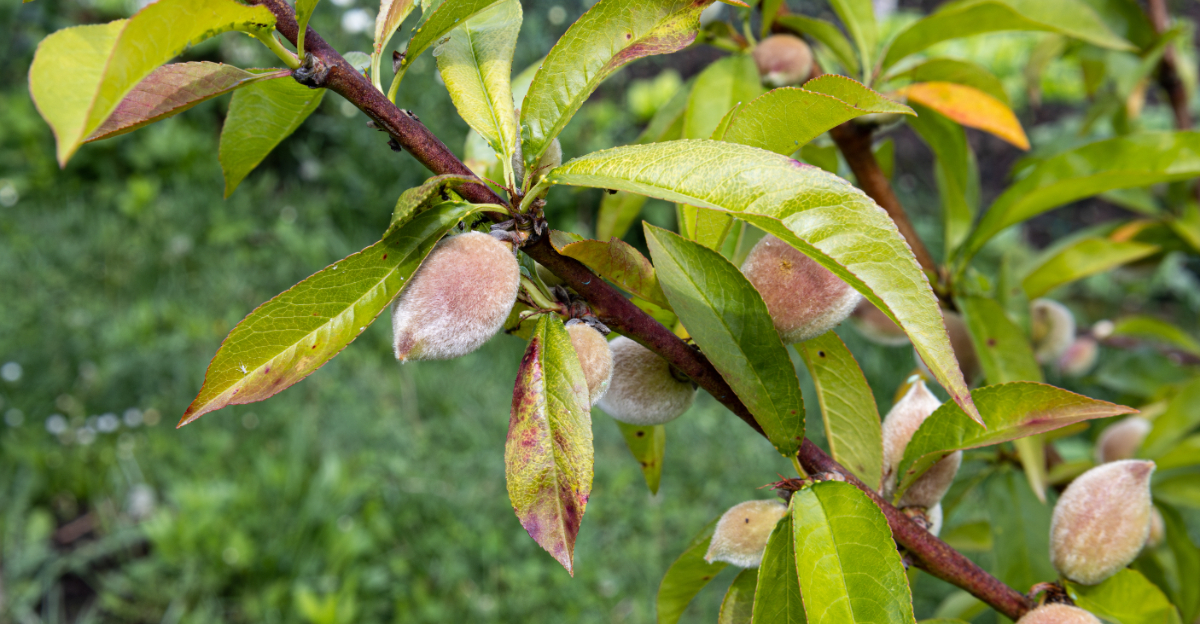
Peach trees have a way of making gardeners feel confident at first. The blossoms look beautiful, the young fruit looks promising, and suddenly everyone is picturing pies before June even settles in. Then the tree starts getting picky.
In California, peach trees can run into trouble when care is just a little off. Too much water can cause problems. Too little can stress the fruit.
Bad pruning can turn a strong tree into a tangled mess that barely knows what it is doing. Peach trees are generous, but they are not hands off plants.
They need timing, airflow, and a gardener who does not panic prune like the branches personally offended them.
Many mistakes start small, which is why they are easy to miss. By the time harvest looks disappointing, the real issue may have been building for weeks. A better peach season often starts by spotting those habits early.
Ignoring Peach Leaf Curl Until Spring
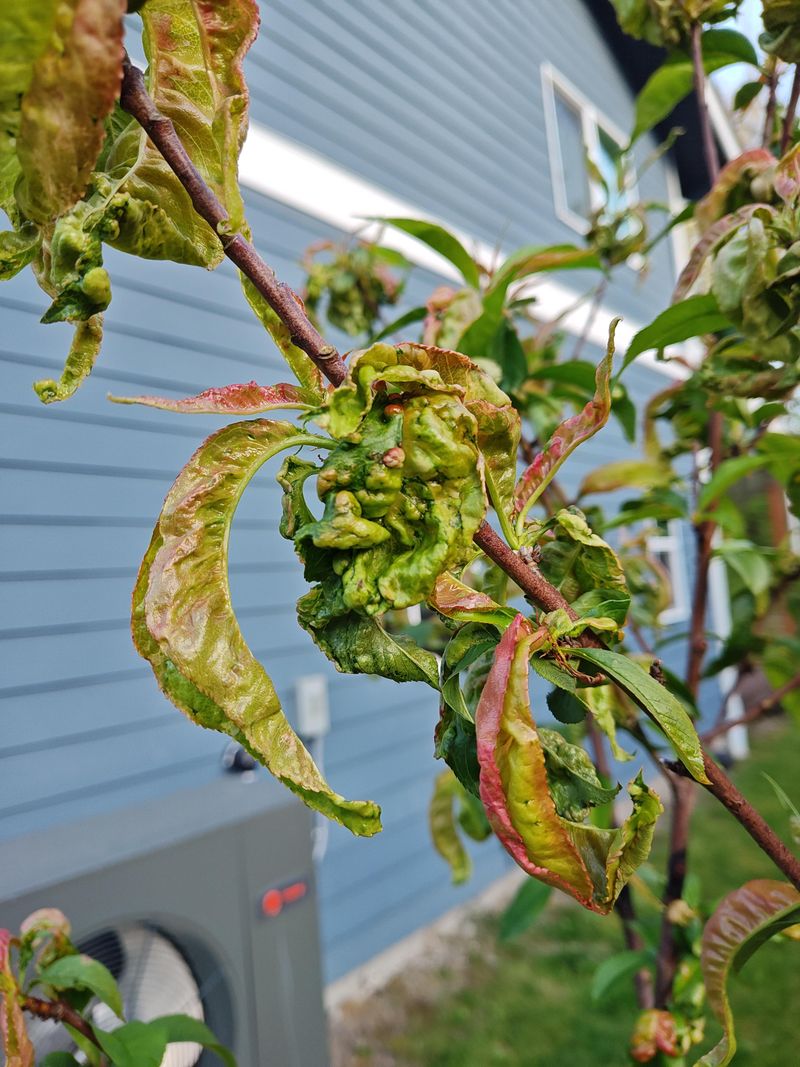
Peach leaf curl is one of the sneakiest problems a peach tree owner can face. By the time you notice those red, puckered, and twisted leaves in spring, it is already too late to treat the tree for that season.
The fungus responsible for this disease, called Taphrina deformans, infects new growth as buds begin to swell in late winter.
Many gardeners make the mistake of waiting until they see symptoms before taking action. At that point, spraying fungicide does almost nothing to stop the damage. The leaves curl, turn red or purple, and eventually drop off the tree entirely.
This weakens the tree and can dramatically reduce your fruit production for the whole year. The only effective approach is to treat the tree before the buds open.
A single application of a copper-based fungicide or lime sulfur spray during the dormant season can prevent infection almost entirely. Timing matters more than anything else here.
You want to spray after the leaves have fully dropped in fall or just before buds begin to swell in late winter.
Most gardeners in our state aim for treatment between December and February. Mark your calendar now so you do not forget next season.
Catching this disease before it starts is the single most powerful thing you can do for your peach tree each year.
Skipping Dormant-Season Prevention
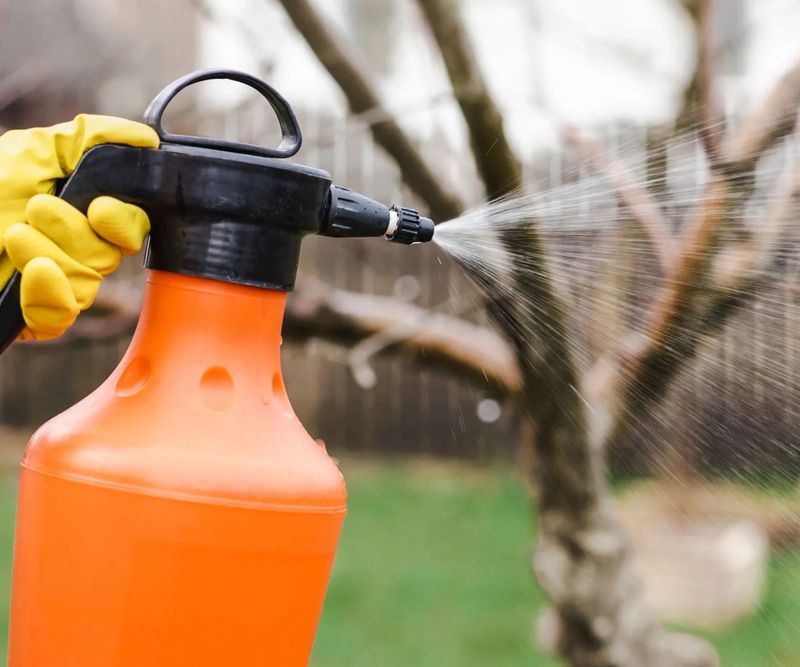
Winter might seem like a slow season for gardening, but for peach trees, it is actually one of the most important times of year.
Skipping dormant-season care is a mistake that many growers do not realize they are making until problems show up months later.
Dormant sprays help control overwintering pests and fungal spores that are just waiting for warm weather to cause trouble.
Dormant oil sprays smother insect eggs and larvae hiding in the bark. They also help prevent scale insects, mites, and aphid eggs from surviving into spring.
When you skip this step, you are essentially giving pests a free pass to multiply once temperatures rise.
The result is often a tree covered in insects by early summer, with fruit that is damaged or stunted.
Your California Garden Changes Every Week. Your Plan Should Too.
Gardening in California changes quickly throughout the season. Every Friday you’ll receive a simple weekly plan showing exactly what to plant, prune, fertilize, harvest, and protect so you never miss the right timing.
Applying dormant oil is simple and affordable. You spray it directly on the bare branches and trunk of the tree while it is still fully dormant. Make sure to cover every surface thoroughly, including the undersides of branches.
Do not apply when temperatures are expected to drop below freezing within 24 hours, as this can cause damage. Pairing dormant oil with a copper fungicide spray gives your tree double protection against both pests and disease.
This one-two combination during the dormant season sets your peach tree up for a much healthier and more productive growing season ahead.
Planting Peach Trees In Poorly Drained Soil
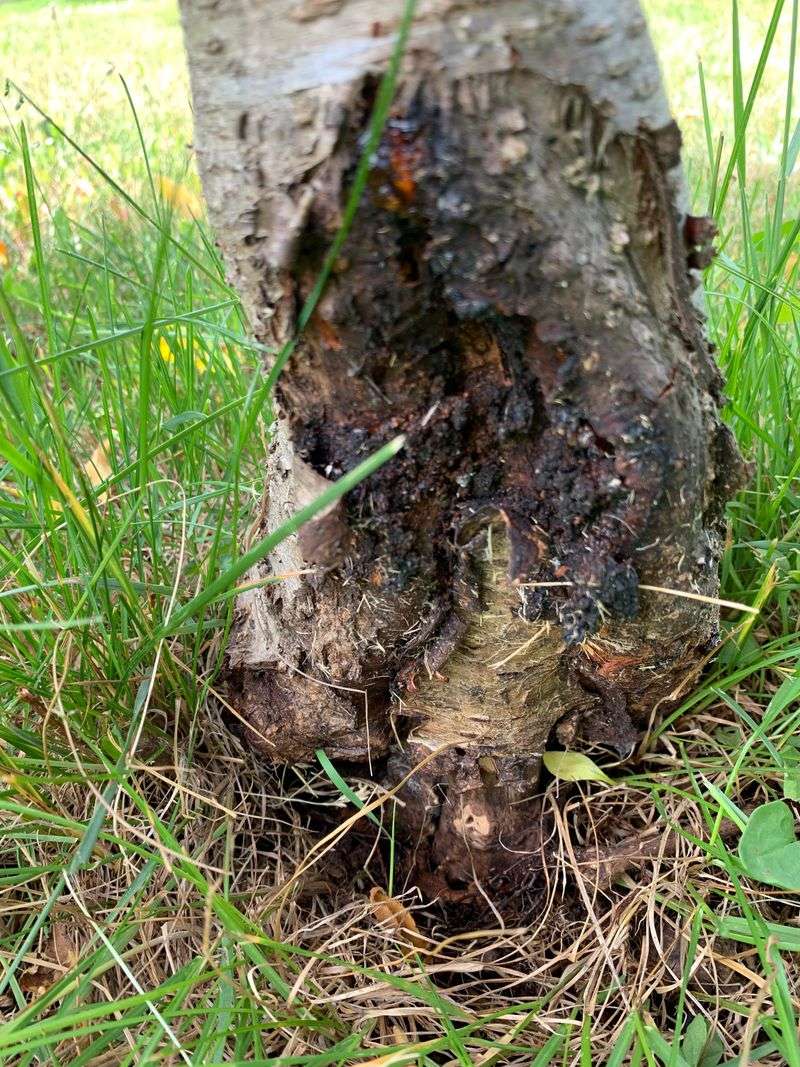
Soil drainage might not be the most exciting topic, but it is absolutely critical when it comes to peach trees.
These trees are extremely sensitive to standing water around their roots. Planting in poorly drained soil is one of the fastest ways to end up with a struggling or unproductive tree.
When water sits around the roots for too long, it creates an environment where harmful fungi and bacteria thrive.
Root rot is a common result, and it can spread quickly through the root system. A tree affected by root rot will show yellowing leaves, wilting, and very little new growth.
Many gardeners mistakenly think the tree needs more water when the real problem is actually too much.
Before planting, always test how well your soil drains. Dig a hole about 12 inches deep and fill it with water. If the water takes more than an hour to drain away, you have a drainage problem.
You can fix this by raising the planting area, adding organic matter to loosen compacted soil, or building a raised bed.
Sandy loam soil is ideal for peach trees because it holds enough moisture without becoming waterlogged. Avoid planting in low spots where rainwater naturally collects.
Choosing the right location from the very beginning saves you from a lot of frustration down the road and gives your tree a genuinely strong foundation.
Choosing The Wrong Chill-Hour Variety
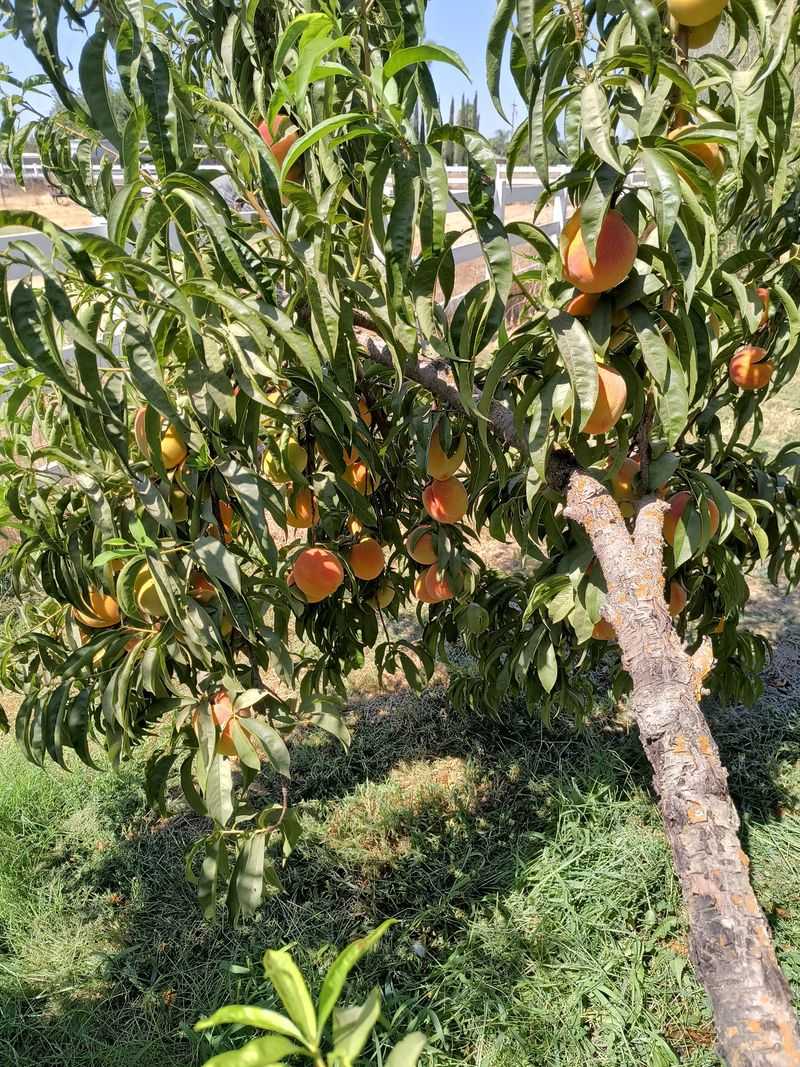
Not all peach trees are created equal, and choosing the wrong variety for your specific location is a mistake that affects your harvest before you even plant the first tree.
Peach trees need a certain number of cold hours, called chill hours, to bloom and fruit properly. Chill hours are the total number of hours the tree spends at temperatures between 32 and 45 degrees Fahrenheit during winter.
In coastal and inland valley areas of our state, winters are mild. That means a variety that needs 900 chill hours will never get what it needs to produce fruit well. You might get a few peaches here and there, but the tree will never reach its full potential.
On the other hand, a low-chill variety planted in a cooler northern region might bloom too early and get damaged by late frosts.
The fix is simple but requires a little research upfront. Check the average chill hours for your specific area before buying any tree.
Nurseries in our state usually stock varieties suited to local conditions, so asking the staff for advice is a smart move.
Popular low-chill varieties like Tropic Snow, Desert Gold, and Bonanza work well in warmer parts of the state.
Higher-chill varieties like Redhaven or Reliance suit cooler inland or northern regions better. Matching the variety to your location is the foundation of a successful peach tree planting.
Pruning Too Little Or Too Late
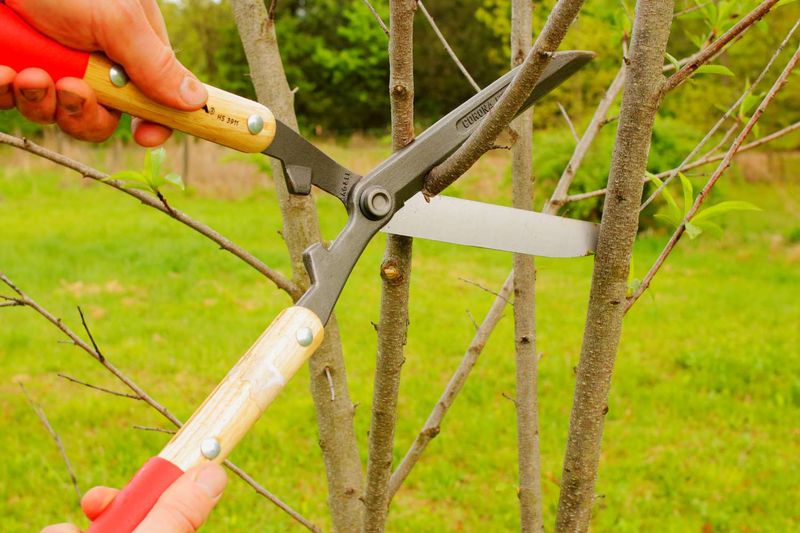
Peach trees are one of the few fruit trees that actually need aggressive pruning every single year.
Many gardeners are nervous about cutting too much and end up barely trimming the tree at all. This is one of the most common and costly mistakes you can make with a peach tree.
Without proper pruning, the tree quickly becomes overcrowded with branches. Light cannot reach the inner canopy, which is where much of the fruit grows. Poor air circulation also creates a perfect environment for fungal diseases to spread.
Over time, an unpruned peach tree produces smaller fruit, more disease, and becomes harder and harder to manage.
Peach trees fruit on second-year wood, which means you need to encourage fresh new growth every season by removing old wood regularly.
The goal is to maintain an open, vase-shaped structure with three to five main scaffold branches. Prune during late winter, ideally just as the buds begin to swell but before they fully open.
Waiting until the tree has already leafed out means you have pruned too late for the best results. Remove any crossing branches, downward-growing shoots, and any wood that is more than two years old.
A well-pruned peach tree looks almost shockingly open after a proper cut, but that openness is exactly what allows sunlight and airflow to do their job throughout the growing season.
Letting The Tree Carry Too Much Fruit
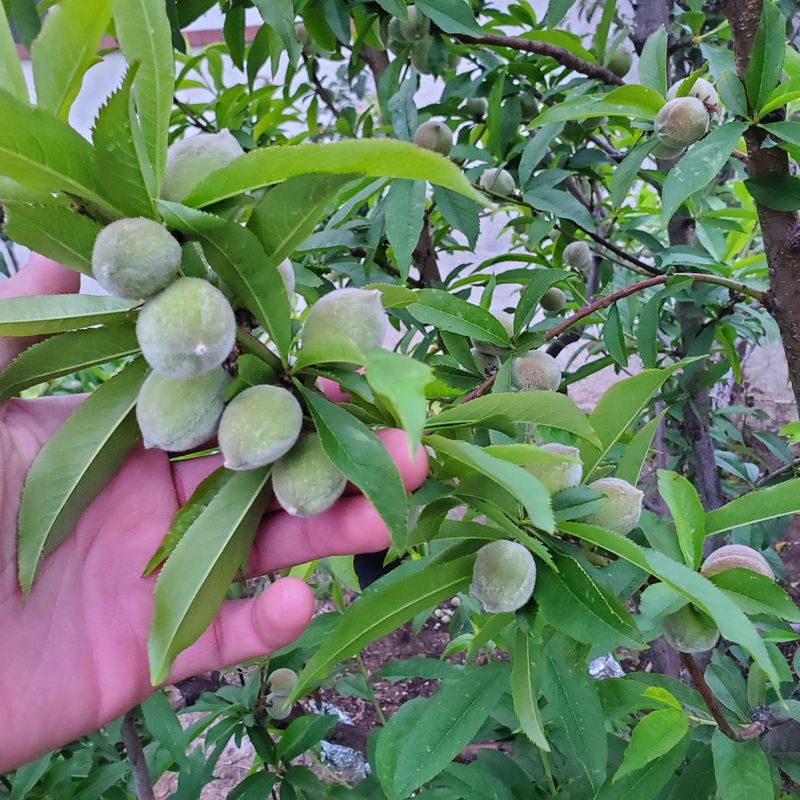
It feels exciting when your peach tree sets a huge amount of fruit in spring. More peaches sounds like a great problem to have, right?
Actually, letting a tree carry too much fruit is one of the biggest mistakes a gardener can make, and it leads to a disappointing harvest every time.
When a tree tries to ripen dozens of peaches on a single branch, none of them get enough energy to grow properly.
The result is a bunch of small, flavorless peaches that barely resemble the sweet, juicy fruit you were hoping for. Overloaded branches can also snap under the weight, causing serious damage to the tree’s structure.
This sets back your production for the following season as well. Thinning the fruit early solves this problem completely.
Once the natural fruit drop in late spring is finished, go through the tree and remove peaches by hand so that each remaining fruit has at least six to eight inches of space on the branch. Yes, it feels wasteful to remove so many small peaches.
But the ones that remain will grow significantly larger and sweeter because the tree can focus all its energy on fewer fruits.
Thinning also reduces the risk of branch breakage and helps the tree stay healthy enough to produce a strong crop the following year. It is one of the most impactful things you can do for fruit quality.
Watering Shallowly In Hot Weather
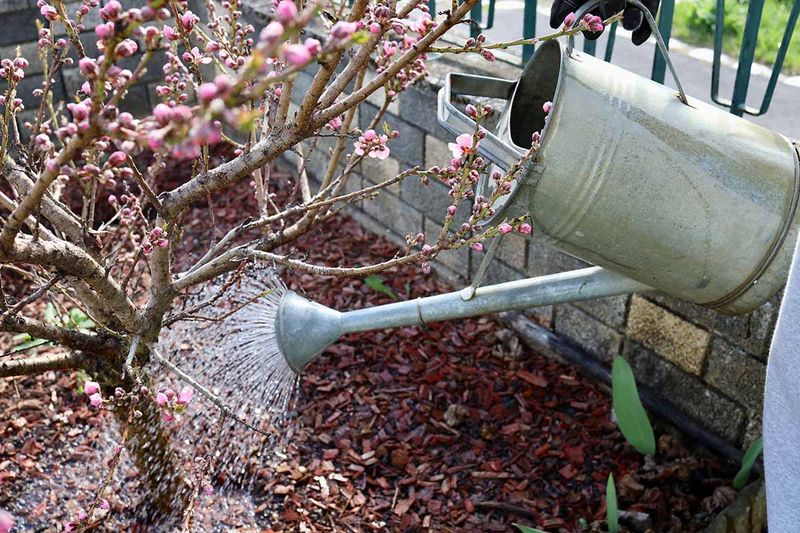
Summer in our state can be brutal, and peach trees need consistent, deep watering to stay productive during the hottest months.
One of the most widespread watering mistakes is giving the tree frequent, shallow drinks instead of deep, infrequent soakings. Shallow watering encourages roots to stay near the surface, where they are most vulnerable to heat stress.
Roots need to grow deep into the soil to access stable moisture and nutrients. When you water shallowly, the roots simply follow the water and stay near the top few inches of soil. During a heat wave, that shallow soil layer dries out fast.
The tree becomes stressed, fruit may crack or drop prematurely, and overall health suffers noticeably.
Deep watering means applying water slowly and allowing it to soak down at least 18 to 24 inches into the soil.
Drip irrigation or soaker hoses work extremely well for this purpose. Water less frequently but for longer periods, giving the soil time to dry slightly between sessions.
During peak summer heat, a mature peach tree may need watering every seven to ten days depending on soil type.
Sandy soils dry faster and need more frequent attention than clay-heavy soils. Always check soil moisture a few inches below the surface before watering again.
Mulching around the base of the tree also helps retain moisture and keeps soil temperatures more stable during extreme heat.
Letting Mulch Touch The Trunk
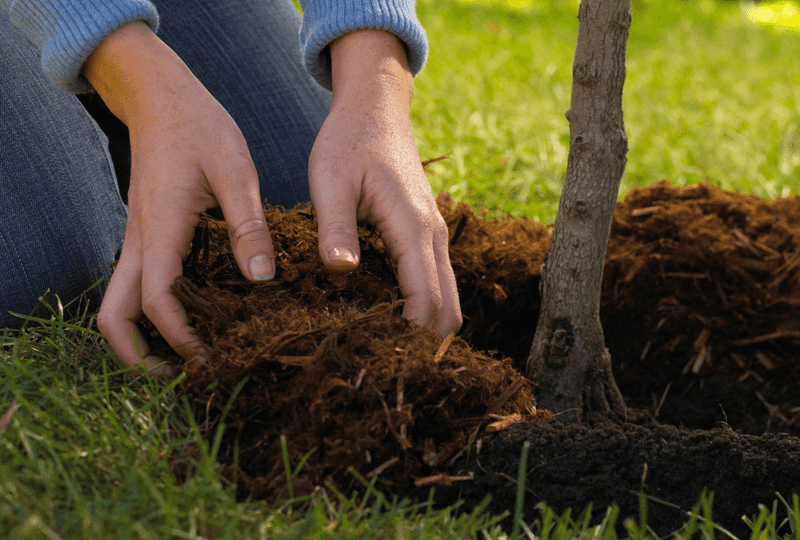
Mulch is genuinely one of the best tools a gardener has for keeping soil healthy and moist. But there is a right way and a very wrong way to apply it around peach trees.
Piling mulch directly against the trunk is a mistake that creates serious problems over time, even though it looks tidy and well-maintained from a distance.
When mulch stays in constant contact with the bark, it keeps that area perpetually moist. Bark that stays wet becomes a perfect breeding ground for fungal rot and harmful bacteria.
It also creates a cozy hiding spot for rodents that chew on the bark, which can damage the tree in ways that are difficult to reverse.
Collar rot, caused by soil-borne fungi, is a direct result of this kind of moisture buildup at the base of the trunk.
The fix is easy once you know about it. Pull mulch back at least three to four inches from the base of the trunk so the bark can breathe and dry out naturally between waterings.
Create what gardeners call a donut shape, with the mulch forming a ring around the tree rather than a mound against it.
Spread the mulch two to four inches deep over the root zone, which extends out to the drip line of the canopy.
This keeps weeds down, holds moisture in the soil, and regulates soil temperature without putting the trunk at risk. Small habit, big results.
Fertilizing Too Heavily With Nitrogen
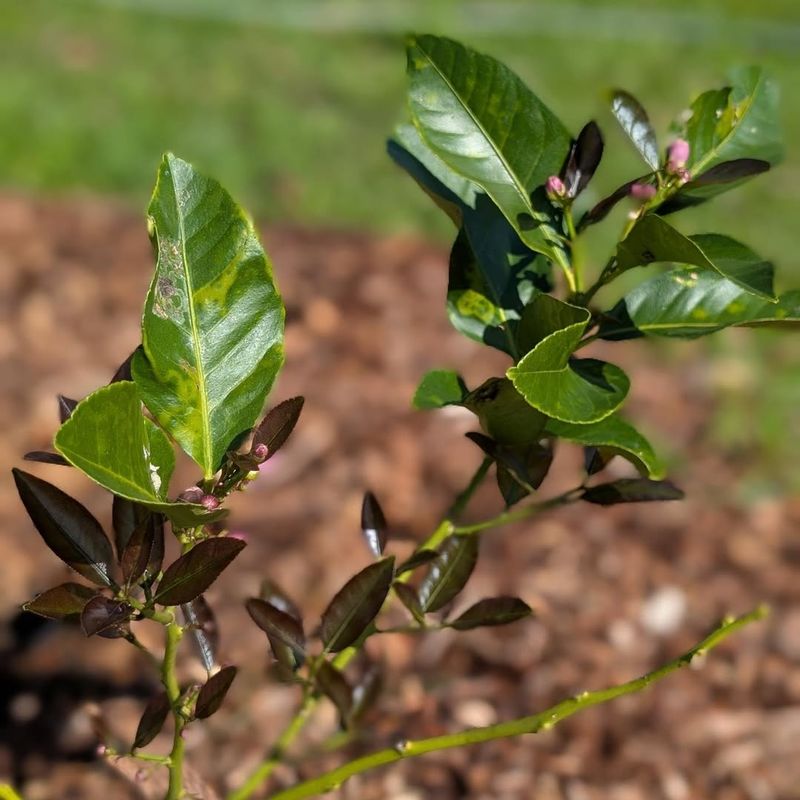
Every gardener wants their peach tree to look lush and green, but chasing that look with heavy nitrogen fertilizer often backfires badly.
Nitrogen is the nutrient most responsible for leafy, green growth, and too much of it sends the tree into overdrive producing foliage instead of fruit. The result is a beautiful-looking tree that barely produces anything worth eating.
Excess nitrogen also makes trees more attractive to pests like aphids, which are drawn to the soft, tender new growth that heavy feeding encourages.
Overfed trees can also become more susceptible to certain fungal diseases because the tissue grows too quickly and stays soft.
The wood does not harden properly, which makes it less resilient going into winter and less productive the following spring.
Peach trees in our state actually need less fertilizer than most people assume. A young tree in its first two years benefits from a modest nitrogen boost in early spring. After that, a soil test is the smartest guide to what your tree actually needs.
Most established peach trees do well with one application of a balanced fertilizer in early spring, right as growth begins.
Avoid fertilizing after midsummer, as this pushes new growth that will not have time to harden before cooler weather arrives.
Compost applied around the root zone is a gentler, slower option that feeds the soil without triggering the rapid, unbalanced growth that synthetic nitrogen can cause.