This Feeding Mistake Leaves Tomatoes Stunted And Pale, Here’s The Fix
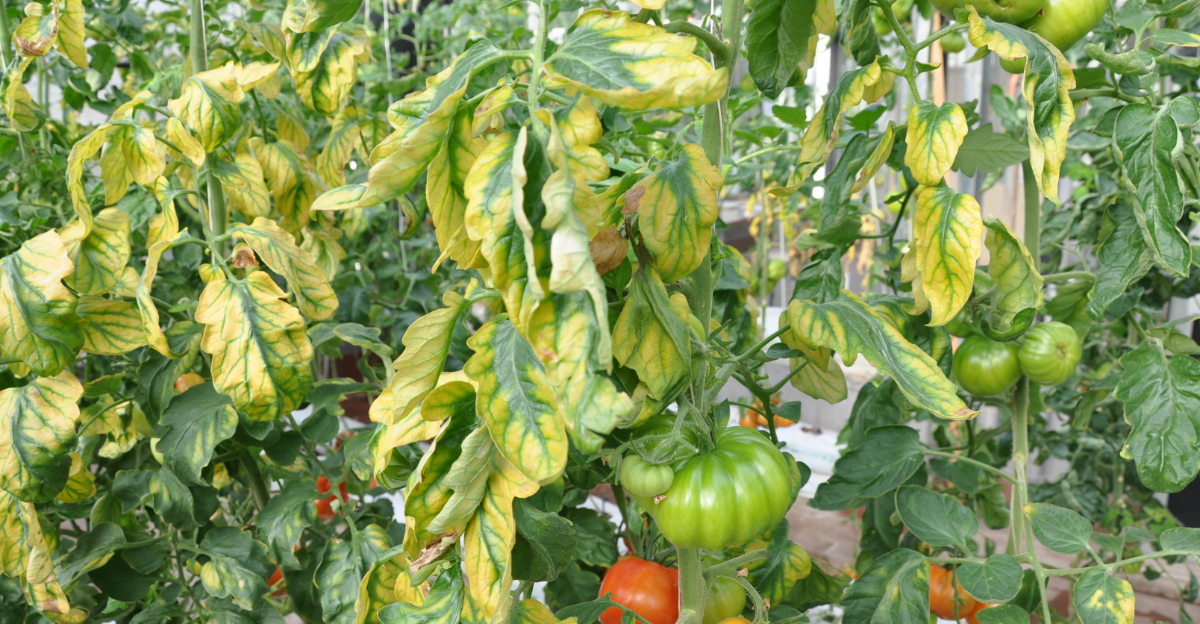
Your tomato plants looked like they belonged in a magazine spread just two weeks ago. Now something’s clearly gone sideways, and it happened fast.
The leaves turned a washed-out, almost sickly shade of green. Stems that once stood proud now flop like they’ve given up entirely.
And the fruit? Small, hard, stubborn little things that refuse to grow past marble size, no matter how much sun they get.
Turns out, plants can suffer from too much of a good thing, just like anything else that gets more attention than it can actually handle.
The One Nutrient Overload Damaging Your Plants
Too much of a good thing can wreck a garden fast. When gardeners overfeed tomatoes with nitrogen-heavy fertilizers, the plants go into a kind of overdrive that backfires badly.
Nitrogen tells plants to grow leaves and stems. Tomatoes need some nitrogen, but too much sends all energy into foliage and away from fruit production.
The result looks confusing at first. Plants seem lush and green, almost bushy, but they produce few flowers and even fewer tomatoes.
Roots also suffer from nutrient overload. High nitrogen levels in soil can burn root tips, making it harder for plants to absorb water and other essential minerals.
Phosphorus and potassium get crowded out when nitrogen dominates. Those two nutrients are critical for strong roots, flower development, and fruit quality in tomato plants.
The plant is essentially starving for balance, even though it’s technically getting fed. It has plenty of one thing and almost none of what it truly needs.
Synthetic fertilizers are often the biggest offenders here. Many popular granular blends are loaded with nitrogen because it produces fast, visible green growth that makes gardeners feel successful.
Slow-release organic fertilizers tend to cause fewer problems. They release nutrients gradually, giving soil microbes time to process and balance things out naturally over weeks.
Check your fertilizer label before you apply anything. If the first number in the N-P-K ratio is dramatically higher than the others, use it sparingly on tomatoes.
Signs Your Tomato Plants Are Struggling From Overfeeding
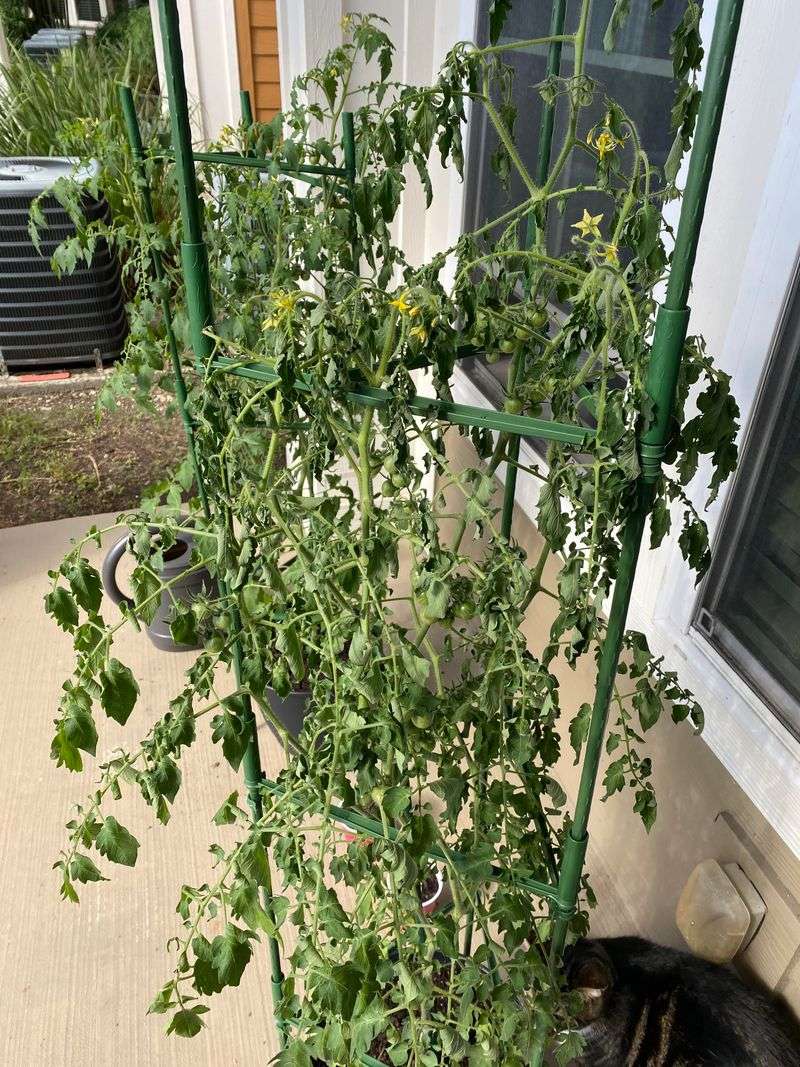
Pale leaves are the loudest alarm your tomato plant can sound. When foliage turns lime green or yellowish instead of staying deep green, something is clearly out of balance.
Stunted growth is another major red flag. A tomato plant that barely grows an inch per week during peak summer is not thriving, it is struggling to function.
Look closely at the leaf edges and tips. Browning or curling edges often signal fertilizer burn, which happens when concentrated nutrients damage delicate root and leaf tissue.
Flowers dropping off before forming fruit is a telling sign. Overfed plants divert so much energy into stems and leaves that blossoms simply cannot hold on and fall off.
Fruit that sets but stays small and hard for weeks is another clue. Nutrient imbalance slows the natural ripening process and leaves tomatoes looking underdeveloped and pale.
Stems that are thick but hollow-feeling or soft at the base suggest the plant is pushing excessive vegetative growth. That kind of growth is flashy but structurally weak and unproductive.
Soil that smells sour or slightly off near the base of the plant can also indicate fertilizer buildup. Excess salts from synthetic feeds accumulate and create a toxic environment underground.
Spotting these signs early gives you the best chance to correct course before the season is lost. The plant is showing you exactly what it needs, if you know where to look.
The Right Feeding Schedule For Healthy Tomato Growth
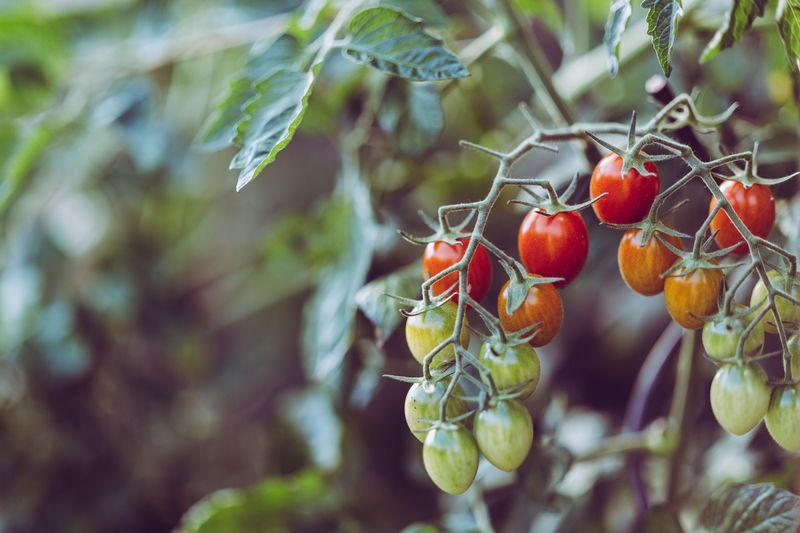
Timing your fertilizer applications can make or break your entire tomato harvest. Most gardeners feed too often, thinking more nutrients equal more fruit, but that logic backfires quickly.
Start with a balanced fertilizer at transplant time. Something with equal N-P-K numbers, like a 10-10-10 blend, gives seedlings a gentle, even foundation without overwhelming young roots.
Wait two full weeks before feeding again. New transplants need time to settle into their new home and begin establishing roots before more nutrients enter the picture.
Once flowering begins, shift to a low-nitrogen, higher-phosphorus fertilizer. This supports bloom development and helps the plant focus energy on producing fruit rather than extra foliage.
Feed every two to three weeks during the growing season, not weekly. Overfeeding tends to cause more damage than underfeeding, and tomatoes respond better to steady, spaced-out nutrition.
Stop heavy feeding once most fruits have set and are sizing up. At that point, the plant needs water and sunlight more than extra nutrients to finish ripening.
Liquid fertilizers work faster but flush out of soil quickly. Granular options last longer but can build up if reapplied too soon, so always follow label directions carefully.
A consistent schedule removes the guesswork and keeps nutrient levels from spiraling out of control halfway through the season. Stick to a plan and your plants will reward you generously.
Nutrients Tomatoes Actually Need at Each Growth Stage
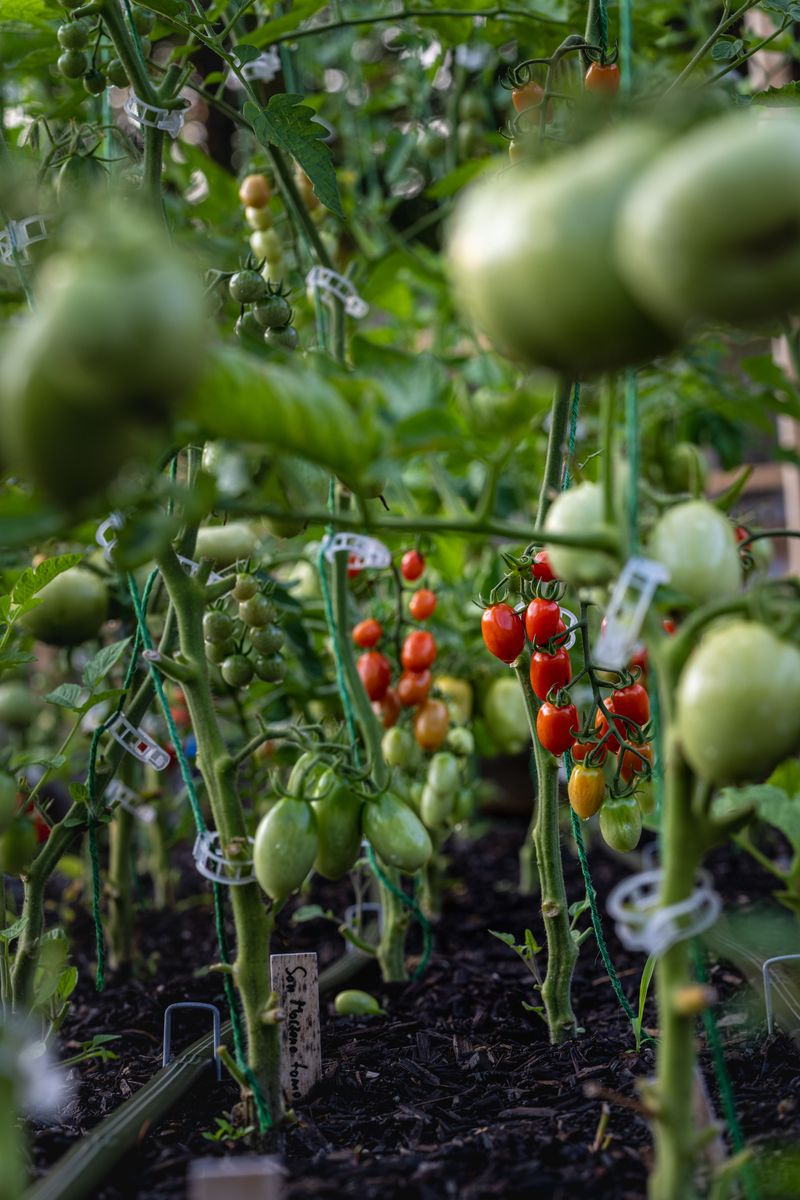
Tomatoes are hungry plants, but their appetite changes as they grow. Matching feed to each stage is the key to avoiding the washed-out, weak results that trip up so many gardeners.
During the seedling stage, nitrogen takes the lead. Young plants need it to build strong stems and develop their first true leaves before anything else can happen.
Once transplanted outdoors, the focus shifts slightly. A balanced mix of nitrogen, phosphorus, and potassium supports root expansion and helps the plant adapt to outdoor conditions without stress.
Phosphorus becomes the star nutrient when flower buds appear. It drives energy directly into bloom production and helps flowers stay on the plant long enough to become actual fruit.
Potassium steps up once fruits begin to form. It regulates water movement inside the plant, strengthens cell walls, and directly influences the size, flavor, and color of each tomato.
Calcium is often overlooked but critically important throughout the season. Low calcium causes blossom end rot, that ugly black patch on the bottom of tomatoes that ruins otherwise perfect fruit.
Magnesium supports chlorophyll production, which is what keeps leaves that rich, healthy green color. A simple Epsom salt spray can correct magnesium deficiency without disrupting other nutrient levels significantly.
Matching nutrients to growth stages prevents overload and deficiency at the same time. Feed your tomatoes like they are living things with changing needs, not machines that want the same fuel all season long.
Simple Fixes To Restore Color And Strength
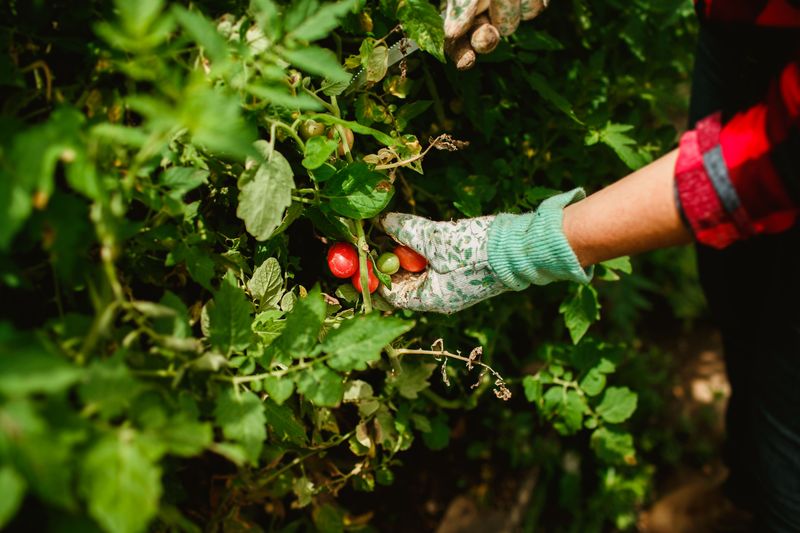
Recovery is possible, and it starts the moment you stop the damage. If your tomatoes look pale and weak from overfeeding, the first move is to pause all fertilizer applications immediately.
Flush the soil with plain water to push excess nutrients deeper and away from the root zone. Water deeply two or three times over a week to help dilute the buildup.
Pull back any thick mulch sitting directly against the stem. Mulch is helpful, but when pressed too close to the base, it traps moisture and can worsen root stress in struggling plants.
Add a thin layer of finished compost around the base of each plant. Compost introduces beneficial microbes that help break down excess fertilizer salts and rebalance the soil naturally.
A foliar spray of diluted seaweed extract can perk up pale leaves within days. Seaweed is rich in micronutrients and plant hormones that support recovery without adding more of the wrong things.
Epsom salt dissolved in water, about one tablespoon per gallon, works well as a gentle magnesium boost. Spray it directly on leaves or apply it to the soil around the base.
Prune off any yellowed or brown leaves to redirect the plant’s energy toward healthy new growth. Clean cuts with sharp scissors prevent disease from sneaking in through damaged tissue.
Within two to three weeks of consistent care, most tomato plants bounce back with noticeable strength and color. This feeding mistake is fixable, and your harvest season does not have to be a loss.
Preventing The Mistake From Happening Again
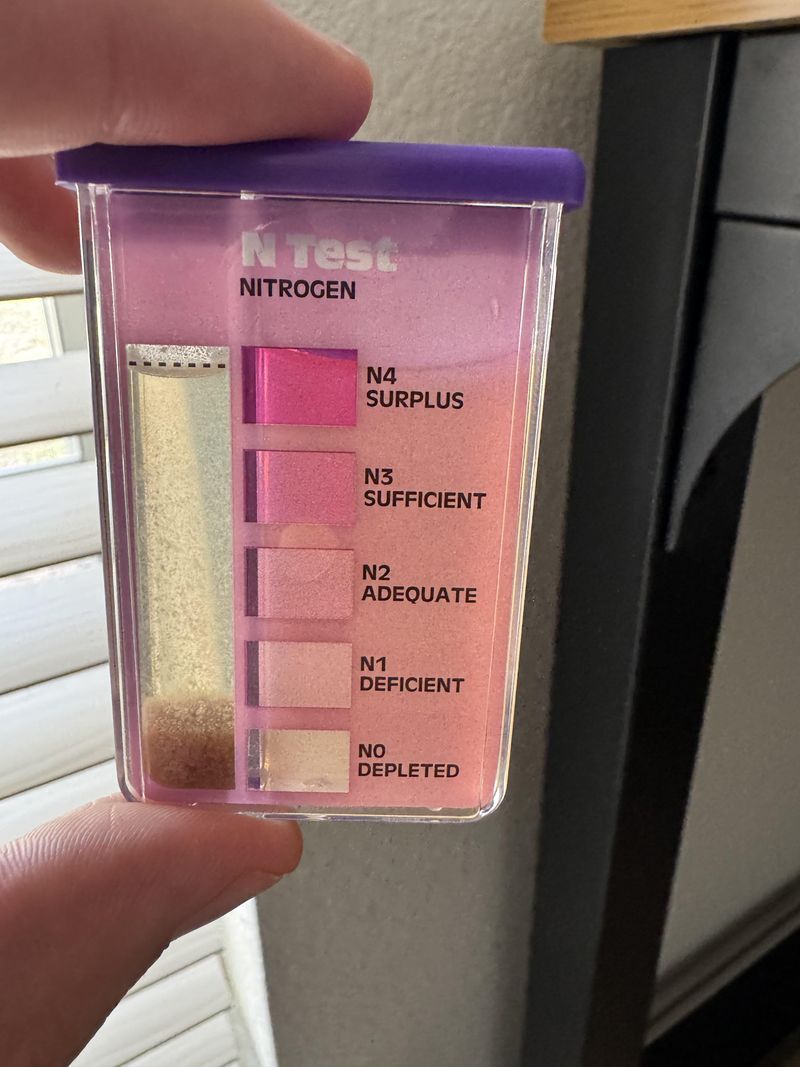
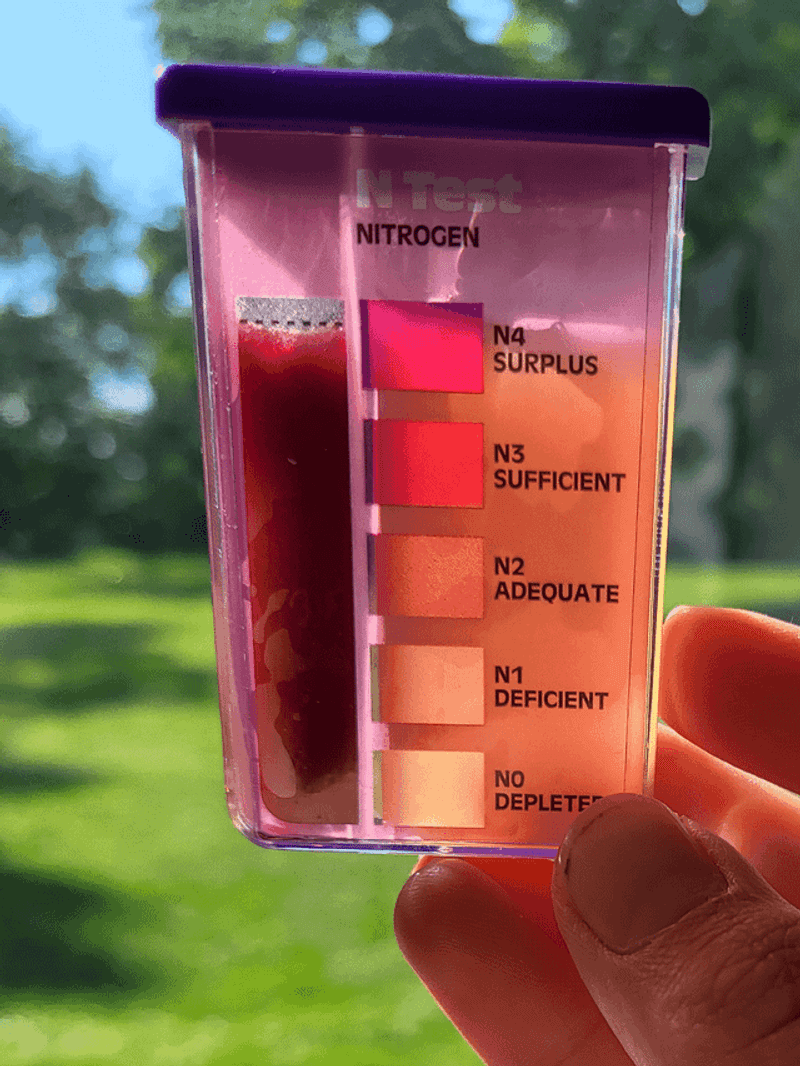
Prevention tends to beat recovery, and a few smart habits protect tomatoes from nutrient overload season after season. The single best move is testing your soil before adding anything to it.
Soil test kits are inexpensive and available at most garden centers or online. They tell you exactly what nutrients are already present so you stop guessing and start feeding with precision.
Choose fertilizers designed specifically for tomatoes and vegetables. These blends are formulated with the right N-P-K ratios for fruiting plants, not the nitrogen-heavy mixes meant for lawns and shrubs.
Read every label before applying anything. Dosage instructions exist for a reason, and cutting the recommended amount in half is often a smarter starting point for first-time applications.
Keep a simple garden journal to track what you applied and when. Memory is unreliable in a busy season, and a written record prevents accidental double-dosing that leads to overload.
Rotate your fertilizer types throughout the season. Alternating between liquid feeds and granular options gives the soil time to process nutrients without accumulating dangerous salt levels.
Build long-term soil health with compost, aged manure, and cover crops during the off-season. Healthy soil feeds plants naturally and reduces how much additional fertilizer you need to apply.
Weak, washed-out plants from past mistakes can become a distant memory with these simple preventive steps. Smart feeding habits, built one season at a time, turn struggling gardens into genuinely productive ones.