How Often California Gardeners Actually Need To Water Potted Citrus
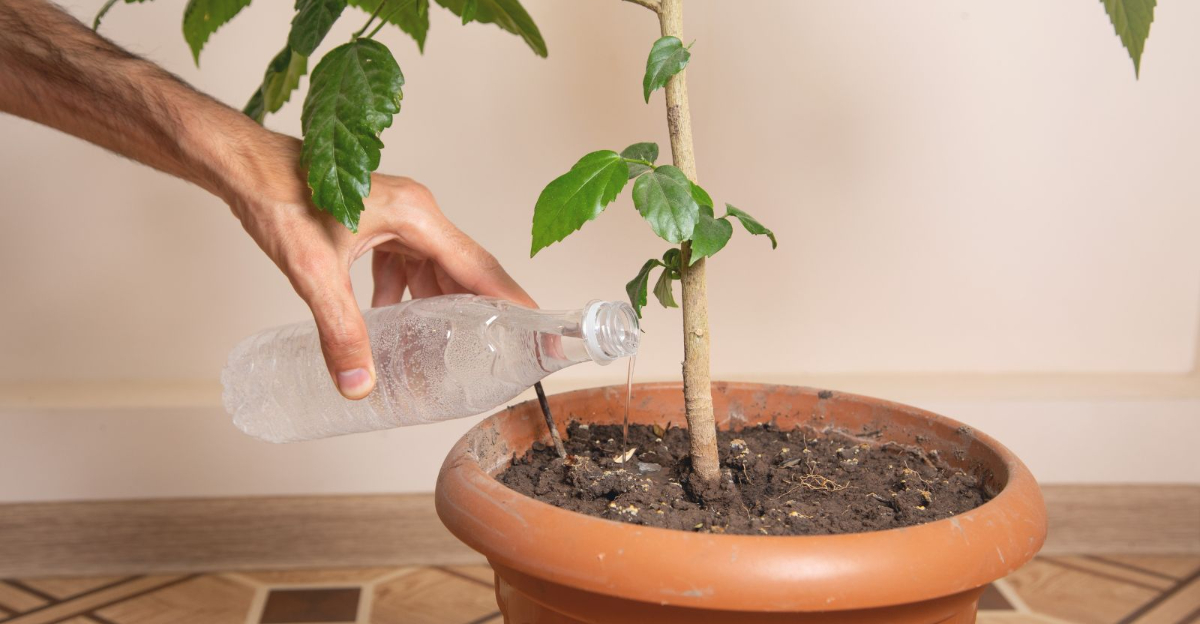
Watering a potted citrus tree seems like it should be one of the easier parts of California gardening.
Water it regularly, done, right? If only.
The truth is that figuring out the right watering routine for a container citrus is a little more nuanced than most people expect, and getting it wrong in either direction can cause real problems fast.
A pot dries out much faster than in-ground soil because the roots only have access to whatever moisture is packed into that container, nothing more.
Add California’s summer heat, inland scorching temperatures, coastal breezes, varying sun exposure, and the fact that different potting mixes behave completely differently, and a fixed watering schedule starts looking less like a plan and more like a guess.
Reading the actual soil moisture and responding to real conditions is what actually works here.
1. The Soil Test Beats A Fixed Schedule
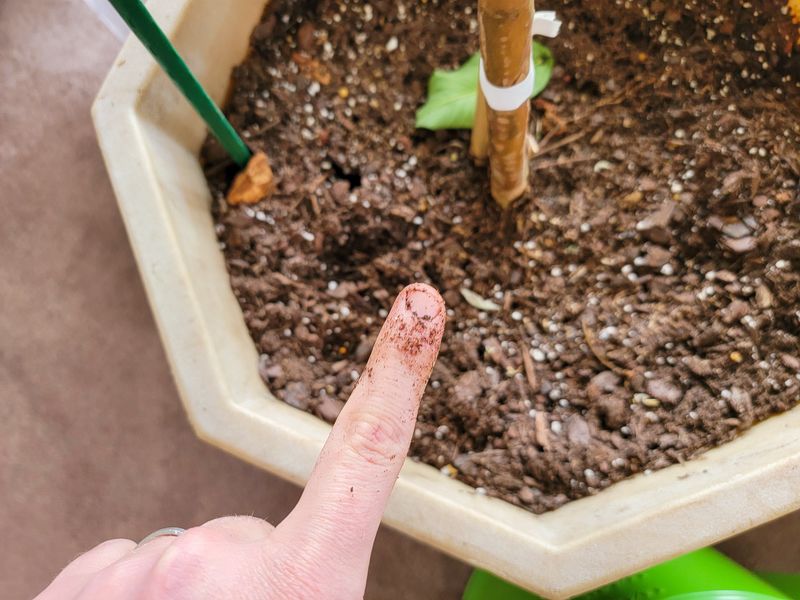
Pressing a finger two to three inches into the potting mix of a container lemon or orange tree tells you far more than any calendar can.
UC Master Gardener guidance for Santa Clara County recommends watering container citrus when the upper two to three inches of potting soil have dried out.
That simple check takes only a few seconds and gives California gardeners real information instead of a guess.
The surface of the pot can be misleading on its own.
Soil at the top may feel dry while moisture still lingers deeper in the root zone, or the reverse can happen when the surface holds a little dampness but the lower portion of the container has already dried considerably.
Relying on appearance alone can lead to watering too soon or waiting too long.
A consistent habit of checking the potting mix before reaching for the hose helps avoid both overwatering and underwatering. Slide a finger or a wooden skewer down into the mix and feel what is actually there.
The goal is not to let the entire root ball go bone dry, but rather to allow that upper portion to dry as a reliable signal that the tree is ready for its next drink.
Building this small routine into your gardening week makes watering decisions feel far less stressful and much more accurate.
2. California Heat Can Shorten The Watering Gap
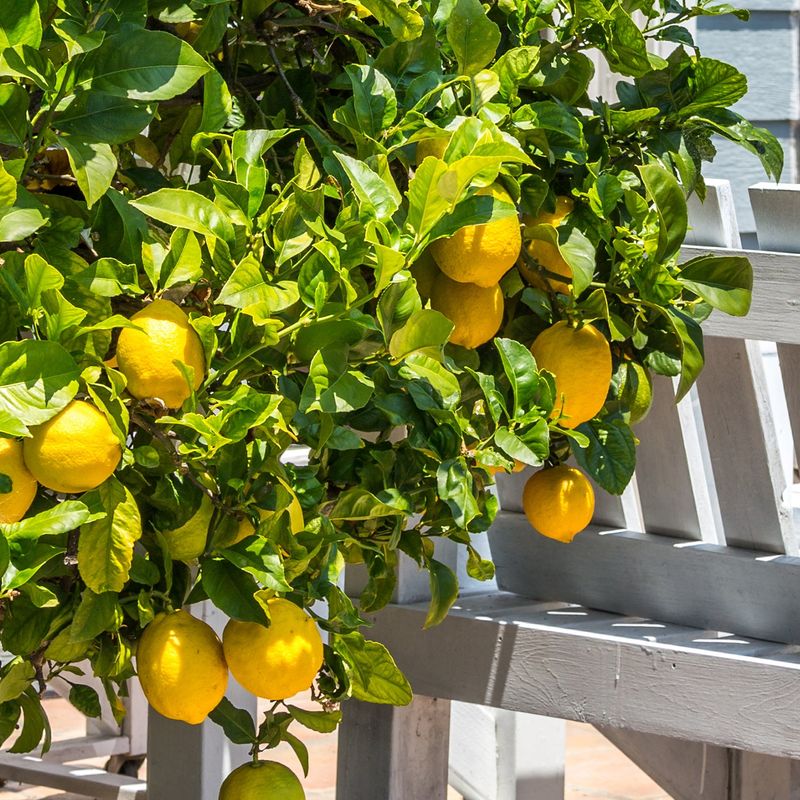
On a sweltering inland California afternoon, a container can lose moisture at a pace that surprises even experienced gardeners.
UC San Luis Obispo County guidance specifically notes that potted citrus may require more frequent watering during hot weather, and UC container-gardening resources confirm that watering needs shift with season and sun exposure.
What worked fine during a mild spring week may not be enough once summer heat arrives.
Wind adds another layer to the equation. A dry, warm breeze moving across a patio pulls moisture from both the foliage and the potting mix faster than still air would.
A citrus tree near a wall that reflects afternoon sun can face conditions quite different from one tucked into a shaded corner of the same yard.
Your California Garden Changes Every Week. Your Plan Should Too.
Gardening in California changes quickly throughout the season. Every Friday you’ll receive a simple weekly plan showing exactly what to plant, prune, fertilize, harvest, and protect so you never miss the right timing.
The key takeaway is not to set a new automatic schedule when temperatures climb, but to increase how often you check.
During a California heat wave or a stretch of triple-digit temperatures inland, soil that felt adequately moist in the morning may be noticeably drier by late afternoon.
Checking the potting mix more frequently during these periods, rather than assuming a fixed number of days still applies, keeps the tree in better shape without turning irrigation into a rigid daily obligation.
Conditions drive the decision, not the date on the calendar.
3. Pots Lose Moisture Faster Than Garden Soil
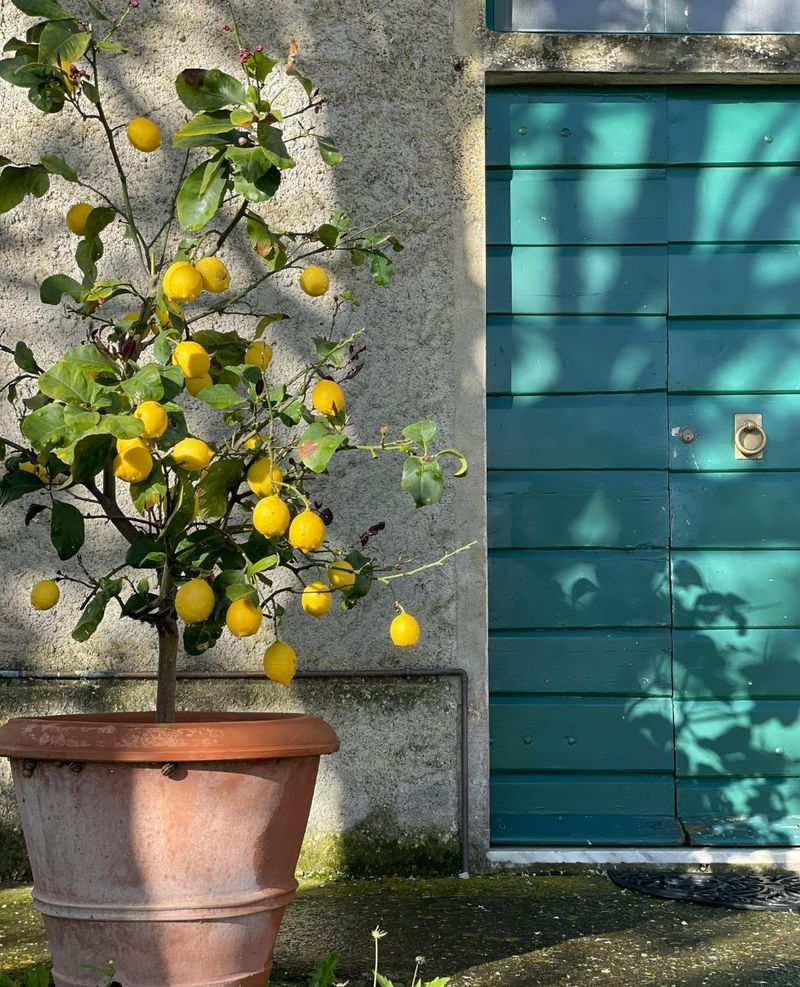
One of the most practical things to understand about container citrus is just how limited its water supply really is. An in-ground citrus tree spreads roots outward through a large volume of surrounding soil, accessing moisture from a wide area.
A potted tree is confined to whatever growing mix fits inside its container, and that amount dries out far more quickly when exposed to sun, wind, and warm California air.
UC Ventura County specifically notes that containers can dry much faster than soil-grown citrus trees. This is not a minor difference.
A large in-ground tree might go a week or more between waterings during mild weather, while a similarly sized tree in a container could need attention considerably sooner under the same conditions.
Exposure matters too, since a pot sitting in full afternoon sun on a south-facing patio loses moisture at a different rate than one placed in filtered shade.
Container material also plays a role that many gardeners overlook. Unglazed clay pots allow moisture to evaporate through their walls, which can accelerate drying compared to glazed ceramic or plastic containers.
None of these factors make container citrus impractical, but recognizing them helps gardeners stay ahead of the drying cycle rather than catching up after the potting mix has gotten too dry.
Staying observant and adjusting based on actual conditions makes a real difference over time.
4. A Deep Drink Reaches More Of The Root Ball
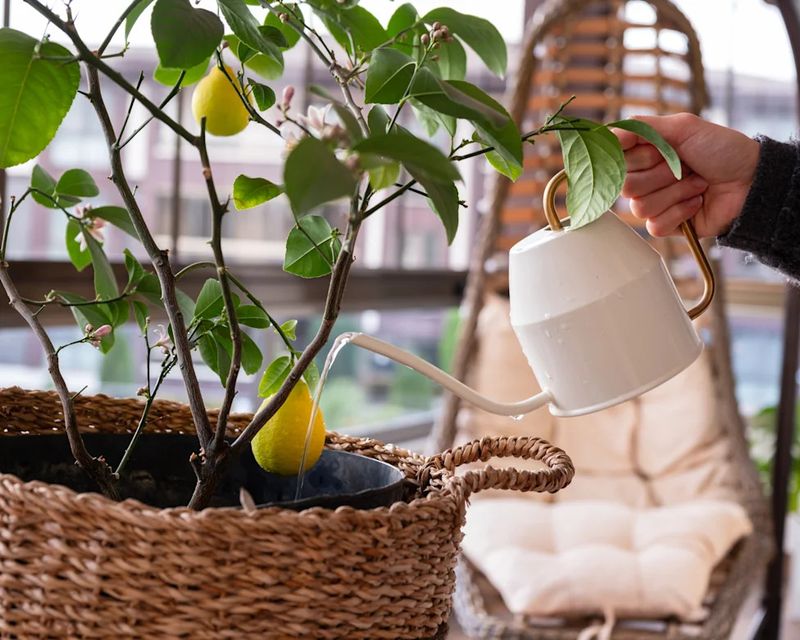
Quick, shallow waterings that only wet the surface of the potting mix can leave the lower portion of the root ball dry even when the top looks moist.
UC Santa Clara County guidance recommends applying water slowly to container citrus, giving the potting mix time to absorb moisture rather than letting it run off before it penetrates.
A thorough, unhurried watering session reaches more of the root zone and supports healthier growth across California’s varied growing conditions.
UC San Luis Obispo County advises checking that water is actually penetrating to the roots and thoroughly moistening the container when needed. This is especially worth keeping in mind if the potting mix has become very dry between waterings.
When growing medium gets extremely dry, it can sometimes pull away slightly from the container walls and allow water to channel down the sides without evenly moistening the root ball.
Seeing water drain from the bottom does not automatically confirm that the entire root zone received adequate moisture.
Slowing down the watering process and applying water in rounds, pausing to let each application soak in before adding more, helps address this problem.
Pot size and growing conditions vary widely, so there is no single volume of water that suits every container.
The goal is thorough, even penetration rather than speed. Taking a few extra minutes to water carefully tends to produce better results than rushing through the task and moving on.
5. Good Drainage Keeps Soggy Soil In Check
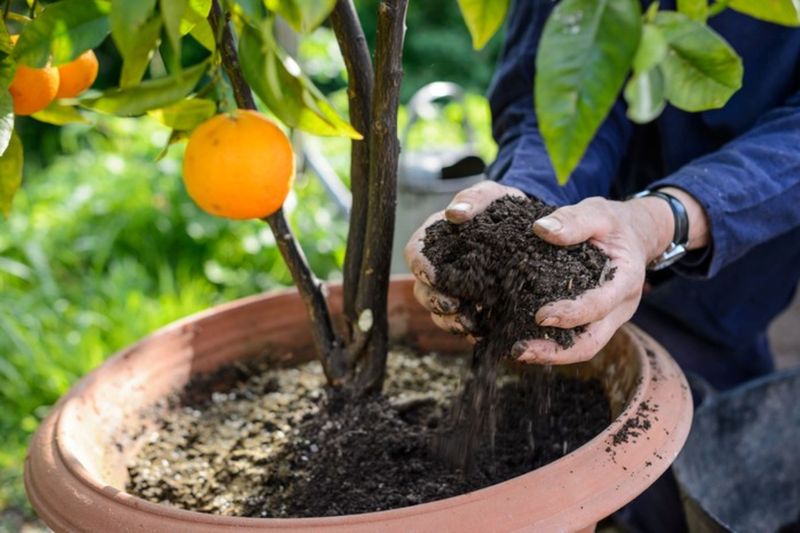
Citrus roots need both moisture and air to function well, and a container that holds water without releasing it creates conditions that can stress roots over time. Good drainage is not just a nice feature in a California container setup, it is a basic requirement.
UC San Luis Obispo County guidance emphasizes proper drainage and specifically advises against using ordinary garden soil in containers because it does not drain adequately for this purpose.
A quality potting mix designed for containers allows water to move through while retaining enough moisture to support the tree between waterings.
Drainage holes at the bottom of the pot are equally important, since without them, excess water has nowhere to go and can accumulate around the roots.
Some gardeners place saucers under their pots to catch runoff, which is practical on a patio, but allowing the pot to sit in standing water for extended periods can create the same soggy conditions that drainage holes are meant to prevent.
The distinction between a thorough watering and a waterlogged container is worth keeping clear. Watering deeply and allowing excess moisture to drain freely is what citrus roots benefit from.
Keeping the root zone persistently saturated is a different situation entirely and tends to cause problems over time.
Checking that drainage holes are open and unblocked, and using an appropriate potting mix, are two straightforward steps that make a real difference in container citrus health.
6. Container Size Changes The Watering Rhythm
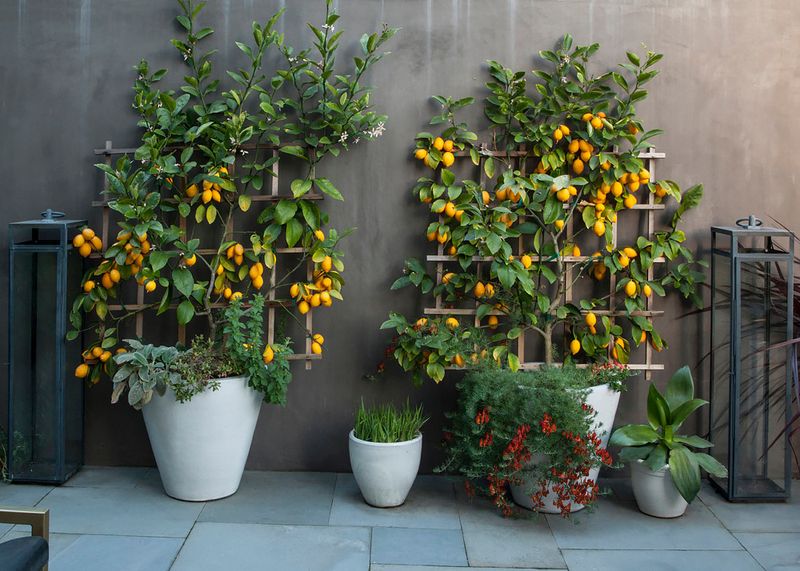
A small pot holding a young mandarin seedling and a large half-barrel container growing a mature navel orange do not dry out at the same rate, and treating them as though they do leads to inconsistent results for California gardeners.
Larger containers hold more potting mix, which generally means more moisture is available to the roots between waterings.
Smaller pots have less growing medium and can dry out noticeably faster, especially during warm weather.
UC container-gardening guidance confirms that watering needs vary with the type of container, season, and sun exposure. Root development matters too.
As a citrus tree grows, its roots fill more of the container and begin using available moisture more efficiently. A tree that has outgrown its pot may dry out faster than expected because the roots leave little room for the potting mix to hold adequate water.
UC Santa Clara County recommends repotting container citrus as roots fill the container and as the potting mix breaks down over time. Older potting mix can lose its structure and drain less effectively, which changes how moisture moves through the container.
Moving a tree into a slightly larger pot with fresh growing medium can reset the watering rhythm in a helpful way.
No single container size fits every citrus variety or growing situation, so paying attention to how quickly each individual pot dries is more reliable than applying one rule to all containers in the garden.
7. Hot Summer Days Call For Closer Checks
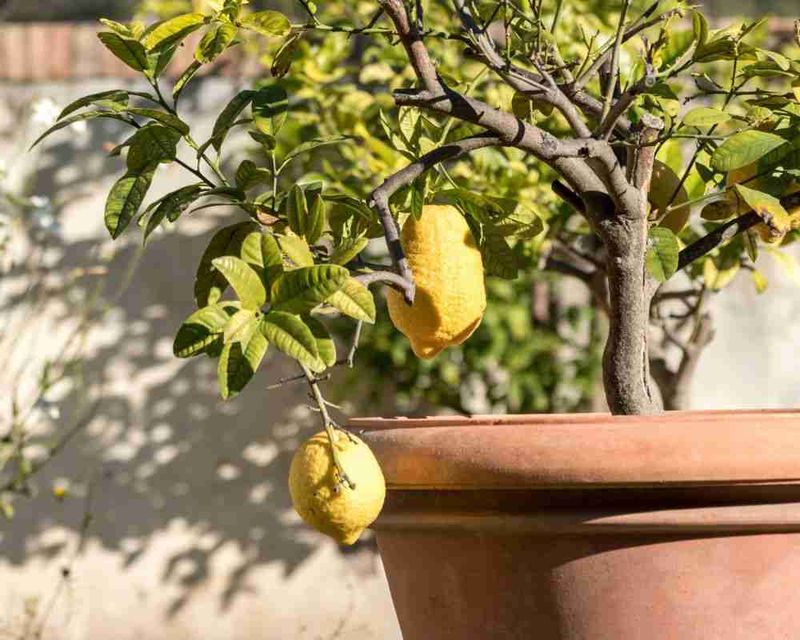
During California’s hottest summer stretches, a container that seemed fine yesterday morning can feel noticeably drier by the next afternoon.
General UC container-gardening guidance notes that some container plants may need daily attention during midsummer or windy weather, though that does not translate into an automatic rule that every potted citrus tree needs water each day.
The point is to stay attentive rather than to irrigate on a fixed schedule regardless of what the soil is actually doing.
Monitoring becomes the main task during heat waves. Checking the potting mix once in the morning and again in the late afternoon during especially hot periods gives a much clearer picture of how fast moisture is leaving the container.
A tree on a south-facing patio exposed to full afternoon sun will dry faster than one growing on a cooler north-facing wall or under a shade structure, even during the same heat event.
Raising the frequency of checks is different from raising the frequency of watering. Some days during a heat wave may call for watering, while others may show that adequate moisture remains in the root zone.
Letting the actual condition of the potting mix guide each decision, rather than assuming the worst and adding water automatically, keeps the tree from swinging between too dry and too wet.
Staying consistent with checks during hot weather is one of the most practical habits a California container citrus grower can develop.
8. Cooler Weather Can Stretch The Time Between Waterings
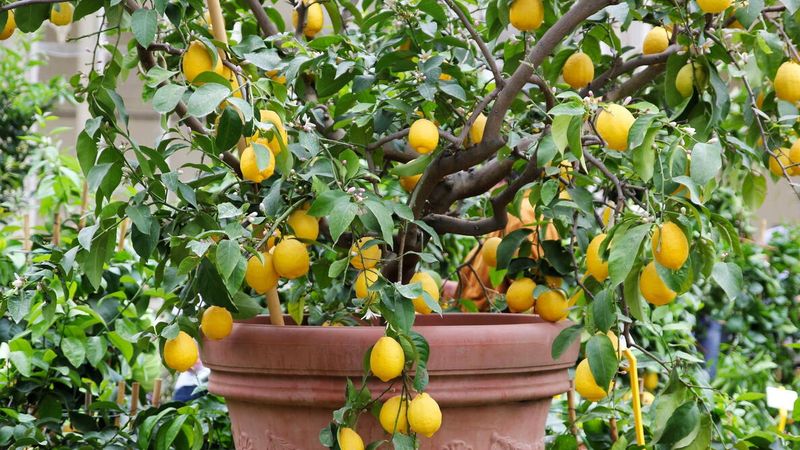
As California moves into fall and temperatures begin to ease, the pace at which container citrus dries out tends to slow as well. Shorter days, lower temperatures, and reduced evaporation all contribute to potting mix staying moist longer between waterings.
A schedule that worked through July and August often needs to be relaxed once September and October arrive, and carrying a peak-summer watering rhythm into cooler months can lead to overwatering.
California’s regional climates mean this shift does not happen at the same time everywhere. Coastal gardens may experience a gradual, subtle change, while inland areas can see more dramatic swings as temperatures drop.
Gardeners in the Central Valley or the Inland Empire may notice a more pronounced difference between summer and fall watering needs than those growing citrus near the coast, where temperatures stay relatively mild year-round.
Rainfall also enters the picture during the cooler months, but outdoor container citrus should not be assumed to be adequately watered simply because it rained.
A leafy canopy can deflect rainfall away from the pot, and the container’s position near a wall or under an overhang may mean the root ball received little benefit from a passing storm.
Checking the actual potting mix after rain, rather than assuming the tree is covered, keeps the guesswork out of the process.
Continuing the habit of soil checks through winter ensures the tree stays comfortable without being overwatered during its slower growing period.