What It Means When Your Michigan Yard Suddenly Goes Quiet In Late August
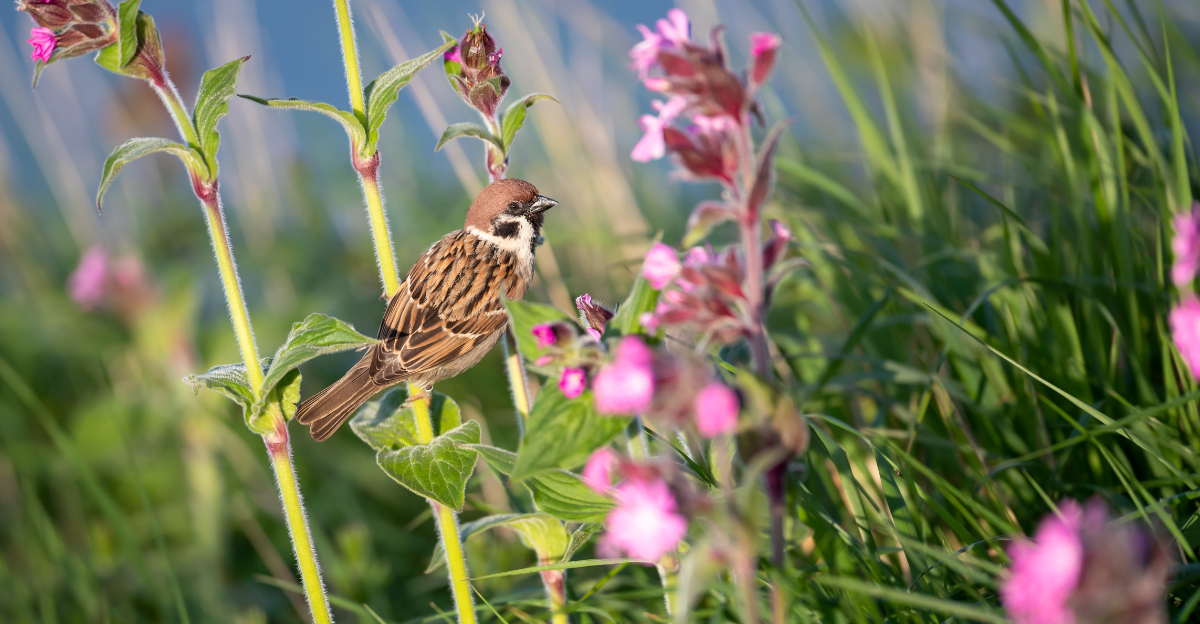
There’s a particular kind of silence that settles over Michigan yards in late August, one that catches many homeowners off guard after a summer full of constant activity.
The birds, the insects, even the general background hum of yard life seems to fade almost overnight.
It’s easy to assume something has gone wrong, especially after months of a yard that felt genuinely alive with movement and sound.
But this quiet shift actually has a clear explanation rooted in what’s happening seasonally, both above and below the surface.
Understanding why this happens can completely change how you interpret what feels like an unsettling change. Some homeowners even find themselves oddly relieved once they understand what’s actually going on.
It’s one of those late summer patterns that repeats every year, yet somehow still surprises people who notice it for the first time.
1. The Nesting Rush Is Ending
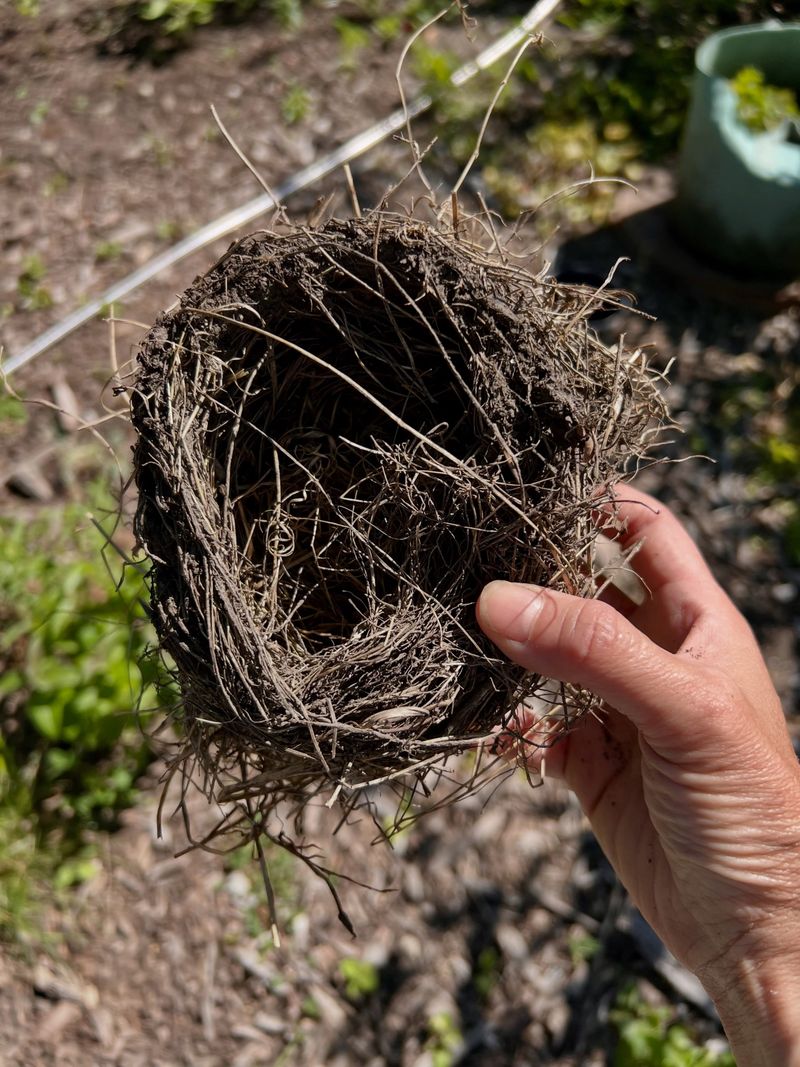
All spring and early summer, male birds pour their energy into singing. Those cheerful tunes are not just for fun. They help attract mates and announce that a bird is ready to raise a family.
Once eggs hatch and young birds grow, the whole point of singing starts to fade. Parents get busy feeding hungry chicks instead of showing off their voices.
By late August, most nesting in Michigan has wrapped up for the year.
Without the need to find a partner, males simply have far less reason to belt out their songs. The quiet you hear is really a sign that the busy family season went well.
Your yard likely raised a fresh batch of young birds during those noisy weeks. You might still spot birds hopping around, gathering food or resting in the shade. They are present, just less vocal than before.
Their focus has shifted from romance to survival and preparing for cooler months ahead.
If you want to enjoy them, watch for movement rather than listening for songs. Keep birdbaths clean and filled, since fresh water attracts birds even when singing slows.
A shallow dish with a gentle drip can be a real magnet.
Understanding this natural rhythm makes the silence feel less strange. The lull is temporary and completely normal for this time of year.
Next spring, when the nesting rush returns, your yard will fill with music once again, and you will know exactly why the birds are singing so loudly.
2. They Have Less Territory To Defend
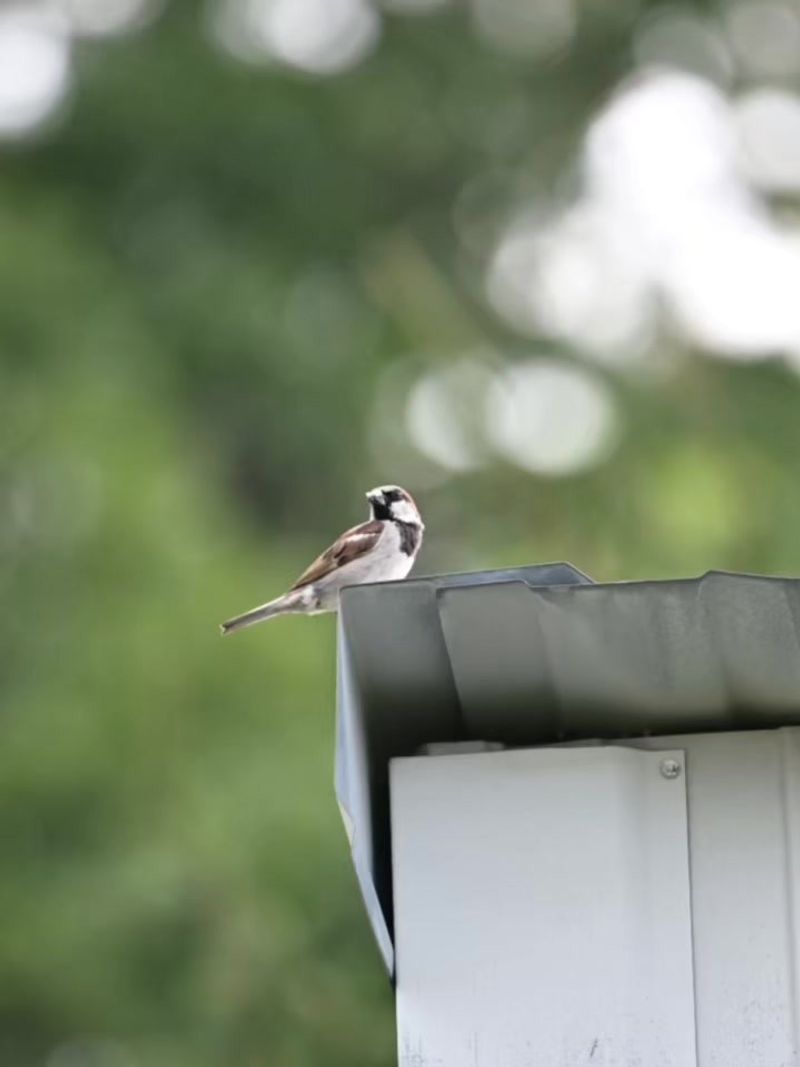
During breeding season, birds act like tiny landowners. Each male claims a patch of yard, trees, or shrubs and guards it fiercely. Loud singing is his way of telling other males to stay away.
That constant defending takes a lot of effort. Once the young have grown and left the nest, holding onto a territory no longer matters as much. The pressure to warn off rivals simply melts away.
With no borders to protect, birds relax their vocal patrols. The steady stream of warning calls and boundary songs drops off sharply. This is a big reason your yard suddenly feels so peaceful.
Your Michigan Garden Changes Every Week. Your Plan Should Too.
Gardening in Michigan changes quickly throughout the season. Every Friday you’ll receive a simple weekly plan showing exactly what to plant, prune, fertilize, harvest, and protect so you never miss the right timing.
Think of it like a neighborhood after a big block party ends. Everyone settles down, and the noise naturally quiets. The birds are still around, just no longer shouting across property lines.
You may notice birds tolerating each other more than they did in spring. Where two males once chased each other, they might now feed side by side. This shift shows the season has moved into a calmer phase.
For gardeners, this is a great time to observe behavior instead of listening. Watch how birds share feeders and gather in loose groups. Their easygoing mood can be surprisingly fun to see up close.
Keeping a variety of perches and shrubs helps birds feel safe during this relaxed stretch. Dense bushes give them spots to rest without worry.
When cooler months arrive and territories matter again, your welcoming yard will be ready for the return of their spirited songs.
3. Many Birds Are Molting
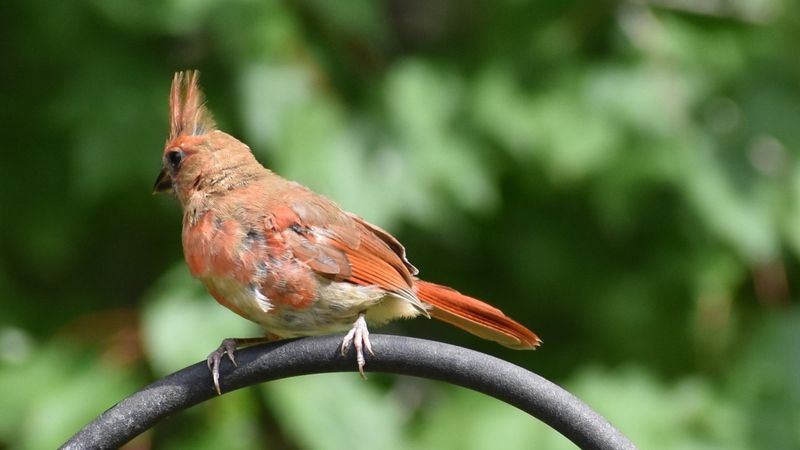
Late summer is molting season for many Michigan songbirds. Molting means birds slowly replace their worn feathers with fresh new ones. It happens every year, usually after the busy nesting weeks.
Growing new feathers takes a lot of energy. During this time, birds often feel less lively and prefer to stay low and hidden. Singing loudly would only draw attention they do not want.
Fresh feathers matter for staying warm and flying well, especially before colder weather. So birds put their effort into this makeover instead of showing off with song. The result is a much quieter yard.
Some birds even look a little scruffy or patchy while molting. A goldfinch might lose its bright color, and a cardinal could look ragged for a bit. That messy stage is completely normal and passes quickly.
Because they feel vulnerable, molting birds tuck themselves into thick shrubs and leafy branches. You may not see or hear them much, but they are close by. Quiet does not mean they have left your yard.
You can help by offering foods rich in protein, like sunflower seeds and mealworms. These give birds the boost they need to grow strong feathers.
Clean water also helps them stay comfortable during the process.
Once the molt finishes, birds regain their energy and bright looks. They become more active and easier to spot again.
Knowing this stage exists makes the temporary silence feel far less mysterious and much more like a normal part of the year.
4. Some Birds Are Forming Flocks
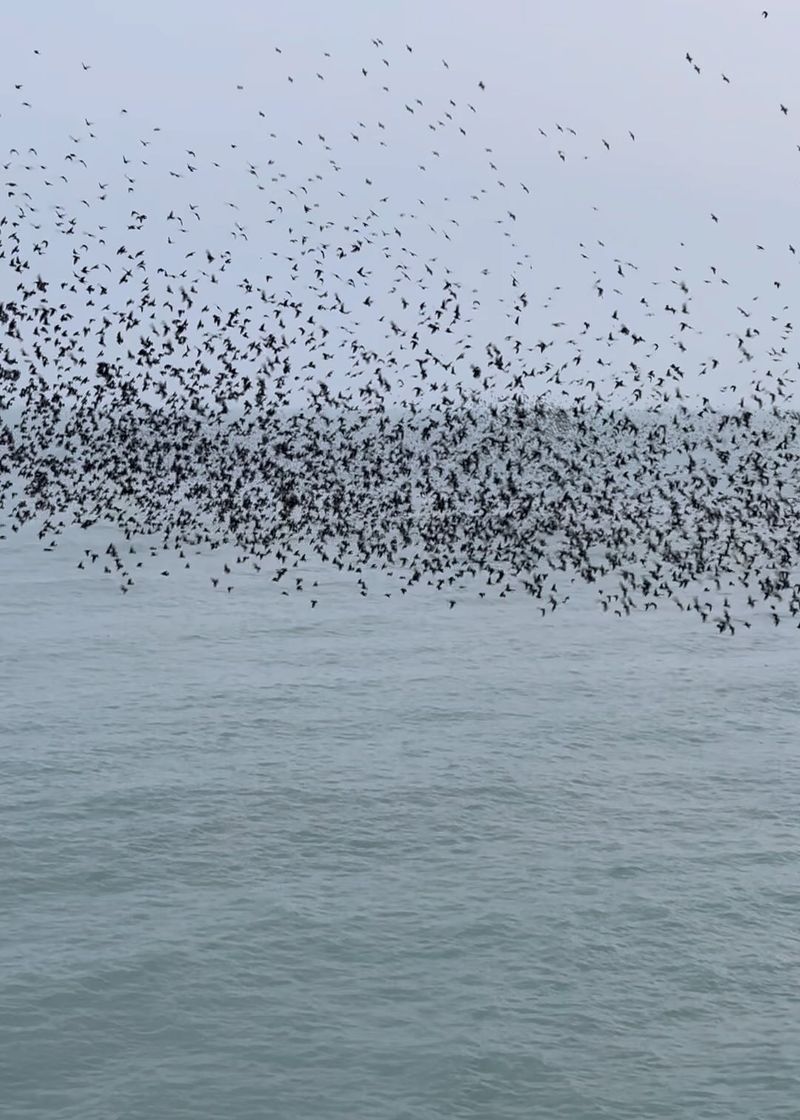
After the family season ends, many birds trade solo living for group life. Robins are a great example of this friendly change. Instead of guarding separate spots, they gather into loose flocks.
Flocking has real benefits. More eyes mean better protection from hawks and other threats. It also helps birds find food faster as they move together across lawns and fields.
When birds join flocks, they no longer sing to claim personal territory. Their communication shifts to soft calls that help the group stay together. These gentle chirps are much quieter than spring songs.
You might spot a bunch of robins spread across your grass, hopping and hunting for worms. They seem calm and cooperative rather than competitive. That teamwork replaces the loud solo performances of earlier months.
This social season can be a joy to watch. Groups of birds moving in loose waves across your yard create a peaceful, busy scene. It feels different from summer but is just as lively in its own way.
Keeping open lawn areas and short grass helps ground feeders like robins hunt easily. A birdbath nearby gives the whole flock a place to drink and bathe. Simple touches make your yard a welcoming gathering spot.
As fall approaches, these flocks may grow even larger. Some will stick around while others prepare to travel.
Watching them band together reminds you that the quiet is not empty. It is simply a new chapter in the birds’ yearly story unfolding right outside your window.
5. Fall Migration Has Already Started
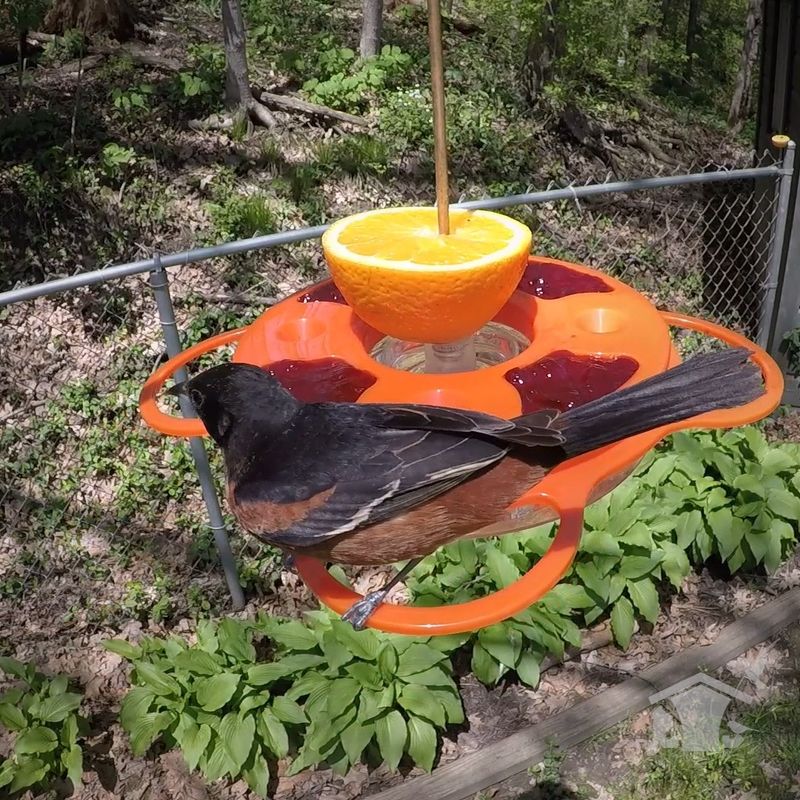
It may surprise you, but fall travel begins earlier than most people think. By late August, some Michigan birds are already on the move. The journey south starts well before the leaves turn.
Certain warblers, swallows, and other species leave first. They head toward warmer regions where food stays plentiful through winter. As they slip away, your yard naturally loses some of its familiar voices.
Migrating birds usually stay quiet during their travels. Singing is not useful when the goal is to save energy for a long trip. Instead, they focus on feeding and flying, often at night.
You might notice new birds passing through that you rarely see. These visitors stop to rest and refuel before continuing on. Their brief appearance adds a bit of surprise to the quiet season.
Watching for these travelers can be exciting. Keep an eye on trees and shrubs during early morning hours. You never know which passing species might drop by your yard for a short break.
Offering food and fresh water helps tired migrants recover. High energy seeds and berry bushes give them fuel for the road ahead. Your yard can become an important rest stop along their route.
The steady departure of summer birds explains a big part of the sudden hush. As familiar singers head out, fewer voices remain to fill the air.
Knowing that migration is already underway turns the silence into something fascinating, a sign of the amazing journeys happening high above your home.
6. Natural Food Is Everywhere
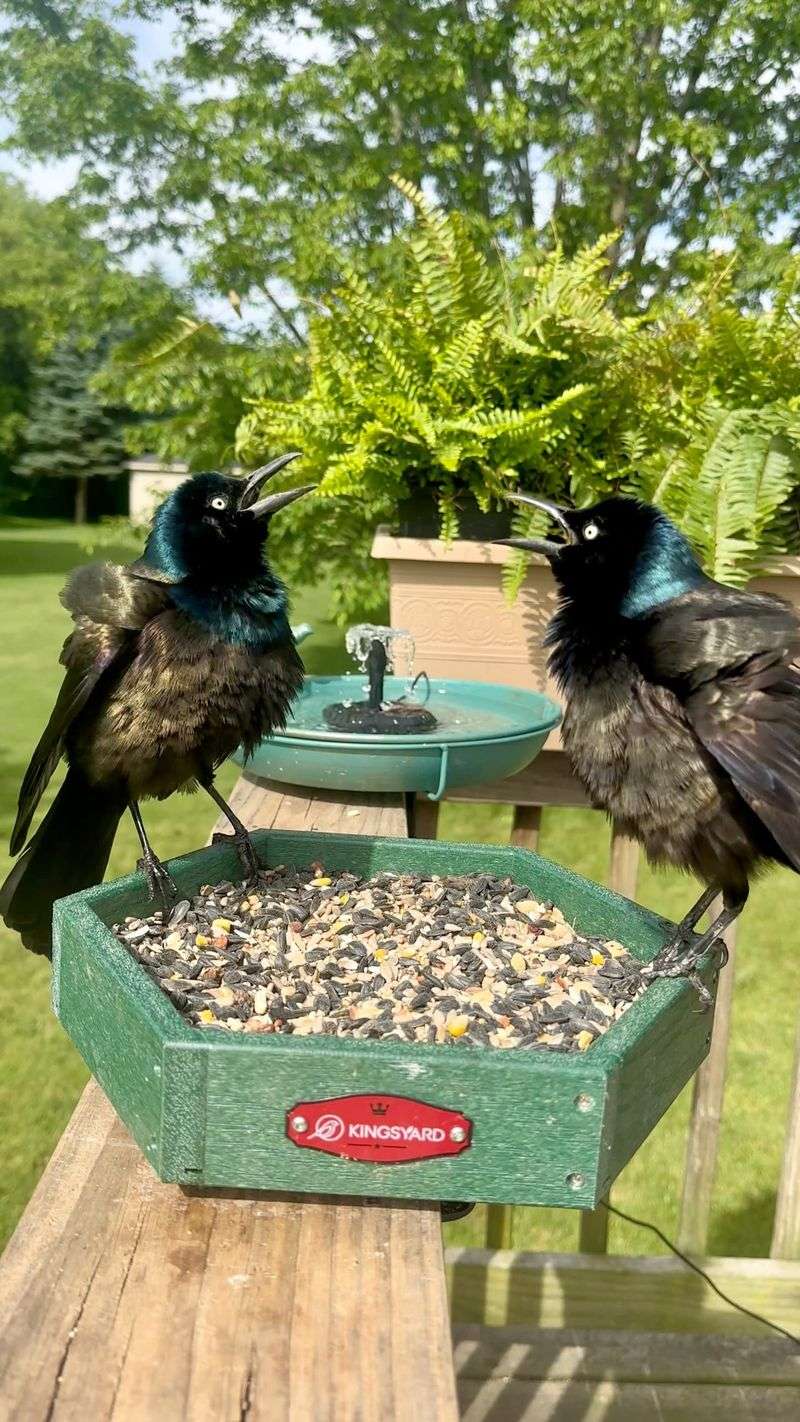
Late summer is like an all you can eat buffet for birds. Insects buzz everywhere, fruit ripens on bushes, and seeds fill the fields. Nature offers so much food that birds barely need your feeders.
When wild food is this plentiful, birds spread out to find it. They wander into gardens, meadows, and woodland edges searching for tasty treats. That means fewer visits to your lawn and feeding stations.
With bellies easily filled, birds have little reason to gather in one loud spot. They quietly forage on their own or in small groups. This scattering adds to the peaceful feeling in your yard.
Ripe berries are a huge draw during this time. Serviceberry, dogwood, and elderberry plants attract hungry visitors. Insects hiding in tall plants offer protein that growing and molting birds crave.
You might see your feeders sitting untouched for days. Do not worry, this does not mean the birds left for good. They are simply enjoying the natural feast the season provides.
Planting native shrubs that produce berries keeps birds interested in your yard. These plants offer food that store bought seed cannot match. They also give birds shelter and safe places to rest.
Once the wild supply shrinks in fall, birds return to feeders more often. Your patience during the quiet weeks will pay off.
Keeping feeders clean and ready means you will be first in line when hungry birds come back looking for an easy and reliable meal.
7. Listen Earlier In The Morning
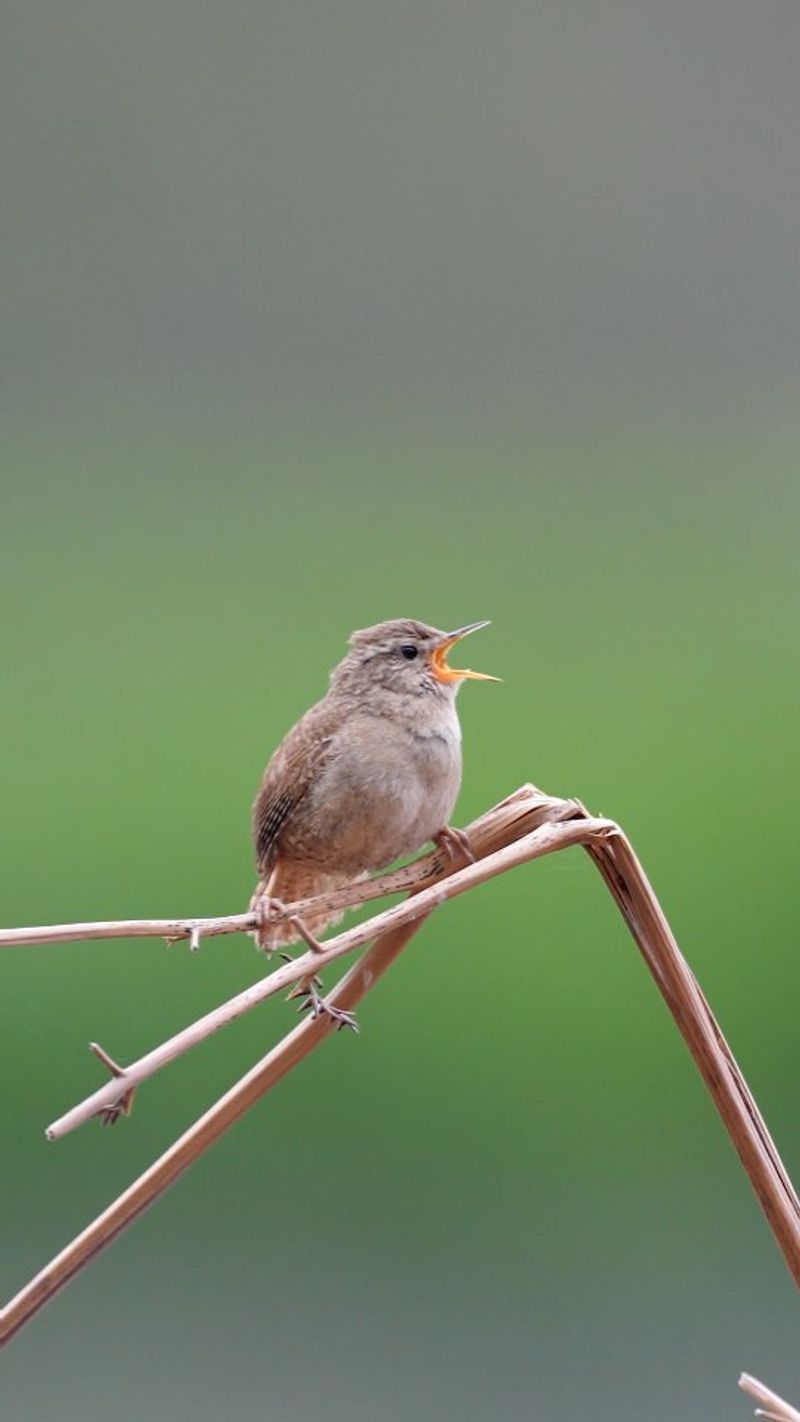
Even in the quiet stretch of late August, mornings can still hold surprises. Birds are often most active right after sunrise. If afternoons feel silent, the early hours might tell a different story.
Cool morning air and calm conditions make birds more comfortable moving around. This is when they feed, call softly, and sometimes sing a little. Later in the day, heat pushes them to rest in the shade.
Setting your alarm a bit earlier can reward you with more activity. Step outside with a warm drink and simply listen. You may hear chirps, chatter, and wingbeats you would miss by midday.
Afternoon quiet often fools people into thinking the birds are gone. In truth, they are just taking a break during the hottest hours. The morning shows they are still very much around.
Early light is also the best time to spot passing migrants. Many travel at night and pause to feed at dawn.
Your yard might host visitors that vanish by the time you finish breakfast. Keeping quiet and still helps you notice more. Birds relax when they do not feel watched.
Patience during those first golden minutes often brings the richest sightings. Making a morning habit of birdwatching turns the season into a treat. You get fresh air, calm surroundings, and a front row seat to nature waking up.
So before deciding your yard has gone silent, give the early morning a chance to prove you wrong with its gentle activity.
8. Quiet Does Not Mean Empty
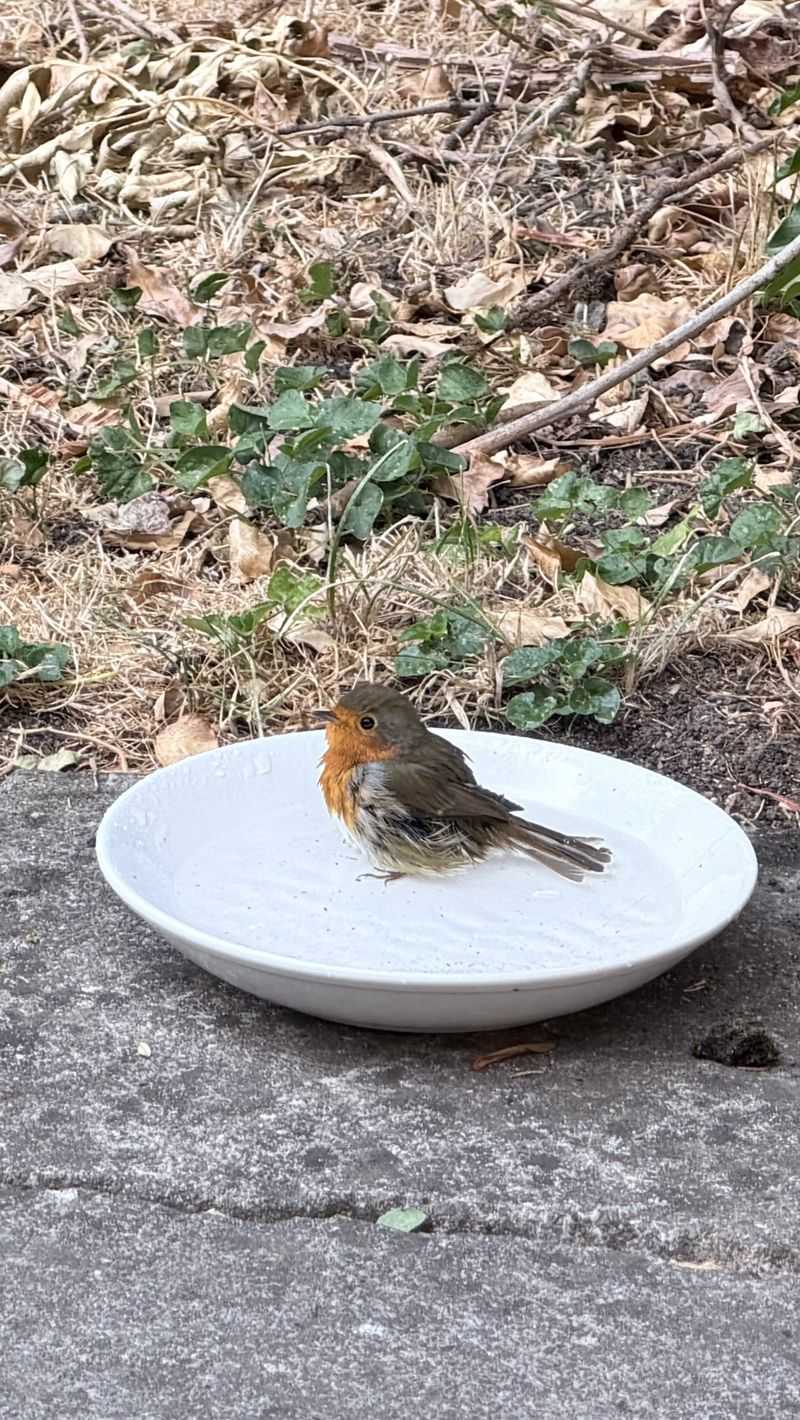
The biggest thing to remember is that silence is not the same as absence. Just because the loud summer chorus faded does not mean the birds packed up and left.
Many are still living right in your yard. They hide in shrubs, rest in trees, and quietly search for food. Their behavior simply shifted with the season.
Once you know what to look for, you will spot them everywhere. This calm period is a wonderful chance to support the birds that remain. Migrating visitors especially need safe places to rest and refuel.
Your yard can be a lifesaver along their long journey. Planting native flowers and shrubs gives birds natural food and shelter. Species like coneflower, serviceberry, and native grasses attract insects and produce seeds.
These plants do far more than any single feeder. Fresh water is another simple gift. A clean birdbath draws birds even when singing slows to almost nothing.
Adding a gentle dripper makes it even more appealing. Leaving some brush piles or dense corners offers hiding spots too. Birds feel safer when they have places to tuck away.
A little wildness in your yard goes a long way. Rather than missing the noise, enjoy this peaceful new rhythm. Watch the flocks, welcome the travelers, and prepare for spring’s return.
By keeping your yard full of food, water, and shelter, you turn a quiet late summer into a season of quiet wonder that supports birds through every stage of their year.