The Arizona Shade Tree Homeowners Are Choosing For Small Hot Yards
Finding a good shade tree gets harder when your yard barely has room for one.
Too much growth can crowd patios and walkways. Pick something more manageable, and you can gain welcome shade without sacrificing most of your outdoor space.
That challenge is leading Arizona homeowners toward a tree that makes sense for compact landscapes.
Summer heat puts any planting choice to the test. Smaller yards need a tree that can handle tough conditions while still fitting comfortably near everyday outdoor areas.
Think beyond how the tree looks when young and consider the space it will eventually need.
The best fit can turn a sunny corner into a more comfortable part of your yard. Choosing wisely now also means less worry about an oversized canopy taking over the space later.
1. Leatherleaf Acacia Stays Compact As It Grows
Size matters a lot when your yard is small. Leatherleaf Acacia tops out at roughly 20 feet tall and wide, which keeps it from swallowing a compact space whole.
Plenty of shade trees marketed for hot climates eventually outgrow tight yards, but this one tends to stay within reasonable limits under typical conditions.
Its growth rate is moderate, not explosive. That slower pace gives homeowners more control over placement and pruning without constant maintenance battles.
You get a tree that fills in gradually and stays proportional to smaller lots over time.
Unlike some desert trees that shoot up fast and then require heavy trimming every season, Leatherleaf Acacia builds its frame more steadily. Branches spread in a balanced way that rarely creates lopsided or awkward shapes.
That natural structure reduces the need for corrective pruning in most situations.
Compact growth also means roots tend to stay more contained, which matters near patios, walkways, and block walls. Root damage is always a concern with larger species.
Choosing a smaller-maturing tree upfront saves a lot of headaches down the road.
Leatherleaf Acacia fits neatly into the scale of a suburban desert lot without demanding constant management or sacrificing the shade coverage homeowners actually need.
2. Reflected Heat Does Not Easily Overwhelm It
Reflected heat in a desert yard is a different beast than regular sun exposure. Concrete driveways, block walls, and gravel mulch all bounce heat back at plants from multiple directions.
Many ornamental trees wilt or scorch under those conditions, but Leatherleaf Acacia handles reflected heat better than most comparably sized species.
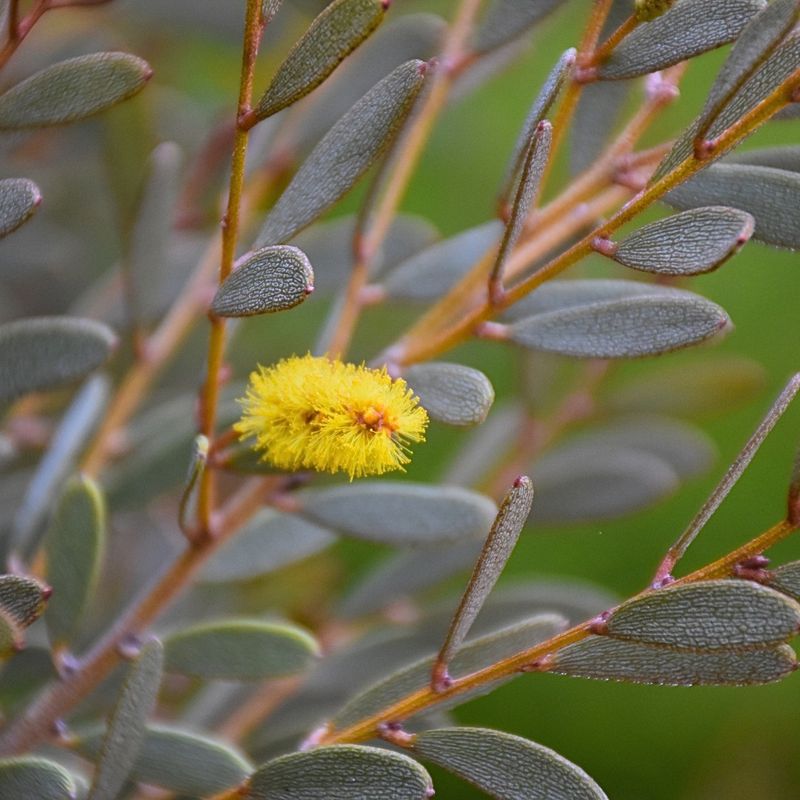
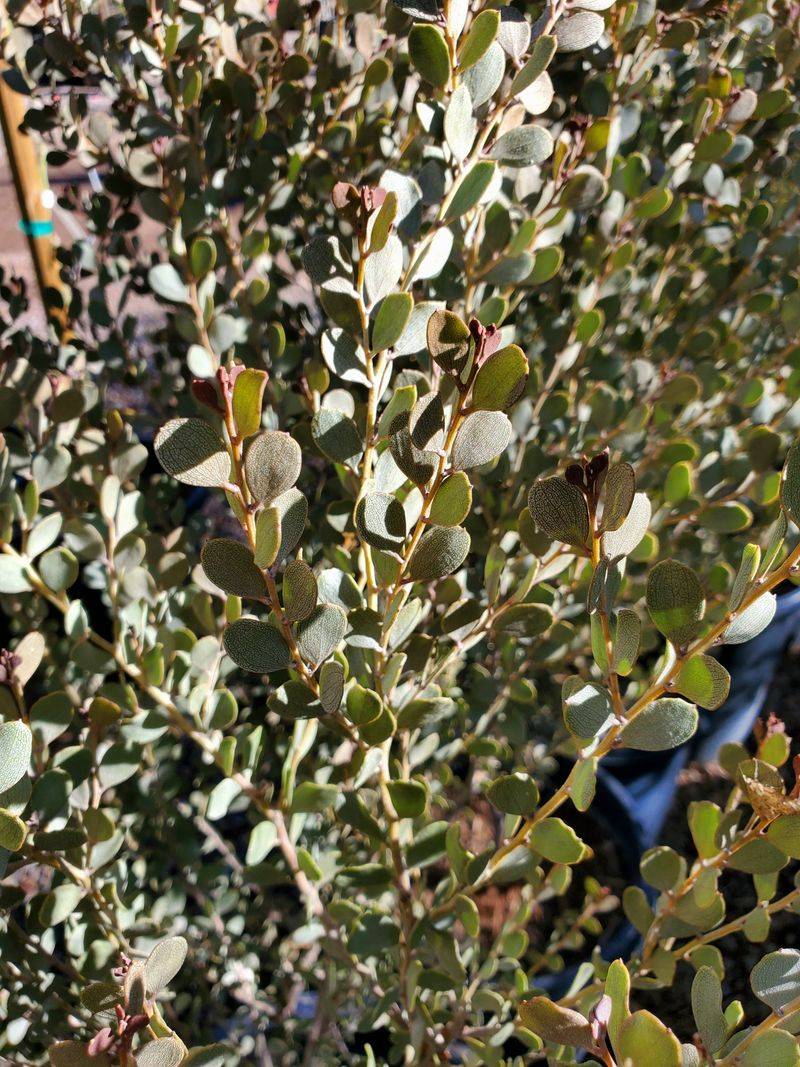
Its small, gray-green leaflets are adapted to reduce water loss in intense heat. That adaptation helps the tree maintain function even when temperatures spike and radiant heat builds up around hardscape surfaces.
It is not invincible, but it holds up well under the conditions most desert yards create.
Younger trees may show some leaf stress during the hottest stretches of summer, especially in their first season before roots are fully established.
Providing some extra water during extreme heat events in the first year or two helps the tree settle in without serious setbacks.
Once established, the tree’s heat tolerance becomes a real advantage in spots where other plants repeatedly struggle. West-facing walls, south-facing patios, and narrow side yards all tend to be brutally hot microclimates.
Your Arizona Garden Changes Every Week. Your Plan Should Too.
Gardening in Arizona changes quickly throughout the season. Every Friday you’ll receive a simple weekly plan showing exactly what to plant, prune, fertilize, harvest, and protect so you never miss the right timing.
Leatherleaf Acacia can occupy those difficult spaces with a reasonable chance of success, making it a practical option for Arizona homeowners trying to add greenery in challenging locations.
3. A Rounded Canopy Creates Welcome Cover
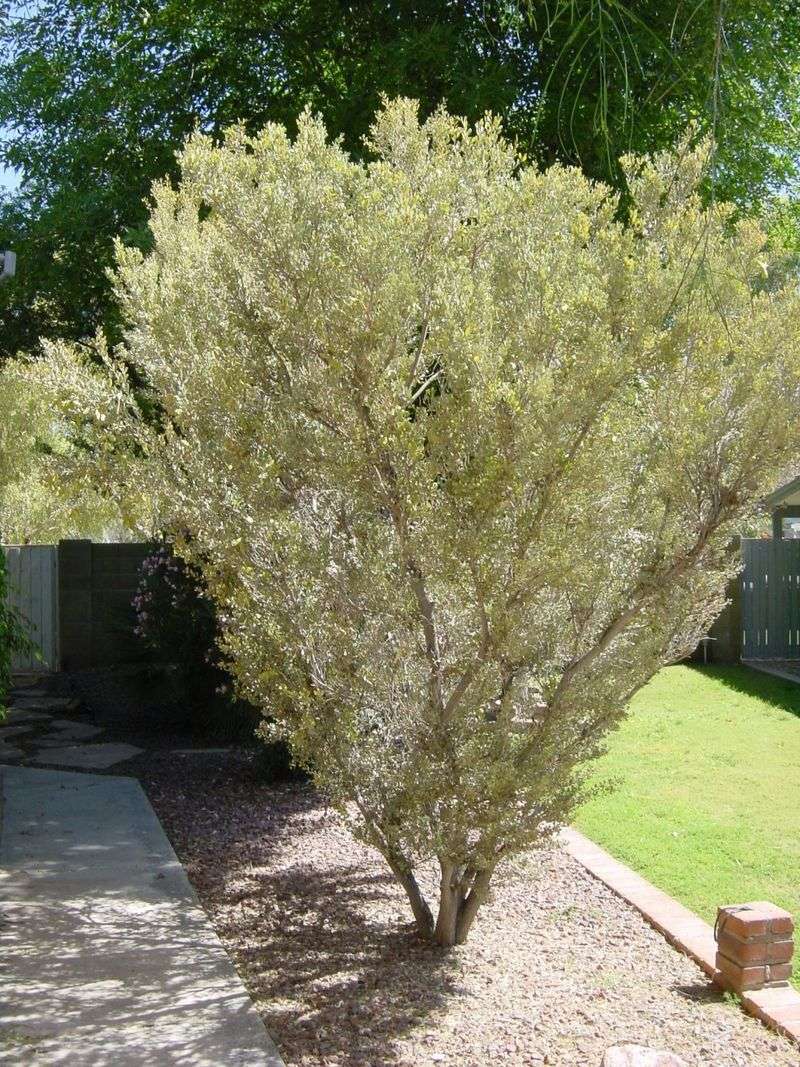
Shade quality matters just as much as shade quantity. Leatherleaf Acacia produces a rounded, dome-shaped canopy that spreads evenly in most growing conditions.
That shape creates a natural umbrella effect, casting consistent shade across a defined area rather than leaving patchy or uneven coverage.
The canopy filters sunlight rather than blocking it completely. Dappled light reaches the ground beneath, which is actually better for most understory plants and outdoor seating areas than dense, dark shade.
Sitting under this tree on a hot afternoon feels noticeably cooler without feeling like you are in a cave.
Canopy density increases as the tree matures, so the shade coverage improves with age. A five-year-old tree offers noticeably more coverage than a newly planted one.
Planning ahead and giving the tree a few seasons to develop pays off significantly in shade output over time.
Placement plays a big role in how well the canopy performs. Positioning the tree on the west or southwest side of a patio or seating area captures the harshest afternoon sun angles.
That strategic placement can reduce surface temperatures in shaded zones considerably during peak summer hours.
The rounded form also looks proportional in smaller yards, avoiding the tall, narrow silhouette that some desert trees develop when grown in confined spaces.
4. Established Trees Need Little Extra Water
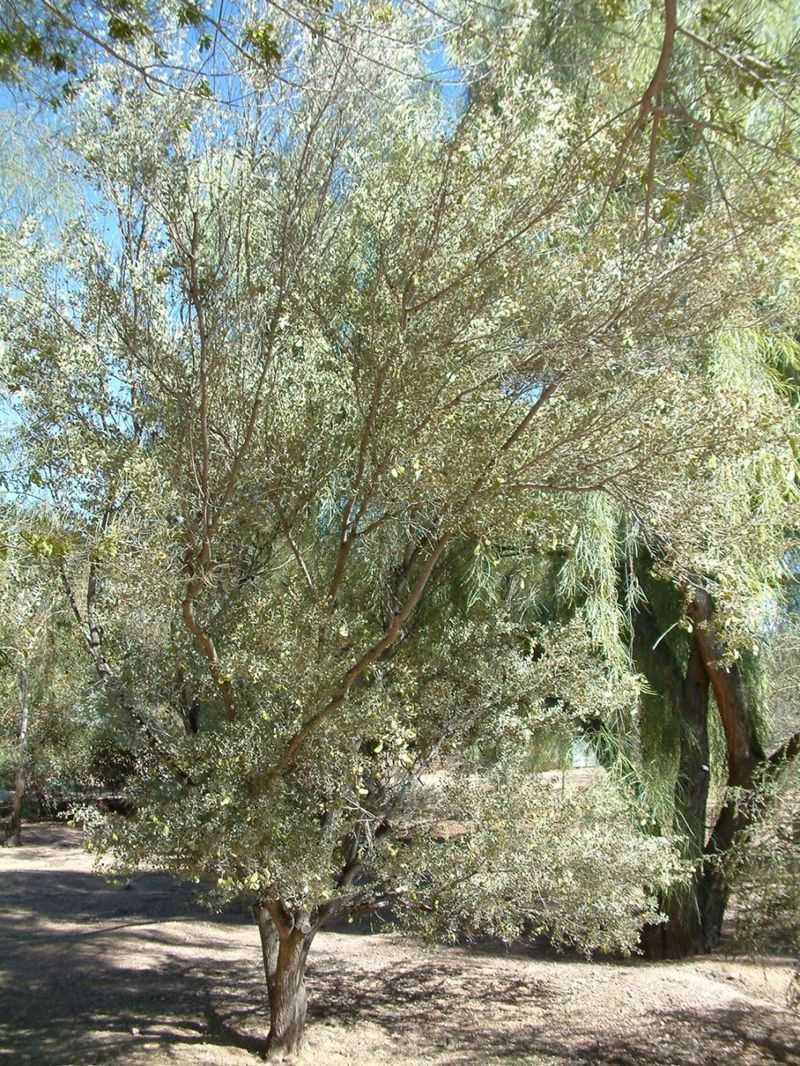
Water bills in desert cities are no joke during summer. Every gallon counts, and planting a tree that demands frequent irrigation defeats the purpose of low-water landscaping.
Leatherleaf Acacia earns its place in xeriscape designs because established trees can survive on significantly reduced irrigation once their root systems are fully developed.
Getting to that established stage takes patience. Most sources suggest supplemental watering for at least the first two years, especially through summer months.
Deep, infrequent watering during establishment encourages roots to grow down and outward rather than staying shallow near the surface.
After establishment, deep watering every two to four weeks during hot months is generally enough in many situations, though soil type, sun exposure, and tree size all affect actual water needs.
Sandy or rocky soils drain faster and may require more frequent watering than clay-heavy ground. Observing the tree and adjusting accordingly works better than following a rigid schedule.
Drought tolerance does not mean the tree thrives on total neglect during extended dry spells. Prolonged drought without any supplemental water can stress even well-adapted trees.
Offering occasional deep soaks during severe dry periods keeps the tree healthier and extends its productive lifespan.
5. Yellow Blooms Add Seasonal Color In Spring
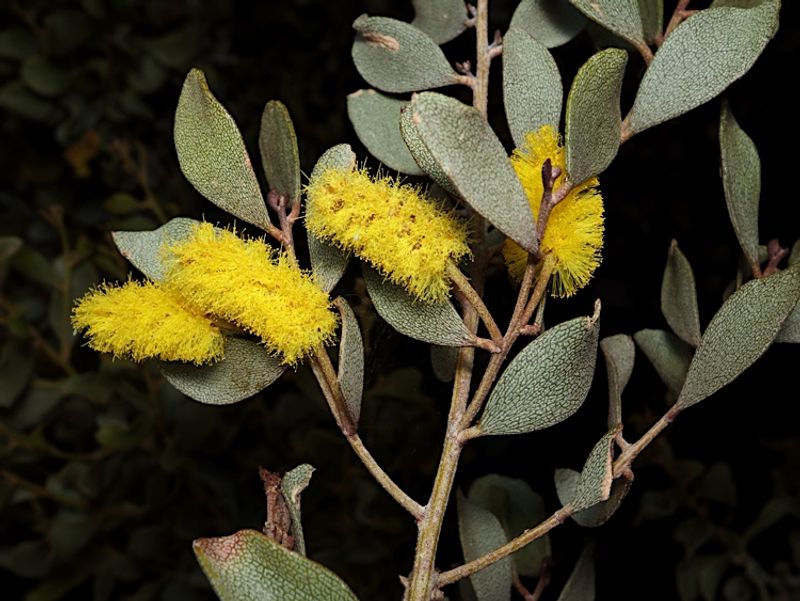
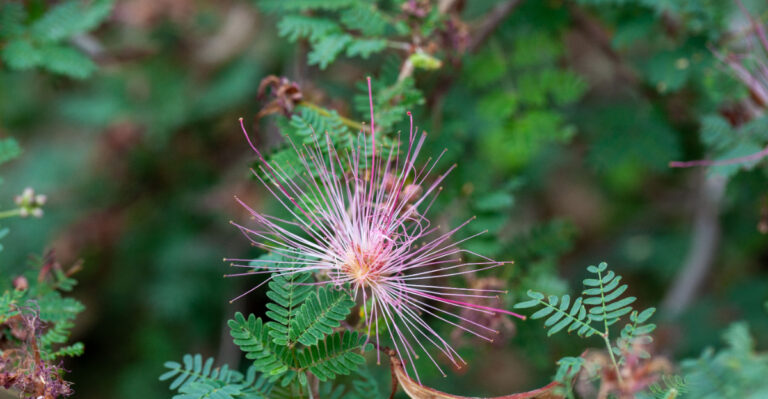
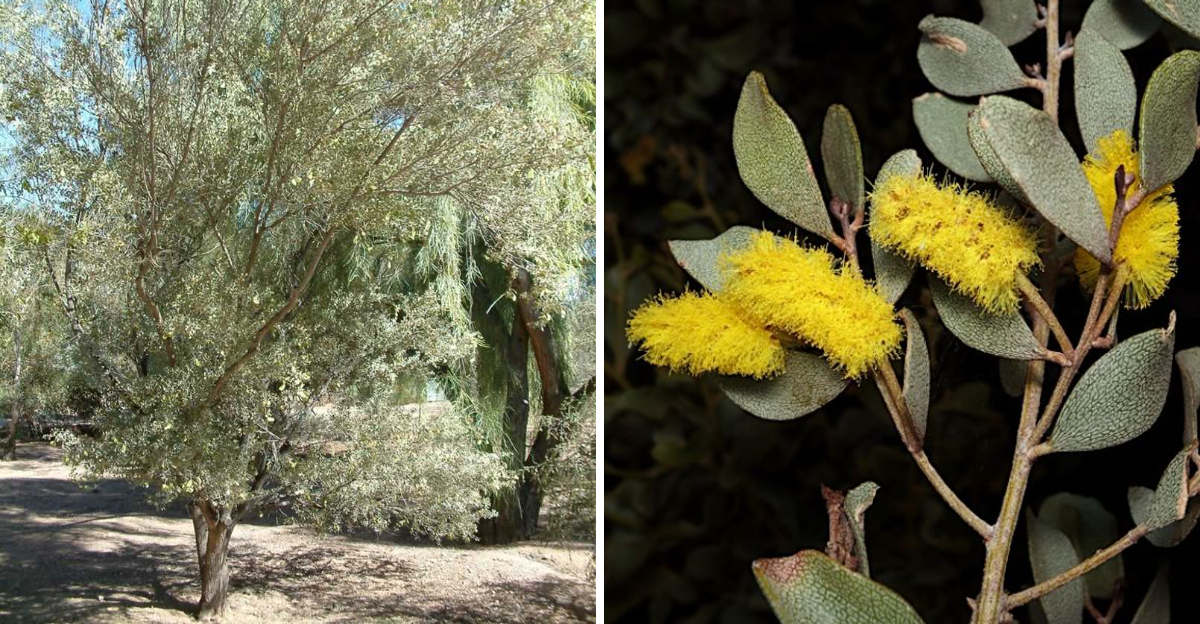
Bright yellow flowers on a tree that barely needs water sounds almost too good to be true. Leatherleaf Acacia blooms in late winter through early spring, covering its canopy in small, round, golden-yellow flower clusters that are hard to miss.
That burst of color arrives when most desert landscapes are still looking pretty bare and dull.
The blooms are fragrant, which adds another layer of sensory appeal to the spring garden. Bees and other pollinators visit the flowers actively during bloom time, making this tree a useful addition for anyone trying to support local pollinator populations.
That ecological benefit comes without any extra effort from the homeowner.
Bloom duration varies depending on temperatures and local conditions. Warmer late winters tend to push the flowers out earlier and may shorten the overall bloom window.
Cooler springs often extend the flowering period a bit longer, though exact timing shifts from year to year.
After flowering, the tree drops spent blooms and seed pods that require occasional cleanup. Some homeowners find the litter minor and manageable.
Others prefer to rake or blow the debris regularly to keep the yard tidy. Either way, the spring color display is genuinely worth the cleanup effort for most people who plant it.
6. Well Drained Soil Supports Healthy Growth
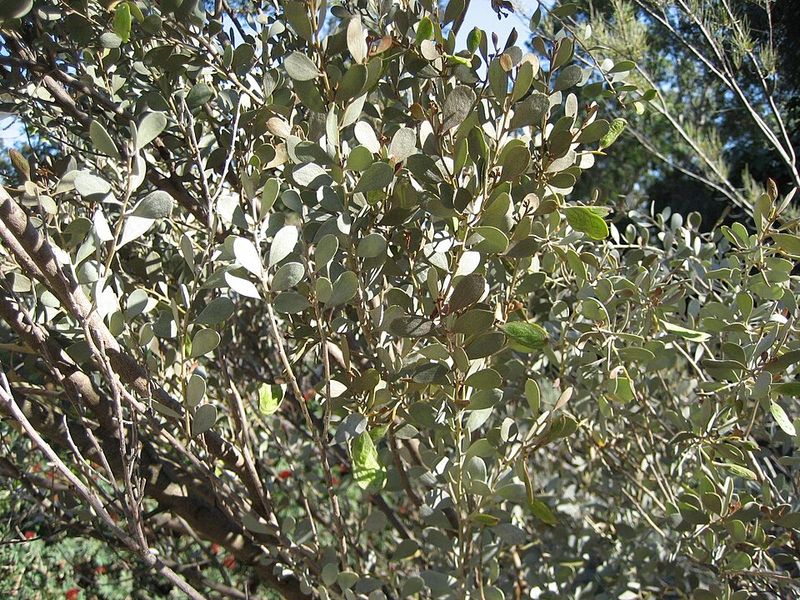
Soggy roots are a real problem for desert-adapted trees. Leatherleaf Acacia grows best in well-drained soil, which is something most desert yards naturally provide.
Rocky, sandy, or gravelly soils that drain quickly after rainfall are ideal growing conditions for this species. Heavy clay soils that hold moisture for extended periods can cause root stress over time.
Decomposed granite is a common ground cover in desert landscaping, and it pairs well with Leatherleaf Acacia. It keeps the root zone from staying wet after irrigation while still allowing water to reach the roots during watering cycles.
That balance between drainage and moisture access supports healthier root development.
Planting in a low spot where water pools after rain is not a great idea for this tree. Even short periods of standing water around the root zone can create conditions the tree struggles with.
Choosing a slightly elevated planting spot or amending the planting hole with coarse material helps in areas prone to pooling.
Soil pH in most desert regions falls within a range that suits Leatherleaf Acacia reasonably well. Alkaline soils, which are common in many parts of the Southwest, are generally tolerated by this species without significant problems.
Adding unnecessary soil amendments before planting is often counterproductive.
7. Careful Placement Gives The Canopy Room
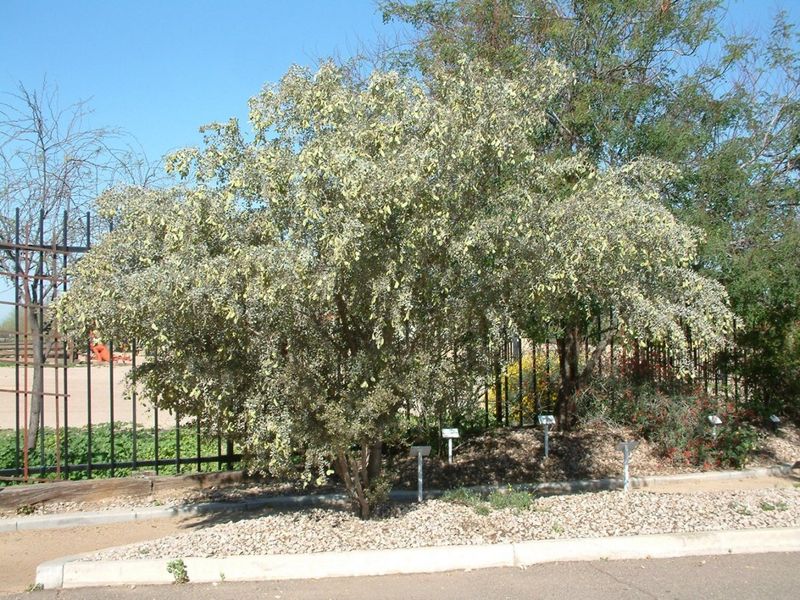
Planting a tree too close to a structure is one of the most common mistakes in small-yard landscaping. Leatherleaf Acacia needs enough horizontal space for its canopy to spread without pressing against walls, fences, or roof eaves.
A mature spread of around 15 to 20 feet means placement at least 10 to 12 feet from any structure is a reasonable starting point.
Overhead utility lines are another placement concern worth thinking about before you plant. A tree that grows into power lines creates safety risks and typically requires heavy pruning that distorts its natural shape.
Checking for overhead obstacles before choosing a planting spot prevents problems that are difficult to correct later.
Afternoon shade coverage is easier to plan when you think about sun angles ahead of time. Placing the tree to the west or southwest of a patio, window, or outdoor seating area targets the most intense sun exposure of the day.
Morning sun is generally gentler, so east-side placement matters less for cooling purposes.
Root spread is worth considering near irrigation lines, sidewalks, and block walls.
Leatherleaf Acacia roots are not considered particularly aggressive compared to many larger tree species, but any tree planted in a confined space can eventually create pressure on nearby hardscape.