10 Arizona Greens That Taste Sweeter After the First Cold Night
In the low desert, the first chilly night of the year does more than make you grab a hoodie. It quietly changes the flavor of many leafy greens in your garden.
When temperatures dip, these plants turn some of their starches into sugars to protect themselves, and that makes them taste sweeter and milder. Here are ten greens, from garden favorites to wild desert edibles, that reward Arizona growers who wait for that first cold snap.
1. Kale
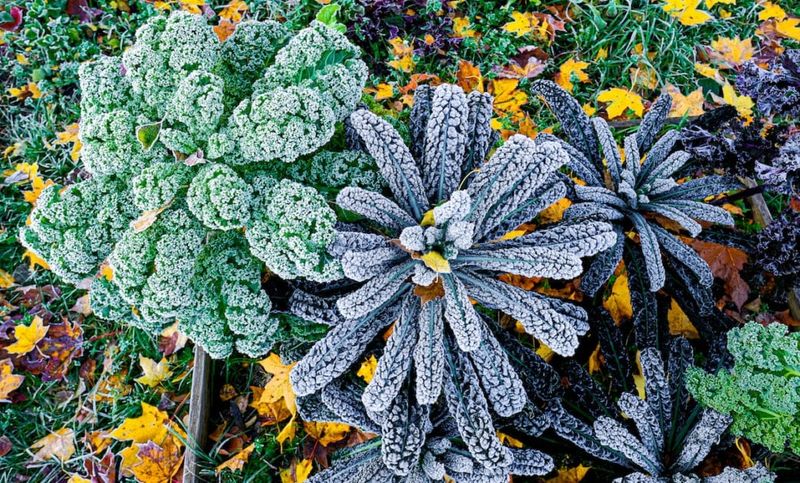
Ask any Phoenix gardener which green earns its keep all winter, and kale usually wins the vote. It shrugs off chilly nights, keeps pushing out new leaves, and actually gets better when the thermometer drops into the 30s.
Here is the trick behind the flavor. When cold air settles over the valley, kale turns stored starch into sugar, which works a bit like antifreeze inside its cells.
That sugar softens the bitter bite that summer-grown kale is known for, leaving leaves that taste nutty and almost sweet.
Plant seeds or transplants in October or early November, when soil finally cools down. A raised bed with compost mixed in helps kale handle alkaline, caliche-heavy ground.
Morning sun with a bit of afternoon shade early in the season keeps young plants from stress.
Water use stays modest because winter evaporation is low, and seasonal rains can lend a hand. Harvest outer leaves first and let the center keep growing for months of picking.
Bonus for habitat lovers: if a few plants bolt in spring, their yellow flowers can draw bees and other pollinators. A late-season patch of blooming kale may help feed early insects before your desert natives fully wake up.
2. Swiss Chard
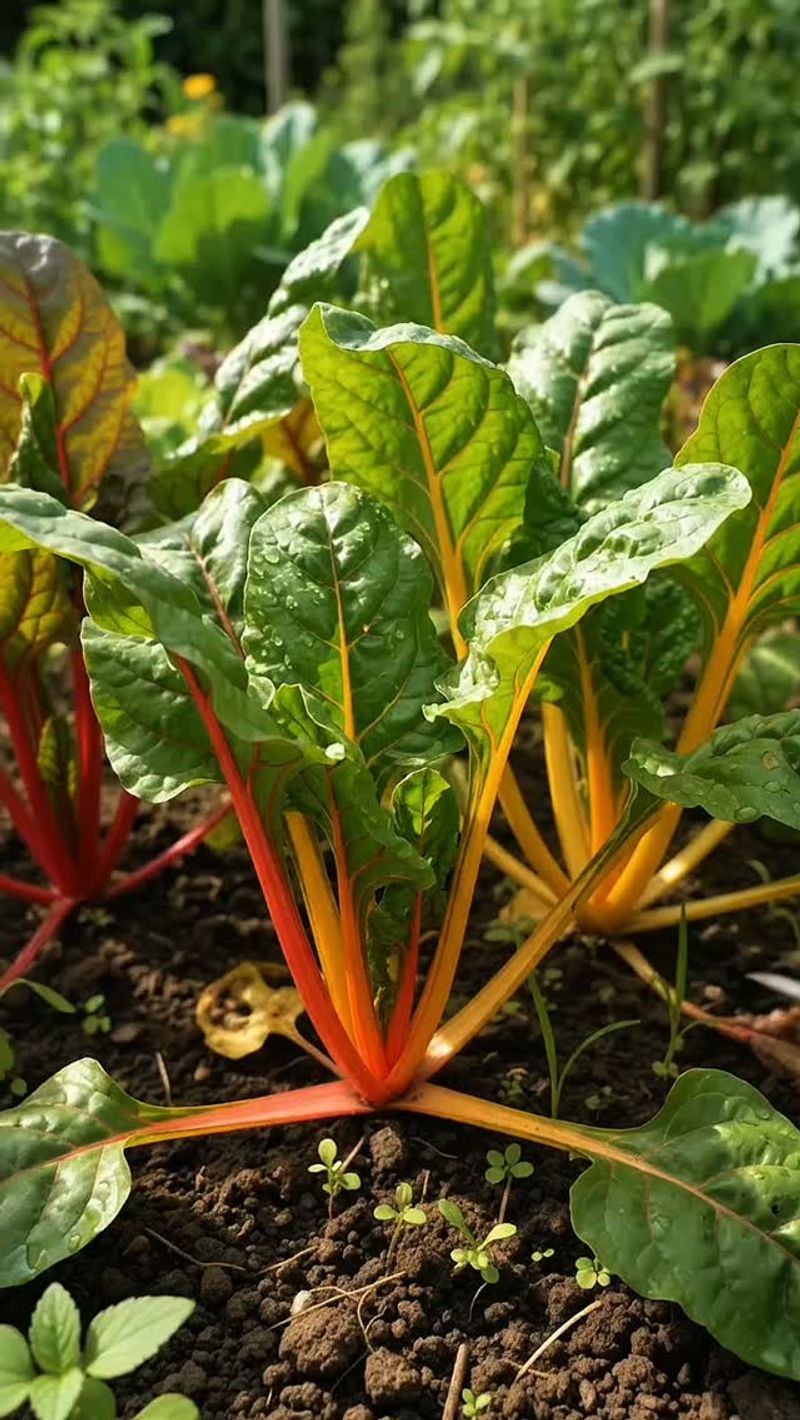
Picture a stalk so bright it looks like a highlighter, then picture it tasting gentler after a frosty night. Swiss chard brings both color and flavor to the winter bed, and it rarely complains.
Summer chard in Arizona can taste earthy and a little harsh. Once nights cool, the leaves build up natural sugars and the stems turn crisp and mild, closer to a sweet celery.
Many cooks say December chard is the best they ever eat.
Sow seeds from September through November in loose, compost-rich soil. Chard tolerates some alkalinity better than many greens, which makes it a forgiving pick for desert yards.
Give it full winter sun, since our low winter sun angle means plants need all the light they can get.
Watering is simple. Deep soaks every few days keep roots happy without wasting water, and drip lines work great here.
Chard also lasts a long time. Plants can keep producing well into spring, giving you one of the longest harvest windows of any cool-season green.
Snip the outer stalks near the base, and new ones will rise from the middle again and again.
3. Cabbage
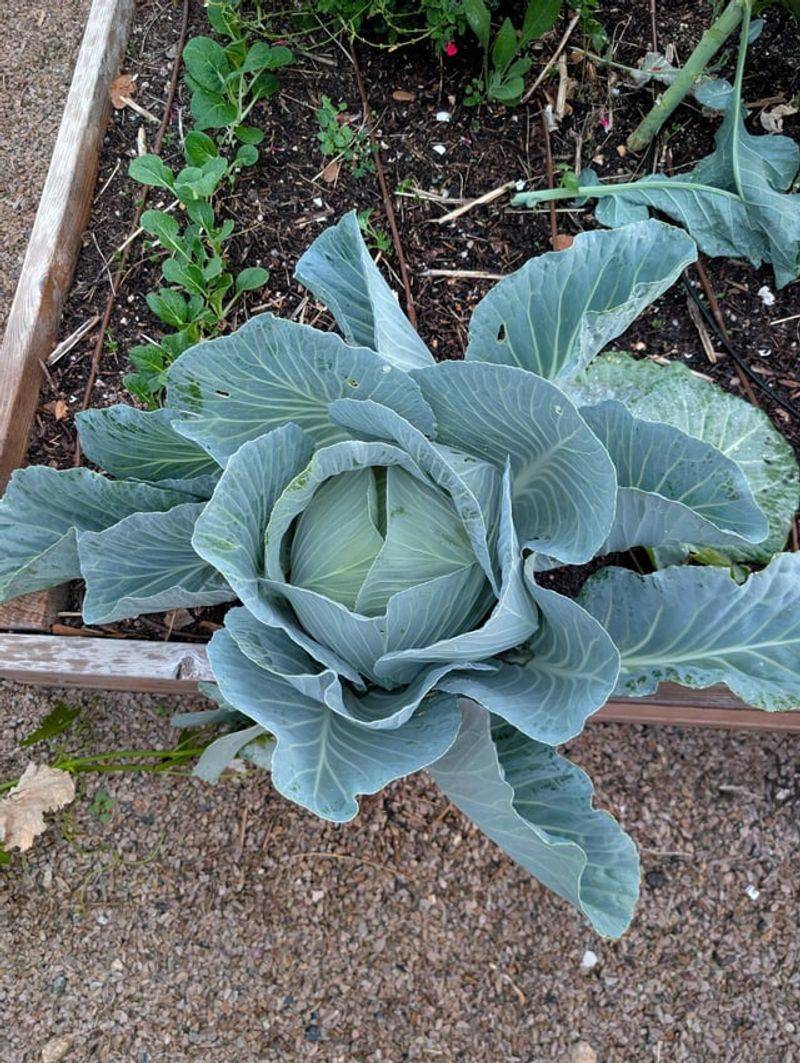
Grandmothers across the Southwest swore by it: never pick cabbage until it has felt a cold night. Turns out they were right, and the reason is pure plant chemistry.
Your Arizona Garden Changes Every Week. Your Plan Should Too.
Gardening in Arizona changes quickly throughout the season. Every Friday you’ll receive a simple weekly plan showing exactly what to plant, prune, fertilize, harvest, and protect so you never miss the right timing.
Cabbage heads pack tight leaves full of stored energy. When frost threatens, the plant converts part of that energy into sugar, giving each leaf a sweeter, crunchier bite.
Coleslaw made from a January cabbage tastes noticeably richer than one from a store shelf.
In the Phoenix and Tucson areas, set out transplants in October so heads can form during the coolest months. Cabbage likes rich soil, so mix in plenty of compost to balance out tough desert dirt.
Steady moisture keeps heads from splitting.
One cabbage plant takes up some space, but it rewards you with a hefty harvest. A single head can feed a family for several meals, which makes it one of the most productive picks in a winter bed.
Keep an eye out for cabbage loopers, the small green caterpillars that love these leaves. Birds like verdins and wrens may help pick them off if your yard offers native shrubs for cover, giving you a little free pest patrol.
4. Collard Greens
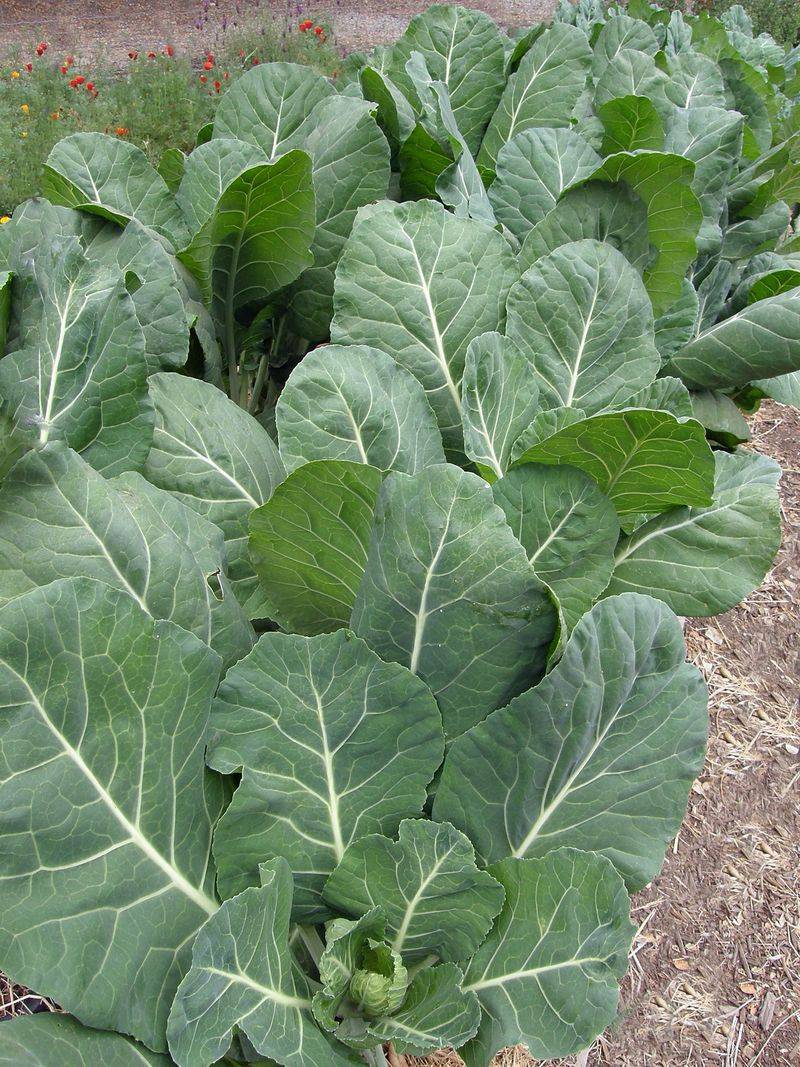
Southern cooks have a saying: collards are not ready until frost kisses them. That wisdom travels well to Arizona, where winter nights can deliver just enough chill to sweeten these big, sturdy leaves.
Collards are close cousins of cabbage and kale, but they grow as tall, open plants with broad, paddle-shaped leaves. After a cold night, those leaves lose much of their sharpness and develop a mellow, buttery taste that shines in slow-cooked dishes.
Plant collards in fall, ideally October, and they will keep going through spring. They handle heat a little better than kale, so they may stretch your harvest into April or even May.
That toughness makes them a favorite for low-maintenance gardeners.
Collards need deep watering but not constant fussing. A layer of mulch around the base keeps soil cool and moist while cutting down on evaporation.
Here is a fun tidbit. Collard plants can grow several feet tall over a long season, almost like a small leafy tree.
Pick the lower leaves as they mature, and the plant keeps climbing, handing you fresh greens week after week with very little effort.
5. Arugula
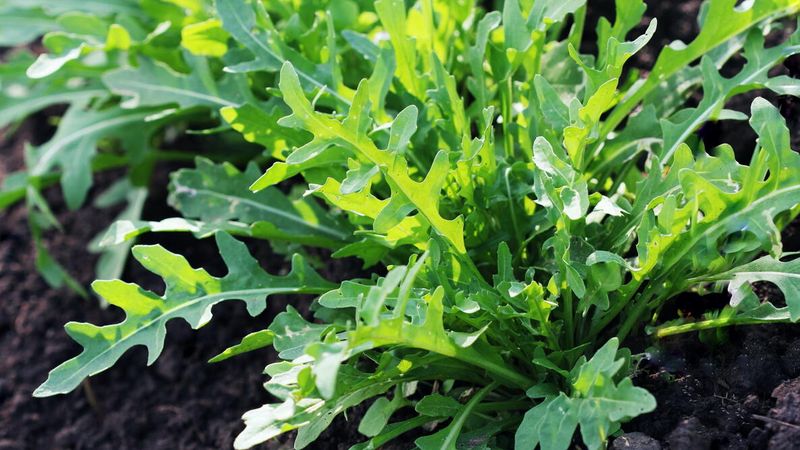
Impatient gardeners, this one is for you. Arugula can go from seed to salad bowl in about a month, making it one of the fastest wins in any Arizona winter garden.
Summer arugula tends to be fiery and sharp. Cold nights tame that heat, turning the peppery punch into something nutty and pleasantly sweet.
Think of it as the difference between a spicy salsa and a mild one.
Scatter seeds in beds or containers from October through February. Arugula grows well in pots on a patio, which helps if your yard has stubborn caliche.
Sow a new batch every few weeks so you always have tender leaves coming.
Water lightly but often while seeds sprout, then shift to deeper watering once plants settle in. Because the crop is so quick, total water use stays low.
When the weather warms in spring, arugula will bolt and send up small cream-colored flowers. Rather than pulling them right away, consider leaving a few.
Those blooms can attract tiny native bees and hoverflies, and hoverfly larvae may help reduce aphids on nearby plants. The flowers are edible too, with a mild peppery taste.
6. Spinach
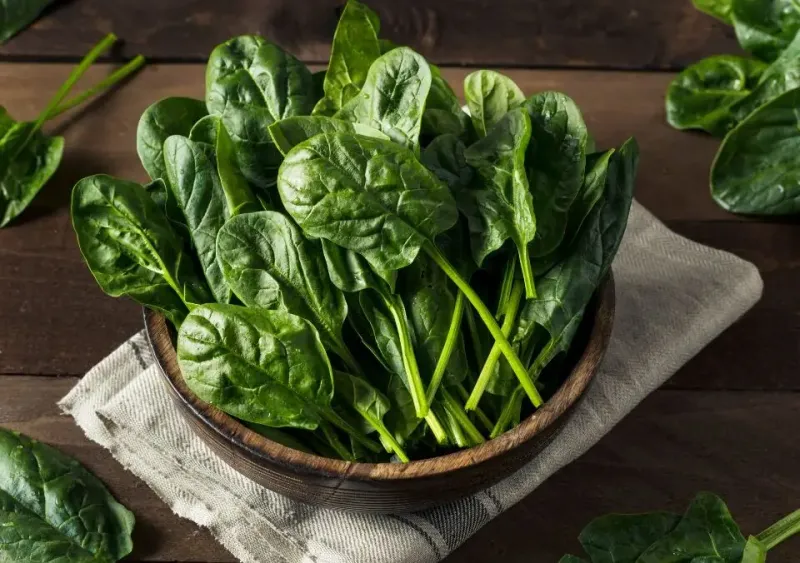
Spinach has a reputation for being picky, and in summer it simply refuses to grow here. Winter is a different story.
During the cool months, this classic green thrives and rewards you with leaves that taste almost candy-sweet.
The sweetness comes from the same cold response other greens use. As temperatures drop, spinach stores sugars in its thick leaves, especially savoy types with crinkled surfaces.
Raw spinach picked after a chilly night can taste nothing like the bagged kind.
Timing matters. Sow seeds from October through January, once soil temperatures fall.
Spinach seeds struggle to sprout in warm ground, so waiting a little longer pays off.
Give plants full winter sun and soil rich in organic matter. Alkaline soil can make leaves pale, so adding compost or a bit of soil sulfur may help them stay deep green.
Harvest early and often. Spinach bolts as soon as days lengthen and warm up, usually by March in the low desert.
Pick outer leaves young for salads, or cut whole plants when they reach full size. A small bed can give a surprising amount of fresh greens in just a few weeks.
7. London Rocket
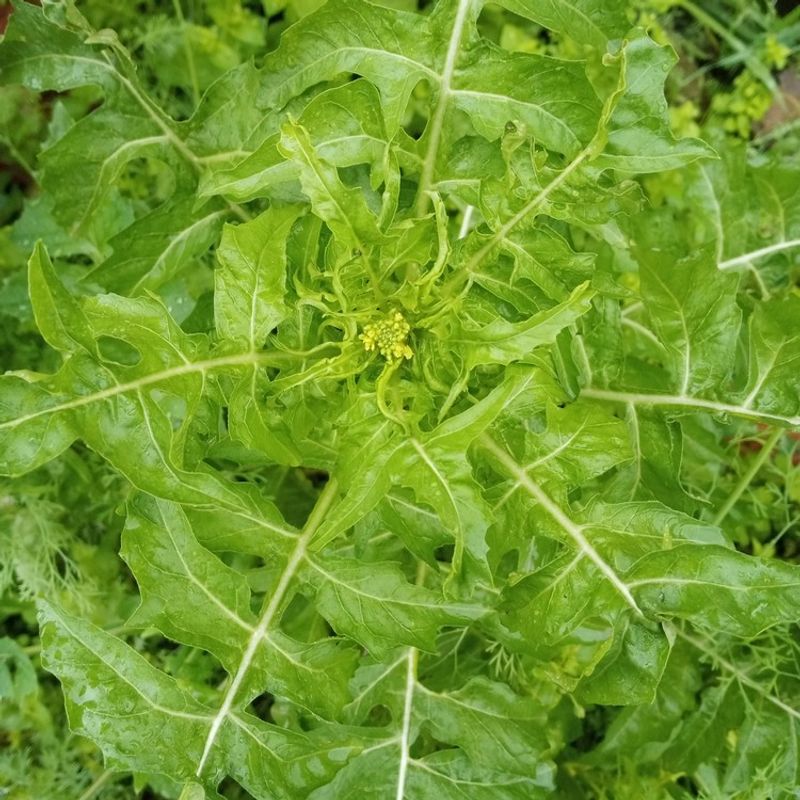
Some of the tastiest winter greens in Arizona show up without being invited. London rocket, a wild mustard, pops up across the Sonoran Desert after winter rains, often in yards, empty lots, and along washes.
Foragers describe it as spicy and nutty, a bit like arugula with extra attitude. Young leaves picked during cold weather taste milder and sweeter, while older summer plants turn tough and bitter.
Winter is clearly its best season.
You do not need to plant anything. Rain and cool weather bring it up on its own, and it needs zero irrigation.
That makes it about as water-wise as a green can get.
Before you snack, make sure you have identified it correctly. Look for deeply lobed leaves and tiny pale yellow flowers with four petals.
Only pick from areas free of pesticides, road runoff, and pet traffic.
London rocket also plays a role in desert habitat. Its seeds may feed small birds like house finches and sparrows, and its early flowers can offer nectar to pollinators.
Letting a small patch stay in a back corner gives wildlife a snack while you enjoy a free winter salad.
8. Lambsquarters
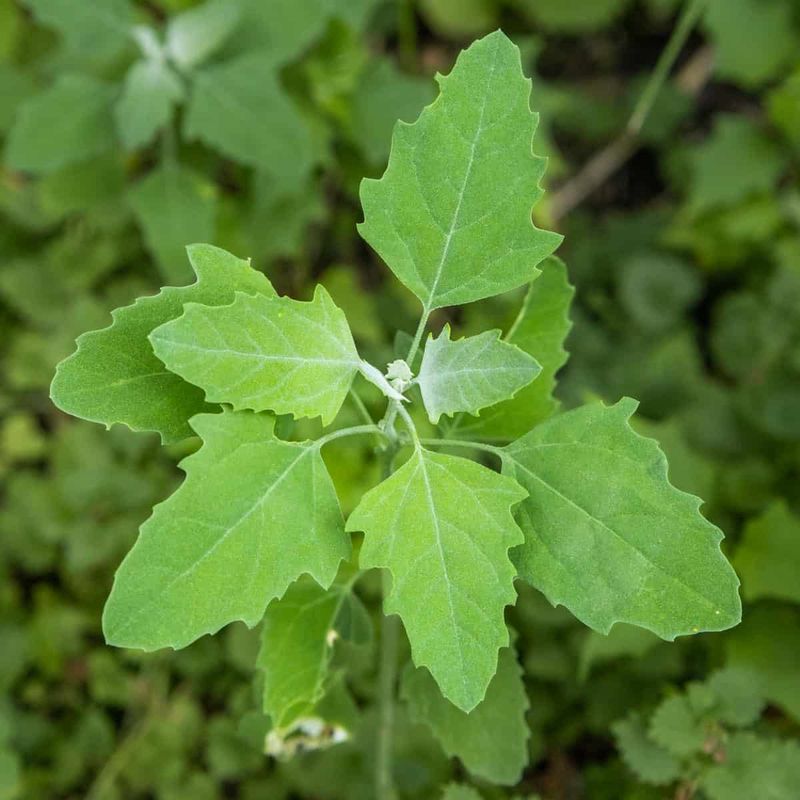
Old-time farmers often called it wild spinach, and once you taste it, the nickname makes sense. Lambsquarters is a leafy wild plant that sprouts in the Sonoran Desert during mild, rainy stretches.
The leaves have a soft, powdery coating that looks almost silver, especially on new growth. Cooked, they taste like a gentle, slightly sweet spinach.
Cool-season leaves tend to be the most tender and pleasant.
Many people pull it as a weed without realizing it is edible. If you spot it in a garden corner, consider letting a few plants grow.
It handles poor soil, heat swings, and dry spells far better than cultivated spinach.
Pick young tips and leaves before plants get tall and woody. Like spinach, lambsquarters contains oxalates, so most cooks prefer to steam or saute it rather than eat large amounts raw.
Habitat bonus: when lambsquarters goes to seed, it produces loads of tiny seeds that may attract quail, doves, and finches. A small stand along a fence line can turn into a bird feeder that refills itself, while also giving you a nutritious green with almost no water or effort.
9. Chickweed
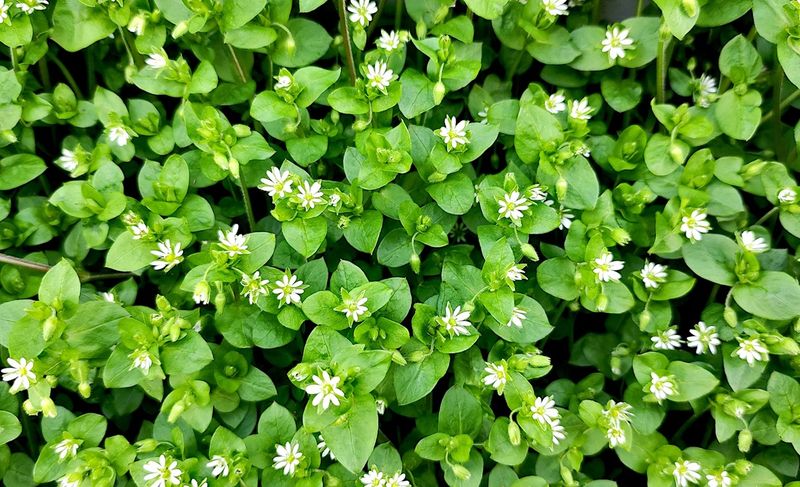
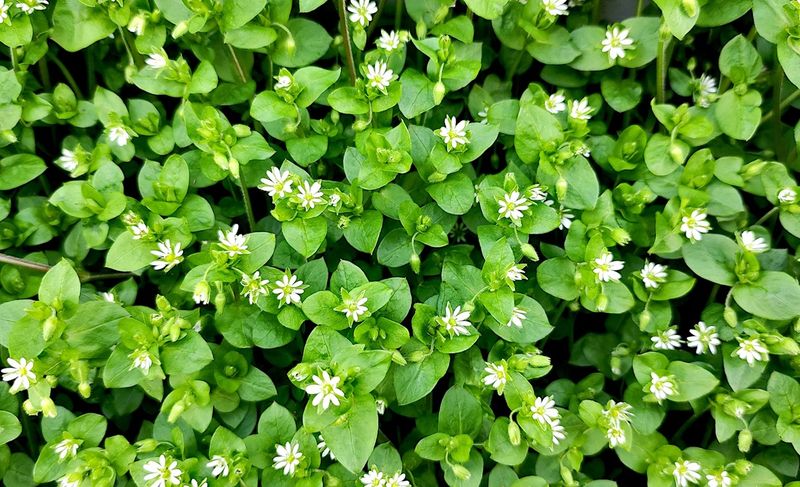
Tiny white star flowers, soft trailing stems, and a flavor like fresh corn silk. Chickweed may be small, but it is one of the most charming winter greens in the desert.
During warm months, chickweed stems get stringy and tough. In winter, the plant changes completely, growing tender leaves and juicy stems that taste mild and slightly sweet.
Many foragers toss handfuls straight into salads or sandwiches.
Look for it in shady, moist spots, such as under mesquite trees, near drip lines, or along the north side of a wall. It loves the cool shelter and needs little extra water during the rainy season.
To harvest, snip the top few inches with scissors, leaving the roots in place for more growth. Rinse well and enjoy it raw for the best taste.
Always confirm your identification, since a few lookalikes exist, and pick only from clean areas.
Chickweed also works as a soft living groundcover in winter, helping protect bare soil from crusting. Its seeds may offer a small food source for ground-feeding birds, adding one more layer of life to a habitat-friendly yard.
10. Silverbells
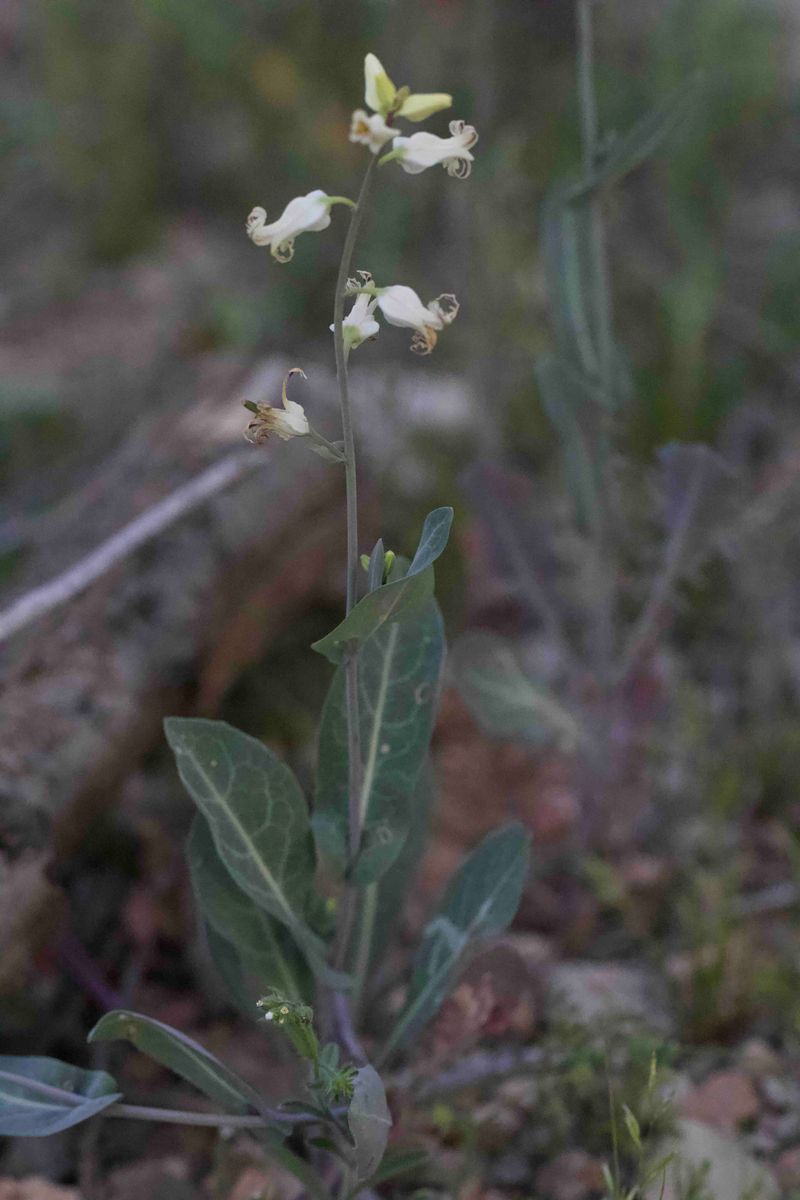
Here is a true local treasure. Silverbells, a native Arizona wild mustard, grows in rocky desert foothills and offers some of the sweetest wild flavor you can find.
Foragers rave about its young green pods, describing them as delectably, vegetally sweet. The bell-shaped flowers, which range from creamy white to pale purple, carry a light sweetness too.
Cool weather helps keep the plant tender and its flavor at its peak.
Unlike the garden greens on this list, silverbells is built for the desert. It grows from seed after winter rains and needs no irrigation once established.
Scattering seed in fall in a gravelly, well-drained spot can help it settle into a native landscape.
When harvesting, take only a little. Native mustards support desert insects and other creatures, so leave plenty of flowers and pods behind.
Sharing the bounty is part of gardening with natives.
Silverbells adds something special to a yard: beauty, flavor, and a link to the land. Its blooms may draw native bees, making it a small but meaningful piece of a habitat garden.
Few plants let you taste the Sonoran Desert quite so directly.