The Late-Summer Mowing Mistake That’s Stressing Your Lawn
Your mower blade might already be undermining your entire lawn right now. Heat doesn’t forgive mistakes on your struggling lawn. Every cut you make either strengthens or weakens your grass roots.
Shorter blades might look tidy but stress your lawn fast. Roots need shade from your longer grass to stay healthy. Summer heat can strain your shallow-rooted lawn without any warning.
A simple adjustment now changes everything for your lawn. Nothing about your lawn care should feel careless.
Timing matters more than you might realize. Grass height determines whether your yard thrives or struggles.
Knowledge changes everything once you finally see what’s truly happening beneath the surface. This season rewards your patience, not haste. Stress builds quietly in your lawn before you notice.
Understanding your lawn’s exact needs prevents costly, irreversible damage. Fixing it takes less effort than you’d expect. You won’t recognize your lawn once you learn what’s next.
Why Mowing Too Short Damages Your Lawn In Late Summer
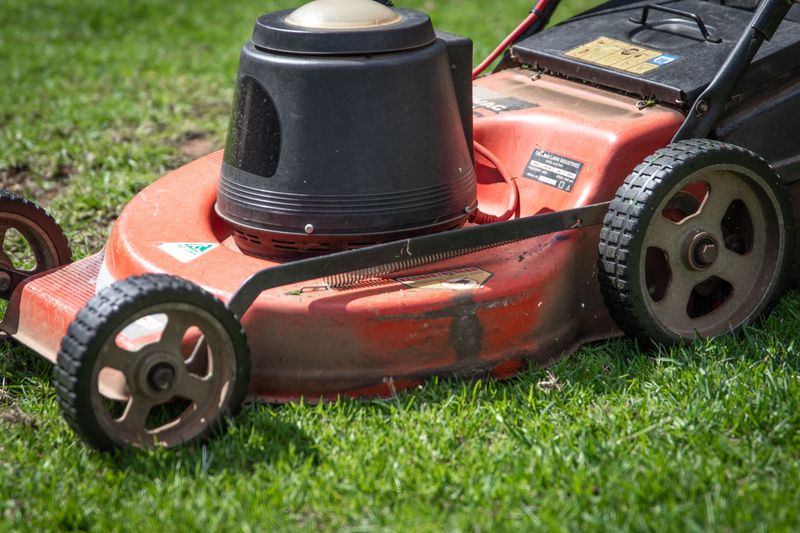
Scalped grass is not a good look. When you cut your lawn too short in late summer, you strip away the leaf blade that the grass uses to capture sunlight and make food.
Without enough leaf surface, the plant cannot produce the energy it needs to stay healthy. Roots weaken fast when the canopy above them disappears.
Late summer already puts your lawn under heat stress. Soil temperatures are high, moisture evaporates quickly, and the grass is working hard just to survive.
Cutting too short on top of all that removes the energy reserves your lawn needs to keep going. The late-summer mowing mistake of scalping removes the shade the grass creates for its own soil.
Bare soil heats up much faster than shaded soil. That extra heat dries out the root zone and makes recovery even harder.
Short grass also gives weeds an easy opening. Crabgrass and other opportunistic plants love open, warm soil with no competition above ground.
Taller grass blades act as a natural shield. They block sunlight from reaching weed seeds sitting just below the surface.
Every time you mow too low, you give weeds an easy opening to spread. Protecting your lawn height is one of the smartest things you can do right now.
Ideal Mowing Heights For Different Grass Types
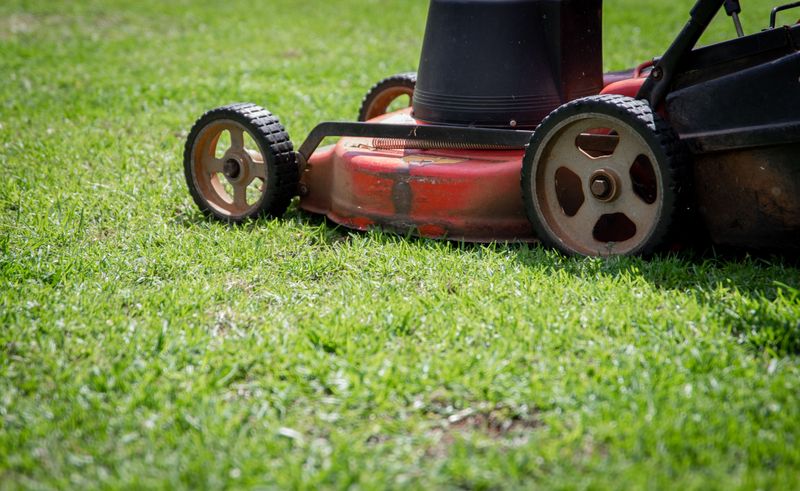
Not all grass is created equal. Your neighbor’s lawn might thrive at a totally different height than yours, and that is completely normal.
Knowing your grass type is the first step to mowing smarter in late summer. Each variety has a sweet spot that keeps it strong when temperatures climb.
Bermuda grass loves a short, tight cut between one and two inches. It spreads aggressively and handles heat well, but it still struggles when cut below one inch.
Zoysia grass is another warm-season type that performs best between one and two and a half inches. Cutting it too short in August removes its built-in heat protection.
Kentucky Bluegrass is a cool-season grass that needs more height during hot months. Aim for three to four inches to help it survive late-summer stress without going dormant early.
Tall Fescue is one of the toughest cool-season grasses around. Keep it at three and a half to four inches tall so the deep root system stays cool and hydrated.
St. Augustine grass, popular in warmer southern states, should stay between two and a half and four inches. Cutting it shorter invites chinch bugs and disease pressure.
Check your grass type before you adjust the mower deck. Setting the right height for your specific turf is the single fastest fix for the late-summer mowing mistake most yards run into.
The One-Third Rule For How Much To Cut Each Time
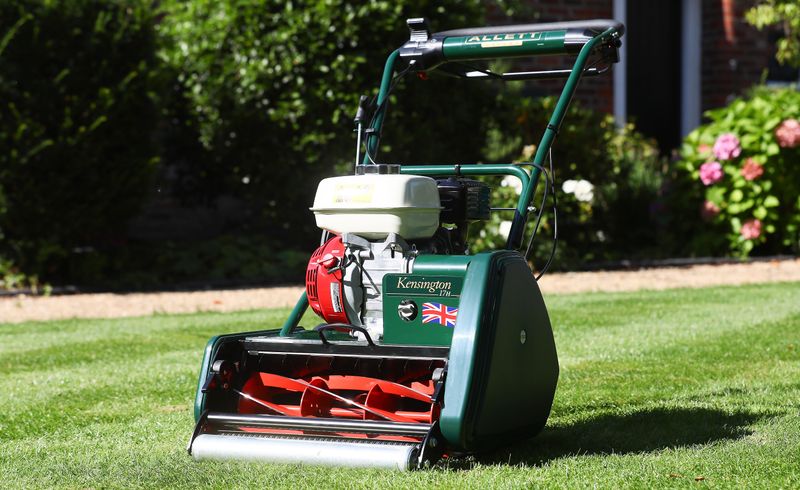
Here is the golden rule of lawn care. Never cut off more than one-third of the grass blade in a single mowing session.
It sounds simple, but most homeowners break this rule without realizing it. Skipping a week of mowing and then cutting everything back down is one of the most stressful things you can do to your turf.
When grass gets long and you suddenly mow it short, the plant goes into shock. It loses too much leaf surface at once and cannot recover quickly in late-summer heat.
The one-third rule protects the plant from that sudden loss. Removing only a small portion at a time keeps the grass looking neat while maintaining enough blade for photosynthesis.
If your lawn got away from you and is now overgrown, resist the urge to fix it in one pass. Mow it down a little, wait a few days, then mow again slightly shorter.
Gradual reduction is the key to avoiding shock. Your lawn will thank you by staying green and dense instead of turning yellow and patchy.
This rule also applies to frequency. Mowing every five to seven days during active growth keeps things manageable without stressing the turf.
Stick to the one-third rule all season long, and the late-summer mowing mistake of over-cutting becomes much easier to avoid. Consistency beats correction every single time.
How To Fix An Overgrown Lawn Without Scalping It
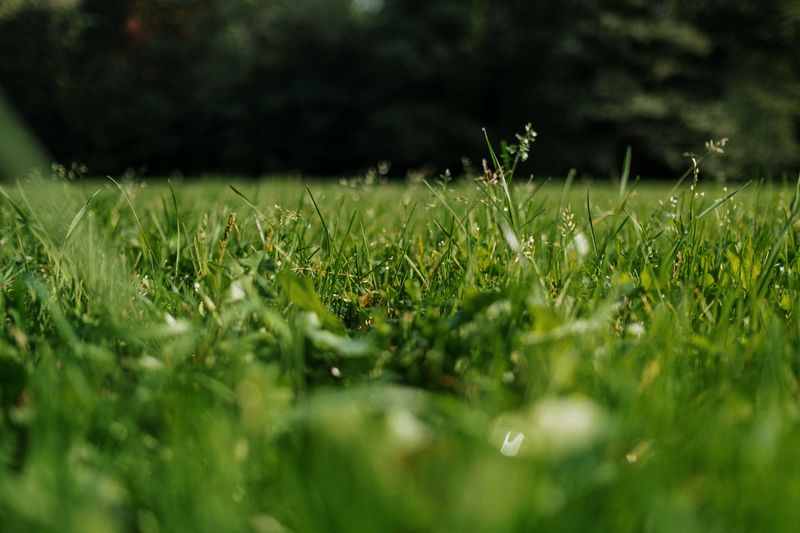
An overgrown lawn feels overwhelming. You look outside, the grass is a foot tall, and every instinct says to just mow it all down and start fresh.
Resist that instinct. Scalping an overgrown lawn in late summer is one of the fastest ways to cause the grass to brown and weaken.
Start by raising your mower deck to its highest setting. Take off just the top portion of the grass, following the one-third rule even if the lawn still looks shaggy.
Wait a few days before mowing again, depending on your grass type and weather conditions. This gives the grass time to recover and redirect energy before you ask it to handle another cut.
On the second pass, lower the deck one notch. Repeat this gradual process until you reach your target height for your specific grass type.
It takes a little patience, but the results are worth every extra day. Your lawn stays green, the roots stay protected, and you avoid the ongoing stress that comes from cutting too deep.
After each mowing session, leave the clippings on the lawn if they are short enough. Clippings break down quickly and return nitrogen to the soil, acting like a light fertilizer.
Long clippings, however, should be bagged or raked. Thick mats of cut grass block sunlight and trap moisture, creating the perfect environment for fungal problems in late summer heat.
Watering And Mowing Working Together In Late Summer
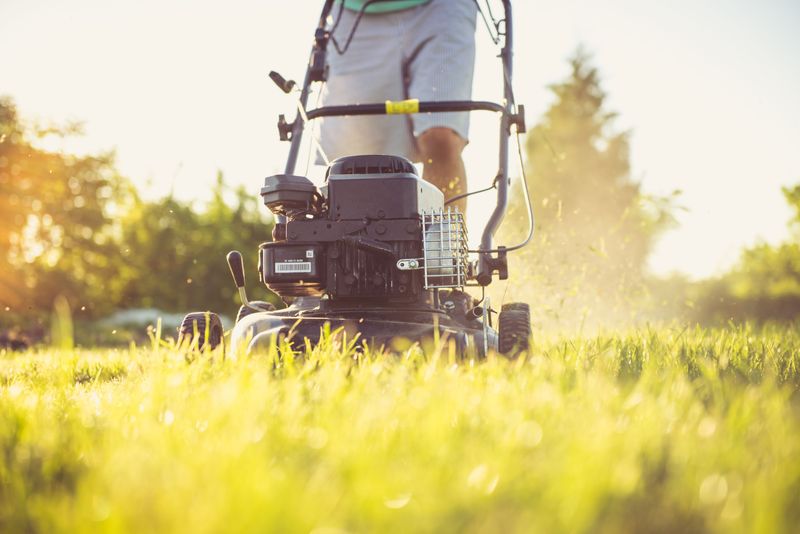
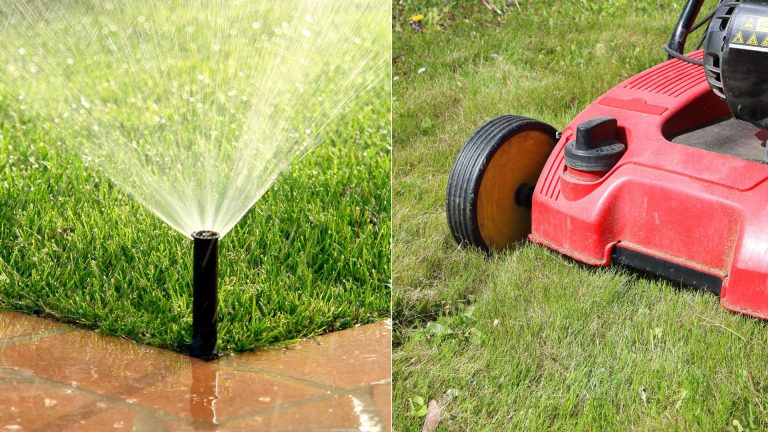
Mowing and watering are a team. When one is off, the other cannot do its job properly, and your lawn pays the price.
Cutting stressed, dry grass is one of the worst things you can do in late summer. Dry blades tear instead of cutting cleanly, leaving ragged edges that turn brown and invite disease.
Water your lawn one to two days before mowing when possible. Grass that is slightly moist cuts cleaner and bounces back faster after the mower passes over it.
Never mow immediately after heavy watering or rain. Wet grass clumps together, clogs the mower deck, and gets cut unevenly, which leads to more scalping than you intended.
Late summer watering should happen in the early morning, ideally before 10 a.m. Morning moisture gives the grass time to absorb water before the heat of the day evaporates it.
Evening watering leaves the lawn damp overnight, which encourages fungal growth. Keep the schedule morning-focused to reduce disease risk.
Most lawns need roughly one inch of water per week during late summer, including rainfall, though exact needs vary by grass type, soil, and climate. A simple rain gauge in your yard takes the guesswork out of the equation.
When mowing and watering work in sync, your grass handles the late-summer mowing mistake much better. A well-hydrated lawn is a resilient lawn, and resilience is everything this time of year.
Signs Your Lawn Is Stressed From Cutting It Too Short
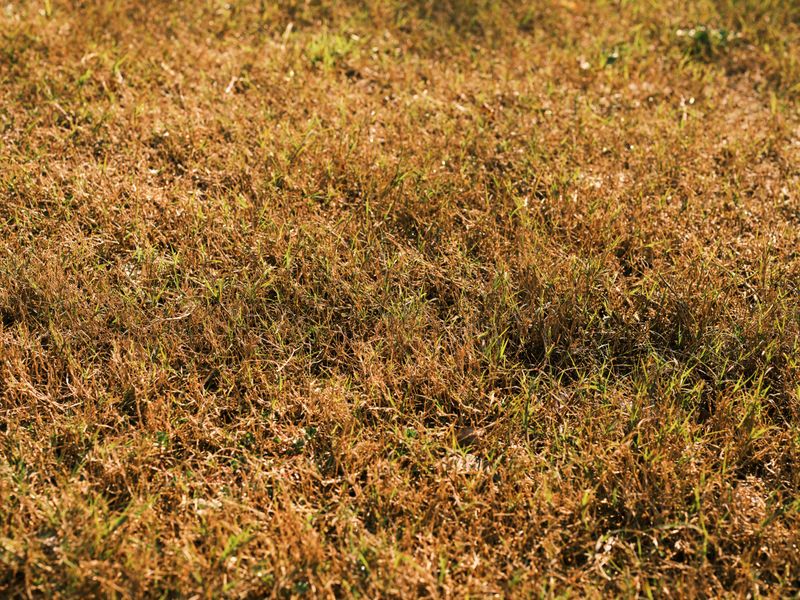
Your lawn talks to you. Learning to read the signs of stress can save your turf before the damage becomes permanent.
The most obvious sign is color change. Grass that turns yellow or straw-brown shortly after mowing is telling you the cut was too aggressive for conditions.
Look for a bluish or grayish tint in the late afternoon. That color shift means the grass is wilting from heat and moisture loss, often made worse by a too-short cut.
Footprints that stay visible long after you walk across the lawn are another red flag. Healthy grass springs back quickly, but stressed turf stays flat and compressed.
Bare patches appearing near areas you mow most often signal scalping. The mower likely hit low spots or the deck was set too low for the terrain.
Weeds popping up fast in previously green areas are a stress response too. Open soil from short cutting gives opportunistic plants the space they need to take hold.
Check the soil surface after mowing. If you can see soil between the grass blades easily, the cut was too short for late-summer conditions.
Catching these signs early makes recovery much faster. Raise the mowing height, adjust your watering routine, and avoid repeating the late-summer mowing mistake that started the stress in the first place.
A little observation goes a long way toward keeping your lawn healthy through a demanding season of the year.