When To Plant Lettuce For A Pennsylvania Fall Garden
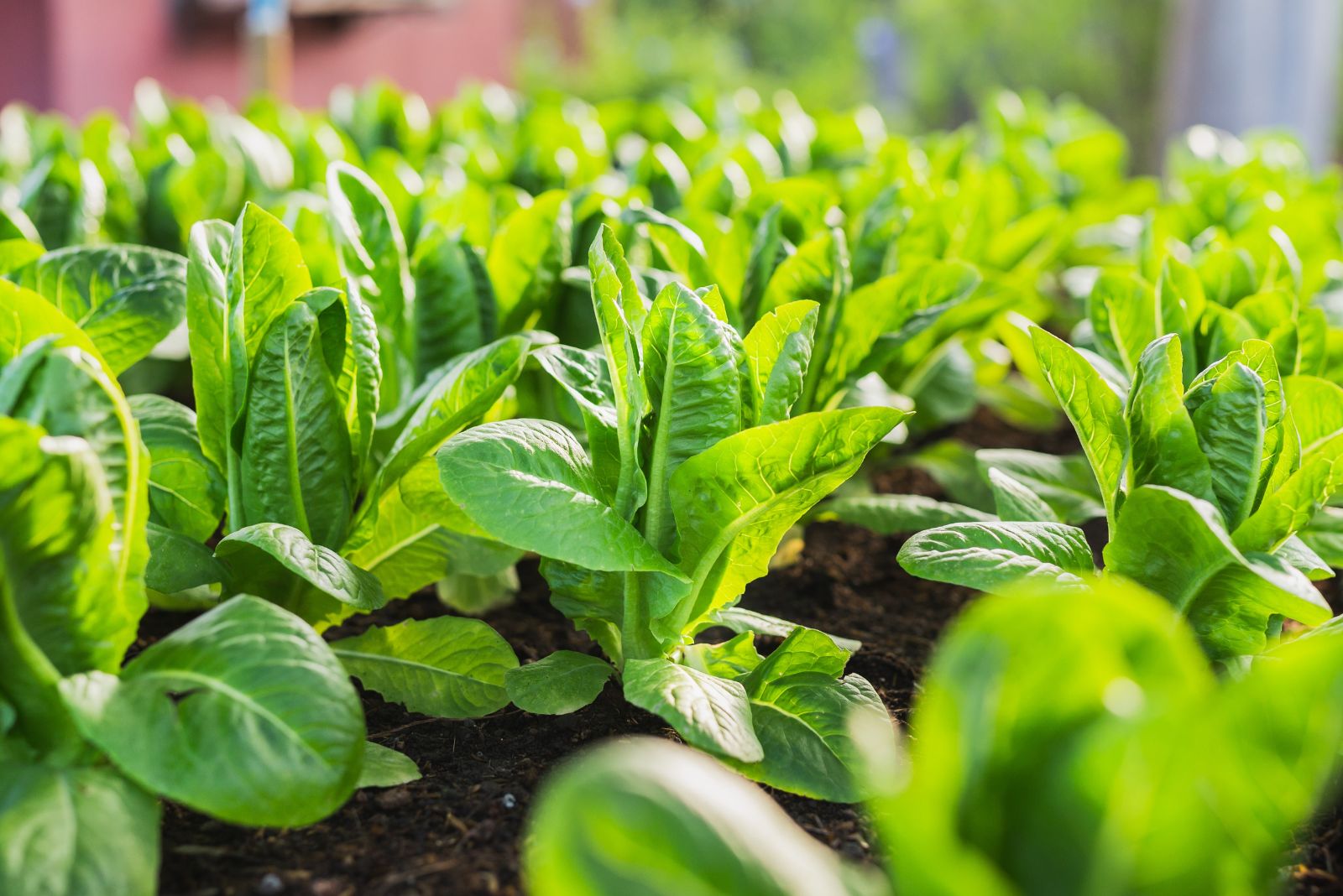
Lettuce has a reputation as a spring crop, and in Pennsylvania it earns that reputation every year. But gardeners who only grow lettuce in spring are leaving the best part of the season on the table.
Fall lettuce in Pennsylvania is often superior in every way. Sweeter flavor, crispier texture, and none of the bolting pressure that cuts the spring season short the moment temperatures start climbing. The key is getting the timing right.
Plant too late and the lettuce won’t have enough growing days before hard frost shuts the season down.
Plant at the right moment and you’ll be harvesting fresh, flavorful greens well into October and sometimes beyond, from a garden that most people have already written off for the year.
The math is straightforward once you understand it, and the window is open right now for the parts of Pennsylvania where fall lettuce thrives most reliably.
Here’s exactly when to plant lettuce for a Pennsylvania fall garden and how to set each planting up for the strongest possible harvest.
The Best Time To Plant Lettuce Is Mid To Late August
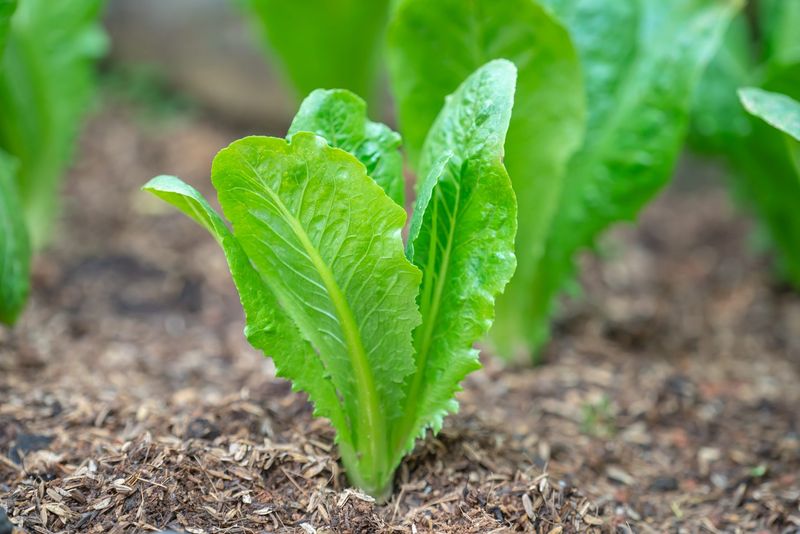
Mark your calendar for mid to late August, because that sweet spot is when Pennsylvania fall lettuce gardens truly come to life. Most of the state enjoys enough warm days left in August to help seeds sprout quickly, while the nights begin to cool just enough to make lettuce happy.
Timing matters a lot with fall planting, and getting seeds in the ground during this window gives plants the best possible start.
Lettuce grows best when daytime temperatures stay between 60 and 70 degrees Fahrenheit. By mid-August in Pennsylvania, afternoon highs are starting to drop from their summer peaks.
That shift in weather works in your favor. Seeds sown now will sprout within a week or so, and young plants will grow steadily as the season moves toward fall.
One thing to keep in mind is that fall gardening works backwards from spring planting. Instead of waiting for warm weather, you are racing against the first hard freeze.
In most of Pennsylvania, that first freeze arrives sometime in October. Planting in mid to late August gives leaf lettuce roughly six to eight weeks to reach harvest size before cold weather settles in for good.
Many experienced gardeners treat August 15th as a target date to aim for. Planting on or around that date gives you a comfortable buffer.
If life gets busy and you miss that date by a few days, do not worry. Late August sowings still have a solid chance of producing a good harvest. The key is to act promptly and get those seeds into prepared soil as soon as you can.
Choose Leaf Lettuce For Late-August Sowing
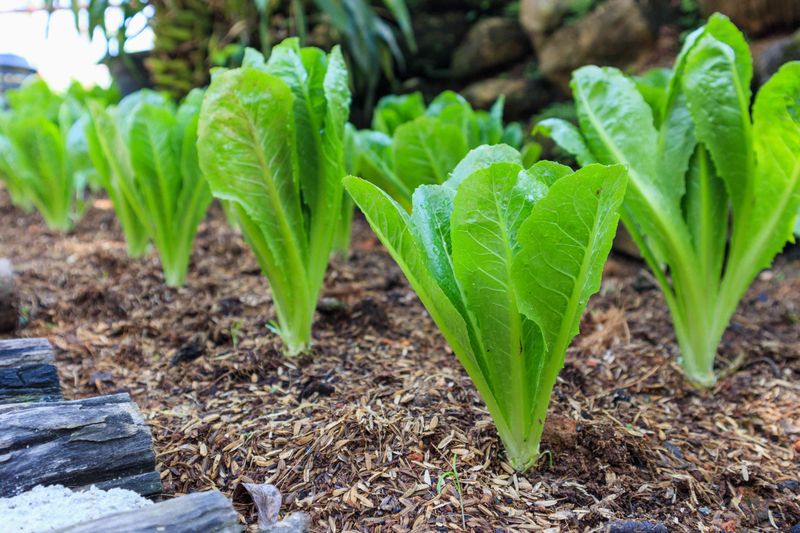
Loose-leaf lettuce is the clear winner when it comes to late-season planting in Pennsylvania. Unlike head lettuce, which needs 70 to 80 days or more to form a tight, full head, loose-leaf types can be ready to harvest in as few as 45 to 50 days.
Your Pennsylvania Garden Changes Every Week. Your Plan Should Too.
Gardening in Pennsylvania changes quickly throughout the season. Every Friday you’ll receive a simple weekly plan showing exactly what to plant, prune, fertilize, harvest, and protect so you never miss the right timing.
That shorter timeline is exactly what late-summer gardeners need when the calendar is working against them.
Varieties like Black-Seeded Simpson, Oak Leaf, and Salad Bowl are popular choices for good reason. They grow quickly, produce tender leaves, and handle light frosts better than many other vegetables.
You can even begin harvesting outer leaves while the plant continues to grow, which stretches your harvest window even further into the season.
Head lettuce types like iceberg or butterhead are beautiful in the garden, but they simply take too long to mature for a late-August sowing in most of Pennsylvania.
By the time a heading variety is close to forming a proper head, cold temperatures could already be arriving.
Choosing loose-leaf types removes that risk and makes your fall garden much more reliable.
Another bonus of loose-leaf lettuce is that it comes in a wide range of colors and textures. Red varieties add a pop of color to your garden bed and your salad bowl.
Frilly-edged types look decorative while still being fully edible. Shopping for a mix of loose-leaf varieties at your local garden center or seed shop is a fun way to plan a fall garden that is both productive and visually appealing. Go bold with your choices and enjoy the variety.
Use Fast-Maturing Varieties
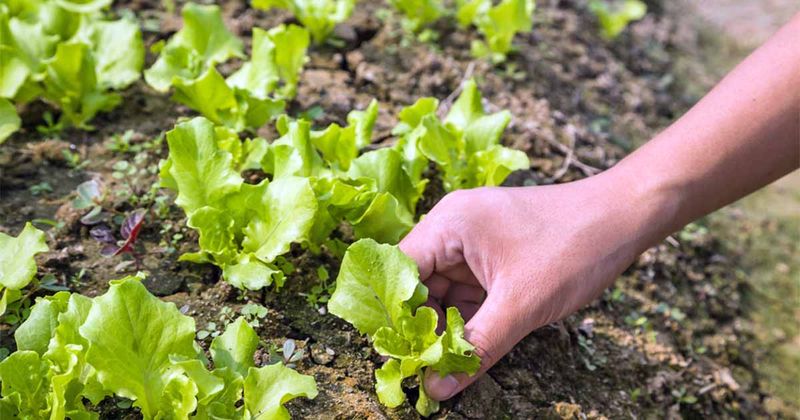
Picking the right seed variety can honestly make or break your fall lettuce garden. Not all lettuce is created equal when it comes to how fast it grows.
Some types take 75 days or longer, while others are ready to harvest in just 40 to 45 days. For Pennsylvania fall planting, speed is your best friend.
Always read the seed packet before you buy. Look for the phrase “days to maturity” and aim for varieties that mature in 45 days or fewer.
Some popular fast growers include Tom Thumb, Tango, and Black-Seeded Simpson. These varieties push out harvestable leaves quickly, giving you a better shot at filling your salad bowl before a hard freeze shuts down the garden.
Did you know that some lettuce varieties were specifically developed for fall and winter growing? These types are bred to tolerate cooler temperatures and shorter days of sunlight.
Seeking them out at a local seed store or ordering online from a reputable seed company can give your fall garden a real advantage. Words like “cold-tolerant” or “fall harvest” on the label are good signs you are picking the right kind.
Mixing a couple of fast-maturing varieties together in the same bed is a smart strategy. Different varieties may mature at slightly different rates, which spreads out your harvest and keeps fresh lettuce coming for a longer stretch of time.
Planting a small row every week or two, called succession planting, also helps. Even if you only have a small patch of garden space, fast-maturing varieties give you the most return for your effort during the fall season.
Keep Seeds Cool During Hot August Weather
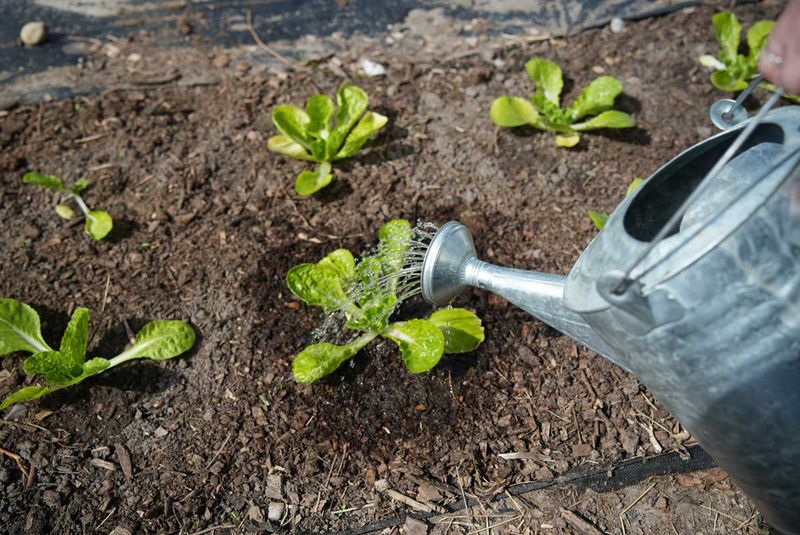
Here is something that trips up a lot of first-time fall gardeners: lettuce seeds have trouble sprouting when the soil is too warm. When soil temperatures rise above 80 degrees Fahrenheit, germination slows way down or may not happen at all.
In Pennsylvania, August soil can still be quite warm, especially during heat waves. Knowing how to cool things down a bit makes a big difference.
One simple trick is to water your seed bed thoroughly in the evening. Moist soil stays cooler than dry soil, and evening watering gives the moisture time to soak in before the next day’s heat arrives.
You can also cover your newly seeded area with a light shade cloth to block some of the intense afternoon sun. Even a 30 percent shade cloth can lower soil temperature by several degrees.
Another helpful method is to pre-chill your seeds in the refrigerator for a day or two before planting. Some gardeners swear by this technique for improving germination rates during warm weather.
The seeds get a cool signal that encourages them to sprout more readily once they hit the soil. It sounds unusual, but it actually works quite well.
Once your seeds sprout and tiny seedlings appear, keep the soil consistently moist but not soggy. Young lettuce seedlings are tender and can struggle if the soil dries out completely between waterings.
A light mulch of straw or shredded leaves around the seedlings helps hold moisture and keeps the root zone cooler. With a little extra attention during those first warm August weeks, your lettuce will be off to a strong and healthy start before fall truly arrives.
Northern Pennsylvania Gardeners Should Plant Immediately
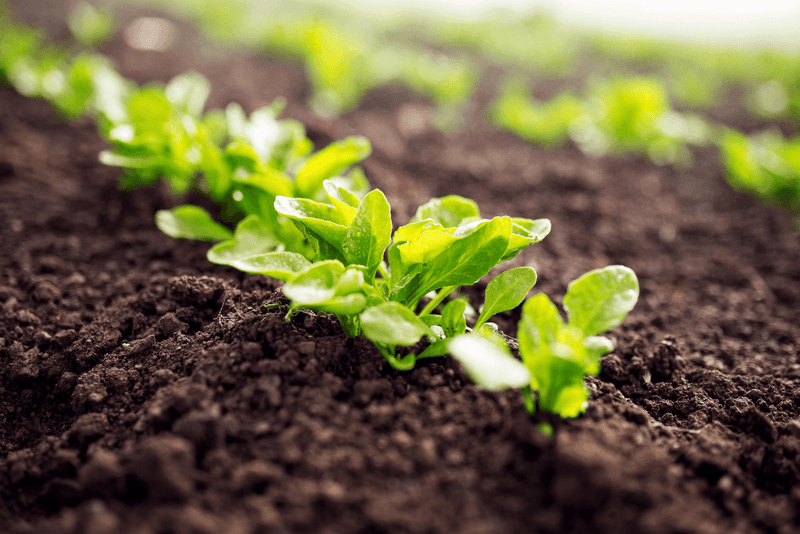
Pennsylvania is a big state, and that means gardeners in different parts of the state face very different growing conditions in the fall.
If you live in northern Pennsylvania, in counties like Potter, Tioga, or Sullivan, your fall window is noticeably shorter than gardeners in the Philadelphia suburbs or Lancaster County.
Higher elevations and more northern latitudes mean colder nights arrive earlier and first frosts can come as soon as late September.
For northern Pennsylvania gardeners, the message is simple: plant your fall lettuce as soon as possible. Do not wait until the end of August.
Mid-August is your target, and earlier is even better. Every extra day of growing time counts when you only have a narrow window before temperatures drop hard enough to stop plant growth.
Gardeners in southeastern Pennsylvania generally have a more relaxed timeline. The Philadelphia area and surrounding counties often enjoy mild falls that stretch well into October or even early November.
That extra warmth gives southeastern gardeners more flexibility with planting dates and variety choices. A gardener in Bucks County might comfortably plant lettuce in early September and still expect a solid harvest.
Understanding your local frost dates is one of the most useful things any Pennsylvania gardener can do. The Penn State Extension office publishes frost date information by county, and that data is free and easy to find online.
Knowing your average first frost date lets you count backwards to figure out exactly when to get your seeds in the ground.
Northern gardeners who use this information and act quickly give themselves the best possible shot at a rewarding fall lettuce harvest before cold weather arrives.
Keep Planting Into Early September Where Conditions Allow
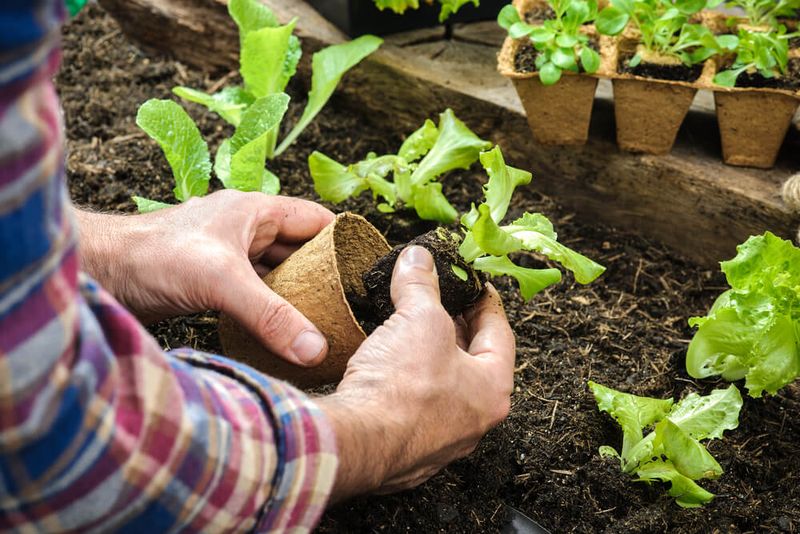
Good news for gardeners in warmer parts of Pennsylvania: your fall lettuce season does not have to end in August.
In many areas of the state, especially the southeastern and south-central regions, early September is still a perfectly reasonable time to sow another round of leaf lettuce.
Warmer microclimates and later frost dates give these gardeners a longer planting window to take advantage of.
Small, successive sowings made every week or two from late August through early September can keep fresh lettuce coming right up until the first hard freeze.
Rather than planting one big batch all at once, spreading out your sowings staggers the harvest so you are not swimming in lettuce one week and then left with nothing the next. A few short rows planted at regular intervals is all it takes to keep the salad bowl full.
Row covers and cold frames are powerful tools for pushing the harvest even further into the fall season. A simple floating row cover, sometimes called a frost blanket, can protect lettuce from light frosts and add several degrees of warmth on cold nights.
Cold frames, which are low boxes with clear lids placed over garden beds, work even better. They trap heat from the sun during the day and release it slowly at night, keeping plants comfortable even when outdoor temperatures dip below freezing.
Using these protective tools means Pennsylvania gardeners can sometimes harvest fresh lettuce well into November, long after the open garden has gone dormant.
Combining smart planting timing with simple season-extension tools turns a short fall window into a genuinely productive growing season.
Start small, stay consistent, and enjoy the rewards of fresh homegrown lettuce through the crisp Pennsylvania fall.