The Meaning Behind A Toad Appearing In Your Pennsylvania Garden After Rain
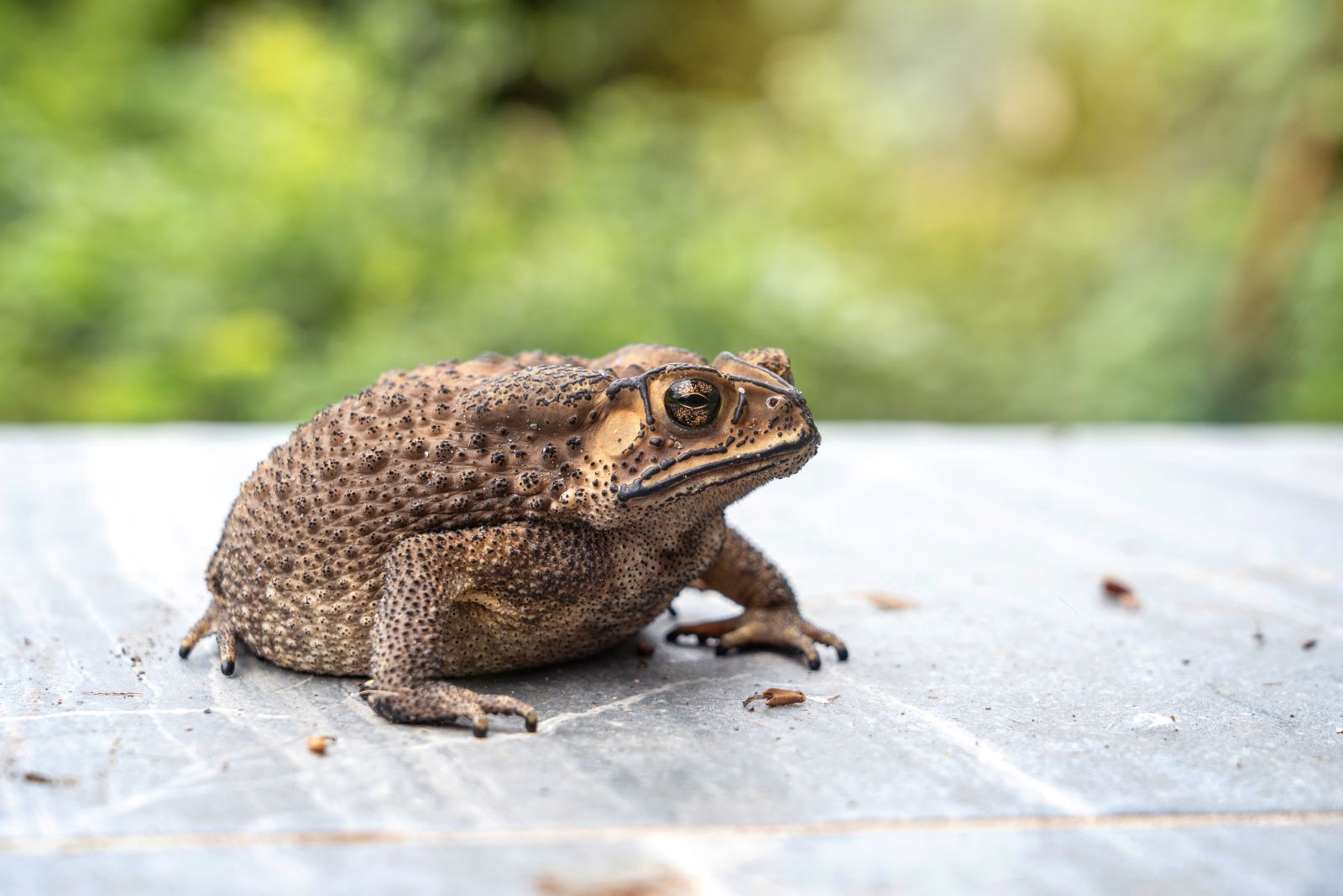
A toad appearing in your Pennsylvania garden after a rain event is one of those small encounters that tends to stop a gardener mid-step and produce a genuine moment of curiosity.
Toads show up without warning, sit with an almost meditative stillness, and then disappear back into the garden as quietly as they arrived.
Their presence after rain is not accidental or random, and what it signals about your garden and the conditions you have created there is worth understanding.
Toads are highly sensitive to their environment and choose their locations deliberately, responding to specific combinations of shelter, moisture, and food availability that not every yard provides.
A toad finding its way to your Pennsylvania garden after rain is essentially a vote of confidence in the health and habitat quality of that space, and knowing what specifically drew it in opens up an interesting window into what is actually going on in your garden at ground level.
1. Natural Pest Control Is On Duty
Picture this: you have been battling slugs, beetles, and mosquitoes all summer long, and then one rainy evening, a toad shows up uninvited. That little visitor might just be the best garden helper you never hired.
Toads are incredible natural pest controllers, and their appetite is seriously impressive. A single American toad can eat up to 1,000 insects in a single day. Slugs, beetles, earwigs, cutworms, and even small caterpillars are all on the menu.
For gardeners who want to protect their plants without spraying chemicals, having a toad around is a genuine win.
When a toad appears after rain, it is often actively hunting. Rain brings insects and slugs out of hiding, making it the perfect feeding time.
Toads use their long, sticky tongues to snatch prey with lightning speed. They are quiet, efficient, and completely harmless to your plants.
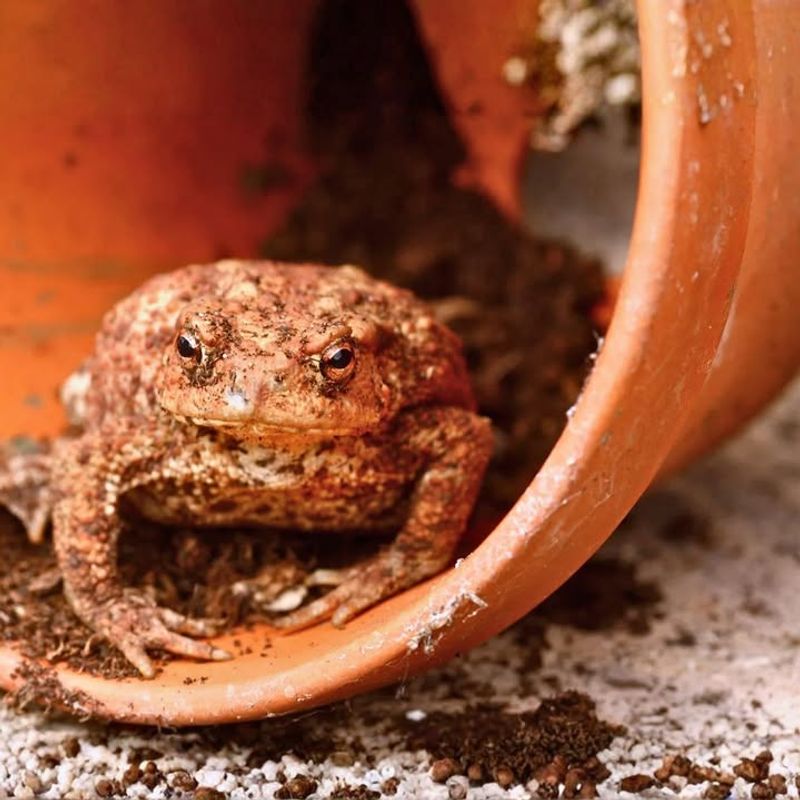
Many experienced gardeners actually try to attract toads on purpose by leaving shallow water dishes or small shelters like overturned clay pots in their yards.
A toad that feels comfortable in your garden will keep coming back, providing ongoing pest management season after season.
Spotting a toad in your Pennsylvania garden after rain is a strong sign that your yard has a healthy food web. It means there are enough insects and other small creatures to support amphibian life.
Rather than seeing the toad as an intruder, think of it as a hardworking ally quietly keeping your garden in check. Nature has a way of balancing itself, and the toad is proof of that.
2. Moisture And Soil Conditions Are Ideal
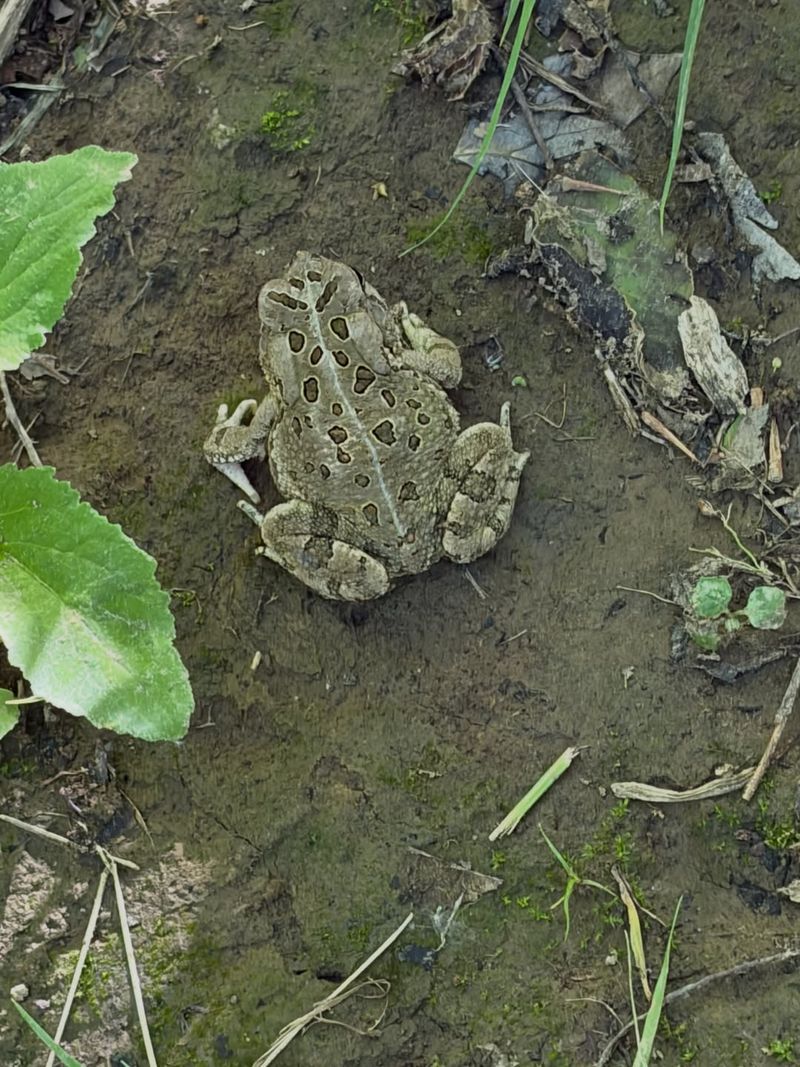
Toads do not show up in just any yard. They are picky about where they spend their time, and one of the biggest factors they look for is moisture.
When rain falls and soaks into your garden soil, it creates exactly the kind of environment toads need to move around comfortably.
Unlike frogs, toads do not live in water full-time. But they still need damp conditions because they absorb moisture directly through their skin.
Dry, hard ground is tough for them to navigate and can actually cause them stress. Wet soil after a rainstorm makes movement easy and comfortable.
Your Pennsylvania Garden Changes Every Week. Your Plan Should Too.
Gardening in Pennsylvania changes quickly throughout the season. Every Friday you’ll receive a simple weekly plan showing exactly what to plant, prune, fertilize, harvest, and protect so you never miss the right timing.
Rain also softens the ground, which helps toads dig and burrow more easily. They often shelter just below the surface during hot or dry spells, staying cool and moist until conditions improve.
After a good rain, they emerge refreshed and ready to explore. For Pennsylvania gardeners, this is actually great news. If your garden soil holds moisture well after rain, you are creating a naturally welcoming space for toads without even trying.
Gardens with good mulch coverage, organic matter, and layered plant growth tend to stay damp longer, making them especially attractive to amphibians.
If you want to make your garden even more toad-friendly, consider adding a shallow water dish or a small garden pond. Even a simple birdbath placed at ground level can make a big difference.
Good soil moisture is one of the clearest signs that your garden conditions are just right, and a toad after rain is the most natural confirmation of that fact.
3. Seasonal Activity Patterns At Work
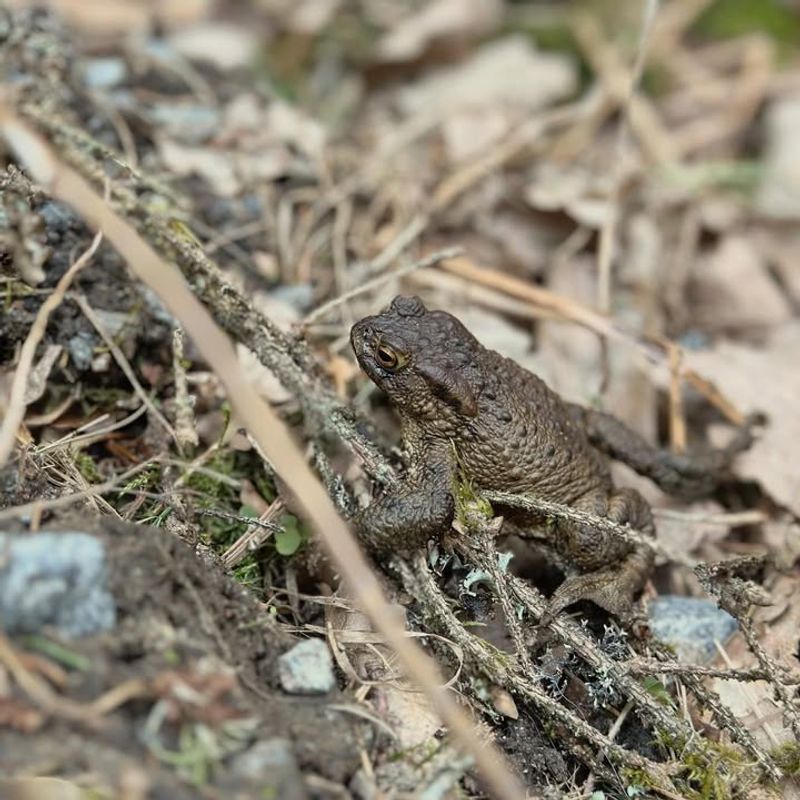
Spring and summer rainstorms in Pennsylvania have a magical effect on local wildlife, and toads are no exception.
If you have noticed more toad sightings during warmer months, especially right after a good downpour, you are witnessing a very natural and predictable seasonal pattern.
American toads in Pennsylvania typically become active between April and October. During this window, they are feeding, traveling, and breeding.
Rain plays a huge role in triggering their activity because it signals favorable conditions for all of these behaviors at once. A warm spring rain after a cold winter is basically an invitation for toads to come out and get moving.
Interestingly, toads are also sensitive to temperature. They tend to be most active when nighttime temperatures stay above 50 degrees Fahrenheit.
Combine warm temps with post-rain moisture, and you have the ultimate recipe for a toad sighting. Pennsylvania summers hit that sweet spot regularly, which is why backyard toad encounters are so common during this time of year.
Seeing a toad in your garden during the active season is also a sign that your local amphibian population is doing well. Healthy populations mean successful breeding and survival from year to year.
That is actually something worth celebrating, especially as amphibian numbers have been declining in many parts of the world.
Paying attention to when and how often you spot toads can give you a simple, low-tech way to track seasonal changes in your local environment. It is like having a tiny, bumpy weather and nature monitor right in your own backyard, showing up right on schedule.
4. Indicator Of A Healthy Garden Habitat
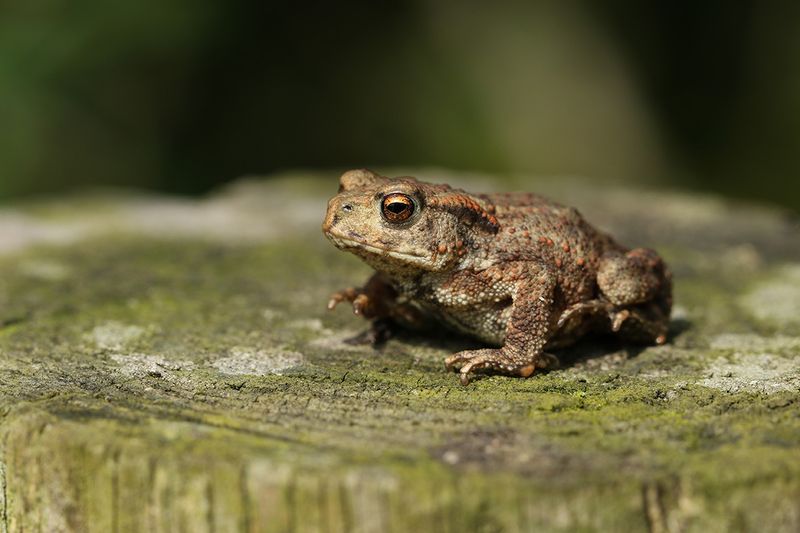
Not every garden earns a toad visit. These little amphibians are selective about where they hang out, and their presence tells you something genuinely positive about the space you have created.
A toad showing up in your garden after rain is basically a report card, and you are getting high marks.
Toads need three key things to feel at home: food, moisture, and shelter. If your garden provides all three, you are running a five-star amphibian resort without even knowing it.
Mulched beds, leafy ground cover, rocks, logs, and dense plant borders all create the kind of cozy hiding spots toads love.
Pennsylvania gardens that follow organic or low-chemical practices are especially attractive to toads.
Pesticides and herbicides can be harmful to amphibians, whose thin skin absorbs whatever they crawl through. A yard that is managed naturally is a yard where toads can thrive safely.
Beyond toads, a garden that supports amphibians usually supports a wide range of other beneficial wildlife too. Birds, beneficial insects, and small mammals all tend to gather in spaces where the habitat is layered, diverse, and chemical-free.
A toad is often just the most visible sign of a much richer ecosystem quietly working beneath the surface.
If you want to encourage more toad visits, try adding a simple toad house. These are small ceramic or clay shelters that you can place in a shaded corner of your garden.
They provide a safe resting spot during the day when toads are less active. Building a welcoming habitat rewards you with a healthier, more balanced garden all season long.
5. A Natural Symbol Of Renewal And Awareness
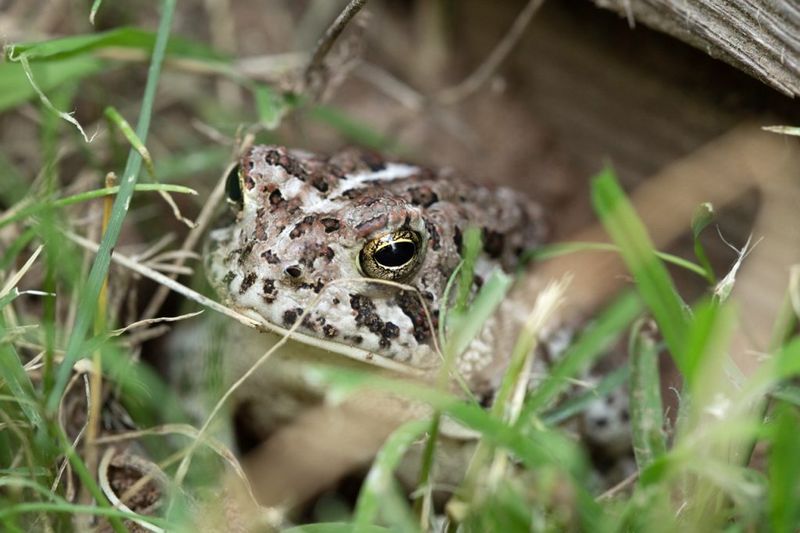
Across many cultures and throughout history, toads have carried deep symbolic meaning. Native American traditions often associate toads and frogs with rain, cleansing, and renewal.
In European folklore, toads were connected to the earth, transformation, and the changing of seasons. Seeing one after a rainstorm can feel like more than just a wildlife encounter.
There is something quietly powerful about a toad appearing in your garden right after the rain has washed everything clean. Many people describe the experience as grounding and even a little magical.
Whether you lean into the symbolism or not, the timing does carry a kind of natural poetry to it.
From an environmental perspective, a toad sighting after rain is also a meaningful sign. Amphibians like toads are considered bioindicators, meaning their presence or absence tells scientists a lot about the health of a local ecosystem.
Toads are sensitive to pollution, habitat loss, and chemical exposure. When they show up in your yard, it suggests your environment is relatively clean and stable.
In a world where many amphibian species are struggling due to habitat loss and environmental changes, spotting a healthy toad in your Pennsylvania garden is genuinely encouraging. It means your little corner of the world is still doing something right.
Some gardeners have started keeping informal journals of their toad sightings, noting dates, weather conditions, and locations. Over time, these simple notes can reveal fascinating patterns about seasonal behavior and local biodiversity.
Even one toad in your garden can connect you to something much bigger, a living, breathing reminder that nature is still present and resilient right outside your door.
6. Breeding And Migration Behavior In Action
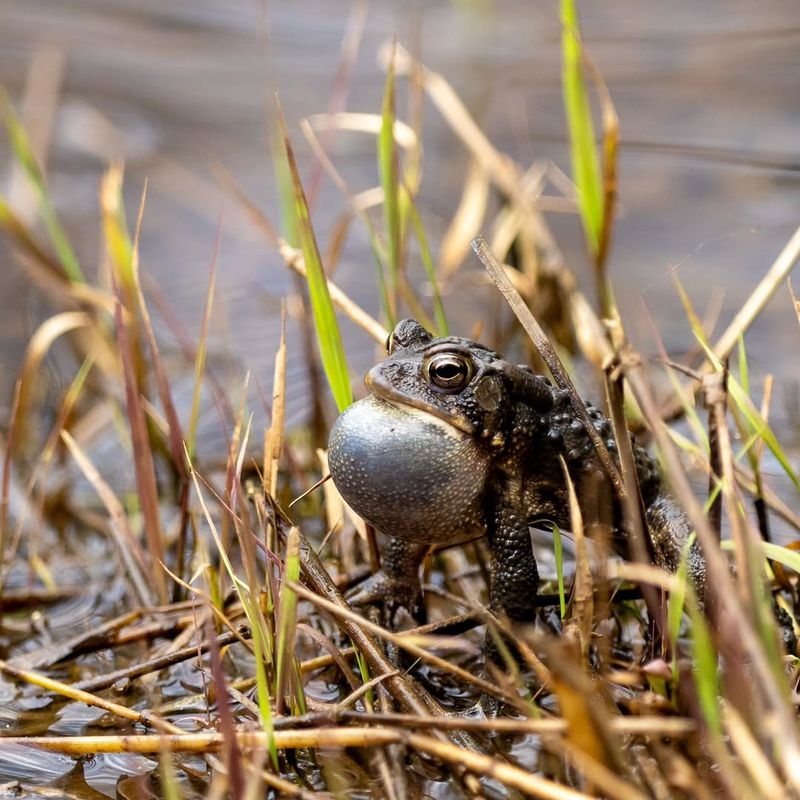
Rain does not just bring toads out for a snack. For many of them, a good rainstorm is actually a travel signal.
Toads in Pennsylvania often use rainy nights to migrate toward breeding sites, and your garden might just be a rest stop along the way.
American toads breed in spring, usually between March and July depending on local conditions. They are drawn to shallow water sources like ponds, puddles, ditches, and even flooded garden depressions.
After heavy rain creates temporary pools, toads can appear in yards they have never visited before as they make their way toward these water sources.
During breeding season, male toads produce a distinctive, high-pitched trilling call to attract females. If you have ever heard a musical humming sound near your garden after a spring rain, there is a good chance a toad was behind it.
The call can carry quite far, especially on still, humid nights. Once breeding is complete, toads return to their home territories, which can be the same garden or yard year after year. Toads are surprisingly loyal to their home ranges.
Some individuals have been recorded returning to the same garden for multiple seasons in a row, which means that one toad in your yard today could become a long-term resident.
If you have a small garden pond or even a low-lying area that collects rainwater, you may be providing valuable breeding habitat without realizing it.
Encouraging this kind of natural water feature not only supports toads but also benefits other local wildlife like birds, dragonflies, and beneficial insects throughout the growing season.