7 Essential August Tasks For Stronger Hydrangea Blooms In Pennsylvania
August in Pennsylvania is not typically when most gardeners are thinking about hydrangea blooms.
The plants are pushing through the heat, summer is winding toward its end, and the idea of doing anything beyond basic maintenance can feel unnecessary when fall is already on the horizon.
But what happens to your hydrangeas in August has a direct and significant impact on what they deliver next spring and into the following season.
This is one of the most important months in the hydrangea care calendar, and most Pennsylvania gardeners treat it like it barely matters.
Hydrangeas set flower buds during late summer, and the conditions and care they receive during this window determine whether those buds develop fully or fail before the season even turns.
A few targeted actions in August can mean the difference between a plant covered in blooms next year and one that produces a season full of healthy green leaves and nothing else. None of these tasks are complicated. But all of them are time sensitive.
1. Keep Hydrangeas Deeply Watered
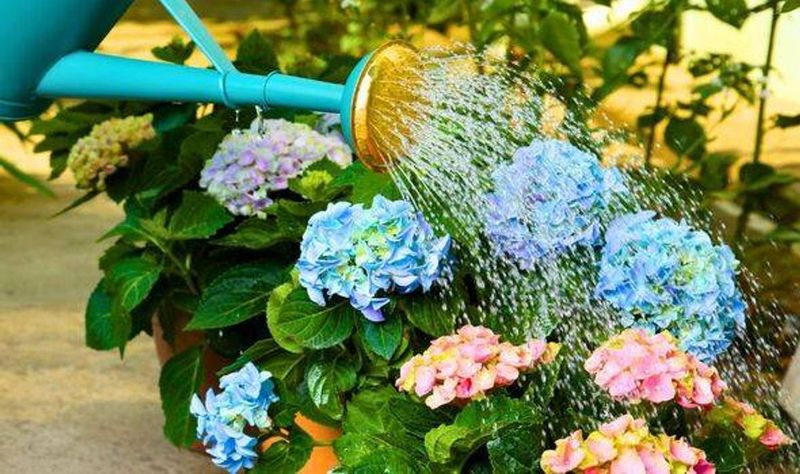
Nothing stresses a hydrangea faster than dry soil in the middle of a hot Pennsylvania August. These plants have shallow root systems, which means they depend on consistent moisture to stay healthy and keep blooming.
When the top few inches of soil dry out quickly, the roots struggle to pull up enough water to support the leaves and flowers above. Watering deeply is the key. A quick sprinkle on the surface does not do much good.
You want the water to soak down several inches so it reaches the main root zone where it is actually needed. A slow, steady soak at the base of the plant works much better than a fast spray from above.
Try watering in the early morning so the plant can absorb moisture before the afternoon heat kicks in. Watering at night can leave the foliage damp for too long, which sometimes encourages fungal problems.
A soaker hose or drip irrigation system is a great investment if you want to make this process easier and more efficient.
Check the soil with your finger before watering. Push it about an inch into the ground near the base of the plant. If it feels dry, it is time to water. If it still feels slightly moist, you can wait another day.
During a heat wave or a dry stretch, you may need to water every two to three days. Staying consistent with deep watering through August will help your hydrangeas stay strong and set the stage for healthy growth ahead.
2. Refresh Mulch Around The Roots
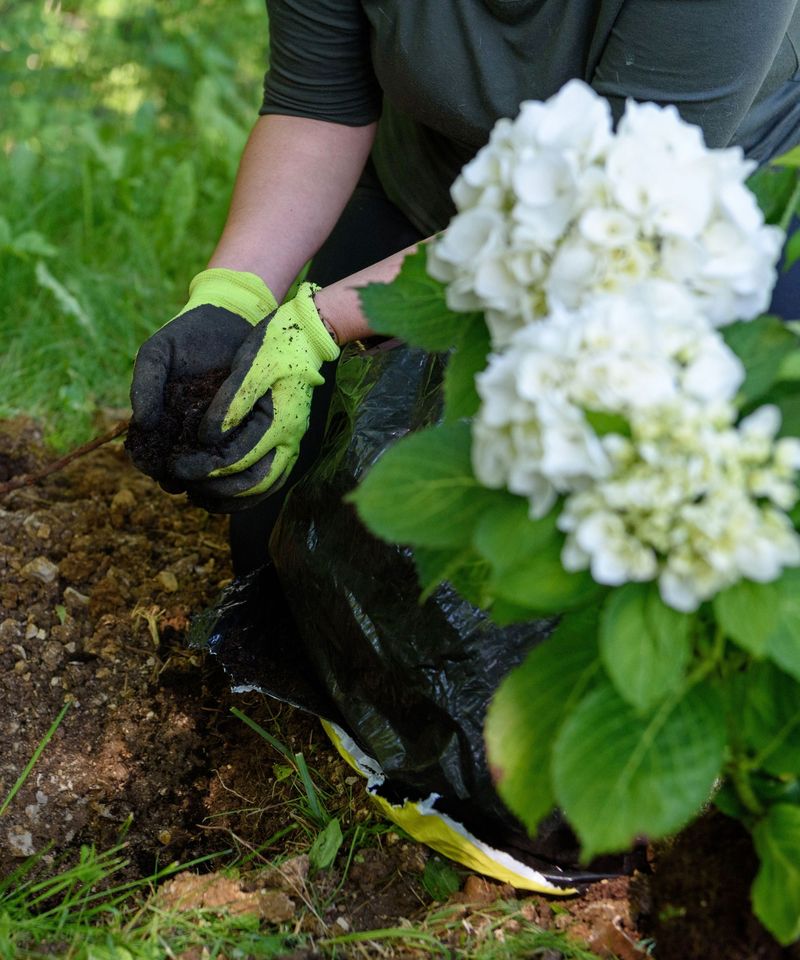
Mulch might look like a simple finishing touch, but it does some seriously important work in August.
A good layer of organic mulch around your hydrangeas helps hold moisture in the soil, keeps root temperatures cooler on hot days, and slowly breaks down to add nutrients back into the ground.
For Pennsylvania gardeners dealing with summer heat, this is one of the easiest wins you can give your plants.
Your Pennsylvania Garden Changes Every Week. Your Plan Should Too.
Gardening in Pennsylvania changes quickly throughout the season. Every Friday you’ll receive a simple weekly plan showing exactly what to plant, prune, fertilize, harvest, and protect so you never miss the right timing.
Over time, mulch breaks down and gets thinner. By August, the layer you put down in spring may have shrunk quite a bit.
Take a few minutes to check the depth around your hydrangeas. You want to maintain about two to three inches of mulch over the root zone. If it has thinned out, add a fresh layer to bring it back up to that thickness.
Wood chips, shredded bark, and composted leaves are all solid choices for hydrangeas. They break down at a moderate pace and do a good job of holding moisture without packing down too tightly.
Avoid using fresh grass clippings in thick layers, as they can mat together and block water from reaching the soil below.
One important detail to remember is to keep the mulch pulled back a few inches from the base of each stem. Mulch piled directly against the stem can trap moisture there and create conditions that may lead to rot or pest problems over time.
Leave a small ring of bare soil around the stem, then spread the mulch outward from there. This simple habit protects your plants and keeps them healthier through the rest of summer.
3. Stop Pruning Old-Wood Hydrangeas
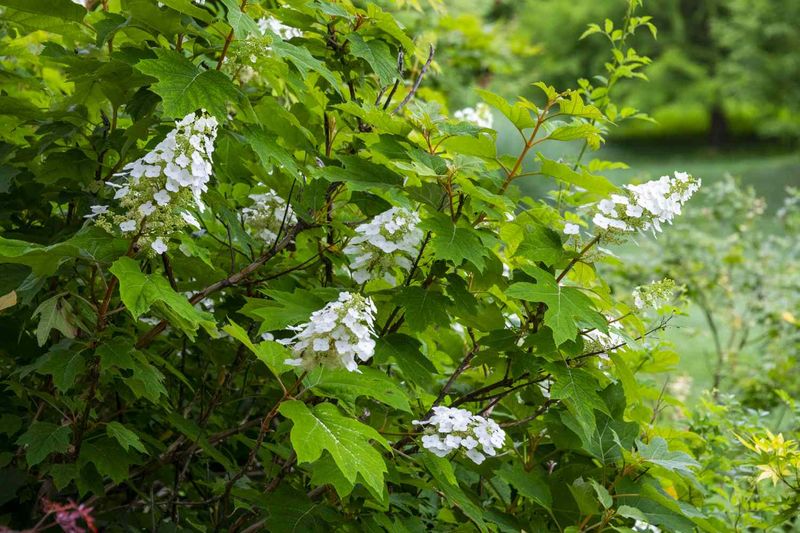
Grab the pruning shears, and you might be making a costly mistake in August, especially if you have bigleaf or oakleaf hydrangeas. These varieties are what gardeners call old-wood bloomers, meaning they grow their flower buds on stems that formed the previous year.
By the time August rolls around, those buds may already be quietly developing on the stems you are looking at right now.
Cutting those stems off in late summer means you are removing next year’s blooms before they even get a chance. Many Pennsylvania gardeners have made this mistake and then wondered why their hydrangeas did not flower the following spring.
The answer was almost always late-season pruning that removed the buds that had already formed.
Bigleaf hydrangeas, sometimes called mophead or lacecap types, are some of the most popular varieties grown in Pennsylvania.
Oakleaf hydrangeas are another old-wood type that many homeowners love for their large, dramatic flower clusters and beautiful fall foliage.
Both of these need their stems left intact through late summer and into fall so those developing buds have a chance to mature.
If you feel the urge to tidy things up, resist it for now. A little patience in August pays off with a full display of blooms the following season.
The best time to prune old-wood hydrangeas is right after they finish flowering in summer, not in late summer or fall.
If you missed that window this year, just leave the plants alone and plan to prune them earlier next season. Your future blooms will thank you for it.
4. Know Which Hydrangea You Have
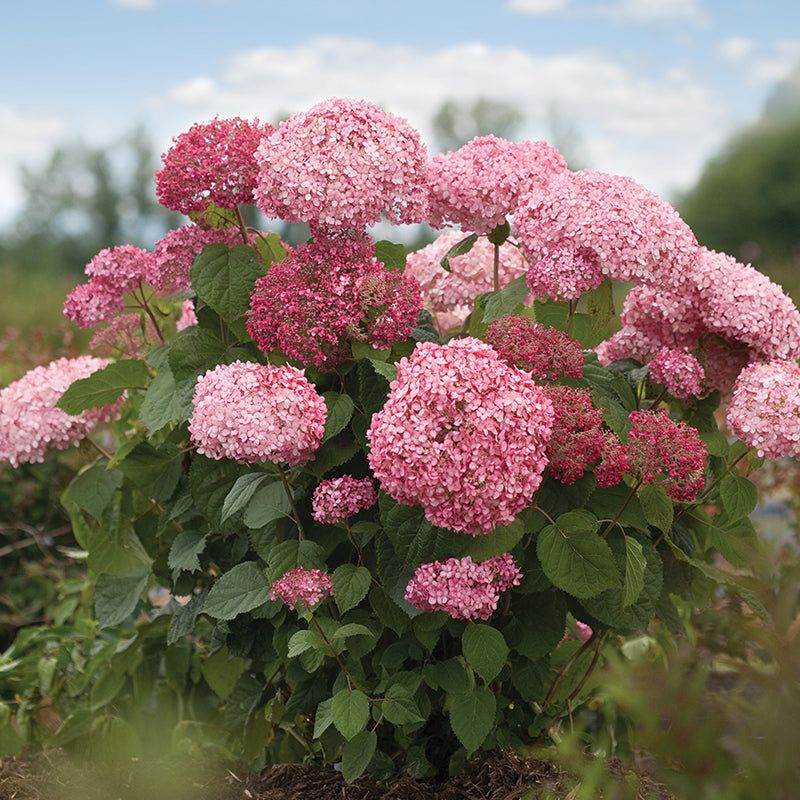
Here is a fact that surprises a lot of gardeners: not all hydrangeas are the same, and treating them all the same way can lead to fewer blooms and a lot of frustration.
Before you do anything to your hydrangeas in August, it helps to know exactly which type you are working with.
The variety you have determines how and when you should prune, feed, and care for your plant.
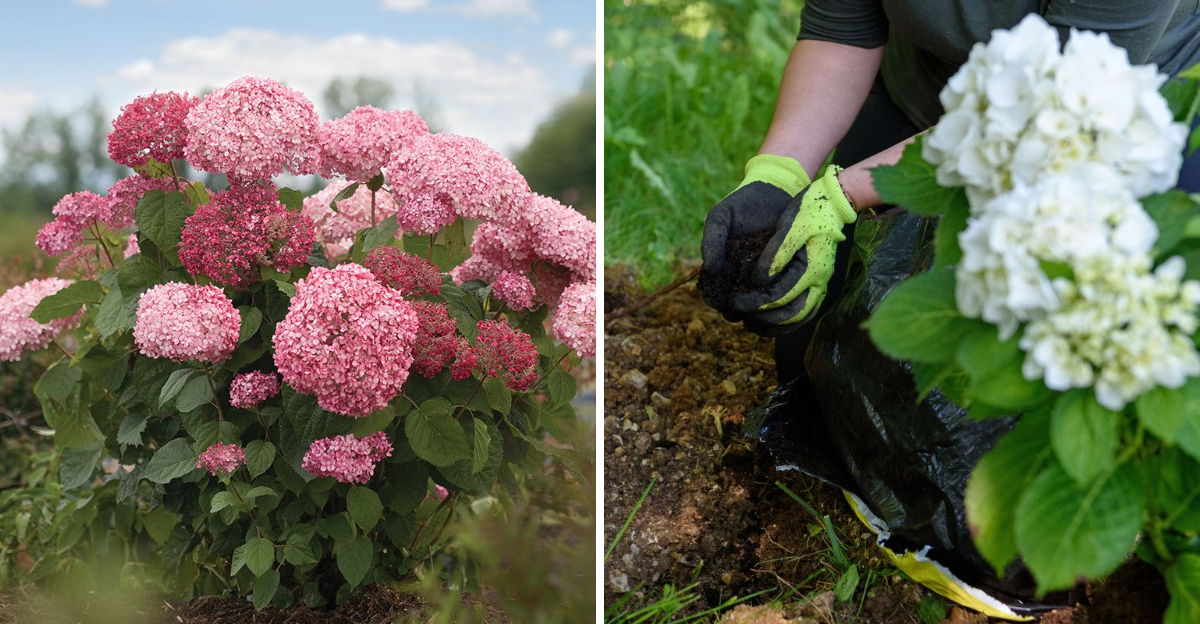
Smooth hydrangeas, like the popular Annabelle variety, and panicle hydrangeas, such as Limelight or Pinky Winky, bloom on new wood. That means they grow their flower buds on stems that sprout fresh each spring.
You can prune these types more freely in late fall or early spring without worrying about removing next year’s blooms. They tend to be very forgiving and bounce back quickly.
Bigleaf hydrangeas, which include the classic blue and pink mophead types, and oakleaf hydrangeas bloom on old wood.
These plants form their buds on last year’s stems, so any pruning done after late summer removes those buds and wipes out next year’s flowers. Knowing this one detail can completely change how you approach your garden care.
If you are not sure what type you have, look at the leaf shape and flower style. Bigleaf types have broad, glossy leaves and round or flat-topped flower clusters.
Oakleaf types have lobed leaves that resemble oak leaves. Panicle types have cone-shaped flower clusters that often turn pink as they age.
Smooth hydrangeas tend to have large, round white flower heads. Identifying your variety now sets you up for smarter care all season long.
5. Remove Only Damaged Growth
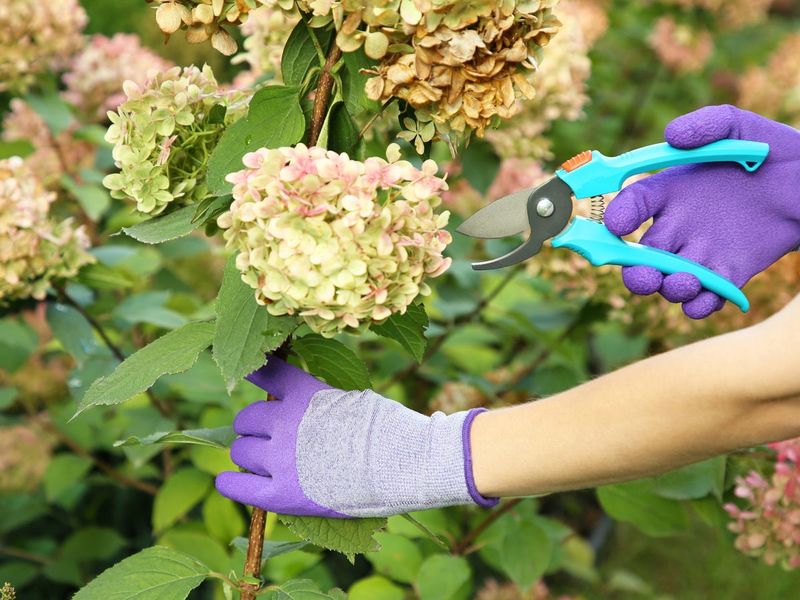
Late summer is not the season for a major pruning session, but that does not mean you should ignore your hydrangeas completely.
There is one type of cutting that is always appropriate no matter the time of year: removing stems that are clearly broken, diseased, or no longer healthy.
Taking care of these problem areas actually helps the plant put its energy where it is needed most.
Walk around your hydrangeas and look closely at the stems. A stem that snapped during a summer storm should be removed cleanly at its base.
Stems that show signs of disease, such as dark discoloration, unusual spots, or mushy texture, should also come out. Leaving damaged growth in place does not help the plant, and in some cases it can allow problems to spread to healthy parts of the shrub.
When you make a cut, use clean, sharp pruning shears. Dull or dirty tools can create rough cuts that are slower to heal and may introduce additional problems.
Wipe the blades with a cloth dipped in rubbing alcohol between cuts if you are dealing with any diseased material. This simple step stops potential issues from spreading from one stem to another.
The goal in August is to be precise and selective, not aggressive. Take out what is clearly a problem and leave everything else alone.
Healthy green stems, even ones that look a little tired from the summer heat, should stay right where they are.
Unnecessary cuts at this stage of the season can stress the plant and interfere with its natural preparation for the cooler months ahead. Less really is more when it comes to late-summer pruning.
6. Keep Weeds Away From The Root Zone
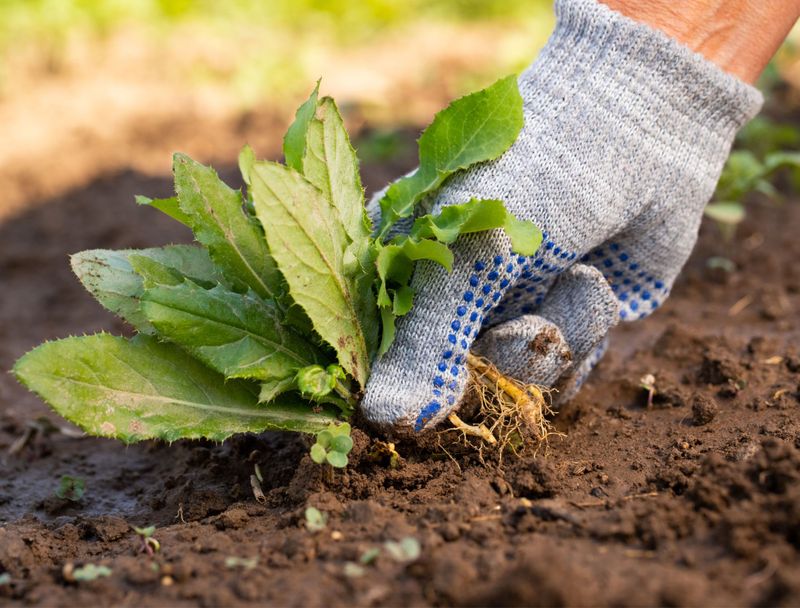
Weeds are quiet competitors. They do not announce themselves, but they steadily pull water and nutrients away from your hydrangeas, especially during August when resources are already stretched thin by summer heat.
A patch of weeds growing close to your hydrangeas is essentially stealing from your plants every single day, and the effects add up faster than most people realize.
Late August is actually a smart time to tackle weeds around your hydrangeas. Many weed varieties are getting ready to produce seeds at this point in the season.
If you pull them out now, before they go to seed, you are preventing a much bigger weed problem next spring. One weed that goes to seed can scatter hundreds of new plants across your garden bed, so getting ahead of it now saves real work later.
Hand pulling is often the best approach near the base of your hydrangeas. Roots from weeds can grow surprisingly close to the hydrangea roots, and using a hoe too aggressively can accidentally damage the shallow root system you are trying to protect.
Pull weeds gently and try to get the full root out so they do not simply grow right back.
After clearing the weeds, refreshing your mulch layer is a great follow-up step. A solid two to three inch layer of mulch makes it much harder for new weeds to sprout and get established.
Sunlight is what most weed seeds need to germinate, and a good mulch layer blocks that light effectively. Keeping the area around your hydrangeas clean and weed-free through the rest of summer gives your plants a real advantage heading into fall.
7. Avoid Pushing Tender New Growth
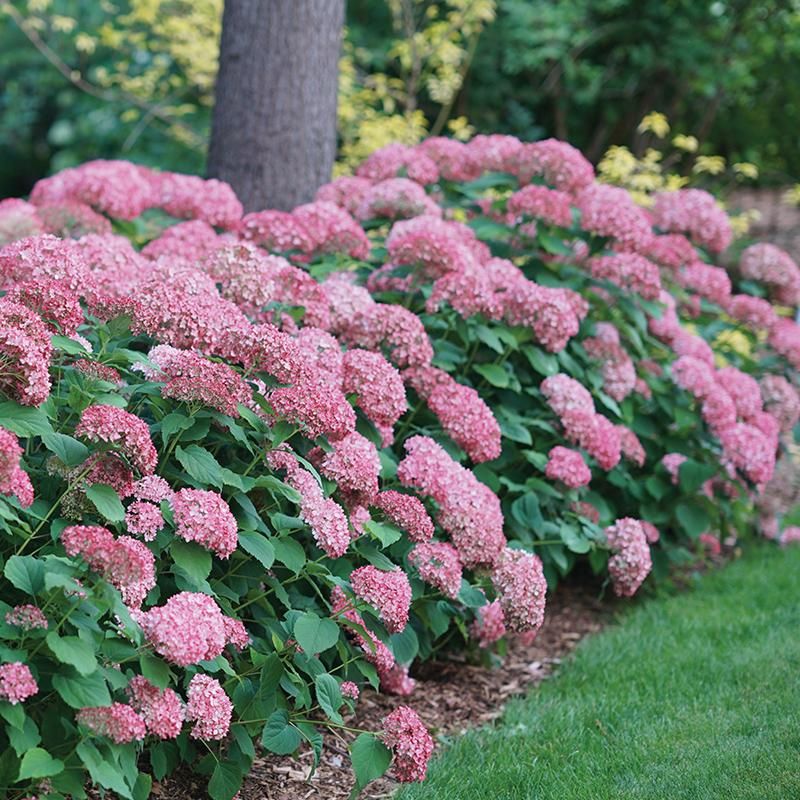
Fertilizing feels productive. It seems like you are doing something good for your plants, and in many cases you are.
But timing matters a lot, and in August, applying a heavy dose of fertilizer to your hydrangeas can actually work against you.
Pushing the plant to produce a rush of soft, tender new growth this late in the season creates a real problem when cooler temperatures arrive.
New growth that forms in late summer has not had enough time to harden off before fall sets in. That soft, young tissue is much more vulnerable to early cold snaps and frost.
In Pennsylvania, temperatures can start dropping noticeably in September and October, and tender new growth that has not had time to toughen up can suffer significant damage when that happens.
Most healthy hydrangeas that have been reasonably fed earlier in the season do not need another round of fertilizer in August. If your plants look green and are producing normal growth, they are likely doing just fine.
A plant that is struggling with yellowing leaves or very weak stems might need a light, balanced feeding, but even then, avoid anything high in nitrogen that specifically encourages fast leafy growth.
Instead of fertilizing, focus on the other care tasks that support your plant naturally, like deep watering and clean mulch. Let your hydrangeas slow down on their own schedule as summer winds down.
Plants are naturally smart about sensing seasonal changes, and when you work with that rhythm instead of against it, your hydrangeas come through fall in much better condition and are ready to bloom strongly when spring returns.