Mulch These Pennsylvania Plants Before October Ends
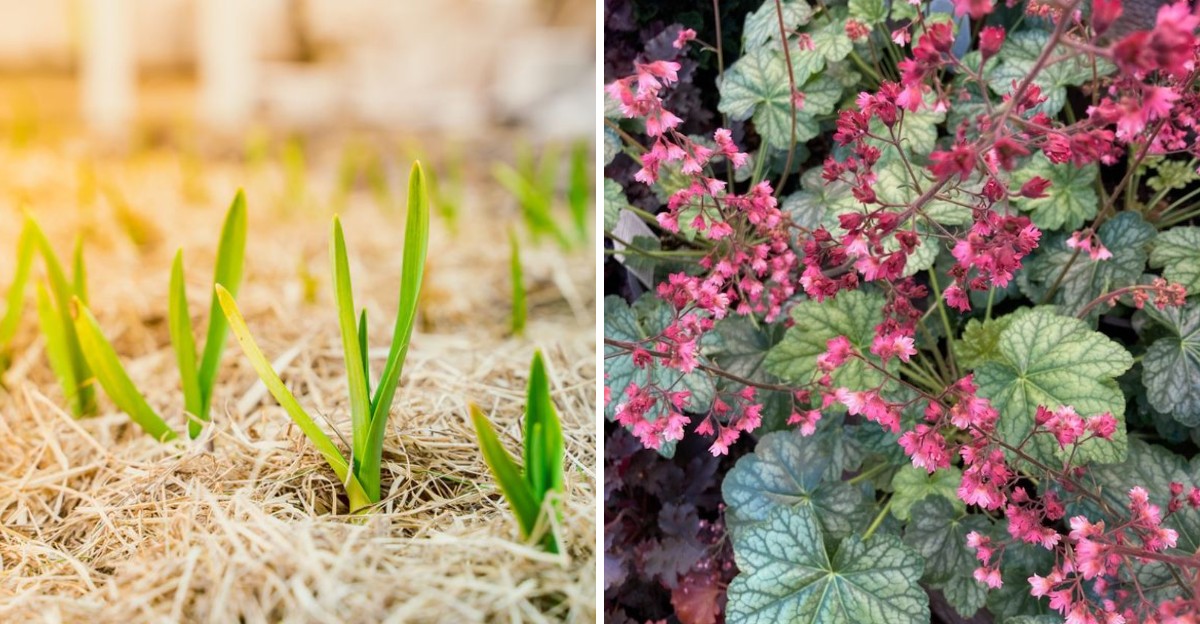
Every spring, some Pennsylvania gardeners find a strange surprise. Plants they tucked into the ground last fall are sitting on top of the soil, roots exposed, as if something pushed them up overnight. Something did: winter.
As the ground freezes and thaws again and again, the soil expands and contracts. That constant movement can lift young plants right out of their beds.
Bare soil also loses moisture quickly in dry autumn winds, and shallow roots take the brunt of every cold snap.
A good layer of mulch helps soften those swings. It keeps the soil temperature steadier, holds in moisture, and gives roots a protective cushion through the coldest months.
Not every plant needs it equally, though. Some are far more vulnerable than others, especially new plantings and a few cold-sensitive favorites.
Get these covered before Halloween, and spring will bring a lot fewer unpleasant surprises.
1. Newly Planted Trees
Fresh trees are like kids on their first day at a new school. They are still finding their way around. A tree planted this fall has not settled into its new home yet.
Roots keep growing underground long after the leaves drop. In fact, they stay busy until the soil gets truly cold.
That is why fall is such a great time to plant. Still, young roots need steady moisture and stable temperatures to keep working.
Mulch gives them both. A layer two to three inches deep holds water in the soil and slows down quick temperature swings.
It also blocks grass from competing for water and nutrients. Shredded hardwood bark, wood chips, or chopped leaves all work well.
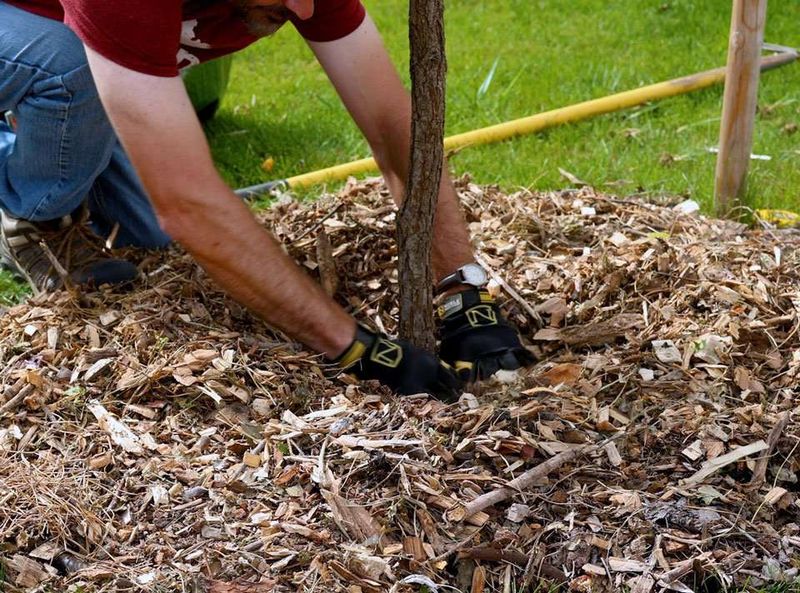
Spread the mulch wide. Aim to cover the area out to the edge of the root zone, which is often wider than you think. A good rule is to go at least as wide as the branches reach. Bigger circles mean happier roots.
Here is the key detail many people miss. Keep the mulch a few inches away from the trunk. Piling it up against the bark creates what gardeners call a mulch volcano. That damp pile invites rot, insects, and hungry mice that chew bark in winter.
Think of the finished shape like a donut, not a cone. The trunk sits in the open center, and the mulch ring surrounds it. Check it again in early spring and refresh any thin spots.
Fun fact: many Pennsylvania nurseries say fall-planted trees often outgrow spring-planted ones by the following summer. Cooler air and warm soil give roots a real head start. A little mulch helps protect that advantage.
2. Rhododendron
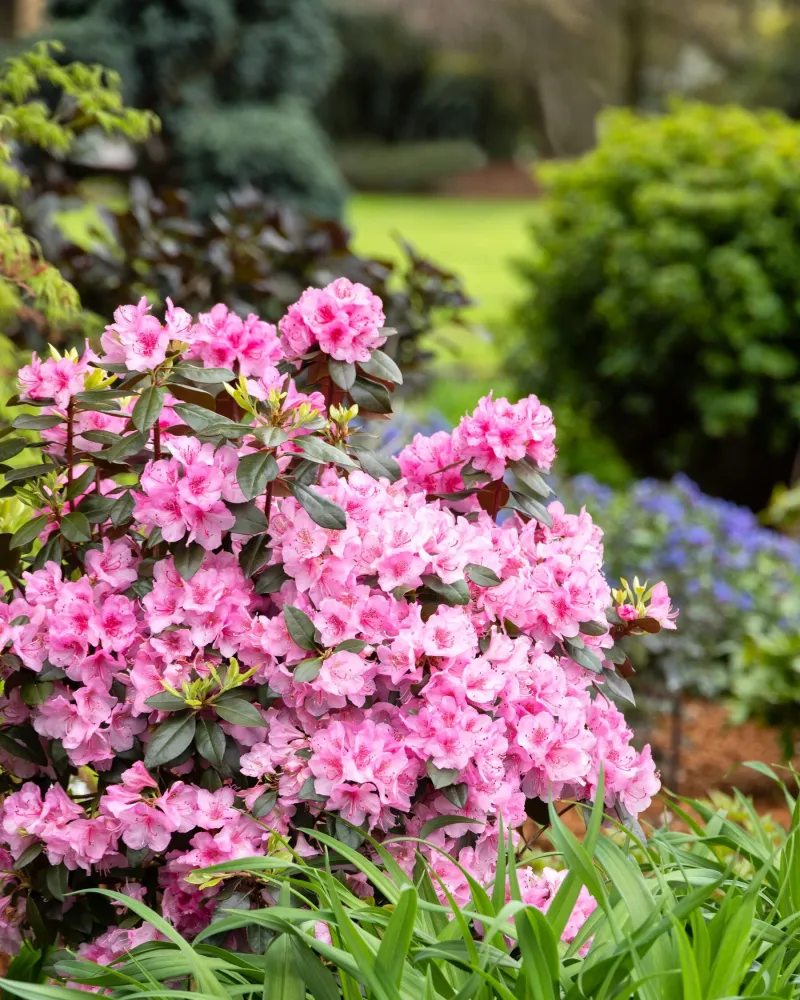
Pennsylvania loves its rhododendrons. You can find them along shady hiking trails, beside old farmhouses, and tucked into city yards. Those big glossy leaves look tough, but they hide a weak spot.
Rhododendron roots grow very close to the surface. Most sit in the top few inches of soil. That makes them dry out fast, especially during windy or sunny winter days.
Meanwhile, the leaves never take a break. Evergreen leaves keep losing water all winter long.
Your Pennsylvania Garden Changes Every Week. Your Plan Should Too.
Gardening in Pennsylvania changes quickly throughout the season. Every Friday you’ll receive a simple weekly plan showing exactly what to plant, prune, fertilize, harvest, and protect so you never miss the right timing.
When the ground freezes, roots cannot pull up fresh water to replace it. The result is something called winter burn, where leaves turn brown and crispy at the edges.
Ever noticed rhododendron leaves curling up tight on a frigid morning? That is the plant trying to save moisture. It is a clever trick, but it needs backup from you.
Fall mulching helps the soil store water before everything locks up. Water your shrub deeply in October, then add two to three inches of mulch.
Pine bark, shredded oak leaves, or pine needles are great choices. They break down slowly and keep the soil slightly acidic, which rhododendrons enjoy.
Spread the mulch across the whole root area, which often stretches past the outer branches. Keep it a little away from the main stems so air can move around them.
Skip the rototiller and heavy digging near these plants. Their roots are easy to damage. Mulch is a much gentler way to care for them.
A bonus tip: if your rhododendron sits in a windy spot, a simple burlap screen can add even more protection. Combined with mulch, it gives your shrub a much better shot at greeting spring with green, healthy leaves.
3. Highbush Blueberry
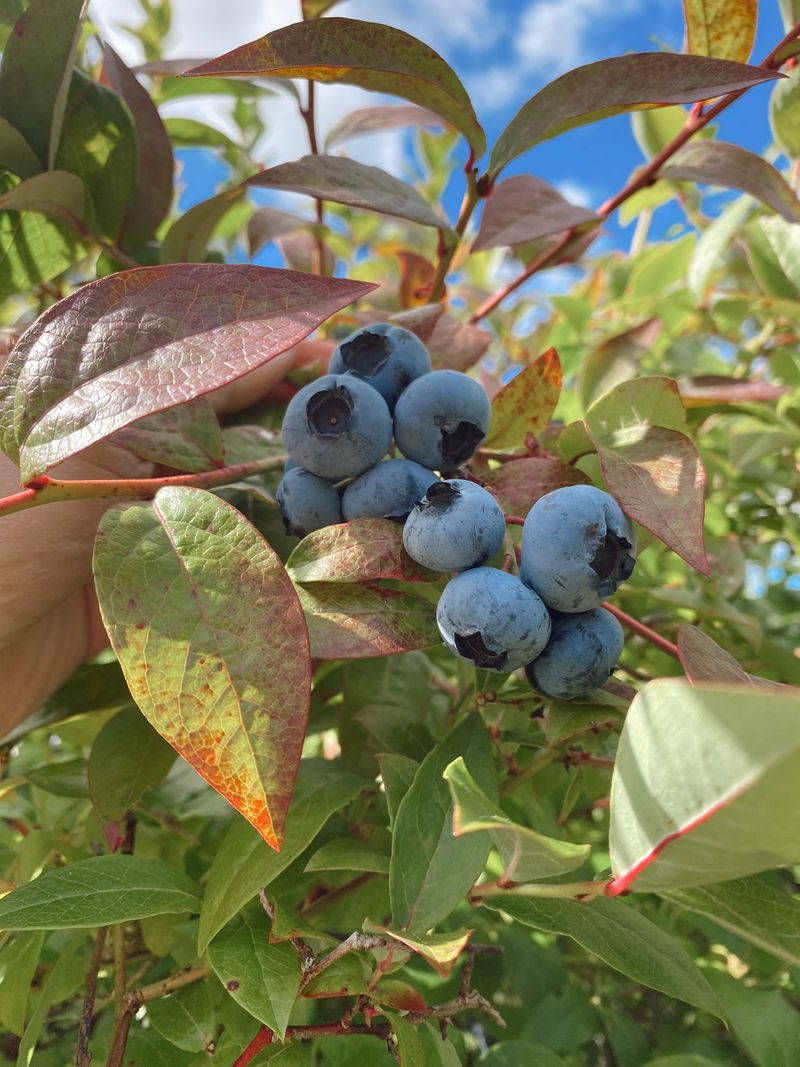
Blueberry pancakes in July start with smart choices in October. Highbush blueberries are a backyard favorite across Pennsylvania, and they even put on a fiery red show each fall. Keeping them happy now means sweeter berries later.
Like several plants on this list, blueberries have shallow roots. Their fine, hair-like roots spread just under the surface. They cannot reach deep for water, so they depend on the top layer of soil staying moist.
Winter brings another challenge. Pennsylvania weather loves to bounce between freezing nights and warm afternoons. Those swings can stress the tiny roots and weaken the plant over time.
Mulch smooths out those ups and downs. A layer of three to four inches works well for blueberries. It keeps the soil cooler on warm days and warmer on cold nights.
Now for the best part. Pine needles and shredded pine bark are almost perfect for these bushes. As they slowly break down, they help keep the soil acidic.
Blueberries prefer a soil pH between about 4.5 and 5.5, which is more sour than most garden plants like.
Got pine trees nearby? Rake up the fallen needles for free mulch. Sawdust and oak leaves are other good options too.
Spread the mulch in a wide band around each bush, covering the whole root area. Refresh it every year, since it slowly settles and breaks down.
Did you know? Blueberries are one of the few fruits native to North America. Wild lowbush types grow in parts of Pennsylvania, especially in the mountains.
Your garden bushes are cousins of those wild plants, and they appreciate the same kind of forest floor conditions that mulch helps recreate.
4. Boxwood
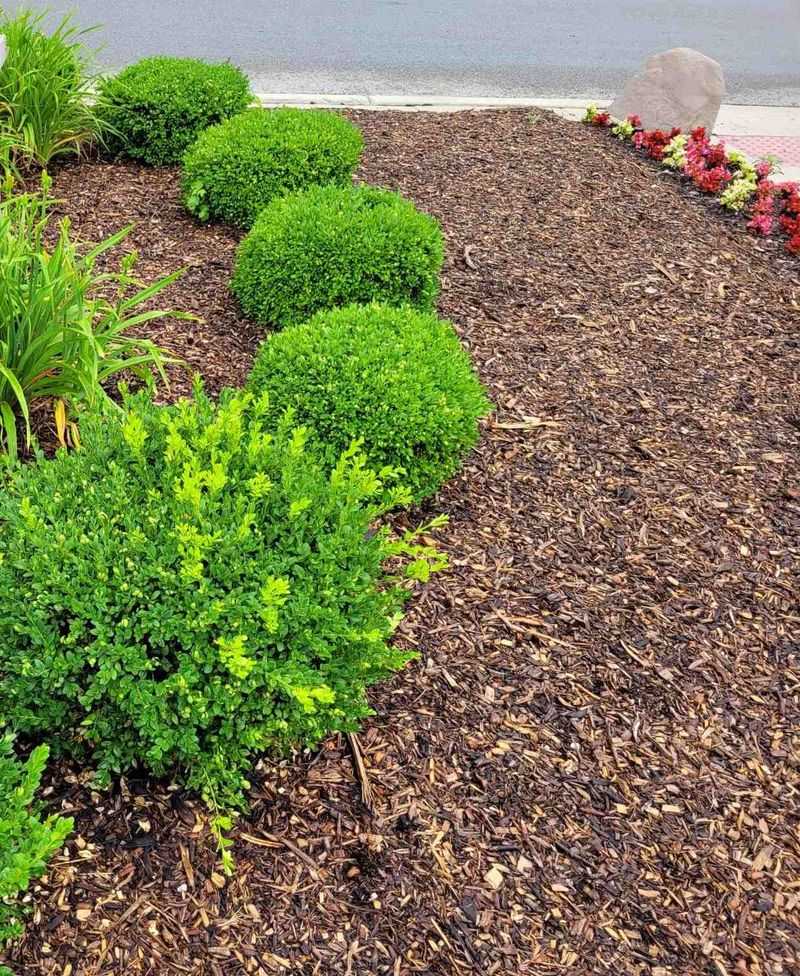
Walk past almost any old Pennsylvania home, and you will probably spot a boxwood hedge. These tidy green shrubs have lined walkways and gardens here since colonial times. Some historic boxwoods in the state are over a hundred years old.
As classic as they are, boxwoods can struggle in winter. Their small evergreen leaves keep giving off moisture through the cold months. Their roots are shallow too, so they cannot grab much water when the soil freezes.
Windy spots make things worse. Cold, dry wind pulls water from the leaves even faster. That is when you see the dreaded orange or tan patches show up by late winter. Gardeners call it winter burn or winter bronzing.
Fortunately, the fix is pretty simple. Give your boxwoods a deep drink of water in October before the ground gets hard. Then add a fresh layer of mulch about two inches deep around the base.
Mulch helps the soil hold on to that water through winter. It also keeps the roots from freezing and thawing over and over. Shredded bark or fine compost both look neat and work well.
Go easy on the depth, though. Boxwoods do not like thick, soggy mulch piled against their stems. Too much can trap water and lead to root problems. Keep the mulch an inch or two away from the main branches.
If your boxwood faces a north or west wind, try placing a burlap wrap or screen around it. Avoid plastic, which can trap heat and harm the leaves.
With a bit of care now, your hedge can stay rich green all season long. That way, it keeps looking sharp for your holiday visitors.
5. Garlic
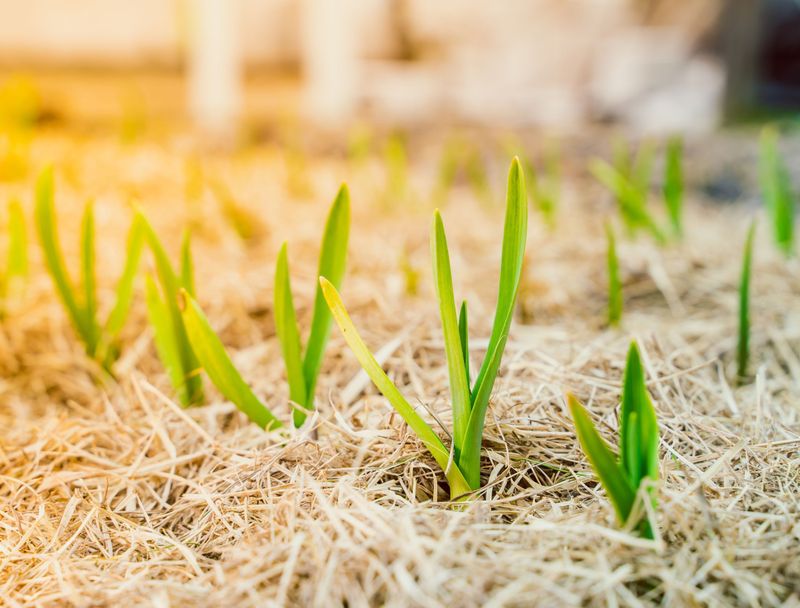
Planting garlic feels a little like burying treasure. You tuck the cloves into the ground in October, cover them up, and wait until summer to dig up the reward. It is one of the easiest crops a Pennsylvania gardener can grow.
Still, those cloves face a bumpy winter. Freeze and thaw cycles happen again and again here. Each time the soil freezes, it expands. When it thaws, it shrinks. That constant motion can shove cloves up and out of the soil.
Mulch acts as a shock absorber. Right after planting, spread three to four inches of clean straw or shredded leaves over the bed. The layer keeps soil temperatures much more even, so the ground moves less.
Moisture matters too. Garlic grows roots in fall before going quiet for the winter. A mulch cover helps the soil stay damp enough for that early root growth.
Then spring arrives with a nice surprise. Weeds have a hard time pushing through thick mulch. Garlic hates competition, so fewer weeds means bigger bulbs. Green garlic shoots will poke right through the straw without any help.
A quick tip: choose straw, not hay. Hay often carries weed seeds that sprout in your garden. Shredded leaves are a great free option, but whole leaves can mat down into a soggy layer.
Not sure which garlic to plant? Hardneck types handle Pennsylvania winters really well. They also produce curly flower stalks called scapes in early summer. Snip them off and cook them in stir-fries or pesto.
They taste mild and garlicky. Leave the mulch in place through spring. It keeps feeding the soil as it breaks down.
6. Bigleaf Hydrangea
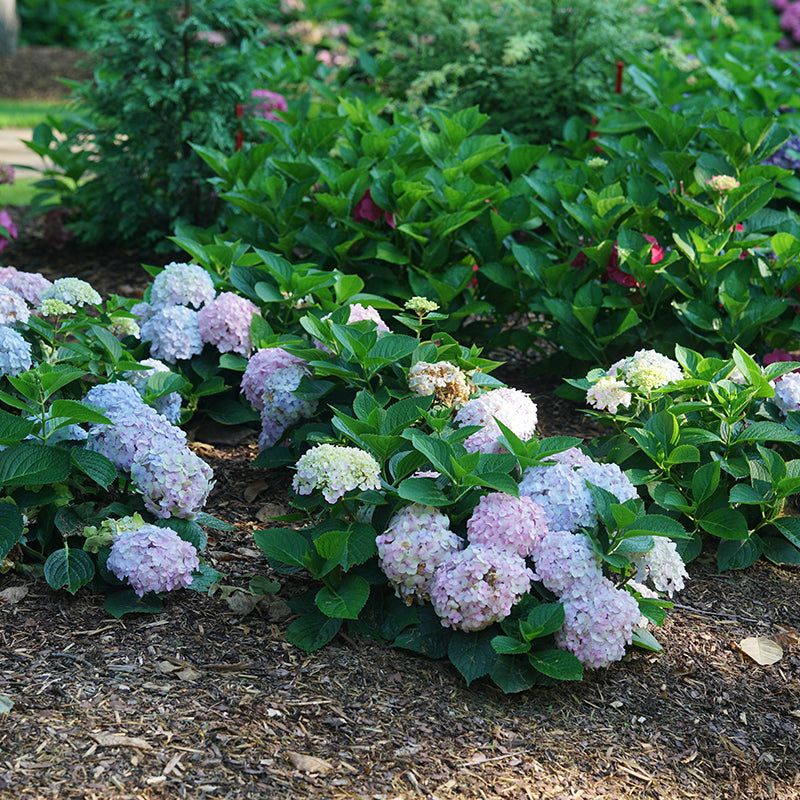
“Why didn’t my hydrangea bloom this year?” It is one of the most common questions Pennsylvania gardeners ask. The answer often goes back to the previous winter.
Bigleaf hydrangeas, the ones with big blue or pink mophead flowers, are a bit picky. Many types set next year’s flower buds on old stems in late summer. Those buds sit along the stems all winter long, waiting for spring.
When a harsh cold snap hits, those buds can freeze. The plant may leaf out just fine, but no flowers show up. It is a frustrating surprise after waiting all year.
Mulch helps protect the most important parts. Pile about three to four inches around the base of the plant. Doing so shields the roots and the lower stems, where many of the precious buds may be hiding.
Shredded leaves, pine straw, or bark all work nicely. Wait until the plant goes dormant and drops its leaves, usually in late October or early November.
Live in a colder area, like the northern tier or the mountains? Consider adding extra insulation.
One popular trick is to circle the shrub with chicken wire and fill the cage with dry leaves. Burlap wrapped around stakes works too. Remove the extra cover in spring once hard freezes pass.
Also, hold off on heavy pruning in fall. Cutting stems now may remove the very buds you are trying to protect.
Here is a fun fact. Flower color in bigleaf hydrangeas depends on soil. Acidic soil often gives blue flowers, while less acidic soil leans pink.
Pennsylvania soils vary a lot, so your neighbor’s blooms might look totally different from yours.
7. Coral Bells
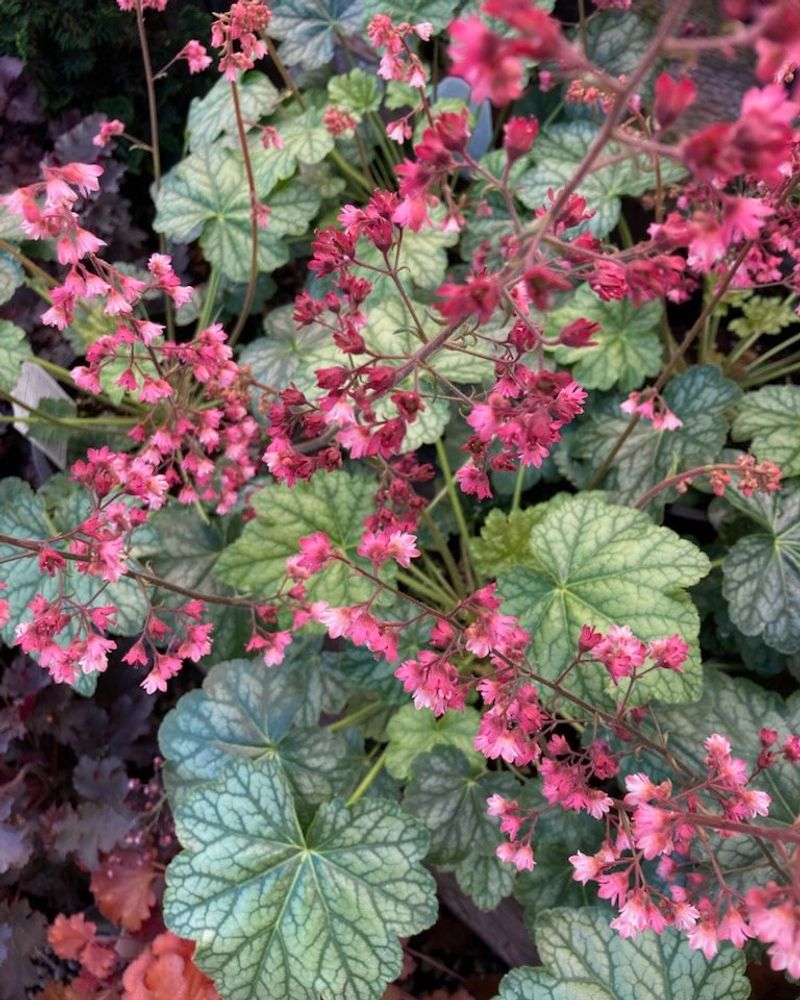
Sneaky winter weather has a funny habit of lifting plants right out of the dirt. Gardeners call it frost heaving, and coral bells are one of its favorite targets. You might walk outside in March and find a plant sitting on top of the soil like it is trying to escape.
Coral bells, also called heuchera, are loved for their colorful leaves. You can find them in shades of purple, lime, caramel, silver, and deep burgundy. They brighten shady spots where many flowers struggle.
Their weak point is the crown. Coral bells grow from a woody center that sits high in the soil. Over time, the crown rises even higher, and the roots stay shallow.
When the ground freezes and thaws over and over, the soil swells and shrinks. Each cycle nudges the plant upward. Exposed roots then dry out in cold wind, and the plant weakens.
Mulch keeps the soil temperature steadier, so there are fewer swings. Spread about two inches of shredded bark or chopped leaves around each plant. Keep the mulch away from the center so the crown can breathe and does not rot.
Already spot a plant that heaved? No worries. Gently press it back into the soil once it thaws. If the crown sits too high, dig it up in spring and replant it a little deeper.
A friendly bonus: coral bells are native to North America, and some wild types grow in rocky parts of Pennsylvania. Hummingbirds and bees also love their tiny bell-shaped flowers in early summer.
Give them a cozy layer now, and their bright leaves will be back to brighten your garden in spring.