What It Means When Wasps Suddenly Turn Aggressive In New York Yards
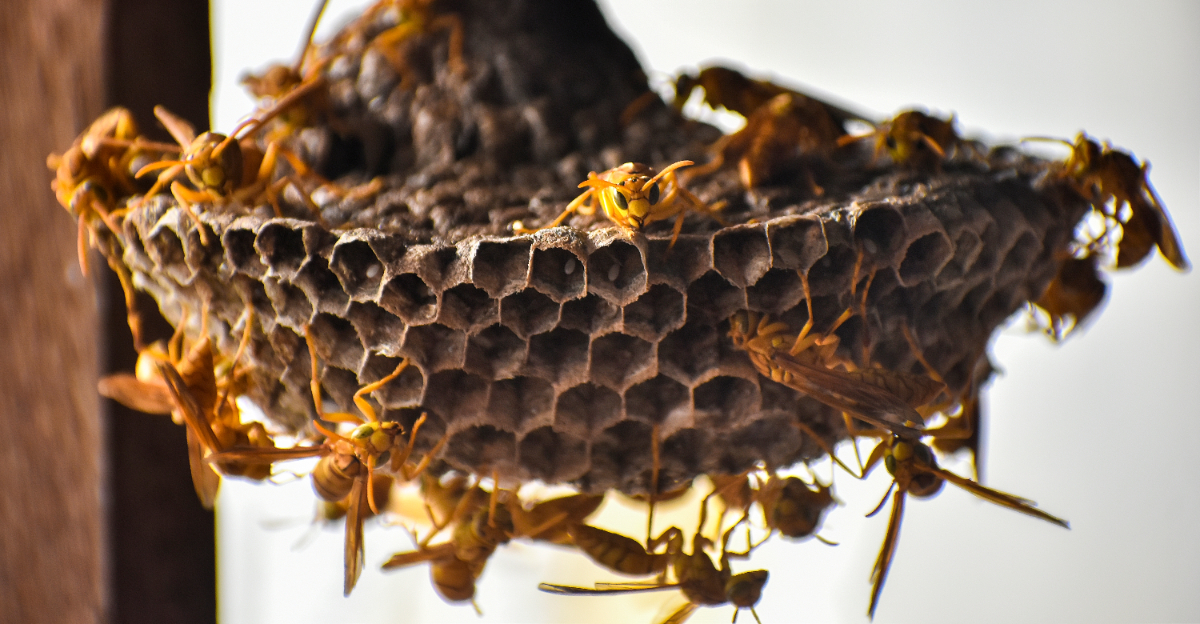
Wasps don’t need a reason to turn on you. New York yards feel different this time of year. Something shifts inside their colonies as summer stretches on.
Ordinary backyard moments can turn tense without warning. Every sting seems to arrive out of nowhere. Behavior like this rarely happens without a trigger. You become an easy target without even trying.
Certain signals inside a colony change everything. Nobody notices these shifts until it’s too late. Timing plays a bigger role than most people think. Location matters just as much as timing does.
Homeowners across New York are noticing the shift. Nothing about this aggression should surprise you once you understand it. Patterns like these follow the seasons every single year. Grasping this now could spare you a painful afternoon.
The Real Trigger Behind This Late Summer Attitude Shift
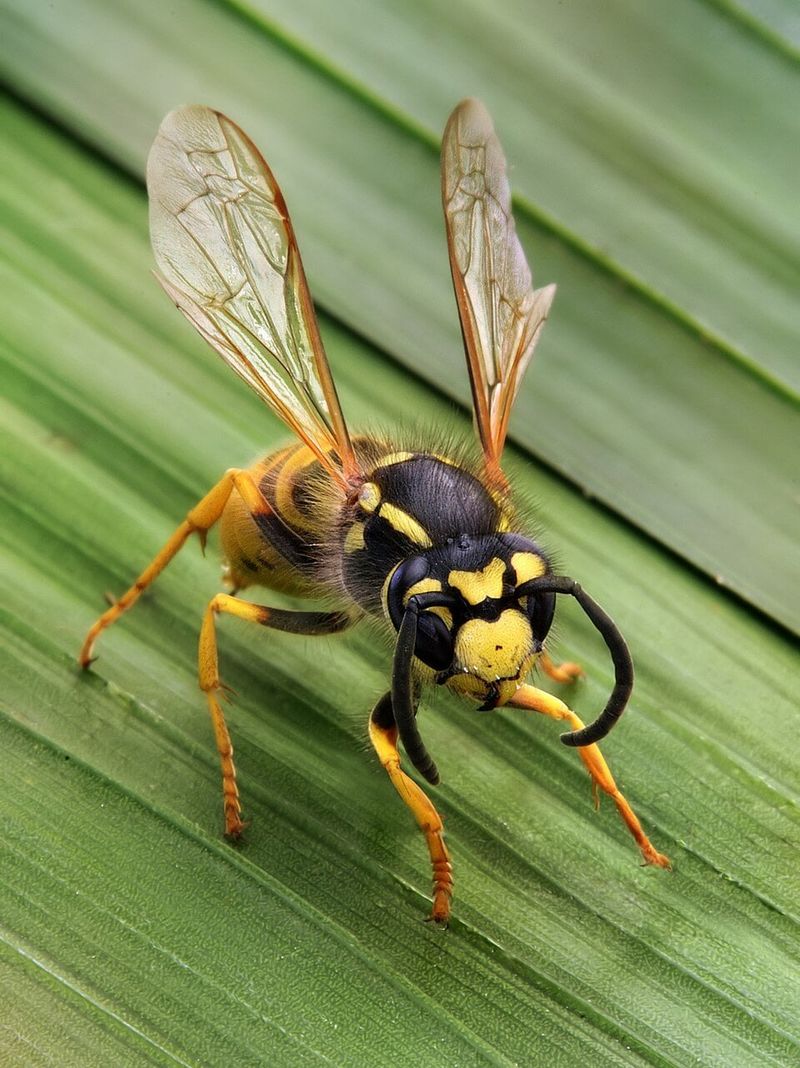
Something shifts in late August that most people never see coming. Wasps suddenly turning aggressive in New York yards is not random, and it is not personal.
The real trigger is biology. As summer peaks, wasp colonies reach their largest size of the year.
A colony that started with a handful of workers in spring can swell to thousands by August. That massive population needs food, and the pressure is intense.
Queen wasps begin slowing down egg production as summer winds down. Workers that once focused on feeding larvae now have no larvae to feed.
Without that job, they roam farther and act more erratically. They are not protecting a mission anymore, so they act out of frustration and hunger.
Worker wasps also lose access to the sweet secretions that larvae once produced. That sugary reward is gone, so they chase anything sweet they can find.
Your soda can, your fruit bowl, your trash bin, all of it looks like a meal to a desperate wasp. They are not attacking you, they are competing with you.
Add in the fact that cooler nights stress the colony further, and you get wasps that are wired tight. Any perceived threat near their space gets met with fast aggression.
Understanding this shift helps you stop blaming yourself for provoking them. The late-summer attitude problem is a survival response, not a personality flaw in your local wasps.
Colony Behavior Changes As Summer Winds Down
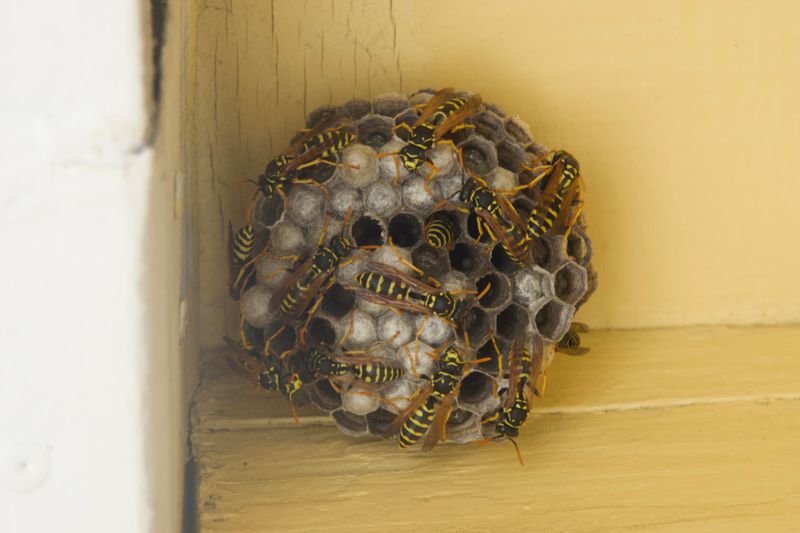
Picture a busy office where the boss suddenly stops giving assignments. That is basically what happens inside a wasp colony by late July.
Workers have spent all season in a tight routine: build, feed, protect, repeat. When that structure collapses, the whole group gets restless.
Queens ramp down egg-laying as daylight shortens and temperatures begin to drop at night. Fewer eggs means fewer larvae, and fewer larvae means fewer jobs for workers.
With nothing to tend, worker wasps spend more time outside the nest. They wander your yard in bigger numbers and with far less patience.
Male wasps, called drones, are also hatching in large numbers during this period. Their only role is to mate with new queens, so they contribute nothing to colony order.
Your Wisconsin Garden Changes Every Week. Your Plan Should Too.
Gardening in Wisconsin changes quickly throughout the season. Every Friday you’ll receive a simple weekly plan showing exactly what to plant, prune, fertilize, harvest, and protect so you never miss the right timing.
This influx of purposeless males adds chaos to the group dynamic. The whole colony feels less organized and more reactive as a result.
New queens are also being produced in late summer. These future colony leaders eat heavily and move boldly, which adds to the visible activity around nests.
Older workers protecting those new queens get especially defensive. Any movement near the nest entrance can trigger a fast, coordinated response from multiple wasps at once.
Knowing this cycle helps you predict when your yard will feel the most pressure. The peak aggression window in New York typically runs from mid-August through late September, right when you want to be outside most.
Food Sources That Draw Them Closer To Your Yard
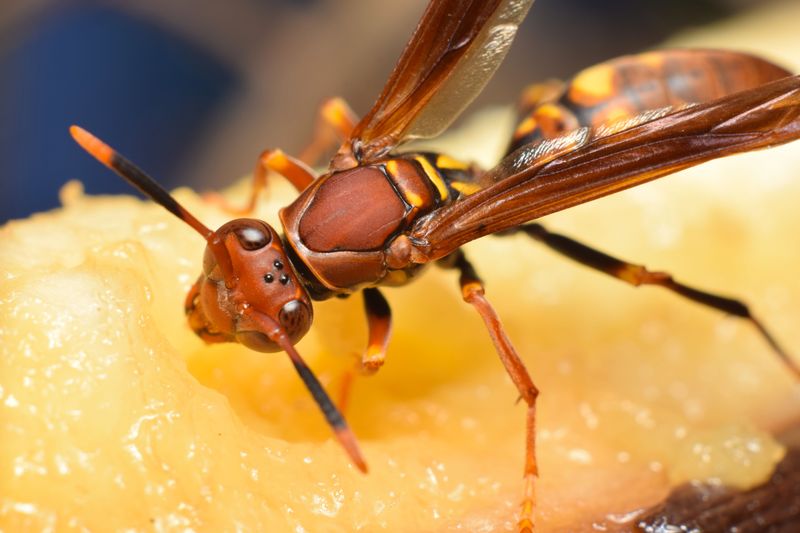
Your yard might be an accidental wasp buffet, and you might not even realize it. Fallen apples, open soda cans, pet food bowls, and uncovered trash are all major attractants.
Late summer fruit drops are one of the biggest triggers. Rotting peaches, plums, and apples turn sweet and sticky fast, and that smell travels far on a warm breeze.
Wasps are drawn to that sugary decay the same way people are drawn to the smell of fresh bread. They zero in on it fast and guard it fiercely.
Outdoor grills are another hot spot. Grease drippings and meat residue left on grates attract protein-hungry wasps, especially workers no longer feeding on larvae.
Hummingbird feeders filled with sugar water are a classic lure. Wasps find them quickly and can become territorial around the feeder, chasing off birds and bothering people nearby.
Recycling bins with unwashed bottles and cans are basically a wasp magnet. Even a thin film of juice or soda inside a bottle is enough to bring a crowd.
Compost piles with fruit scraps are another culprit that homeowners overlook. Turning compost and adding food waste during peak season stirs up activity fast.
Reducing these attractants cuts down on wasp visits dramatically. Simple habits like covering trash, picking up fallen fruit, and rinsing recyclables can make your yard feel far less welcoming to an already-stressed colony looking for its next meal.
Signs A Nest Is Closer Than You Think
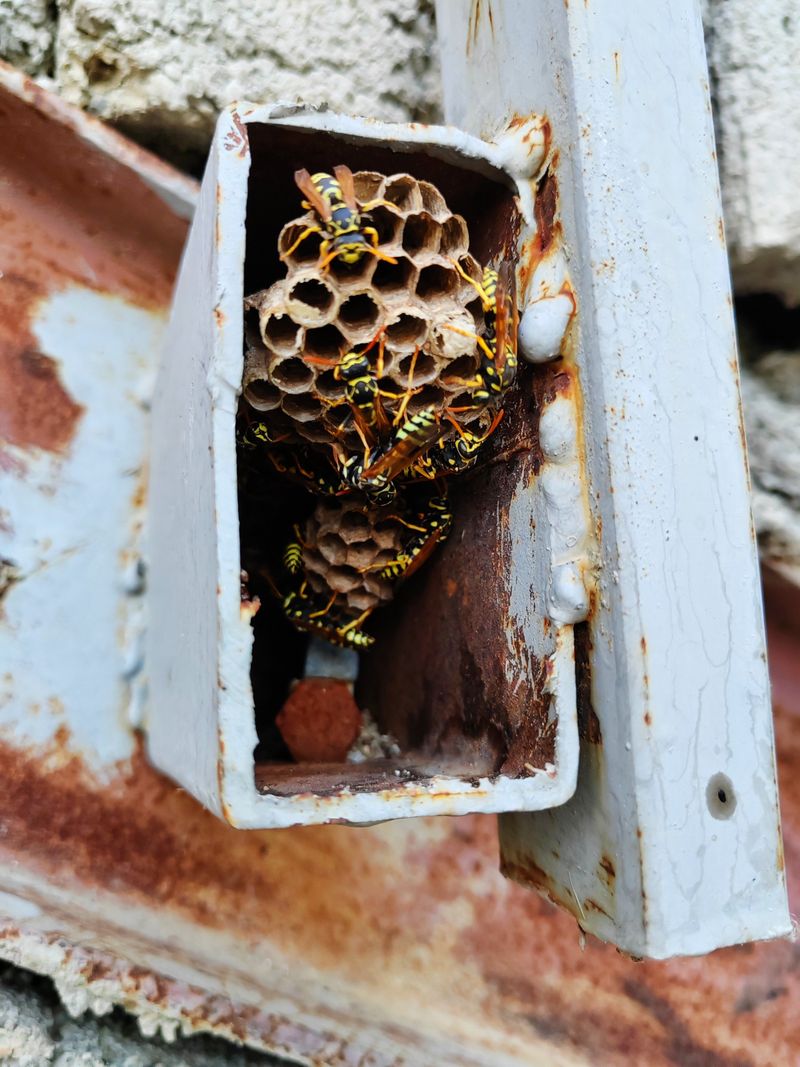
You may have a nest on your property and not know it yet. Wasps are sneaky builders, and their favorite spots are places humans rarely check.
Common nesting sites include under deck railings, inside wall voids, beneath porch eaves, and deep inside shrubs or hedges. Ground-nesting species like yellow jackets dig colonies into soft soil or old rodent burrows.
One of the clearest signs is a consistent flight path near one spot. If you notice wasps repeatedly flying to and from the same location, a nest is almost certainly nearby.
A low buzzing hum near a wall or ceiling can also signal a hidden nest. Yellow jackets sometimes build inside wall cavities, and you can hear them vibrating the drywall from inside your home.
Look for chewed wood pulp on fence posts or wood siding. Wasps scrape surface wood fibers to mix with saliva and create their papery nest material.
Increased wasp traffic in one corner of your yard is another strong clue. If five or more wasps are consistently hovering in one zone, treat that area with caution.
Check under outdoor furniture cushions after they have sat undisturbed for a few weeks. Small starter nests can form quickly in sheltered, warm spaces that go unnoticed.
Spotting these signs early gives you options before the nest grows too large. A small nest found in June is far easier to manage than a large, established colony discovered in September.
Safe Removal Steps For Homeowners
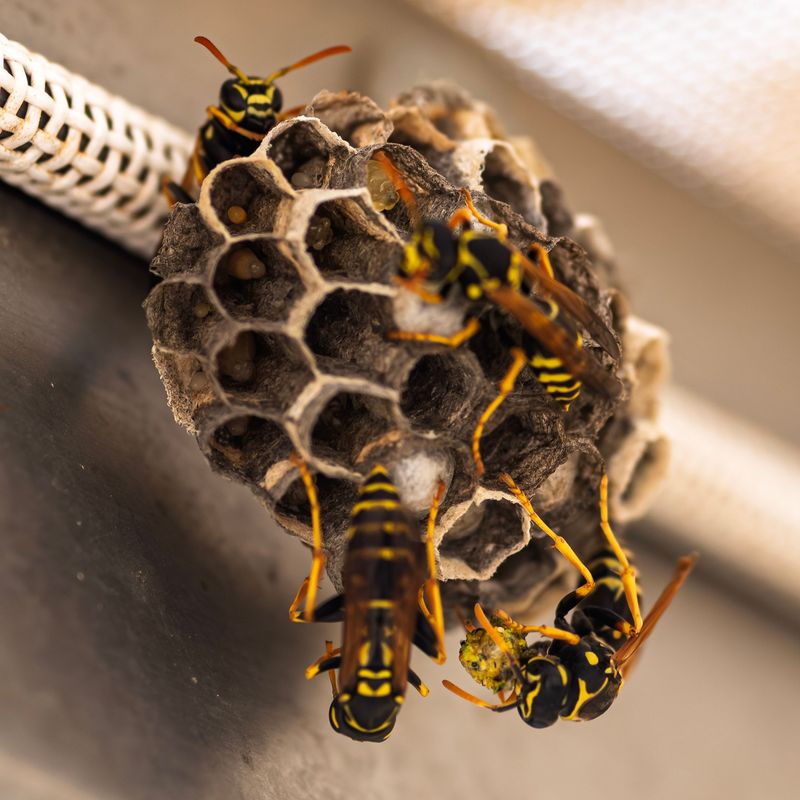
Tackling a wasp nest on your own is possible, but timing and preparation matter more than bravery. Rushing in without a plan is how most stings happen.
Always treat nests at dusk or dawn when wasps are least active. Cooler temperatures slow their response time, giving you a safer window to act.
Wear long sleeves, long pants, closed-toe shoes, and gloves before approaching any nest. Cover as much skin as possible, and pull your collar tight around your neck.
Use a commercial wasp spray labeled for the species you are dealing with. Products with a long-range spray nozzle let you stand back at least ten feet from the nest entrance.
Aim directly at the nest opening and spray in short, steady bursts. Do not linger near the nest after spraying, retreat immediately and let the product work overnight.
Check the nest the following evening before assuming it is safe. Wasps that survived the first treatment will still be active and defensive the next day.
For ground nests, pour the spray directly into the entrance hole after dark. Cover the hole loosely with a rock or dirt after treatment to reduce escape routes.
Avoid sealing a wall-void nest without treating it first. Trapping live wasps inside a wall forces them to chew through drywall and enter your home instead.
When the nest is large, call a licensed pest control professional. Some situations in New York require expert handling, and your safety is always worth the cost.
Precautions That Lower Your Risk Of Getting Stung
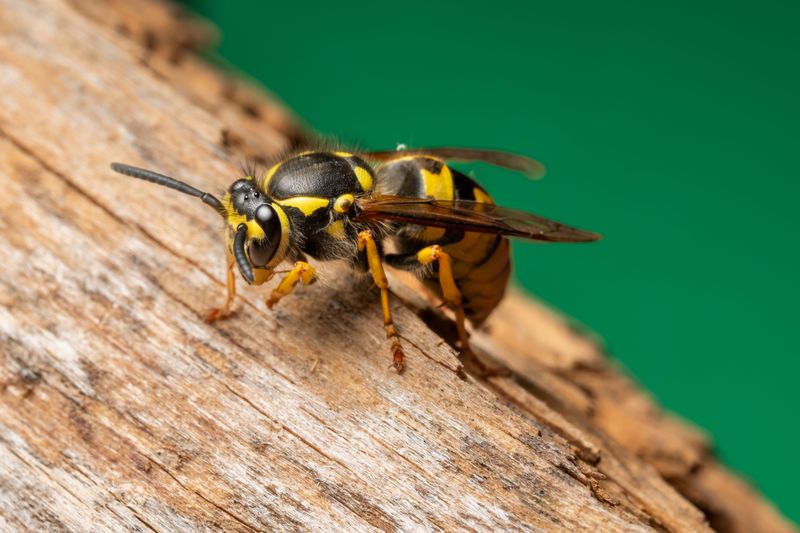
You do not need to surrender your backyard to wasps every August. A few consistent habits can cut your sting risk down significantly without much effort.
Wear light-colored, solid clothing when spending time outside during peak season. Bright floral patterns and dark colors are both known to attract wasp attention faster.
Skip the heavy floral perfumes and scented lotions before heading outdoors. Wasps are drawn to sweet and floral scents, and your lotion might make you smell like lunch.
Keep food and drinks covered at all times during outdoor meals. A wasp crawling inside an unattended soda can is one of the most common ways people get stung on the lips or tongue.
Move slowly and calmly if a wasp lands on you. Swatting triggers a defensive response, and a frightened wasp is far more likely to sting than a calm one.
Seal your trash cans tightly and keep lids on compost bins at all times. Reducing accessible food sources around your yard keeps wasp visits shorter and less frequent.
Inspect your yard perimeter monthly for new nest construction, especially from June through September. Early detection keeps small problems from becoming large, aggressive colonies by fall.
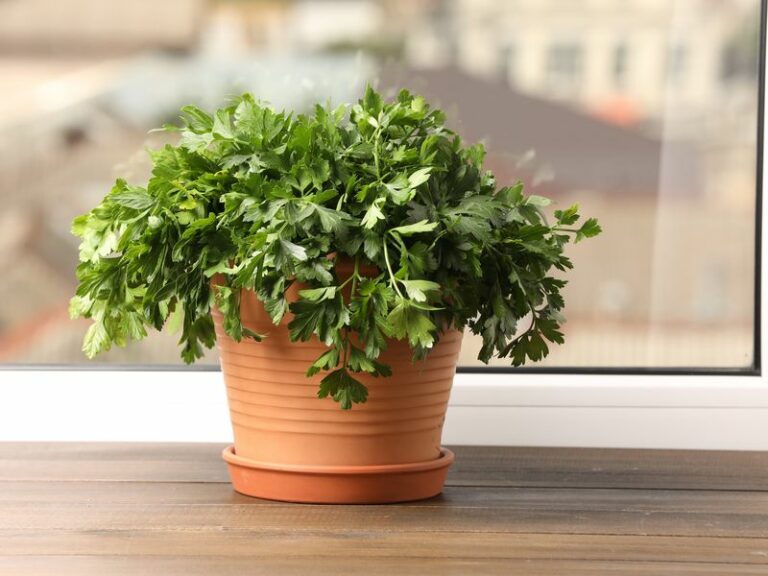
Plant wasp-deterring herbs like spearmint, thyme, and eucalyptus near seating areas. These scents are pleasant to people but act as natural deterrents for foraging wasps.
Staying aware of wasp behavior in New York yards each season means fewer surprises and more peaceful afternoons outside where you belong.