The Best Time To Water Michigan Container Plants During A Heat Wave
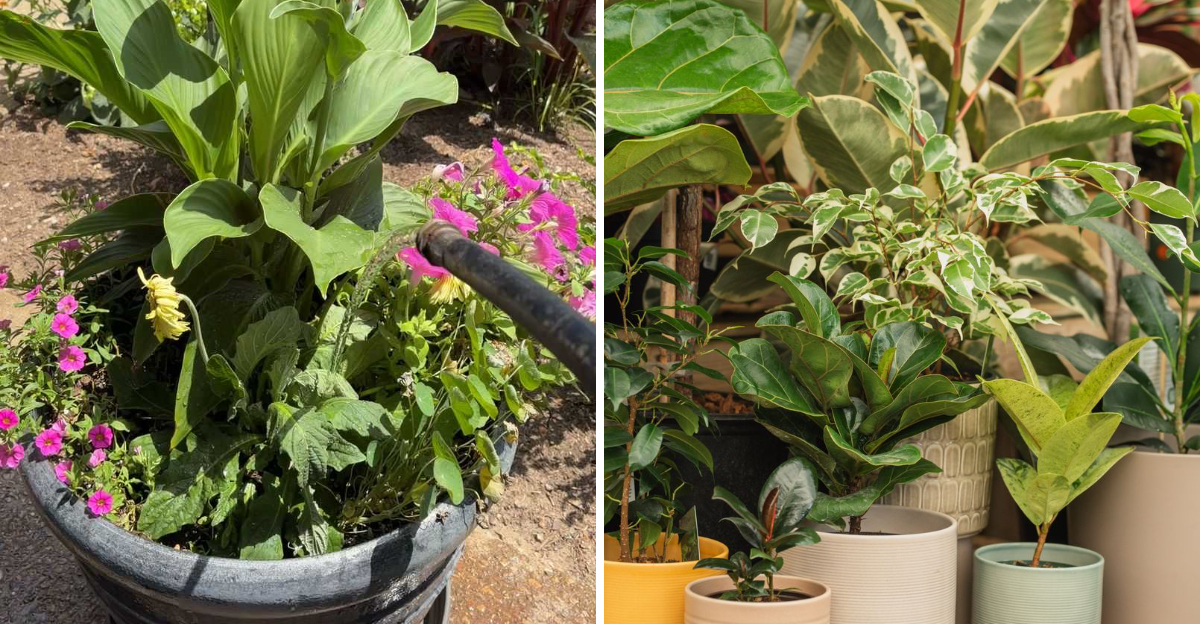
Container plants dry out far faster than garden beds during a Michigan heat wave, making watering timing more critical than most gardeners realize.
Many people water whenever it’s convenient, assuming any time of day works just as well as another during extreme heat.
But there’s a specific window that actually helps plants handle the stress far better than watering at the wrong moment ever could. Getting this timing wrong can waste water while still leaving plants struggling by the hottest part of the afternoon.
Understanding exactly when to reach for the watering can changes how well your container plants hold up through the worst of the heat. Many gardeners are surprised by how much of a difference this simple timing adjustment actually makes.
Once you know the right window, keeping container plants healthy during a heat wave becomes a lot more manageable.
1. Water Early In The Morning
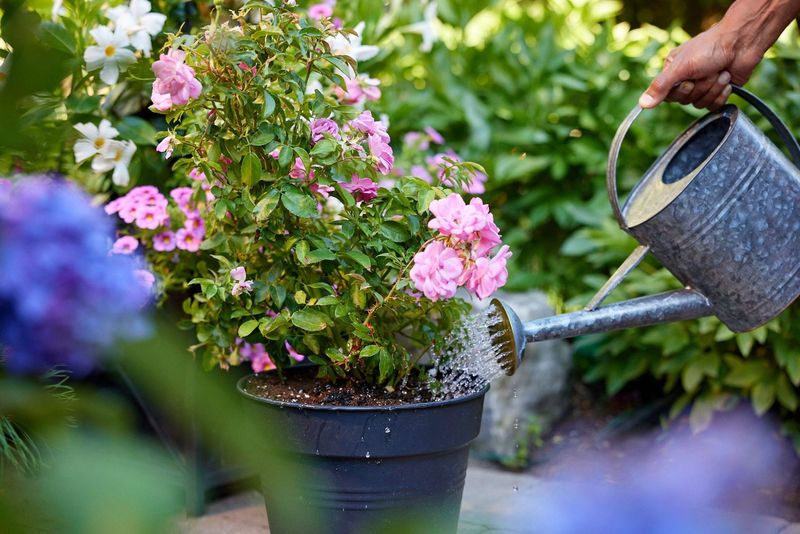
Nothing beats stepping outside with your watering can while the air is still cool and quiet. Early morning is the sweet spot for giving container plants a drink, and the reason comes down to temperature.
When the sun is low, less water disappears into the air, so more of it soaks down where roots can actually use it.
Cooler morning hours give plants a chance to fill up before the heat rolls in. By the time midday arrives, the soil already holds a solid reserve of moisture.
That head start helps roots stay hydrated through the hottest part of the day, which is exactly what your plants need during a Michigan heat wave.
Watering in the morning also keeps leaves dry as the day warms up. Droplets that sit on foliage can act like tiny magnifying glasses under strong sun, and morning watering gives everything time to dry naturally.
Roots absorb what they need, and the plant faces the afternoon feeling refreshed instead of stressed.
Try to finish your watering before eight or nine in the morning if you can. Set a reminder on your phone or pair it with your coffee routine so it becomes a habit. Even fifteen minutes makes a real difference.
Plants watered early simply hold up better when temperatures climb into the nineties. You will notice perkier leaves, brighter blooms, and less wilting throughout the day.
Start your watering with the sunrise, and your containers will reward you all summer.
2. Check Containers Every Day
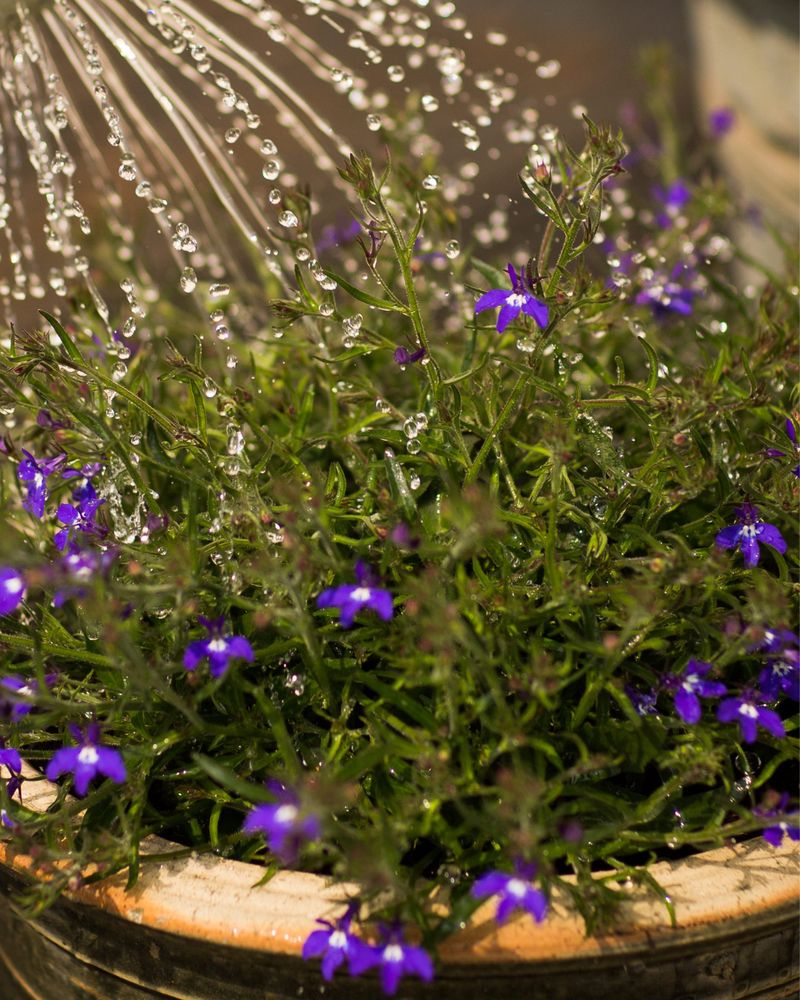
Garden beds can go a couple days without water, but pots play by different rules. A container holds only a small scoop of soil compared to the open ground, so it dries out in a flash.
During a heat wave, that limited soil can go from moist to bone dry in a single afternoon. Making a daily check part of your routine keeps you ahead of trouble. Stick your finger an inch or two into the soil, and if it feels dry, it is time to water.
This quick test takes only seconds and tells you exactly what your plant needs. Different pots dry out at different speeds too. Terracotta breathes and loses moisture faster than plastic or glazed ceramic.
Your Michigan Garden Changes Every Week. Your Plan Should Too.
Gardening in Michigan changes quickly throughout the season. Every Friday you’ll receive a simple weekly plan showing exactly what to plant, prune, fertilize, harvest, and protect so you never miss the right timing.
Smaller pots empty quicker than large ones, and plants sitting in full sun drink more than those in shade. Knowing your containers helps you predict which ones need attention first.
Weather plays a big role as well. Windy, sunny days pull moisture out much faster than calm, cloudy ones.
During a stretch of extreme Michigan heat, you may find that soil which was damp in the morning feels dry by afternoon.
Skipping a day during a heat wave can leave your plants stressed and struggling. A short daily walk through your container garden lets you catch problems early and fix them before any real harm happens.
Think of it as a friendly check-in with your green friends. A little daily attention goes a long way toward keeping everything lush.
3. Water Until It Drains Out
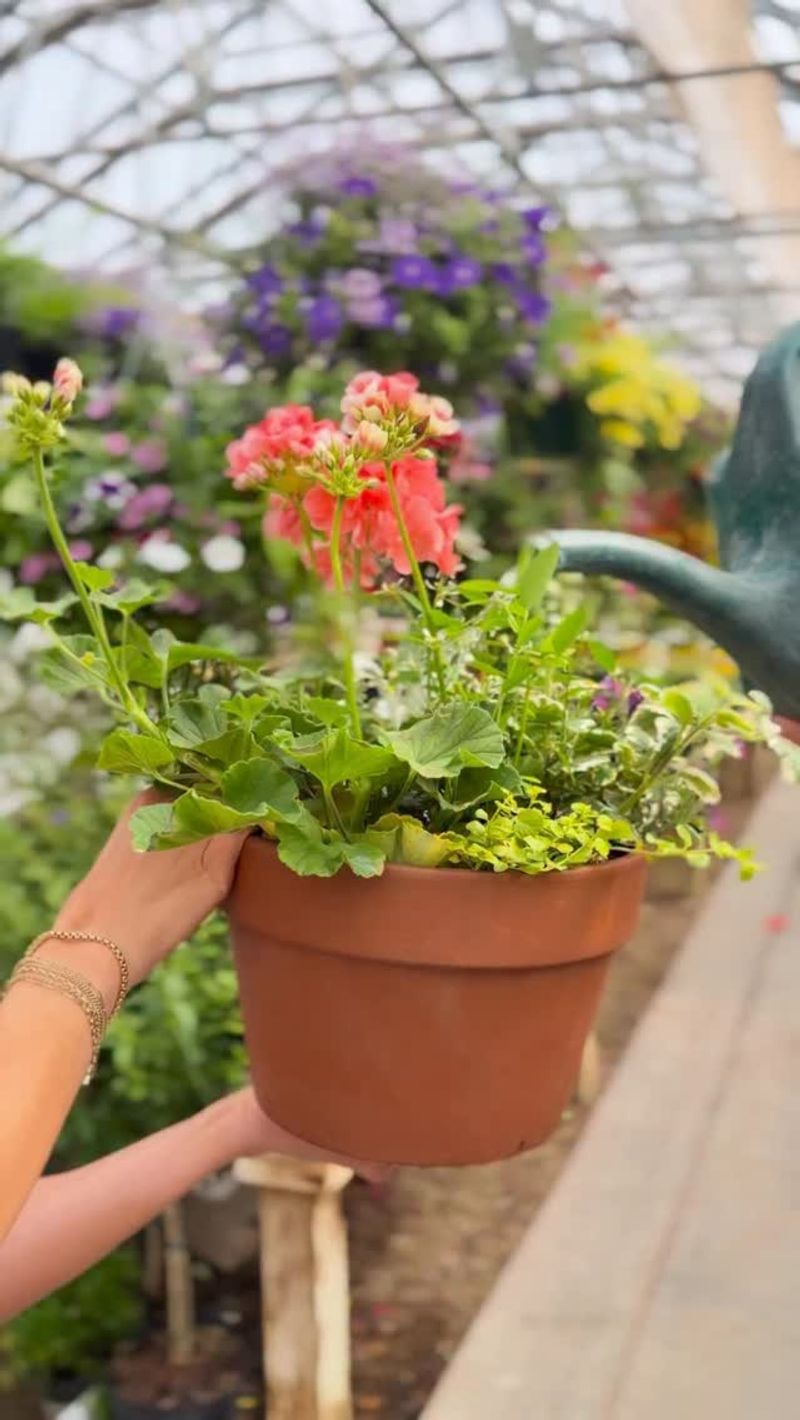
Ever give a plant a quick splash and assume the job is done? A light sprinkle often only wets the top layer, leaving the deeper roots thirsty. During a heat wave, that shallow watering just will not cut it.
The trick is to water slowly and thoroughly until you see water trickling out the drainage holes at the bottom. That runoff is your signal that moisture has traveled all the way through the soil and reached the entire root ball.
Every root gets a chance to drink, not just the ones near the surface.
Deep watering also encourages roots to grow downward instead of clustering near the top. Stronger, deeper roots handle heat stress much better because they can pull moisture from a larger area.
Your plant becomes tougher and more resilient over time. Pour water in a steady, gentle stream rather than a fast blast. If the water rushes out too quickly, the soil may be so dry that it repels moisture at first.
In that case, water a little, pause, then water again so the soil can soak it up properly.
Always make sure your containers have working drainage holes. Without them, water pools at the bottom and can rot the roots. Good drainage lets you water deeply without worry.
A thorough soak in the morning keeps roots hydrated far longer than a quick surface splash. Aim for that steady drip from below, and you will know your plant got a complete, satisfying drink.
4. Do Not Wait For Wilting
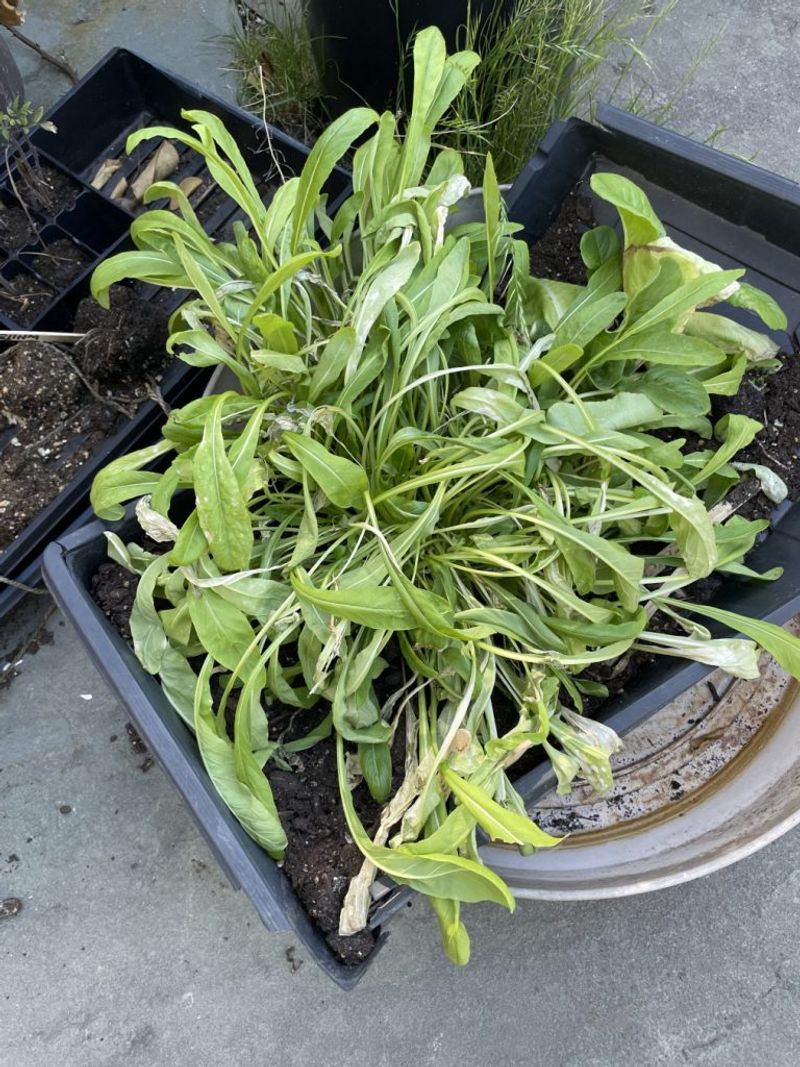
By the time you spot droopy leaves, your plant has already been struggling for a while. Wilting is a late warning sign, not an early one, especially when temperatures soar.
Waiting for that flop before you grab the hose can leave your plant stressed and weakened.
Extreme heat pulls moisture out of leaves faster than roots can replace it. Even a plant with slightly damp soil can wilt on a scorching afternoon simply because it cannot keep up.
Once that happens repeatedly, growth slows and blooms fade. Staying proactive is the smarter move. Instead of watching for warning signs, water on a regular schedule based on how quickly your pots dry out.
Morning checks help you stay one step ahead so your plants never reach the drooping stage in the first place.
Some plants also wilt during peak heat even when they have enough water, then bounce back in the evening. This is their way of protecting themselves.
If your plant perks up once the sun drops, the soil is probably fine, so avoid overwatering out of panic.
The best approach is to learn your plants and their normal habits. Knowing which ones tend to sag in the afternoon helps you tell real thirst from temporary heat stress.
Regular, well-timed watering keeps your containers strong before problems ever appear. Treat wilting as a signal you would rather never see, and adjust your routine so your plants stay lush, upright, and full of life all summer.
5. Add Mulch To The Top
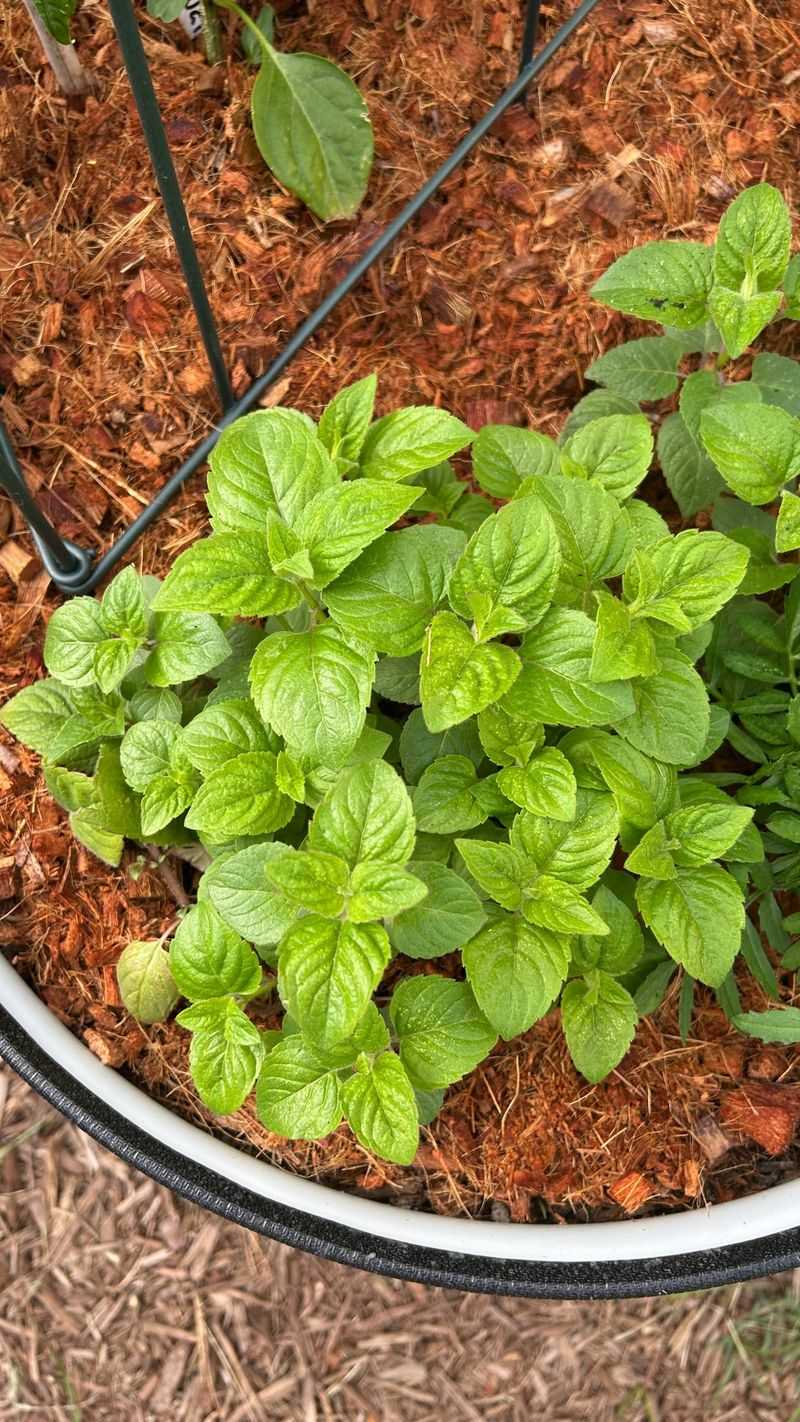
A simple layer of mulch on top of your container soil works like a cozy blanket in reverse. Instead of trapping heat, it shields the soil from the blazing sun and slows down how fast moisture escapes.
That small step can save you plenty of watering during a heat wave.
Organic mulch such as shredded bark, wood chips, or straw does the job beautifully. Spread about an inch over the surface, keeping it a little away from the plant stem.
The covering blocks direct sunlight and keeps the soil underneath cooler and damper for longer.
Cooler soil means happier roots. When the sun beats down on bare dirt, the top layer bakes and dries out quickly.
Mulch breaks up that harsh contact, giving roots a more comfortable, steady environment even when the air is sizzling.
Beyond holding moisture, organic mulch slowly breaks down and adds nutrients to the soil. So while it protects your plant now, it also improves the soil over time. That is a nice bonus for very little effort.
Just be careful not to pile mulch too thick or press it against the stem, since that can trap too much dampness right where the plant breathes. A light, even layer is all you need.
Adding mulch is one of those easy tricks that pays off big during Michigan heat waves. Your containers will stay moist longer, your watering chores will shrink, and your plants will thank you with steady, healthy growth.
6. Move Pots From Extreme Heat
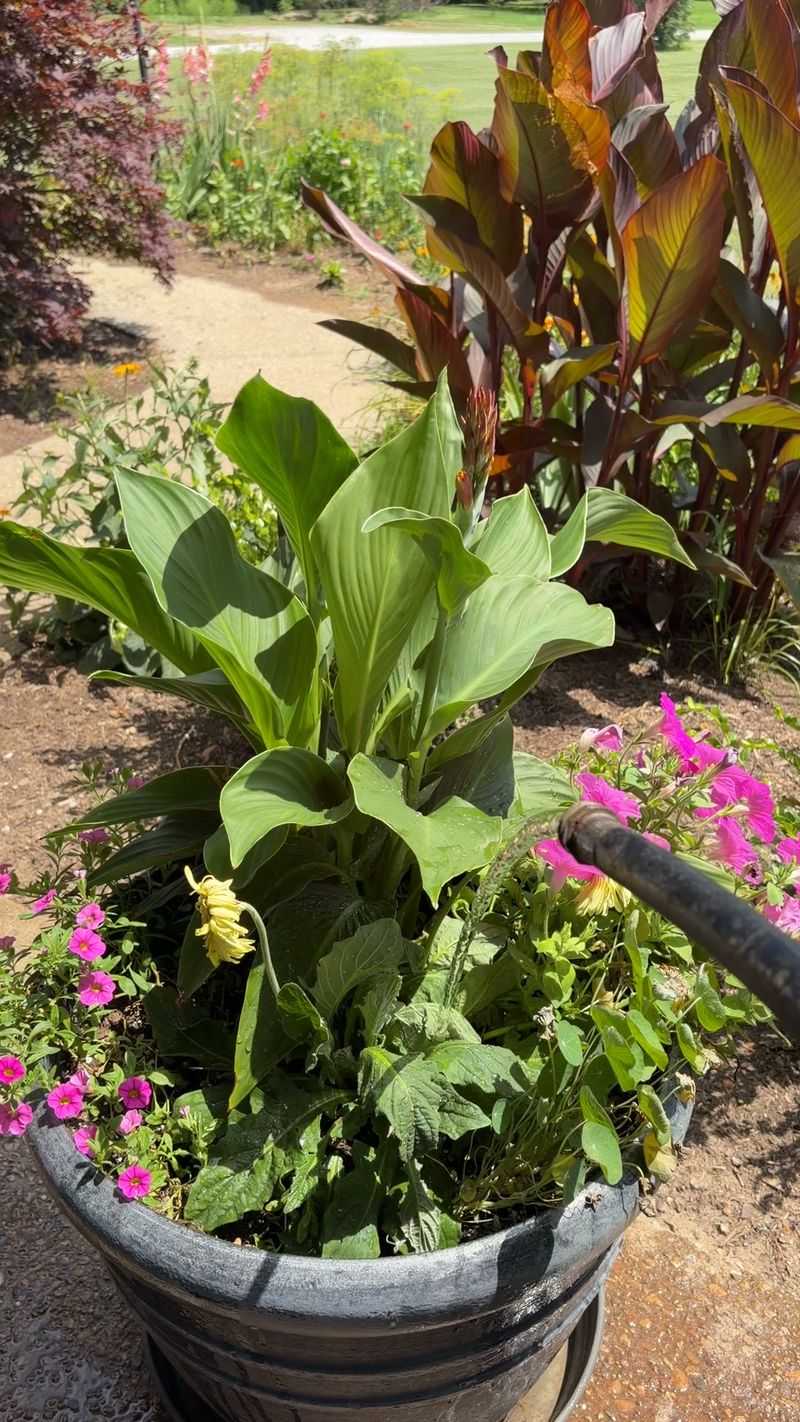
One of the sneakiest sources of plant stress is heat bouncing off nearby surfaces. Concrete patios, brick walls, and paved driveways soak up sunlight all day and radiate it right back at your pots.
That reflected warmth can push soil temperatures way higher than you might expect.
The beauty of container gardening is that you can pick up your plants and move them. When a heat wave arrives, shifting pots off scorching pavement makes a real difference.
Even a few feet onto grass or into a shadier corner can lower the temperature around the roots.
Intense afternoon sun is often the harshest part of the day. Moving containers so they catch gentle morning light but escape the brutal midday rays helps them stay cool and hydrated.
A shaded spot under a tree or on a covered porch works wonders.
Grouping pots together also helps. When plants sit close, they create a little pocket of humidity and shade for each other. That teamwork keeps everyone cooler and slows moisture loss across the whole group.
If your pots are heavy, a rolling plant caddy makes moving them easy on your back. Position the wheels before the heat wave hits so you are ready to roll when temperatures climb.
Giving your containers a break from reflected heat and harsh sun cuts down on water stress dramatically. A little rearranging during the hottest stretches keeps your plants comfortable, and they will hold their moisture and their good looks far longer.
7. Check Smaller Pots Twice Daily
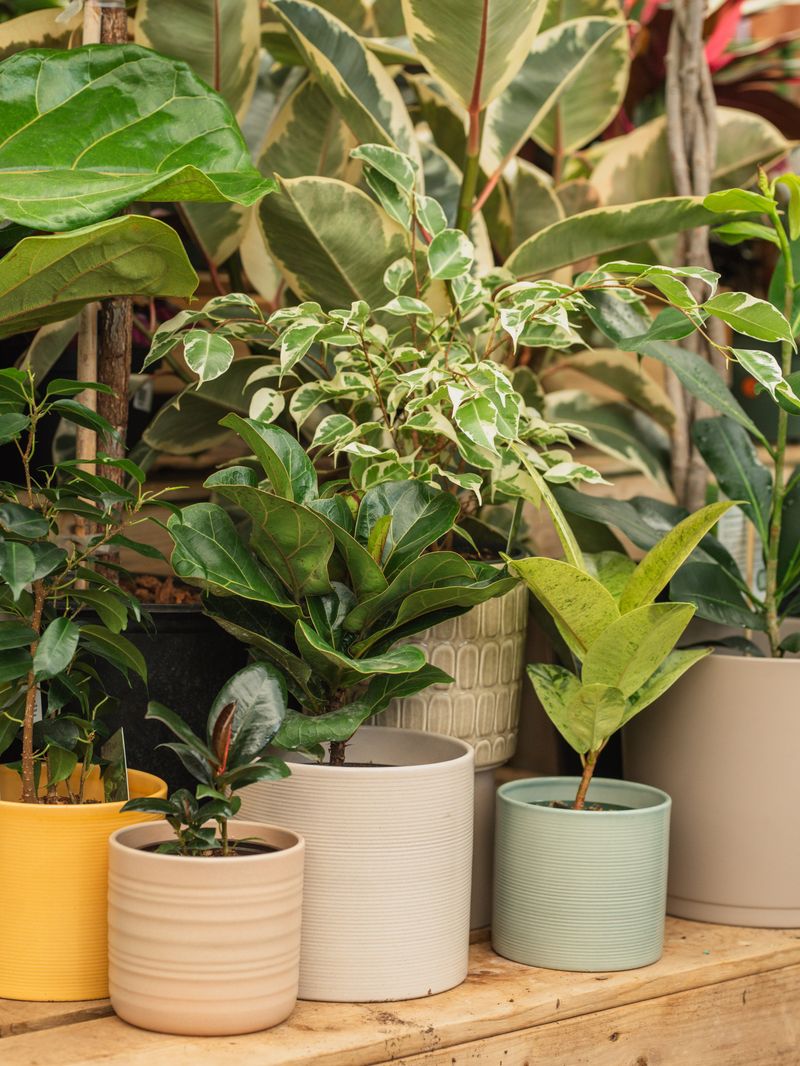
Hanging baskets and tiny pots are the drama queens of the container world during a heat wave. They hold so little soil that they dry out in the blink of an eye.
What felt perfectly damp at breakfast can turn crispy by lunch.
Because of their small size, these containers cannot store much water. Add in the fact that hanging baskets are exposed to sun and wind on all sides, and you have a recipe for fast drying.
Checking them just once a day often is not enough when temperatures soar.
A twice-daily check keeps these little guys from struggling. A quick look in the morning and another in the late afternoon lets you catch dryness before it becomes a problem. If the soil feels dry to the touch, give it a good drink.
Hanging baskets especially need attention because warm air rises and swirls around them. That constant exposure pulls moisture out quickly, so they often need water more than pots sitting on the ground.
To make things easier, consider using self-watering baskets or adding water-holding crystals to the soil mix. These simple upgrades stretch the time between waterings and give you a little breathing room on the hottest days.
Small containers reward extra care with big color and lush growth. A few seconds twice a day is a tiny price for baskets bursting with blooms.
Keep an eye on the little pots, and they will stay vibrant even when Michigan turns up the heat.
8. Avoid Evening Overwatering
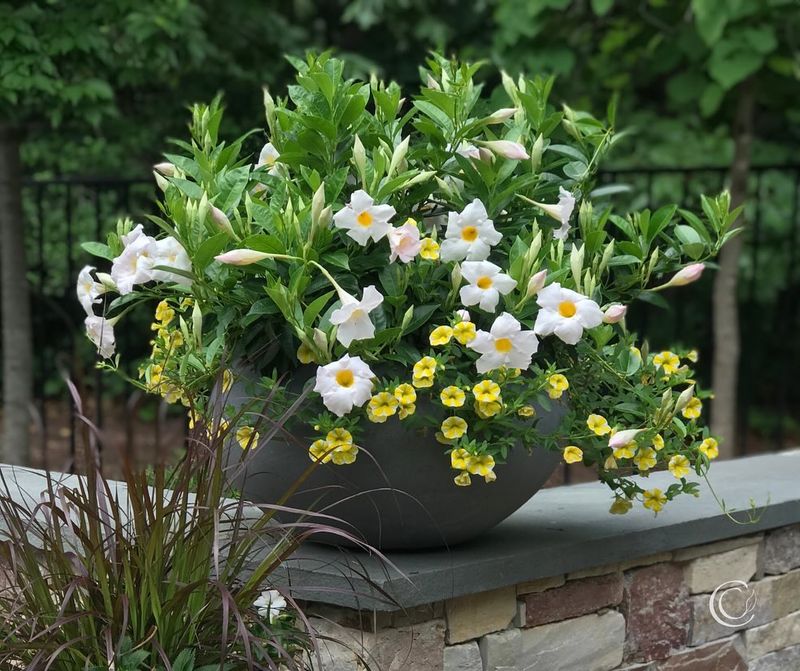
Watering late at night might seem convenient, but it can cause more trouble than it solves. When the sun goes down, soil and leaves stay wet for hours because there is no warmth to help them dry.
That lingering dampness creates the perfect setting for fungus and disease.
Michigan summers often bring humid, muggy evenings. Combine that sticky air with soggy soil and wet foliage, and you invite mildew, mold, and other plant problems.
Damp leaves that never dry out become a welcome mat for trouble.
Roots sitting in constantly wet soil overnight can also start to rot. Plants need a balance of moisture and air around their roots, and heavy nighttime watering throws that balance off. Too much water becomes just as harmful as too little.
If you truly cannot water in the morning, aim for early evening instead of late night. Watering before sunset gives the soil surface and leaves a chance to dry a bit while some warmth remains.
That small timing shift lowers the risk of disease considerably. Try to keep water at the base of the plant rather than splashing the leaves in the evening. Dry foliage overnight is far safer than soaked leaves that stay wet until morning.
Mornings really are the champion watering time, so evening should be your backup plan, not your default. Skip the late-night soak, and you will steer clear of fungus, rot, and other headaches.
Smart timing keeps your containers healthy right through the hottest Michigan stretches.